Category Archives for News

This Teacher Holds The Baby For Three Hours So The Mother Could Make Notes During The Lecture

Teacher Holds The Baby For Three Hours

Image Tweeted by @AnnaKhadejah

A university professor from Georgia Gwinnett College (USA) held the baby of one of her students during class so the mother could take notes. The image of the professional has been disseminated in social networks, and several users have congratulated her noble work, local media reports.

Ramata Sissoko Cisse, assistant professor of biology, offered a conference for 3 hours with the baby resting on her back. The previous night, the teacher received a call from her student to indicate that the babysitter had become ill and therefore, should take her son to class.

After failing to get a babysitter, a student decided to attend the class while carrying her baby. This teacher took over and carried her little guy for three hours while giving her lecture, just so the student could make notes of her lecture. She even fed him!

At the beginning of the class, the academic noticed that the child was restless and decided to hold it. Cisse looked for a lab coat in the classroom and wrapped the baby as African mothers usually do. According to his testimony, the child fell asleep shortly after loading it and woke up near the end of the chair.

"I am teaching love," Cisse told AJC in a telephone interview on Friday. "I am teaching honor. I am teaching dignity. I am teaching respect. I take it very seriously," said the teacher, who is also the mother of three children.

Cisse is originally from Mali and has been working at the university for 3 years. The teacher reiterated that with her actions she intends to demonstrate that teachers are willing to help students to get ahead and assured that other faculty members would have acted in a similar way.

You Might Also Like This

60 minutes on this bicycle can power your home for 24 hours
Iron Deficiency and Sleep: How Low Iron Can Contribute to Restless Nights
Why Cold Therapy Is The Best Thing You Could Do For Your Body?

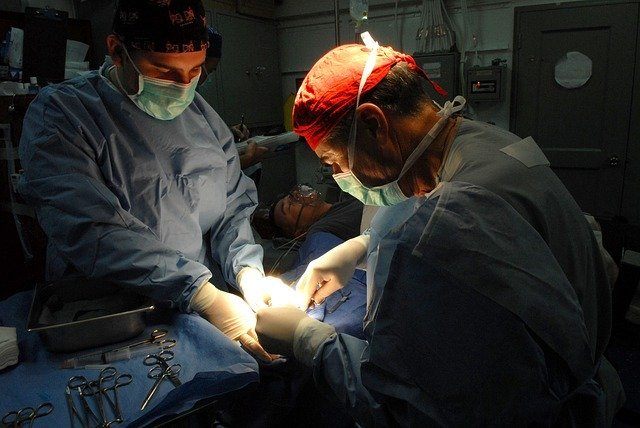
Cardiac Surgeon Who Saved More Than 11,000 Patients

Cardiac Surgeon

Stephen Westaby, one of the largest medical eminences in the United Kingdom, has operated more than 12,000 hearts throughout his 40-year career, and estimates that he saved 97% of his patients.

However, it is the deaths he could not avoid that he remembers most.

Westaby has not only saved lives with his hands, he also created inventions that will continue to save lives once he is gone.

His story began in Scunthorpe, in the north of England, where he grew up in a state dwelling.

The renowned cardiac surgeon talked about his life and his work and recalled how he suffered during his childhood, watching his grandfather - a lifelong smoker - die slowly because of a heart problem.

"He suffered from severe heart failure, which is a miserable way of life," he said.

"Patients with this condition," he said, "can't wear shoes because their ankles are too swollen, they need bigger clothes because their bellies swell and there comes a time when they can't sleep lying down because they lack air."

Little Stephen, at 7, was present at the last moments of his grandfather's life. " I saw how it turned blue and died without being able to breathe, " he says.

That experience would mark him for life.

At that time - in the mid-1950s - cardiac surgery was just beginning to develop.

Doctors in the United States had just invented the heart-lung machine, better known as "the pump", which allowed a cardiopulmonary bypass: a technique that temporarily supplements the function of the heart and lungs during surgery.

This meant a giant breakthrough. Westaby learned of this novelty in 1955, when his parents bought his first black and white television and watched a program which showed cardiac surgery.

" I want to do that, " he thought.

The accident

He believed he could become talented as a surgeon because of something his grandfather had discovered when he was little: Stephen was ambidextrous and could use both hands with skill.

He was also a very good student and was the first of his family to go to college. But while studying in London, Westaby discovered that he had a great flaw: he was very shy and nervous.

"I was not encouraged to raise my hand in class to ask a question," he recalls.

The problem was no less for someone who aspired to become a cardiac surgeon, a profession that requires a lot of boldness to make life or death decisions in seconds.

However, your problem was solved in the most unexpected way.

One day, playing rugby, he suffered a severe blow to the head that fractured his skull. The impact damaged the part of your brain that controls inhibition and risk taking.

"Suddenly, I became the social secretary of the Faculty of Medicine and organized the parties," he says. "Very soon they named me captain of the rugby team. I was just fiercer."

This is how Westaby acquired the three talents necessary to be a successful surgeon: skillful hands, intelligence and boldness.

Operating children

He obtained scholarships to train abroad, working in a hospital in New York (USA) and in Riyadh (Saudi Arabia). And he specialized in pediatric surgery, one of the most difficult branches of medicine.

The stories he tells about his little patients who failed to survive move even tears. One of the most heartbreaking was the case of a baby who managed to operate successfully in Riyadh.

The baby had a heart tumor and Westaby managed to remove it. But during the night the little boy died due to a failure in his pacemaker. The boy's mother, broken by pain, took her son, went to the roof of the hospital and jumped.

When Westaby tells it, one's blood is frozen. But he says that hours after that incident another baby continued to operate.

"I strongly believe that if you are going to perform extreme surgeries, if you are going to help patients who are sicker, you have to take distance if things do not go well," he says.

His dedication to medicine also had a high personal cost: he married and had a daughter, but less than a year later, he was already divorced.

You Might Also Like This

Renewable Backup Power For Home Use
A big study reveals the Safe Limit of Coffee You Should Drink Each Day to avoid Health Dangers
Coffee Saves You From Hypertension And Type 2 Diabetes – Here’s What You Need To Know

A Young Lawyer In New York Lives Off Beans And Rice Despite Making $270,000

Lawyer In New York Lives Off Beans And Rice Despite Making 270000

Not the lawyer actual picture

When it's cold, would you put multiple layers of clothes instead of turning the heater on? Daniel would.

What would you do if you earned $270,000 dollars a year? You’d probably dress very well, travel a lot, spend a hell lot of money and without a doubt, eat in the best restaurants in New York. However, this isn’t Daniel, a 36-year-old corporate lawyer who, despite earning this good sum of money, lives only on rice and beans to save as much money as he can.

In addition, Daniel – whose last name was not disclosed – not only economizes on what he eats. Although his employment is in Manhattan, he lives in New Jersey to avoid paying the city's housing taxes. Also, he only has one suit for each day of the week he goes to the office and, when it is cold, he prefers to put on multiple layers of clothes instead of turning on the heating.

With all these frugality strategies, this man has managed to save 70% of his massive salary, which has helped him accumulate more than $400,000 dollars so far. The most surprising part is that this great achievement will allow you to retire in just 3 years.

Living with little, the key to success

Daniel is part of a new movement known as 'Financial Independence, Retire Early ' (FIRE), where other people with six-figure salaries like him, having similar savings goals ban themselves to buy drinks on the street – they are forced to wear the same pair of shoes until they literally fall apart on your feet.

The FIRE movement promotes frugality as the key to building wealth and getting people to retire early in record time.

Although this system seems to be extreme, it actually seems to be very effective, since Sarah Stanley Fallaw in her book surveyed more than 600 millionaires in the US to find out how they got rich. She discovered that people who get to have a large sum of money tend to save a lot, spend little and stick to a rigid budget. That’s where these saving tactics come from, like eating only beans and rice.

You Might Also Like This

Why Vitamin B12 Deficiency Can Cause Fatigue and Brain Fog
Why Martial Law Is About To Happen
Evidence Based Natural Ways to Reduce Chronic Inflammation

Drugs Pollute The Water We Drink

The Water We Drink

You think you are the person who pollutes the planet the least. You try to avoid plastics, recycle the cardboard and share an Insta Stories every Friday to make people aware. You buy local and you take a house bag to not use a plastic one.

Another Friday comes – you go out to party. The next morning you take ibuprofen, without thinking that the triad of ibuprofen, cocaine and heroin is the dangerous cocktail that pollutes our rivers.

The experts have warned that we must consider the "emerging contaminants" in drinking water, the drugs. You still think that "you are doing well", that you have fulfilled your part and your sustainable quota is settled. Now your environmental cricket nugget will tell you how the drugs you consume are destroying the planet.

Our bodies only metabolize a part of the drugs we consume. This study by Harvard University demonstrates the adverse effects that these substances may have that are excreted through feces, urine and sweat and that end up in drains and surface waters.

When you use drugs and go to the bathroom, showers or loo, you are releasing a few pollutants and contaminants that passes sewage treatment plants because they are difficult to screen.

But there is also drugs that end up directly in the sea because drug traffickers hide them there to get rid of it. Not to mention the amount of gases and waste resulting from cutting and making synthetic drugs.

The current treatment plants were designed to eliminate organic matter and pathogens and although they do stop some substances, they are not designed to eliminate substances of such low concentration. If these pollutants continue to accumulate in the long term, they may end up affecting the health of rivers and their ecosystems.

The problem of drugs in water is nothing new. Already in 2006, a study conducted by the UB on the River showed that in the areas near the mouth the river carried daily loads between 1 and 15 grams of cocaine, 1 to 8 grams of ecstasy and 0.08 to 4 grams of amphetamine. The same study showed that during the holiday period, both summer and Christmas, a higher concentration of drugs in the water had been observed.

In 2011, a study highlighted the presence of drugs in the underground waters and found unmetabolized cocaine in several wells, in addition to other substances such as opiates, amphetamines or benzodiazepines.

From the IMDEA, some of the treatment plants in different regions have been studied – it has been concluded that there is enormous variability in the concentration levels of these substances between some treatment plants and others depending on the area.

The problem is that all these elements can seriously affect marine flora and fauna and rebound our health. The remains of cocaine and ketamine found in prawns in the United Kingdom and the hyperactivity of the Thames eels because of cocaine show that the problem of drug contamination would have reached the animals, altering their behavior.

This is a global problem that is catching up as environmental sensitivities increase. In several European countries, such as in France or Germany, the subject has been investigated to find a possible solution, but so far, we don’t have any.

Not only recreational drugs pose a high risk to the environment – the percentage is relatively small compared to other chemical pollutants that end up in the water and contribute to the destruction of our planet.

Some of the drugs that we usually use and that would most affect the environment would be the consumption of antibiotics, antidepressants, hormones (estrogen, progesterone or testosterone) or analgesics. Other substances such as caffeine, face or body creams or perfumes also potentially contaminate the waters of rivers and seas.

You Might Also Like This

How Probiotics Strengthen Immune Health Through the Gut
Magnesium for Sleep and Anxiety: How It May Support Calmer Nights
$416M Luxury Resort Under Construction At Big Sky

Study Suggests CBD Stops Metastasis In Breast Cancer Patients

Study Suggests CBD Stops Metastasis In Breast Cancer

To date, more than 100 types of cancer have been described, and their treatment depends on the type of cancer in question. Among the most common treatments, we have surgical procedures which consist of removing the tumors through surgery, chemotherapy that attacks the tumor cells with drugs and the radiotherapy that consists of eliminating the cancer cells by means of radiation.

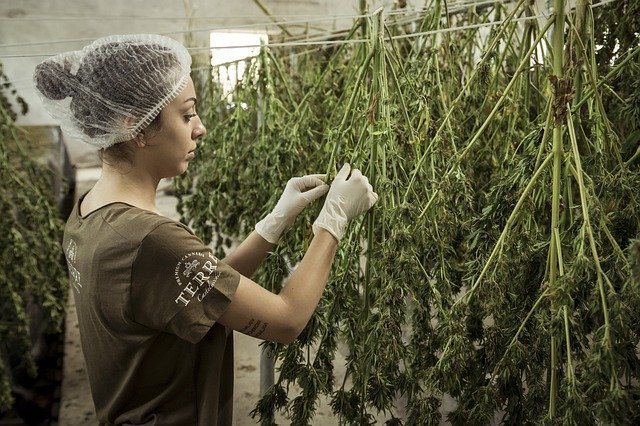
A recent study turned heads toward a more natural way to stop metastasis in breast cancer – scientists found that CBD, also known as cannabidiol, found in cannabis or hemp plant can give hope to breast cancer patients.

In recent years, many expectations have been created around the Cannabinoids as a cancer treatment option. Although scientific research on CBD’s potential to treat cancer was very promising, these were laboratory investigations with animals or cell lines.

To date, it is not advisable to abandon conventional treatments to start one with Cannabinoids – the responsible use of the latter suggests relying on Cannabinoids to reduce the side effects of chemotherapy such as nausea, vomiting and pain.

In 2004, the work team of the Department of Physiology of Wilfrid Laurier University in Canada conducted a study in which they compared the effectiveness of THC, CBD and "Ondansetron", to avoid nausea and vomiting caused by "Cisplatin" one of the most used drugs in chemotherapy, which in turn is the one that causes this most unwanted effect.

Among their results they concluded that Ondansetron alone does not work in low doses, that in intermediate doses it decreases nausea and vomiting without disappearing them and that in high doses the problem returns.

This study also proved that CBD Oil in low doses is a potent inhibitor of nausea and vomiting caused by chemotherapy and that, like Ondansetron, intensified vomiting when using high doses, when this experiment was performed, we knew for sure why CBD has antiemetic properties.

CBD oil, containing cannabidiol (CBD), is an aid against the adverse effects of chemotherapy in patients with breast cancer.

"There are people who generally have nausea, vomiting, headaches, and a series of conditions – we have seen that if, in addition to their treatment, they are taking cannabidiol, the treatment process becomes much simpler," said the specialist.

On the occasion of World Breast Cancer Day, the doctor said that the oil can help in preventing people from abandoning the aggressive treatment of chemotherapy.

"Although chemotherapy treatments have greatly improved, there are still many side effects," he said, later appealing to "promote treatment adherence."

The doctor considered it important to clarify that CBD has no psychotropic effects, with tetrahydrocannabinol (THC) being the other cannabinoid present in the plant which, in this case, does house these properties.

The other use of the oil is to make the last stages of the disease more bearable, when it has already metastasized and overcoming it is impossible.

In these cases, cannabidiol turns out to be an important analgesic due to its relaxing effects.

If we could not do more for the patients, at least we can give them quality of life at the end of their days," said the doctor, known for treating a girl who suffers from Lennox-Gastaut syndrome (LGS).

Also, early detection and self-exploration are important as the main measures to stop breast cancer.

According to the World Health Organization, breast cancer is the one that causes the most deaths in the world, and it mainly affects women between 45 and 65 years. However, it has begun to be detected in people between the ages of 20 and 25 years.

The disease is suffered by 3 out of 10 people in the world and it is estimated that 1 in 8 women will develop the disease during their lifetime.

You Might Also Like This

How to Choose the Best Magnesium Supplement
The United States Has An Epidemic Of Processed Food — And It’s Killing Us
What Is Insulin Resistance and How Does It Affect My Health?

Here’s How You Sleep Less But Better

How You Sleep Less But Better

Scientists have already learned to deepen and accelerate the recovery processes that occur in our brain in a dream. Will this make us feel better, even when we go to bed too late and wake up too early?

We often talk about our difficulties with sleep. After all, they testify that we lead an extremely busy life.

Recall Thomas Edison, Margaret Thatcher and Donald Trump, all of them are famous for their short night's rest – 4-5 hours of sleep, much less than recommended by doctors for adults 7-9 hours.

It seems that many of us are following the example of these people: according to the US Centers for Disease Prevention and Control, more than a third of US adults regularly lack sleep. We ourselves sleep less often, and the consequences are very disturbing.

The consequences are known – from memory impairment to an increased risk of infectious diseases, from decision-making difficulties to obesity – but they are often ignored.

When our work needs exceed the capabilities of the usual daily schedule, the first thing we sacrifice is the hours of sleep.

But what if we could optimize the hours that we spend in a dream and make them more effective? Would we need less sleep then, and would it be deeper?

Such an opportunity is more realistic than we think. Techniques for optimizing sleep already exist, and experiments conducted around the world prove: we can very well increase the efficiency of brain activity at night.

First, we speed up the immersion in deep sleep, and then we increase the quality of our relaxation.

You think that sounds too beautiful to be true? Let's get it right.

Slowing down the rhythm

During a normal night, the brain goes through various stages of sleep, each of which has its own characteristic structure of “brain waves”. At the same time, neurons in different areas of the brain work synchronously, in a certain rhythm (approximately like a large crowd chanting something in chorus).

During the REM sleep phase, which is also called the phase of rapid eye movements (RGD), the rhythm of neurons is relatively fast – at this time we usually see dreams.

Those who suffer from lack of sleep are extremely difficult to convince of the need to change their lifestyle.

But at certain moments, our eyes stop moving, dreams stop occurring, and the rhythm of brain activity drops to one “heartbeat” per second.

And here we are immersed in that deepest unconscious state, which is called the phase of slow sleep.

It is this stage that is most interested in scientists studying the possibilities of optimizing sleep.

Margaret Thatcher, among other things, was also known for sleeping four to five hours a day – at least in those years when she was British Prime Minister

You Might Also Like This

Common B Vitamin Deficiency Symptoms and Nutrient Rich Foods to Consider
Early Signs of Vitamin D Deficiency and How to Restore Optimal Levels Naturally
COVID-19: California ER Doctor Explains Numbers

Here’s What To Do If You Win The Mega Millions Jackpot

What To Do If You Win The Mega Millions

Statistics show that we are more likely to win a gold medal in the Olympic Games or to be hit by lightning than to win millions in the lottery.

However, that has not stopped all people around the world who dream of winning the big prize. Many of them fantasize about the idea of ​​no longer having to work or living a life of luxury.

But will they be happy?

There is research that shows that the happiness of winning a fortune in the lottery usually lasts only one year.

After that time, the winners do not report welfare levels higher than the rest of the population.

Proven: money does not buy happiness

Brad Duke, lives in Boise, Idaho, one of the least populated states in the United States. Duke is perhaps the most famous resident of the place. The reason is that he is one of the biggest lottery winners in the world.

Duke continued working after winning his billionaire award.

In 2005, Duke, a common man, in his 40s and with a moderate voice, was running a gym chain when he won the jackpot of the lottery: $ 220 million.

Far from leaving everything and spending his millions on mansions, yachts and private planes, Duke continued with his life. He didn't even buy a new car for four years.

Instead, he continued working in the gym, but now without earning a salary.

"I didn't want to leave that business, I felt like he had been very good to me. I was having a lot of fun and was doing what I wanted to do when everything happened," Duke told the BBC, who visited him in Bosie.

Eventually Duke began to spend his prize and bought a majestic Tuscan-style hamlet, with luxury furniture, antique decorations, paintings and a huge fountain in front.

His mansion has its own cinema, a cellar and a decoration armor.

"I was inspired by a trip to Tuscany and that made me want to invest in a bigger house, made to my liking," he said.

But beyond enjoying his money, Duke - who now owns his own gym chain – says his economic goals are far from being met: his aspiration is to earn $ 1 billion before he dies.

A few years after winning his Duke prize, a Tuscan-style mansion was built, which even has a decoration armor.

Duke created a foundation dedicated to charitable donations. His parents and several relatives are part of the foundation.

For him, working to multiply his fortune and help his community is the best way to take advantage of the huge stroke of luck he had.

Another lucky guy who won the lottery is Kwame Fosuhene.

Fosuhene, who is 24 years old and has dreadlocks, lived in one of the poorest slums in Ghana when he earned $220,000 (about one million, in local currency), last year, by correctly predicting the outcome of 14 matches of soccer.

His fortune not only allowed him to leave behind his humble origins, it has also allowed him to go in search of his dream.

The young man was a musical composer without money when he won the prize. Today he is a musician and singer and celebrated his triumph by writing a song about what he lived.

Kwame Fosuhene dreams of being a star, thanks to the money he earned.

Also directed his first to film, called "Genesis Ashantis". Fosuhene is looking at Hollywood.

His parents try to take care of his fortune. They worry that their son, who until now was reserved and of low profile, is attracting fake friends who are only with him for his money.

" I want to be a big star because I have tried a little what fame is and I know what it tastes like," he tells from his new home near Kumasi, the second city of Ghana.

"Able to be an inspiration to others. I just want to leave my mark," he confesses.

There is no doubt that today this young Ghanaian lives his dream but will he have a happy life or will the prognosis of scientists be fulfilled?

Ironically, of all the people interviewed about lottery winners, the one who seems to lead the happiest life is the one who has the least.


You Might Also Like This

PLANDEMIC 2.0 – INDOCTRINATION
Chapter 6: Tirzepatide
Natural Remedies for Bloating: Simple, Evidence-Based Relief

The Rarest Pink Diamond Sold For A Record $50 Million

The Rarest Pink Diamond Sold For A Record

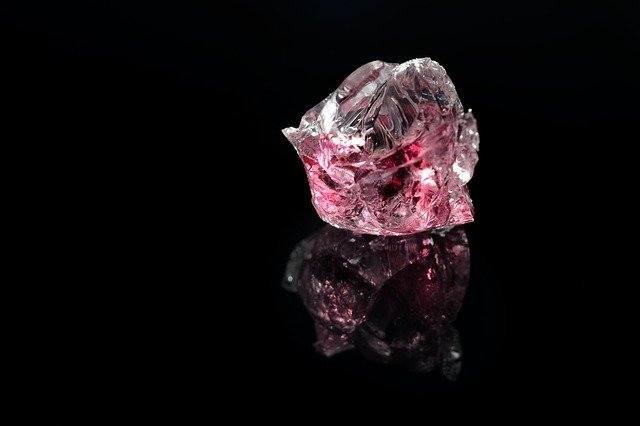
The rarest Pink Heritage diamond sold at a Christie's auction house in Geneva for a record $50 million in Geneva.

A jewel weighing just under 19 carats was bought by Harry Winston, an American jewelry house. The unique jewel immediately received a new name - Winston's Pink Heritage.

According to Christie's, head of the European department of the auction house, $ 2.6 million per carat is a world record for pink diamonds.

There are other counterparts. Pink Star Diamond Sold for Record $71 Million. Pink diamond went under the hammer for $28 million in Geneva. "Martian" diamond sold at auction for $17 million.

The estimated selling price of the stone before the start of trading was from 30 to 50 million US dollars, it was sold five minutes after the start of trading.

The Pink Heritage was once owned by the Oppenheimer family, which ran the mining company De Beers. The head of Christie's jewelry department, Rahul Kadakiya, called the stone "one of the greatest diamonds in the world."

"This color is found in stones that are below one carat; however, this diamond is almost 19 carats, and the pink color is just as saturated! It's impossible to believe in it," the expert said.

The diamond received the highest rating on a scale of color intensity - "very bright."

A rectangular stone was found in a South African mine about a hundred years ago and probably has not undergone any changes since 1920, when it was faceted, representatives of the auction house noted.

According to experts, it is almost impossible to find a diamond of this color intensity and size greater than 10 carats.

The previous pink diamond price record was set in November 2017 at an auction in Hong Kong. Then a much smaller stone of 8.41 carats was sold for almost 18 million US dollars.

You Might Also Like This

Why Vitamin B12 Deficiency Can Cause Fatigue and Brain Fog
The United States’ War on Opioid Epidemic
Fitness Gadgets Let You Keep Track Of Your Owners

The Highest Paid Professions In The United States In 2019

Highest Paid Professions In The United States In 2019

In 2019, health professions top the list of the 10 highest paid professions in the United States.

This is indicated by the data published in the first quarter of the year by the list of National Estimation of Occupational and Salary Jobs of the Department of Labor Statistics (BLS) and the Occupational Information Network of the Department of Labor.

In 2019, the highest paid professionals are from health industry, followed by directives and management.

According to the BLS, the average annual salary for men is $52,208. The average annual salary for women is $41,912, i.e. 20% less.

Highest paid professions in the United States in 2019

1.- Medical specialists

The medical profession is, once again, the highest paid in the US. However, not all specialties receive the same financial compensation. The best paying on average are the following:

  • Anesthetists: $267,020
  • Surgeons: $267,020
  • Oral and maxillofacial surgeons: $242,370
  • Gynecologists: $238,320
  • Orthodontists: $225,760
  • Psychiatrists: $220,380
  • Doctors: $203,880
  • General and family doctors: $211,780

Foreign doctors are among the professionals who are most attracted to the idea of ​​working in the United States. However, it is not easy for foreign doctors to revalidate their studies at foreign universities. The process is hard and long but possible.

However, it is possible to study residence in the United States to specialize. A J-1 exchange visa is used for this.

Because the procedures can be complex and take years, many doctors prefer to obtain licenses to work in the US - although less than doctors, they are also well paid as nurses.

2.- Chief Executives

Known as CEO, they earn an average of $200,140. The highest paid on average reside in South Dakota, Washington DC and Rhode Island.

3.-Other medical specialties

  • Internists: $196,490
  • Dental technicians: $191,400
  • Pediatricians: $183,240
  • Dentists: $175,840. This is one of the fastest growing professions in the US.

4.- Nurse anesthetists

They charge $174,790 per year on average. This is also a profession with excellent financial compensation. There is a spectacular growth in job offers and it requires the degree of Registered Nurse (RN).

In the United States, there are specialized agencies to hire foreign nurses.

5.- Flight pilots and engineers: $169,560

This is also a highly specialized and lucrative career in the United States.

6.- Petroleum engineers: $156,370

Their salary varies from year to year depending on fluctuations in the price of crude oil and natural gas.

7.- Information Systems Managers: $152,860

The IT field attracts foreign workers the most. Large technology companies are known to sponsor immigrants for both the permanent residence card, known as the green card, or for the H-1B visa.

8.- Podiatrists: $148,220

In the US, Podiatrists are not doctors. They can obtain their degree through a Doctor Podiatric Medicine (DPM).

Other professions with annual average incomes that exceed $130,000 are financial managers, sales managers, lawyers, Natural Science project managers and, finally, benefits and compensation managers in the Human Resources field.

You Might Also Like This

Chapter 15: Epitalon
Why Vitamin B12 Deficiency Causes Fatigue and How to Correct It Naturally
Early Signs of Vitamin D Deficiency and Natural Ways to Support Healthy Levels

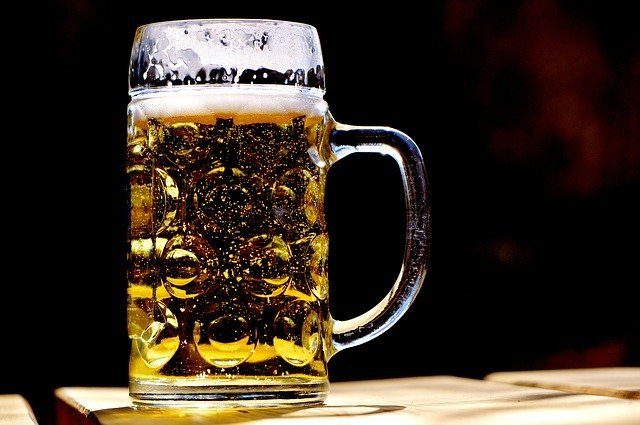
Strong Beers Contain Bacteria Beneficial For Gut Flora

Strong Beers Contain Bacteria Beneficial For Gut Flora

Scientists have found that strong beers may have the gut-friendly bacteria just like yogurt.

Until a few years ago, scientists thought that alcohol was bad for our intestines. One study showed that regular alcohol drinkers had several gastrointestinal problems. However, today's scientists are coming back on this topic and even praising the beneficial side of strong beers on our gut microbiota.

FERMENTATION AND YEAST THAT KILL THE BAD BACTERIA

Scientists say some beers can be "very healthy". They would have a more beneficial side to our intestines, thanks to the bacteria they contain.

This is what Professor Eric Claassen asserts. At an event organized by Yakult, manufacturer of probiotic drinks, the professor from the University of Amsterdam presented his point of view on the issue.

While most beers undergo only one fermentation process, Belgian beers undergo a fermentation twice. During this second fermentation, the use of yeasts produces toxic acids. These acids are toxic only for bacteria that are bad for the human intestines.

CONSUME IN MODERATION

Whenever a person drinks a strong Belgian beer, such as a Hoegaarden, Westmalle Tripel or Echt Kriekenbier, it strengthens its intestinal flora. Acids in beer eliminate harmful bacteria in the intestines. However, for this to be truly beneficial, Eric Claassen says you have to drink in moderation. A strong beer a day, no more.

"In high concentrations, alcohol is of course bad for the intestine. But if you only drink one of these (strong) beers each day, it could be good for you", he says.

The high dose of alcohol produces large intestinal problems. But, according to Eric Claassen, a strong beer a day produces the same effect as a yogurt on your intestines. The good news is, it won’t be the only benefit that beer has for our body.

You Might Also Like This

A Solar-Powered System Can Turn Salt Water Into Fresh Drinking Water For 25,000 People Per Day
Vitamin D Deficiency Symptoms in Adults and Safe Ways to Boost Levels
Appendix
1 8 9 10 11 12 17