
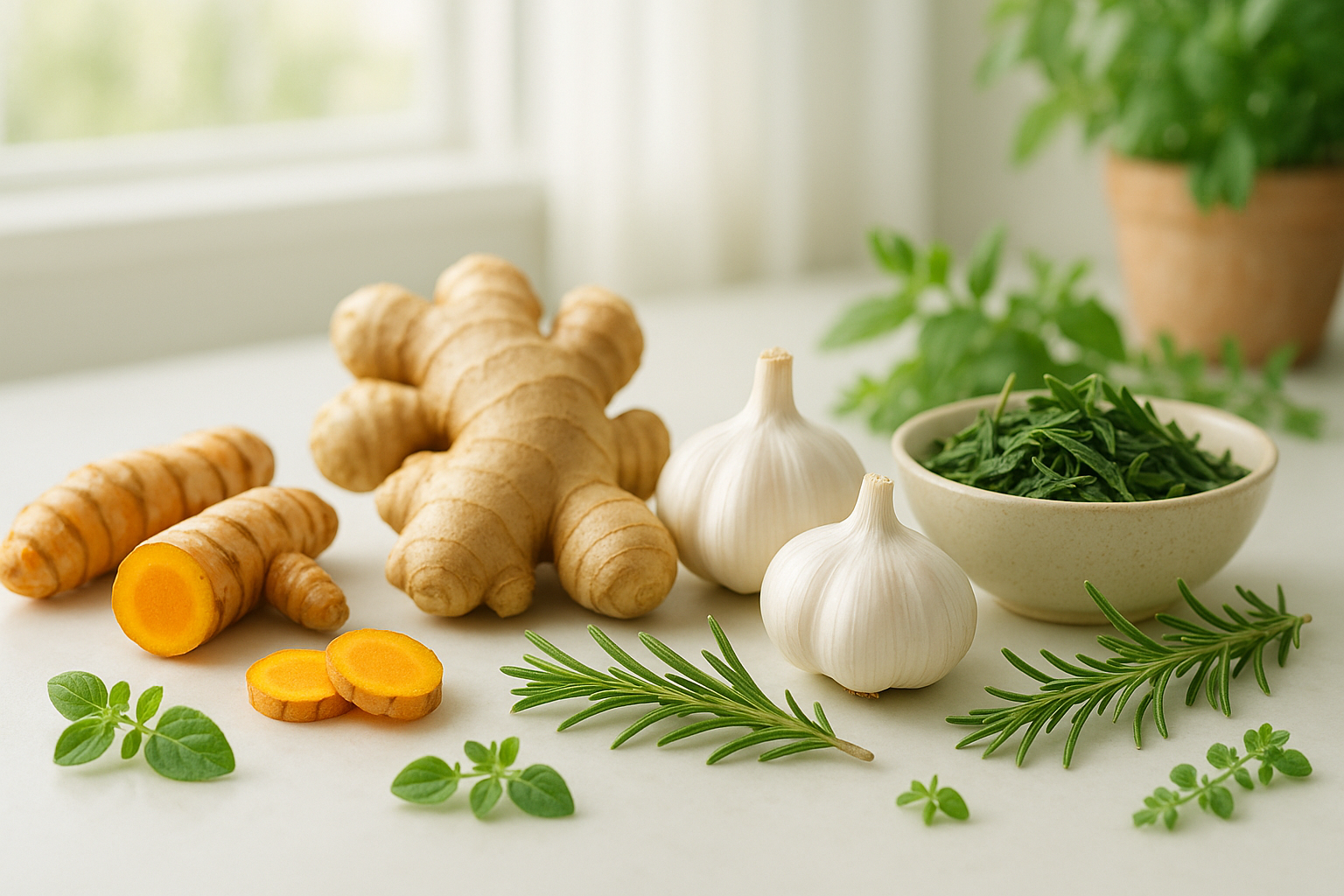
Anti Inflammatory Herbs That May Help Support Whole Body Wellness
Anti Inflammatory Herbs That May Help Support Whole Body Wellness
Inflammation is part of the body’s natural defense system. Short-term inflammation helps the body respond to injury or infection, while long-term, ongoing inflammation may be linked with many health concerns. Food, stress, sleep, movement, and environmental factors can all influence inflammatory balance.
Anti inflammatory herbs are often used to support general wellness. They are not a cure for disease, but some contain plant compounds that may help the body maintain a healthier inflammatory response when paired with a balanced lifestyle.
1. Turmeric
Turmeric is a golden yellow spice best known for curcumin, one of its main active compounds. Curcumin has been widely studied for its antioxidant and inflammation-related effects.
Common ways to use turmeric include adding it to soups, stews, rice dishes, smoothies, or warm drinks. Pairing turmeric with black pepper and a source of fat may improve curcumin absorption.
Safety note: Turmeric supplements may not be appropriate for everyone, especially people taking blood thinners, those with gallbladder concerns, or people preparing for surgery.

2. Ginger
Ginger is a warming root commonly used in tea, stir-fries, soups, and wellness tonics. It contains natural compounds such as gingerols and shogaols that are often studied for digestive and inflammatory support.
Ginger may be especially useful as a daily culinary herb because it is easy to add to meals. Fresh ginger tea, grated ginger in dressings, and ginger added to vegetable dishes are simple options.
Safety note: Larger supplemental amounts may interact with blood-thinning medications or affect some people with reflux or digestive sensitivity.
3. Garlic
Garlic is both a culinary staple and a traditional wellness herb. It contains sulfur-containing compounds, including allicin, that may support cardiovascular and immune-related wellness.
For everyday use, garlic can be added to roasted vegetables, sauces, soups, legumes, and marinades. Letting chopped garlic sit for several minutes before cooking may help preserve some beneficial compounds.
Safety note: Garlic supplements can increase bleeding risk for some people and may interact with certain medications.
4. Green Tea
Green tea comes from the Camellia sinensis plant and contains polyphenols, including EGCG. These compounds are associated with antioxidant activity and may help support healthy inflammatory balance.
Green tea can be enjoyed hot or iced. For a gentler cup, steep it at a lower temperature instead of using boiling water, which may reduce bitterness.
Safety note: Green tea contains caffeine, and concentrated green tea extracts may not be suitable for everyone, especially people with liver concerns or caffeine sensitivity.
5. Rosemary
Rosemary is an aromatic herb that contains rosmarinic acid and other plant compounds. It is commonly used in Mediterranean-style cooking and pairs well with vegetables, poultry, fish, beans, and olive oil.
Using rosemary in meals is a practical way to add flavor while reducing reliance on excess salt or highly processed sauces.
Safety note: Culinary amounts are generally different from concentrated extracts or essential oils. Do not ingest rosemary essential oil unless directed by a qualified professional.
6. Cinnamon
Cinnamon is a sweet, warming spice that can be added to oatmeal, yogurt, smoothies, tea, and baked fruit. It contains antioxidant plant compounds and is often discussed for metabolic wellness support.
Safety note: Cassia cinnamon contains coumarin, which can be harmful in high amounts. People who use cinnamon frequently may prefer Ceylon cinnamon and should avoid excessive supplemental doses.
How to Use Anti Inflammatory Herbs Safely
Start with food first. Culinary amounts are often the safest and most sustainable way to enjoy herbs. Choose one or two herbs to use regularly rather than taking many supplements at once.
Use herbs to support a broader wellness pattern that includes colorful fruits and vegetables, adequate protein, healthy fats, fiber-rich foods, regular movement, stress management, and quality sleep.
If you are pregnant, breastfeeding, taking prescription medication, managing a chronic condition, or scheduled for surgery, speak with a healthcare professional before using herbal supplements.
Bottom Line
Anti inflammatory herbs such as turmeric, ginger, garlic, green tea, rosemary, and cinnamon may help support whole body wellness when used thoughtfully. The best approach is to enjoy them as part of a varied, nutrient-rich diet while getting personalized medical guidance when needed.