
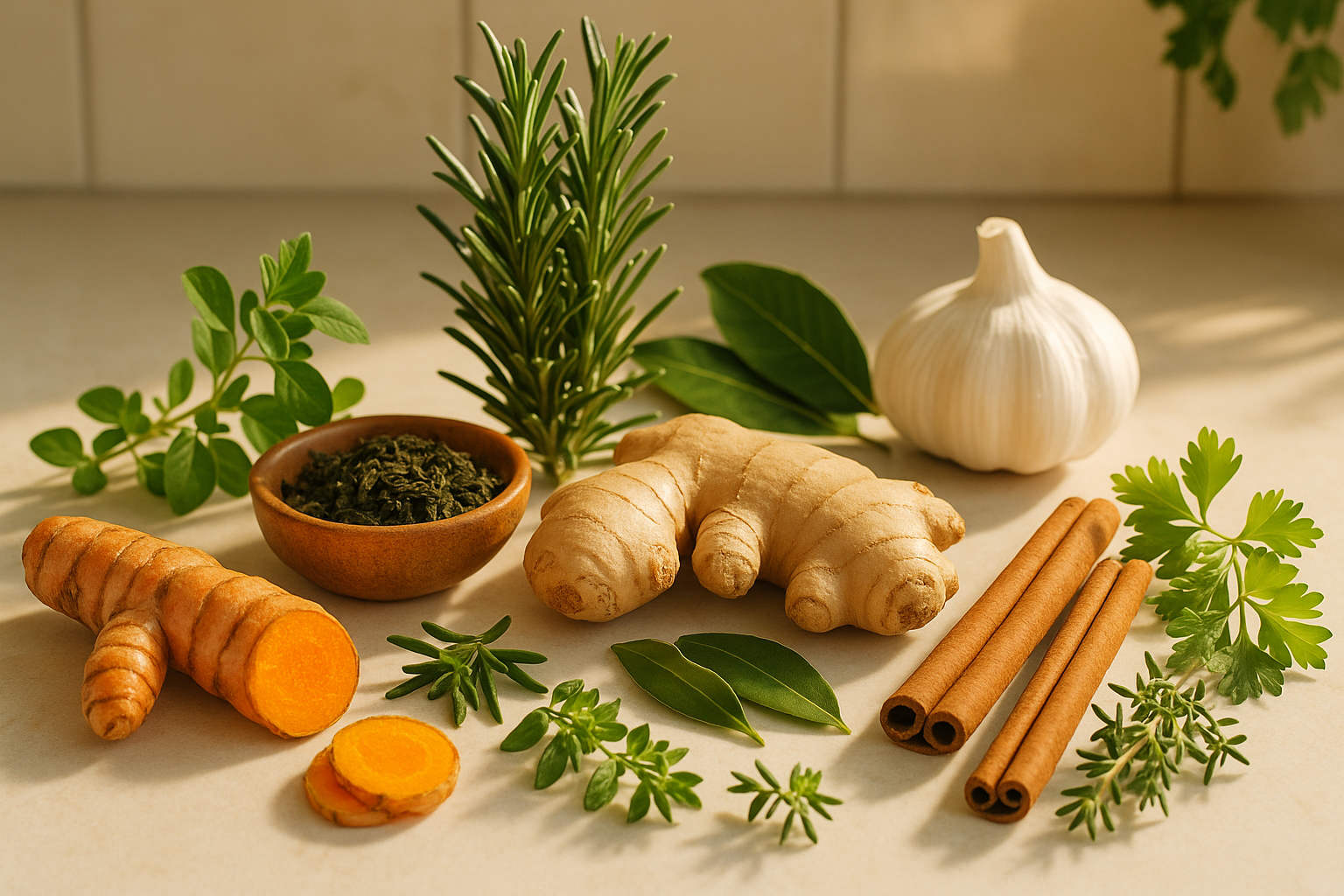
Anti-Inflammatory Herbs That May Support Joint, Gut, and Immune Wellness
Anti-Inflammatory Herbs That May Support Joint, Gut, and Immune Wellness
Inflammation is a normal immune response that helps the body recover from injury and defend against infection. Problems can arise when inflammation becomes persistent or excessive. While no herb is a cure for inflammatory disease, certain culinary and medicinal herbs contain plant compounds that may support a healthy inflammatory response as part of a broader wellness plan.
The keyword anti inflammatory herbs often brings up long lists of plants, but the most useful approach is to focus on herbs with traditional use, some scientific interest, and a clear safety profile.
How herbs may influence inflammation
Many herbs contain polyphenols, terpenes, sulfur compounds, or other bioactive molecules that may affect oxidative stress, immune signaling, digestion, or tissue comfort. These effects can vary based on the form used, dose, extract quality, individual health status, and medication use.
Herbs are best viewed as supportive tools, not substitutes for medical evaluation or prescribed treatment.
1. Turmeric
Turmeric is one of the best-known anti-inflammatory herbs. Its main studied compound, curcumin, has been investigated for effects related to inflammatory pathways and oxidative stress. Turmeric is often used to support joint comfort, post-exercise recovery, and general wellness.

Practical use: Turmeric can be added to soups, stews, rice, smoothies, and golden milk. Curcumin supplements are also common, often combined with black pepper extract to improve absorption.
Safety notes: Turmeric supplements may interact with blood thinners and may not be appropriate for certain gallbladder conditions or before surgery. Culinary amounts are generally different from concentrated supplement doses.
2. Ginger
Ginger is widely used for digestive comfort and has a long history in traditional wellness practices. It contains gingerols and related compounds that may help support a balanced inflammatory response. Ginger is also commonly used for nausea and stomach comfort.
Practical use: Fresh ginger works well in tea, stir-fries, soups, dressings, and marinades. Dried ginger and capsules are also available.
Safety notes: Ginger may interact with anticoagulant or antiplatelet medications in some people, especially at higher supplemental doses. People with bleeding disorders or upcoming procedures should ask a clinician before using ginger supplements.
3. Boswellia
Boswellia, also called Indian frankincense, is a resin extract traditionally used for joint and inflammatory support. Boswellic acids are the primary active compounds studied. Boswellia is most often taken as a standardized supplement rather than used as a culinary herb.
Practical use: Look for products that specify boswellic acid content and follow label directions unless a healthcare professional recommends otherwise.
Safety notes: Boswellia may cause digestive upset in some people and can interact with certain medications. Product quality varies, so third-party testing is helpful.
4. Green tea
Green tea is not usually thought of as an herb in the kitchen sense, but it is a plant-based beverage rich in catechins, especially EGCG. These compounds are associated with antioxidant activity and may support cardiometabolic and immune wellness.
Practical use: Drink brewed green tea, matcha, or decaffeinated green tea depending on caffeine tolerance.
Safety notes: Concentrated green tea extract has been linked to liver concerns in rare cases, particularly at high doses. People with liver disease or sensitivity to caffeine should be cautious with extracts.
5. Garlic
Garlic contains sulfur-containing compounds such as allicin-related molecules. It is commonly associated with cardiovascular wellness and immune support, and it may also play a role in supporting healthy inflammatory balance.
Practical use: Use fresh garlic in cooked meals, dressings, roasted vegetables, soups, and sauces. Crushing or chopping garlic before cooking may help activate some beneficial compounds.
Safety notes: Garlic supplements may increase bleeding risk, especially when combined with blood-thinning medications. Garlic can also worsen reflux in some people.
6. Rosemary
Rosemary contains rosmarinic acid and other antioxidant compounds. It is a flavorful culinary herb that may support overall wellness when used regularly in meals.
Practical use: Add rosemary to roasted vegetables, beans, poultry, fish, soups, and infused olive oil.
Safety notes: Culinary amounts are generally well tolerated. Concentrated rosemary extracts or essential oils should be used cautiously and should not be ingested unless specifically directed by a qualified professional.
7. Cinnamon
Cinnamon is rich in polyphenols and is often discussed for metabolic wellness. It may also fit into an anti-inflammatory eating pattern when used to flavor foods without relying heavily on added sugar.
Practical use: Sprinkle cinnamon into oatmeal, yogurt, coffee, smoothies, baked fruit, or chia pudding.
Safety notes: Cassia cinnamon contains coumarin, which may be a concern for the liver at high intakes. Ceylon cinnamon is lower in coumarin.
Herbs for joint support
For joint comfort, turmeric, ginger, and boswellia are among the most commonly discussed options. They may be especially useful when paired with strength training, mobility work, adequate protein, omega-3-rich foods, and weight management when appropriate.
Seek medical care for joint swelling, redness, warmth, severe pain, sudden loss of movement, or symptoms that persist.
Herbs for gut support
Ginger is often used for digestive comfort, while turmeric and rosemary can be included in gut-friendly meals. However, people with inflammatory bowel disease, ulcers, gallbladder disease, reflux, or frequent abdominal pain should get personalized guidance before using concentrated herbal supplements.
For gut wellness, herbs work best alongside fiber-rich foods, hydration, stress management, and evaluation for persistent symptoms.
Herbs for immune wellness
Garlic, ginger, green tea, rosemary, and turmeric are common choices for immune-supportive diets. They provide plant compounds that may complement a nutrient-dense eating pattern. Still, herbs do not prevent or treat infections on their own.
If you have fever, shortness of breath, severe symptoms, or a weakened immune system, contact a healthcare professional.
How to use anti-inflammatory herbs safely
Start with food first when possible. Culinary use is usually gentler than concentrated extracts.
Introduce one herb or supplement at a time so you can monitor tolerance.
Check interactions if you take blood thinners, blood pressure medication, diabetes medication, immune-suppressing drugs, or liver-affecting medications.
Avoid high-dose supplements before surgery unless approved by your care team.
Choose reputable brands that use third-party testing when buying supplements.
Stop use and seek care if you develop rash, swelling, breathing difficulty, severe stomach pain, unusual bleeding, or signs of liver problems such as dark urine or yellowing skin.
Simple ways to add these herbs to your routine
Make ginger-turmeric tea with lemon.
Add rosemary and garlic to roasted vegetables.
Use turmeric in lentil soup or curry.
Drink green tea in place of a sugary afternoon beverage.
Add cinnamon to breakfast instead of extra sweetener.
Use garlic, ginger, and herbs in homemade dressings and marinades.
Bottom line
Anti-inflammatory herbs such as turmeric, ginger, boswellia, green tea, garlic, rosemary, and cinnamon may support joint, gut, and immune wellness when used thoughtfully. The safest starting point is to add them to balanced meals, then discuss supplements with a healthcare professional if you have medical conditions, take medications, or want higher-dose extracts.