B vitamins do not provide energy in the same way calories do, but they help your body convert carbohydrates, fats, and proteins into usable cellular energy. They also support nervous system health, red blood cell production, and normal brain function.

Top Stories
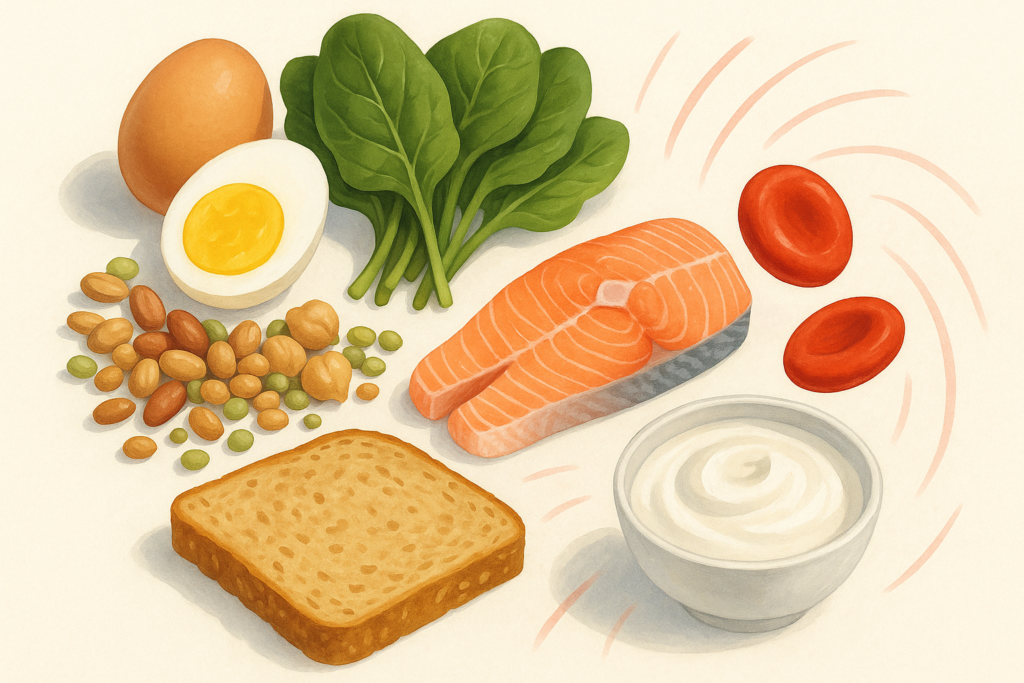
How B Vitamin Deficiencies Can Contribute to Fatigue and Low Energy
B vitamin deficiency fatigue can happen when the body does not have enough of certain B vitamins needed for red blood cell production, energy metabolism, nerve function, and overall cellular health. While tiredness has many possible causes, low levels of vitamin B12, folate, vitamin B6, thiamin, or other B vitamins may contribute to persistent low energy in some people.

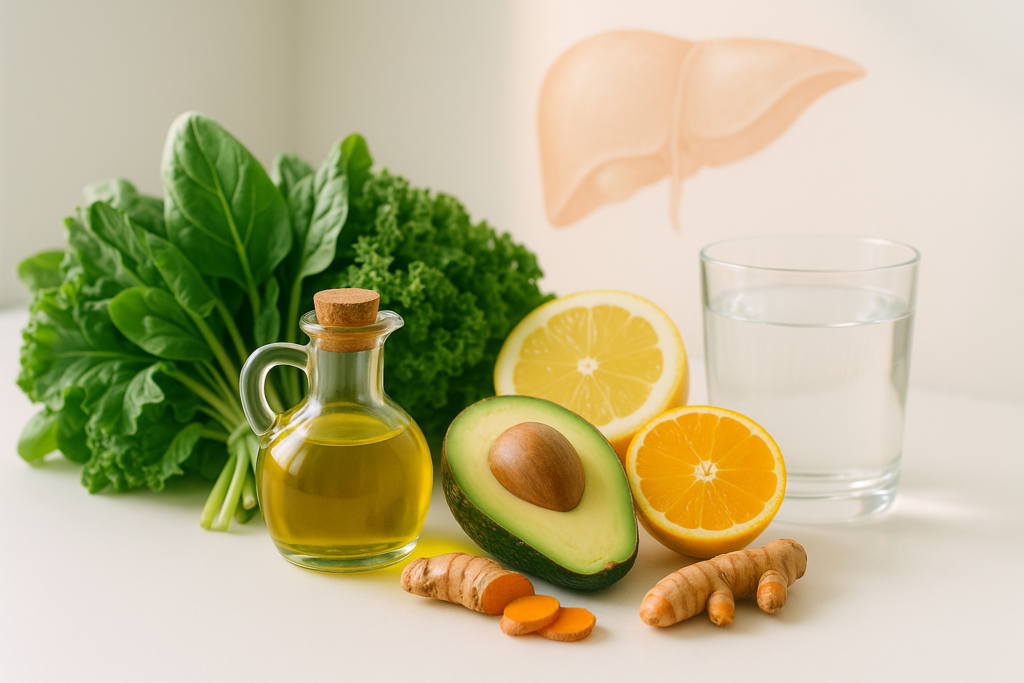
Natural Liver Support Strategies for Detoxification and Daily Wellness
Natural liver support is less about quick detox fixes and more about daily habits that help your liver do what it already does best: process nutrients, filter blood, metabolize substances, support digestion, and regulate energy. This guide explains practical, evidence-informed strategies for supporting liver wellness naturally.

How Iron Deficiency Can Contribute to Fatigue and Low Energy
Iron deficiency is one of the most common nutritional deficiencies and a frequent contributor to ongoing fatigue, low stamina, weakness, and difficulty concentrating. Because iron helps your body make hemoglobin, the protein in red blood cells that carries oxygen, low iron can leave your tissues with less oxygen than they need to function well.
You Might Share This
Copyright You Might Share This | Disclaimer - Privacy Policy - Terms of Use - Affiliate Disclosure