
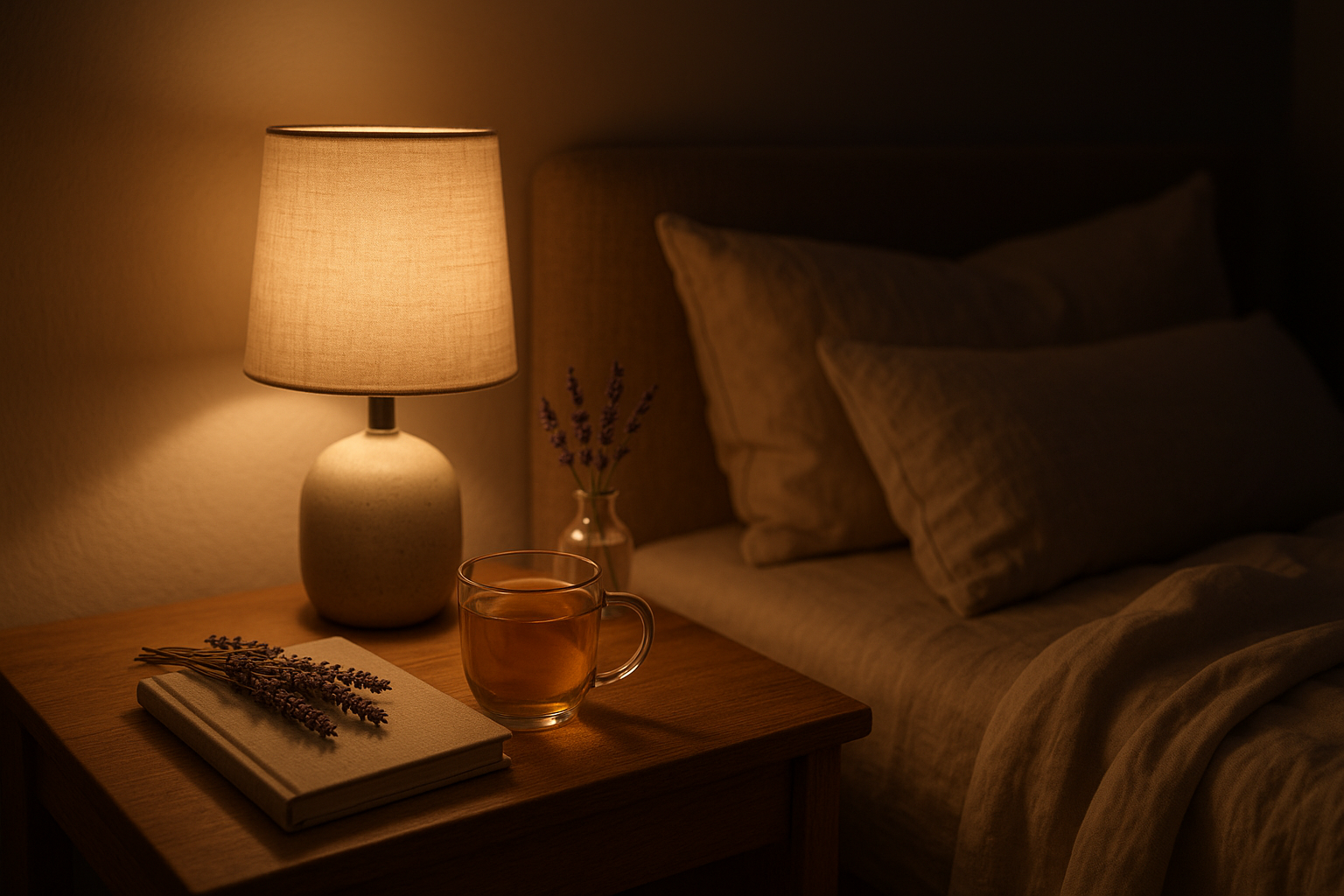
Natural Sleep Remedies to Calm the Nervous System and Improve Sleep Quality
Natural Sleep Remedies to Calm the Nervous System and Improve Sleep Quality
Sleep is closely connected to the nervous system. When the body is in a stressed, alert, or overstimulated state, falling asleep and staying asleep can become harder. Natural sleep remedies often work best when they support the body in shifting from activation to relaxation.
The goal is not to force sleep. The goal is to create a calmer internal and external environment so sleep can happen more naturally.
How the Nervous System Affects Sleep
Your nervous system helps regulate alertness, stress responses, heart rate, breathing, digestion, and relaxation. When stress hormones remain elevated in the evening, your body may feel tired but wired.
Common signs of nighttime nervous system activation include racing thoughts, muscle tension, restlessness, shallow breathing, sensitivity to noise, and waking up during the night feeling alert.
Natural sleep remedies can help by supporting relaxation cues, reducing stimulation, and creating consistent signals that bedtime is safe and predictable.

1. Create a Consistent Wind-Down Routine
A steady evening routine trains your brain to associate certain activities with sleep. Start winding down 30 to 60 minutes before bed.
Helpful options include dimming lights, turning off work notifications, taking a warm shower, reading something calming, stretching gently, journaling, or listening to soft music.
Consistency matters more than complexity. A simple routine repeated nightly is often more effective than trying a new remedy every few days.
2. Use Light to Support Melatonin Rhythm
Light exposure strongly influences circadian rhythm. Bright light in the morning helps reinforce wakefulness, while dimmer light at night helps prepare the body for sleep.
Try getting natural outdoor light soon after waking. In the evening, reduce bright overhead lighting and limit blue-light exposure from screens when possible.
If you use devices at night, consider lowering brightness, using night mode, and avoiding emotionally stimulating content before bed.
3. Try Relaxing Breathing Exercises
Slow breathing can send a safety signal to the nervous system. It may help reduce physical arousal and make it easier to transition into sleep.
A simple method is extended exhale breathing. Inhale gently through the nose for 4 seconds, then exhale slowly for 6 to 8 seconds. Repeat for 3 to 5 minutes.
Another option is box breathing: inhale for 4 seconds, hold for 4 seconds, exhale for 4 seconds, and pause for 4 seconds. If holding the breath feels uncomfortable, skip the holds and focus on slow exhales.
4. Practice Gentle Stretching or Restorative Yoga
Gentle movement can release tension that builds up during the day. Choose slow, relaxing movements rather than intense exercise close to bedtime.
Helpful options may include legs up the wall, child pose, gentle neck rolls, seated forward folds, or slow hip stretches.
Keep the intensity low. The purpose is to relax the body, not raise heart rate or increase alertness.
5. Take a Warm Bath or Shower
A warm bath or shower 1 to 2 hours before bed may help the body prepare for sleep. After warming up, the body cools down, which can support the natural drop in core temperature associated with sleep onset.
This remedy can also become a reliable nervous system cue. Warm water, dim lighting, and a quiet environment can make the transition to bed feel more soothing.
6. Consider Magnesium-Rich Foods
Magnesium plays a role in normal nerve and muscle function. Some people explore magnesium for relaxation, but food-based sources are a gentle place to start.
Magnesium-rich foods include pumpkin seeds, almonds, spinach, black beans, cashews, edamame, and whole grains.
If considering a magnesium supplement, speak with a healthcare professional first. Supplements may not be appropriate for everyone, especially people with kidney disease or those taking certain medications.
7. Use Herbal Tea Mindfully
Caffeine-free herbal teas can be part of a calming sleep ritual. Chamomile, lemon balm, passionflower, and lavender are commonly used for relaxation.
The ritual itself may be as helpful as the herb: warm liquid, a slower pace, and a predictable bedtime habit can all support nervous system calm.
Use caution with herbal products if you take medications, have allergies, are pregnant or breastfeeding, or have a medical condition. Natural does not always mean risk-free.
8. Limit Caffeine and Alcohol Near Bedtime
Caffeine can stay active in the body for hours and may interfere with sleep even if you can fall asleep. Many people sleep better when they stop caffeine by late morning or early afternoon.
Alcohol may feel sedating at first, but it can reduce sleep quality and contribute to nighttime waking. If sleep is a priority, reducing evening alcohol may help.
9. Build a Sleep-Friendly Bedroom
Your bedroom environment can either calm or stimulate the nervous system. Aim for a room that is cool, dark, quiet, and comfortable.
Consider blackout curtains, a sleep mask, earplugs, white noise, breathable bedding, and removing work-related items from the bedroom when possible.
If your brain associates bed with stress, scrolling, or problem-solving, it may become harder to fall asleep. Try keeping the bed mainly for sleep and intimacy.
10. Try Journaling to Reduce Racing Thoughts
If your mind gets busy at bedtime, journaling can help transfer thoughts out of your head and onto paper.
Try writing a short worry list, a next-day task list, or three things that went well today. This can reduce the feeling that you need to mentally hold everything overnight.
Keep it brief and nonjudgmental. The goal is closure, not perfect reflection.
11. Use Progressive Muscle Relaxation
Progressive muscle relaxation involves gently tensing and releasing muscle groups. This can improve awareness of tension and help the body relax.
Start at your feet and move upward. Tense one area for about 5 seconds, then release for 10 to 20 seconds. Continue through calves, thighs, abdomen, hands, shoulders, jaw, and face.
If tensing muscles feels uncomfortable, simply scan each body part and imagine it softening.
12. Keep Naps Short and Strategic
Naps can be helpful, but long or late naps may make nighttime sleep harder. If you nap, aim for about 10 to 30 minutes and avoid napping late in the day.
If insomnia is a frequent issue, you may benefit from skipping naps temporarily to strengthen nighttime sleep pressure.
When to Seek Medical Guidance
Natural sleep remedies can support mild or occasional sleep trouble, but persistent sleep problems deserve medical attention.
Consider speaking with a healthcare professional if insomnia lasts more than a few weeks, you snore loudly, wake up gasping, feel very sleepy during the day, experience restless legs, have mood changes, or rely on alcohol or sedatives to sleep.
Sleep issues can be connected to stress, anxiety, depression, sleep apnea, pain, medications, hormone changes, or other health conditions. Getting the right support can make a major difference.
A Simple Natural Sleep Routine to Try Tonight
About 60 minutes before bed, dim the lights and stop work-related tasks. About 30 minutes before bed, make caffeine-free herbal tea or take a warm shower. Spend 5 minutes doing slow breathing, then write down tomorrow’s top tasks. Keep the bedroom cool and dark, and use a consistent bedtime when possible.
Small habits, repeated consistently, can help teach the nervous system that nighttime is safe, calm, and restful.