
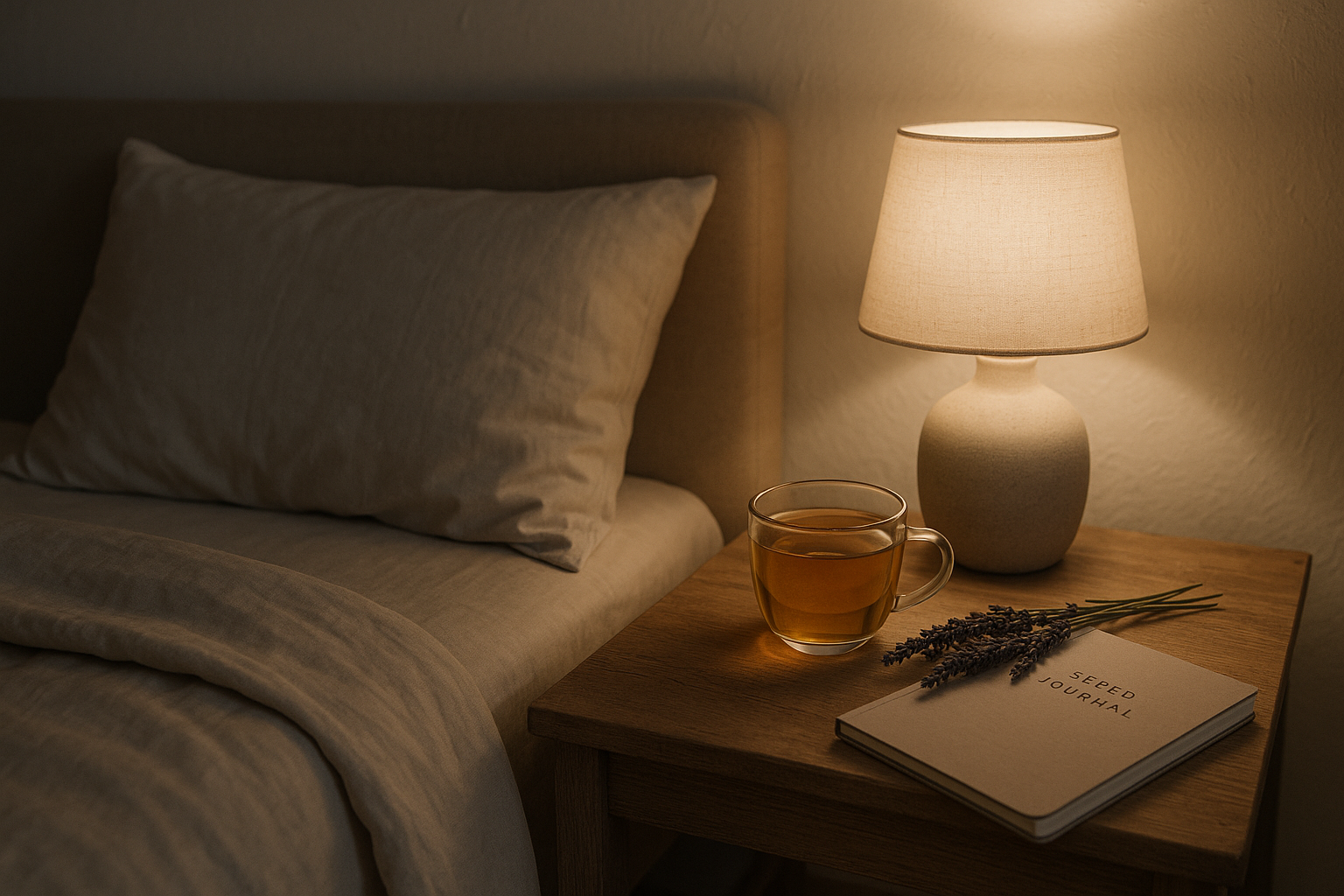
Natural Remedies for Better Sleep: Gentle Ways to Support Deeper Rest
Natural Sleep Remedies That Support Deeper Rest Without Harsh Stimulants
If you are looking for natural remedies for better sleep, the goal is not to force your body into rest. It is to create the conditions that make sleep feel easier, deeper, and more consistent. Many gentle strategies work best when used together: a steady schedule, a calming wind-down routine, light management, relaxation practices, and careful use of supplements when appropriate.
Start With a Consistent Sleep Schedule
One of the most effective natural sleep supports is consistency. Going to bed and waking up at about the same time each day helps train your circadian rhythm, the internal clock that regulates sleep and wakefulness.
Try to:
- Wake up at the same time daily, even on weekends
- Get bright outdoor light soon after waking
- Keep naps short and earlier in the day
- Begin winding down 30 to 60 minutes before bed
This simple routine can make it easier for your body to recognize when it is time to feel alert and when it is time to rest.
Use Evening Light to Your Advantage
Light has a powerful effect on melatonin, the hormone involved in sleep timing. Bright light at night, especially from phones, tablets, computers, and televisions, may delay sleepiness.

A gentle evening light routine may include:
- Dimming household lights after dinner
- Using warm, low lighting in the bedroom
- Avoiding screens during the last 30 to 60 minutes before bed
- Using night mode or blue-light reduction settings if screens are necessary
Morning light is just as important. Getting sunlight early in the day may help reinforce a healthier sleep-wake rhythm.
Create a Calming Wind-Down Ritual
A predictable bedtime routine tells your nervous system that the day is ending. The routine does not need to be complicated. It simply needs to feel relaxing and repeatable.
Consider adding one or two of these habits:
- Taking a warm bath or shower
- Reading a calming book
- Practicing gentle stretching
- Listening to quiet music or nature sounds
- Writing tomorrow’s to-do list to clear mental clutter
- Practicing slow breathing for five minutes
The best routine is one you can maintain most nights.
Try Relaxation Techniques
Stress and racing thoughts are common reasons people struggle to fall asleep. Relaxation techniques may help shift the body away from alertness and toward rest.
Helpful options include:
- Deep breathing: Inhale slowly through the nose, exhale longer than you inhale, and repeat.
- Progressive muscle relaxation: Tense and release muscle groups from feet to face.
- Body scan meditation: Gently move attention through the body without trying to change anything.
- Guided imagery: Picture a peaceful place in detail, such as a quiet beach or forest.
These methods are gentle, non-habit-forming, and can be practiced nightly.
Consider Herbal Sleep Supports Carefully
Some people use herbal remedies as part of a natural sleep routine. Common options include chamomile, lavender, passionflower, and valerian. Evidence varies by herb, and natural does not always mean risk-free.
Chamomile tea is a popular caffeine-free evening drink that may help create a soothing ritual. Lavender aromatherapy may also support relaxation for some people. Valerian is sometimes used for sleep, but it can interact with medications and may not be appropriate for everyone.
Before using herbal supplements, talk with a healthcare professional if you take sedatives, antidepressants, blood thinners, seizure medications, or other prescriptions.
Magnesium and Sleep
Magnesium plays a role in normal muscle and nerve function, and some people associate it with relaxation. However, supplements are not necessary for everyone. Food sources are often a better first step.
Magnesium-rich foods include:
- Pumpkin seeds
- Almonds and cashews
- Spinach
- Black beans
- Whole grains
- Dark chocolate in modest amounts
If you are considering magnesium supplements, ask a clinician first, especially if you have kidney disease or take medications.
Be Smart About Melatonin
Melatonin is a hormone that helps regulate sleep timing. It may be useful in specific situations, such as jet lag or circadian rhythm disruption, but it is not always the best solution for general sleeplessness.
If used, melatonin is usually best taken at a low dose and at the right time. Taking too much or taking it too late can sometimes cause grogginess or disrupt sleep timing. Speak with a healthcare professional before using melatonin regularly, especially for children, teens, pregnancy, or chronic sleep problems.
Avoid Sleep Disruptors in the Evening
Natural sleep remedies work better when common sleep disruptors are reduced.
Try to limit:
- Caffeine after midday or early afternoon
- Nicotine, which is stimulating
- Heavy meals close to bedtime
- Alcohol as a sleep aid, since it can fragment sleep
- Intense late-night exercise if it makes you feel wired
A light evening snack may help some people, especially if hunger wakes them up. Good options include yogurt, a banana, oatmeal, or whole-grain toast with nut butter.
Make the Bedroom Sleep-Friendly
Your sleep environment can either support or interfere with deeper rest. Aim for a room that feels cool, dark, quiet, and comfortable.
Helpful adjustments include:
- Keeping the room slightly cool
- Using blackout curtains or a sleep mask
- Reducing noise with earplugs or white noise
- Choosing breathable bedding
- Keeping work, scrolling, and stressful conversations out of bed when possible
Over time, this helps your brain associate the bedroom with rest rather than stimulation.
When to Get Medical Help
Natural remedies can be helpful, but persistent sleep problems deserve attention. Talk with a healthcare professional if you have insomnia that lasts more than a few weeks, loud snoring, gasping during sleep, morning headaches, restless legs, severe daytime sleepiness, or mood changes.
Sleep disorders such as sleep apnea, restless legs syndrome, anxiety, depression, thyroid problems, chronic pain, and medication side effects can all interfere with sleep. Treating the underlying cause is often the most effective remedy.
A Gentle Natural Sleep Plan
Here is a simple plan to try for two weeks:
- Wake up at the same time every day.
- Get outdoor light in the morning.
- Stop caffeine after lunch.
- Dim lights one hour before bed.
- Do a 10-minute wind-down routine.
- Keep the bedroom cool, dark, and quiet.
- Use herbs or supplements only with appropriate guidance.
Natural sleep support is usually about consistency, not perfection. Small nightly habits can gradually help your body feel safer, calmer, and more ready for deep rest.
References
NIH: Sleep Deprivation and Deficiency