Category Archives for News

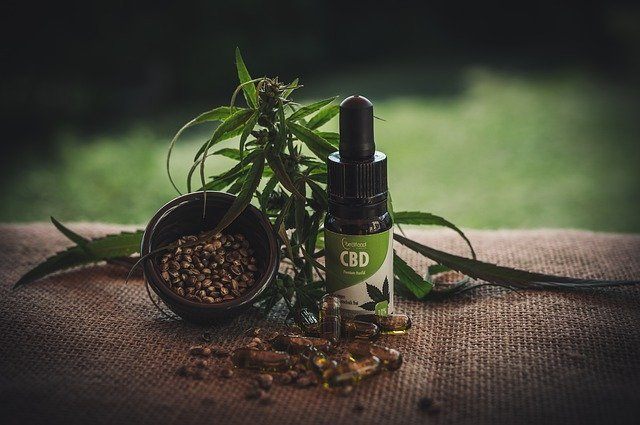
Cannabidiol Named The 2019 Well-Being Product

Cannabidiol

2019 has been a revolutionary year in the health and well-being market. Ever since the Farm Bill 2018 was released, Cannabidiol or CBD has been a buzzword in the entire US market. By the end of this year, it has been named the 2019 well-being product. A study on NY Times highlights the amazing potential of CBD in the wellbeing market.

The evergreen product has been in the news forever, but there has always been some controversy around it. Why and how to use cannabidiol to benefit from it? Let’s find out.

More commonly known as CBD, this hemp extract overshadows the benefits of all plants together. From our bottles of anti-aging cream to our vegan plates, the CBD is everywhere. In California as well as Canada, the CBD has clearly stolen the show from its twin sister marijuana.

Moreover, in the face of the legal vacuum that surrounds it, the CBD should be able to be legally consumed in many countries. For better or for worse, the wellness market has found its new favorite.

CBD in alternative medicine

The therapeutic power of the CBD is now well established and even exceeds expectations. According to a study, the World Health Organization had already announced in 2018 a very important medical potential of the molecule, without it inducing a dependence or addiction. In fact, a study noted that it is even a great way to overcome drug addiction, such as opioids, cocaine and heroin.

Remember that the CBD is not a plant but a molecule from it without any psycho-activity or intoxication. Analysis of scientific research showed that CBD has a potential for Alzheimer’s, diabetes, insomnia, Crohn's disease, epilepsy, schizophrenia, psychotic disorders, pain and inflammation, anxiety, post-traumatic stress, addiction and depression – the list of diseases that can be treated through cannabidiol is already long and further studies are being conducted.

You Might Also Like This

How Magnesium Supports Better Sleep and Relaxation Naturally
The Endless Divorce Of Angelina Jolie And Brad Pitt
The Gut-Inflammation Connection and Daily Habits That Support Balance

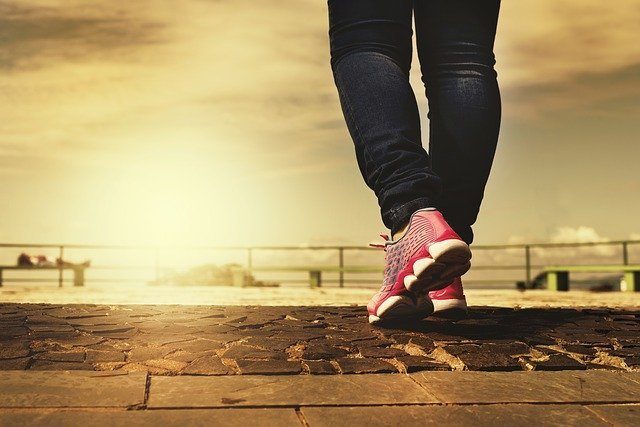
Here’s How 15-Minutes Of Walking Drastically Change Your Body

15-Minutes Of Walking Drastically Change Your Body

We all know how regular physical exercises positively affect the body. It’s amazing for our mental, emotional and physical health.

Yet, most of us knowingly take walking and exercise for granted.

Professor Sanjaya Sharma from St. George's Hospital in London explains: “None of us can escape old age – this is the law of life. But each of us can push back the time when old age knocks on our door. We can look 50 at 70 years old and easily live up to 90 years and longer.

Exercise can prolong our life by 3-7 years. And believe me, this is a lot! Exercise is the best antidepressant and it significantly improves cognitive function. I'm not talking about what scientists have long proved: physical activity significantly slows down the development of dementia".

So, we’ve put together some of the indisputable advantages of daily walks!

1. Daily walks reduce the risk of developing diabetes.

A study by Harvard scientists confirmed that the risk of developing diabetes in women who walked for at least 30 minutes a day was 30% lower than the women who didn’t.

It was also found that daily walks significantly reduce the risk of abdominal fat, which often leads to diabetes.

2. Reduces the risk of Alzheimer's.

Scientists at the Department of Health at the University of Virginia found that men aged 71 to 93 who walked at least a quarter of a mile daily were twice as likely to suffer from Alzheimer's disease than those who preferred to doze off in front of a television or relax on a bench in the garden.

3. Normalizes blood pressure.

Researchers have proven that daily walks help normalize blood pressure.

4. Contributes to better digestion.

Tara Aleichem, a physiotherapist from the Cancer Center in the United States, claims that daily walking promotes good digestion.

5. Reduces pain and improve coronary artery disease.

The American Association of Cardiology has published studies that prove that daily walks improve mobility in people with coronary artery disease.

6. Strengthens the skeletal system.

People who stroll regularly have healthier teeth. Exercise strengthens the joints and significantly reduces the risk of osteoporosis, fractures and spinal diseases.

7. Improves cognitive abilities.

Long-term studies have shown that regular walks increase cognitive abilities, both in adults and in children.

8. Promotes longevity.

Numerous experiments have proved that walks contribute to the duration and quality of life.

9. Enhances mood and optimism.

Studies were conducted that proved that daily walks for at least 20 minutes increase self-confidence, promote mindfulness and improve concentration. It’s also a great way to improve your mood and reduce irritability.

You Might Also Like This

The Top Items Every Person Should Have In Case Of Another Government Shutdown
Zinc for Immune Support: How It Works and Signs You May Be Deficient
Vitamin D Deficiency Symptoms: Early Signs and Natural Ways to Restore Optimal Levels

Breathing Exercise To Kill Stress Like A Navy SEAL

Breathing Exercise To Kill Stress Like A Navy SEAL

We’re inspired by the two techniques used by the Navy SEALs, the main special operations force of the US Navy, to keep your body relaxed in high pressure situations. The first is called the tactical breathing, which is applied during the stressful moments of struggle or flight. It involves all respiratory muscles, from the chest to the belly.

We exhale deeply while placing the right hand on the belly. Then we inhale through the nose, slowly dragging the breath from the belly to the upper chest. Pause and exhale from the chest descending to the belly, imagining that the navel touches the spine. Keep repeating – exhale twice as long as you inhale.

The second technique proposed is called box breathing and elite soldiers use it to sharpen their concentration and remain calm in a stressful state. It involves inhaling, retaining, exhaling and retaining while following the same time pattern every time. It starts by breathing the air out of the chest and keeping the lungs empty while counting to four. Then the breathing begins, inhaling through the nose while we count to four and then drawing the air from the belly to the chest. The movement must feel fluid and free. In five minutes, the author assures that you will increase the strength of the breath by putting all the muscles involved in shape.

Controlling breathing is the fastest and most effective way to trigger a relaxation response, allowing us to think more clearly and perform better under pressure. We take better care of our phones than ourselves. If the battery turns red, we immediately stop and recharge; when our body that turns red, we keep pushing it. Living in the red zone means living in a state of exhaustion that makes us vulnerable to anxiety or depression. These little breaks to breathe help us recharge ourselves with energy.

You Might Also Like This

A Harvard Study Discovered The Signs That Someone Will Succeed, And It Is Very Strange
The Surprising Way Chiropractic Care Can Boost Your Weight Loss Journey
Why Vitamin B12 Deficiency Causes Fatigue and How to Correct It Naturally

Sleep: The best “Detox” For Your Brain

Sleep The best For Your Brain

When you go to sleep, something much deeper happens than closing your eyes. The brain, through the glymphatic system, eliminates toxins a deep cleaning process. This cleaning could be the key to avoiding mental illness or cognitive impairment. Let’s look more into these interesting findings by some scientists from the Rochester Medical Center in the United States.

Sleep is one of the great pleasures of life and a necessity. Resting well every night is essential to live, replenish energy and give your body a chance to heal. Several studies have highlighted how sleep is important for memory, stress management, heart health, diabetes control, weight control and a beautiful skin.

Scientists have spent many years analyzing what happens when we close our eyes and temporarily disconnect from this world. A very interesting finding is a group of researchers from the Rochester Medical Center in New York – they discovered that during sleep the space between brain cells increases. This would allow a washing mechanism in the brain to eliminate toxins that accumulate during the hours we stay up.

The study, published in the journal Science and conducted in mice, shows the existence of a brain cleaning system and evidences the change in the brain's cellular structure during sleep.

When we sleep, we activate a kind of hydraulic system, which controls the flow of cerebrospinal fluid that surrounds the brain and spinal cord. This system, as observed in the experiment, triggers during sleep to allow fluid to circulate rapidly in the brain.

The research was conducted in a group of rats who had a dye injected into the fluid in the brain cavity to see how it circulated in the brain. Simultaneously, they monitored the brain’s electrical activity. The authors were surprised to see the difference in dye circulation during sleep. Specifically, it was found that the liquid circulated rapidly during the sleep phase.

Likewise, brain monitoring showed that the space between brain cells increased by 60 percent when the rats slept.

Previous studies have suggested that toxic molecules that play a determining role in the development of degenerative disorders of the brain accumulate in the space between brain cells. Interested in knowing what the role of the glymphatic system is in this process, the researchers studied mice with Alzheimer's disease to measure how long it lasted in the brain while they were asleep and awake. It was observed that the protein disappeared quickly in the mice when they were asleep, which suggests that sleep cleans toxins from the brain while resting.

 These results open new doors to important findings about the development of neurological disorders. The cells that regulate the glymphatic system could be the center of attention when treating a wide variety of mental illnesses.

You Might Also Like This

Magnesium for Sleep and Anxiety: A Natural Way to Rest Deeper
The Paleo Diet: A Comprehensive Guide to Living Like a Caveman
The Complexity and Variations of Name, Image, and Likeness Deals for Athletes

ECB Expects Low Inflation To Persist In EURO-AREA

LOW INFLATION TO PERSIST IN EURO-AREA

The European Central Bank said that it is determined to use all available means to prevent low inflation but has left interest rates unchanged despite a rising price "danger zone" below the threshold of 1% per year.

At the press conference following the monthly monetary policy meeting of the Governing Council, ECB President Mario Draghi said that the eurozone could experience a long period of low inflation before gradually returning to its objective a price rises below, but close to 2%.

The ECB, which had reduced its key interest rate to 0.25% in November, "strongly insisted" on its determination to act boldly if necessary to avoid any weakening of prices without mentioning a risk of deflation, a term it rejects. It intends to give itself more time to evaluate developments in inflation and the money market.

"From a general point of view, we remain committed to maintaining a very accommodative monetary policy and taking further decisive action if necessary," said Draghi.

He acknowledged that the strongest stance on the issue in the past illustrated the ECB's determination to act in particular if short-term interest rates were tightening too much or if the ECB's inflation expectations were again revised downward.

"Currently, we do not see deflation," he said, adding that a long period of low inflation could lead to a downward bias on activity.

"Overall we do not see deflation in the sense of what Japan experienced in the 1990s."

Unchanged policy interest rates were widely expected despite a slowdown in inflation to 0.8% yoy in December in the eurozone after a slight rally in November, a move Mario Draghi attributed to a technical and non-technical adjustment. recurrent price of services in Germany.

Asked what steps the ECB could take to counter the pressure on short-term interest rates as banks' excess liquidity shrinks, Mario Draghi said there was no need to speculate on the instruments at his disposal.

LESS LIQUIDITY

In particular, he refused to answer a question about possible asset purchases by the ECB, like the quantitative easing policies implemented by the US Federal Reserve, the Bank of England and by the Bank of Japan. He merely repeated that the ECB would, if necessary, do all that the European Treaties allow.

Slowing inflation in the euro area is exacerbating the pressure for the ECB to take further easing measures.

You Might Also Like This

Turmeric for Inflammation Relief and Joint Health
Early Signs of Vitamin D Deficiency and How to Restore Optimal Levels Naturally
Iron Deficiency and Sleep: How Low Iron Can Contribute to Restless Nights

Experts Worry That Millennials See Their Health Decline Faster Than The Generation

Millennials See Their Health Decline Faster

Moody's Analytics (Moody's Analytics) report analyzes the "Blue Cross Blue Shield health index " data, which said: "With age, Millennials’ health declined faster than the previous generation". It further suggested that "In the absence of intervention, Millennials mortality rate is likely to rise than the same age X-Xers more than 40%". Pew Research Center for the millennial generation is defined as Americans born in 1981 to 1996's.

These declines will lead to increased demand for treatment, which may have serious financial implications for medical costs.

It is unlikely that the trend will reverse quickly. Men and women in their thirties marry at rates lower than each previous generation.

The report states: "In the worst-case scenario, millennials are expected to spend 33% more on treatment than Gen-Xers at the same age." "Millennials' poor health will keep them from being like others. This way of contributing to the economy is reflected in rising unemployment and slowing income growth. "

Hypertension, cholesterol, depression or overactivity, the several ills of this generation, are related to a way of life less healthy than that of their seniors of the generation X - that were born after the baby-boomers. "Without intervention, the Millennials could see mortality rates increase by more than 40% compared to Generation X," the study points out.

Even with record levels of education, millennial problems have delayed the passage of the traditional stages of adulthood so that it should change the demographic and economic boundaries of the nation by the end of the century.

Millennials have helped bring the number of births in the United States to their lowest level in 32 years. This means there will be fewer employees in the future to support Social Security and other public programs for a growing retiree population.

You Might Also Like This

Strong Beers Contain Bacteria Beneficial For Gut Flora
Experiments on Losing Belly Fats
The Hidden Strain of Constant Texting and Tech Use

Cold Showers Work Way Better Than Caffeine

Cold Showers

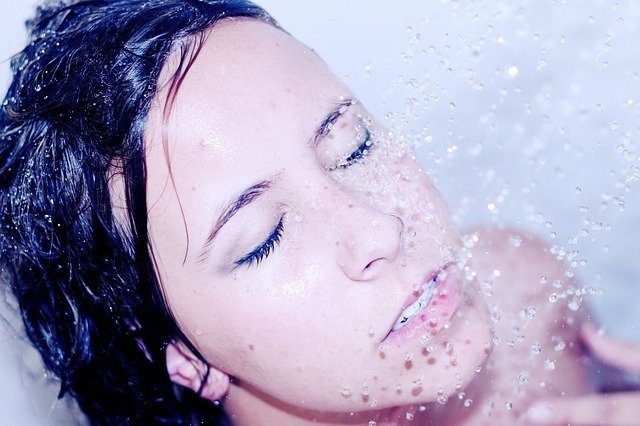
No one likes to shower with cold water and yet it can change your life. Among its great benefits is its power against aging.  In addition, it helps you lose weight, improves depression states (as endorphins increase) and helps improve productivity. Of course, you have to do it first thing in the morning for best results.

If you want to remember that pleasant feeling we have after exercising seriously, when you feel the blood flow and the skin shine, take a good cold shower to start the day. You may think that this statement is exaggerated, but it is not, or at least that is what the supporters of "cold therapy" advocate.

How to start this morning ritual?

The first ten days of this therapy can start with 2 minutes under cold water. You will see that you will feel a feeling of happiness and adrenaline. Once past the first ten days, you will begin to enjoy this healthy torture: it is similar to when you start physical activity and, although you know that the beginning will cost you a lot of work, you continue anyway because the feeling is worth it.

Our lifestyle has made us lazy in terms of sensations, but our body is prepared to withstand the extreme cold and heat, as our ancestors did. These cold showers strengthen us. A decision like this helps us to leave behind the social control and pressure that our preferences imply, including the idea of ​​ "I like it" and "I don't like it". The cold shower is not something we like, but if you welcome the break of day with this ritual, you can learn to eliminate these obstacles, and above all, extrapolate the experience to other decisions in our lives. Here are some amazing benefits of cold showers:

1. Improves your circulation

When we expose our body to low temperatures, it begins to increase your blood flow to warm the internal organs and tissues. This will generate better blood circulation.

2. Strengthens your immune system

Before a good cold shower, our metabolism gets stimulated as a reaction and our immune system gets a kick. This boosts our immunity and helps fight infections caused by viruses.

3.  Fresh and healthy skin

A cold shower will help keep your skin smooth and healthy.

You Might Also Like This

Top 10 Items You Must Have In Your “Get Home Bag”
Cardiac Surgeon Who Saved More Than 11,000 Patients
Henry Thomas, star of ‘E.T.’, arrested for DUI in Oregon

Wikipedia’s Co-Founder Came Up With A Facebook And Twitter Alternative

Wikipedia alternative to Twitter and Facebook

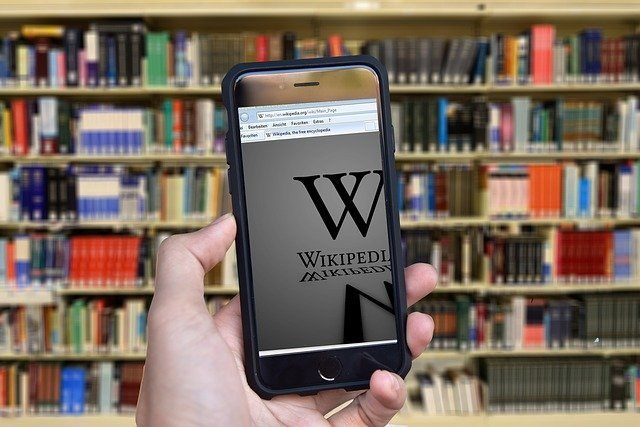
The co-founder of Wikipedia, Jimmy Wales, launched a remarkable alternative to Twitter and Facebook, called the WT. It’s a social network positioned as an alternative to Facebook and Twitter.

In WT.Social, like other social networks, you can share links and discuss them. However, on this platform there is no algorithm tape - publications are ranked by date of addition. In the future it will be possible to vote for them.

There is no advertising in WT.Social, and monetization comes from donations. For example, now you can register on social networks only by invitation, or by donating $12.99 per month or $100 per year. In the future, registration will be free.

The social network works a month, now its audience is 50,000 users. The goal of Jimmy Wales is 50-500 million registered users.

In April 2017, Jimmy Wales launched WikiTribune, a Wikipedia-style media designed to combat the spread of fake news on the Internet. WT.Social is a kind of repetition.

"This is an evolution of the concept of WikiTribune because I realized that the problem of fake news and low-quality content is as much about social networks (Facebook and Twitter in particular) as news sites", he explains.

WT.Social wants to be the opposite of Facebook and Twitter as regards the quality of the proposed content and the business model.

We will give you the means to make your own choices as to the content that is offered to you and to directly edit misleading titles or report problematic messages.

“But it will only work with your help. So, join us today and help us change the landscape of social media," reads on the platform's homepage.

So, within WT.Social there are no ads and no exploitation of personal data for commercial purposes; you only find the content that Jimmy Wales describes as rewarding for users.

You Might Also Like This

Zinc for Immune Health: How It Supports Defenses and May Shorten Colds
Can We Survive On Just One Type Of Meal?
Tricks And Tips To Improve Your Brain?

Neuroscientists Proved That Chocolate And Coffee Can Make You Smarter

Chocolate And Coffee

Neuroscientists have provided new evidence that coffee, tea (to a lesser extent) and chocolate contribute to the healing of the brain and make it more flexible. In 2019, several amazing scientific studies were presented that were definitely worth a read.

To begin with, we analyzed the results of a joint study by the National Institute of Aging and Johns Hopkins University, published in January in the journal Neurochemical Research. Scientists, in particular, concluded that the organic compounds of methylxanthines in tea, coffee and dark chocolate (cocoa) “affect the activity of neural networks, promote stable cognitive activity and protect neurons from dysfunction and death due to stroke, Alzheimer's disease and Parkinson's disease".

In the same study, it was found that xanthine derivatives (chemicals produced when caffeine enters the brain) "can have a beneficial effect on brain function."

Secondly, a meta-analysis of 11 studies of the effects of coffee on brain health published in the World Journal of Surgical Oncology showed that coffee, cocoa and tea reduce the risk of developing not only Alzheimer's disease, but also brain cancer.

Finally, a revolutionary study by Okayama University in Japan “showed that the components of CA and CGA coffee enhance the antioxidant properties of glial cells and prevent rotenone-induced neuronal degeneration both in the brain and in the Auerbach plexus.”

Simply put, caffeine makes your brain more flexible and resilient. If you want to maintain normal brain function, then do not give up the use of coffee, tea and cocoa.

The right dose?

Studies have shown that the daily dose of coffee can be 6-8 cups, and preferably up to 2 hours of the day, so as not to interfere with night sleep.

If this seems to you too much, replace 1-2 cups of coffee with 30 grams of dark chocolate. It is worth noting that drinking coffee and tea is recommended without the addition of sugar. In any case, you will perfectly charge your brain.

You Might Also Like This

A Future Without Cars In Cities?
Vitamin D Deficiency Symptoms: Common Signs of Low Vitamin D
How Magnesium Supports Better Sleep and Relaxation Naturally

Handwritten Notes In Class Are Better Than Laptops

Handwritten notes

If you are a student, you’ve probably had to take notes. What’s the best way to take notes in class: handwritten notes or laptops?

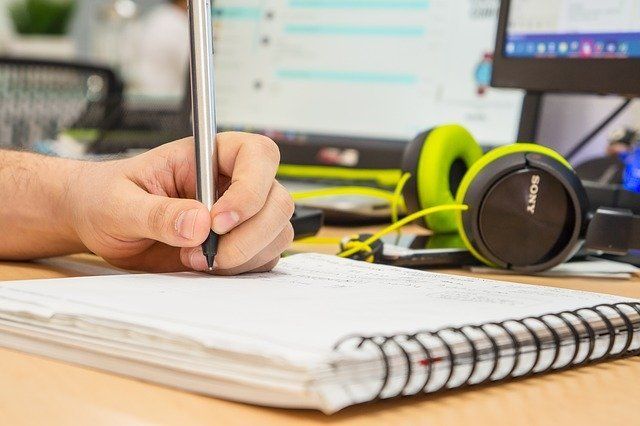
In schools or universities, one of the methods we used to study is to create new notes in class is to write it manually. This trend is overshadowed by today’s digital transformation of classrooms – students use laptops to study, which sometimes also work as a distraction for them.

The handwriting process was long, tedious and sometimes took days; however, it was worth it because by the end of class the students already get to learn everything they needed to go for an exam and get good grades. This helps strengthen the brain synapses and learn better in class. The key to success in academics seems to be making the notes by hand.

For students of this generation, technology is much more available and accessible – they can take a laptop or tablet to class and take notes digitally. Sometimes, they don't even need to use a notebook and pencil. This is not bad, especially when it becomes so easy. However, this makes us confront an important scientific question: is replacing paper notes with digital notes more efficient when studying and learning?

What does science say?

Psychological Science presented the results, and these suggest that there is an advantage in taking notes with paper and pencil over digital devices – it helps us remember what we have heard better and prevents us from forgetting it easily. In the study, students met and separated into two groups in a class. The first group had to take notes in the conventional way, i.e. with pencil and paper. The second group had to take notes using a computer. In the end, everyone was given to the same exam and students who took manual notes scored better.

Taking notes on a computer is much simpler due to technology. However, when the purpose of taking notes is to learn in the process, the easiest method is not always the best.

You Might Also Like This

Why Vitamin B12 Deficiency Can Cause Fatigue and Brain Fog
Thinking Too Much About Health Can Finish It Off, Says Science
Coronavirus: The Great Awakening
1 10 11 12 13 14 17