Category Archives for News

Which Body Parts Can We Transplant, And Which We Cannot

body parts can we transplant

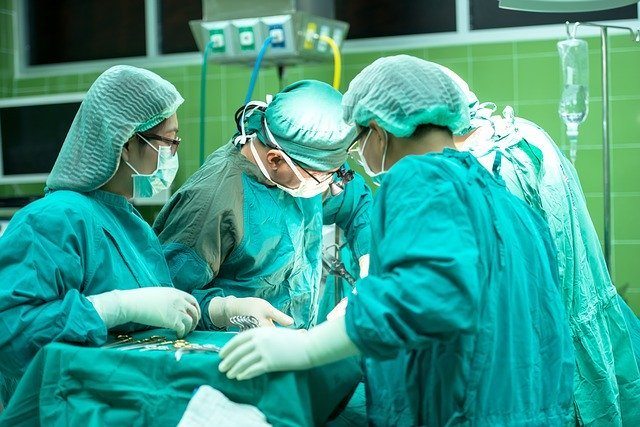
In 2015, a total of more than 126 thousand organ transplants were performed in the world. This is an average of 14.5 transplants per hour.

In the vast majority of cases, it was a question of transplanting parts of the body necessary for the continuation of life. Most (41.8%) were kidney transplants, followed by the liver and heart.

In recent years, the number of transplants of the lungs, pancreas and small intestine is also growing.

Doctors learned to transplant not only organs, but also various tissues. Transplants of bone marrow, tendons, cornea of the eye, skin, heart valves, nerves and veins are quite common.

However, many parts of the body still cannot be replaced. Which and why?

Head

Head transplantation is impossible - and hardly possible in the foreseeable future.

“We need to focus on achievable things. Over the past 50 years, we have achieved a lot in transplanting any part of the body below the neck,” said Gabriel Onisku, transplant consultant at the Royal Hospital of Edinburgh and Secretary of the European Organ Transplant Society.

Lorna Mason, a transplant surgeon and president of the British Transplant Society, agrees with him. After all, the goal of doctors is to save the life of as many people as possible, so you need to choose the most realistic options.

In addition to the obvious philosophical debate (whether the brain is transplanted into the body or the body is transplanted to the brain?), The main difficulty of this type of operation was the problem of connecting the brain to the spinal cord.

Most transplant operations face the problem of successfully connecting blood vessels, but the spinal cord, which is responsible for movement, is a network of highly specialized nerve cells called neurons.

The spinal cord is a network of nerve cells.

Cells of this type transmit information using electrical and chemical signals, and if they are damaged, it will be impossible to replace them or bind them together again.

This explains why today serious spinal cord injuries often remain incurable.

Dr. Mason says that in the event of an injury or damage to the brain due to illness, there are more realistic options — such as replacing cells where possible.

Scientists are developing cell therapy, which in some cases will allow neurons to regenerate and develop.

Cell therapy can stop, and in some cases even reverse, the development of a degenerative disease of brain tissue, says Dr. Mason. Treatment of this kind can help patients with dementia or multiple sclerosis.

Retina

The retina is located at the back of the eyeball and is responsible for converting light into a visible image

Although successful corneal transplantation operations have been carried out for several decades, it is still impossible to transplant the retina - the inside of the eyeball, which allows us to see objects and images.

This part of the body, again, includes many branched neural connections, so that transplantation of such a complex neural structure remains outside the scope of modern technical capabilities.

And although the list of completely impossible transplants is limited to these two bodies, there are transplant operations that have not yet become commonplace for surgeons.

Gall bladder

After any transplant surgery, the patient will have to spend the rest of his life on immunosuppressive drugs that will avoid rejection of the new organ, and in the case of the gall bladder, its just not worth it.

“Any transplant is a balance between the patient’s good and the inevitable consequences: recovery from such an operation and the need to take medicine for the rest of your life,” explains Lorna Mason.

The gall bladder, which is green in this model, is a useful but not vital organ, says Dr. Gabriel Onisku

The gallbladder is located under the liver and contains bile - a fluid that is secreted into the small intestine and helps digestion. It simplifies your life, but is not vital.

Its like an appendix. If stones form regularly in the gallbladder or if it is affected by a disease, it’s healthier to remove it. We can live well without it, says Dr. Onisku.

In this case, the patient is recommended to change the diet and lifestyle in order to simplify digestion.

Spleen

Dr. Onisku says the spleen is a slightly different case, as it is an organ that filters, repairs and preserves red blood cells. But at the same time, according to him, the spleen is also not necessary to maintain life, so the same principle applies to it.

After removing the spleen, the patient must take antibiotics all his life - but, again, the whole thing is balance and that is more effective for the patient.

Removal and antibiotics are a lower risk than undergoing a transplant operation and taking medications for the rest of your life to avoid rejection, Mason assures.

The focus will always be on those parts of the body that support life, however, says Dr. Onisku, the organs are transplanted for some reason, this should satisfy the patients needs.

“Thats why we, for example, do a uterus transplant,” he explains. “You can live without this organ, but the patient may feel that she will not fulfill her life’s destiny if she does not have children. A uterus transplant will satisfy the needs of this particular patient

Doctors are confident that in the future, patients will be able to be helped not only through traditional organ transplant surgeries - such as a liver, heart or lung - but also through cell regeneration and transplantation.

“An ideal example is a transplant of Langerhans islet cells for diabetes,” Dr. Onisku says, referring to tiny clusters of cells that secrete insulin. “To solve the problem, we transplant cells from the pancreas, not the whole gland.”

Stem cell transplant may be an alternative to organ transplant

As demand grows, doctors are exploring more complex treatment strategies that go beyond organ transplantation and cell therapy - and transplantation is increasingly complemented by regenerative medicine, new technologies, and bioengineering.

Onisku says: We study artificial organs, that is, organs that are restored using stem cells, and probably even organs grown in a different environment are xenografts. This is the name of donor organs or tissues of animal origin, as well as human organs grown in the body of an animal for subsequent transplantation to humans.

Mason draws attention to the fact that the success of the transplant comes down to the results of teamwork and the contribution of a huge team of experts.

You Might Also Like This

Got Neck Pain? Here’s How Chiropractic Care Can Help
Medical Marijuana: Colleges Say No and Face Lawsuits
Why Curves Are Crucial – The Role of Arches in Spinal Health

Scientists: You Can Stop Being An Owl And Improve Your Health

Stop Being an Owl

​Owls can improve their health and well-being by changing their circadian rhythm - the so-called biological clock - with a few simple steps, researchers from Australia and the UK found.

They studied people who fall asleep after midnight, but sleep for a long time in the morning, the so-called “owls.”

It turned out that you can change the circadian rhythm if you go to bed every day at the same time, avoid caffeine and sit in the morning in the sun.

Researchers say their advice may seem obvious, but if followed, they can help a lot of people.
Everyone has their own biological clock, and they are set for sunrise and sunset. That is why we sleep at night.

But for some, this clock seems to be behind.

The so-called “larks” wake up early, but become extremely sleepy in the evening. With “owls,” the opposite is true — they prefer to go to bed late at night, but they find it difficult to get up in the morning.

As a result, “Owls” are often difficult to adapt to modern life, since most people work from nine to five and they have to wake up many hours before their body is ready for awakening.

All this, as shown by numerous studies, ultimately affects the health status of “owls.”

Scientists studied the behavior of 21 “extreme” owls, which on average went to bed only at 2.30 at night and did not wake up before ten in the morning.

They were ordered:

  • Wake up two or three hours earlier than usual and spend as much time as possible on the street under the morning sun
  • Have breakfast as early as possible
  • Exercise only in the morning
  • Dine at the same time every day and eat nothing after 19:00
  • Refuse caffeine after 15:00
  • Do not doze off after 16:00
  • Go to bed two or three hours earlier than usual and reduce the light in the evenings
  • Go to bed and get up at the same time every day

After three weeks of this regimen, the biological clock of these people has shifted by two hours, say researchers at the University of Birmingham, the University of Surrey and Monash University in Australia.

The results of the study, published in the journal Sleep Medicine, indicate that the participants in the experiment slept no less than before.

Participants also reported that they were less likely to sleep during the day or in the mornings, that they had decreased levels of stress and depression. At the same time, their reaction rate increased.

“A simple daily regimen can help owls switch their biological clocks and improve both their physical and mental health,” said Professor Debra Skin of the University of Surrey.

“Lack of sleep and circadian rhythm disturbances can negatively affect a person’s well-being, and also increase the risk of cardiovascular disease or cancer and diabetes,” she says.

Light affects the “tuning” of the biological clock, and researchers advise the “owls” to limit the sources of artificial light in the evenings.

Regular sleep patterns are also important. If for a long time. people fall asleep and get up at different times of the day, this can “knock down” the biological clock.

The results of the study may seem obvious, but the scientists did not know how the participants who went to bed late all their lives would react to the new regime.

According to the researchers, it is important to understand that a significant part of the population can be helped without resorting to emergency measures.

You Might Also Like This

Simple Method $100 A Day Trading Cryptocurrency As A Beginner
Stimulation Of The Vagus Nerve Has An Anti-Ageing Effect
The Endless Divorce Of Angelina Jolie And Brad Pitt

How To Find Out What Facebook Knows About You

What Facebook Knows About You

Around the largest Facebook social network, disputes about the competency of collecting and using user information do not subside. Such data could be used to influence the outcome of the US presidential election in 2016. The British company Cambridge Analytica is blamed for this.

But would you ever like to know what Facebook specifically knows about you, and how does the social network use this information?

The social network constantly learns something new about you.

If you are one of the two billion active Facebook users, then most likely the social networks will know your date of birth, phone number, occupation, favorite music, places you visit, transport used and your favorite leisure activities.

To help advertisers conduct targeted advertising campaigns, the social network groups all the data into categories according to age, gender, interests, devices used to connect to the network and many other parameters.

The social network explains the need to collect information by the desire to make the ads displayed to users more interesting and urgent.

How can you find out that Facebook knows about you, in which category it relates to you, and how it decides which advertisement to show you?

So, there is a page called "Your Advertising Preferences." It is divided into four parts:

Your interests

The "Your interests" section lists your advertising preferences according to your tastes in the field of entertainment, professional and sports interests, the places you have visited and what you did there, your family, education, hobbies and lifestyle.

The social network explains why each of these elements is present there - a significant part of them appears after you click on any advertising link, install any application or put “like”, and also comment on any page.

The advertisers you interacted with

This section lists which advertisers have your contact information, which ads interest you and which sites you visit.

Your data

This section contains information about your marital status, employer and current position (if you indicated this in your profile).

But, perhaps, the most curious thing is that it indicates which advertising category you were assigned to (a lot of them - for example, “born in June”, “technology adherents”, “expatriates”, “iPad Air owners”).

Ad Settings

In this section, you can specify whether you want Facebook to send you ads in accordance with your interests, both on the social network and on other sites and applications that Facebook does not own.

A little tip: if you delete all the preferences and information that the social network has about you, this will not lead to a decrease in the amount of advertising in your feed: you will continue to see it, but it will appear by chance. You cannot completely block Facebook ads. “Thanks to advertising, the social network continues to be free,” says Facebook.

You Might Also Like This

Natural Ways to Reduce Inflammation: Evidence Based Strategies for Lasting Health
Iron Deficiency Without Anemia: Hidden Symptoms and How to Rebuild Iron Stores Safely
Iron Deficiency Fatigue: Why It Happens and How to Rebuild Iron Safely

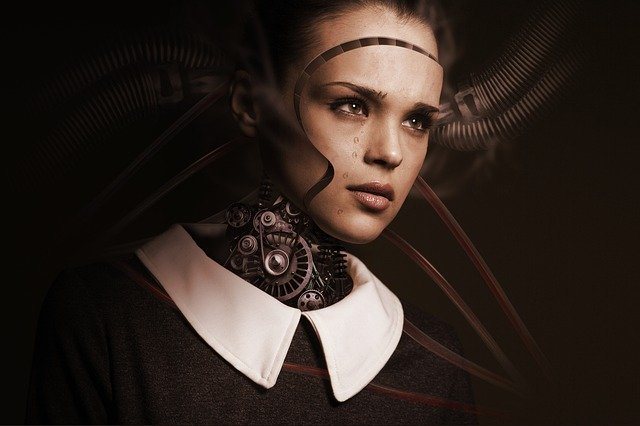
How Is Modern Cyborg Living?

Modern Cyborg

How does it feel to be a cyborg? We debunk common myths about bionic limbs, implanted microchips and other attributes of cybernetic organisms.

In mid-summer, when there was a lot of heat in London, I decided to plunge into Serpentine Pond to my misfortune. In this small pond in Hyde Park, in the center of the city, from the 18th century, bathers used to cool down, heated by the sun, got used to. I left my clothes ashore and rushed into the cool water. And then I heard a strange crack: I forgot to remove my hearing aids. So, in the green darkness of the pond my recently returned hearing choked.

The next day, two apparatuses, peas of red and blue, still showed no signs of life. Fortunately, my otolaryngologist soon found time to receive me. I thought he would chastise me for forgetfulness, but he, on the contrary, said with enthusiasm: "See, this means that your brain has fully adapted to these devices."

This full adaptation has a downside. My brain is no longer adapted to life without hearing aids. Without them, I hear worse than I heard before. Little electronic gags became a continuation of me. I can physically separate from them (to take it out of my ears and hold it in my hand), but I cannot separate from my hearing. And I hear partly thanks to the ears, and partly thanks to these electronics.

In the end, if you learn to run very fast, maybe you end up flying - and there is only one way to check it.

It turns out that I became a cyborg out of necessity, and not out of a whim. A machine makes up part of my body, and for him that’s normal. But I don’t feel like a Robocop or Universal Soldier. If I'm a cyborg, then where are my superhuman abilities?

There is a big difference between cyborg descriptions in science fiction and the real life of people who depend on artificial implants or prostheses.

In the process of working on this column, I talked with a variety of people whom I met over the past year. Each of them joined the concept of expanding the capabilities of our body: from an artist who hears color, to a person who starts his motorcycle with a microchip implanted in his hand. What observations from their life can they share?

"The idea of devices that complement a person is not new at all," says Amal Graafstra, a motorcycle rider with a chip in my hand. Just tools have become smaller and more convenient to use. "This was the trend, and it will remain so. From rudimentary objects, stones and sticks, to forged steel and electronic circuits, and in the future to genetic engineering - the same principle everywhere, transhumanism: the desire to continuously and significantly transform the human condition "says Graafstra.

Many consider this concept of transformation dangerous. In science fiction, one cannot count fictional worlds in which body modifications divided society into an elite and outcasts. Is it true that transhumanism makes such a tough choice: to evolve using technology or to wither?

"Yes, there are fears that body modifications may lead to a kind of arms race that will leave those who have decided to do nothing with themselves outboard. But such a scenario is possible only if only the goal to surpass the neighbor moves people", - considers the transhumanist philosopher Gennady Stolyarov. In an interview in April, he told me that death does not have to be inevitable.

Stolyarov believes that instead of endlessly optimizing themselves in an attempt to achieve an ideal, people of the future are more likely to focus on individuality. “Different individuals will modify themselves in different ways, expanding their capabilities in different directions. There will not be a single hierarchy with super modified people at the top of the pyramid and ordinary people at its foot. Instead, as a result of the adoption of new technologies by society, a future will arise in which the organism’s modifications flourish magnificent color ", - Stolyarov speaks.

His point of view is closer to me, and I share his vision. Mass literacy did not make everyone want to read the same books, but created a market for a wide variety of literature - from tabloid novels to solid volumes on ancient history. People study ideas that, in their opinion, reflect their own ideas about the world. There is every reason to believe that the same principle will apply to future technologies.

In my experiment, no one had a self-satisfied coma. People are more sophisticated than rats

Stuart Mela

But in the world of cyborgs, we are unlikely to feel like supermen. Doctors made so many specialized prostheses to Paul Carter in their youth that their kit began to resemble a Swiss penknife. Carter notes that modifying the body is not a magic wand that instantly gives you some super-powers or at least the usual capabilities of a trained person: “If you give a person springy prostheses, he will not become a sprint star. For this, you need a base in the form of talent and good Sports discoveries The discoveries that we made in prosthetics have great potential and can change the lives of many people with disabilities for the better, but they need to be looked at in the context of a more general social picture, and not just as a means to achieving a single goal. "

Gabriel Litsina, who experimented with the discovery of infrared vision in people, agrees. “We need to dispel the myth that modifying the body easily turns us into superhuman. It’s important not to go beyond the scope of scientific reality. Of course, it’s possible to improve a person, but it’s much harder than eating a pill or pressing a button,” says Litsina.

He cites his own experiments as an example: his subjects found that they can see better in the dark, following a certain diet, but at the same time they began to perceive green and blue colors worse.

Transhumanism is not the best form of fulfillment of desires. Many claim that they would like to learn to fly, but the same people cannot force themselves to even run. Modification of the body should be considered rather than as a solution to the problem, but as a tool for developing oneself in the right direction. In the end, if you learn to run very fast, maybe you end up flying - and there is only one way to check it.

One more important lesson can be learned from Licin’s research: body modification is not limited to technical devices. It is not necessary to implant a chip in your head to improve brain function - you can get by with biological means. This topic was developed by John Crian: he told me that certain bacteria in the intestines can make a person smarter, without any wires and microcircuits. "Speaking about brain modification, you should not forget about the rest of the body. Neuroscientists should recognize the importance of signals from the periphery: from the immune system, hormones or gut microbes," says Krian.

In fantastical descriptions of cyborg people, a moralizing note, as old as humanity itself, is often slipping through: how pride leads to a fall. There is an opinion that mankind may play too much to improve itself and lose control over what is happening. Technology can be addictive: which of us didn’t sit in a restaurant with friends buried in their smartphones?

I spoke with Stuart Mela, the creator of a device that gives pleasure when a button is pressed. He believes that not everything is lost for mankind: "With regard to pleasure implant generators, there was a fear that such a device could cause a person to stop taking care of themselves, like the notorious rats who were starving because they could stimulate pleasure centers in the brain by pressing the lever. But in my experiment no one had a coma caused by self-satisfaction. People are nevertheless more complicated than rats. "

There are those who oppose body modifications, claiming that this is unnatural. This argument always seemed a little strange to me. Usually, those who put it forward believe that a person must certainly be the same as themselves. Neil Harbisson wears an antenna that allows him to hear color. He does not see anything unnatural in this. “There is an opinion that, by mutating ourselves, we lose something human, but I think that nothing more human can be invented,” he says. “I completely disagree with the point of view that the alliance with technology moves us away from reality, from nature or from other living beings. Take me: technology has not made me feel closer to cars or robots, quite the opposite. The presence of an antenna makes me closer to insects and other creatures with antennae; hearing through bone tissue makes me closer to dolphins and other inhabitants of the sea who hear just that; ultraviolet and infrared vision makes me closer to animals and insects that perceive this range. I feel a closer connection with nature than ever. Technology can help us get back to nature, "Harbisson believes.

The British summer is over, it’s autumn in the yard, and I don’t go swimming at the pond, but the question of how closely my body is able to integrate cars into itself does not leave me. I understand that I will not become a superman, but this does not prevent me from exploring various options for expanding my capabilities with the help of technology and biology.

Soon I will have new unique hearing aids, the prototypes of which are now being tested by a company in the south of London. They will not only enhance the surrounding sounds, but also transform electromagnetic fields into audible signals. Can my brain adapt to this? Will the ability to perceive the electromagnetic environment make me another person? Answers to these questions will be given by time and constant exercises.

Who knows what future these first steps will lead us to? Perhaps we cyborgs will someday become waterproof.

You Might Also Like This

267 Million Facebook Users’ Sensitive Information Leaked On The Dark Web
How Many Proteins Do You Need And The Best Way To Take Them
The Gut-Inflammation Connection and Daily Habits That Support Balance

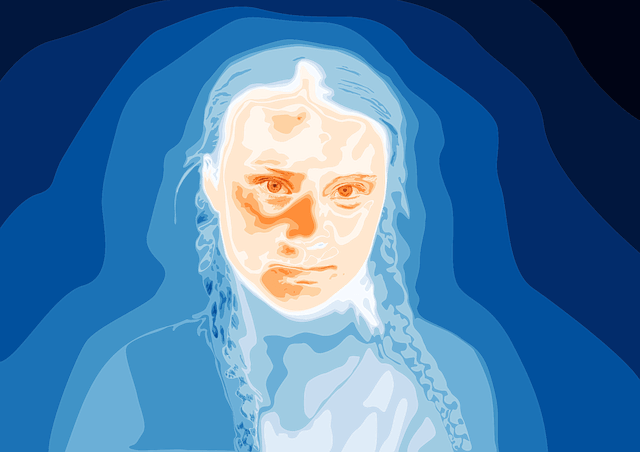
How Greta Thunberg Became The “Messiah” Of Eco-Movement

Greta Thunberg

By the age of 16, a Swedish schoolgirl Greta Thunberg, who once decided to skip classes for the protest, managed to become a nominee for the Nobel Peace Prize, the “person of the year” according to GQ, to speak in Davos and in the British Parliament, to meet with Barack Obama and the Pope.

All this is contrary to an incurable mental disorder. Although Thunberg herself believes that her diagnosis only helps her in her childhood struggle to attract the attention of politicians, businessmen and parliamentarians around the world to climate change issues.

A year ago, almost no one knew about her. Now she is called the most influential teenager. We will tell you how a 16-year-old schoolgirl became a symbol and inspirer of eco-movement.

On September 23, the UN Climate Change Summit will be held in New York. The organizers invited 16-year-old Greta to speak at the event, and the girl gladly accepted the offer. Public speaking has long become a familiar thing for a schoolgirl. The difficulty was to figure out how to get to the US from Europe.

Thunberg basically does not fly on airplanes: they, in her opinion, cause too much harm to the environment. The only alternative way is by water. Help was offered by Pierre Casiraghi, grandson of the thirteenth prince of Monaco Rainier III and actress Grace Kelly, and Boris Herrmann, the owner of an unusual racing yacht.

The 18-meter Malizia II is one of the fastest sailing yachts on the planet. The ship is equipped with solar panels and underwater turbines that generate electricity on board. There is no toilet on the yacht: in return - an ordinary bucket. There is no kitchen either. Nowhere to sleep. To drink, you will have to use a salt water desalter.

Greta sailed from British Plymouth on August 14th. Traveling to America should take about two weeks. Her movements can be monitored on an interactive map; according to her, more than two and a half thousand kilometers remained before New York.

16-year-old Thunberg has never had to live in such conditions. Before the trip, she admitted that she was a little nervous. “I don’t know how difficult the trip can be: will there be seasickness, will I get homesick or just scared of something,” Greta said.

Before leaving, she told reporters that she would definitely miss her two dogs - Labradors Roxy and Moses. Greta took many books with her: now she is reading “Hush” by Susan Kane, a book about introverts - the same as herself.

Walking school for the sake of climate

A year ago, Greta Thunberg decided to skip classes at school. Instead of lessons, she came to the building of the Swedish parliament and sat down with a banner on the pavement in front of the entrance.

On the leaflets that she soon began to hand out to passers-by, it was written: "I do this because you adults do not care about my future." From this began Greta's ecoactivism. Many schoolchildren and students all over the world liked the idea of skipping classes, who began to massively join the Swedish schoolgirl's protest.

Thunberg herself unexpected popularity was not easy. During her speech at the Ted Talks conference, Greta said that she was seriously ill at age 11: doctors diagnosed her with depression, the girl stopped eating and talking. According to her, in two months she lost 10 kilograms, and only after that the doctors discovered that Greta had Asperger syndrome, as well as obsessive-compulsive disorder and selective mutism.

Asperger Syndrome is a congenital and incurable mental disorder, a form of autism. The disorder affects a person's communication skills. The classic obsessive-compulsive disorder assumes that a person has obsessive thoughts that cause anxiety, and in order to get rid of it, a person performs certain repetitive actions. One of the most striking examples is the fear of infection or dirt: in this case, a person can constantly wash their hands. Selective mutism is manifested as a person’s inability to talk in individual situations. A child with selective mutism can, for example, communicate well with his family, but not talk at school.

Thunberg herself summarizes her diagnoses in this way: "Simply put, this means that I speak only when I consider it necessary."

“For people with an autism spectrum disorder, the world is divided into black and white. We don’t really know how to lie. And we usually don’t like playing social games that you like so much. I think we autistic are much more normal, and everyone else, on the contrary, is strange. Especially when it comes to the environmental crisis, "says Greta.

The schoolgirl herself admits: she sees no room for compromise on climate change. In the world in which Greta lives, there is no place for “shades of gray”: if scientists agree that emissions should be reduced, then they need to be reduced.

Greta's parents admit that their dedication to environmental issues has become a way for her daughter to live, no less. True, they are not very happy that their daughter is skipping classes.

“She must be at school – we cannot support her decision [to skip classes]. But we respect her desire to defend her position. She can either sit at home and be very unhappy, or protest and be happy,” said her father Svante Thunberg.

He admits that Greta made the whole family change their lifestyle. Before his daughter began to read books on climate change, Svante, according to him, did not know anything about this problem.

The media love to write about the fact that young Greta influenced the family so much that Malena Hernman, even under the influence of her daughter, even completed her career as an opera singer: such work involves frequent flights that harm the environment. Svante Thunberg is accompanied by his daughter on all her trips around the world.

Totalitarian Confidence

Attempts by opponents to criticize the 16-year-old Greta almost always led to the fact that a large number of her supporters and eco-activists stood up for the girl on a united front. The most famous case occurred with the participation of Australian journalist and columnist Andrew Bolt, who called Thunberg "the most influential teenager."

In his column for Herald Sun, he wrote that “he’s never seen such a young girl with so many mental disorders that so many adults would perceive as a guru.”

 “Thunberg has a very rare quality - absolute confidence. She does not doubt one iota and does not make the slightest compromise. This allows her supporters who have any doubts to relax, relying on her totalitarian confidence,” writes Bolt - If you believe the book her mother wrote when Thunberg was 11 years old, she didn’t eat anything for two months. For years she suffered from depression until she was finally diagnosed with Asperger Syndrome, high-functioning autism and obsessive-compulsive disorder. Her strong from Fucking climate change is not surprising for a person with disorders that exacerbate this fear. "

Not only activists, but also many media outlets called the Bolt column deeply offensive.

Greta herself answered the journalist on Twitter: “I am really“ deeply concerned ”(in the original, Greta uses the words “deeply disturbed”, which can also describe a person with serious mental disabilities, as Bolt himself called her) the fact that these campaigns hate will never end because we children turn to science. Where are the adults? "

The journalist in his column wondered why so many adults, including politicians, top managers, and even the pope, were so enthusiastic about a young girl.

Indeed, the pope shook Greta's hand, congratulated the girl and advised her to "continue to work." Thunberg and Michael Gove, the British Minister for the Environment, listened attentively, who admitted that thanks to Greta and other activists, he realized that "it’s time to act."

Greta herself choosily approaches the choice of interlocutors. When reporters asked her if she would meet with Donald Trump in the US, she called such an opportunity a waste of time.

But not all politicians were happy with Greta's initiatives. Former British Prime Minister Teresa May said that school strikes by her supporters increase the burden on teachers, and the protesters themselves "spent their time in vain." May as a whole had a positive attitude towards the interest of schoolchildren in environmental problems, but emphasized that it is better to first get an education and become professionals to help solve problems at a different level.

You Might Also Like This

How Much Vitamin D Per Day? Recommended Daily Intake Explained
How Chiropractic Care Benefits Expectant and Aspiring Mothers
Early Signs of Vitamin D Deficiency and Natural Ways to Support Healthy Levels

Sensitive Disturbance Syndrome – What Is Depersonalization?

Sensitive Disturbance Syndrome

To people with depersonalization syndrome, the world seems unreal, two-dimensional, as if in a fog. Every hundredth suffers from this disorder, but despite this, British doctors are not taught to work with such patients, experts say.

“Connections that you consider valuable lose their original meaning. You know that you love your family. But the fact is that you are more aware of it with the mind, rather than feeling it,” Sarah tells.

Sarah is an actress; she constantly tries on various images and reproduces other people's emotions. But in reality, for most of her conscious life, she is emotionally paralyzed and unable to experience any feelings.

The reason for this is a poorly understood mental disorder called depersonalization.

In Sarah, the syndrome manifested itself three times. This first happened when she was preparing for the final exams.

The main sign of depersonalization is the feeling that a person is losing a physical connection with the world around him and his own body.

It is believed that this is how the protective mechanism manifests itself, when during stress or a serious shock, consciousness is disconnected from reality. Some drugs, such as marijuana, can cause the same effect.

For people with depersonalization syndrome, the world can change in a second.

"It was an unexpected switch. Everything around seemed alien and even frightening. Suddenly, the apartment and other places where you used to be, become a movie set for you, and all your things - scenery," says Sarah.

Other patients talk about the feeling that they are outside their body, that it does not belong to them, and the world around it seems two-dimensional and flat.

With Sarah, this happened during the second episode.

"I read, there was a book in my hands. And suddenly my hands began to look like a picture in which two hands were painted. There was a feeling that the real world and my perception of it did not coincide."

The frustration that Sarah suffers with is not uncommon. Three independent studies have proven that it is found in one out of a hundred people.

Experts say the disorder has long been recognized as a medical condition. It is as common as obsessive-compulsive disorder or schizophrenia.

Some untreated patients may suffer depersonalization symptoms throughout their lives. And, nevertheless, not all doctors know what it is.

A doctor who recently completed his studies and himself suffers from this disorder, said that depersonalization was not told either in the medical school or in continuing education courses for therapists.

He admitted that he at least twice made the wrong diagnosis to his patients. According to him, he will be very surprised if it turns out that at least one of his colleagues has heard about this syndrome.

Sarah says that in her life she encountered at least 20 specialists who had no idea what she was talking about. Among them are consultants, therapists, district psychiatrists and doctors.

The Royal College of General Practitioners (RCGP) in London said that psychological health was a key element in the extended training of doctors.

The institute added that the study of more complex psychological problems is still under development.

The Royal College of Psychiatry emphasized the need to make sure that these disorders are properly studied.

Poor diagnosis is only part of the problem, another difficulty is access to treatment.

In the UK there is only one specialized clinic. Its resources are limited, only 80 patients per year can be admitted there. Despite the fact that 650 thousand people can potentially suffer from this disease.

To get to this medical center for free, a referral from a local doctor is required. And even if the patient is diagnosed with depersonalization, treatment will have to wait several months or longer.

After a year of waiting in line, Sarah decided that the only way out was to pay for treatment on her own.

“I had panic attacks all the time. It's really scary. I knew it was a crisis,” she says.

Adults only

A specialized center for patients with depersonalization syndrome operates at Maudsley Hospital in south London. However, for patients under 18 years of age there are restrictions; the center only deals with the treatment of adults.

Often the disease occurs precisely in adolescence. Dr. Elaine Hunter, who heads the center, is worried that she has to refuse help to children and adolescents.

“Sometimes deeply depressed and frightened fifteen-year-old patients come to us, but we have nothing to offer them,” she says.

In one of the adult patients of the center, the syndrome developed at the age of 13. For two years she could not leave the house, a day she experienced ten panic attacks caused by the disorder.

At the beginning of treatment, she did not even recognize her own parents.

Dr. Hunter hopes that over time, the right treatment will be available to minor patients.

She believes that treatment should be organized in each area. Doctors at local psychological care centers should undergo special training, then disseminate information to other specialists.

Hunter has developed a technique for cognitive behavioral therapy (CBT) specifically for patients with depersonalization. She believes that doctors who already have experience in conversational psychotherapy can easily get hold of her.

Dr. Ashley, a patient of Dr. Hunter, says she was skeptical at first about this technique, but after a while she felt a huge difference.

“[Before CBT] I looked at my own hands or other parts of the body and it seemed to me that they were not mine. I looked at myself in the mirror and did not understand that it was me,” Sarah explains.

“I couldn’t eat and sleep, because of stress I lost weight up to 42 kg. Now I still have some symptoms, but I can quickly deal with them,” she continues.

There is treatment, but it is difficult to get it.

According to Dr. Hunter, it is necessary to correct the situation in which patients are forced to seek out information about their disorder on the Internet, and then explain to the doctor what is at stake. Instead, on the contrary, the doctor told the patient about his illness.

You Might Also Like This

Look Up – 2020 Chemtrail Documentary
Why Cant I Lose Weight And Belly Fat
Vitamin D Deficiency Symptoms in Adults and Safe Ways to Boost Levels

Coronavirus Outbreak – The Chinese Are Buying Masks, But Will It Help?

Coronavirus-outbreaks

Surgical mask has long been a mandatory attribute of any viral epidemic.

This is especially noticeable in China, where a new coronavirus is now rampant. In some Chinese cities, including Shanghai, masks began to be in such high demand that they began to be missed.

In addition, the Chinese wear masks as well as protection against air pollution.

Although there is evidence that masks can save from viruses transmitted by direct contact, doctors are very skeptical about their ability to protect against viruses that spread by airborne droplets.

Surgical masks first began to be used in hospitals at the end of the 18th century, but the population began to wear them only in 1919.

"Standard surgical masks cannot be an effective means of protecting populations from viruses or bacteria transmitted by airborne droplets," said Dr. David Carrington of St. George's Hospital at the University of London in an interview. According to him, such masks do not have a special filter, do not fit snugly to the face and leave eyes unprotected.

Nevertheless, they reduce the risk of airborne droplets and contact household infections.

According to a study conducted in the Australian state of New South Wales in 2016, an average person touches his face 23 times per hour.

 “In one of the carefully conducted in-hospital studies, a medical mask proved to be as effective in protecting against a viral infection as a professional respirator,” admits Jonathan Ball, a professor of molecular virology at the University of Nottingham.

Respirators are equipped with a special air filter and are specifically designed to protect against potentially hazardous particles in the air.

“However, when it comes to the effectiveness of masks for the population, the statistics here are not so convincing, because it’s very difficult to be masked for a long time,” adds Ball

It’s far more efficient to “use simple hygiene rules,” Dr. Connor Bamford of the Institute of Experimental Medicine at the University of Queens in Belfast echoes.

"If you cover your nose and mouth while sneezing, wash your hands, do not stick unwashed hands in your mouth, then your chances of catching a viral respiratory disease will decrease," he assures.

The UK Ministry of Health gives several tips on how to protect yourself from infection:

  • Try not to touch your nose and eyes as much as possible.
  • Use warm water and soap to regularly wash and clean your hands.
  • Workout and try to live a healthy life.

"Although there is a perception that a surgical mask can be beneficial, there is little evidence of its benefits outside hospitals," said Dr. Jake Dunning, a spokesman for the government organization Public Health England.

According to him, if you want the mask to help, you need to wear it correctly, often change it and safely dispose of it. In general, it would be better for people to pay more attention not to masks, but to personal hygiene, for a start - wash their hands more often, the expert says.

You Might Also Like This

Why Chiropractic Care is More Than Just Pain Relief
Research Determines Chiropractic Care Provides Military Personnel with Relief from both Pain and Opioids
Dropshipping For Beginners – How To Be Successful Online

Unhealthy Enthusiasm For Exercise – How Dangerous Are Excessive Sports?

Unhealthy Enthusiasm For Exercise

At what point does a useful thing like exercise become a bad habit? And do smartphone apps do that?

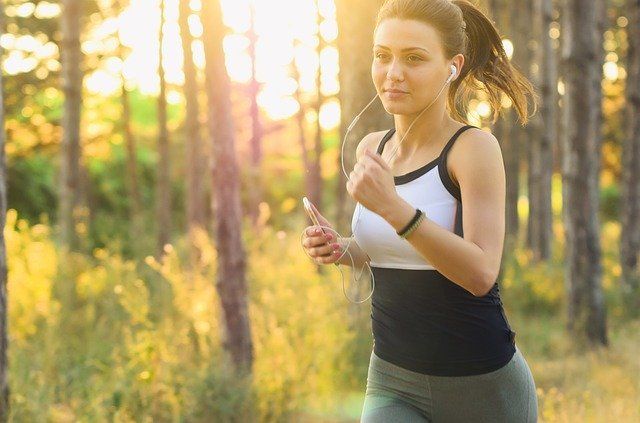
Valerie Stefan runs between the trees, the leaves rustle under her feet. On a morning run, the girl looks focused and at the same time peaceful.

“When I run, I have a feeling that I’m climbing some peaks,” says an amateur athlete. “I’m becoming faster, stronger, it’s like a series of small victories.”

Valerie started running 10 years ago for a general recovery. First, she took part in the race for 5 kilometers, then 10, and then in the marathon. She began to wake up much earlier than usual to have time to practice, and very soon the sport began to prevail over all other aspects of life.

“I began to realize that training controls me, and not vice versa. And this control quickly grew into an obsessive state,” Valerie admits. “This began to affect my work, my family, everything else. Over time, my sports became then unhealthy. "

The stronger Valerie became dependent on sports, the more she moved away from family and friends.

"My lifestyle has ruined my relationships with many people. They just didn't understand why I needed to train so much. I seemed a little nuts to them."

To be late for meetings, reschedule them and cancel them altogether became the norm for Valerie. She made appointments with friends on the courts for playing squash or in the pool, and allowed herself to relax only when she met the daily norm of physical activity.

"They thought that I just avoided meeting, but it wasn’t. I really wanted to see friends, but before meeting them I had to exercise, otherwise I would be tormented with guilt. All the time I had to find a compromise."

Obsession with sports has not only affected relationships with friends.

"I never had a rest; I didn’t want to spend time at home. All I wanted to do was show that I am a superman and I am in full control of the situation. I couldn’t let anyone see how hard it was for me emotionally."

For many years, Valerie forced her body and mind to the limit of possibilities, and eventually plunged into depression. She urgently needed rest and recovery, and she took four months off from work.

Psychologists say that excessive passion for sports is a kind of behavioral dependence: a person is driven by an obsession that can seriously ruin his life.

According to statistics, 3% of ordinary people and about 10% of professional and semi-professional runners are affected by this disorder.

The most vulnerable psychologists consider amateur athletes such as Valerie, who at some point reach the extreme point of internal tension and begin to desperately seek a way out.

"Often people who come to our clinic experience a breakdown in relationships, are in a state of anxiety and depression. You start working with them and suddenly you realize that sports are the fault," says psychologist Chetna Kang from London Priory Hospital.

According to the expert, this is still not a very common phenomenon, but there are more and more such cases.

What is exercise addiction

According to psychiatrists, excessive enthusiasm for workout and health can lead to exercise addiction. It may have one or more of the following characteristics.

  • Fitness apps can exacerbate the situation by fueling a person’s obsession, especially if he is obsessed with achievements in sports and perfectionism. The ability to share information on social networks makes sports something public and adds an element of competition. This, in turn, can create a number of serious problems for people with a vulnerable psyche.
  • There is no single medical term for this condition. This area has not been sufficiently studied, and experts use different definitions: dependence on exercises, compulsive exercises, compulsory exercises;
  • Usually playing sports is beneficial to the mental state of a person. This is a good way to deal with anxiety attacks and with a mild form of depression. However, excessive exercise has exactly the opposite effect;

Symptoms of physical overload include so-called stress fractures, tendonitis, and decreased immunity.

Women have an increased risk of menstrual failure, osteoporosis, and eating disorders. In men, there is a decrease in sexual desire (libido).

Martin Turner is a sports psychologist from the University of Manchester Metropolitan. For 10 years he has been working with athletes, studying their characteristics and, according to him, regularly meets people obsessed with their sports identity.

"They are forming the idea that their success in the sports field reflects their overall viability:" I am good at sports, so I’m worth something; I’m bad at sports, so I’m not worth anything, ”says the expert.

“Running is part of what you are. If you're not running, then who are you?” Martin Turner explains to the logic of his patients.

Turner's studies show that such irrational inferences are a result of dependence on exercise, depression, anxiety, and burnout.

Firstly, such a way of thinking harms, but does not help in a person’s desire to achieve general well-being and harmony.

Secondly, it is motivation based on guilt and designed for a short time, when people run in order not to feel guilty, and not for their own sake.

And thirdly, such conclusions are not true. In order to live and to represent something, a person needs to breathe, eat, drink and sleep. Running is not such a necessity.

Exit search

Refusing adrenaline and endorphins that occur during exercise can be very difficult.

Valerie attempts to reduce physical activity were very difficult. This was reflected in her general condition, adding anxiety. According to her, she was in a vicious circle.

“I’m very uneasy when I can’t train. I can’t sleep, I have headaches. In days without sports, I feel like in prison, in a trap,” Valerie says.

It is especially difficult to reduce loads when there is such a variety of sports applications and technologies as Strava, Garmin, FitBit and others around.

“I like applications. I use them every day, I control my pace, the amount of training, I monitor how I progress,” says the young woman.

“You can get a lot of positive feedback, see how you yourself are getting better, follow what your friends are doing. But if the marathon and my friends are on the nose doing more preparatory training than I do, I get stressed and try to catch up with them” - admits Valerie.

Such access to information only exacerbates the obsession with sports, and prevents a person from returning to normal, Martin Turner believes.

"Constant measurements are like an injection to increase self-esteem. The problem is that applications stick out user’s failures - you didn’t work out as well as last time; your result is worse than your friend’s. A person is in constant competition with others, everything time is result oriented, ”Turner said.

And there is nothing worse if a person’s self-esteem depends on his achievements in sports, the psychologist adds: “If my application tells me that my results have deteriorated, and I myself believe that failure in sports makes me a failure in life, then the dependence on judgments from parties is becoming a real problem. "

Audrey Livingstone, UK triathlon coach, says mobile apps and a variety of sensors that you can put on have led some athletes to train unhealthy to exercise.

“Some people don’t get any pleasure from what they do, because they will pay too much attention to what others do,” the trainer says. “I tell them that they should improve their own results, concentrate only on what they do "

You must act very carefully.

"I reduce their burdens, then send them to recover for a week. They don’t like it, it seems wrong, many find it difficult to accept. They just don’t understand why they need to rest periodically," Livingstone says.

The way to a normal life

As with any other addiction, getting out of a vicious circle and starting to reborn is a very long and complicated process. Martin Turner believes that the first step is to understand the scheme.

"Athletes must understand their thoughts, motives and beliefs and begin to fight with them," - said the expert.

"You have to be realistic and you need flexibility. Tell yourself:" If I do not work out today - it’s bad, but it’s not the worst thing in the world. And I did not become a worthless loser just because I decided to do without training today. "Such thoughts are more relevant to reality and do less harm."

For Valerie, a return to a healthy balance between exercise and relaxation is an ongoing struggle. She is supported by loved ones, and she believes that she is on the right track.

“It takes a lot of time to understand that you are addicted. The main thing is to let the situation go in time, give up obsessive ideas, stop controlling everything around, tell yourself you don’t have to be perfect,” says Valerie Stefan.

You Might Also Like This

Exploring the Brain and Nervous System: How Chiropractic Care Can Enhance Your Health
60 minutes on this bicycle can power your home for 24 hours
Coronavirus: The Great Awakening

Medicine In Near Future: A Technology Brief

Medicine In Near Future

In the middle of a dazzling white room, a translucent plastic sarcophagus gleams with matte sides. There, inside, a just-saved world and a pretty battered superhero are assembled in parts of nanorobots.

This is what the medicine of the future looks like in the presentation of the scriptwriters of Hollywood fantastic action films and TV shows - from Star Wars to The Fifth Element.

Of course, we are still far from collecting patients at the molecular level of smart cameras. But some idea of the direction in which modern medicine is moving and what types of treatment may become available in the near future could be obtained in Finland, where the world's largest startup festival SLUSH was held.

Of the more than three thousand companies that presented their innovative ideas at the forum in Helsinki, a good quarter was somehow related to health and medicine: from smart sleep trackers and other accessories that allow you to monitor your diet and daily routine, to interactive computer games for rehabilitation of children with serious illnesses and personal healthy lifestyle trainers based on artificial intelligence.

And some of the developments in the coming years can fundamentally change our ideas about medicine.

Print me a new heart

One of the most fantastically sounding developments is the Finnish startup Brinter (bio - printer), which offers 3D-printing of living tissue from stem cells.

“Ink” for a bioprinter looks like a viscous gel, from which a three-dimensional cell structure is first printed, explains one of the founders of startup Tomi Kalpio. Then the patient takes samples of skin cells, reprograms them - and turns them into stem cells, filling out the printed matrix.

The result is living tissue of any desired organ. Moreover, with the DNA of the patient himself, so that when transplanted, the body will not perceive it as foreign and reject it.

“We print life. Layer after layer,” says Calpio. This is the official slogan of the company.

So far, “brinter” prints tissues mainly for medical research and is not able, say, to print a working donor kidney - or any other organ as a whole. Before that, according to the Finnish doctor, another five years.

However, maybe much less - the technology is developing very quickly, and similar developments are in other countries.

Moreover, the 3D Bioprinting Solution laboratory has just conducted an experiment on printing living tissue in space in microgravity. The results — human cartilage and mouse thyroid tissue — will be delivered soon.

In February, the Americans are going to send their bioprinter to the ISS. But, as Yussef Hesuani, managing partner of 3D Bioprinting Solutions, promises, "when the American printer is launched, we will publish our materials."

Life without swelling and injury

Probably, each of us happened to tuck a leg or dislocate a finger. In addition to pain, the indispensable symptoms of such an injury are inflammation and swelling of the damaged organ.

They not only cause a lot of practical inconvenience (such as the inability to wear the usual shoes on a swollen leg), but also greatly lengthen the healing process, since they interfere with normal blood circulation.

An elastic bandage or fixing bandage only compresses blood vessels even more - inflammation does not go away, pain also.

American Jackson Corley figured out how to solve this problem using semiconductors, which he weaves into fabric dressings.

Under the influence of body temperature, they release negatively charged ions, which activate molecular vibration, increasing blood circulation. Blood brings oxygen and nutrients to the affected area, relieving swelling and inflammation and speeding up the healing process several times. So, you can do without pills.

 “A stretched ankle can heal for five to six weeks. With my dressing, it can take up to a week,” Corley says, showing the photos. “Symptoms of lymphostasis are removed in three hours. Postoperative edema in eight hours."

Eliminating edema will help relieve symptoms of arthritis, arthrosis, and some autoimmune diseases, he assures. In this case, the bandage should not even press - just wrap the damaged organ.

Sky in your pocket

Chronic lack of sleep, long hops or short daylight hours can significantly affect the level of hormones in our body and contribute to the development of depression.

Our biological clock is upset - and as a result, sensations become dull, drowsiness develops, and reactions slow down.

Numerous studies show : to get out of this state and return to normal, we only need a couple of tens of minutes of morning sunlight. It naturally “resets” the biological clock, inhibiting the production of melatonin, the main hormone that regulates the circadian rhythm.

But where to get the morning sunlight exactly when it is needed - for example, after an exhaustingly long flight?

There he is. The portable device of an Austrian startup weighs literally 50 grams (100 grams - together with a charging case), easily fits in your pocket and is called Pocket Sky, that is, "The sky is in your pocket."

It does not need to be worn constantly. To suppress the production of melatonin and reset the internal clock, just put on “glasses” for 15-20 minutes. For example, in the morning, if you did not get enough sleep. Or, conversely, in the evening - before the night shift.

“In the European Union alone, 42 million people periodically work at night. The problem with such work is not only disruption of the sleep schedule, it also has much more serious long-term consequences: increased risk of cancer, cardiovascular disease, diabetes, all sorts of addictions, and so on. "- says one of the developers of the device, Hans-Jörg Hummer." There are not many ways to reduce this risk, and the use of blue light is recognized as the most effective. "

Now the Austrians are working on the development of a mobile application that will track and take into account your individual factors - age, gender, “lark” you or “owl”, how much you sleep - and give specific advice: when, how much and what kind of light your body for the most effective work.

No need to treat me. Don't let me get sick

Finnish startup Nightingale aims to completely overturn the traditional healthcare system, completely changing the approach to treatment.

"Now the system is reactive: you got sick - you came to the doctor - they prescribed treatment for you," explains the founder of the company, Teemu Suna.

Based on research by the University of Helsinki and Oxford, Finnish scientists have developed a universal blood test, the results of which show the likelihood of a patient developing certain diseases: from cardiovascular and diabetes - to dementia.

A single blood sampling - about 5 ml - is enough to analyze 220 biological markers. And start prevention before the patient begins to have health problems.

Ideally, for the most effective prophylactic analysis, blood should be donated three to four times a year.

Throughout December, the system will be tested in Finland at the national level. Considering that the test itself is not very expensive, in the long run, budget savings can be decent.

Now the startup is trying to enter the US market, where, according to Teemu Suna, insurance companies are already actively interested in them, who hope to significantly reduce their costs due to the new technology and, accordingly, the cost of services for customers

You Might Also Like This

Iron Deficiency and Sleep: How Low Iron Can Contribute to Restless Nights
The Gut Inflammation Connection and How to Support a Balanced Microbiome
Best Probiotic Foods for Gut Health and How to Add Them to Your Routine

Smart Diapers And A Pillow For Snoring – Tech Of Future

Smart Diapers

In Las Vegas hosts the annual m he International Exhibition Consumer Electronics Show Electronics, which come as the world's leading companies and startups to showcase new technological developments.

We have collected new products that seemed the most interesting to us.

1. Electric car from SONY

Sony surprised visitors by showing its own prototype electric car, called the Vision S.

Almost the entire front panel is a panoramic screen. Sensors that recognize the driver and passengers are built into the car. You can control the multimedia system using gestures.

2. Streaming service for smartphones

The streaming service Quibi (short for Quick Bites) talked about the upcoming launch and plans to release short programs. It will work exclusively on smartphones. Thanks to its own video optimization technology, it will be possible to look at the entire screen both horizontally and vertically.

The company plans to break films and programs into small segments of 7-10 minutes. It is assumed that the new service will primarily interest people spending a lot of time in public transport.

3. Assistant Robot

The Walker Robot, created by UBTECH Robotics, is the epitome of modern developments in the field of robotics and artificial intelligence. Representatives of the company claim that he is ready to serve people both at home and, for example, in a store.

With a height of 145 cm and a weight of 77 kg, the robot can grab and carry objects, maintain balance in difficult conditions for movement, and maintain communication.

4. Smart diapers

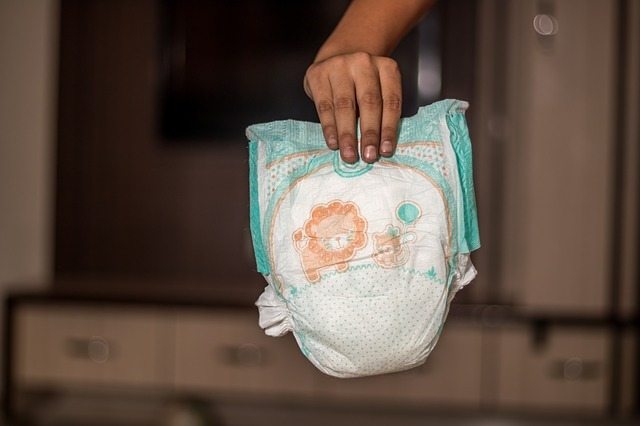
Soon, babies will be able to put on the Lumi smart diapers made by Pampers. With their help, parents will be able to know exactly the duration of the child’s sleep, the time of feeding and changing diapers. All information will be displayed in a special application.

5. Pillow for snoring

The Korean company Tenminds wants to solve the problem of snoring with the help of the Motion Pillow pillow, which automatically changes the tilt of the sleeping person’s head after hearing the sounds of snoring.

The device has many sensors that monitor the position of the head. The pillow will automatically inflate and deflate to change the sleeping position.

6. Toys for ladies

This year, sex toy manufacturers have returned to the exhibition. One of them - Dame Products - positions itself as a manufacturer of devices for women's sexual health. Most of the manufacturers participating in the exhibition of such products focus on women.

7. Heated razor

GilletteLabs revealed a new heated razor called the Heated Razor. Unlike many other devices presented at the exhibition, you could buy it right away. The gadget can heat up to 43 degrees or up to 50 degrees Celsius. The manufacturer claims that using the device imitates shaving with a hot towel.

8. Electric bike from a backpack

Smacircle LMT showed a folding bike for those who use public transport, but still have to walk some part of the path. The manufacturer claims that it is the smallest electric bike in the world for adults.

The bike is made of carbon fiber and can be folded into a regular backpack. It can accelerate to 32 km / h and drive on a single charge up to 21 km.

9. Self-cleaning cat tray

A tray for cats that knows how to clean itself, introduced iKuddle. The project was funded through crowdfunding and raised more than a million dollars.

The device starts to work after the cat leaves the tray. A smart system cleans the litter and sends it to a special package. The owner can start cleaning himself using the application on the phone.

10. Self-propelled seat

Segway showed a futuristic chair called the S-Pod, which can accelerate to 40 km / h and travel 70 km without recharging. In its appearance, it resembles capsules in which the characters of the WALL-I cartoon moved.

The device is controlled using the joystick on the right side of the case. Segway plans to start selling self-propelled seats in 2021.

11. Flexible screen speaker

The manufacturer of the flexible smartphone FlexPai, Royole, announced the “smart” speaker Mirage Smart Speaker. Its feature is a fully flexible 8-inch AMOLED touchscreen display with a resolution of 1440 × 1920 pixels.

The column also has a built-in 5-megapixel camera, two microphones, Amazon Alexa support and three speakers with a total power of 30 watts. It will go on sale this year at a price of $899.

You Might Also Like This

Smart Diapers And A Pillow For Snoring – Tech Of Future
The United States Has An Epidemic Of Processed Food — And It’s Killing Us
Keys To Increase Your Endurance When Exercising
1 4 5 6 7 8 17