
How Poor Sleep Can Affect Gut Health and Digestive Balance
How Poor Sleep Can Affect Gut Health and Digestive Balance
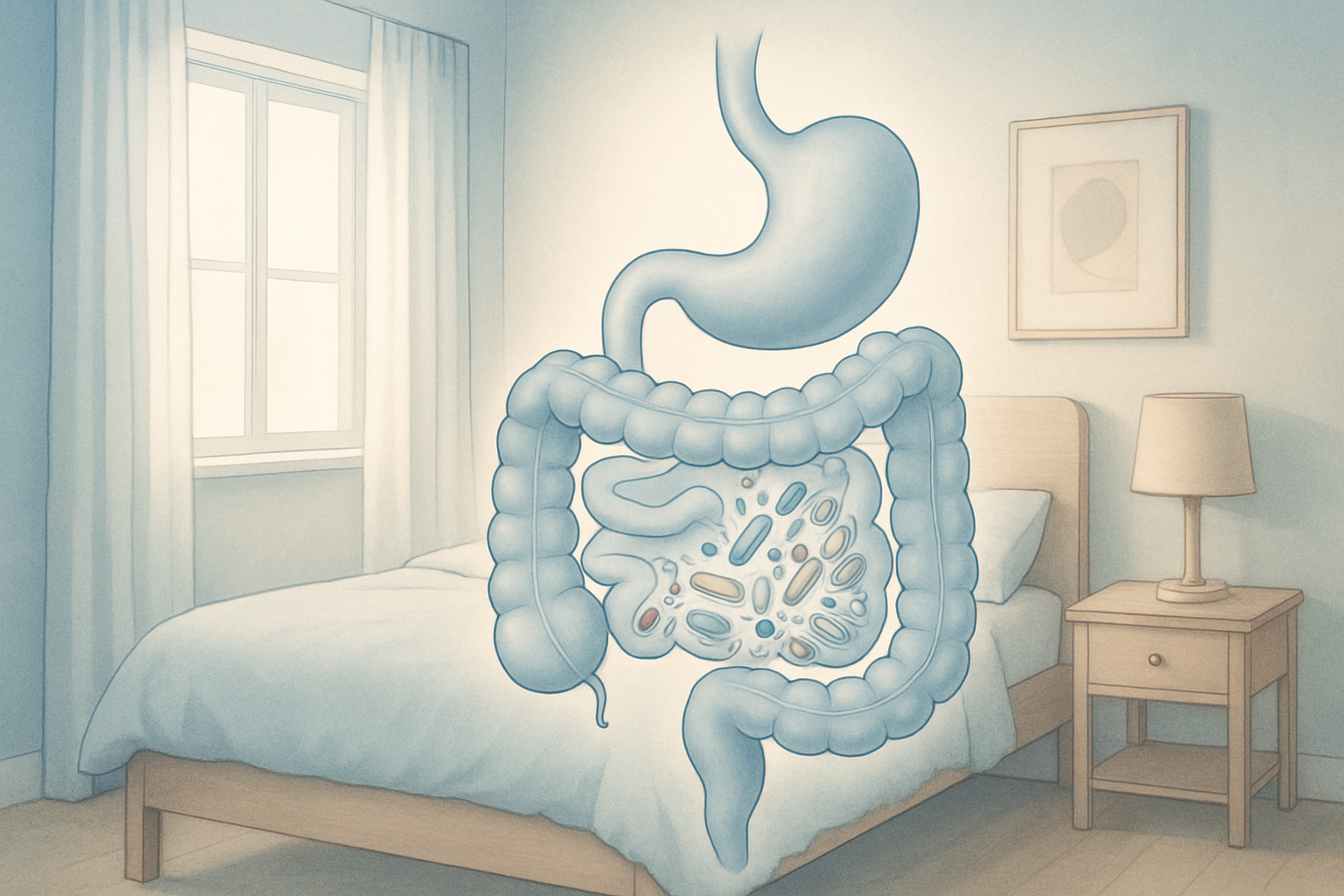
Sleep and gut health have a two-way relationship. When sleep is short, irregular, or poor quality, the body may experience changes in stress signaling, inflammation, appetite regulation, and digestive function. At the same time, digestive issues such as reflux, bloating, abdominal discomfort, or irregular bowel habits can interfere with restful sleep.
Why sleep matters for digestive balance
During healthy sleep, the body supports repair, immune regulation, hormone balance, and nervous system recovery. These processes are also important for the gastrointestinal tract. The gut is influenced by the brain, hormones, immune activity, and the gut microbiome, which is the community of microorganisms that live in the digestive tract.
When sleep is disrupted, several systems that help regulate digestion may be affected.
1. Poor sleep may affect the gut microbiome
The gut microbiome appears to follow daily rhythms influenced by meals, activity, light exposure, and sleep-wake patterns. Irregular sleep schedules, insufficient sleep, and circadian disruption may be associated with changes in microbial diversity and function.
A balanced microbiome supports digestion, helps maintain the gut barrier, and interacts with the immune system. While research is still developing, poor sleep may contribute to an internal environment that makes digestive balance harder to maintain.

2. Sleep loss can increase stress signaling
Poor sleep can raise stress sensitivity and affect the hypothalamic-pituitary-adrenal axis, often called the HPA axis. This system helps regulate cortisol and the body’s response to stress.
Higher stress signaling can influence gut motility, gut sensitivity, and digestive comfort. This is one reason people may notice more bloating, cramping, urgency, constipation, or loose stools during periods of poor sleep or high stress.
3. Sleep disruption may affect inflammation and immune balance
The gut and immune system are closely connected. Poor sleep has been linked with changes in inflammatory signaling, and inflammation can influence gut barrier function and digestive comfort.
This does not mean that one bad night of sleep will cause a gut disorder. However, chronic sleep restriction may add to the overall burden on the body, especially in people who already have digestive conditions or high stress levels.
4. Poor sleep can change appetite and food choices
Sleep loss can affect hormones involved in hunger and fullness, including ghrelin and leptin. Many people also experience stronger cravings for high-sugar, high-fat, or highly processed foods after insufficient sleep.
These food choices can influence digestion and may worsen reflux, bloating, constipation, or irregular bowel habits in some people. Late-night eating can also increase the likelihood of heartburn or indigestion, especially when lying down soon after meals.
5. Circadian rhythm disruption can affect digestion
The digestive system has its own daily rhythms. Gut motility, enzyme activity, hunger signals, and microbial activity can vary across the day.
Shift work, jet lag, inconsistent bedtimes, and exposure to bright light late at night may disrupt circadian timing. For some people, this can contribute to irregular bowel habits, appetite changes, reflux symptoms, or general digestive discomfort.
6. Digestive symptoms can also disrupt sleep
The relationship works both ways. Gut symptoms can make it harder to fall asleep or stay asleep. Common examples include:
- Acid reflux or heartburn when lying down
- Abdominal pain or cramping
- Bloating or gas discomfort
- Diarrhea or urgency during the night
- Constipation-related discomfort
- Nausea
If digestive symptoms regularly wake you up or interfere with daily life, it is worth discussing them with a healthcare professional.
Practical ways to support sleep and gut health
Keep a consistent sleep schedule
Try to go to bed and wake up at similar times most days. Consistency helps reinforce circadian rhythm, which may support both sleep quality and digestive timing.
Avoid heavy meals close to bedtime
Large meals late at night can increase the risk of reflux and indigestion. If you are hungry near bedtime, choose a smaller, lighter snack and give your body time to digest before lying down.
Limit alcohol and caffeine
Caffeine can interfere with sleep, especially when consumed later in the day. Alcohol may make you feel sleepy at first but can fragment sleep and worsen reflux or digestive irritation in some people.
Get morning light and daytime movement
Morning light exposure helps anchor circadian rhythm. Regular physical activity can also support sleep quality, bowel regularity, and overall metabolic health.
Build a calming bedtime routine
Stress affects both sleep and digestion. A wind-down routine may include dimming lights, stretching, breathing exercises, reading, or taking a warm shower. Reducing screen exposure before bed may also help some people sleep better.
Support a gut-friendly eating pattern
A balanced diet that includes fiber-rich plant foods, adequate protein, healthy fats, and enough fluids can support digestive function. If increasing fiber, do so gradually to reduce gas or bloating.
When to seek medical advice
Contact a healthcare professional if you have persistent insomnia, loud snoring with pauses in breathing, severe daytime sleepiness, chronic digestive symptoms, blood in stool, unexplained weight loss, persistent vomiting, severe abdominal pain, or symptoms that are worsening.
Key takeaway
Sleep and gut health are connected through the microbiome, immune system, stress response, appetite hormones, and circadian rhythm. Improving sleep habits may help support digestive balance, while addressing digestive symptoms may also improve sleep quality.
References
NIH: Sleep Deprivation and Deficiency