
Why Iron Deficiency Causes Fatigue and How to Restore Levels Naturally
Why Iron Is Essential for Energy
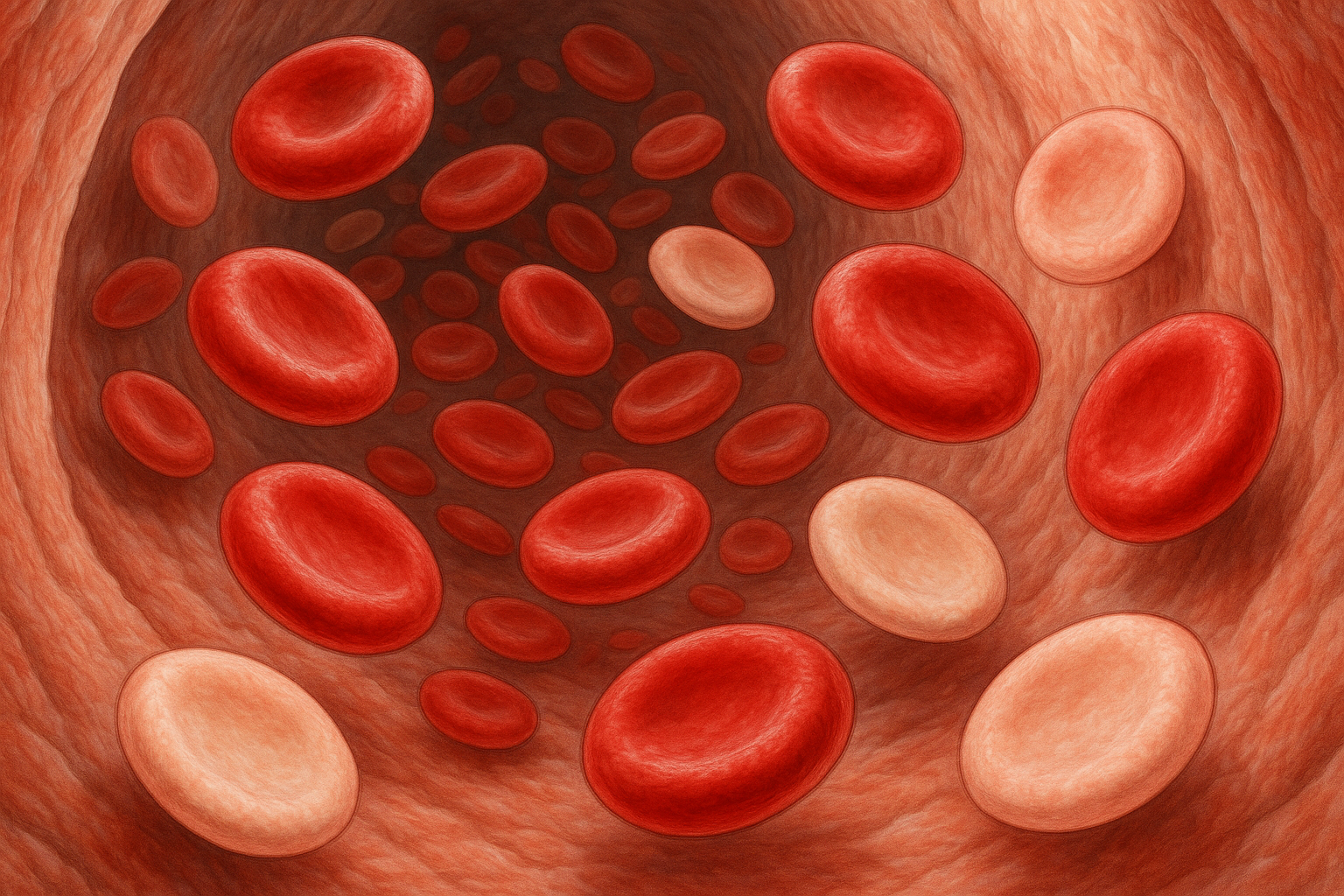
Iron is a critical mineral that helps your body produce hemoglobin, the protein in red blood cells responsible for carrying oxygen from your lungs to tissues and muscles. Oxygen is required for cells to produce energy through cellular respiration. Without enough iron, this process becomes less efficient.
How Iron Deficiency Causes Fatigue
When iron levels drop, hemoglobin production decreases. This can lead to iron deficiency anemia in more advanced cases. With less hemoglobin available:
- Less oxygen reaches your muscles and brain
- Energy production declines
- Physical endurance decreases
- Mental focus and concentration suffer
Your heart may also work harder to circulate oxygen, contributing to feelings of weakness or shortness of breath. Fatigue from iron deficiency often feels persistent and does not improve with rest alone.
Common Symptoms Alongside Fatigue
Iron deficiency fatigue is often accompanied by:
- Pale skin
- Dizziness or headaches
- Cold hands and feet
- Brittle nails
- Shortness of breath
- Restless legs
If symptoms are significant, laboratory testing is needed to confirm low ferritin, hemoglobin, or other iron markers.
Who Is at Higher Risk?
Certain groups are more prone to iron deficiency:
- Women with heavy menstrual bleeding
- Pregnant individuals
- Vegetarians or vegans without careful planning
- Frequent blood donors
- People with digestive disorders affecting absorption
How to Restore Iron Levels Naturally
1. Increase Iron-Rich Foods
There are two types of dietary iron:
- Heme iron from animal sources such as red meat, poultry, and fish, which is more easily absorbed
- Nonheme iron from plant foods such as lentils, beans, tofu, spinach, pumpkin seeds, and fortified cereals
2. Pair Iron with Vitamin C
Vitamin C significantly enhances nonheme iron absorption. Combine plant iron sources with foods like citrus fruits, bell peppers, strawberries, or tomatoes.
3. Avoid Inhibitors Around Iron-Rich Meals
Certain compounds reduce iron absorption, including:
- Tannins in tea and coffee
- Calcium in large amounts
- Phytates in some whole grains and legumes
Try spacing tea, coffee, and calcium supplements away from iron-rich meals.
4. Consider Supplementation If Needed
If dietary changes are not enough, a healthcare provider may recommend iron supplements. Supplementation should be guided by lab testing because excessive iron can be harmful.
How Long Does It Take to Improve?
Energy levels often begin to improve within a few weeks of correcting iron deficiency, but rebuilding iron stores can take several months. Consistency with diet or supplementation is important, along with follow-up testing when recommended.
When to Seek Medical Care
Seek medical evaluation if fatigue is severe, worsening, or accompanied by chest pain, fainting, or unexplained weight loss. Identifying the underlying cause of iron deficiency is essential for proper treatment.
Restoring healthy iron levels can significantly improve energy, cognitive clarity, and overall well-being when addressed appropriately.