
How B Vitamin Deficiencies May Contribute to Fatigue and Low Energy
How B Vitamin Deficiencies May Contribute to Fatigue and Low Energy
Feeling tired all the time can be frustrating, especially when sleep does not seem to help. Fatigue is not specific to one condition, and it can be linked to sleep problems, stress, thyroid disease, infections, chronic illness, medications, depression, anemia, dehydration, and many other causes. However, deficiencies in certain B vitamins can also play a role in low energy.
B vitamins help the body convert food into usable energy, support red blood cell production, and maintain healthy nerve function. When levels are too low, the body may not make enough healthy blood cells or may have trouble supporting normal nervous system function, which can contribute to tiredness, weakness, shortness of breath, dizziness, numbness, tingling, or brain fog.
Why B Vitamins Matter for Energy
B vitamins do not provide energy like calories do. Instead, they act as helpers in metabolic processes that allow the body to use carbohydrates, fats, and proteins. Several B vitamins are also involved in making DNA and red blood cells. If deficiency becomes significant, oxygen delivery to tissues may be affected, and symptoms of anemia or neurological changes can appear.
B Vitamins Most Often Linked With Fatigue
Vitamin B12
Vitamin B12 is essential for nerve health, DNA production, and red blood cell formation. Low B12 can lead to megaloblastic anemia, which may cause fatigue, weakness, pale skin, shortness of breath, dizziness, and a fast heartbeat. It can also cause neurological symptoms such as numbness, tingling, balance issues, memory problems, or mood changes.
People at higher risk may include older adults, vegans or strict vegetarians, people with pernicious anemia, those with digestive conditions such as celiac or Crohn’s disease, and people who have had certain gastrointestinal surgeries. Some medications, including long-term acid reducers and metformin, may also be associated with lower B12 levels.

Folate, Also Called Vitamin B9
Folate helps make DNA and healthy red blood cells. A folate deficiency can also lead to megaloblastic anemia and fatigue. Low folate may occur with poor dietary intake, alcohol use disorder, pregnancy, certain digestive disorders, or medications that interfere with folate metabolism.
Good dietary sources include leafy greens, beans, lentils, asparagus, citrus fruits, and fortified grain products. Pregnant people or those planning pregnancy should discuss folic acid needs with a healthcare professional because folate is important for fetal neural tube development.
Vitamin B6
Vitamin B6 is involved in protein metabolism, neurotransmitter production, immune function, and hemoglobin formation. Low levels may contribute to fatigue, irritability, confusion, weakened immune function, and certain types of anemia. Deficiency is less common than low B12 or folate but may occur with kidney disease, autoimmune conditions, malabsorption, alcohol misuse, or some medications.
Thiamin, Also Called Vitamin B1
Thiamin helps the body use carbohydrates for energy and supports nerve and heart function. Deficiency can cause fatigue, weakness, irritability, nerve symptoms, and in severe cases serious conditions affecting the nervous system or heart. Risk may be higher in people with alcohol use disorder, malabsorption, certain bariatric surgeries, or severe poor intake.
Riboflavin, Niacin, and Other B Vitamins
Riboflavin, niacin, pantothenic acid, and biotin also support energy metabolism. Deficiencies are less common in people eating a varied diet, but they can still occur in the setting of malnutrition, restrictive diets, digestive disorders, or increased needs. Symptoms may overlap and can include fatigue, skin changes, mouth sores, digestive symptoms, or neurological complaints depending on the vitamin involved.
Symptoms That May Suggest a B Vitamin Deficiency
Possible symptoms include persistent fatigue, low energy, weakness, lightheadedness, shortness of breath with exertion, pale skin, heart palpitations, sore or swollen tongue, mouth cracks, numbness or tingling in the hands and feet, balance problems, irritability, depression-like symptoms, memory issues, or brain fog.
These symptoms are not unique to B vitamin deficiency. That is why testing and medical evaluation are important instead of guessing based on symptoms alone.
When to Ask About Testing
Consider speaking with a healthcare professional if fatigue is persistent, worsening, unexplained, or accompanied by neurological symptoms, anemia symptoms, unintentional weight loss, heavy menstrual bleeding, digestive problems, or dietary restriction. A clinician may order blood tests such as a complete blood count, vitamin B12, folate, methylmalonic acid, homocysteine, iron studies, thyroid tests, or other labs depending on your history.
Food Sources of B Vitamins
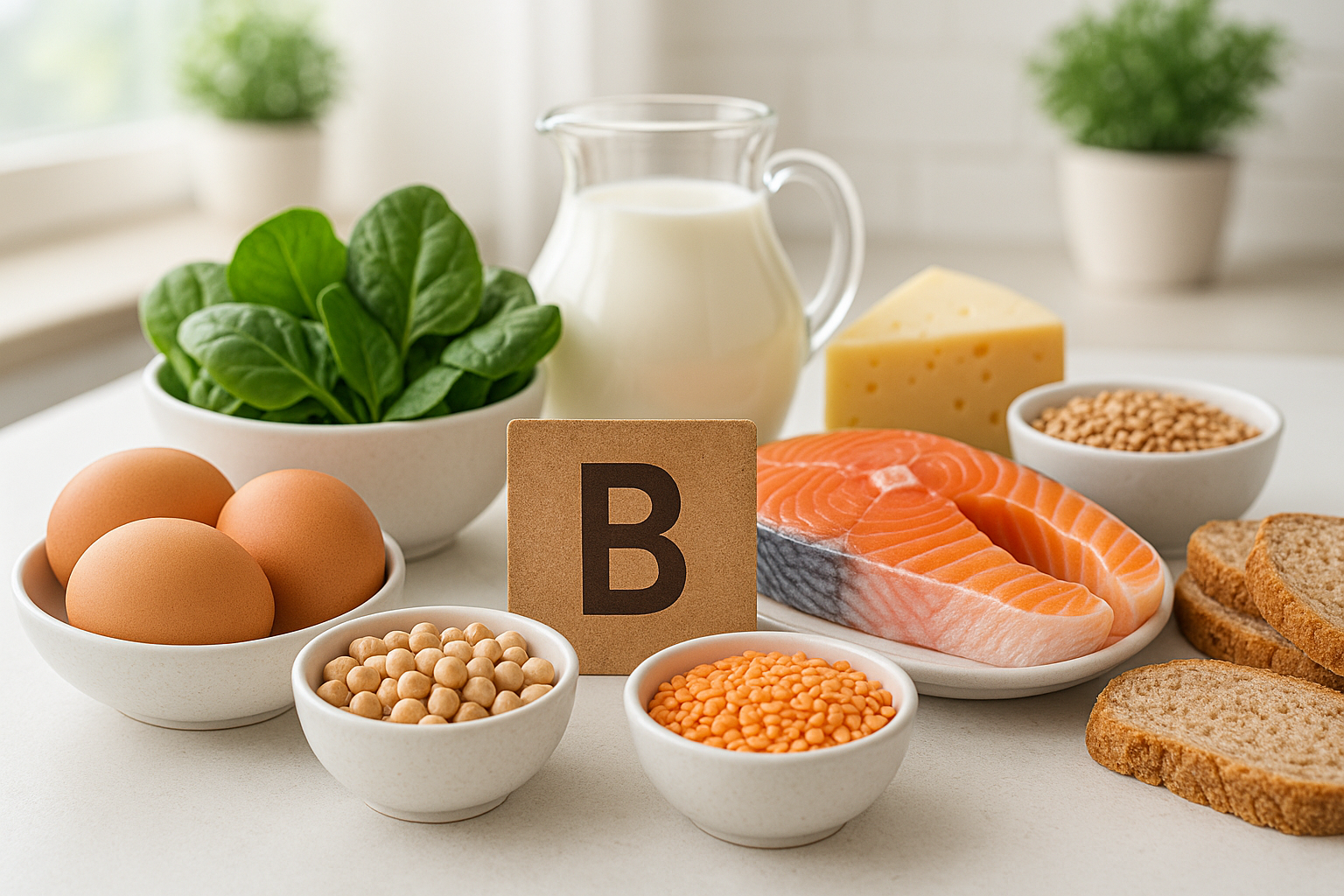
A balanced diet can help maintain healthy B vitamin levels. Vitamin B12 is found naturally in animal foods such as fish, meat, poultry, eggs, and dairy, and it is added to some fortified foods. Folate is found in leafy greens, legumes, citrus fruits, and fortified grains. Vitamin B6 is found in poultry, fish, potatoes, chickpeas, bananas, and fortified cereals. Thiamin is found in whole grains, pork, legumes, nuts, and fortified foods.
People following vegan diets often need reliable B12 from fortified foods or supplements because plant foods do not naturally provide adequate active B12.
Should You Take a B Complex for Fatigue?
A B complex supplement may help if fatigue is related to a true deficiency, but it may not improve energy if your B vitamin levels are already adequate. More is not always better. Some B vitamins can cause side effects at high doses, especially vitamin B6, which may cause nerve problems if taken in excessive amounts over time.
The safest approach is to identify the cause of fatigue and correct any confirmed deficiency with the right dose and form. Treatment may differ depending on whether the issue is low intake, malabsorption, pernicious anemia, medication effects, or another medical condition.
Key Takeaway
B vitamin deficiencies, especially vitamin B12 and folate deficiencies, can contribute to fatigue and low energy by affecting red blood cell production, oxygen delivery, and nerve function. If tiredness is ongoing or paired with symptoms like weakness, dizziness, tingling, or brain fog, consider medical evaluation and testing before relying on supplements alone.