All Posts by Dr. Jeff

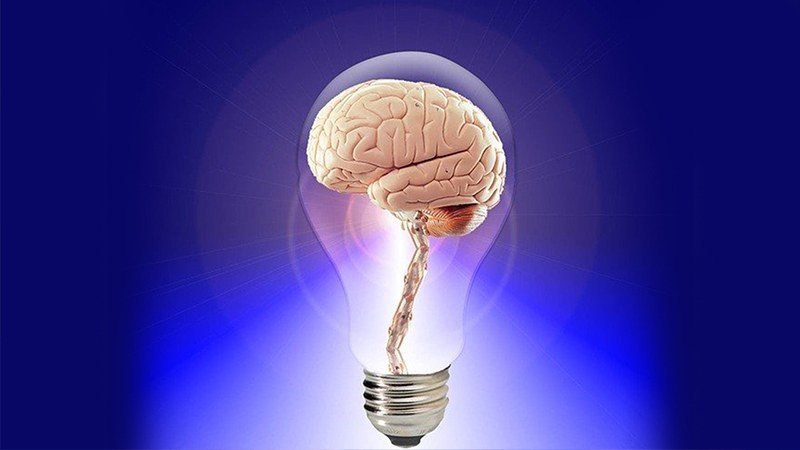
Tricks And Tips To Improve Your Brain?

Improve-Your-Brain

Have there been cases when you are frantically trying to remember someone's name, fact or place - and simply cannot do it?

We often hear that with age, memory deteriorates and the same thing happens with other cognitive functions of the brain like logical thinking.

However, do not worry. There are a number of ways that can help “change wiring” in your brain and improve its performance.

1. Exercise

As it turns out, the brain really grows from a regular load on the body.

In particular, synapses, the contact points of neurons, increase in size. There are more cells in the brain, and new connections arise between them.

A healthy heart provides the brain with a large amount of oxygen and glucose, and also detoxifies.

And if you're lucky enough to work out in the fresh air, a portion of the vitamin D we need so much is added to this.

Try to introduce an element of novelty into physical exercises: perform them in different places and in different companies. Then the forming cells will have more chances to connect into the correct chain.

For example, if you like to delve into the ground, select a site where you can meet new people while you are doing what you love.

The main thing is to enjoy what you do. This helps to increase the effectiveness of exercises, including for the brain.

2. Load memory in motion

The effectiveness of this method is proven and well known to the actors: if you try to remember something new on the go, information is more likely to settle in your head.

Next time, rehearsing a performance in public, try to do it on the go or in dance.

3. Charge your brain with the right food.

The brain absorbs approximately 20% of all sugar and energy consumed by the body and is highly dependent on the level of glucose in the blood.

When sugar gets out of control, the brain protests - and you feel it.

When we eat delicious food, dopamine is released into the pleasure center in the brain. Therefore, we like delicious food.

However, positive emotions are needed not only to the brain, but also to the stomach.

About 100 trillion microbes are registered in the human digestive system, and their balance is extremely important for the health of the brain associated with the digestive system of the complex neural chain.

Moreover, the stomach is often called the "second brain." A varied and healthy diet is what the stomach microorganisms need to live happily. And with them - your brain.

Brain cells are made from fats, so fats cannot be completely excluded from the diet. The fatty acids found in nuts, avocados and fish (as well as turmeric and rosemary) are very good for producing new brain cells.

By the way, eating at the company is also beneficial - it helps the brain consolidate the effect of the absorption of wholesome food.

4. Give the brain a break

Moderate stress is needed - this helps us mobilize in times of danger. Stress provokes the production of the hormone cortisol, which, when injected into the blood in short “bursts,” helps us focus.

However, a prolonged sense of anxiety and high levels of stress are toxic to the brain.

Therefore, it is extremely important to learn to “disconnect” from time to time in order to give a respite to this part of the brain. By turning it off, you are actually training another area.

There is a special network in the brain that gives us the ability to dream, and is also important for strengthening memory.

So the next time you are caught in the clouds while you work, explain that you were doing critical exercises for the brain.

If you find it difficult to disconnect from the outside world. try techniques like meditation that help reduce the release of stress hormones to acceptable levels.

5. Set new challenges

In order to properly unleash the brain, you need to throw him tasks that he had not encountered before.

Start learning a foreign language or go in for art - this will help keep your brain in shape.

Or fight with family or friends in an online game. This is not only an exercise for the brain, but also social interaction, which only benefits him.

6. Turn on the music

There is evidence that music stimulates the brain in a very special way.

At the encephalogram, the brain of a person listening to or performing a piece of music is almost entirely active.

Music can improve a person’s ability to know as a whole, and, for example, with dementia, musical memory disappears one of the last.

Don't know how to play the guitar or the piano? It doesn’t matter - sing in a choir or buy a ticket for a concert of your favorite band.

7. Get ready for exams in a dream

If you memorized or learned something new during the day, a neural connection between the individual cells forms in your brain. When you fall asleep, this connection intensifies - and what you have learned is remembered.

Suppose a person needs to remember a list of things to do for the future. If he re-reads the list before going to bed, in the morning he will remember the list better than in the evening after reading it in the morning of the same day.

Therefore, if you are preparing for the exam, scroll through the answers to the questions in your head when you are already falling asleep.

For the same reason, it’s better not to recall the trouble that happened to you at night. This can “drive” it into memory and strengthen the negative emotions associated with it.

And don't watch horror movies at night! It is better to concentrate on the pleasant events that happened during the day.

8. Learn to wake up properly

That sleep is good is no secret to anyone. Less than five hours - and your thinking becomes somewhat dull. More than ten - and it’s as if you got off the plane after a long flight.

But to function in full force during the day, it is not enough to sleep enough - you need to wake up correctly.

Ideally, you should sleep in a dark room and wake up gradually, along with daylight.

Light penetrates closed eyelids and “cock” the brain, which improves control over the production of cortisol. The amount of this hormone at the time of awakening affects the way the brain functions throughout the day.

Set a “smart” alarm clock that gradually increases lighting and helps you wake up naturally. If you sleep soundly, you should not forget about the traditional sound signal: just to not oversleep!

You Might Also Like This

Anti-Inflammatory Herbs That May Support Joint, Gut, and Immune Wellness
Early Signs of Magnesium Deficiency and Natural Ways to Restore Healthy Levels
Experiments on Losing Belly Fats

Mental Exercises To Choose Healthy Foods, According To Science

Mental-exercises-to-healthy-foods

Here are some easy-to-learn tips that could help you make healthier food choices.

Eating too much is a dangerous and growing problem: worldwide, more than 1.9 billion adults are overweight and obesity has tripled in the world since 1975, according to the World Health Organization.

But researchers at Yale University in the United States say that changing the way we think about food could improve our diets and help us fight weight gain.

We tell you the four techniques that they tested and how effective they found them.

1. Before a meal, think negatively about unhealthy foods

Can you make yourself less likely to want unhealthy foods?

In the study, people were asked to observe some food for only six seconds, but during that time they focused on the negative aspects of the food.

Not only in how unhealthy that food was but also in anything else they didn't like, including its taste or texture.

When those people then rated their cravings, they had decreased by 20% compared to a group of people who had not done this exercise.

Reducing cravings may be important, because studies have found that the desire to eat unhealthy foods predicts people's eating habits and weight.

2. Before a meal, think positively about healthy foods

Healthy foods were more attractive after the experiments.

The next thing the scientists did was to turn the experiment around and they asked people to spend the same amount of time thinking positively about healthy foods.

This also had a significant impact, as people's cravings for these types of foods increased by 14%.

Therefore, concentrating for a short period of time may make it more likely that you eat foods that are good for you.

3. Train your brain in advance to avoid unhealthy foods

Can you prepare in advance to make healthier food choices?

Yale University scientists also analyzed whether it is possible to prepare in advance to make better decisions.

They asked the volunteers who will hear an adverse impact on junk food and then spent 15 minutes thinking about the harmful effects of some healthy foods.

This involved looking at photos of unhealthy foods while thinking about the negative consequences of eating them.

Later, when asked to choose between healthy and unhealthy foods, they were 7.6% more likely to choose the best option.

4. Train your brain in advance to want healthy food

People ingested fewer calories after training their brain.

Again, the researchers tried to reverse the experiment to see if people were more likely to choose the healthy ones.

Volunteers read about the benefits of healthy foods and saw photos of them, while thinking about those positive effects.

This also had an effect, since people were 5.4% more likely to choose healthy foods later.

Depending on the exercise alone to lose weight is not effective.

The percentages may seem small, but when people who participated in the training chose their meals, they ate an average of 107 calories menu you.

An average person would have to run for 10 minutes to burn a similar amount of energy.

Hedy Kober, the lead author of the study and an associate professor of psychiatry and psychology at Yale, said: "This effect is as great as that of many current treatments to combat obesity, but it is obtained after a brief training."

"Even if you make a good decision a day, that can eventually result in the loss of many pounds," Kober added.

Using regular diets, approximately 70% of people recover all the weight they lost within three to five years.

Therefore, any new technique like this, which can help moderately reduce calorie intake, could be valuable.

You Might Also Like This

Chapter 11: Tesamorelin
How Probiotics for Gut Health Restore Balance and Improve Digestion Naturally
Back to School: Family-Wide Spinal and Nervous System Health Checks

Myths And The Truth About Strengthening Immunity

Truth-About-Strengthening-Immunity

Nobody likes to be ill. We all dream of having strong immunity and good health. Can immunity be strengthened and what can weaken it?

Immunity is the art of discrimination and tolerance. Discrimination and destruction of the harmful - infections and tumors, and tolerance to the non-harmful - our own tissues, food and non-pathogenic microbes, for example.

The immune system is organs and cells that differ in roles. And immunity is the result of the coordinated work of the immune system, a huge corporation in which there are several main offices, many departments, a network of training centers, police and special forces. And good bonuses for dedicated employees. Therefore, you cannot talk about immunity, as about something uniform and monotonous.

Myth number 1. Stress weakens the immune system

At first, stress has almost no effect on the body, then it weakens it, and after that the immune system gets used to the stress response.

Acute stress does not affect innate immunity - the one that takes infection first and is always with us. Acquired, it is a specific immunity, reacts to acute stress with a certain weakening.

Stress of medium duration suppresses cellular immunity. We can fight tumors or virus-infected cells. But our ability to form antibodies remains unchanged. Antibodies are blood proteins that specifically neutralize viruses, toxins and facilitate the destruction of bacteria.

Chronic stress very badly affects our body as a whole. However, the immune system learns to live with it and not lose reactivity. Long-term exposure to stress hormones causes cells of the immune system to secrete receptors for them and become insensitive.

Scientists warn that stress is terrible for the immune system primarily by changing habits - lack of sleep, alcohol and poor nutrition.

Myth number 2. Swimming in an ice hole or pouring ice-cold water improves health

The most useful thing is to accustom yourself to the cold and fresh air.

A one-time swim at Baptism is also an acute stress. Hormones help adapt to low temperatures, but the immune system works as before.

Regular dousing or bathing in ice water enhances the "pro-inflammatory background" and activates some links of innate immunity. On the one hand, it’s good. And on the other hand, we don’t need inflammation for no reason.

Why, then, do people feel better if they are tempered?

Cold accustoms our peripheral nervous system and vessels to quickly and correctly respond to temperature changes. As a result, we better tolerate the cold and create worse conditions for the reproduction of rhinoviruses - pathogens of the common cold and some acute respiratory infections.

Myth number 3. To improve health, you need to take immunomodulators and vitamins.

Immunomodulators should be taken only by prescription.

With a question about the use of immunomodulators, we turned to a specialist. Here is what a renowned immunologist says: “According to international protocols, immunomodulators can only be used in certain serious conditions. These are autoimmune diseases, AIDS, oncology, and organ transplantation.”

According to her, the immune system consists of three main stages of protection, which, in turn, contain thousands of substances. Interfering with this extremely complex mechanism is inappropriate. The work of all components of the immune response is regulated independently. With the right lifestyle and a balanced diet, immunity will adjust its work itself.

Thus, the use of immunomodulators to strengthen the immune system looks like an attempt to pour gas into a modern electric car," says the immunologist.

Multivitamins or the usual high doses of vitamin C are unlikely to improve immunity. The role of vitamin C in improving the immune response and fighting infections has not been clinically proven. The benefits of multivitamins for the immune system and other health indicators are also not proven. And an excess of vitamins A, D and E is even toxic.

Myth number 4. Antibiotics weaken the immune system

Antibiotics are sometimes necessary, and immunity weakens the wrong treatment protocol.

Antibiotics are needed for the specific and effective destruction of a bacterial infection. If the doctor prescribed a course of antibiotics, and before that determined the sensitivity of bacteria to them, you should drink everything.

Why is it sometimes bad after antibiotic treatment, and women often develop candidiasis?

Antibiotics can destroy not only bad bacteria, but also the normal flora we need. Its significant death frees up space for opportunistic microorganisms, for example, fungi. Therefore, according to treatment protocols, antibiotics should be prescribed with antifungal drugs, says immunologist.

Myth number 5. Breastfeeding and development of the child in nature protects children from diseases

Breastfeeding and non-sterile growth conditions of the baby are really good for the immune system. But this is not enough to stop any disease.

From birth, the child has nonspecific immunity and inherits a fraction of the mother’s immunity, namely the same antibodies. They pass through the placenta and are in the composition of breast milk.

But antibodies do not last long, their number is limited, and this is only one of the components of the immune system. Therefore, subsequently, the child must develop his own specific immunity.

It has been proven that children who grew up on farms during the first year of life or played with pets were less likely to suffer from allergies. Dogs bring a lot of street dirt into the house, with which the child's immune system is introduced. The presence of a cat in the house significantly reduces the chances of developing asthma in genetically predisposed children.

However, in order to well resist infectious diseases, you should familiarize yourself with them - get sick or get vaccinated. Otherwise, the immune system cannot learn to recognize and stop them in advance.

Myth No. 6. Washing hands, especially with antibacterial soap, protects us from disease.

Hand washing effectively prevents the spread of numerous infections. But antibacterial soap does more harm than good.

The Centers of Disease Control (CDC, USA) advises washing hands with soap to prevent bacteria and viruses from reaching the skin of the face, eyes and body. Handwashing is considered an effective preventative against flu and intestinal infections.

However, antibacterial substances, soap or antiseptics are harmful. Firstly, they will destroy the normal flora of the skin. Secondly, bacteria quickly get used, and therefore, the regular use of hand antiseptics will remove resistant bacteria on the skin. Finally, the common antiseptic triclosan is harmful to human health: it weakens the immune system and disrupts the synthesis of hormones.

What is an effective means of enhancing immunity?

The immune system does not need to be artificially stimulated. Its excessive activity is manifested not in resistance to infections, but in the appearance of allergies and autoimmune diseases.

A full sleep gives us the hormone melatonin, which promotes good recovery and supports the health of the immune system.

The consumption of vegetables, fruits and oils provides us with vitamins, antioxidants and plant fibers. All this prevents inflammation, supplies the immune system with the necessary vitamins and minerals, and promotes intestinal health.

Exercise effectively reduces the harmful processes of inflammation in the body, with rheumatoid arthritis, for example, and returns the immune system to a healthy course.

The most useful for the immune system are not expensive drugs, but free things.

You Might Also Like This

Iceland Knows How To End Drugs In Schools – Lessons For The US
A Pain In The Neck? Research Proves Chiropractic Provides Unparalleled Relief
Sleep: The best “Detox” For Your Brain

Thinking Too Much About Health Can Finish It Off, Says Science

Thinking too much about health

Scientific research has revealed an amazing connection between what people have in their head and their health. Our ideas about our own training play a very important role.

How healthy you feel is determined not only by how much time you devote to physical activity and exercise, but also by whether you compare yourself with your friends and acquaintances.

If you already realized that you are not coping with the training schedule that you yourself promised to adhere to at the beginning of this year, try not to focus on how many exercises you were required to perform, but did not.

Scientists have found out: if you take your physical activity too seriously and constantly think that you are not working out, then with such thoughts you can really turn yourself into a not so healthy person.

Stanford University (USA) examined mortality data for 61 thousand adults.

Over the course of 21 years, information has been gathered about how people exercised their body and - most importantly - what they thought about how they looked against their peers. Within this period, some of those observed died of various diseases.

After analyzing various factors that could affect the health of the study participants, scientists discovered something unexpected.

Those people who believed that they did not exercise as much as their peers they knew were dying at a younger age than those who thought they were exercising more - even if the actual amount of training was the same for both.

Moreover, the effect persisted even when scientists took into account the different health conditions of participants and factors such as smoking.

A constant comparison of one’s own fitness with the physical condition of friends doesn’t lead to anything good.

Of course, fitness, wellness exercises increase your life expectancy. However, from this study we can conclude that our ideas about our own training also play an important role.

The author of the study, Octavia Zart, told that personal experience pushed her to this topic.

Previously, when Octavia lived in London, she considered herself a quite athletic girl - she often rode a bicycle, went to the gym, but then she suddenly felt that she was clearly inferior in training to her classmates.

Seeing fans of a healthy lifestyle around you, constantly reading about it in social networks, you can unwittingly worry

She thought: what if the mere thought that you are training your body less than others affects your health? And she was right.

Zart found that people who are pessimistic about their level of training against their peers have a 71% higher risk of mortality than those who are optimistic about their fitness achievements.

The first is quite simple: the thought that we are not training enough can depress us, plunge us into stress.

Seeing fans of a healthy lifestyle around you, constantly reading about it in social networks, you can unwittingly worry, your anxiety will begin to grow and turn into chronic stress that destroys your health.

Or is it all a matter of motivation? Perhaps, if you already think that you are leading a physically active life, then it makes you maintain the reputation of an athlete and train even more?

This idea is fully supported by the 2015 study, which showed: if you believed that you were physically prepared worse than your friends and acquaintances, then it is extremely unlikely that a year later you will do fitness at all.

Considering what we know about the so-called group norms (the rules of behavior and relationships adopted in a particular social group) and that most of us usually try to do what others do, this is especially surprising.

But maybe the achievements of our friends in the field of fitness discourage us, and it's easier for us to quit than to try to keep up with others.

The third possible reason that our negative thoughts affect our health is the inverse of placebo.

It has long been established: a person’s faith in the power of a medicine can enhance its effect in the body. The opposite effect of placebo is called nocebo: when expectations are negative, then the effect of the drug is weaker.

So, perhaps, those people who did no less than their friends, but did not realize this, simply deprived themselves of the benefits of a healthy lifestyle that they actually led.

Take for example hotel staff. During the working day, they have to walk quite a long distance along the corridors of the hotel, push heavy trolleys with towels, vacuum the rooms, wash the bathrooms, change bedding... But they do not perceive this as physical exercise, a 2007 study showed.

Then Alia Krum, also a Stanford researcher, told half of the study participants how much they actually exercise and that it is very useful for them.

Those who call the age of onset 60 years old or less are more likely to experience serious heart disease

A month later, members of this group of hotel workers lost weight, their blood pressure dropped. As soon as they began to consider their work as an opportunity to exercise, their physical condition improved.

Perhaps even they began to vacuum more vigorously. Or maybe it's just a placebo effect.

All this reminds of another study - 2003, when scientists came to the conclusion that our ideas about our own age are correlated with the state of our health and how it will be in old age.

Then the question was asked to seven thousand civil servants: when exactly, in their opinion, does middle age end and old age begin?

Hannah Cooper and Professor Sir Michael Marmot analyzed how the answers correlate with the state of health of the study participants and found: those who called the age of onset 60 years old or less were later more likely to experience serious heart diseases than those who indicated age at 70 years and older.

The answer to this simple question asked by scientists, apparently, reflects people's ideas about their own health.

Maybe they call 60 years old, because they feel old due to health problems. Or maybe they feel that they have not so much left, and if so, then they do not need to be engaged in their health, to exercise (which, for its part, also ultimately affects their health).

Or maybe they are just stronger than others, worried about the inevitable onset of old age, it worries them and, accordingly, has an impact on health.

Even the thought that in old age you can quite successfully deal with yourself can positively affect your health.

You may already have noticed that these last three explanations are very similar to those with which the first study of exercises explained the mechanisms of how this works.

Of course, we still cannot answer all the questions that arise, but there is clearly something to it. It is becoming clearer: our ideas about our own health are very important.

And this puts those who insist on the benefits of intense exercise and a healthy lifestyle in a not-so-adroit position.

On the one hand, it’s true - exercise is good for your health. On the other hand, such studies as the one we talked about suggest: the higher the requirements for oneself, the higher the likelihood of a breakdown.

And until we figure out which of these mechanisms provides the longest life expectancy, our recommendations will not work.

Well, I, meanwhile, will always try to positively evaluate what I am doing and, if possible, avoid talking with friends who run marathons.

You Might Also Like This

Both Sugary And Diet Soda Leads To An Early Death
How Magnesium Supports Better Sleep and Relaxation Naturally
Chapter 16: Peptide Stacking

Oxford “Liquid Diet” – The Best Way To Lose Weight

Liquid Diet

The best way to lose weight is to eat low-calorie soups, nutritious shakes and other fluids, according to the authors of a new study published in the leading journal of British medicine BMJ.

It is a "liquid diet" that scientists at Oxford University recommend prescribing to patients who are obese.

According to their latest study, it allows you to lose weight much more effectively than the traditional diets prescribed by doctors - people sitting on it lose three times more excess weight, significantly reducing the risk of heart problems or the development of type 2 diabetes.

The author of the work, a doctor and professor at Oxford, Paul Eiviard, admits that losing weight is not an easy task, but it is even more difficult to maintain the results.

"It’s incredibly boring to eat a regular diet, and it’s very difficult for people to adhere to a strict nutrition plan for a whole year," he explains. “You need to concentrate all your strength on the first 12 weeks, and due to the low-calorie intake, you will lose weight quite quickly.”

The new diet is designed for people who have serious problems with weight - with a body mass index of more than 30 - who cannot lose weight, even after they have changed their diet and lifestyle.

Calorie intake is reduced due to the fact that ordinary food is replaced with specially designed fluids, soups and low-calorie snacks - with the addition of milk, water and fiber-rich dietary supplements.

The usual daily diet looks something like this:

  • Powdered shake cocktail of skim milk and soy protein with chocolate flavor (145 kcal)
  • Skimmed milk and soy protein powder soup with chicken flavor with mushrooms (138 kcal)
  • Skimmed cereal from skim milk and a mixture of whole grains (149 kcal)
  • Protein bar made from soy and milk with lemon flavor in glaze with yogurt flavor (150 kcal)

Stick to your diet!

The diet trial involved 278 obese patients from Oxfordshire. For eight weeks, half of them followed the Cambridge weight loss plan, which limits daily intake to 810 kilocalories, and then, in the next four weeks, gradually included other foods in the diet.

In addition, on a weekly basis for 24 weeks, these patients met with a psychotherapist who helped them maintain a diet and continue to lose weight. The other half sat on a regular diet prescribed in such cases.

Throughout the experiment, people on a "liquid diet" lost everything faster than participants in the control group.

After a year, each of them lost an average of 10.7 kg, while patients from the control group lost an average of 3.1 kg.

They also improved their blood pressure and cholesterol levels. And patients suffering from type 2 diabetes (it often develops in overweight people), were able to significantly reduce the dose of drugs taken.

However, according to Katharina Kos, a leading expert on diabetes and obesity at the University of Exeter, people should not try this diet on their own, without the support and advice of doctors.

"Of course, if you are overweight, losing weight is beneficial. However, numerous studies indicate that such diets only work if they become just a starting point for the future and lead to a complete change in eating behavior," she says.

Professor Helen Stokes-Lampard, who heads the Royal British College of General Practitioners, also agrees with her. According to her, when choosing a specific diet, the doctor should always take into account many factors, including the physical and psychological state of the patient, as well as his social status. In addition, when losing weight, you cannot rely solely on diet.

“Ultimately, the best way to stay fit and stay healthy is to lead an active lifestyle, stick to a healthy and balanced diet, get enough sleep, don't abuse alcohol above prescribed standards, and don't smoke,” she concludes.

You Might Also Like This

The Most Dangerous Celebrity Online Revealed
Affiliate Marketing For Home-Based Income
How B Vitamin Deficiencies May Contribute to Fatigue and Low Energy

Why Do We Eat More In The Company? The Answer Was Not So Simple

We-Eat-More-In-The-Company

We decided to have lunch with a friend, and at the end of the meal it turned out that you could not refuse an extra dessert. Why is it so important for our appetite whether you are alone at the table or in company?

Has this happened to you often? Remember these funny dinners with friends - yes, the very ones when you leave the table and understand that you ate clearly more than necessary?

And remember, it happened and vice versa: you did not order sweets just because no one did it?

Perhaps the first thing that comes to mind is to blame everything on the influence of the environment. This is due to the presence of other people at the table and their behavior, we either overeat or deny ourselves something.

Indeed, studies that have been carried out over several decades confirm a simple truth: in the company we eat more and often order (or don’t order) those dishes that others order (or don’t order).

But what is the mechanism of this influence, and can we use it in order to switch to healthier food? Or maybe even for weight loss?

Back in the 1980s, research by psychologist John de Castro sent the first signal: society affects how we eat. By 1994, de Castro had collected diary entries from more than 500 people who wrote down what dishes they ate and the social context that accompanied these meals (in the company or alone).

The scientist was surprised that people ate more when they dined in groups. The experiments of other researchers also showed: in the company, people ate 40% more ice cream and 10% more pasta and beef than when they ate alone.

So what expands the scope of our gastronomic pleasure when we dine with someone? Reasons such as hunger, mood, or table talk were rejected by de Castro and other scholars.

Studies have shown: when we are in the company, our lunch lasts longer, and in these extra minutes we eat more than our body requires.

When you dine in company, you find it difficult to resist the temptation to order more and more

Observations of the behavior of visitors to various cafes and restaurants showed that the larger the group, the longer it dines. But when lunch time is limited by a certain time frame, the difference between large and small companies disappears.

In a 2006 experiment, scientists gathered 132 people and gave them either 12 or 36 minutes to eat cookies and pizza. Participants ate either alone, or in pairs, or in groups of four.

It turned out that within a limited period of time, people ate the same amount of food - regardless of the size of the company.

This laboratory experiment provided the clearest evidence that the amount of time spent at the table means more eaten.

Probably, when we have lunch with friends, we are not inclined to rush anywhere - and therefore we ask you to bring us another piece of cheesecake.

And even before lunch, even at the stage of food selection, when we know that the company will be large, we order more. This follows from observations of visitors to one of the Italian restaurants: the larger the company, the more pasta and dessert.

Lunches in the company of other people, apparently, affect our appetite, and in such cases we already think in advance that we can afford too much.

Such observations helped food specialist Peter Herman formulate his “feast hypothesis”: indulging our own weaknesses is an organic part of eating with the company, and we love being in the company because we can eat more without feeling remorse about it. conscience.

Moreover, studies show that the joy of a meal in a company can be experienced even if your partner is not real.

Fat children in the company eat less than when they are alone.

Japanese scientists suggested that participants in the experiment eat popcorn alone - either in front of a mirror, or sitting in front of a blank wall.

Those who ate sitting in front of the mirror received much more pleasure from eating. Is that why many restaurants have mirrors on their walls?

But sometimes we eat less in company. Our desire to indulge our weaknesses may come up against the need to behave properly so as not to cause condemnation of others.

We can also follow and imitate others. This behavior is called social modeling.

There are many examples of the above, and they can be found in various studies. Full children in the company eat less than when they are left alone. Overweight young people eat more cookies when they are in the company of people like them - but things change when they are in the company of people with normal weight.

In university cafes, women eat less when men are with them at the table, but eat more in purely female companies.

A study of the behavior of people in different parts of the United States showed that the quantity of dessert ordered is even affected by how well-fed the waiter serving you is.

Even the physical appearance of a waiter can affect how much you order food.

In a 2014 study, it turned out that the behavior of women at the table is more influenced by the men present. In addition, during the meal we take an example from those who, in our opinion, look like us.

So far, we have not enough research to understand where the habit came from in the course of evolution, given the social context. Perhaps our ancestors, hunters and gatherers, a tendency to comply with social norms (read: do not eat more than others) facilitated the process of equitable distribution of food.

And the habit is the same and also, perhaps, helped children to understand which food is safe and satisfying, and which should be avoided, said Susanne Higgs, a professor at the University of Birmingham, who studies nutritional psychology.

About one billion people on the planet are obese, including 340 million children.

Unfortunately, since in modern life, chips and sweets lie in wait everywhere, all of our food standards go downhill.

People tend to eat what they eat in their immediate surroundings, and it seems that the danger of fattening them often just does not bother.

In these sections of society, it’s sometimes “hard to understand who is obese, since there are most of them,” says Sarah-Gene Salvey, associate professor of preventive medicine at the University of Alabama.

When you dine alone, it’s easier for you to resist and not to order too much. But everything is not so simple when a friend ordered himself another cake

Salvey studies the social aspects of eating and obesity. "When people are told what their normal weight should be (according to the body mass index), some are so surprised that they perceive it as a mistake, as something impossible," she says.

A shift in social norms towards the acceptability of a larger body mass may partially explain why many gain weight sooner or later, grow fat.

According to the World Health Organization, approximately one billion people on the planet are obese, including 340 million children.

Fortunately, a healthy diet does not contradict our desire to have friends who are more well-fed than we are.

To begin with, we need to recognize that our eating habits are shaped largely by society.

Then we must develop the habit of consciously treating what exactly and how much we eat, and learn how to manage the situation - for example, dispensing with salad or dessert.

True, if Peter Herman is right in that we consider eating in the company as a real feast and use it to indulge our own weaknesses, then a conscious restriction of appetite can go against our nature and will become almost impossible when a person decides to order on the other side of the dining table cheesecake.

You Might Also Like This

Overcoming Chronic Pain
The Highest Paid Professions In The United States In 2019
This Is Why You’re Not Happy

Is It True That A Slow Metabolism Is Responsible For The Kilos? Can You Speed It Up?

Slow Metabolism

The formula seems simple – if we accelerate our metabolism, we will reduce faster those extra pounds we have in our body.

After all, one of the reasons mentioned when talking about weight is that some people have a slow metabolism.

The problem is that it is not a mathematical equation in which 2 + 2 = 4.

When we talk about metabolism in this sense, we refer to the "resting metabolic rate", which is the minimum amount of energy that our body needs to carry out the chemical processes in all our cells, which allows us to stay alive, such as digestion, breathing and the transport of substances to and from the cells.

It is in this process that our body spends between 50 and 70% of all the energy it consumes in the day.

There are several factors that determine resting metabolism, including age, height and activity level.

But while it differs between person and person, few people have a particularly high or low metabolic rate, and it is unusual for it to be a relevant factor in determining whether you are skinny or fat.

In any case, accelerating our resting metabolic rate can be useful. Over time, burning a few extra calories can help control weight.

Let's put it to the test

The task of the first group was simple: drink cold water.

l first drank each day one liter of water cooled in the refrigerator at 5 ° C.

The idea is that when you drink cold water, the body needs to use energy to increase its temperature in a process known as thermogenesis.

The second group had to drink decaffeinated green tea four times a day. In this way the body would receive a dose of catechin, a natural chemical that is assigned the ability to stimulate the metabolic rate to burn more fat.

The members of the third group did a series of exercises using a resistance band to complete one hour of physical activity a week.

The idea was to increase the muscles and lose some fat. Muscle tissue requires more energy to maintain than fat tissue, so that should result in an increase in resting metabolic rate.

Did that tea that has such a good press work?

In the first two groups there was a slight change in weight in some volunteers, but the average resting metabolic rate of the groups did not change.

In both cases, the few individual changes were so small that the effect of cold water or tea was invaluable.

Other studies with both drinks have had similar results.

As for the third, a scanner showed that 7 of the 9 volunteers increased their muscle mass, which will eventually produce a change in their body and in their metabolism to continue with the same progress.

What does it mean?

The experiment showed that any quick remedy that promises to increase the pace of your metabolism to help you lose weight probably won't work.

It seems there is no choice but to exercise.

The fact that there were no changes in our first two groups indicates that there are very few things you can do to increase your metabolic rate effortlessly, and this conclusion is supported by broader scientific research.

Instead, the progress of our exercise group in just 8 weeks is promising, and other research in this field also confirms that one of the best ways to accelerate your metabolic rate is to increase your muscle mass, as your body needs to burn more calories to keep it.

You Might Also Like This

Foods That Support Liver Detox Pathways and Healthy Daily Cleansing
Influencing The Influencers
Up to 90% Of All Doctor Visits Originate From This…

Experiments on Losing Belly Fats

Losing Belly Fats

Belly fats isn’t just an aesthetic problem – it can be a sign of some serious problems to your health.

Abdominal fat is found around the belly. There is subcutaneous fat, which is what we know we have when you can pinch more than an inch in the belly. On the other hand, there is also visceral fat, which is found around organs such as the liver, pancreas or intestines.

Dr. Saleyha Ahsan was encouraged to try the most effective methods to burn abdominal fat.

It is believed that visceral fat is metabolically more active than subcutaneous fat. If you gain weight, the fat accumulates first around the organs and, if you lose weight, it is from that same place where the fatty tissue is removed in the first instance.

Despite being considered the most dangerous type of fat for our health, seen on the positive side, it is the easiest to eliminate. The question is how?

We constantly find ourselves on pages that promote a healthy lifestyle with solutions to reduce localized fat. There are tricks that allow you to see quick results but WHAT DOES é so reliable they are?

There are countless sources that advise how to burn abdominal fat.

Experiment

All volunteers had a level of abdominal fat that put them within the risk zone for type 2 diabetes and coronary heart disease.

Fredrik Karpe, Professor of Metabolic Medicine at the University of Oxford and Professor Dylan Thompson, of the University of Bath, were to design each, according to their area of ​​expertise, two methods to deal with the 4 groups that would be formed.

Before the experiment, a medical history of each of the volunteers was opened to take into account their state of health prior to the tests to which they would be subjected.

One of the most crucial measures was dual energy x-ray absorptiometry to get a detailed picture of how much fat each had and where exactly it was located.

Abdominal gauze is not just an aesthetic problem.

Other medical parameters that were taken into account were resting heart rate, blood glucose, blood lipids, weight, blood pressure and, of course, waist measurements.

Professor Thompson took care of two groups that he did two types of exercises. While Professor Karpe took care of the other two remaining groups he treated with diet.

The first group used monitors that recorded their activity throughout the day and were asked to continue eating as they normally did. In addition to that, they were given a series of simple indications that involved increased physical activity.

The second group was assigned a series of classic abdominal exercises normally found on the internet. Each volunteer had to do 6 different routines repeating each one 3 times daily for a period of 6 weeks.

Why do most diets fail?

One of the groups was set to do sit-ups.

Lying on their backs, with their knees bent, the soles of the feet on the floor, and the hands on the thighs, crossed over the chest or behind the ears, the subjects had to slowly raise the torso towards the knees, until that the shoulders are separated from the ground. Hold that position for a few seconds, slowly lower and repeat.

Do not press your neck against your chest while climbing.

Contract the abdomen while performing the exercise.

Do not throw your head abruptly on the floor when your torso is lowered.

Feeding

The third group, monitored by Professor Karpe, was asked to follow another popular advice that is online to reduce fat: consume up to 3 glasses of milk (one liter) a day.

There are studies that suggest that milk consumption can promote fat excretion.

The fourth group was the "controlled diet group". They were not asked to change the type of food they consumed. They simply had to reduce the portions and measure them having their hands and fingers as a reference.

This group was also asked to cancel the consumption of snacks between meals.

A nutritionist was constantly advising the group during the process. Especially when the volunteers felt that the amount of food they consumed did not satisfy their appetite.

The nutritionist had individual appointments with each of the participants at the beginning of the experiment and then continued to monitor and support them by telephone during the 6 weeks of observation.

Results

After 6 weeks, all participants were examined again. Waist measurements were taken, cholesterol, blood glucose level and blood pressure were measured.

The results were quite revealing. The first group, the one that continued eating the same but increased their physical activity, did not lose any fat, but their state of health improved considerably.

There was a decrease in blood pressure and there was a volunteer who even reduced his blood glucose level, going from being within the range of diabates to being in the normal range.

In the abdominal group, they did not lose weight and did not improve their health parameters, but lost 2 centimeters of waist.

Professor Thompson explained that the result was due to the strengthening of the muscles of the torso. What also generates prevention of back pain and helps improve posture.

Reviewing the results of Professor Karpe's groups, who were asked to consume 3 glasses of milk daily, did not show any change in weight or health status.

However, although they were asked to consume an extra 400 calories a day, they did not gain weight nor did their levels of adipose tissue increase.

According to Professor Karpe, it may have been because the volunteers, when filling with milk, did not eat as much as they usually did before the experiment.

The group that was asked to consume milk did not increase their fat level despite having consumed more calories.

The winner par excellence was the controlled diet group. Together they lost 35 kg, an average of 3.7 kg each in 6 weeks. In addition, on average each volunteer lost 5 centimeters of waist.

The results of dual energy X-ray absorptiometry (DEXA) were the most interesting. They revealed a 5% loss of body fat and an impressive 14% reduction in the dangerous visceral fat in the abdomen. This group not only lost abdominal fat but also the general level of body fat was also reduced.

The negative point was that they lost muscle mass in their legs.

Finally, the conclusion is that if you want to lose abdominal fat in a healthy and effective way you should combine a balanced diet with exercise routines.

You Might Also Like This

Study Highlights Keto-Diet’s Potential Against Cancer
High Intensity Interval Training: The Ultimate Guide to Fast, Efficient Workouts
Best Herbal Teas for Better Sleep and Nervous System Support

Get A Six Pack – The Best Workouts And Recipes

Six-Pack

To get a six-pack, you need optimal training, discipline and a nutritional concept. Women have a little harder time reaching a washboard belly than men. We'll tell you which workouts and recipes will help you get closer to your goal.

For many people, a six-pack is the epitome of sportiness and maximum attractiveness – and often the major goal of all efforts during training.

The fact that the muscle is often covered with a relatively high percentage of body fat does not exactly make it easier to show its benefits. So, it is even more important to know how you can make your washboard belly visible with the right training and optimal nutrition.

Is a six-pack healthy at all?

While normal fat, visible from the outside on the buttocks, thighs and hips, serves to keep us warm and isolate the body, fat on the abdomen can be a common sign that visceral fat has also formed.

This is adipose tissue, which is located around the organs in the abdominal cavity such as the liver or intestine and can promote high blood pressure, diabetes, heart attacks or strokes.

Basically, this means that a washboard belly that is only visible because there is hardly any fat on the stomach is healthier than no six-pack or too much fat on the stomach.

Can everyone get a six pack?

Basically, the less body fat you have, the better the abdominal muscles will show up. From around 10 percent in men and 15 percent in women, the love handles on the abdomen are usually small enough to expose the abdominal muscles.

If the body fat percentage is higher, the washboard is also not visible. The body fat calculator reveals how high your body fat percentage is and how much body fat is ideal for men and women.

Women have to work their way through a six-pack a little harder than men, since the evolutionary fat distribution ensures that they have up to 35 percent more body fat than men and a lower basal metabolism.

The extent to which the muscle develops (yes, it is actually only one!) Depends on the number of tendons that run horizontally over the straight abdominal muscles and thereby give the belly the typical six-pack shape.

The number of these tendons is different for every person, usually two or three that give the typical washboard-like appearance, but it can also happen that no tendon runs over the stomach, which is why it is quite possible to never get a six-pack can.

In most cases, however, incorrect training or nutrition is to blame for the underdeveloped muscle.

How do you get a visible six-pack?

The misconception that you just have to train your stomach with enough crunches so that the fat on your stomach melts and a six-pack appears, persists.

It is clear, however, that the abdominal workout does not automatically turn the stomach into a trained stomach - the fat on the stomach has to be removed beforehand. To burn it, only endurance training and an appropriate diet help.

Suitable endurance training is, for example, interval training, running or cycling in combination with strength training that makes the muscles grow. This way the belly fat melts while the muscles grow.

In order to start the fat melt effectively, you should know your total turnover in advance, which is made up of the basal metabolic rate and the power metabolic rate, i.e. the amount of energy that the body needs in addition to the basal metabolic rate in its activities.

We can only lose weight if we consume fewer calories than we consume.

The right nutrition for your six-pack

It is not for nothing that it is said that a six-pack is made in the kitchen. With the right nutrition - in addition to cardio training - you can melt the fat on your stomach.

Basically, this means avoiding calories as much as possible (especially in the afternoons and evenings, so that the body can use the time for fat loss overnight), but eating more protein and fat.

Animal products such as lean meat, fish, eggs and cheese are ideal sources of protein. But vegetables such as beans, lentils, peas or soy can also supply the muscles with a sufficient amount of proteins. A common guideline is around 1.5 grams of protein per kilogram of body weight.

The best dishes for a six-pack

  • Cod on chickpea ratatouille
  • Pikeperch fillet on zucchini and mango vegetables
  • Paprika vegetables with steak strips
  • Turkey and melon salad with yogurt
  • Ham omelets wrap
  • Arugula salad with lamb and grilled vegetables

Do's and don'ts on the way to the six-pack

Avoid empty calorie carriers! Food that provides energy quickly is digested just as quickly. This will get you hungry again.

So, eat more foods with so-called multiple sugars such as potatoes, cereals, rice or vegetables, since they are metabolized only slowly by the body and thus ensure a long-lasting feeling of satiety. You should avoid quickly available single and double sugars - such as those made from fruit or desserts.

Better buy fresh than canned food. If you can’t make it to the vegetable stall, go for frozen foods. Due to the shock freezing, the good ingredients are largely preserved.

Bring variety to your menu. Combine ingredients again and again. For example, you can prepare peppers raw in a salad, sometimes as ratatouille, baked or filled.

You should also stay away from alcohol. It inhibits the burning of fat and can, especially in men, in whom the fat is mainly deposited on the abdomen, lead to heat.

You Might Also Like This

Magnesium for Sleep and Anxiety: A Natural Way to Rest Deeper
Does Red Meat Trigger Toxic Immune Reaction Which Causes Cancer? Latest Research Says NO
Top 10 Items You Must Have In Your “Get Home Bag”

Keys To Increase Your Endurance When Exercising

Increase Your Endurance

You don't have to be an elite athlete to achieve challenges or any adventure that demands the body to push its physical limits.

Is the physical resistance in the mind?

"I have trained many celebrities and helped them complete incredible challenges," said sports science specialist Greg Whyte. "And it is clear that even those with little experience and little time to train can do it."

Known as the "Marathon Man," comedian Eddie Izzard completed the marathons as part of a charity campaign.

Whyte was in charge of training Davina McCall when she agreed to complete a triathlon for charity and travel 800 kilometers in seven days, as well as the challenge of comedian Eddie Izzard, who ran 27 marathons in 27 days.

"Being able to do a very demanding exercise is like everything in life, it takes determination and tenacity, the ability to follow when you fall and learn from your failures," the sports training specialist told the BBC.

"The most important thing is motivation, which is what allows you to overcome the moments when you feel worse."

Vision and conviction

According to Whyte, anyone can take on challenges that he never thought he could achieve, but for this it is necessary to follow a series of recommendations that he himself drew up.

At times, it seemed that Davina McCall was not going to be able to complete her challenge, but the presenter did not give up.

"It is easier to succeed if you choose a challenge that you enjoy, a good training plan, support and motivation," he explained.

For this "the first thing you need is to have the vision of what you want to do, that it is something that will take you out of your comfort zone, but that is where the magic is."

How can the body have more resistance to exercise?

"And second is the conviction you have to have to achieve it, believe that you can do it despite the voices, including yours, that tell you that you will fail."

These are the keys to the Whyte method to increase the resistance of the people he trains, to which he always undergoes a thorough medical review to know and counteract any physical problems they may have.

Short and effective

For a long time it was believed that running long distances at a constant rate was the best way to burn body fat.

But now we know that workouts with high intensity intervals can be very effective in reducing fat and increasing the calorie burn of your metabolism.

These are the six recommendations of sports science specialist Greg Whyte.

Circuit training, high intensity classes or routines with variations in the treadmill or exercise bike are very effective ways to burn heat but do not have to last more than 30-45 minutes.

In fact, if they are done at the correct intensity it is not even necessary to last that time.

You have to also think about the practical side, since this type of exercise can be done at any time of the day which will help you maintain a regularity that will give you long-term benefits.

Forget the scales

When it comes to losing fat, what really matters? Go down the numbers on the scale every day or look healthy? They are two very different things, since you can lose weight and have an unhealthy appearance.

Weight and body mass index are unreliable indicators to measure people's health, being much better to observe the body composition and fitness.

Weight is not synonymous with health.

For example, you can train hard, go for a run, lift weights in the gym, which will allow you to gain muscle. In that case it is very likely that you will remain at the same weight, but you will feel much better.

It is healthier to focus on better ar the strength, fitness and fat percentage in the body. Track your progress so you know you are going in the right direction. It is that progress that counts.

Use the weights

It is easy to think that if you want to lose weight you should not lift weights, but that is not the case.

By increasing muscle mass, you will also increase your resting metabolic rate which will allow you to burn calories even when you are not exercising.

Before launching into the water, it is important to know the risks of the challenge we set out to develop a clear training plan.

Your biggest muscles are the buttocks, hamstring and quadriceps, and if you work them hard and your body will become a kettle to burn calories.

That will also allow the muscles to strengthen and work longer.

Do it in company

Another aspect of the exercises that is usually ignored is its social benefit. Enrolling in spinning classes or other training sessions will not only allow you to have fun, but they will also serve you to socialize and give you motivation that will stimulate you to succeed in the long term.

Group classes are a good way to maintain the necessary discipline, and they will allow you to visualize in your classmates the goals you want to achieve.

Try new things

The secret to maintaining an exercise routine for a year is that it is fun and varied, but we cannot forget the objective.

Finding an exercise you have fun with is key to achieving a long-term goal.

Psychology is an aspect that plays a crucial role in physical activity and if you do not plan to be an elite athlete you have the benefit of being able to do what you want when you want.

High intensity sessions, outdoors, in the gym, weights, bicycle, swimming, running, a whole range of options that will allow you to maintain enthusiasm.

Do not believe in false promises

If you want to have a healthier life and improve your fitness, forget about New Year 's resolutions or commercials that promise results "immediately".

The way to achieve this is to consider a long-term plan, which can be adapted to changes in your health and physical condition.

That is the only formula that will allow you to increase your resistance without getting bored.

You Might Also Like This

The Gut Inflammation Connection and Simple Daily Habits for Better Digestive Balance
Best Foods That Naturally Support Liver Health and Detox Pathways
Cortisone Injections For Hip And Knee Pain Has A Higher Risk Than Formerly Believed
1 32 33 34 35 36 44