
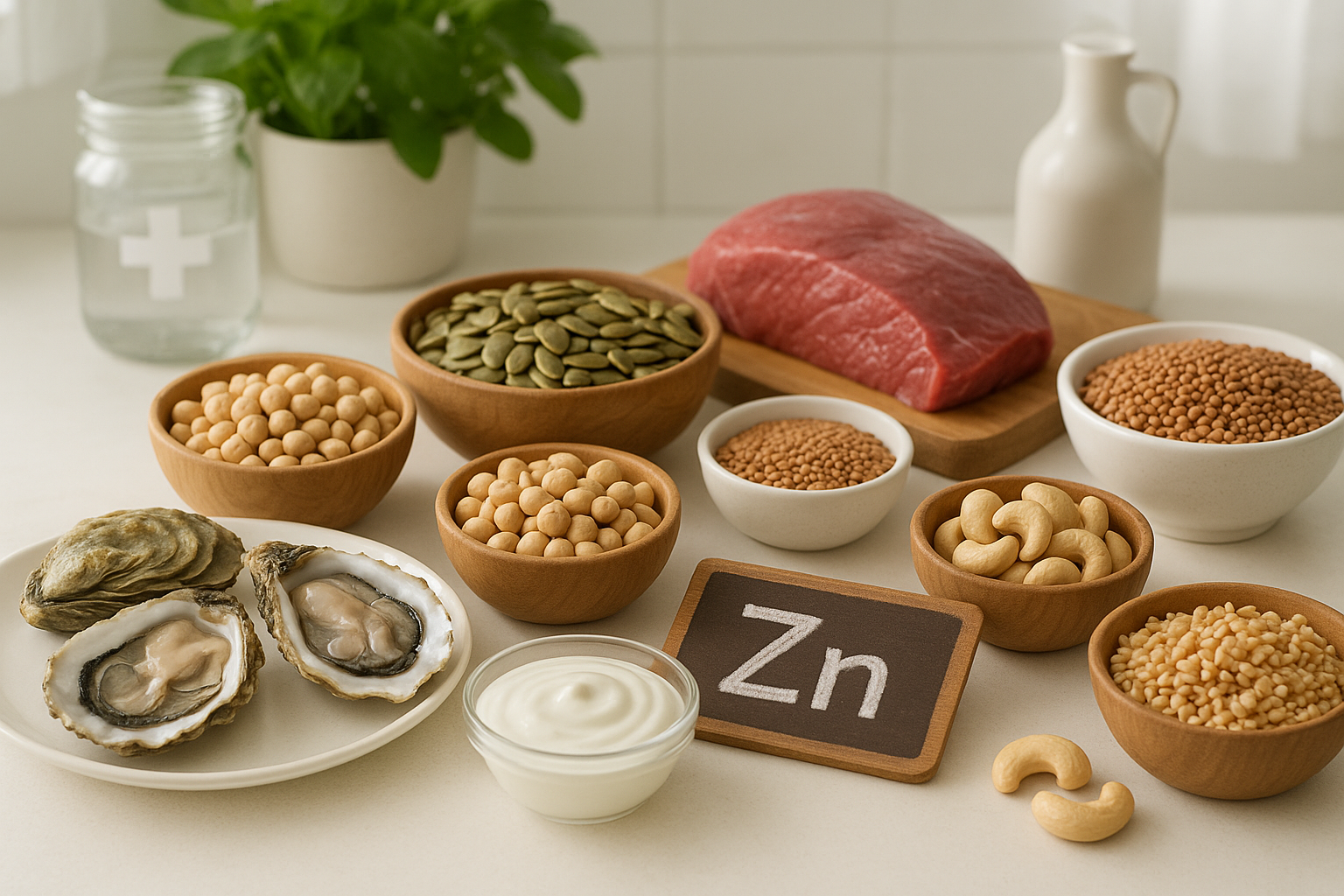
Common Signs of Zinc Deficiency and Food Sources That Help Replenish It
Common Signs of Zinc Deficiency and Food Sources That Help Replenish It
Zinc is a trace mineral, meaning the body needs it in relatively small amounts, but it plays a major role in everyday health. It helps the immune system work properly, supports wound healing, contributes to normal growth and development, and is involved in taste, smell, and DNA synthesis.
Common zinc deficiency signs
Possible signs of zinc deficiency may include:
- More frequent infections or slower immune response
- Slow wound healing
- Loss of appetite
- Changes in taste or smell
- Hair thinning or hair loss
- Skin changes, such as roughness, irritation, or delayed healing
- Diarrhea
- Unexplained weight loss
- Fatigue or low energy
- Poor growth in children or adolescents
These symptoms are not specific to zinc deficiency. They can also occur with other nutrient deficiencies, digestive disorders, infections, thyroid problems, or other medical conditions. A healthcare professional can help determine whether zinc status is part of the problem.
Who is more at risk of low zinc?
Some people may have a higher risk of inadequate zinc intake or absorption, including:
- People with digestive disorders that reduce nutrient absorption
- People who eat very limited diets
- Vegetarians and vegans, especially when diets rely heavily on grains and legumes without zinc-rich variety
- Pregnant or breastfeeding people
- Older adults with low intake
- People with alcohol use disorder
- Infants who are exclusively breastfed beyond the age when complementary foods are needed
Plant-based diets can still provide zinc, but some plant foods contain phytates, compounds that can reduce zinc absorption. Soaking, sprouting, fermenting, and eating a varied diet can help improve mineral availability.

Zinc-rich foods that can help replenish intake
Food sources are usually the best first step for supporting healthy zinc levels. Good zinc-containing foods include:
- Oysters and other shellfish
- Beef, pork, and poultry
- Crab and lobster
- Pumpkin seeds, sesame seeds, and hemp seeds
- Cashews and other nuts
- Chickpeas, lentils, and beans
- Yogurt, milk, and cheese
- Eggs
- Whole grains and fortified cereals
Animal foods generally provide zinc in a form that is easier to absorb, while plant foods can still contribute meaningfully when eaten regularly and prepared well.
Should you take a zinc supplement?
Zinc supplements may be helpful for people with confirmed low intake, increased needs, or certain medical conditions, but more is not always better. Taking too much zinc can cause nausea, stomach upset, reduced copper absorption, and immune or nerve-related problems over time. High-dose zinc can also interact with some medications, including certain antibiotics and diuretics.
If symptoms are persistent or significant, it is best to ask a healthcare professional about testing, dietary changes, and whether supplementation is appropriate.
Key takeaway
Common zinc deficiency signs include slow wound healing, frequent infections, appetite changes, taste or smell changes, hair thinning, diarrhea, and skin concerns. Eating zinc-rich foods such as seafood, meat, dairy, legumes, seeds, nuts, and fortified grains can help support healthy zinc levels, but ongoing symptoms should be evaluated by a medical professional.
References
NIH Office of Dietary Supplements: Zinc Fact Sheet for Health Professionals