
Zinc for Immune Support: How It Strengthens Defense and Speeds Recovery
Why Zinc Is Essential for Immune Health
Zinc is a trace mineral required for the normal development and function of immune cells. It supports both the innate immune system, which provides immediate defense, and the adaptive immune system, which creates targeted responses to specific pathogens.
Even mild zinc deficiency can impair immune function and increase susceptibility to infections.
How Zinc Strengthens Immune Defense
1. Supports Immune Cell Function
Zinc is crucial for the development and activity of key immune cells, including:
- T lymphocytes (T cells)
- B lymphocytes (B cells)
- Natural killer cells
- Neutrophils and macrophages
These cells identify, attack, and remove harmful bacteria and viruses. Without adequate zinc, their performance declines.
2. Maintains Barrier Protection
Your skin and mucous membranes act as physical barriers against pathogens. Zinc helps maintain the integrity of these tissues, reducing the likelihood of microbes entering the body.

3. Regulates Inflammation
Zinc plays a role in controlling inflammatory responses. Balanced inflammation is essential: too little reduces defense, while too much can damage healthy tissue. Zinc helps modulate this response for optimal immune protection.
4. Supports Antioxidant Activity
Zinc contributes to antioxidant processes that reduce oxidative stress. Excess oxidative stress can weaken immune cells and prolong recovery time.
Zinc and Faster Recovery
Research suggests that zinc may help reduce the duration of common cold symptoms when taken at the onset of illness. It may interfere with viral replication and support quicker immune response activation.
However, timing, dosage, and formulation matter. Zinc is most effective when started early and used appropriately under professional guidance.
Dietary Sources of Zinc
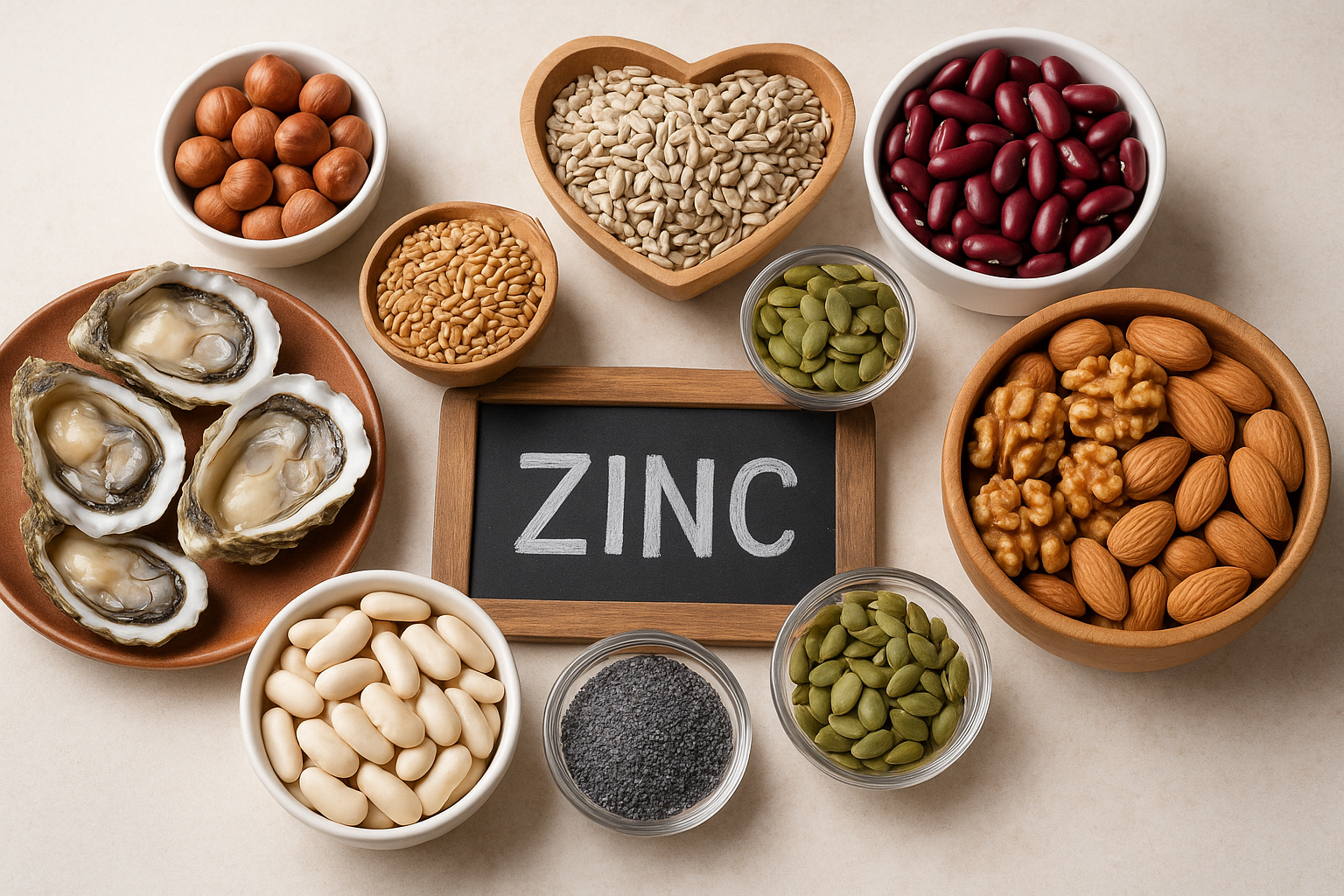
You can support immune health naturally through zinc-rich foods, including:
- Oysters and shellfish
- Beef and poultry
- Pumpkin seeds
- Lentils and beans
- Nuts
- Whole grains
- Dairy products
Animal-based sources are generally more bioavailable, meaning the body absorbs them more efficiently.
How Much Zinc Do You Need?
Recommended daily intake varies by age and sex. Adult men typically require about 11 mg per day, while adult women require about 8 mg per day. Higher needs may apply during pregnancy and breastfeeding.
Excess zinc intake can cause side effects such as nausea, digestive upset, and interference with copper absorption. Long-term high doses may weaken immune function rather than improve it.
Who May Be at Risk of Zinc Deficiency?
Certain groups may be more likely to have low zinc levels:
- Older adults
- Vegetarians and vegans
- Individuals with gastrointestinal disorders
- People with chronic illnesses
If you suspect a deficiency, consult a healthcare professional for evaluation and guidance.
Key Takeaway
Zinc for immune support is essential for maintaining strong immune defenses and promoting efficient recovery from infections. By ensuring adequate intake through diet or supplementation when appropriate, you can help your immune system function at its best as part of a broader immune health strategy.