
- Home
- Articles
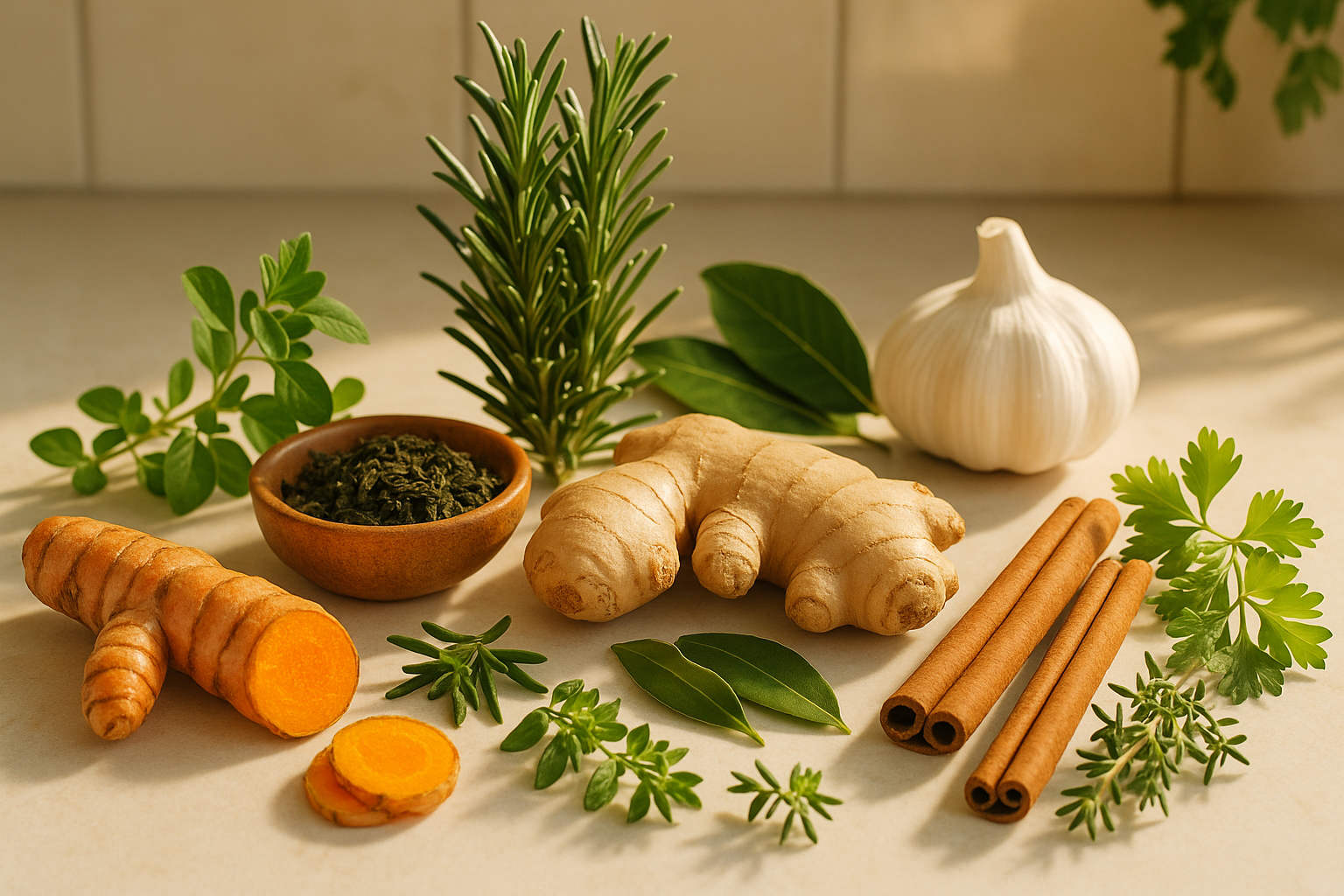
Anti-Inflammatory Herbs That May Support Joint, Gut, and Immune Wellness
Anti-Inflammatory Herbs That May Support Joint, Gut, and Immune Wellness
Inflammation is a normal immune response that helps the body recover from injury and defend against infection. Problems can arise when inflammation becomes persistent or excessive. While no herb is a cure for inflammatory disease, certain culinary and medicinal herbs contain plant compounds that may support a healthy inflammatory response as part of a broader wellness plan.
The keyword anti inflammatory herbs often brings up long lists of plants, but the most useful approach is to focus on herbs with traditional use, some scientific interest, and a clear safety profile.
How herbs may influence inflammation
Many herbs contain polyphenols, terpenes, sulfur compounds, or other bioactive molecules that may affect oxidative stress, immune signaling, digestion, or tissue comfort. These effects can vary based on the form used, dose, extract quality, individual health status, and medication use.
Herbs are best viewed as supportive tools, not substitutes for medical evaluation or prescribed treatment.
1. Turmeric
Turmeric is one of the best-known anti-inflammatory herbs. Its main studied compound, curcumin, has been investigated for effects related to inflammatory pathways and oxidative stress. Turmeric is often used to support joint comfort, post-exercise recovery, and general wellness.
Practical use: Turmeric can be added to soups, stews, rice, smoothies, and golden milk. Curcumin supplements are also common, often combined with black pepper extract to improve absorption.
Safety notes: Turmeric supplements may interact with blood thinners and may not be appropriate for certain gallbladder conditions or before surgery. Culinary amounts are generally different from concentrated supplement doses.
2. Ginger
Ginger is widely used for digestive comfort and has a long history in traditional wellness practices. It contains gingerols and related compounds that may help support a balanced inflammatory response. Ginger is also commonly used for nausea and stomach comfort.
Practical use: Fresh ginger works well in tea, stir-fries, soups, dressings, and marinades. Dried ginger and capsules are also available.
Safety notes: Ginger may interact with anticoagulant or antiplatelet medications in some people, especially at higher supplemental doses. People with bleeding disorders or upcoming procedures should ask a clinician before using ginger supplements.
3. Boswellia
Boswellia, also called Indian frankincense, is a resin extract traditionally used for joint and inflammatory support. Boswellic acids are the primary active compounds studied. Boswellia is most often taken as a standardized supplement rather than used as a culinary herb.
Practical use: Look for products that specify boswellic acid content and follow label directions unless a healthcare professional recommends otherwise.
Safety notes: Boswellia may cause digestive upset in some people and can interact with certain medications. Product quality varies, so third-party testing is helpful.
4. Green tea
Green tea is not usually thought of as an herb in the kitchen sense, but it is a plant-based beverage rich in catechins, especially EGCG. These compounds are associated with antioxidant activity and may support cardiometabolic and immune wellness.
Practical use: Drink brewed green tea, matcha, or decaffeinated green tea depending on caffeine tolerance.
Safety notes: Concentrated green tea extract has been linked to liver concerns in rare cases, particularly at high doses. People with liver disease or sensitivity to caffeine should be cautious with extracts.
5. Garlic
Garlic contains sulfur-containing compounds such as allicin-related molecules. It is commonly associated with cardiovascular wellness and immune support, and it may also play a role in supporting healthy inflammatory balance.
Practical use: Use fresh garlic in cooked meals, dressings, roasted vegetables, soups, and sauces. Crushing or chopping garlic before cooking may help activate some beneficial compounds.
Safety notes: Garlic supplements may increase bleeding risk, especially when combined with blood-thinning medications. Garlic can also worsen reflux in some people.
6. Rosemary
Rosemary contains rosmarinic acid and other antioxidant compounds. It is a flavorful culinary herb that may support overall wellness when used regularly in meals.
Practical use: Add rosemary to roasted vegetables, beans, poultry, fish, soups, and infused olive oil.
Safety notes: Culinary amounts are generally well tolerated. Concentrated rosemary extracts or essential oils should be used cautiously and should not be ingested unless specifically directed by a qualified professional.
7. Cinnamon
Cinnamon is rich in polyphenols and is often discussed for metabolic wellness. It may also fit into an anti-inflammatory eating pattern when used to flavor foods without relying heavily on added sugar.
Practical use: Sprinkle cinnamon into oatmeal, yogurt, coffee, smoothies, baked fruit, or chia pudding.
Safety notes: Cassia cinnamon contains coumarin, which may be a concern for the liver at high intakes. Ceylon cinnamon is lower in coumarin.
Herbs for joint support
For joint comfort, turmeric, ginger, and boswellia are among the most commonly discussed options. They may be especially useful when paired with strength training, mobility work, adequate protein, omega-3-rich foods, and weight management when appropriate.
Seek medical care for joint swelling, redness, warmth, severe pain, sudden loss of movement, or symptoms that persist.
Herbs for gut support
Ginger is often used for digestive comfort, while turmeric and rosemary can be included in gut-friendly meals. However, people with inflammatory bowel disease, ulcers, gallbladder disease, reflux, or frequent abdominal pain should get personalized guidance before using concentrated herbal supplements.
For gut wellness, herbs work best alongside fiber-rich foods, hydration, stress management, and evaluation for persistent symptoms.
Herbs for immune wellness
Garlic, ginger, green tea, rosemary, and turmeric are common choices for immune-supportive diets. They provide plant compounds that may complement a nutrient-dense eating pattern. Still, herbs do not prevent or treat infections on their own.
If you have fever, shortness of breath, severe symptoms, or a weakened immune system, contact a healthcare professional.
How to use anti-inflammatory herbs safely
Start with food first when possible. Culinary use is usually gentler than concentrated extracts.
Introduce one herb or supplement at a time so you can monitor tolerance.
Check interactions if you take blood thinners, blood pressure medication, diabetes medication, immune-suppressing drugs, or liver-affecting medications.
Avoid high-dose supplements before surgery unless approved by your care team.
Choose reputable brands that use third-party testing when buying supplements.
Stop use and seek care if you develop rash, swelling, breathing difficulty, severe stomach pain, unusual bleeding, or signs of liver problems such as dark urine or yellowing skin.
Simple ways to add these herbs to your routine
Make ginger-turmeric tea with lemon.
Add rosemary and garlic to roasted vegetables.
Use turmeric in lentil soup or curry.
Drink green tea in place of a sugary afternoon beverage.
Add cinnamon to breakfast instead of extra sweetener.
Use garlic, ginger, and herbs in homemade dressings and marinades.
Bottom line
Anti-inflammatory herbs such as turmeric, ginger, boswellia, green tea, garlic, rosemary, and cinnamon may support joint, gut, and immune wellness when used thoughtfully. The safest starting point is to add them to balanced meals, then discuss supplements with a healthcare professional if you have medical conditions, take medications, or want higher-dose extracts.
References
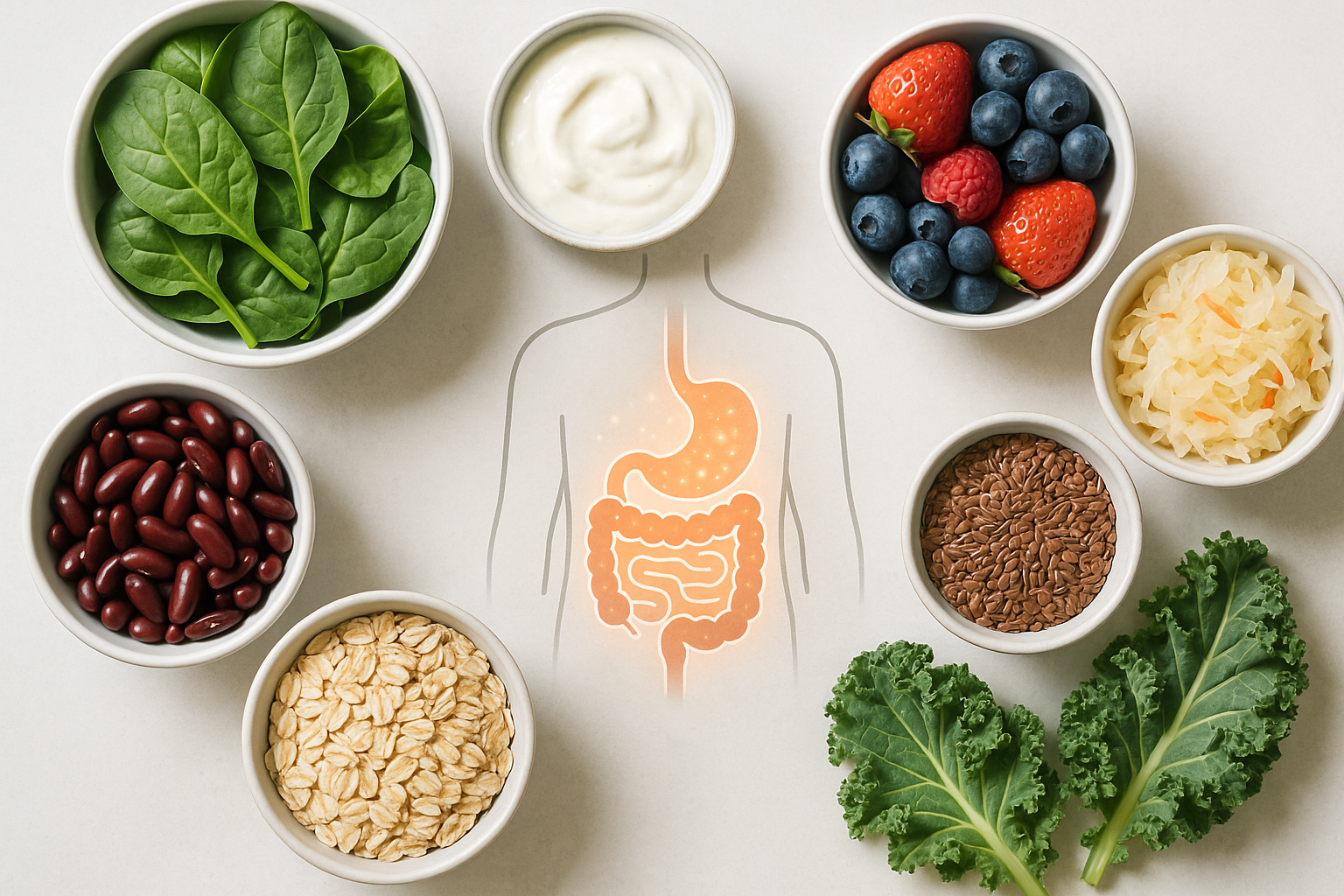
The Gut Inflammation Connection and How to Support a Healthier Microbiome Naturally
The Gut Inflammation Connection and How to Support a Healthier Microbiome Naturally
Gut health and inflammation are deeply linked. Your gastrointestinal tract is not just a place where food is digested. It is also a major immune organ, a protective barrier, and home to trillions of microorganisms known collectively as the gut microbiome. These bacteria, fungi, viruses, and other microbes interact with the immune system every day.
When the gut microbiome is diverse and balanced, it can help support digestion, nutrient metabolism, immune regulation, and the integrity of the gut lining. When that balance is disrupted, the gut may become more vulnerable to irritation, immune activation, and inflammatory signaling.
What Is the Gut Microbiome?
The gut microbiome is the community of microorganisms living primarily in the intestines. These microbes help break down certain fibers, produce beneficial compounds, influence immune activity, and communicate with the gut lining.
A healthy microbiome is usually described as diverse, resilient, and balanced. This does not mean every person has the same ideal microbiome. Microbiome composition varies based on genetics, early life exposures, geography, diet, medications, health status, stress, sleep, and age.
How Gut Health and Inflammation Are Connected
Inflammation is part of the body’s normal defense system. Short-term inflammation helps the body respond to injury or infection. Problems can arise when inflammatory activity becomes excessive, prolonged, or poorly regulated.
The gut is a major site of immune activity. A large share of immune cells are associated with the digestive tract, where they must distinguish between harmful invaders, harmless food particles, and beneficial microbes. The microbiome helps train and regulate this immune response.
Several gut-related factors may influence inflammation:
- Microbiome balance: Beneficial microbes can produce compounds that support immune regulation, while an imbalanced microbiome may contribute to inflammatory signaling.
- Gut barrier function: The intestinal lining helps control what passes from the gut into the bloodstream. When barrier function is impaired, the immune system may be exposed to more irritating substances.
- Short-chain fatty acids: When gut bacteria ferment certain fibers, they produce short-chain fatty acids such as butyrate. These compounds help nourish colon cells and may support healthy immune responses.
- Diet quality: Diets high in fiber and plant diversity are associated with a more diverse microbiome, while patterns high in ultra-processed foods may be less supportive.
- Chronic stress and sleep loss: Stress hormones and poor sleep can affect digestion, gut motility, immune function, and microbial balance.
Signs Your Gut May Need Support
Digestive symptoms do not always mean inflammation is present, and inflammation does not always cause obvious digestive symptoms. However, gut imbalance or irritation may be associated with symptoms such as:
- Bloating or excessive gas
- Irregular bowel habits
- Abdominal discomfort
- Food-related digestive sensitivity
- Heartburn or indigestion
- Fatigue associated with poor nutrition or poor sleep
Seek medical care promptly if you have red-flag symptoms such as blood in the stool, unexplained weight loss, persistent diarrhea, severe abdominal pain, fever, anemia, difficulty swallowing, ongoing vomiting, or symptoms that wake you from sleep.
Foods That Support a Healthier Microbiome
Food is one of the most practical ways to influence gut health. The goal is not a perfect diet but a consistent pattern that supports microbial diversity and lowers unnecessary digestive stress.
1. Eat More Fiber-Rich Plant Foods
Dietary fiber feeds beneficial gut microbes. As microbes ferment fiber, they can produce compounds that help support the gut lining and immune balance.
Helpful options include:
- Beans, lentils, and peas
- Oats, barley, quinoa, and brown rice
- Berries, apples, pears, and citrus fruits
- Leafy greens and cruciferous vegetables
- Sweet potatoes, carrots, and squash
- Nuts and seeds
Increase fiber gradually and drink enough fluids. A sudden jump in fiber can cause gas, bloating, or discomfort, especially in people with irritable bowel syndrome or other digestive conditions.
2. Include Prebiotic Foods
Prebiotics are types of fiber and other compounds that beneficial microbes can use as fuel. Common prebiotic-rich foods include onions, garlic, leeks, asparagus, bananas, oats, legumes, and Jerusalem artichokes.
Some people with sensitive digestion may not tolerate certain prebiotic foods well. If you notice symptoms, reduce portions and consider working with a registered dietitian.
3. Consider Fermented Foods
Fermented foods can add microbial diversity and beneficial compounds to the diet. Examples include yogurt with live and active cultures, kefir, sauerkraut, kimchi, miso, tempeh, and some fermented pickles.
Choose options that fit your health needs. For example, some fermented foods are high in sodium, and some yogurts are high in added sugar. People who are immunocompromised should ask a healthcare professional before using unpasteurized fermented products.
4. Emphasize Polyphenol-Rich Foods
Polyphenols are plant compounds that may interact with the gut microbiome and support antioxidant defenses. Good sources include berries, extra-virgin olive oil, cocoa, green tea, herbs, spices, colorful vegetables, and nuts.
5. Limit Ultra-Processed Foods When Possible
A diet high in ultra-processed foods, added sugars, refined starches, and low-quality fats may be less supportive of microbiome diversity. You do not need to eliminate every convenience food, but try to make whole and minimally processed foods the foundation of most meals.
Lifestyle Habits That Influence Gut Inflammation
Gut health is not only about food. The gut is connected to the nervous system, immune system, sleep-wake cycle, and movement patterns.
Prioritize Sleep
Poor sleep can affect immune regulation and appetite hormones, and it may influence the gut microbiome. Aim for a consistent sleep schedule, a dark and cool bedroom, and a calming pre-bed routine.
Manage Chronic Stress
The gut and brain communicate through the gut-brain axis. Chronic stress can affect gut motility, sensitivity, immune function, and digestive comfort. Helpful tools may include breathing exercises, meditation, walking, journaling, therapy, time outdoors, or gentle yoga.
Move Regularly
Regular physical activity is associated with better metabolic and immune health and may support a more favorable gut environment. A realistic goal is to build a routine that includes walking, strength training, stretching, or other enjoyable movement.
Avoid Unnecessary Antibiotic Use
Antibiotics can be lifesaving when needed, but they can also disrupt the microbiome. Use antibiotics only when prescribed and follow your clinician’s instructions. Never stop prescribed antibiotics early without medical guidance.
Be Thoughtful With Supplements
Probiotic, prebiotic, fiber, vitamin D, omega-3, and other supplements are often marketed for gut health and inflammation. Some may be useful in specific cases, but benefits depend on the person, product, strain, dose, and condition. Supplements can also interact with medications or cause side effects. Ask a healthcare professional before starting a new supplement.
Probiotics: Helpful Tool or Hype?
Probiotics are live microorganisms that may provide a health benefit when taken in adequate amounts. They are not all the same. Different strains can have different effects, and a product that helps one condition may not help another.
Probiotics may be considered for certain situations, such as antibiotic-associated diarrhea or specific digestive concerns, but they are not a universal solution for inflammation. Food quality, fiber intake, sleep, stress, and medical evaluation often matter just as much or more.
When Gut Inflammation May Need Medical Evaluation
Some inflammatory gut conditions require medical care, not just lifestyle changes. Inflammatory bowel disease, including Crohn’s disease and ulcerative colitis, involves chronic inflammation of the digestive tract and should be managed by qualified clinicians.
You should also seek care if symptoms are persistent, worsening, unexplained, or interfering with daily life. A clinician may recommend blood tests, stool tests, imaging, endoscopy, allergy evaluation, celiac disease screening, or other assessments depending on your symptoms.
A Simple Gut-Supportive Daily Plan
A practical daily routine might include:
- A fiber-rich breakfast such as oats with berries, chia seeds, and yogurt
- A lunch built around vegetables, beans or lentils, whole grains, and olive oil
- A fermented food serving if tolerated
- Enough water throughout the day
- A 20 to 30 minute walk
- A stress-reduction practice such as slow breathing or stretching
- A consistent sleep routine
Small changes done consistently are usually more effective than short, extreme gut resets.
Key Takeaway
The connection between gut health and inflammation is shaped by the microbiome, gut barrier, immune system, diet, sleep, stress, movement, medications, and underlying health conditions. A naturally supportive approach focuses on fiber-rich plant foods, fermented foods when appropriate, diverse whole foods, regular movement, quality sleep, and stress management. If symptoms are severe or persistent, professional medical guidance is essential.
References
NIH: The gut microbiota and host health
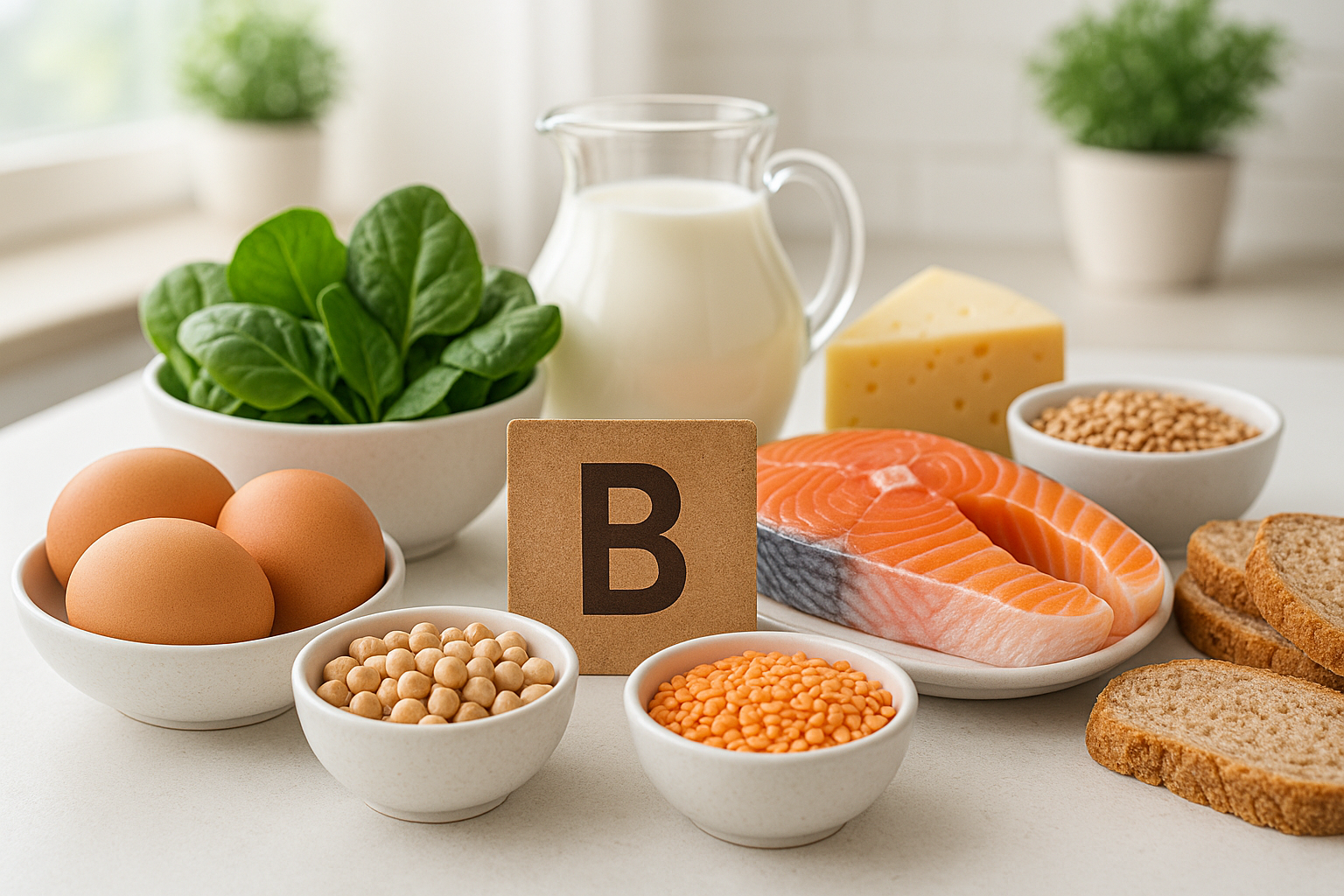
How B Vitamin Deficiencies May Contribute to Fatigue and Low Energy
How B Vitamin Deficiencies May Contribute to Fatigue and Low Energy
Feeling tired all the time can be frustrating, especially when sleep does not seem to help. Fatigue is not specific to one condition, and it can be linked to sleep problems, stress, thyroid disease, infections, chronic illness, medications, depression, anemia, dehydration, and many other causes. However, deficiencies in certain B vitamins can also play a role in low energy.
B vitamins help the body convert food into usable energy, support red blood cell production, and maintain healthy nerve function. When levels are too low, the body may not make enough healthy blood cells or may have trouble supporting normal nervous system function, which can contribute to tiredness, weakness, shortness of breath, dizziness, numbness, tingling, or brain fog.
Why B Vitamins Matter for Energy
B vitamins do not provide energy like calories do. Instead, they act as helpers in metabolic processes that allow the body to use carbohydrates, fats, and proteins. Several B vitamins are also involved in making DNA and red blood cells. If deficiency becomes significant, oxygen delivery to tissues may be affected, and symptoms of anemia or neurological changes can appear.
B Vitamins Most Often Linked With Fatigue
Vitamin B12
Vitamin B12 is essential for nerve health, DNA production, and red blood cell formation. Low B12 can lead to megaloblastic anemia, which may cause fatigue, weakness, pale skin, shortness of breath, dizziness, and a fast heartbeat. It can also cause neurological symptoms such as numbness, tingling, balance issues, memory problems, or mood changes.
People at higher risk may include older adults, vegans or strict vegetarians, people with pernicious anemia, those with digestive conditions such as celiac or Crohn’s disease, and people who have had certain gastrointestinal surgeries. Some medications, including long-term acid reducers and metformin, may also be associated with lower B12 levels.
Folate, Also Called Vitamin B9
Folate helps make DNA and healthy red blood cells. A folate deficiency can also lead to megaloblastic anemia and fatigue. Low folate may occur with poor dietary intake, alcohol use disorder, pregnancy, certain digestive disorders, or medications that interfere with folate metabolism.
Good dietary sources include leafy greens, beans, lentils, asparagus, citrus fruits, and fortified grain products. Pregnant people or those planning pregnancy should discuss folic acid needs with a healthcare professional because folate is important for fetal neural tube development.
Vitamin B6
Vitamin B6 is involved in protein metabolism, neurotransmitter production, immune function, and hemoglobin formation. Low levels may contribute to fatigue, irritability, confusion, weakened immune function, and certain types of anemia. Deficiency is less common than low B12 or folate but may occur with kidney disease, autoimmune conditions, malabsorption, alcohol misuse, or some medications.
Thiamin, Also Called Vitamin B1
Thiamin helps the body use carbohydrates for energy and supports nerve and heart function. Deficiency can cause fatigue, weakness, irritability, nerve symptoms, and in severe cases serious conditions affecting the nervous system or heart. Risk may be higher in people with alcohol use disorder, malabsorption, certain bariatric surgeries, or severe poor intake.
Riboflavin, Niacin, and Other B Vitamins
Riboflavin, niacin, pantothenic acid, and biotin also support energy metabolism. Deficiencies are less common in people eating a varied diet, but they can still occur in the setting of malnutrition, restrictive diets, digestive disorders, or increased needs. Symptoms may overlap and can include fatigue, skin changes, mouth sores, digestive symptoms, or neurological complaints depending on the vitamin involved.
Symptoms That May Suggest a B Vitamin Deficiency
Possible symptoms include persistent fatigue, low energy, weakness, lightheadedness, shortness of breath with exertion, pale skin, heart palpitations, sore or swollen tongue, mouth cracks, numbness or tingling in the hands and feet, balance problems, irritability, depression-like symptoms, memory issues, or brain fog.
These symptoms are not unique to B vitamin deficiency. That is why testing and medical evaluation are important instead of guessing based on symptoms alone.
When to Ask About Testing
Consider speaking with a healthcare professional if fatigue is persistent, worsening, unexplained, or accompanied by neurological symptoms, anemia symptoms, unintentional weight loss, heavy menstrual bleeding, digestive problems, or dietary restriction. A clinician may order blood tests such as a complete blood count, vitamin B12, folate, methylmalonic acid, homocysteine, iron studies, thyroid tests, or other labs depending on your history.
Food Sources of B Vitamins
A balanced diet can help maintain healthy B vitamin levels. Vitamin B12 is found naturally in animal foods such as fish, meat, poultry, eggs, and dairy, and it is added to some fortified foods. Folate is found in leafy greens, legumes, citrus fruits, and fortified grains. Vitamin B6 is found in poultry, fish, potatoes, chickpeas, bananas, and fortified cereals. Thiamin is found in whole grains, pork, legumes, nuts, and fortified foods.
People following vegan diets often need reliable B12 from fortified foods or supplements because plant foods do not naturally provide adequate active B12.
Should You Take a B Complex for Fatigue?
A B complex supplement may help if fatigue is related to a true deficiency, but it may not improve energy if your B vitamin levels are already adequate. More is not always better. Some B vitamins can cause side effects at high doses, especially vitamin B6, which may cause nerve problems if taken in excessive amounts over time.
The safest approach is to identify the cause of fatigue and correct any confirmed deficiency with the right dose and form. Treatment may differ depending on whether the issue is low intake, malabsorption, pernicious anemia, medication effects, or another medical condition.
Key Takeaway
B vitamin deficiencies, especially vitamin B12 and folate deficiencies, can contribute to fatigue and low energy by affecting red blood cell production, oxygen delivery, and nerve function. If tiredness is ongoing or paired with symptoms like weakness, dizziness, tingling, or brain fog, consider medical evaluation and testing before relying on supplements alone.
References
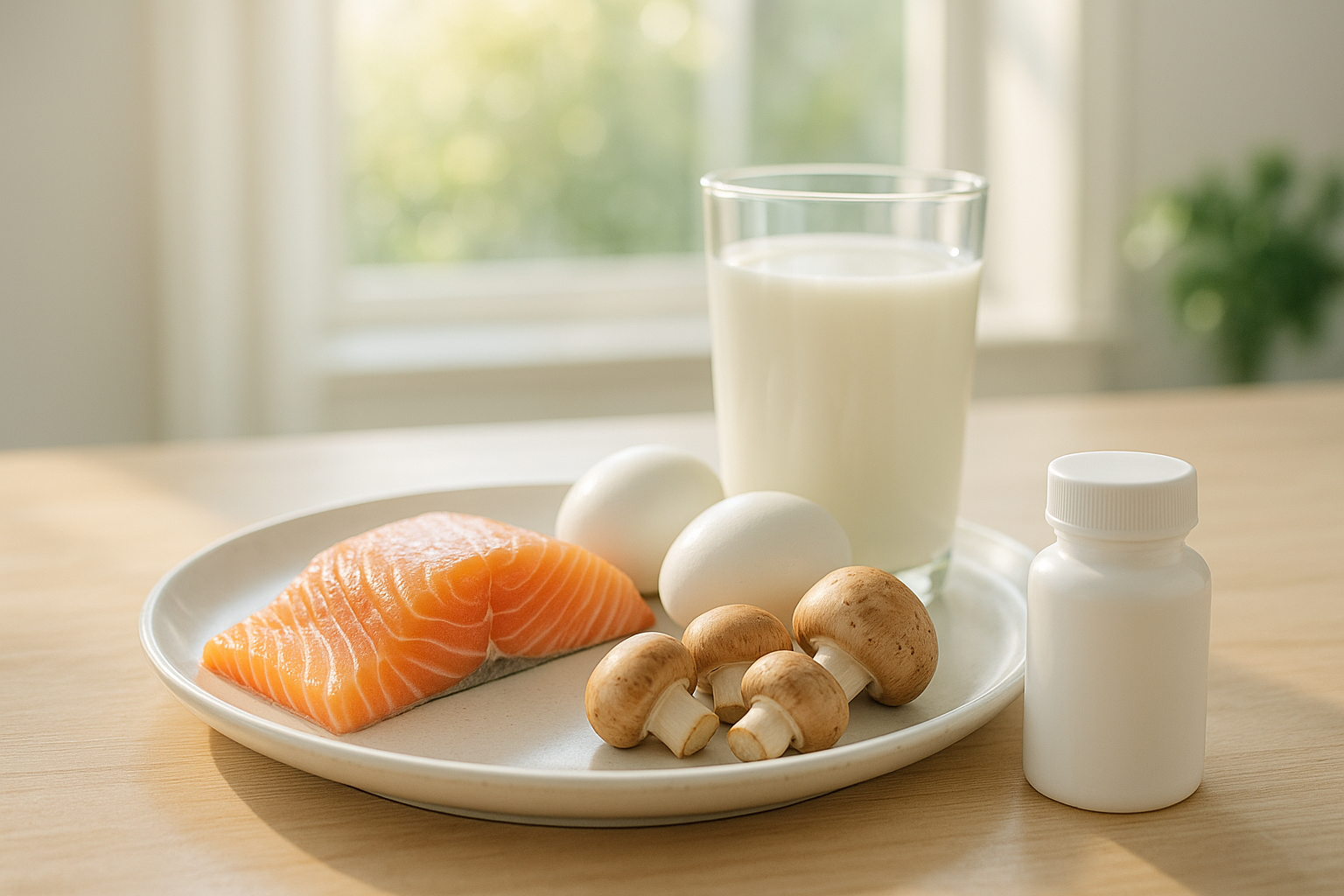
Early Signs of Vitamin D Deficiency and Natural Ways to Support Healthy Levels
Vitamin D Deficiency Symptoms: Early Signs and Natural Ways to Support Healthy Levels
Vitamin D is a fat-soluble nutrient that helps your body absorb calcium and phosphorus, two minerals that are essential for strong bones and teeth. It also supports normal muscle function and contributes to immune health. Because vitamin D deficiency can develop slowly, many people do not notice obvious symptoms at first.
Common early signs of vitamin D deficiency
Vitamin D deficiency symptoms can vary. Some people have no symptoms at all, while others notice changes that are easy to attribute to stress, aging, or a busy lifestyle.
Common signs may include:
- Fatigue or low energy
- Bone pain or tenderness
- Muscle aches, cramps, or weakness
- Low mood or mood changes
- More frequent falls in older adults due to muscle weakness
- Slow recovery after illness or injury
In children, severe vitamin D deficiency can affect bone development and may contribute to rickets, a condition that causes soft or weakened bones. In adults, long-term deficiency can contribute to osteomalacia, which involves bone softening and pain.
Why vitamin D levels can become low
Vitamin D is sometimes called the sunshine vitamin because the skin makes it when exposed to ultraviolet B rays from sunlight. However, several factors can reduce vitamin D production or intake.
You may be more likely to have low vitamin D if you:
- Get little sun exposure
- Wear full-coverage clothing or use sun protection consistently
- Have darker skin, which naturally reduces vitamin D production from sunlight
- Live in northern climates or areas with limited winter sunlight
- Are an older adult
- Have obesity
- Follow a diet low in vitamin D-rich foods
- Have certain digestive conditions that affect nutrient absorption
- Take certain medications that affect vitamin D metabolism
How vitamin D deficiency is diagnosed
The most reliable way to know your vitamin D status is through a blood test called 25-hydroxyvitamin D. Symptoms alone are not enough to confirm a deficiency because fatigue, muscle pain, and low mood can have many causes.
A healthcare professional can help interpret your results and recommend an appropriate plan based on your age, health history, diet, sun exposure, and medications.
Natural ways to support healthy vitamin D levels
1. Get safe sunlight exposure
Sunlight can help your skin produce vitamin D. The amount you make depends on your skin tone, location, season, time of day, cloud cover, clothing, and sunscreen use.
A practical approach is to get brief, safe outdoor exposure when appropriate while avoiding sunburn. Because excessive ultraviolet exposure increases skin cancer risk, sunlight should not be used as the only strategy, especially for people at higher risk of skin damage.
2. Eat vitamin D-rich foods
Few foods naturally contain high amounts of vitamin D, but some can contribute meaningfully to your intake.
Good food sources include:
- Fatty fish such as salmon, trout, sardines, and tuna
- Egg yolks
- Fortified milk or fortified plant-based milk
- Fortified breakfast cereals
- Fortified orange juice
- Some mushrooms exposed to ultraviolet light
Checking food labels can help you see how much vitamin D a product provides.
3. Consider fortified foods if your diet is limited
Fortified foods are an important source of vitamin D for many people. This can be especially helpful for those who do not eat fish, avoid dairy, follow a vegan diet, or have limited sun exposure.
If you use plant-based milk alternatives, choose products fortified with vitamin D and calcium when possible.
4. Use supplements only when appropriate
Vitamin D supplements can be helpful for people who do not get enough from sunlight and food, or for those with confirmed deficiency. However, more is not always better. Vitamin D can build up in the body, and excessive intake may cause harmful calcium levels.
Ask a healthcare professional about the right dose for your needs, especially if you have kidney disease, high calcium levels, sarcoidosis, hyperparathyroidism, or take medications such as diuretics, steroids, or anticonvulsants.
When to seek medical advice
Consider speaking with a healthcare professional if you have persistent fatigue, bone pain, muscle weakness, repeated falls, or risk factors for deficiency. You should also seek guidance before taking high-dose vitamin D supplements.
Urgent medical care may be needed if you have severe weakness, confusion, dehydration, irregular heartbeat, or symptoms that could be related to very high calcium levels, particularly if you have been taking large doses of vitamin D.
Key takeaway
Vitamin D deficiency symptoms can be subtle, but early clues may include fatigue, bone discomfort, muscle weakness, and mood changes. The best way to confirm low vitamin D is with a blood test. Safe sunlight exposure, vitamin D-rich foods, fortified foods, and appropriate supplementation can all help support healthy levels when used thoughtfully.
References
Common Signs of Zinc Deficiency and Food-Based Ways to Support Healthy Levels
Common Signs of Zinc Deficiency and Food-Based Ways to Support Healthy Levels
Zinc deficiency signs can be subtle at first because zinc is involved in many everyday body functions. It helps support immune defenses, wound healing, DNA and protein production, normal growth, reproductive health, and the senses of taste and smell.
Common signs of low zinc
Possible signs and symptoms of zinc deficiency may include:
- Frequent infections or slower immune recovery
- Slow wound healing
- Loss of appetite
- Changes in taste or smell
- Hair thinning or hair loss
- Skin irritation, rough skin, or rash-like changes
- Diarrhea
- Fatigue or low energy
- Delayed growth or development in children
- Poor night vision in some cases
These symptoms can also be caused by many other conditions, so testing and medical guidance are important if symptoms are persistent or concerning.
Who may be more likely to have low zinc
Some people have a higher risk of inadequate zinc intake or absorption, including:
- People with gastrointestinal conditions that affect absorption, such as Crohn’s disease, ulcerative colitis, or celiac disease
- People who have had certain digestive surgeries
- Vegetarians and vegans, especially if diets rely heavily on unsoaked legumes and whole grains
- Pregnant or breastfeeding people
- Older adults with limited food intake
- People with alcohol use disorder
- Infants who are exclusively breastfed beyond the recommended age for complementary foods
Zinc-rich foods to eat more often
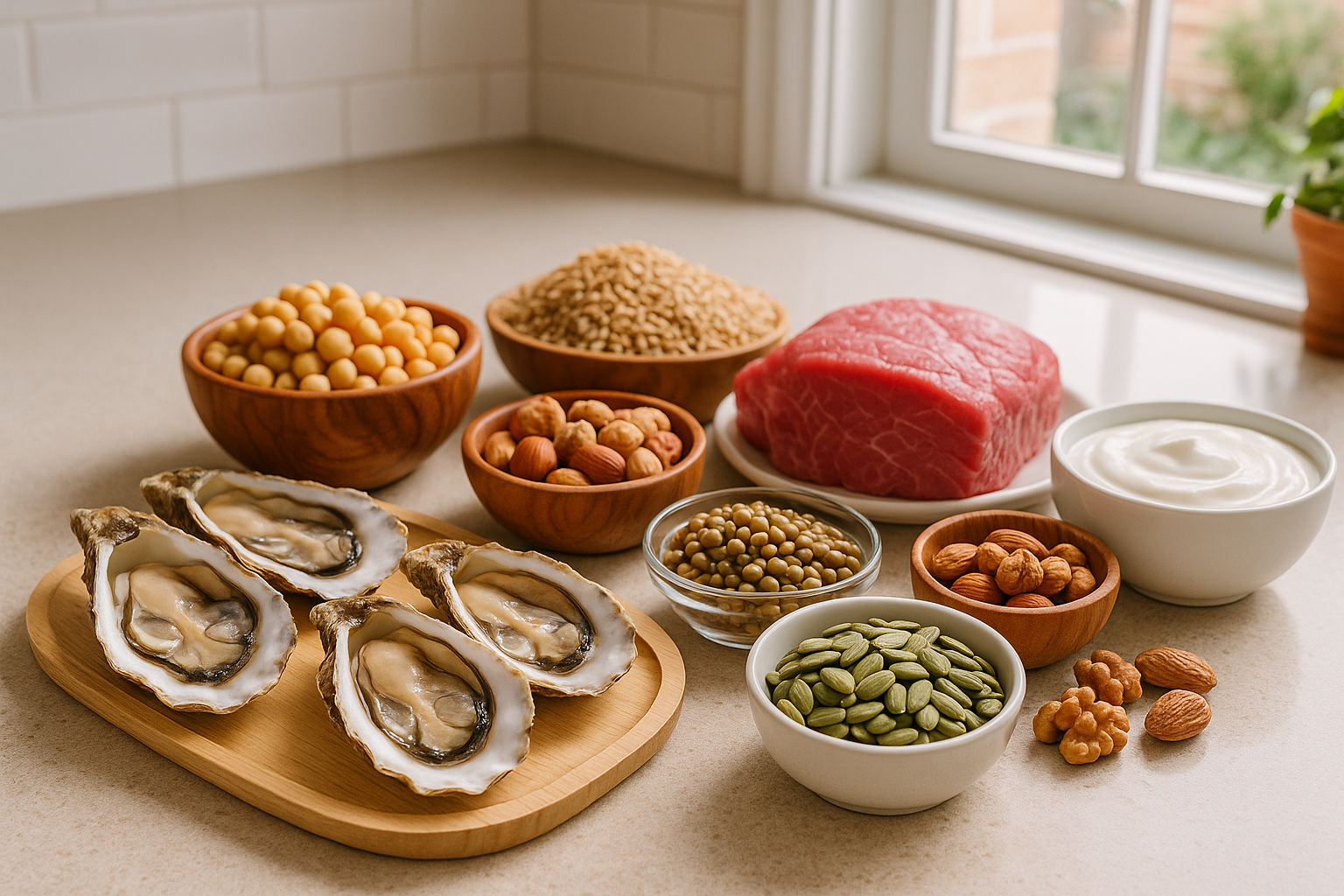
Food is usually the best first step for supporting healthy zinc levels. Good sources include:
- Oysters and other shellfish such as crab and lobster
- Beef, pork, and poultry
- Beans, lentils, chickpeas, and peas
- Pumpkin seeds, sesame seeds, hemp seeds, and cashews
- Milk, yogurt, and cheese
- Eggs
- Whole grains such as oats and fortified cereals
Animal-based zinc sources are generally easier for the body to absorb. Plant foods still contribute meaningful zinc, but compounds called phytates in legumes, grains, nuts, and seeds can reduce absorption.
Tips to improve zinc intake from food
Simple food-based strategies can help:
- Include a zinc-rich food at meals, such as beans, yogurt, meat, seafood, seeds, or fortified cereal.
- Pair plant proteins with vitamin C-rich foods such as peppers, citrus, berries, or tomatoes to support overall mineral-rich eating.
- Soak, sprout, ferment, or leaven legumes and grains when possible to reduce phytates.
- Choose a variety of protein foods rather than relying on one source.
- If you follow a vegetarian or vegan diet, include beans, lentils, tofu, tempeh, nuts, seeds, and fortified foods regularly.
How much zinc do adults need?
According to the NIH Office of Dietary Supplements, the recommended dietary allowance for zinc is 11 mg per day for adult men and 8 mg per day for adult women. Needs are higher during pregnancy and lactation. The tolerable upper intake level for most adults is 40 mg per day from food and supplements combined.
Should you take a zinc supplement?
Zinc supplements may be helpful when a deficiency is confirmed or when a clinician recommends them. However, taking too much zinc can cause nausea, digestive upset, reduced copper absorption, and changes in immune function. Zinc can also interact with some antibiotics and other medications.
If you are concerned about zinc deficiency signs, ask a healthcare professional about whether testing, dietary changes, or supplementation is appropriate for your situation.
References
Best Foods for Natural Liver Support and Everyday Detox Pathway Health
Best Foods for Natural Liver Support and Everyday Detox Pathway Health
The liver is one of the body’s most important metabolic organs. It helps process nutrients, make bile for fat digestion, regulate cholesterol, store glycogen, metabolize alcohol and medications, and transform waste products so they can be eliminated through bile or urine.
Because the liver already performs detoxification as part of normal physiology, the best strategy is not an extreme cleanse. It is a steady, evidence-informed eating pattern that reduces unnecessary burden and supplies the nutrients your liver uses every day.
What liver support really means
Natural liver support is about helping normal liver processes work efficiently. That includes maintaining a healthy weight, supporting insulin sensitivity, eating enough fiber, limiting alcohol, staying hydrated, and choosing foods rich in antioxidants, protein, vitamins, minerals, and healthy fats.
A liver-supportive diet is especially aligned with a Mediterranean-style pattern: vegetables, fruit, beans, whole grains, nuts, seeds, fish, olive oil, and minimal ultra-processed foods.
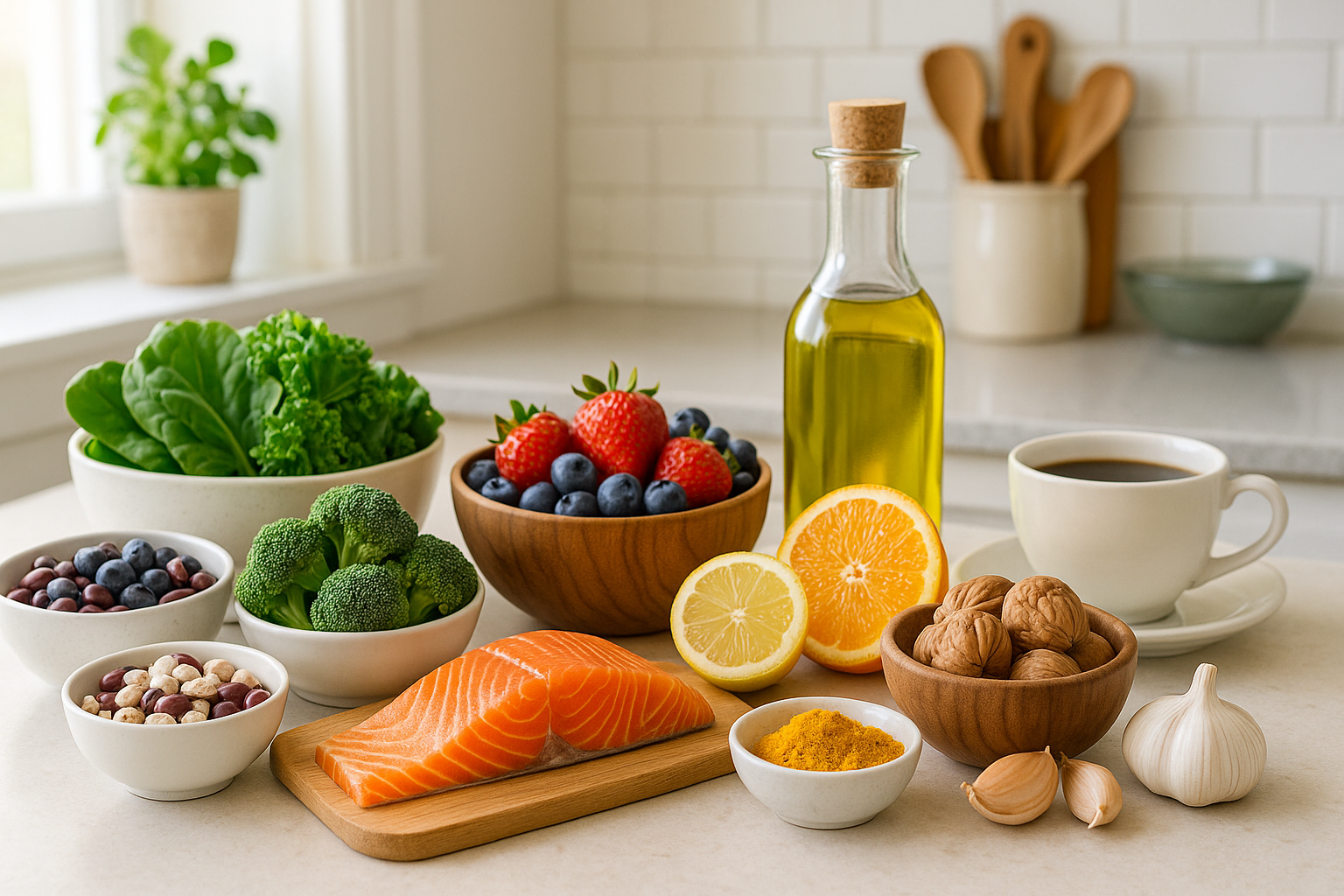
Best liver support foods
1. Cruciferous vegetables
Broccoli, cauliflower, Brussels sprouts, cabbage, bok choy, kale, arugula, and watercress provide fiber, vitamin C, folate, and sulfur-containing compounds. These vegetables are often highlighted for supporting the body’s normal phase I and phase II detoxification pathways.
Easy ways to eat more: add arugula to sandwiches, roast Brussels sprouts with olive oil, stir-fry bok choy, or blend kale into soups.
2. Leafy greens
Spinach, Swiss chard, romaine, collards, and beet greens are rich in magnesium, folate, potassium, and plant pigments. They also help increase overall dietary fiber and micronutrient intake, both of which are important for metabolic health.
Tip: rotate greens throughout the week to get a broader range of nutrients.
3. High-fiber foods
Fiber supports regular bowel movements, healthy cholesterol levels, gut microbiome balance, and blood sugar control. These effects matter because liver health is closely connected to metabolic health.
Good choices include oats, barley, lentils, black beans, chickpeas, apples, pears, berries, chia seeds, flaxseed, and vegetables.
4. Berries and colorful fruits
Blueberries, raspberries, strawberries, blackberries, cherries, oranges, grapefruit, kiwi, and pomegranate provide vitamin C, polyphenols, and antioxidants. These compounds help protect cells from oxidative stress as part of an overall healthy diet.
Choose whole fruit more often than juice to get fiber and reduce concentrated sugar intake.
5. Coffee
Coffee is one of the most studied beverages in relation to liver health. Research has associated coffee intake with favorable liver-related outcomes in some populations. If you tolerate it, plain coffee can fit into a liver-supportive routine.
Best approach: keep it simple. Avoid turning coffee into a dessert drink with large amounts of sugar, syrups, and heavy cream.
6. Healthy fats
Extra-virgin olive oil, avocado, nuts, seeds, and fatty fish provide unsaturated fats that fit well in a Mediterranean-style diet. Replacing some saturated fats with unsaturated fats may support cardiovascular and metabolic health, which indirectly supports the liver.
Fatty fish such as salmon, sardines, trout, and mackerel also provide omega-3 fatty acids.
7. Quality protein
The liver needs amino acids for many metabolic and repair processes. Choose a balanced mix of protein sources such as fish, poultry, eggs, Greek yogurt, tofu, tempeh, lentils, beans, and lean meats.
People with diagnosed liver disease may need individualized protein guidance, so follow medical advice if you have cirrhosis or another liver condition.
8. Garlic, onions, herbs, and spices
Garlic, onions, turmeric, ginger, parsley, cilantro, rosemary, and oregano can add flavor while helping reduce reliance on excess salt, sugar, and heavy sauces. Turmeric and ginger are popular in wellness routines, but concentrated extracts or supplements can interact with medications and may not be appropriate for everyone.
Food amounts are generally different from high-dose supplements.
9. Fermented and gut-friendly foods
Plain yogurt with live cultures, kefir, sauerkraut, kimchi, miso, and fermented vegetables may support gut microbiome diversity. Gut health and liver health are connected through the gut-liver axis, so a fiber-rich diet plus fermented foods may be helpful for overall digestive and metabolic wellness.
Choose lower-sodium fermented foods when possible.
10. Water and unsweetened beverages
Hydration helps the kidneys and digestive tract do their jobs and supports normal elimination. Water, sparkling water without added sugar, unsweetened tea, and coffee are better everyday choices than sugary drinks.
Foods and habits to limit for liver health
A liver-supportive diet is not only about adding good foods. It also helps to reduce habits that increase liver stress.
Limit or avoid frequent alcohol intake, sugary beverages, large amounts of added sugar, refined carbohydrates, ultra-processed snacks, trans fats, and frequent fried foods. If you have liver disease, your clinician may recommend avoiding alcohol completely.
Simple liver-supportive meal ideas
Breakfast: oatmeal with blueberries, chia seeds, walnuts, and plain Greek yogurt.
Lunch: lentil and vegetable soup with a side salad of arugula, cabbage, olive oil, and lemon.
Dinner: salmon with roasted broccoli, quinoa, and sautéed spinach.
Snack: apple slices with almond butter, carrots with hummus, or plain yogurt with berries.
What about detox teas, cleanses, and liver supplements?
Many detox products promise fast results, but the liver does not need a harsh cleanse to function. Some supplements can also cause liver injury, especially when taken in high doses, mixed with medications, or used by people with existing liver disease.
Be cautious with products that claim rapid detox, fat flushing, alcohol reversal, or guaranteed liver repair. Food-based support, medical care when needed, and sustainable habits are safer and more realistic.
Everyday liver support checklist
Eat vegetables daily, especially cruciferous and leafy green options.
Choose high-fiber carbohydrates such as oats, beans, lentils, fruit, and whole grains.
Use olive oil, nuts, seeds, avocado, and fish as primary fat sources.
Drink water and limit sugary beverages.
Keep alcohol intake low or avoid it if advised by your healthcare professional.
Maintain a healthy weight through consistent nutrition, movement, and sleep.
Ask a clinician before using liver supplements or detox products.
Bottom line
The best liver support foods are not exotic or extreme. They are everyday staples: vegetables, beans, whole grains, berries, coffee, olive oil, nuts, seeds, fish, and enough water. When combined with limited alcohol, fewer ultra-processed foods, and regular medical care, these choices can support your liver’s natural detox pathways and long-term metabolic health.
References

Natural Remedies for Better Sleep: Gentle Ways to Support Deeper Rest
Natural Sleep Remedies That Support Deeper Rest Without Harsh Stimulants
If you are looking for natural remedies for better sleep, the goal is not to force your body into rest. It is to create the conditions that make sleep feel easier, deeper, and more consistent. Many gentle strategies work best when used together: a steady schedule, a calming wind-down routine, light management, relaxation practices, and careful use of supplements when appropriate.
Start With a Consistent Sleep Schedule
One of the most effective natural sleep supports is consistency. Going to bed and waking up at about the same time each day helps train your circadian rhythm, the internal clock that regulates sleep and wakefulness.
Try to:
- Wake up at the same time daily, even on weekends
- Get bright outdoor light soon after waking
- Keep naps short and earlier in the day
- Begin winding down 30 to 60 minutes before bed
This simple routine can make it easier for your body to recognize when it is time to feel alert and when it is time to rest.
Use Evening Light to Your Advantage
Light has a powerful effect on melatonin, the hormone involved in sleep timing. Bright light at night, especially from phones, tablets, computers, and televisions, may delay sleepiness.
A gentle evening light routine may include:
- Dimming household lights after dinner
- Using warm, low lighting in the bedroom
- Avoiding screens during the last 30 to 60 minutes before bed
- Using night mode or blue-light reduction settings if screens are necessary
Morning light is just as important. Getting sunlight early in the day may help reinforce a healthier sleep-wake rhythm.
Create a Calming Wind-Down Ritual
A predictable bedtime routine tells your nervous system that the day is ending. The routine does not need to be complicated. It simply needs to feel relaxing and repeatable.
Consider adding one or two of these habits:
- Taking a warm bath or shower
- Reading a calming book
- Practicing gentle stretching
- Listening to quiet music or nature sounds
- Writing tomorrow’s to-do list to clear mental clutter
- Practicing slow breathing for five minutes
The best routine is one you can maintain most nights.
Try Relaxation Techniques
Stress and racing thoughts are common reasons people struggle to fall asleep. Relaxation techniques may help shift the body away from alertness and toward rest.
Helpful options include:
- Deep breathing: Inhale slowly through the nose, exhale longer than you inhale, and repeat.
- Progressive muscle relaxation: Tense and release muscle groups from feet to face.
- Body scan meditation: Gently move attention through the body without trying to change anything.
- Guided imagery: Picture a peaceful place in detail, such as a quiet beach or forest.
These methods are gentle, non-habit-forming, and can be practiced nightly.
Consider Herbal Sleep Supports Carefully
Some people use herbal remedies as part of a natural sleep routine. Common options include chamomile, lavender, passionflower, and valerian. Evidence varies by herb, and natural does not always mean risk-free.
Chamomile tea is a popular caffeine-free evening drink that may help create a soothing ritual. Lavender aromatherapy may also support relaxation for some people. Valerian is sometimes used for sleep, but it can interact with medications and may not be appropriate for everyone.
Before using herbal supplements, talk with a healthcare professional if you take sedatives, antidepressants, blood thinners, seizure medications, or other prescriptions.
Magnesium and Sleep
Magnesium plays a role in normal muscle and nerve function, and some people associate it with relaxation. However, supplements are not necessary for everyone. Food sources are often a better first step.
Magnesium-rich foods include:
- Pumpkin seeds
- Almonds and cashews
- Spinach
- Black beans
- Whole grains
- Dark chocolate in modest amounts
If you are considering magnesium supplements, ask a clinician first, especially if you have kidney disease or take medications.
Be Smart About Melatonin
Melatonin is a hormone that helps regulate sleep timing. It may be useful in specific situations, such as jet lag or circadian rhythm disruption, but it is not always the best solution for general sleeplessness.
If used, melatonin is usually best taken at a low dose and at the right time. Taking too much or taking it too late can sometimes cause grogginess or disrupt sleep timing. Speak with a healthcare professional before using melatonin regularly, especially for children, teens, pregnancy, or chronic sleep problems.
Avoid Sleep Disruptors in the Evening
Natural sleep remedies work better when common sleep disruptors are reduced.
Try to limit:
- Caffeine after midday or early afternoon
- Nicotine, which is stimulating
- Heavy meals close to bedtime
- Alcohol as a sleep aid, since it can fragment sleep
- Intense late-night exercise if it makes you feel wired
A light evening snack may help some people, especially if hunger wakes them up. Good options include yogurt, a banana, oatmeal, or whole-grain toast with nut butter.
Make the Bedroom Sleep-Friendly
Your sleep environment can either support or interfere with deeper rest. Aim for a room that feels cool, dark, quiet, and comfortable.
Helpful adjustments include:
- Keeping the room slightly cool
- Using blackout curtains or a sleep mask
- Reducing noise with earplugs or white noise
- Choosing breathable bedding
- Keeping work, scrolling, and stressful conversations out of bed when possible
Over time, this helps your brain associate the bedroom with rest rather than stimulation.
When to Get Medical Help
Natural remedies can be helpful, but persistent sleep problems deserve attention. Talk with a healthcare professional if you have insomnia that lasts more than a few weeks, loud snoring, gasping during sleep, morning headaches, restless legs, severe daytime sleepiness, or mood changes.
Sleep disorders such as sleep apnea, restless legs syndrome, anxiety, depression, thyroid problems, chronic pain, and medication side effects can all interfere with sleep. Treating the underlying cause is often the most effective remedy.
A Gentle Natural Sleep Plan
Here is a simple plan to try for two weeks:
- Wake up at the same time every day.
- Get outdoor light in the morning.
- Stop caffeine after lunch.
- Dim lights one hour before bed.
- Do a 10-minute wind-down routine.
- Keep the bedroom cool, dark, and quiet.
- Use herbs or supplements only with appropriate guidance.
Natural sleep support is usually about consistency, not perfection. Small nightly habits can gradually help your body feel safer, calmer, and more ready for deep rest.
References
NIH: Sleep Deprivation and Deficiency
The Gut-Inflammation Connection and Daily Habits That Support Balance
The Gut-Inflammation Connection and Daily Habits That Support Balance
Inflammation is part of the body’s normal defense system. When you get an infection or injury, immune cells release chemical signals that help protect and repair tissue. This short-term response is useful. Problems arise when inflammatory signaling stays elevated or becomes poorly regulated over time.
The gut plays a major role in that balance. It is not just a digestion tube. It is home to trillions of microbes, a large share of the body’s immune activity, and a protective barrier that helps decide what enters the bloodstream and what stays inside the intestinal tract.
Why gut health and inflammation are connected
Your digestive tract has three major players that influence inflammatory balance:
-
The gut microbiome
The microbiome includes bacteria, fungi, viruses, and other microorganisms. Many of these microbes help break down fiber, produce beneficial compounds, support the gut lining, and communicate with immune cells. A more diverse and resilient microbiome is generally associated with better metabolic and immune health. -
The intestinal barrier
The gut lining acts like a selective gate. It absorbs nutrients while helping keep harmful organisms and unwanted particles out of the bloodstream. When this barrier is irritated or disrupted, immune cells may become more reactive. -
Gut-associated immune tissue
The gut is constantly sampling food particles, microbes, and environmental exposures. A well-regulated immune system learns to tolerate harmless inputs while responding to real threats. Diet, stress, sleep, infections, medications, and lifestyle patterns can all influence this process.
What can disturb gut and inflammatory balance
Many factors can shift the gut environment in a less favorable direction. Common contributors include:
- Low fiber intake
- Diets high in ultra-processed foods
- Frequent excess alcohol
- Poor sleep quality
- Chronic psychological stress
- Physical inactivity
- Smoking
- Certain infections
- Some medications, including antibiotics when medically necessary
- Existing digestive or autoimmune conditions
This does not mean one meal or one stressful week will damage your gut. The pattern over time matters most.
Daily habits that support a healthier gut-inflammation balance
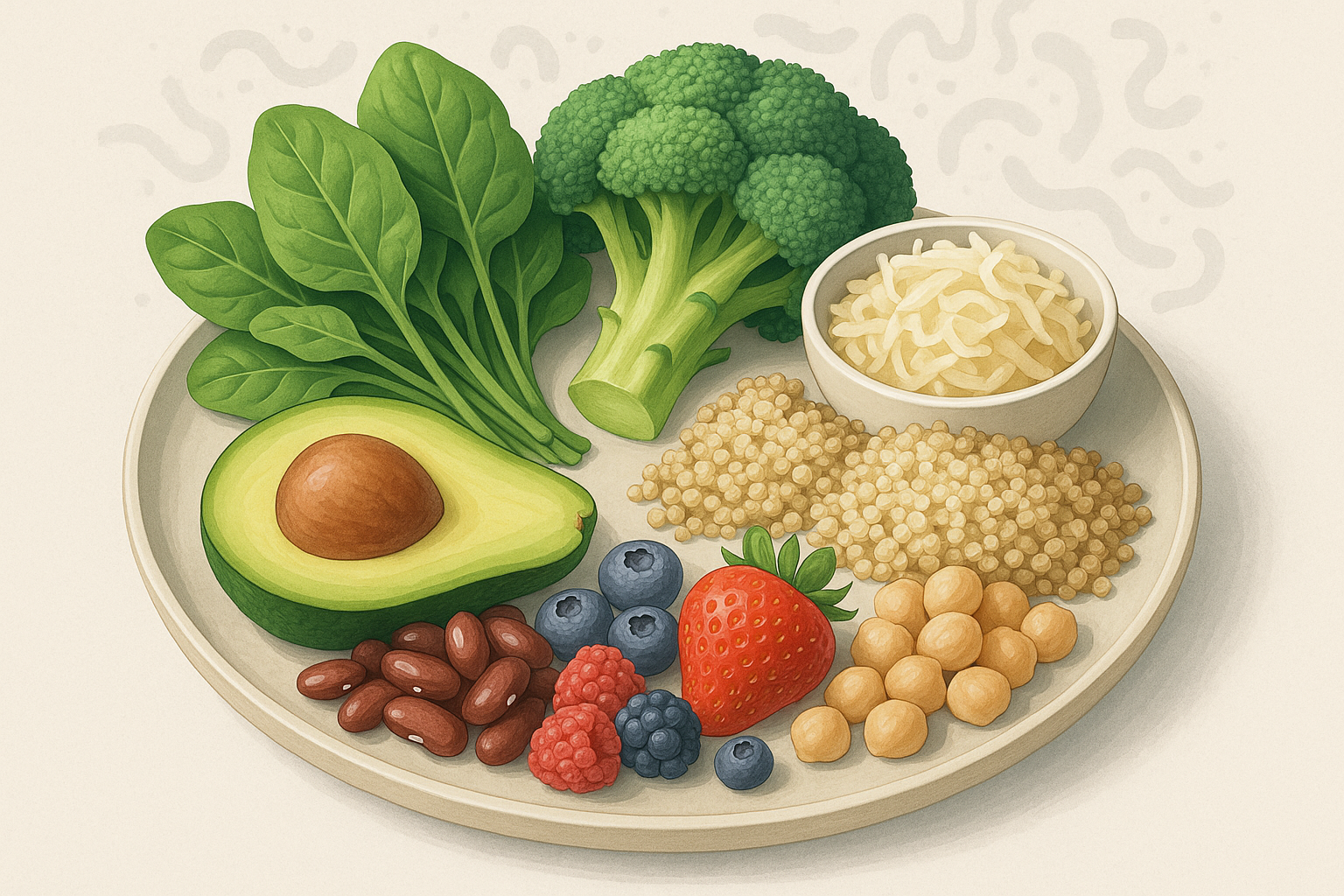
1. Eat more fiber from a variety of plants
Fiber feeds many beneficial gut microbes. When microbes ferment certain fibers, they produce short-chain fatty acids such as butyrate, which help support the gut lining and immune regulation.
Good choices include:
- Beans, lentils, and peas
- Oats, barley, and whole grains
- Berries, apples, pears, and citrus
- Vegetables, especially leafy greens and cruciferous vegetables
- Nuts and seeds
If you are not used to eating much fiber, increase gradually and drink enough fluids to reduce bloating or discomfort.
2. Include fermented foods if tolerated
Fermented foods can add live microbes and fermentation byproducts to the diet. Options include yogurt with live cultures, kefir, sauerkraut, kimchi, miso, and tempeh.
People with histamine intolerance, immune compromise, or certain gastrointestinal conditions may need individualized guidance. Fermented foods are helpful for some people but not required for everyone.
3. Choose mostly minimally processed foods
A diet centered on whole and minimally processed foods tends to provide more fiber, polyphenols, minerals, and healthy fats. These nutrients support the microbiome and overall inflammatory balance.
A practical plate might include:
- Half vegetables and fruit
- One quarter protein such as fish, poultry, tofu, beans, eggs, or yogurt
- One quarter whole grains or starchy vegetables
- A source of healthy fat such as olive oil, avocado, nuts, or seeds
4. Prioritize omega-3 rich foods
Omega-3 fatty acids are involved in the body’s inflammation-resolving pathways. Fatty fish such as salmon, sardines, trout, and mackerel are rich sources. Plant sources include chia seeds, flaxseed, walnuts, and hemp seeds, though conversion to the most active forms is limited.
If you are considering fish oil or omega-3 supplements, ask a healthcare professional, especially if you take blood thinners, have surgery planned, or have a medical condition.
5. Reduce added sugar and excess alcohol
High intake of added sugars and frequent alcohol use may negatively affect the microbiome, gut barrier, liver health, and metabolic inflammation. You do not need perfection. Start by reducing sugary drinks, limiting desserts to intentional portions, and keeping alcohol within medical guidance or avoiding it when appropriate.
6. Sleep like it is part of your gut routine
Sleep affects immune signaling, appetite hormones, blood sugar regulation, and the microbiome. Aim for a consistent sleep schedule, a dark and cool bedroom, morning light exposure, and less screen stimulation before bed.
Even small improvements can matter. Going to bed 30 minutes earlier or keeping a more consistent wake time can support better regulation over time.
7. Move daily, but avoid extremes
Regular movement supports digestive motility, insulin sensitivity, circulation, mood, and immune balance. Walking after meals is a simple habit that may support blood sugar control and digestion.
A balanced weekly routine can include:
- Brisk walking or other moderate cardio
- Strength training 2 or more days per week
- Mobility or stretching
- Breaks from long sitting periods
Very intense training without enough recovery can be stressful for the body, so balance effort with rest.
8. Manage stress through repeatable practices
Stress can affect gut motility, pain sensitivity, immune signaling, and microbiome patterns through the gut-brain axis. Stress management does not need to be complicated. The goal is to create reliable downshifts for the nervous system.
Helpful options include:
- Slow breathing for 2 to 5 minutes
- Gentle yoga or stretching
- Time outdoors
- Journaling
- Prayer or meditation
- Supportive social connection
- Therapy or counseling when needed
9. Use antibiotics only when medically appropriate
Antibiotics can be lifesaving and necessary, but they can also disrupt gut microbial communities. Use them exactly as prescribed and avoid requesting them for viral illnesses where they do not help. If digestive symptoms follow antibiotics, speak with a healthcare professional about appropriate next steps.
10. Pay attention to symptoms that need care
Occasional bloating or digestive changes are common, but some symptoms deserve medical evaluation. Contact a healthcare professional if you have persistent diarrhea, blood in the stool, unexplained weight loss, ongoing vomiting, fever, severe abdominal pain, anemia, difficulty swallowing, or symptoms that wake you from sleep.
A simple one-day gut-supportive routine
Morning: Eat oatmeal with berries, ground flaxseed, and yogurt or a protein source. Get morning light and take a short walk.
Midday: Build a lunch with beans or lean protein, vegetables, whole grains, olive oil, and fruit.
Afternoon: Take a movement break, hydrate, and choose nuts or fruit instead of a high-sugar snack most days.
Evening: Eat a balanced dinner with vegetables, protein, and a fiber-rich carbohydrate. Reduce screens before bed and keep a consistent sleep schedule.
Bottom line
The gut-inflammation connection is shaped by the microbiome, the intestinal barrier, and the immune system. No single food or supplement can guarantee perfect gut health, but daily patterns can make a meaningful difference. A fiber-rich diet, diverse plant foods, adequate sleep, regular movement, stress regulation, and appropriate medical care all support a more balanced inflammatory response.
References
NIH National Library of Medicine: Gut microbiota and inflammation
Best Probiotic Foods for Gut Health and How to Add Them to Your Routine
Best Probiotic Foods for Gut Health and How to Add Them to Your Routine
Probiotic foods are fermented foods that may contain live, beneficial microorganisms. When included consistently in a balanced diet, they can help support digestive wellness and overall gut microbiome diversity.
Not every fermented food contains live probiotics by the time you eat it. Heat processing, pasteurization, and some storage methods can reduce or eliminate live cultures. For the best chance of getting probiotics, look for labels that mention live and active cultures, raw or unpasteurized when appropriate, or refrigerated fermented foods.
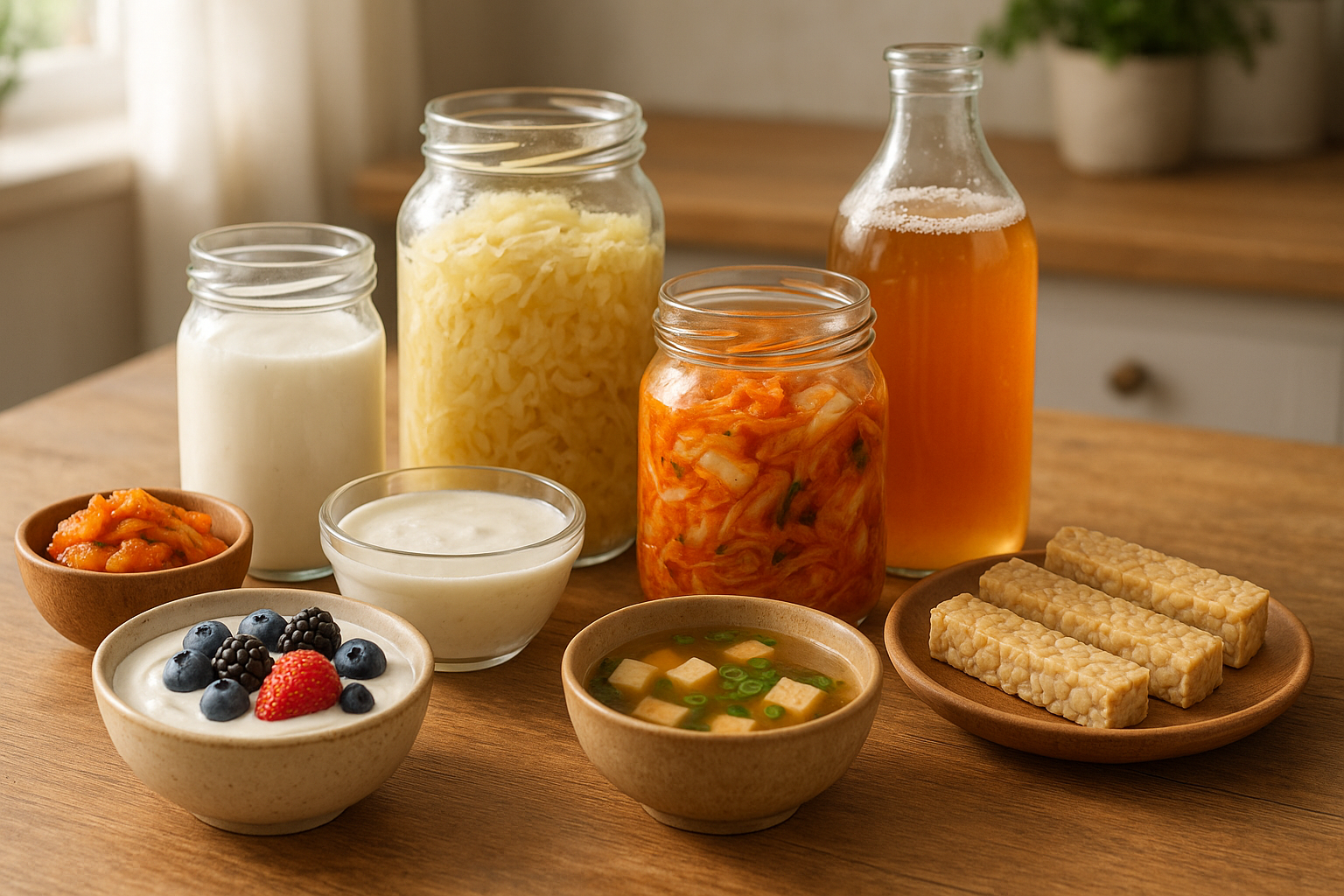
Best probiotic foods for gut health
1. Yogurt
Yogurt is one of the most accessible probiotic foods. Choose plain yogurt with live and active cultures to avoid excess added sugar. Greek yogurt can be a higher-protein option, while regular yogurt may have a softer texture and milder flavor.
Easy ways to use it: add it to breakfast bowls, blend it into smoothies, use it as a base for dips, or top it with berries, oats, and nuts.
2. Kefir
Kefir is a fermented milk drink that is typically thinner than yogurt and often contains a variety of bacterial cultures. It has a tangy flavor and can be easier to drink than spoonable yogurt.
Easy ways to use it: drink a small glass with breakfast, blend it with fruit, pour it over granola, or use it in cold sauces.
3. Sauerkraut
Sauerkraut is fermented cabbage. For probiotic benefits, choose refrigerated sauerkraut that has not been pasteurized. Shelf-stable versions may be heat-treated, which can reduce live cultures.
Easy ways to use it: add a spoonful to grain bowls, sandwiches, salads, eggs, or roasted vegetables.
4. Kimchi
Kimchi is a Korean fermented vegetable dish, usually made with cabbage, radish, garlic, ginger, and chili. It is flavorful, tangy, and spicy, and it can add both probiotics and vegetables to meals.
Easy ways to use it: serve it with rice bowls, eggs, tofu, noodles, soups after cooking, or alongside lean proteins.
5. Miso
Miso is a fermented soybean paste commonly used in Japanese cooking. Because high heat can damage live cultures, add miso after removing soup or sauce from direct heat.
Easy ways to use it: stir it into warm broth, whisk it into salad dressings, mix it into marinades, or use it in sauces for vegetables and fish.
6. Tempeh
Tempeh is a fermented soybean cake with a firm texture and nutty flavor. It is also a plant-based source of protein. Some tempeh is cooked before eating, so its probiotic content can vary, but it remains a nutritious fermented food.
Easy ways to use it: slice and pan-sear it, crumble it into tacos, add it to stir-fries, or marinate it for grain bowls.
7. Natto
Natto is a traditional Japanese fermented soybean food with a strong flavor and sticky texture. It is rich in nutrients and is often eaten with rice.
Easy ways to use it: start with a small portion, pair it with rice or eggs, or add mild seasonings if the flavor is new to you.
8. Kombucha
Kombucha is a fermented tea with a tart, lightly fizzy taste. It can contain live cultures, but sugar and caffeine levels vary by brand.
Easy ways to use it: choose lower-sugar options, start with a small serving, and use it as an occasional alternative to soda or sweetened drinks.
9. Fermented pickles
Some pickles are fermented in saltwater brine and may contain live cultures. Pickles made with vinegar are tasty but usually are not probiotic in the same way. Look for refrigerated fermented pickles with live cultures.
Easy ways to use it: add them to sandwiches, snack plates, wraps, or chopped salads.
10. Traditional buttermilk
Traditional buttermilk, the liquid left after churning cultured butter, may contain probiotics. Many commercial buttermilk products are cultured but may vary in live culture content.
Easy ways to use it: use it in cold dressings, smoothies, or occasional baking, though baking heat may reduce live cultures.
How to add probiotic foods to your routine
Start small
If you are not used to fermented foods, begin with small servings, such as a few spoonfuls of yogurt or sauerkraut. Increasing too quickly may cause temporary gas or bloating for some people.
Eat them consistently
Probiotic foods work best as part of a regular pattern. You do not need every probiotic food every day. Aim to include one fermented food most days if it agrees with you.
Pair probiotics with prebiotic foods
Prebiotics are fibers that help feed beneficial gut bacteria. Good options include oats, beans, lentils, onions, garlic, asparagus, bananas, apples, and whole grains.
Choose lower-sugar options
Many flavored yogurts, kefirs, and kombuchas contain added sugar. Choose plain or lower-sugar versions when possible, then add your own fruit or spices for flavor.
Avoid overheating live-culture foods
Heat can reduce live microorganisms. Add foods like miso, sauerkraut, and kimchi after cooking when possible, or use them as toppings.
Rotate your choices
Different fermented foods can contain different types of microbes and nutrients. Rotating yogurt, kefir, kimchi, sauerkraut, miso, and tempeh can make your diet more varied.
Simple daily ideas
Breakfast: plain yogurt or kefir with berries, oats, and chia seeds.
Lunch: a grain bowl with vegetables, beans, and a spoonful of sauerkraut or kimchi.
Snack: lower-sugar kombucha or yogurt with nuts.
Dinner: tempeh with vegetables and rice, topped with kimchi after cooking.
Sauce idea: whisk miso with warm water, ginger, sesame oil, and lemon juice for a quick dressing.
Who should be cautious
Most healthy adults can enjoy probiotic foods as part of a balanced diet. However, people with weakened immune systems, serious illnesses, central lines, recent major surgery, or complex digestive conditions should ask a healthcare professional before increasing probiotic intake or using probiotic supplements.
Bottom line
The best probiotic foods for gut health include yogurt, kefir, sauerkraut, kimchi, miso, tempeh, natto, kombucha, and fermented pickles. Start with small portions, choose products with live cultures when possible, pair them with fiber-rich foods, and build a routine that feels realistic and enjoyable.
References
How Vitamin D Deficiency Can Affect Immune Health and What to Do Naturally
How Vitamin D Deficiency Can Affect Immune Health and What to Do Naturally
Vitamin D is best known for supporting bones, but it also plays a meaningful role in immune health. Immune cells have vitamin D receptors, which means vitamin D helps influence how the immune system responds to threats and how it keeps inflammation in balance.
Why Vitamin D Matters for Immunity
Vitamin D helps support both major parts of immune function: the innate immune system and the adaptive immune system.
The innate immune system is the body’s first line of defense. It responds quickly when the body encounters germs or irritants. Vitamin D helps immune cells carry out normal protective functions.
The adaptive immune system is more targeted. It helps the body recognize and respond to specific invaders. Vitamin D appears to help regulate this response so the immune system can act effectively without becoming overactive.
In simple terms, vitamin D does not act like a quick immune booster. Instead, it helps the immune system stay better regulated.
How Vitamin D Deficiency Can Affect Immune Health
When vitamin D levels are too low, the immune system may have a harder time maintaining normal function. Deficiency has been associated with increased susceptibility to infections in some research, especially respiratory infections, though vitamin D is only one factor among many.
Low vitamin D may also affect immune balance. Healthy immune function depends on responding when needed and calming down when the threat has passed. Vitamin D helps support this regulatory process.
A deficiency does not mean someone will automatically get sick, and vitamin D alone cannot prevent or treat infections. However, correcting a deficiency is an important part of supporting overall immune resilience.
Common Signs of Low Vitamin D
Vitamin D deficiency can be difficult to notice because symptoms may be mild or nonspecific. Possible signs can include fatigue, muscle aches, bone discomfort, weakness, low mood, or frequent illness. Some people have no obvious symptoms at all.
The most reliable way to know your vitamin D status is through a blood test ordered by a healthcare provider. The test commonly measures 25-hydroxyvitamin D.
Who Is More Likely to Be Deficient?
Some people have a higher risk of low vitamin D levels. Risk factors include limited sun exposure, darker skin tone, older age, living in northern climates, wearing full-coverage clothing, having obesity, following a strict vegan diet without fortified foods, or having conditions that affect fat absorption.
People who spend most of their time indoors may also be at risk because sunlight exposure helps the skin produce vitamin D.
Natural Ways to Support Healthy Vitamin D Levels
1. Get Safe Sunlight Exposure
Sunlight is one of the most natural ways the body produces vitamin D. Short periods of sunlight exposure may help, depending on season, location, skin tone, age, time of day, and sunscreen use.
Because excessive sun exposure increases skin cancer risk, balance is important. Avoid burning, and follow your clinician’s or dermatologist’s guidance if you have sensitive skin or a history of skin cancer.
2. Eat Vitamin D Rich Foods
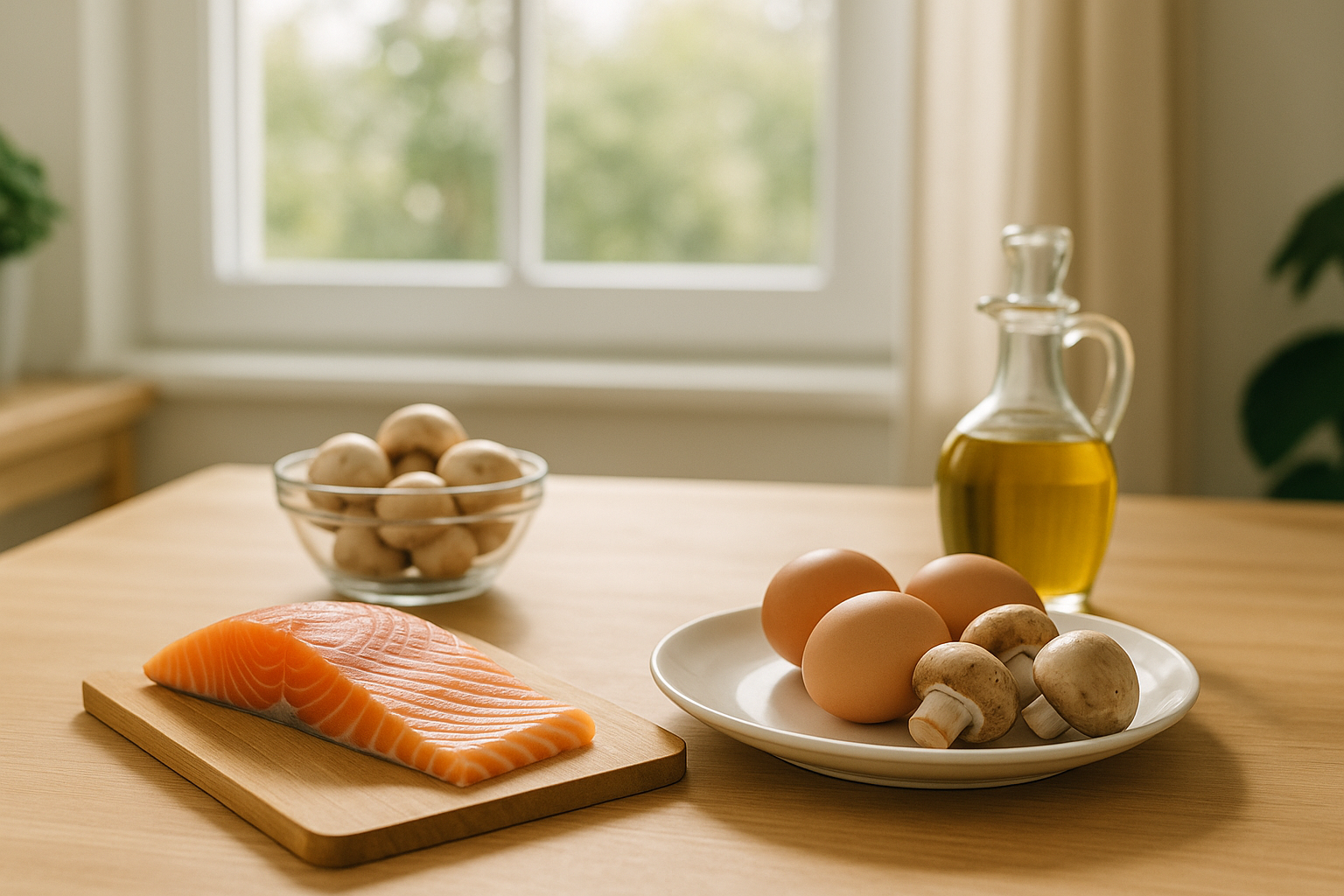
Few foods naturally contain high amounts of vitamin D, but some can help. Good options include fatty fish such as salmon, trout, sardines, and tuna. Egg yolks and UV-exposed mushrooms may also contribute smaller amounts.
Fortified foods can be useful as well. These may include fortified milk, plant milks, breakfast cereals, and some yogurts. Check labels because vitamin D content varies.
3. Support Nutrient Absorption
Vitamin D is fat-soluble, meaning it is absorbed better when eaten with dietary fat. Pairing vitamin D foods or supplements with meals that include healthy fats such as olive oil, avocado, nuts, seeds, or fatty fish may support absorption.
Gut health also matters. Conditions such as celiac disease, Crohn’s disease, pancreatic disorders, or a history of certain digestive surgeries can reduce vitamin D absorption and should be managed with medical guidance.
4. Consider Testing Before Supplementing
Vitamin D supplements can be helpful when levels are low, but more is not always better. Taking excessive vitamin D can cause toxicity, leading to high calcium levels and potential kidney or heart complications.
A healthcare provider can help determine whether you need a supplement, what dose is appropriate, and when to retest. This is especially important if you take medications, have kidney disease, have high calcium levels, or use high-dose supplements.
5. Maintain General Immune Health Habits
Vitamin D is only one part of immune health. A strong foundation also includes adequate sleep, regular physical activity, stress management, hydration, protein-rich meals, colorful fruits and vegetables, and avoiding smoking.
These habits work together to support immune function more effectively than focusing on a single nutrient alone.
When to Talk to a Healthcare Provider
Consider asking your healthcare provider about vitamin D testing if you have symptoms of deficiency, frequent low sunlight exposure, osteoporosis or bone concerns, digestive conditions, kidney or liver disease, or risk factors for deficiency.
You should also seek professional guidance before giving vitamin D supplements to infants or children, using high-dose vitamin D, or combining multiple products that contain vitamin D.
Key Takeaway
Vitamin D deficiency can affect immune health by interfering with normal immune regulation and defense. The best natural approach is to combine safe sunlight, vitamin D rich foods, healthy lifestyle habits, and medical testing when appropriate. If your levels are low, correcting the deficiency under professional guidance can be a practical step toward better immune support.
References
NIH Office of Dietary Supplements: Vitamin D Fact Sheet