
- Home
- Articles
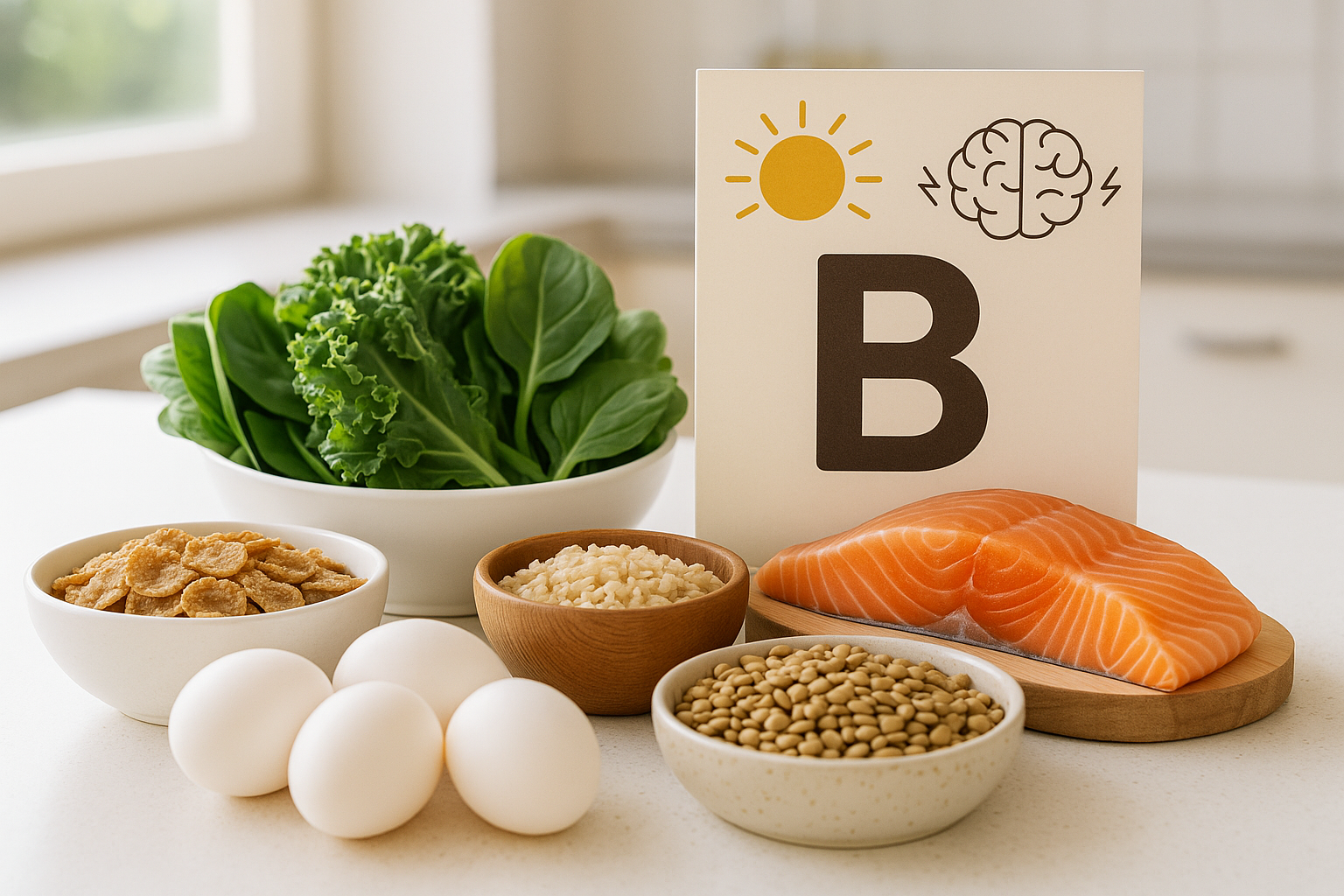
How B Vitamins Support Energy Metabolism and Nervous System Health
How B Vitamins Support Energy Metabolism and Nervous System Health
B vitamins are a group of water-soluble nutrients that help the body turn food into usable energy. They are often marketed as vitamins for energy, but it is important to understand what that really means: B vitamins do not act like stimulants and they do not contain calories. Instead, they serve as essential cofactors in metabolic pathways that allow your cells to use carbohydrates, fats, and proteins efficiently.
Because B vitamins are also involved in nerve function, red blood cell formation, DNA synthesis, and brain health, low levels may contribute to symptoms such as fatigue, weakness, numbness, tingling, mood changes, or poor concentration. These symptoms can have many causes, so suspected deficiency should be evaluated by a healthcare professional.
What are B vitamins?
The B vitamin family includes eight essential nutrients:
- Vitamin B1, also called thiamin
- Vitamin B2, also called riboflavin
- Vitamin B3, also called niacin
- Vitamin B5, also called pantothenic acid
- Vitamin B6, also called pyridoxine
- Vitamin B7, also called biotin
- Vitamin B9, also called folate
- Vitamin B12, also called cobalamin
Each B vitamin has distinct functions, but many work together in energy metabolism and nervous system support.
How B vitamins help with energy metabolism
Your body produces usable energy through cellular processes that break down macronutrients from food. B vitamins help these processes function normally.
B1 supports carbohydrate metabolism
Thiamin helps cells convert carbohydrates into energy. It is especially important for the brain and nervous system, which rely heavily on glucose. Low thiamin intake can affect energy levels, nerve function, and heart health.
B2 helps enzymes release energy from food
Riboflavin is part of coenzymes that help the body process fats, carbohydrates, and proteins. It also supports normal cell growth and antioxidant-related functions.
B3 supports cellular energy production
Niacin is used to make NAD and NADP, compounds involved in many energy-producing reactions. These are central to how cells generate and use energy.
B5 helps make coenzyme A
Pantothenic acid is needed to form coenzyme A, which plays a major role in fatty acid metabolism and energy production.
B6 supports protein metabolism and neurotransmitters
Vitamin B6 helps the body metabolize amino acids and supports the production of neurotransmitters such as serotonin and dopamine. This connects B6 to both energy metabolism and nervous system function.
Biotin supports fat, carbohydrate, and protein metabolism
Biotin acts as a cofactor for enzymes involved in breaking down and using macronutrients. Biotin deficiency is uncommon, but low levels can affect skin, hair, nerves, and energy-related metabolism.
Folate and B12 support cell division and red blood cells
Folate and vitamin B12 are needed for DNA synthesis and healthy red blood cell formation. If either is low, the body may not produce red blood cells normally, which can contribute to anemia-related fatigue and weakness.
Do B vitamins give you energy?
B vitamins support the body’s ability to make energy from food, but taking extra B vitamins will not necessarily make you feel more energetic if you already get enough. Supplements are most likely to help when fatigue is related to a confirmed low intake, increased need, poor absorption, or deficiency.
Common non-vitamin causes of low energy include poor sleep, stress, dehydration, low calorie intake, thyroid disease, depression, infection, anemia, chronic illness, and medication effects. Persistent fatigue should be discussed with a healthcare provider.
B vitamins and nervous system health
Several B vitamins are especially important for nerve and brain health:
- B1 supports nerve signaling and brain energy metabolism.
- B6 helps make neurotransmitters involved in mood and cognition.
- B9 supports fetal neural tube development and normal cell division.
- B12 helps maintain the protective myelin sheath around nerves.
Vitamin B12 deficiency is particularly associated with neurological symptoms, including numbness, tingling, balance problems, memory changes, and mood symptoms. These issues can become serious if deficiency is not identified and treated.
Who may be at higher risk of B vitamin deficiency?
Risk varies by nutrient, diet, health condition, and medication use. People who may be more likely to develop certain B vitamin deficiencies include:
- Older adults, especially for vitamin B12
- Vegans and strict vegetarians, because B12 is naturally found mainly in animal foods
- People with gastrointestinal disorders that affect absorption
- People who have had weight-loss or gastrointestinal surgery
- People with alcohol use disorder
- Pregnant or breastfeeding people, who have higher needs for some B vitamins
- People taking certain medications, such as metformin or acid-reducing medications, which may affect B12 status
Food sources of B vitamins
A balanced diet can provide most B vitamins. Good sources include:
- Whole grains and fortified grains
- Eggs and dairy products
- Fish, poultry, and lean meats
- Legumes such as beans, lentils, and peas
- Leafy green vegetables
- Nuts and seeds
- Nutritional yeast and fortified foods
Vitamin B12 is found naturally in animal-based foods such as fish, meat, eggs, and dairy. People who avoid animal products typically need B12-fortified foods or a supplement.
Should you take a B-complex supplement?
A B-complex supplement may be useful for some people, especially those with restricted diets, increased nutrient needs, or a diagnosed deficiency. However, more is not always better. Some B vitamins can cause side effects at high supplemental doses. For example, too much niacin may cause flushing or liver concerns, and excessive B6 over time may contribute to nerve problems.
If you are considering B vitamins for energy, it is best to first look at diet, sleep, medical history, medications, and possible deficiency testing. A healthcare professional can help determine whether a supplement is appropriate and what dose is safe.
Key takeaways
B vitamins are essential for energy metabolism because they help your body convert food into usable cellular energy. They also support nervous system health, red blood cell formation, DNA synthesis, and neurotransmitter production. While B vitamins may help improve fatigue when a deficiency is present, they are not a stimulant and may not boost energy in people who already have adequate levels. If low energy, numbness, tingling, or weakness persists, seek medical guidance to identify the underlying cause.
References
NIH Office of Dietary Supplements: Vitamin and Mineral Fact Sheets
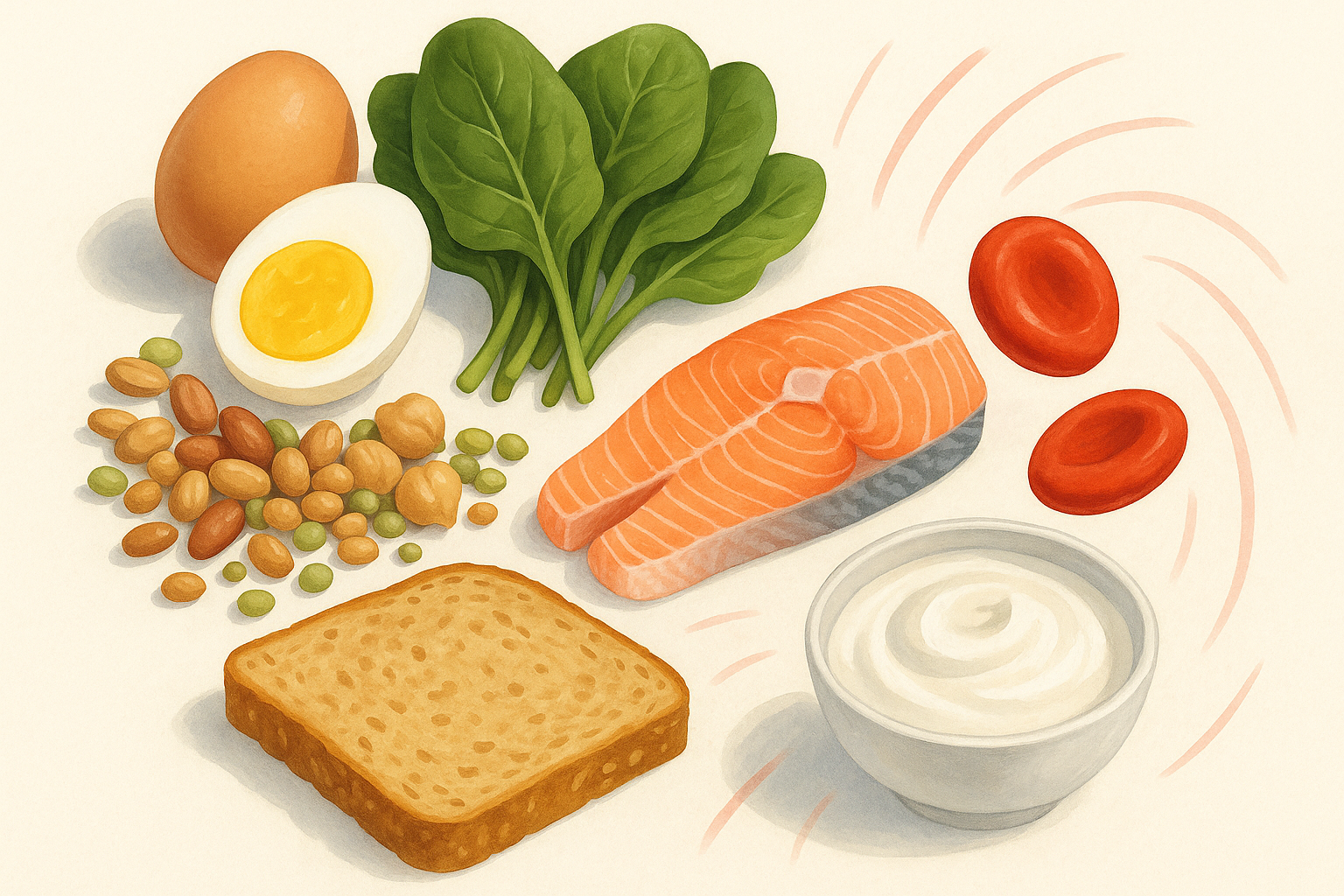
How B Vitamin Deficiencies Can Contribute to Fatigue and Low Energy
How B Vitamin Deficiencies Can Contribute to Fatigue and Low Energy
Fatigue is one of the most common reasons people look into vitamin status. B vitamins are closely involved in how the body converts food into usable energy, makes healthy red blood cells, maintains the nervous system, and supports DNA synthesis. When a deficiency develops, low energy may be one of the first noticeable symptoms.
However, B vitamins do not work like stimulants. If your levels are already adequate, taking extra B vitamins is unlikely to fix fatigue. The most important step is identifying whether a true deficiency exists and why it developed.
Why B vitamins matter for energy
The B vitamin family includes thiamin, riboflavin, niacin, pantothenic acid, vitamin B6, biotin, folate, and vitamin B12. These nutrients help enzymes perform key metabolic reactions. In practical terms, they support:
- Breaking down carbohydrates, fats, and proteins
- Producing red blood cells that carry oxygen
- Maintaining healthy nerve function
- Supporting brain and mood-related pathways
- Creating and repairing DNA
When one or more B vitamins are too low, the body may struggle to maintain normal oxygen delivery, nerve signaling, and cellular energy processes. This can feel like persistent tiredness, weakness, brain fog, reduced exercise tolerance, or low stamina.
Vitamin B12 deficiency and fatigue
Vitamin B12 deficiency is one of the best-known nutritional causes of fatigue. B12 is needed to make healthy red blood cells and maintain nerve tissue. When levels are low, some people develop megaloblastic anemia, a condition in which red blood cells become larger than normal and do not function properly.
Possible symptoms of B12 deficiency include:
- Fatigue or weakness
- Pale skin
- Shortness of breath with exertion
- Dizziness or lightheadedness
- Numbness or tingling in the hands or feet
- Balance problems
- Memory or concentration changes
- Sore tongue
People at higher risk include older adults, people following strict vegan or low-animal-food diets without fortified foods or supplements, those with pernicious anemia, and people with digestive conditions or surgeries that affect absorption. Certain medicines, including long-term metformin or acid-suppressing drugs, may also be associated with lower B12 levels in some people.
Folate deficiency and low energy
Folate, also called vitamin B9, is essential for DNA production and red blood cell formation. Low folate can also lead to megaloblastic anemia, which may cause fatigue, weakness, irritability, and shortness of breath.
Folate deficiency may be more likely with low dietary intake, alcohol misuse, certain digestive disorders, increased needs during pregnancy, or use of medications that interfere with folate metabolism. Leafy greens, beans, lentils, asparagus, citrus fruits, and fortified grains are common folate sources.
Vitamin B6 and fatigue-related symptoms
Vitamin B6 helps the body metabolize protein, make neurotransmitters, and support hemoglobin production. Deficiency is less common than inadequate intake, but low B6 status may occur with poor diet, alcohol misuse, kidney disease, autoimmune conditions, malabsorption, or certain medications.
Possible signs may include fatigue, irritability, depression-like symptoms, mouth cracks, inflamed tongue, weakened immune function, and in some cases anemia or nerve symptoms.
Thiamin and other B vitamins
Thiamin, or vitamin B1, helps cells use carbohydrates for energy and supports nerve and heart function. Severe deficiency can cause serious conditions such as beriberi or Wernicke-Korsakoff syndrome, especially in the setting of alcohol use disorder or severe malnutrition.
Riboflavin, niacin, pantothenic acid, and biotin also participate in energy metabolism. Deficiencies are less common in people eating varied diets, but restrictive eating patterns, malabsorption, chronic illness, or heavy alcohol use can increase risk.
Common signs that fatigue may be related to a B vitamin deficiency
Fatigue alone does not prove a deficiency. But a nutritional cause becomes more plausible when tiredness occurs with symptoms such as:
- Tingling, numbness, or burning sensations
- Pale skin or rapid heartbeat
- Shortness of breath during normal activity
- Mouth sores or a swollen tongue
- Poor balance or unusual clumsiness
- Brain fog, memory changes, or mood changes
- A history of restricted diet, gastrointestinal disease, bariatric surgery, or heavy alcohol use
How clinicians test for B vitamin deficiencies
A healthcare professional may order blood tests based on symptoms and risk factors. Testing may include a complete blood count, vitamin B12 level, folate level, methylmalonic acid, homocysteine, iron studies, thyroid testing, and other labs depending on the situation.
Because fatigue has many possible causes, testing is often more useful than guessing. Taking high-dose supplements before testing can also make results harder to interpret.
Food sources of key B vitamins
A balanced diet can help prevent many B vitamin deficiencies. Useful sources include:
- Vitamin B12: fish, meat, poultry, eggs, milk, yogurt, cheese, fortified cereals, fortified nutritional yeast
- Folate: spinach, romaine lettuce, asparagus, Brussels sprouts, beans, lentils, oranges, fortified grains
- Vitamin B6: poultry, fish, potatoes, chickpeas, bananas, fortified cereals
- Thiamin: whole grains, pork, beans, lentils, nuts, seeds, fortified grains
- Riboflavin and niacin: dairy, eggs, meat, fish, poultry, mushrooms, legumes, enriched grains
People who avoid animal products usually need reliable B12 from fortified foods or supplements because plant foods do not naturally provide dependable active vitamin B12.
Should you take a B-complex supplement for fatigue?
A B-complex supplement may help if fatigue is caused by inadequate intake or a confirmed deficiency. But more is not always better. Some B vitamins can cause problems at high doses. For example, too much vitamin B6 over time may contribute to nerve damage, and high niacin doses can cause flushing or liver-related side effects.
It is best to choose supplementation based on diet, lab results, medical history, and clinician guidance. People who are pregnant, older, vegan, taking long-term medications, or living with digestive disorders may have different needs.
When to seek medical advice
Contact a healthcare professional if fatigue lasts more than a few weeks, interferes with daily life, or comes with neurological symptoms, anemia symptoms, unexplained weight loss, fever, chest pain, shortness of breath, fainting, or significant mood changes.
B vitamin deficiencies are treatable, but some, especially B12 deficiency, can cause lasting nerve problems if not addressed. Prompt evaluation can help identify the cause and guide safe, effective treatment.
Key takeaway
B vitamin deficiencies can contribute to fatigue by affecting red blood cell production, oxygen delivery, nerve health, and energy metabolism. Vitamin B12, folate, and vitamin B6 are especially relevant, but fatigue is not specific to vitamin deficiency. The most reliable approach is to evaluate symptoms, risk factors, diet, and appropriate lab testing before starting high-dose supplements.
References
NIH Office of Dietary Supplements: Vitamin B12
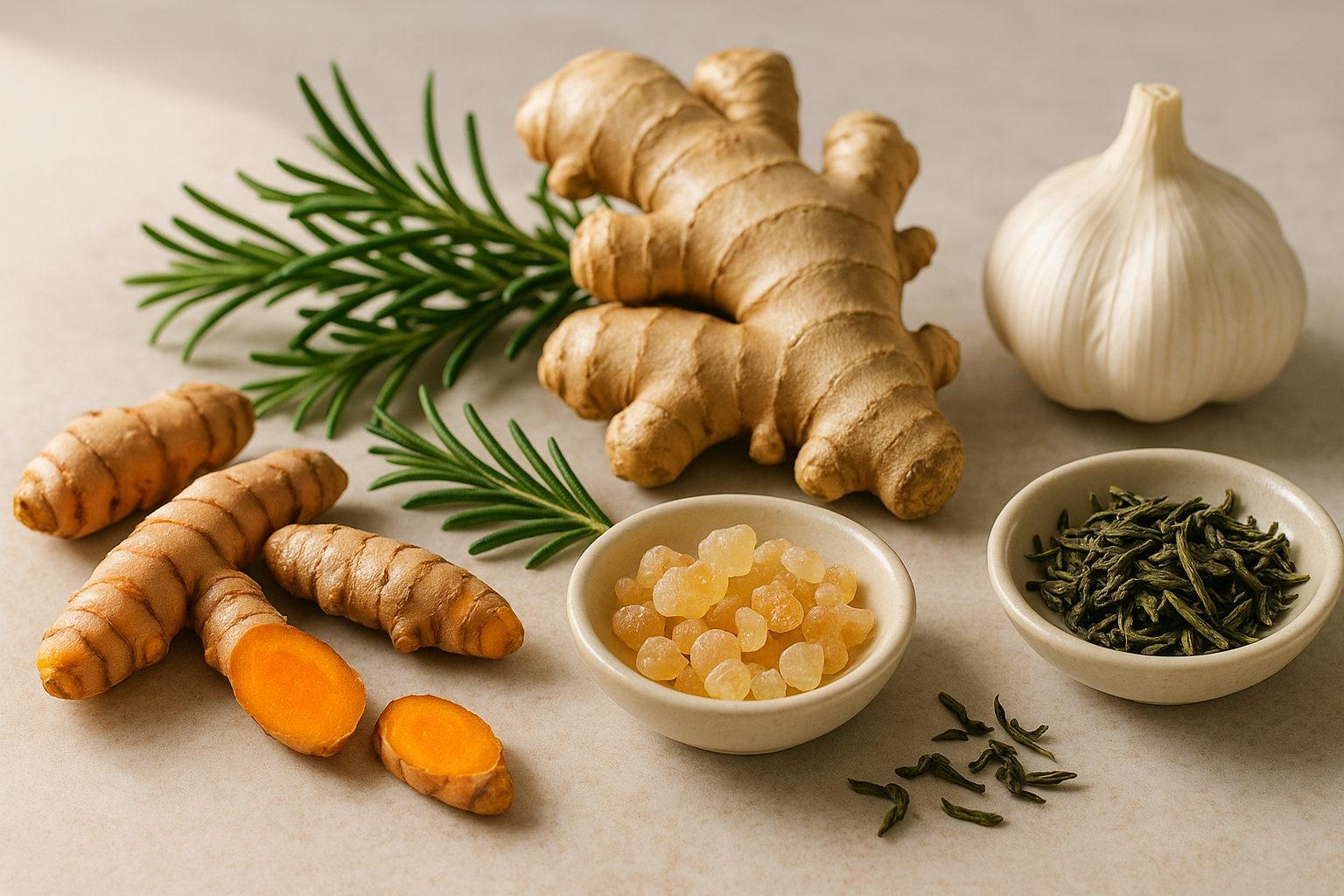
Anti Inflammatory Herbs That May Help Support Whole Body Wellness
Anti Inflammatory Herbs That May Help Support Whole Body Wellness
Inflammation is part of the body’s natural defense system. Short term inflammation helps the body respond to injury or infection, but ongoing inflammation may be linked with many health concerns. While herbs are not a cure or a replacement for medical treatment, some anti inflammatory herbs contain plant compounds that may help support a healthier inflammatory response.
The best results usually come from using herbs as part of an overall wellness plan: a nutrient dense diet, regular physical activity, stress management, enough sleep, and guidance from a healthcare professional when needed.
What Makes an Herb Anti Inflammatory?
Many herbs contain bioactive compounds such as polyphenols, flavonoids, terpenes, and sulfur containing compounds. These natural substances may influence oxidative stress, immune signaling, and inflammatory pathways in the body.
However, the strength of evidence varies. Some herbs have been studied in human clinical trials, while others are supported mainly by traditional use, lab research, or early human studies. Dose, preparation method, health status, and medication use all matter.
1. Turmeric
Turmeric is one of the most widely discussed anti inflammatory herbs. Its main active compound, curcumin, has been studied for its potential role in supporting joint comfort and inflammatory balance.
Turmeric is commonly used in curries, soups, rice dishes, smoothies, and golden milk. Curcumin is not absorbed very well on its own, so many supplement formulas include black pepper extract, also called piperine, to improve absorption.
Safety note: Turmeric supplements may not be appropriate for everyone, especially people taking blood thinners, those with gallbladder disease, or anyone preparing for surgery. Culinary amounts are generally different from concentrated supplements.
2. Ginger
Ginger is a warming root used in food and traditional wellness practices around the world. It contains gingerols and shogaols, compounds studied for antioxidant and anti inflammatory activity.
Ginger may be enjoyed as fresh grated root, tea, stir fry seasoning, soups, or powdered spice. It is also commonly used to support digestive comfort.
Safety note: Ginger may interact with blood thinning medications or affect bleeding risk at high supplemental doses. People with medical conditions should ask a clinician before using concentrated ginger products.
3. Green Tea
Green tea comes from the Camellia sinensis plant and is rich in catechins, especially epigallocatechin gallate, often abbreviated EGCG. These compounds have been studied for antioxidant and inflammation related effects.
Drinking unsweetened green tea can be a simple way to add beneficial plant compounds to the day. It can be enjoyed hot or iced.
Safety note: Green tea contains caffeine unless labeled decaffeinated. Concentrated green tea extracts may carry greater risk than brewed tea and have been associated with liver safety concerns in some cases.
4. Boswellia
Boswellia, also known as Indian frankincense, is a resin from Boswellia trees. It contains boswellic acids, which have been studied for their potential effects on inflammatory pathways.
Boswellia is usually taken as a supplement rather than used as a culinary herb. It is often discussed in relation to joint comfort and mobility support.
Safety note: Because boswellia is typically used in concentrated form, it is best to discuss it with a healthcare professional, especially if you take medications or have chronic health conditions.
5. Rosemary
Rosemary is an aromatic herb used in Mediterranean style cooking. It contains rosmarinic acid, carnosic acid, and other polyphenols that may support antioxidant defenses and inflammatory balance.
Rosemary is easy to add to roasted vegetables, beans, fish, poultry, soups, and olive oil based marinades. Using rosemary in food is a practical way to increase herb diversity without relying on supplements.
Safety note: Culinary use is generally well tolerated for most people, but concentrated rosemary extracts or essential oils should be used cautiously and not taken internally unless directed by a qualified professional.
6. Garlic
Garlic contains sulfur based compounds, including allicin related compounds, that have been studied for cardiovascular and immune related benefits. Garlic may also support a balanced inflammatory response as part of a heart healthy eating pattern.
It can be used in sauces, soups, dressings, roasted vegetables, legumes, and whole grain dishes.
Safety note: Garlic supplements may increase bleeding risk or interact with certain medications. People taking blood thinners or preparing for surgery should seek medical guidance.
How to Use Anti Inflammatory Herbs Safely
Start with food first when possible. Culinary herbs and spices are usually gentler than concentrated supplements and can be used consistently as part of meals.
Use one new herb at a time. This makes it easier to notice benefits or side effects.
Be cautious with supplements. More is not always better, and concentrated extracts can have stronger effects than food amounts.
Check for interactions. Herbs may interact with blood thinners, diabetes medications, blood pressure medications, immune suppressing drugs, and other prescriptions.
Choose reputable products. If using supplements, look for third party testing when available and avoid products with exaggerated disease cure claims.
Whole Body Wellness Tips That Work With Herbs
Anti inflammatory herbs may be most helpful when paired with other evidence informed habits:
- Eat more colorful vegetables and fruits.
- Choose fiber rich foods such as beans, lentils, oats, nuts, seeds, and whole grains.
- Include healthy fats from olive oil, avocado, nuts, seeds, and fatty fish if appropriate.
- Limit highly processed foods, excess added sugar, and frequent heavy alcohol use.
- Move your body regularly in ways that feel sustainable.
- Prioritize sleep and stress recovery.
Bottom Line
Anti inflammatory herbs such as turmeric, ginger, green tea, boswellia, rosemary, and garlic may help support whole body wellness, especially when used consistently in a balanced lifestyle. For most people, adding herbs to meals is a practical place to begin. If you are considering concentrated supplements, speak with a healthcare professional to make sure they are safe for your personal health needs.
References
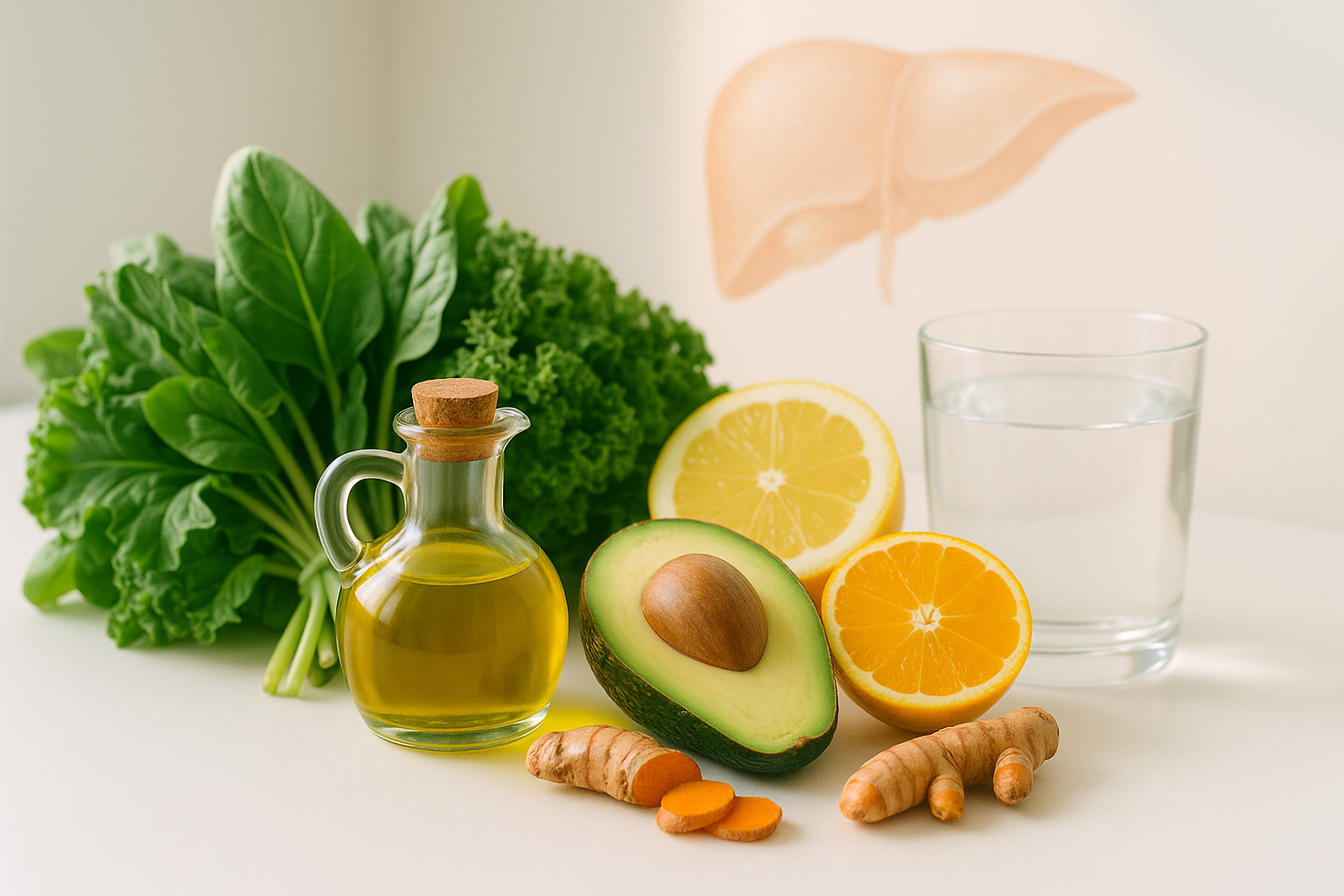
Natural Liver Support Strategies for Detoxification and Daily Wellness
Natural Liver Support Strategies for Detoxification and Daily Wellness
The liver is one of the body’s most important metabolic organs. It helps process nutrients, produces bile for fat digestion, stores glycogen, regulates cholesterol, breaks down hormones, and metabolizes alcohol, medications, and environmental compounds. Because of this, natural liver support should focus on reducing avoidable strain while strengthening the everyday foundations of health.
A key point: your liver does not need extreme cleanses to detoxify. It already performs detoxification continuously. The most useful approach is to support normal liver function with consistent nutrition, hydration, sleep, movement, and medical screening when appropriate.
What natural liver support really means
Natural liver support means adopting habits that help maintain healthy liver function and reduce risk factors linked with liver stress, such as excess alcohol intake, unmanaged blood sugar, obesity, viral hepatitis exposure, and unnecessary supplement or medication burden.
Rather than relying on aggressive detox programs, focus on the basics:
- Eat a nutrient-dense diet rich in plants, protein, fiber, and healthy fats.
- Limit alcohol or avoid it entirely if advised by your clinician.
- Maintain a healthy weight and waist circumference.
- Move regularly to support insulin sensitivity and metabolic health.
- Use medications and supplements safely.
- Get evaluated for liver symptoms or abnormal lab results.
1. Build meals around liver-supportive whole foods
A liver-friendly eating pattern does not require rare ingredients. It is usually built from simple whole foods eaten consistently.
Helpful choices include:
- Vegetables, especially leafy greens, cruciferous vegetables, peppers, carrots, and beets.
- Fruits, especially berries, citrus, apples, and other fiber-rich options.
- High-fiber carbohydrates such as oats, beans, lentils, quinoa, and minimally processed whole grains.
- Lean and high-quality proteins such as fish, poultry, eggs, tofu, tempeh, Greek yogurt, beans, and lentils.
- Healthy fats from olive oil, avocado, nuts, seeds, and fatty fish.
- Herbs and spices such as turmeric, ginger, garlic, rosemary, and parsley as part of a balanced diet.
The Mediterranean-style diet is often used as a practical model because it emphasizes vegetables, legumes, whole grains, fish, olive oil, nuts, and limited ultra-processed foods.
2. Prioritize fiber for metabolic and digestive support
Fiber supports regular bowel movements, helps regulate cholesterol, and improves post-meal blood sugar response. These benefits matter because liver health is closely connected with metabolic health.
Good fiber sources include beans, lentils, oats, chia seeds, flaxseed, berries, vegetables, and whole grains. Increase fiber gradually and drink enough water to reduce bloating or digestive discomfort.
3. Limit alcohol to reduce liver strain
Alcohol is one of the most important modifiable factors for liver wellness. The liver metabolizes alcohol, and heavy or repeated intake can contribute to fatty liver, inflammation, fibrosis, cirrhosis, and other serious conditions.
If you already have liver disease, elevated liver enzymes, a history of alcohol use disorder, are pregnant, or take medications that interact with alcohol, the safest choice may be complete avoidance. Ask your healthcare professional what is appropriate for your situation.
4. Support healthy blood sugar and insulin sensitivity
The liver plays a central role in storing and releasing glucose. Insulin resistance and elevated blood sugar are closely linked with fatty liver risk.
Daily strategies that support glucose balance include:
- Pair carbohydrates with protein, fiber, or healthy fat.
- Choose minimally processed carbohydrates most often.
- Walk for 10 to 20 minutes after meals when possible.
- Strength train 2 to 3 times per week.
- Avoid frequent sugar-sweetened beverages.
- Get enough sleep, since poor sleep can worsen metabolic health.
5. Stay hydrated, but skip extreme detox drinks
Water supports circulation, digestion, kidney function, and overall metabolic processes. However, lemon water, green juices, and detox teas do not magically cleanse the liver. Some detox teas and weight-loss products may even contain herbs or stimulants that can irritate the liver or interact with medications.
A practical hydration goal is pale-yellow urine most of the day, adjusting for exercise, climate, pregnancy, breastfeeding, and medical conditions that affect fluid needs.
6. Move daily for liver and metabolic wellness
Physical activity helps reduce visceral fat, improve insulin sensitivity, support cardiovascular health, and maintain a healthy weight. These benefits indirectly support the liver.
A balanced weekly plan may include:
- Brisk walking, cycling, swimming, or other moderate cardio.
- Resistance training for major muscle groups.
- Gentle mobility or stretching.
- Short movement breaks if you sit for long periods.
You do not need perfection. Consistency matters more than intensity, especially when starting.
7. Be cautious with supplements marketed for liver detox
Many products marketed for natural liver support use herbs such as milk thistle, turmeric, dandelion, artichoke, or N-acetylcysteine. Some have promising research in specific contexts, but supplement quality, dose, interactions, and individual safety vary widely.
Important safety tips:
- Do not combine multiple liver detox products.
- Avoid high-dose supplements without clinician guidance.
- Check for medication interactions, especially with blood thinners, diabetes medications, seizure medications, transplant medications, or chemotherapy.
- Stop any supplement and seek medical care if you develop yellow skin or eyes, dark urine, severe fatigue, abdominal pain, persistent nausea, or itching.
- Choose third-party tested supplements when appropriate.
Natural does not always mean safe. Some herbs and concentrated extracts have been linked with liver injury.
8. Protect your liver from infections and toxins
Liver support also includes prevention. Viral hepatitis, unsafe injections, contaminated needles, and certain exposures can harm the liver.
Consider these protective steps:
- Ask your clinician whether hepatitis A or hepatitis B vaccination is appropriate.
- Avoid sharing needles, razors, or toothbrushes.
- Use safer sex practices when relevant.
- Follow workplace safety guidelines for chemicals and solvents.
- Take acetaminophen and other medications only as directed.
- Tell your clinician about all supplements and over-the-counter products you use.
9. Know when to seek medical evaluation
Liver problems may be silent until advanced stages. Medical testing is important if you have risk factors or symptoms.
Seek professional care if you notice:
- Yellowing of the skin or eyes.
- Dark urine or pale stools.
- Swelling in the abdomen or legs.
- Persistent nausea, vomiting, or loss of appetite.
- Unexplained fatigue or weakness.
- Easy bruising or bleeding.
- Pain or pressure in the upper right abdomen.
- Unexplained abnormal liver enzyme results.
Routine blood tests, imaging, and risk assessment can help identify issues earlier.
A simple daily natural liver support routine
Here is a realistic daily framework:
Morning: Start with water, a protein-rich breakfast, and fiber from fruit, oats, vegetables, or whole grains.
Midday: Eat a balanced lunch with vegetables, protein, healthy fat, and high-fiber carbohydrates. Take a short walk if possible.
Evening: Choose a minimally processed dinner, limit alcohol, and avoid late-night overeating when it disrupts sleep or digestion.
Weekly: Include strength training, cardio, meal planning, and time outdoors. Review supplements and medications for necessity and safety.
Periodically: Discuss liver health screening with your clinician if you have risk factors such as diabetes, obesity, heavy alcohol use, hepatitis exposure, or a family history of liver disease.
Bottom line
The best natural liver support is not a harsh cleanse. It is a sustainable lifestyle that reduces liver burden and supports metabolic resilience. Focus on whole foods, fiber, healthy weight, regular movement, alcohol moderation, safe supplement use, and timely medical care. These habits help your liver perform its essential detoxification and wellness roles every day.
References
National Institute of Diabetes and Digestive and Kidney Diseases: Liver Disease

How Iron Deficiency Can Contribute to Fatigue and Low Energy
How Iron Deficiency Can Contribute to Fatigue and Low Energy
Fatigue is one of the most common symptoms people notice when their iron levels are low. Iron is essential for producing hemoglobin, a protein in red blood cells that transports oxygen from the lungs to the rest of the body. When iron stores drop, your body may struggle to make enough healthy red blood cells, which can reduce oxygen delivery and leave you feeling drained.
Why iron matters for energy
Your muscles, brain, and organs need oxygen to function efficiently. Iron supports this process by helping red blood cells carry oxygen through the bloodstream. When iron deficiency becomes more severe, it can lead to iron deficiency anemia, a condition in which the body does not have enough healthy red blood cells.
This can make everyday activities feel harder than usual. You may feel unusually tired after normal tasks, have lower exercise tolerance, or need more rest than you typically would.
Common signs of iron deficiency fatigue
Iron deficiency fatigue may feel different from ordinary tiredness. Possible symptoms include persistent low energy, weakness, shortness of breath with activity, dizziness, headaches, cold hands or feet, pale skin, rapid heartbeat, brittle nails, hair shedding, restless legs, and difficulty concentrating.
Some people also experience cravings for non-food substances such as ice, dirt, or clay, a symptom known as pica. Not everyone has obvious symptoms, especially in the early stages, so testing is often needed to confirm low iron.
Who is more likely to develop low iron?
Iron deficiency can affect anyone, but some groups have a higher risk. This includes people with heavy menstrual periods, pregnant people, infants and young children, frequent blood donors, people who follow vegetarian or vegan diets without careful iron planning, and people with digestive conditions that reduce absorption or cause blood loss.
Low iron can also occur from gastrointestinal bleeding, certain medications, recent surgery, or diets that do not provide enough absorbable iron.
Iron deficiency vs. other causes of fatigue
Fatigue has many possible causes, including poor sleep, stress, thyroid disorders, vitamin B12 deficiency, vitamin D deficiency, infections, depression, chronic disease, and medication side effects. Because symptoms overlap, it is important not to assume fatigue is caused by iron deficiency without proper evaluation.
A healthcare professional may order blood tests such as a complete blood count, ferritin, serum iron, transferrin saturation, and total iron-binding capacity to better understand iron status.
How iron deficiency is treated
Treatment depends on the cause and severity. Many people are advised to increase iron intake through food and, when appropriate, take an iron supplement. Iron-rich foods include lean red meat, poultry, fish, eggs, lentils, beans, tofu, fortified cereals, spinach, pumpkin seeds, and quinoa.
Heme iron from animal foods is generally absorbed more easily than non-heme iron from plant foods. Pairing plant-based iron sources with vitamin C-rich foods, such as citrus, berries, bell peppers, or tomatoes, can improve absorption.
Iron supplements should be used with guidance from a healthcare professional because too much iron can be harmful. Supplements can also cause constipation, nausea, or stomach upset, and they may interact with certain medications.
When to seek medical care
Contact a healthcare professional if fatigue is persistent, unexplained, worsening, or accompanied by symptoms such as shortness of breath, chest pain, fainting, rapid heartbeat, heavy menstrual bleeding, black or bloody stools, unintended weight loss, or pregnancy. These symptoms may require prompt evaluation.
Key takeaway
Iron deficiency can contribute to fatigue and low energy by reducing the body’s ability to transport oxygen effectively. The good news is that once low iron is properly identified and the underlying cause is addressed, energy levels often improve over time with appropriate treatment.
References
Nutrient-Rich Foods That Support a Strong Immune System Naturally
Nutrient-Rich Foods That Support a Strong Immune System Naturally
The immune system is a complex network of cells, tissues, and organs that helps protect the body from infections and supports recovery. Nutrition plays an important role because immune cells require steady supplies of energy, protein, vitamins, minerals, and other bioactive compounds.
The best approach is not relying on one miracle ingredient. Instead, focus on a balanced eating pattern built around colorful plants, quality protein, healthy fats, and minimally processed foods. These foods that support immune health work best as part of an overall healthy lifestyle.
What Makes a Food Supportive of Immune Health?
Foods can support immune function when they provide nutrients involved in immune cell production, barrier function, inflammation regulation, and antioxidant defense. Key nutrients include vitamin C, vitamin D, vitamin A, vitamin E, zinc, selenium, iron, protein, omega-3 fats, and fiber.
A healthy gut also matters. Much of the immune system interacts with the digestive tract, and fiber-rich and fermented foods can help support a diverse gut microbiome.
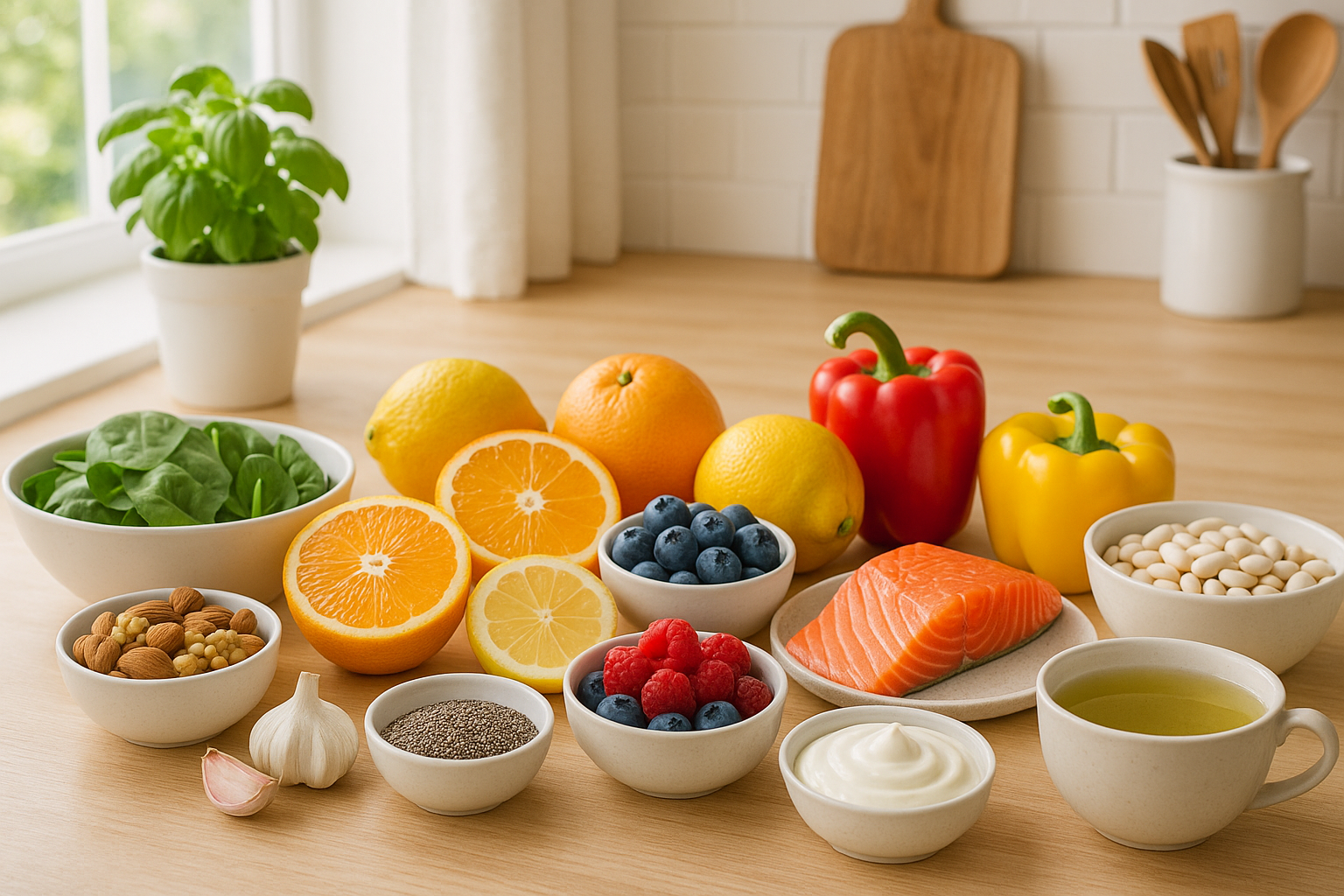
1. Citrus Fruits and Other Vitamin C-Rich Produce
Vitamin C supports normal immune function and acts as an antioxidant. It also helps the body absorb non-heme iron from plant foods.
Good choices include oranges, grapefruit, lemons, limes, kiwi, strawberries, papaya, and cantaloupe. Vegetables can be excellent sources too, especially red bell peppers, broccoli, Brussels sprouts, and potatoes.
Practical tip: Add berries or kiwi to breakfast, snack on bell pepper strips, or squeeze lemon over lentils and leafy greens.
2. Leafy Greens and Colorful Vegetables
Leafy greens such as spinach, kale, collards, arugula, and Swiss chard provide folate, vitamin C, vitamin K, carotenoids, magnesium, and fiber. Orange and red vegetables such as carrots, sweet potatoes, pumpkin, and red peppers provide carotenoids, which the body can convert into vitamin A.
Vitamin A helps maintain healthy skin and mucous membranes, which are important physical barriers against pathogens.
Practical tip: Aim to fill half your plate with vegetables at meals, mixing leafy greens with bright orange, red, purple, and cruciferous vegetables.
3. Protein-Rich Foods for Immune Cell Function
Protein is essential for building and repairing tissues, making antibodies, and supporting immune cell activity. Both animal and plant proteins can fit into an immune-supportive diet.
Good choices include fish, poultry, eggs, Greek yogurt, cottage cheese, beans, lentils, chickpeas, tofu, tempeh, nuts, and seeds.
Practical tip: Include a protein source at each meal. For example, pair oatmeal with Greek yogurt, add beans to salads, or include fish with vegetables and whole grains.
4. Fatty Fish and Omega-3 Fats
Fatty fish provide high-quality protein, vitamin D, selenium, and omega-3 fatty acids. Omega-3 fats are involved in inflammatory pathways and overall health.
Good choices include salmon, sardines, trout, mackerel, and herring. For plant-based omega-3s, choose chia seeds, ground flaxseed, hemp seeds, and walnuts.
Practical tip: Try fatty fish twice per week if it fits your diet. If you do not eat fish, include plant omega-3 sources regularly and discuss supplementation with a healthcare professional if needed.
5. Yogurt, Kefir, and Fermented Foods
Fermented foods may help support gut health by providing live cultures, depending on the product. A healthy gut environment is closely connected to immune regulation.
Good choices include yogurt with live and active cultures, kefir, sauerkraut, kimchi, miso, and tempeh. Choose lower-sugar options when possible.
Practical tip: Use plain yogurt as a base for breakfast bowls, smoothies, or savory sauces with herbs and lemon.
6. Beans, Lentils, and Whole Grains
Beans, lentils, peas, oats, barley, quinoa, brown rice, and whole wheat provide fiber, B vitamins, magnesium, zinc, iron, and plant-based protein. Fiber helps nourish beneficial gut bacteria, which produce compounds that support gut barrier health.
Practical tip: Build simple meals with a whole grain, a legume, vegetables, and a healthy fat, such as a lentil quinoa bowl with roasted vegetables and olive oil dressing.
7. Nuts and Seeds
Nuts and seeds provide vitamin E, zinc, selenium, magnesium, healthy fats, and plant protein. Vitamin E is an antioxidant that helps protect cells from oxidative stress.
Good choices include almonds, sunflower seeds, pumpkin seeds, walnuts, Brazil nuts, chia seeds, hemp seeds, and ground flaxseed.
Practical tip: Add a small handful of nuts or seeds to oatmeal, salads, yogurt, or roasted vegetables.
8. Garlic, Onions, Herbs, and Spices
Garlic, onions, leeks, ginger, turmeric, oregano, thyme, and other herbs and spices contribute flavorful plant compounds. They also help reduce the need for excess salt, sugar, or heavy sauces.
These foods are not cures, but they can be part of a nutrient-dense eating pattern that supports overall wellness.
Practical tip: Cook soups, beans, vegetables, and proteins with garlic, onions, herbs, and spices to improve both taste and nutrition.
9. Vitamin D Food Sources
Vitamin D supports immune function, bone health, and many metabolic processes. Food sources are more limited than with many other nutrients.
Good choices include fatty fish, egg yolks, fortified milk, fortified plant milks, and fortified cereals. Sun exposure can also contribute to vitamin D status, but needs vary based on skin tone, geography, season, clothing, sunscreen use, and health conditions.
Practical tip: If you are concerned about low vitamin D, ask a healthcare professional about testing and whether supplementation is appropriate.
10. Hydrating Foods and Fluids
Hydration supports circulation, temperature regulation, digestion, and mucous membrane health. Water is the best everyday choice, but unsweetened tea, broth-based soups, fruits, and vegetables can also contribute.
Good hydrating foods include cucumbers, oranges, melon, berries, tomatoes, lettuce, celery, and soups.
Practical tip: Keep water available during the day and include produce at snacks and meals.
Simple Immune-Supportive Meal Ideas
Breakfast: Greek yogurt with berries, ground flaxseed, and walnuts.
Lunch: Lentil soup with spinach, carrots, garlic, onions, and a side of citrus fruit.
Dinner: Salmon with roasted sweet potatoes, broccoli, and olive oil lemon dressing.
Snack: Bell pepper strips with hummus or an orange with pumpkin seeds.
Plant-based option: Tofu stir-fry with broccoli, mushrooms, ginger, garlic, brown rice, and sesame seeds.
Foods and Habits to Limit
An immune-supportive diet is also about what you do not rely on too heavily. Limit frequent intake of sugary drinks, highly processed snacks, excessive alcohol, and diets that are too low in protein or calories. These patterns can crowd out nutrient-rich foods and may make it harder to meet daily nutrient needs.
Bottom Line
The best foods that support immune health are everyday whole foods: colorful fruits and vegetables, protein-rich foods, legumes, whole grains, nuts, seeds, fermented foods, and healthy fats. Rather than focusing on a single superfood, build a consistent pattern of nutrient-rich meals that supports your immune system naturally over time.
References
NIH Office of Dietary Supplements: Vitamin C
Why Zinc Matters for Immune Health and How to Get Enough
Why Zinc Matters for Immune Health and How to Get Enough
Zinc is a trace mineral, which means your body needs it in small amounts, but it plays a major role in everyday health. It supports immune defenses, helps wounds heal, contributes to normal growth and development, and is involved in many enzyme reactions throughout the body.
Because the body does not store large amounts of zinc, it is important to get zinc regularly from food or, when appropriate, supplements.
How zinc supports immune health
Zinc contributes to immune health in several important ways:
- It helps immune cells develop and function normally.
- It supports the skin and mucous membranes, which act as physical barriers against germs.
- It plays a role in inflammation regulation.
- It helps the body repair tissue and heal wounds.
- It supports normal cell division and protein production.
Low zinc intake can affect the immune system and may make it harder for the body to respond well to everyday immune challenges.
How much zinc do you need?
Daily zinc needs vary by age, sex, and life stage. For most adults, the recommended daily intake is about 8 mg per day for women and 11 mg per day for men. Needs are higher during pregnancy and breastfeeding.
More zinc is not always better. Taking too much zinc, especially from supplements, can cause nausea, digestive upset, headaches, and may interfere with copper absorption over time.
Best food sources of zinc
The best way to get zinc is usually through a balanced diet. Zinc is found in both animal and plant foods, but animal sources are generally absorbed more easily.
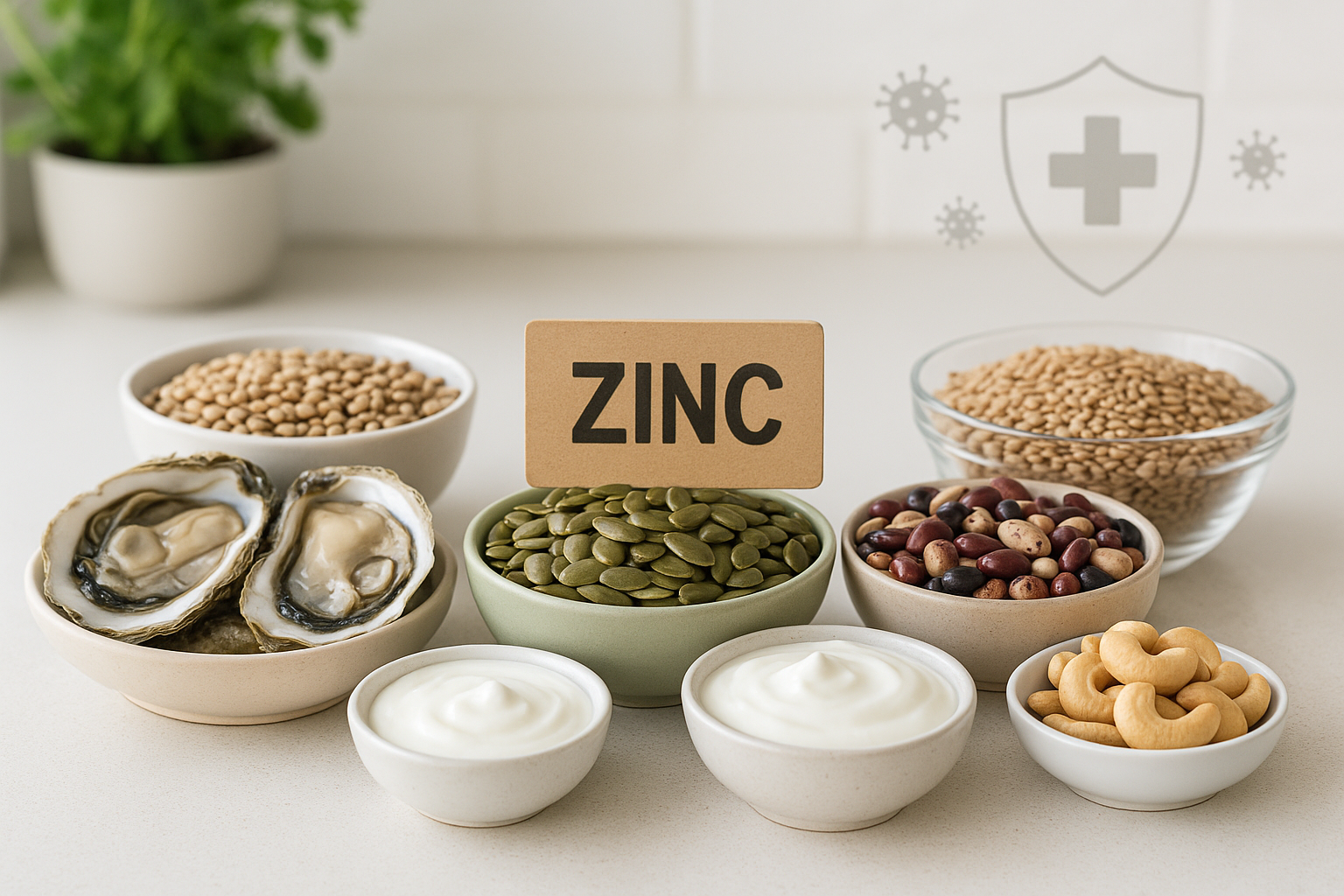
Good zinc-rich foods include:
- Oysters and other shellfish
- Beef, poultry, and pork
- Beans, chickpeas, and lentils
- Pumpkin seeds, sesame seeds, and hemp seeds
- Cashews and other nuts
- Yogurt, milk, and cheese
- Eggs
- Whole grains and fortified cereals
Plant foods can contain phytates, natural compounds that reduce zinc absorption. Soaking, sprouting, fermenting, or cooking legumes and grains may improve mineral availability.
Who may be at risk of low zinc?
Some people may be more likely to have inadequate zinc intake or absorption, including:
- People who eat a very limited diet
- Vegetarians and vegans who do not plan zinc intake carefully
- Older adults with low food intake
- People with certain digestive disorders
- People who have had gastrointestinal surgery
- Pregnant or breastfeeding individuals
- People with alcohol use disorder
If you think you may be low in zinc, it is best to speak with a healthcare professional before taking high-dose supplements.
Should you take a zinc supplement?
A supplement may be helpful for people who do not get enough zinc from food or who have increased needs. However, routine high-dose zinc is not necessary for most people and can cause problems if taken long term.
If you use a zinc supplement, check the label for the amount of elemental zinc. Many products contain different forms, such as zinc gluconate, zinc citrate, or zinc picolinate. Avoid exceeding the tolerable upper intake level unless your healthcare professional recommends it.
Zinc can also interact with certain medications, including some antibiotics and penicillamine. It may need to be taken at a different time of day from those medicines.
Simple ways to get enough zinc
You can support zinc intake with practical daily habits:
- Add pumpkin seeds or hemp seeds to oatmeal, yogurt, or salads.
- Include beans, lentils, or chickpeas in soups and bowls.
- Choose zinc-rich proteins such as seafood, poultry, beef, eggs, or dairy.
- Use fortified cereals or whole grains when appropriate.
- Pair plant-based zinc foods with a varied diet to support overall nutrient intake.
Key takeaway
Zinc is essential for normal immune function, but balance matters. Most people can meet their needs through zinc-rich foods, while supplements may be useful in specific situations. For long-term immune health, zinc works best as part of a broader foundation that includes enough sleep, a nutrient-rich diet, regular movement, stress management, and appropriate medical care.
References
NIH Office of Dietary Supplements: Zinc Fact Sheet for Consumers
The Connection Between Gut Health and Chronic Inflammation
The Connection Between Gut Health and Chronic Inflammation
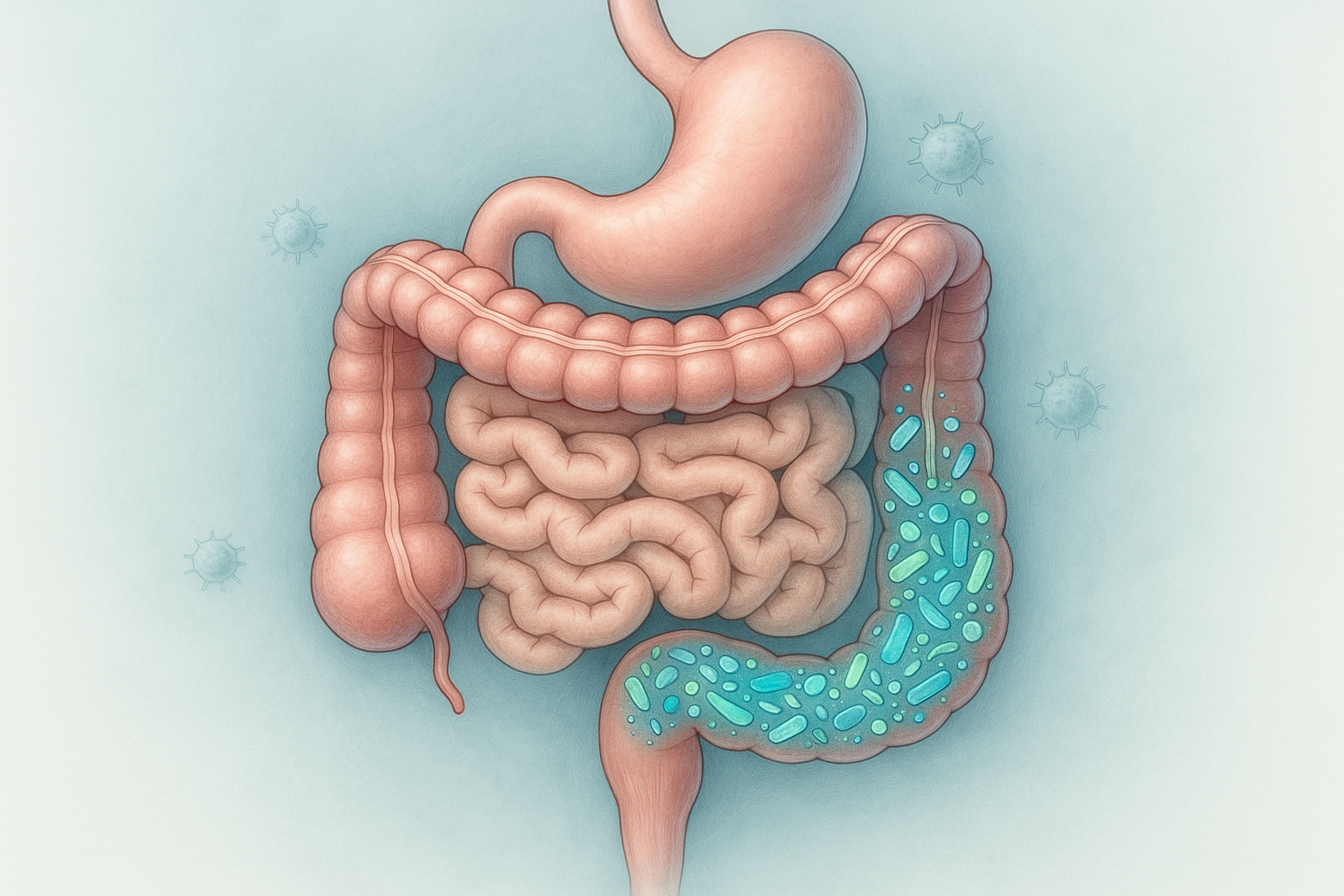
Gut health and inflammation are deeply linked. The gastrointestinal tract is not only responsible for digestion and nutrient absorption; it also plays a central role in immune regulation. A large portion of the immune system interacts with the gut, where it must distinguish between helpful microbes, food particles, and potential threats.
When the gut environment is balanced, it can help support normal immune responses. When it is disrupted, immune signaling may become more active, potentially contributing to chronic low-grade inflammation.
What Is Gut Health?
Gut health generally refers to how well the digestive system functions and how balanced the gut environment is. Key parts of gut health include:
- A diverse and stable gut microbiome
- A strong intestinal barrier
- Regular digestion and bowel movements
- Healthy immune communication in the gut
- Adequate production of beneficial microbial byproducts, such as short-chain fatty acids
The gut microbiome is the community of bacteria, fungi, viruses, and other microorganisms that live in the digestive tract. Many of these microbes help break down fiber, produce useful compounds, influence metabolism, and communicate with immune cells.
What Is Chronic Inflammation?
Inflammation is a normal immune response. Acute inflammation helps the body respond to injury or infection. Chronic inflammation, however, is longer-lasting and may occur when the immune system remains activated over time.
Chronic inflammation has been studied in connection with many health conditions, including cardiovascular disease, metabolic disorders, autoimmune conditions, inflammatory bowel disease, and certain digestive disorders. It is not always caused by the gut, but gut function can influence inflammatory pathways throughout the body.
How the Gut Influences Inflammation
The gut can affect inflammation through several overlapping mechanisms.
1. The Gut Microbiome Helps Train the Immune System
A balanced microbiome helps the immune system respond appropriately. Beneficial microbes can support immune tolerance, meaning the body is less likely to overreact to harmless substances.
When the microbiome becomes imbalanced, sometimes called dysbiosis, the immune system may receive different signals. This can contribute to a more inflammatory environment in some people.
2. The Intestinal Barrier Helps Control What Enters the Body
The intestinal lining acts as a selective barrier. It allows nutrients and water to pass through while helping keep harmful substances, pathogens, and unwanted particles out of circulation.
If the intestinal barrier becomes disrupted, immune cells may be exposed to more inflammatory triggers. Researchers continue to study how intestinal permeability relates to chronic inflammatory diseases.
3. Gut Bacteria Produce Anti-Inflammatory Compounds
When beneficial gut bacteria ferment dietary fiber, they produce short-chain fatty acids, including butyrate. These compounds help nourish cells in the colon and may support immune balance.
A diet low in fiber may reduce the fuel available for these beneficial bacteria. Over time, this can affect microbial diversity and the production of compounds involved in healthy immune regulation.
4. Diet Shapes the Gut Environment
Diet is one of the strongest influences on the gut microbiome. Diets rich in fruits, vegetables, legumes, whole grains, nuts, seeds, and fermented foods tend to support microbial diversity.
In contrast, diets high in ultra-processed foods, added sugars, and low-quality fats may be associated with less favorable gut microbial patterns and higher inflammatory markers in some studies.
5. Lifestyle Factors Affect Both Gut Health and Inflammation
Gut health is not only about food. Sleep, stress, movement, alcohol intake, smoking, medications, and illness can all influence the gut and immune system.
Chronic stress, for example, can affect gut motility, digestive symptoms, and immune signaling. Poor sleep may also contribute to systemic inflammation and alter microbial balance.
Signs Your Gut May Need Support
Digestive symptoms do not always mean chronic inflammation is present, but they can be a signal to pay attention. Common signs of gut imbalance may include:
- Frequent bloating or gas
- Irregular bowel movements
- Ongoing diarrhea or constipation
- Abdominal discomfort
- Food-related digestive symptoms
- Unexplained changes in appetite or stool patterns
Seek medical care promptly if you experience blood in the stool, persistent vomiting, unexplained weight loss, severe abdominal pain, fever, anemia, trouble swallowing, or symptoms that wake you from sleep.
How to Support Gut Health and Healthy Inflammation Levels
Eat More Fiber-Rich Plant Foods
Fiber feeds beneficial gut bacteria and supports regular bowel movements. Good sources include beans, lentils, oats, barley, berries, apples, vegetables, chia seeds, flaxseed, and whole grains.
Increase fiber gradually and drink enough water to reduce bloating or discomfort.
Include Fermented Foods if Tolerated
Fermented foods may help support microbial diversity. Examples include yogurt with live cultures, kefir, sauerkraut, kimchi, tempeh, and miso.
People who are immunocompromised or have complex medical conditions should ask a healthcare professional before adding unpasteurized fermented foods or probiotic supplements.
Choose an Anti-Inflammatory Eating Pattern
A Mediterranean-style eating pattern is often recommended for overall health. It emphasizes vegetables, fruits, legumes, whole grains, olive oil, nuts, seeds, herbs, spices, and fish, while limiting ultra-processed foods and excessive added sugar.
Limit Ultra-Processed Foods
Highly processed foods can be low in fiber and high in additives, refined starches, added sugars, and unhealthy fats. Reducing these foods may help improve overall diet quality and support a healthier gut environment.
Prioritize Sleep and Stress Management
Consistent sleep and stress reduction can support both digestive and immune function. Helpful habits may include regular sleep timing, morning light exposure, mindfulness, breathing exercises, physical activity, and limiting alcohol close to bedtime.
Use Antibiotics Only When Needed
Antibiotics can be lifesaving, but they can also disrupt the gut microbiome. Use antibiotics only when prescribed and take them exactly as directed. Ask your healthcare professional whether diet or probiotics are appropriate during or after treatment.
Are Probiotics Helpful for Inflammation?
Probiotics may be helpful for certain conditions, but their effects depend on the strain, dose, person, and health goal. They are not a universal solution for chronic inflammation.
If you are considering a probiotic, choose products with clearly listed strains and colony-forming units, and discuss them with a healthcare professional if you are pregnant, immunocompromised, seriously ill, or taking medications.
The Bottom Line
The connection between gut health and chronic inflammation centers on the microbiome, intestinal barrier, immune signaling, and diet. A diverse, fiber-supported gut microbiome may help the immune system stay balanced, while gut disruption may contribute to inflammatory activity in some people.
The most evidence-aligned approach is to focus on consistent fundamentals: eat more plant fiber, choose minimally processed foods, include fermented foods if tolerated, sleep well, manage stress, move regularly, and seek medical evaluation for persistent or concerning symptoms.
References
Natural Remedies for Bloating and Digestive Discomfort
Natural Remedies for Bloating and Digestive Discomfort
Bloating can happen when gas builds up in the digestive tract, digestion slows, constipation occurs, or the gut reacts to certain foods. Occasional bloating is usually not serious, but it can be uncomfortable. The following natural remedies may help ease mild bloating and support better digestive comfort.
1. Eat more slowly
Eating quickly can cause you to swallow extra air, which may increase gas and bloating. Try taking smaller bites, chewing thoroughly, and pausing between bites. Avoid talking while chewing and limit drinking through straws if you notice they worsen symptoms.
2. Take a gentle walk after meals
Light movement can help stimulate digestion and encourage gas to move through the intestines. A 10 to 20 minute walk after eating may be enough to reduce fullness and abdominal pressure.
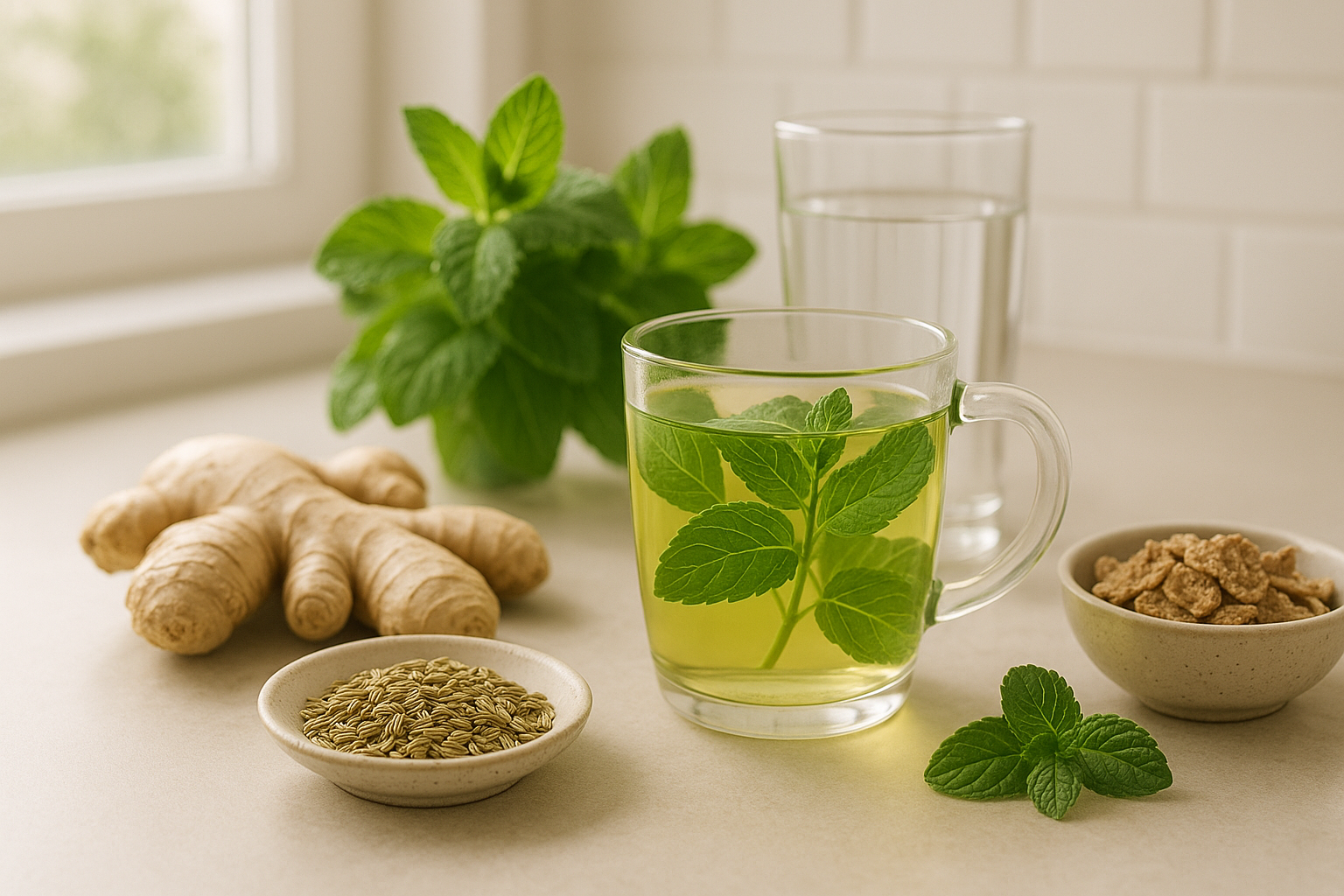
3. Try peppermint or ginger tea
Peppermint tea is commonly used for digestive comfort, and ginger has a long history of use for nausea and indigestion. Sip slowly after meals and notice how your body responds. People with acid reflux may find peppermint worsens symptoms, so ginger or chamomile may be a better option.
4. Stay hydrated
Water supports normal digestion and helps prevent constipation, a common cause of bloating. If you are increasing fiber intake, hydration becomes even more important because fiber needs fluid to move comfortably through the digestive system.
5. Increase fiber gradually
Fiber supports regular bowel movements and a healthy gut microbiome, but adding too much too quickly can increase gas. If your diet is low in fiber, increase intake slowly with foods such as oats, beans, lentils, berries, vegetables, chia seeds, and ground flaxseed.
6. Identify personal food triggers
Some people feel bloated after eating foods such as beans, onions, garlic, wheat, dairy, cruciferous vegetables, carbonated drinks, or sugar alcohols. A short food and symptom diary can help identify patterns. Do not remove major food groups long term without guidance from a healthcare professional or registered dietitian.
7. Consider probiotic foods
Fermented foods such as yogurt with live cultures, kefir, sauerkraut, kimchi, miso, and tempeh may support gut microbial balance. Probiotics affect people differently, so start with small amounts and monitor symptoms. If bloating worsens, pause and reassess.
8. Reduce carbonated drinks
Sparkling water, soda, beer, and other carbonated beverages can introduce gas into the digestive tract. Switching to still water or warm herbal tea may help if carbonation is a trigger.
9. Support regular bowel movements
Constipation often causes bloating. Helpful habits include drinking water, eating fiber-rich foods, moving daily, and responding promptly to the urge to have a bowel movement. If constipation is frequent or painful, seek medical guidance.
10. Practice stress reduction
Stress can affect gut motility and sensitivity. Deep breathing, gentle yoga, meditation, and relaxed mealtimes may help calm the gut-brain connection and reduce digestive discomfort.
When to seek medical care
Contact a healthcare provider if bloating is persistent, severe, new and unexplained, or accompanied by warning signs such as blood in stool, persistent vomiting, fever, unexplained weight loss, difficulty swallowing, severe abdominal pain, or a major change in bowel habits.
Bottom line
Natural remedies for bloating often work best when combined: eat slowly, walk after meals, hydrate, increase fiber gradually, reduce carbonated drinks, and identify personal triggers. If bloating keeps coming back or interferes with daily life, professional evaluation can help uncover the cause and guide treatment.
References

Early Signs of Vitamin D Deficiency and Natural Ways to Support Healthy Levels
Early Signs of Vitamin D Deficiency and Natural Ways to Support Healthy Levels
Vitamin D is a fat-soluble nutrient that helps regulate calcium and phosphorus, supports bones and muscles, and contributes to normal immune function. The body can make vitamin D when skin is exposed to ultraviolet B rays from sunlight, but many people still develop low levels because of limited sun exposure, darker skin pigmentation, aging, certain medical conditions, diet, or medication use.
Vitamin D deficiency symptoms can be mild, vague, or absent at first. For that reason, a blood test is the most reliable way to know your vitamin D status.
Common early signs of vitamin D deficiency
Early signs may include:
- Tiredness or low energy
- Muscle aches, weakness, or cramps
- Bone discomfort or tenderness
- Mood changes or low mood
- More frequent minor illnesses
- Slow recovery after physical activity
- Hair shedding in some cases
These symptoms can also be caused by many other conditions, including anemia, thyroid disorders, sleep problems, depression, chronic stress, and other nutrient deficiencies. If symptoms persist, it is important to discuss them with a healthcare professional rather than assuming vitamin D is the cause.
More serious signs of low vitamin D
When vitamin D deficiency is more severe or long-lasting, it can affect bone health. In children, severe deficiency may contribute to rickets. In adults, it may contribute to osteomalacia, bone pain, muscle weakness, and increased risk of falls or fractures, especially in older adults.
Seek medical evaluation if you have persistent bone pain, unexplained muscle weakness, repeated fractures, difficulty walking, or symptoms that interfere with daily life.
Who is more likely to have low vitamin D?
Some people have a higher risk of deficiency, including those who:
- Get little sunlight exposure
- Wear clothing that covers most of the skin outdoors
- Have darker skin, which reduces vitamin D production from sunlight
- Are older adults, because skin becomes less efficient at making vitamin D
- Have obesity, since vitamin D can be sequestered in body fat
- Follow a diet low in vitamin D rich foods
- Have malabsorption conditions such as celiac disease, Crohn’s disease, or certain digestive disorders
- Have had weight-loss surgery
- Take certain medications that affect vitamin D metabolism
- Are exclusively breastfed infants without recommended supplementation
How vitamin D deficiency is diagnosed
Vitamin D status is usually assessed with a blood test called 25-hydroxyvitamin D. Your clinician can interpret the result based on your health history, symptoms, risk factors, and local laboratory reference ranges.
Routine testing is not necessary for everyone, but it may be recommended for people with symptoms, bone health concerns, malabsorption conditions, osteoporosis risk, or other medical reasons.
Natural ways to support healthy vitamin D levels
1. Get safe sunlight exposure
Sunlight can help your body make vitamin D, but the amount produced depends on season, latitude, time of day, cloud cover, air pollution, age, skin tone, and sunscreen use. Short periods of sun exposure may help some people, but sunburn increases skin cancer risk and should be avoided.
A practical approach is to aim for regular outdoor time while following sun safety guidance. People at higher risk for skin cancer or those with medical restrictions should ask a clinician how to balance vitamin D needs with skin protection.
2. Eat vitamin D rich foods
Food sources of vitamin D include:
- Fatty fish such as salmon, trout, tuna, and sardines
- Egg yolks
- Fortified milk or fortified plant-based beverages
- Fortified breakfast cereals
- Fortified orange juice in some regions
- Mushrooms exposed to ultraviolet light
Because relatively few foods naturally contain vitamin D, diet alone may not be enough for everyone.
3. Consider supplements when appropriate
Vitamin D supplements can be helpful when sunlight and diet are not enough. The two common forms are vitamin D2 and vitamin D3. Many clinicians use vitamin D3, but the best option and dose depend on your individual needs and blood test results.
Do not take high-dose vitamin D unless advised by a healthcare professional. Excessive vitamin D can cause toxicity, leading to high calcium levels, nausea, vomiting, weakness, kidney problems, and other serious effects.
4. Support overall nutrient balance
Vitamin D works closely with calcium, phosphorus, and magnesium. A balanced diet that includes adequate protein, minerals, and whole foods supports bone and muscle health. If you have osteoporosis, kidney disease, parathyroid disease, or a history of kidney stones, ask your clinician before changing vitamin D or calcium intake.
When to talk to a healthcare professional
Consider medical guidance if you have ongoing fatigue, muscle weakness, bone pain, frequent falls, osteoporosis, digestive disorders, limited sun exposure, or risk factors for deficiency. A simple blood test can help determine whether supplementation is needed and what dose is appropriate.
Key takeaway
Vitamin D deficiency symptoms are often subtle and can overlap with many other health issues. Early signs may include fatigue, muscle aches, weakness, and bone discomfort. Safe sunlight exposure, vitamin D rich foods, and clinician-guided supplementation can help support healthy levels, but testing is the best way to confirm deficiency and guide treatment.
References
NIH Office of Dietary Supplements: Vitamin D Fact Sheet for Consumers