Iron Deficiency Without Anemia: Hidden Symptoms and How to Rebuild Iron Stores Safely
What Is Iron Deficiency Without Anemia?
Iron deficiency without anemia occurs when iron stores are low but hemoglobin levels remain within the normal range. Hemoglobin is often the only marker checked in routine blood work, which means early or mild deficiency can go unnoticed.
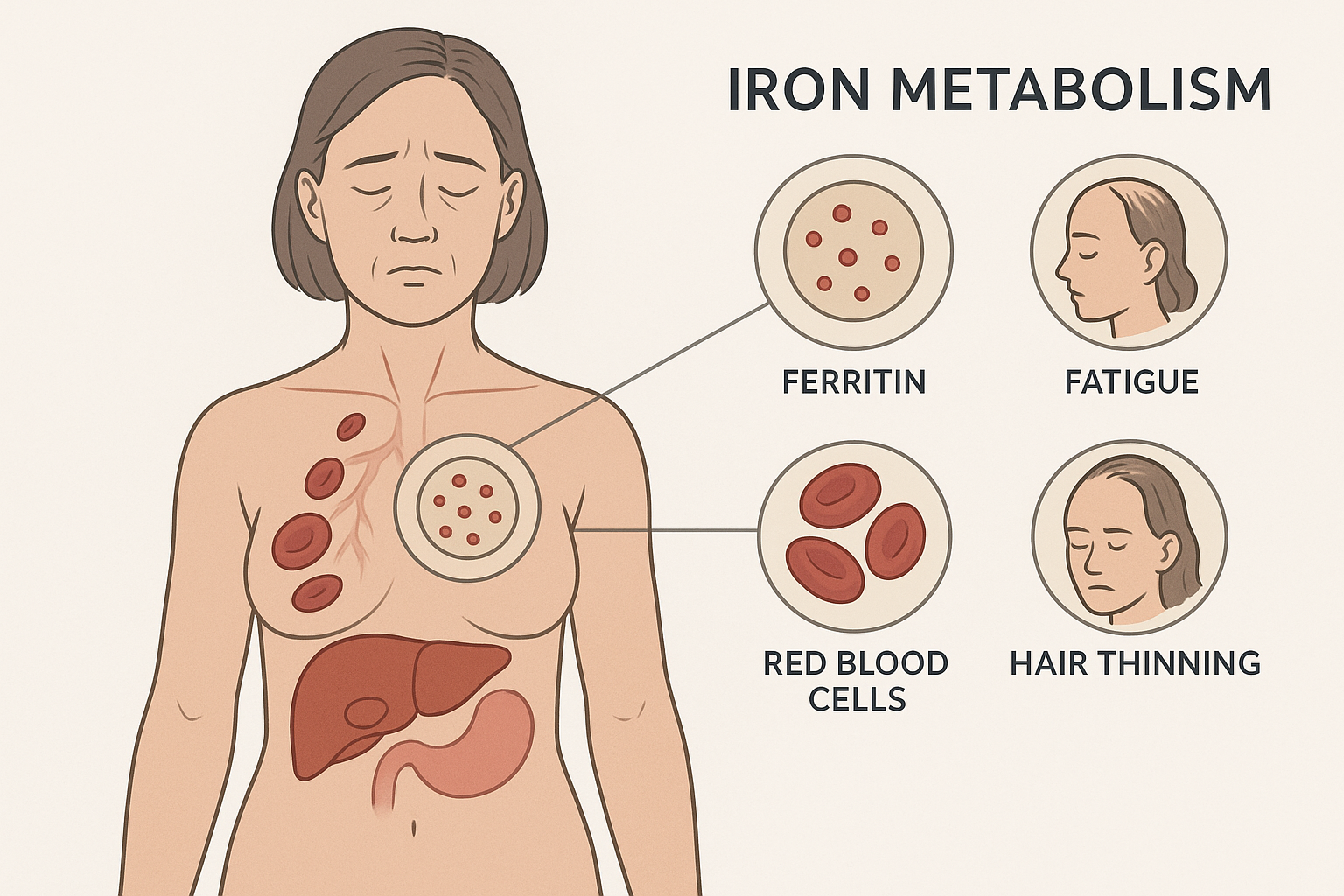
Ferritin, a protein that reflects stored iron, is typically the most useful early indicator. Low ferritin with normal hemoglobin may still produce significant symptoms.
Why Iron Matters Beyond Hemoglobin
Iron plays critical roles in:
- Oxygen transport and storage
- Mitochondrial energy production
- Thyroid hormone metabolism
- Neurotransmitter synthesis (dopamine, serotonin)
- Immune function
- Hair and skin health
When iron stores decline, these systems may be affected even before anemia develops.
Hidden Symptoms of Iron Deficiency Without Anemia
Symptoms are often subtle and nonspecific, including:
Persistent Fatigue
Low iron can impair cellular energy production, leading to constant tiredness despite adequate sleep.
Brain Fog and Poor Concentration
Iron is essential for cognitive performance and neurotransmitter balance. Low levels may cause difficulty focusing, memory lapses, or reduced productivity.
Hair Thinning or Increased Shedding
Hair follicles are sensitive to reduced iron stores. Diffuse shedding may occur even with normal hemoglobin.
Exercise Intolerance
You may feel unusually winded or weak during workouts due to impaired oxygen utilization in muscles.
Cold Sensitivity
Iron deficiency can reduce thermoregulation efficiency, leading to feeling cold more often than others.
Restless Legs or Sleep Disturbance
Low iron has been associated with restless legs symptoms and poorer sleep quality.
Mood Changes
Irritability, low motivation, or mild depressive symptoms may appear due to altered neurotransmitter function.
Who Is at Higher Risk?
- Menstruating individuals
- Pregnant or postpartum women
- Vegetarians and vegans
- Endurance athletes
- Individuals with gastrointestinal disorders
- Frequent blood donors
How Iron Deficiency Is Diagnosed
A comprehensive iron panel may include:
- Ferritin
- Serum iron
- Total iron-binding capacity (TIBC)
- Transferrin saturation
- Hemoglobin and hematocrit
Ferritin levels below optimal ranges may indicate depleted iron stores even if anemia is absent.
How to Rebuild Iron Stores Safely
1. Identify and Address the Root Cause
Heavy menstrual bleeding, gastrointestinal blood loss, poor dietary intake, or absorption issues should be evaluated.
2. Optimize Dietary Iron
Heme iron (better absorbed):
- Lean red meat
- Poultry
- Fish
Non-heme iron (plant sources):
- Lentils
- Beans
- Tofu
- Spinach
- Pumpkin seeds
Enhance absorption by pairing iron-rich foods with vitamin C sources such as citrus, berries, or bell peppers.
Avoid consuming iron with calcium supplements, tea, or coffee, which may inhibit absorption.
3. Consider Iron Supplementation Carefully
Supplementation should be guided by a healthcare professional. Key principles include:
- Start with the lowest effective dose
- Consider alternate-day dosing to improve absorption and reduce gastrointestinal side effects
- Recheck labs after several weeks
Common side effects include constipation, nausea, and abdominal discomfort. Taking iron with food may reduce symptoms but slightly lower absorption.
4. Monitor Progress
Ferritin levels typically rise gradually. Repletion may take several months depending on severity. Over-supplementation should be avoided, as excess iron can be harmful.
When to Seek Medical Evaluation
Seek medical care if you experience:
- Severe fatigue
- Shortness of breath
- Chest pain
- Unexplained weight loss
- Blood in stool
- Heavy or prolonged menstrual bleeding
These may indicate more serious underlying conditions.
Key Takeaways
Iron deficiency without anemia is real and clinically significant. Subtle symptoms such as fatigue, brain fog, hair thinning, and exercise intolerance may appear before anemia develops. Proper testing, dietary optimization, careful supplementation, and monitoring can safely restore iron stores and improve overall health.