
Probiotics for Immune System Support: How Gut Health Shapes Immunity
## Understanding the Gut-Immune Connection
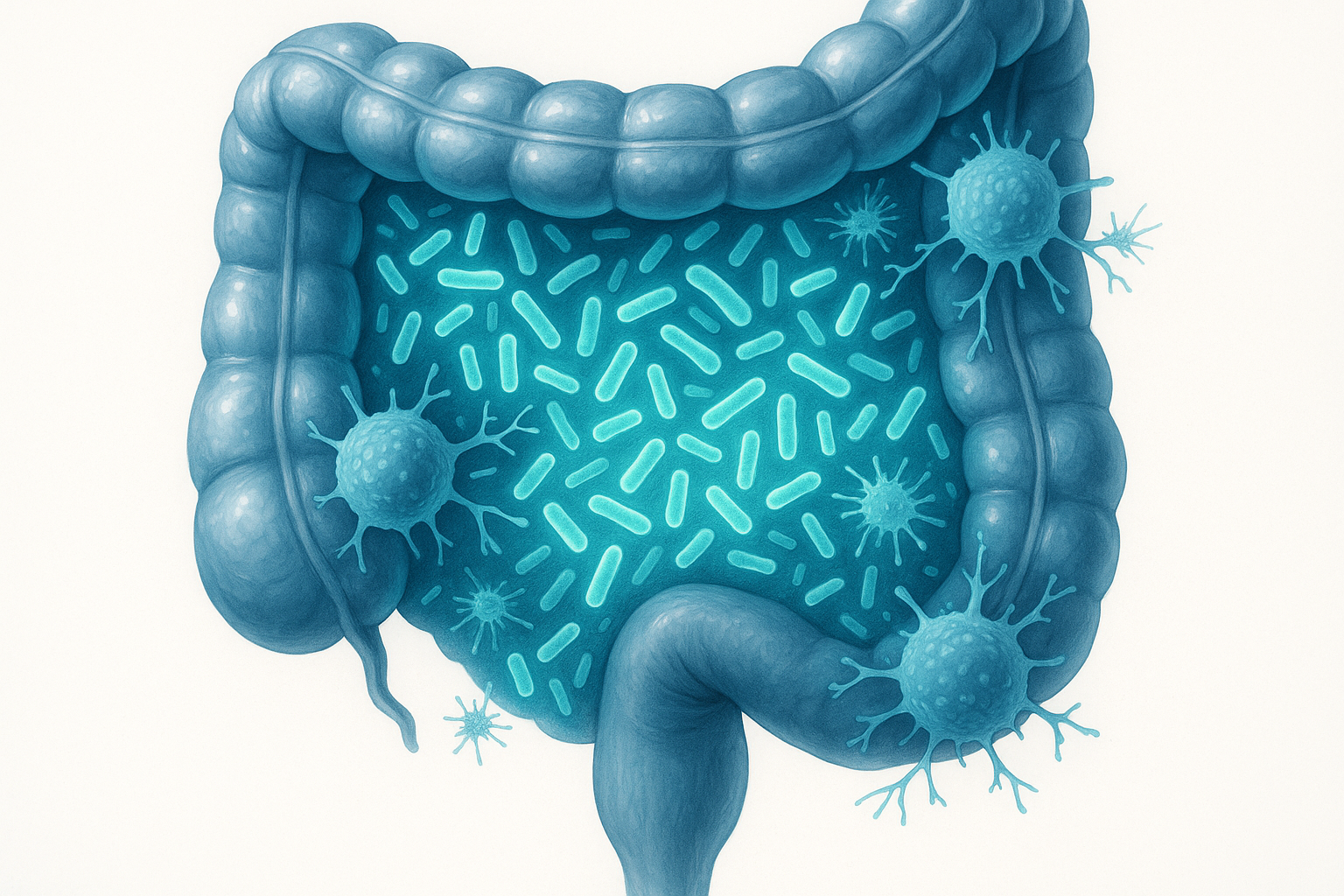
Approximately 70 percent of the immune system resides in the gut-associated lymphoid tissue. The gastrointestinal tract acts as both a digestive organ and a critical immune barrier. It must distinguish between harmful pathogens and harmless substances such as food particles and beneficial bacteria.
A balanced gut microbiome supports this process by communicating with immune cells, regulating inflammation, and reinforcing the intestinal barrier. When the microbiome is disrupted, immune responses can become weakened or overactive.
## What Are Probiotics?
Probiotics are live microorganisms, primarily beneficial bacteria and certain yeasts, that provide health benefits when consumed in adequate amounts. Common probiotic strains include Lactobacillus, Bifidobacterium, and Saccharomyces boulardii.

These beneficial microbes help restore and maintain microbial balance in the gut, especially after disruptions caused by stress, illness, poor diet, or antibiotic use.
## How Probiotics Improve Gut Health
### 1. Strengthening the Gut Barrier
The intestinal lining acts as a protective barrier that prevents harmful microbes and toxins from entering the bloodstream. Probiotics support the integrity of this barrier by promoting tight junction proteins and reducing intestinal permeability.
A stronger gut barrier reduces systemic inflammation and supports immune resilience.
### 2. Balancing the Microbiome
A diverse microbiome is associated with better immune regulation. Probiotics help crowd out harmful bacteria by competing for nutrients and attachment sites along the intestinal wall. They also produce antimicrobial substances that inhibit pathogenic growth.
This balanced environment allows beneficial microbes to thrive and maintain immune equilibrium.
### 3. Modulating Immune Response
Probiotics interact directly with immune cells in the gut. They help regulate cytokine production, enhance antibody responses, and stimulate protective immune cells such as natural killer cells and macrophages.
Rather than simply boosting immunity, probiotics help modulate it, promoting a response that is strong against threats but controlled enough to avoid excessive inflammation.
### 4. Supporting Anti-Inflammatory Activity
Chronic inflammation can impair immune efficiency. Certain probiotic strains produce short-chain fatty acids such as butyrate, which nourish intestinal cells and reduce inflammatory signaling.
Lower inflammation levels create a more stable internal environment for immune function.
## Probiotics and Infection Defense
Research suggests that specific probiotic strains may reduce the duration and severity of some respiratory and gastrointestinal infections. By enhancing mucosal immunity and increasing secretory immunoglobulin A production, probiotics strengthen the body’s first line of defense.
However, effectiveness depends on the strain, dosage, and individual health status.
## Choosing the Right Probiotic
When selecting probiotics for immune system support, consider the following factors:
– Clinically studied strains
– Adequate colony-forming units as supported by research
– Proper storage and expiration information
– Third-party quality testing
Different strains offer different benefits, so targeted supplementation may be more effective than generic formulations.
## Diet, Prebiotics, and Lifestyle Factors
Probiotics work best when combined with supportive habits. Prebiotics, which are nondigestible fibers found in foods like garlic, onions, bananas, and oats, feed beneficial bacteria. A diet rich in fiber, fermented foods, and plant diversity encourages microbial balance.
Adequate sleep, stress management, and regular physical activity also play important roles in maintaining a healthy gut-immune connection.
## The Bottom Line
Probiotics for immune system health operate through a complex and well-established gut-immune axis. By strengthening the intestinal barrier, balancing microbial populations, and regulating inflammation, probiotics help create conditions that allow the immune system to function effectively.
While probiotics are not a cure-all, they can be a valuable component of a comprehensive gut health strategy aimed at supporting long-term immune resilience.