Iron Deficiency Without Anemia: Symptoms and Natural Replenishment Tips
## Understanding Iron Deficiency Without Anemia
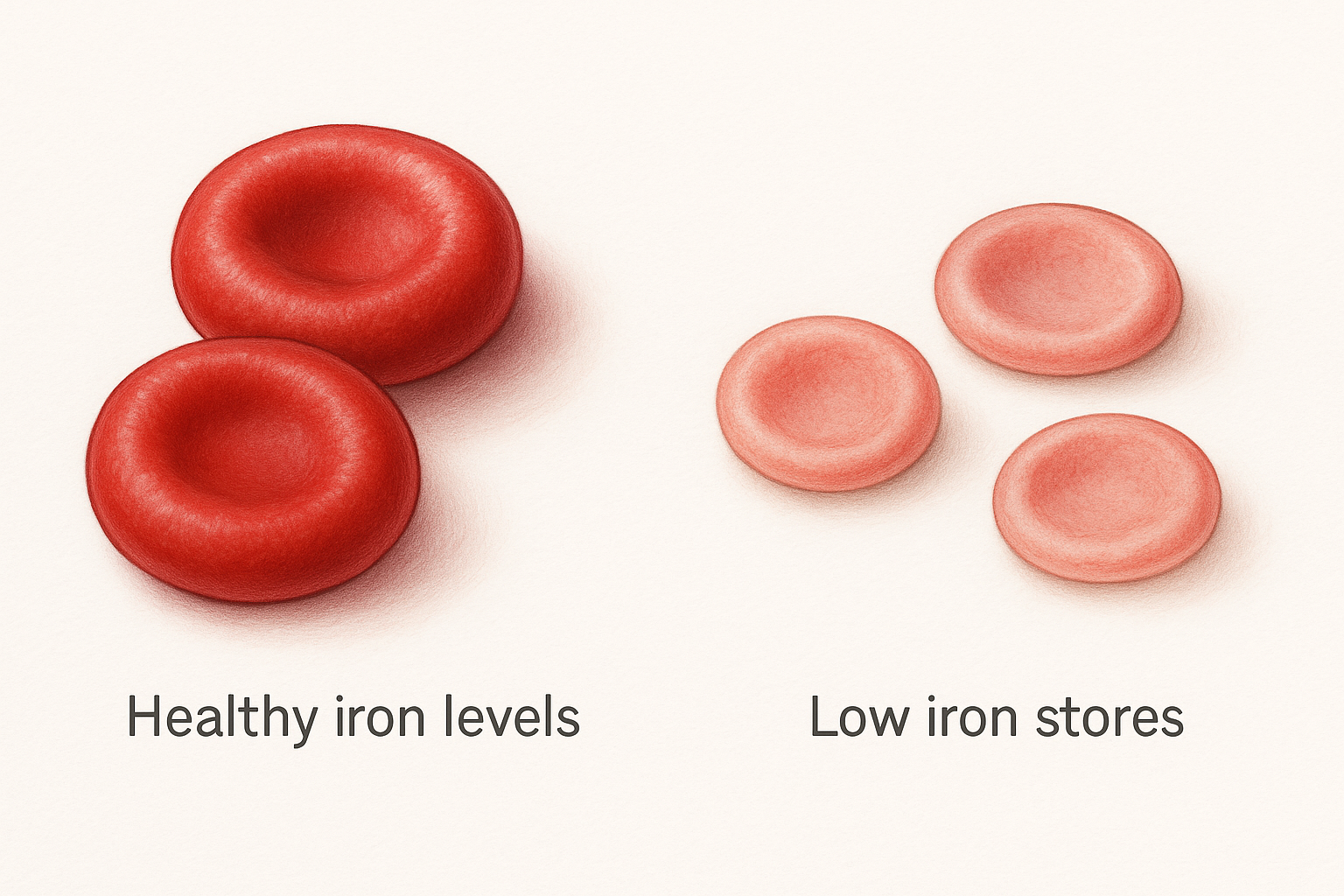
Iron deficiency without anemia occurs when iron stores are depleted but hemoglobin levels remain within the normal laboratory range. Hemoglobin is often the only marker checked in routine blood work, which means early stage iron depletion can go unnoticed.
Ferritin is the key marker used to assess iron storage. Low ferritin with normal hemoglobin typically indicates iron deficiency without anemia.
## Why Iron Matters
Iron plays essential roles in the body beyond preventing anemia. It is required for:
– Oxygen transport and storage
– Energy production within cells
– Thyroid function
– Neurotransmitter synthesis
– Immune health
– Hair and skin health
When iron stores decline, these systems may begin to struggle even before anemia develops.
## Common Symptoms of Iron Deficiency Without Anemia
Symptoms are often subtle at first and may be misattributed to stress or poor sleep. They can include:
– Persistent fatigue or low stamina
– Brain fog or difficulty concentrating
– Hair thinning or increased shedding
– Brittle nails
– Pale skin
– Shortness of breath during exertion
– Cold intolerance
– Restless legs
– Frequent headaches
Because hemoglobin remains normal, symptoms may be dismissed unless ferritin and iron studies are evaluated.
## Common Causes
Several factors can contribute to low iron stores without anemia:
– Heavy menstrual bleeding
– Pregnancy or postpartum recovery
– Endurance training
– Vegetarian or low iron diets
– Digestive disorders affecting absorption
– Low stomach acid
– Frequent blood donation
Identifying the root cause is essential for long term correction.
## Optimal Testing Markers
If iron deficiency is suspected, a comprehensive iron panel may include:
– Ferritin
– Serum iron
– Total iron binding capacity
– Transferrin saturation
– Hemoglobin and hematocrit
Ferritin below optimal ranges, even within laboratory reference intervals, may be associated with symptoms in some individuals.
## Natural Replenishment Strategies
### 1. Increase Iron Rich Foods
Focus on both heme and non heme iron sources.
Heme iron sources include:
– Grass fed red meat
– Liver
– Poultry
– Shellfish
Non heme iron sources include:
– Lentils
– Spinach
– Pumpkin seeds
– Tofu
– Quinoa
Heme iron is generally absorbed more efficiently.
### 2. Pair Iron With Vitamin C
Vitamin C significantly enhances non heme iron absorption. Combine iron rich foods with:
– Citrus fruits
– Bell peppers
– Strawberries
– Kiwi
– Broccoli
Even a small amount of vitamin C at meals can improve uptake.
### 3. Reduce Iron Blockers Around Meals
Certain compounds inhibit iron absorption, including:
– Tannins in tea and coffee
– Calcium supplements
– High dose zinc
– Phytates in some grains and legumes
Avoid consuming tea, coffee, or calcium supplements within one to two hours of iron rich meals.
### 4. Support Digestive Health
Adequate stomach acid is necessary for iron absorption. Chronic stress, aging, and acid suppressing medications may impair absorption. Addressing digestive health can improve iron status over time.
### 5. Consider Targeted Supplementation
When dietary strategies are insufficient, iron supplements may be recommended by a healthcare professional. Forms such as iron bisglycinate are often better tolerated. Supplementation should always be monitored with repeat lab testing to avoid excess iron.
## How Long Does Repletion Take
Rebuilding iron stores can take several weeks to months depending on severity and underlying cause. Ferritin levels should be rechecked periodically to monitor progress.
## When to Seek Medical Care
Consult a healthcare provider if you experience:
– Severe fatigue
– Chest pain or palpitations
– Fainting
– Black or bloody stools
– Rapid hair loss
These may signal more serious conditions requiring prompt evaluation.
## Key Takeaway
Iron deficiency without anemia is a real and often overlooked condition. Even without low hemoglobin, depleted iron stores can significantly affect energy, cognition, and overall wellbeing. Early testing, root cause identification, and strategic dietary changes can help restore optimal iron levels and prevent progression to anemia.