
Zinc for Immune Health: How It Strengthens Defense and Reduces Infection Risk
How Zinc Supports Immune Function
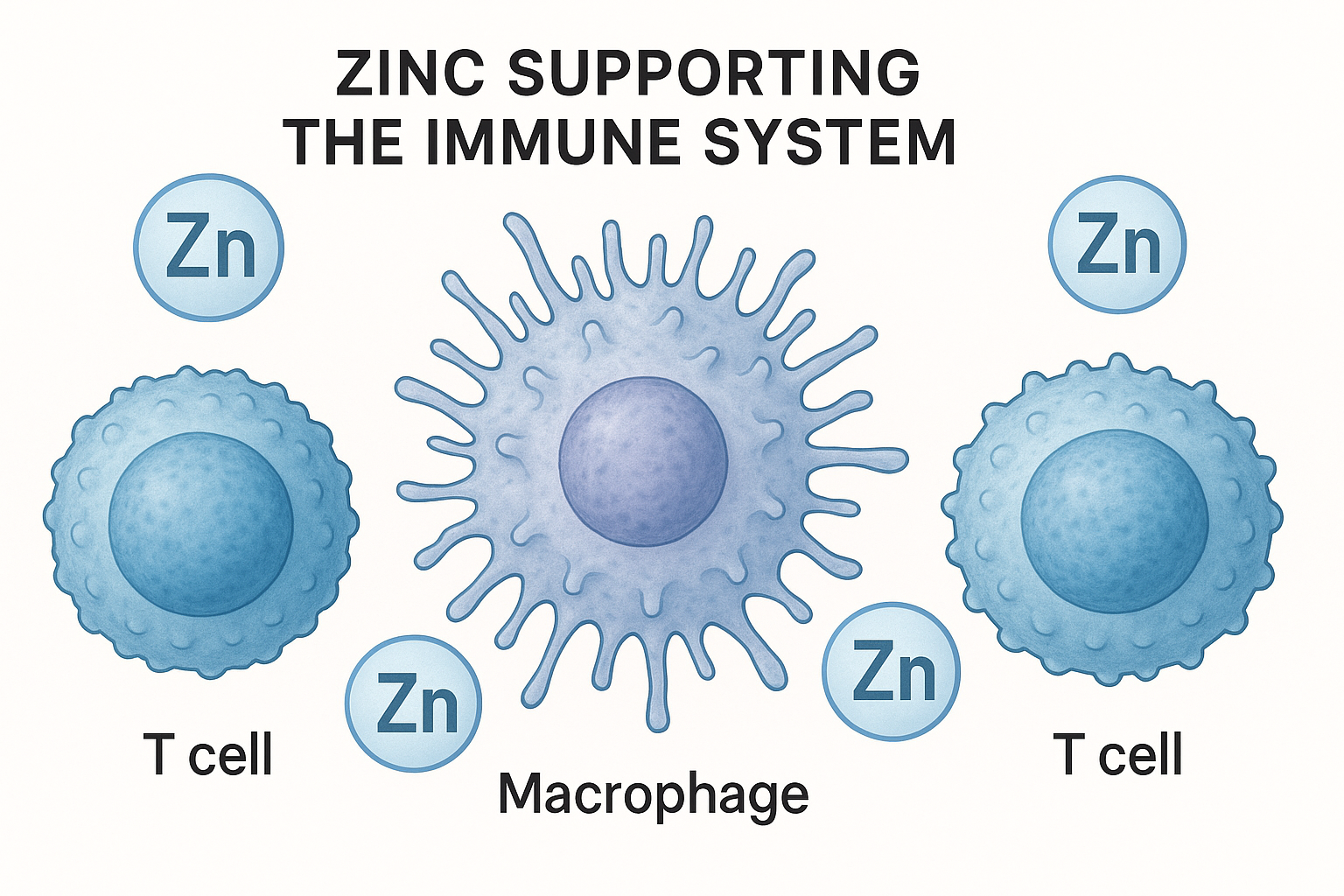
Zinc is vital for both innate and adaptive immunity. It influences the function of neutrophils, natural killer cells, macrophages, and T and B lymphocytes. These cells identify and eliminate invading pathogens such as bacteria and viruses.
Zinc also acts as a signaling molecule in immune cells, helping coordinate appropriate immune responses. Without adequate zinc, immune cell communication becomes less efficient, weakening overall defense.
Zinc and Infection Risk
Research shows that zinc deficiency is associated with increased susceptibility to infections, particularly respiratory infections. Zinc helps maintain the integrity of physical barriers such as the skin and mucous membranes, which serve as the body’s first line of defense.
In some cases, zinc supplementation has been shown to reduce the duration and severity of common cold symptoms when taken early. This effect is thought to result from zinc’s ability to interfere with viral replication and support antiviral immune responses.
Anti Inflammatory and Antioxidant Effects
Zinc contributes to immune balance by regulating inflammation. It supports antioxidant enzymes that help reduce oxidative stress during infection. By modulating inflammatory signaling, zinc helps prevent excessive immune reactions that can damage healthy tissues.

Recommended Intake and Sources
The recommended dietary allowance for zinc varies by age and sex, but adult men generally require about 11 milligrams per day and adult women about 8 milligrams per day. Good dietary sources include meat, shellfish, legumes, seeds, nuts, and whole grains.
Because high doses of zinc can interfere with copper absorption and cause side effects, supplementation should be guided by a healthcare professional.
The Bottom Line
Zinc is a critical nutrient for immune health. It strengthens immune defense by supporting immune cell development, maintaining protective barriers, regulating inflammation, and reducing infection risk when adequate levels are maintained.
References: