
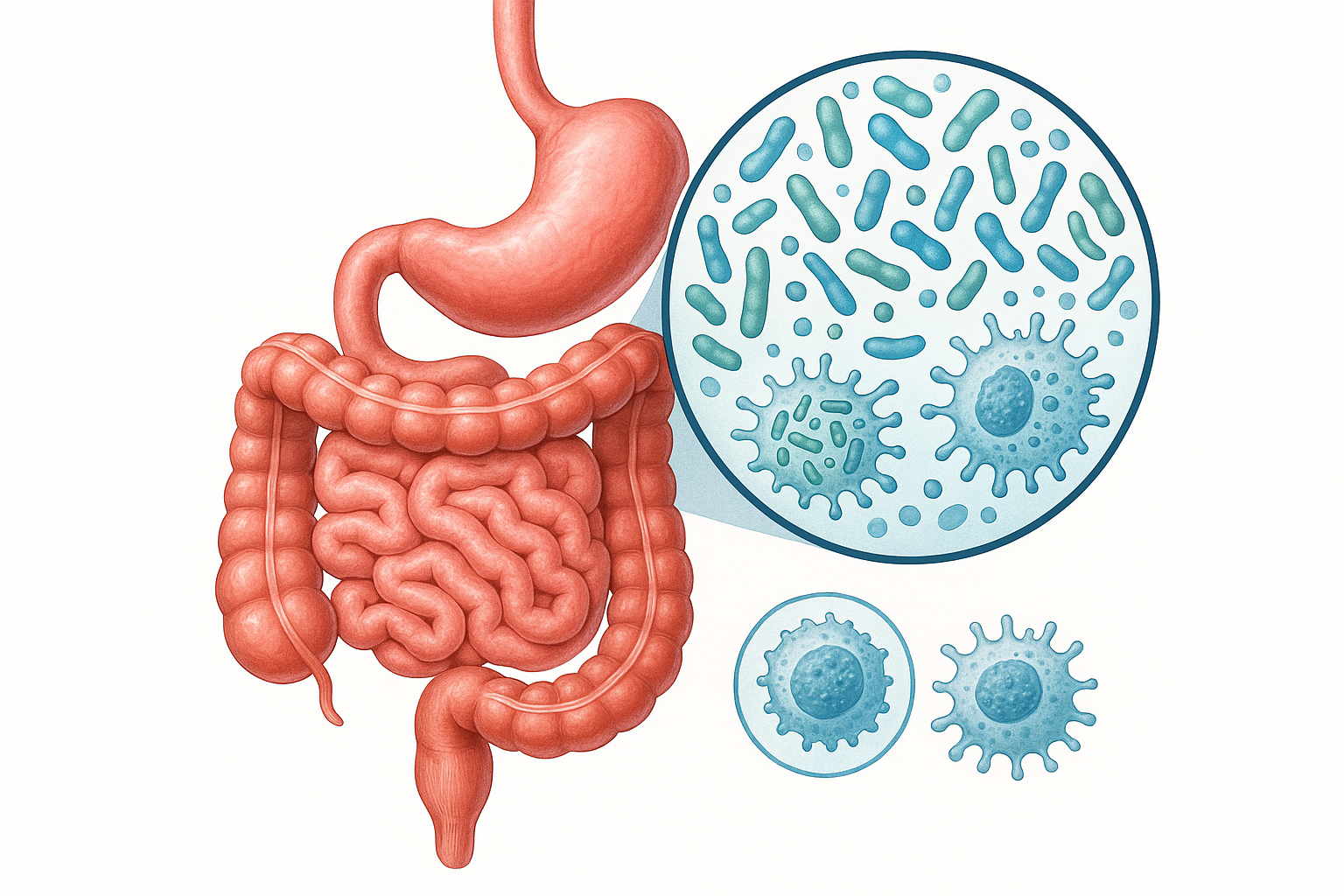
How Probiotics Strengthen Immune Health Through the Gut
The Gut-Immune System Connection
Approximately 70 percent of the immune system is located in the gut-associated lymphoid tissue (GALT). The intestinal lining acts as a protective barrier, while beneficial microbes help regulate immune responses. A balanced gut microbiome supports communication between immune cells and helps the body distinguish between harmful pathogens and harmless substances.
When the gut microbiota is disrupted, a condition known as dysbiosis, immune regulation may be impaired. This imbalance can contribute to increased inflammation and reduced resistance to infections.
What Are Probiotics?
Probiotics are live microorganisms, typically bacteria or yeasts, that provide health benefits when consumed in adequate amounts. Common probiotic strains include Lactobacillus and Bifidobacterium species. They are found in fermented foods such as yogurt, kefir, sauerkraut, and in dietary supplements.
How Probiotics Support Immune Health
1. Strengthening the Gut Barrier
Probiotics help maintain the integrity of the intestinal lining. A strong gut barrier prevents harmful pathogens and toxins from entering the bloodstream, reducing unnecessary immune activation.
2. Enhancing Immune Cell Function
Certain probiotic strains stimulate the production and activity of immune cells, including macrophages, natural killer cells, and T lymphocytes. These cells play essential roles in identifying and eliminating harmful invaders.

3. Modulating Inflammation
Probiotics can help regulate cytokines, which are signaling proteins that control inflammation. By promoting anti-inflammatory pathways and balancing pro-inflammatory responses, probiotics contribute to immune stability.
4. Supporting Antibody Production
Research suggests that probiotics may enhance the production of immunoglobulin A (IgA), an antibody found in mucosal surfaces such as the gut and respiratory tract. IgA plays a critical role in neutralizing pathogens before they cause infection.
5. Competing With Harmful Microbes
Beneficial bacteria compete with pathogens for nutrients and attachment sites along the intestinal wall. This competitive exclusion helps limit the growth of harmful organisms.
Probiotics and Respiratory Health
Some studies indicate that certain probiotic strains may reduce the frequency or duration of upper respiratory infections. While results vary depending on strain and dosage, the gut-lung axis demonstrates how gut health can influence immune responses beyond the digestive system.
Choosing the Right Probiotic
Not all probiotics provide the same effects. Benefits are strain-specific, meaning different strains influence the immune system in different ways. When selecting a probiotic:
- Look for clearly labeled strains (for example, Lactobacillus rhamnosus GG).
- Choose products with clinically studied strains.
- Follow storage instructions to maintain potency.
- Discuss use with a healthcare provider if you are immunocompromised.
Supporting Probiotics With Diet
Probiotics work best when combined with prebiotics, which are fibers that feed beneficial bacteria. Foods rich in prebiotics include garlic, onions, bananas, asparagus, and whole grains. A balanced diet rich in fiber, fermented foods, and plant diversity supports long-term immune resilience.
The Bottom Line
Probiotics strengthen immune health primarily by supporting the gut microbiome, reinforcing the intestinal barrier, regulating inflammation, and enhancing immune cell function. While they are not a cure-all, probiotics can be a valuable part of a comprehensive immune health strategy that includes proper nutrition, sleep, stress management, and regular physical activity.