
- Home
- Articles

Common Zinc Deficiency Symptoms and How to Support Immune Health
Common Zinc Deficiency Symptoms and How to Support Immune Health
Zinc is a trace mineral, but it plays a major role in everyday health. Your body uses zinc for immune defense, wound repair, protein production, DNA synthesis, normal growth, and the senses of taste and smell. Because the body does not store large amounts of zinc, regular intake from food is important.
Common zinc deficiency symptoms
Zinc deficiency can look different from person to person. Mild deficiency may cause subtle symptoms, while more significant deficiency can affect skin, digestion, immunity, and healing.
Common zinc deficiency symptoms may include:
- Getting sick more often or taking longer to recover from infections
- Slow wound healing
- Loss of appetite
- Changes in taste or smell
- Hair thinning or hair loss
- Skin irritation, rough patches, or rash
- Diarrhea
- Fatigue or low energy
- Poor growth in children or teens
- Delayed sexual maturation in adolescents
- Difficulty with night vision in some cases
These symptoms can also be caused by many other conditions, so testing and medical evaluation are important if symptoms are persistent or concerning.
Why zinc matters for immune health
Zinc helps immune cells develop and function properly. It also supports the skin and mucous membranes, which act as physical barriers against germs. When zinc intake is too low, the immune system may not respond as effectively, and the body may have more difficulty managing inflammation and repairing tissue.
Zinc is not a cure for infections, but maintaining adequate zinc status is one part of supporting normal immune function.
Who is at higher risk of zinc deficiency?
Some people are more likely to have low zinc intake or reduced absorption. Higher-risk groups include:
- People with gastrointestinal conditions such as Crohn’s disease, ulcerative colitis, or chronic diarrhea
- People who have had certain types of gastrointestinal surgery
- Vegetarians and vegans, especially if diets rely heavily on unsoaked grains and legumes
- Pregnant or breastfeeding people
- Older adults with low food intake
- People with alcohol use disorder
- Infants who are exclusively breastfed beyond the age when complementary foods are needed
- People with sickle cell disease
Zinc-rich foods to include
Food is usually the best first step for supporting healthy zinc levels. Good sources of zinc include:
- Oysters and other shellfish
- Beef, pork, and poultry
- Crab and lobster
- Pumpkin seeds, hemp seeds, and sesame seeds
- Beans, chickpeas, and lentils
- Cashews and other nuts
- Yogurt, milk, and cheese
- Eggs
- Fortified cereals
Animal foods generally provide zinc that is easier to absorb. Plant foods can still contribute meaningful zinc, but phytates in grains, beans, and seeds can reduce absorption. Soaking, sprouting, fermenting, or leavening these foods can help improve mineral availability.
Should you take a zinc supplement?
A zinc supplement may be helpful for people with confirmed low zinc levels or higher needs, but more is not always better. Taking too much zinc can cause nausea, stomach upset, headaches, and may interfere with copper absorption. Long-term high intake can contribute to copper deficiency and neurological problems.
Adults should avoid regularly exceeding the tolerable upper intake level unless supervised by a healthcare professional. Zinc can also interact with some antibiotics, penicillamine, and other medications, so ask a clinician or pharmacist before combining supplements with prescriptions.
When to talk to a healthcare professional
Consider medical guidance if you have ongoing symptoms such as frequent infections, chronic diarrhea, unexplained hair loss, poor wound healing, appetite loss, or changes in taste or smell. A healthcare professional can review your diet, health history, medications, and possible lab testing to determine whether zinc deficiency or another condition is involved.
Key takeaway
Zinc deficiency symptoms can include frequent illness, slow wound healing, appetite changes, taste or smell changes, hair loss, skin problems, diarrhea, and fatigue. Supporting immune health starts with a balanced diet that includes zinc-rich foods, and supplements should be used carefully when needed.
References
NIH Office of Dietary Supplements: Zinc Fact Sheet for Consumers
The Role of Vitamin D in Immune Function and Year-Round Wellness
The Role of Vitamin D in Immune Function and Year-Round Wellness
Vitamin D is often called the sunshine vitamin because the body can make it when skin is exposed to ultraviolet B rays from sunlight. It is best known for helping the body absorb calcium and maintain strong bones, but vitamin D also plays a meaningful role in immune function and whole-body wellness.
For people researching vitamin d and immune health, the key point is balance: vitamin D is important for normal immune system activity, but it is not a cure-all. Maintaining adequate vitamin D status is one part of a broader wellness routine that includes nutritious food, sleep, physical activity, vaccination when appropriate, stress management, and regular medical care.
How vitamin D supports immune function
Vitamin D receptors are found in many tissues, including cells involved in immune response. This means vitamin D can help regulate how the immune system responds to potential threats.
Vitamin D is associated with several immune-related functions:
- Supporting normal activity of immune cells
- Helping regulate inflammatory responses
- Contributing to the body’s barrier defenses
- Supporting overall immune system balance
The immune system needs to respond strongly enough to help protect the body, but not so aggressively that it creates unnecessary inflammation. Vitamin D appears to be involved in this regulation, which is why adequate vitamin D status is considered part of overall immune health.
Vitamin D and respiratory wellness
Research has explored the relationship between vitamin D status and respiratory infections. Some studies suggest that people with low vitamin D levels may have a higher risk of certain respiratory infections, and supplementation may be helpful for some individuals, particularly those who are deficient.
However, results can vary depending on baseline vitamin D levels, dose, frequency, age, health status, and study design. Vitamin D should be viewed as supportive nutrition, not as a replacement for medical care, vaccines, hygiene practices, or treatment recommended by a healthcare professional.
Why vitamin D levels can drop
Vitamin D levels can vary widely from person to person. Common factors that may contribute to lower vitamin D include:
- Limited sun exposure
- Living in northern latitudes or areas with long winters
- Spending most time indoors
- Wearing sun-protective clothing or sunscreen, which is still important for skin cancer prevention
- Darker skin pigmentation, which reduces vitamin D production from sunlight
- Older age
- Certain digestive conditions that affect fat absorption
- Some medications
- Higher body weight
- Diets low in vitamin D-rich foods
Because symptoms of low vitamin D can be subtle or absent, blood testing is often the most reliable way to know your status.
Food sources of vitamin D
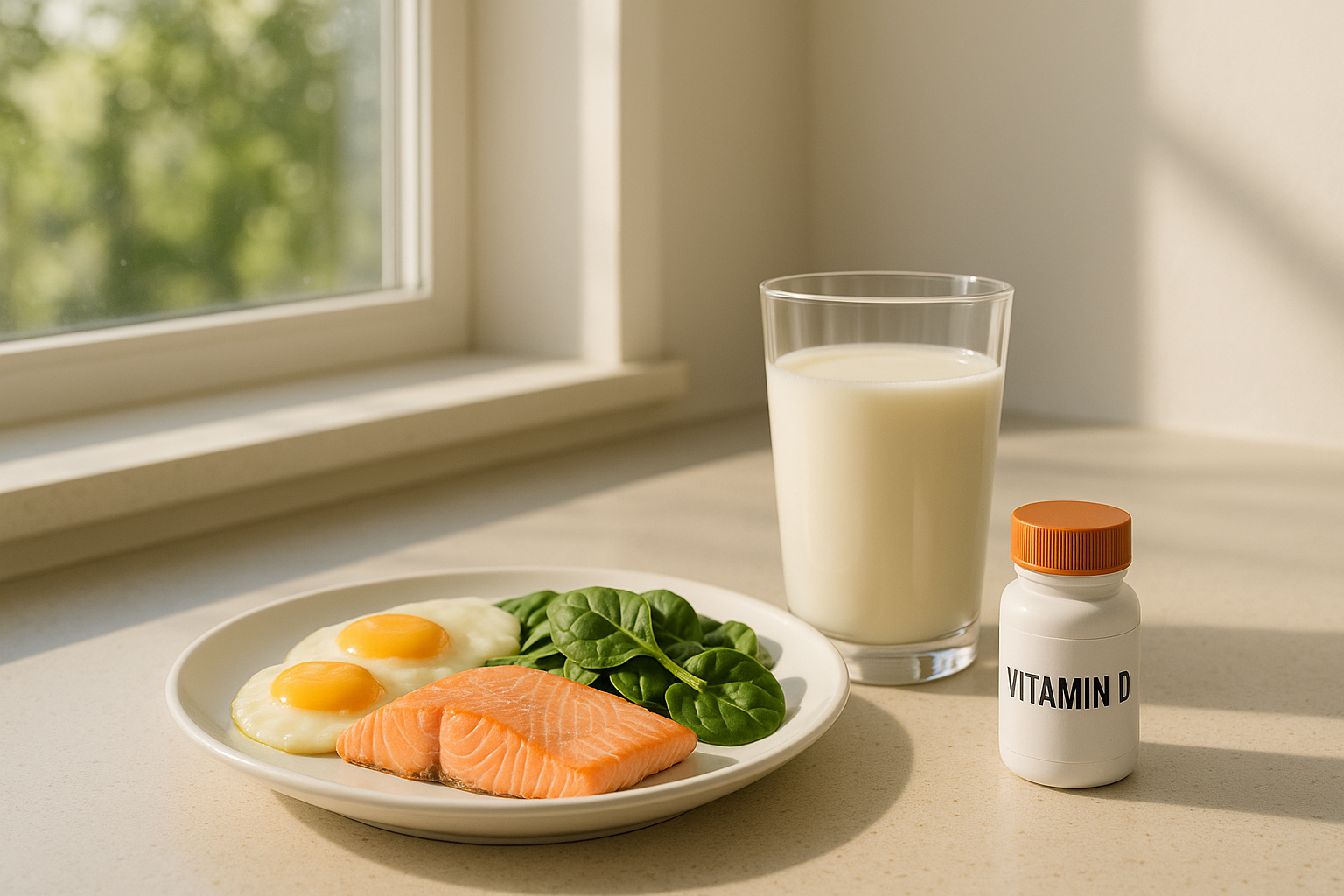
Few foods naturally contain high amounts of vitamin D, but some can contribute meaningfully to intake. Common sources include:
- Fatty fish such as salmon, trout, tuna, and sardines
- Egg yolks
- Fortified milk or fortified plant-based beverages
- Fortified breakfast cereals
- Fortified yogurt or orange juice, depending on the product
- Some mushrooms exposed to ultraviolet light
Reading nutrition labels can help you identify fortified foods and estimate daily intake.
Sunlight and vitamin D
Sun exposure can help the body produce vitamin D, but the amount made depends on season, time of day, cloud cover, air pollution, latitude, skin pigmentation, age, and sunscreen use.
It is important to balance vitamin D needs with skin protection. Intentional unprotected sun exposure can increase the risk of sunburn, premature skin aging, and skin cancer. Many people use diet, fortified foods, and supplements when needed rather than relying on sun exposure alone.
Should you take a vitamin D supplement?
Some people may benefit from vitamin D supplements, especially if they have low blood levels, limited sun exposure, dietary restrictions, or specific medical risks. But more is not always better.
Vitamin D is fat-soluble, meaning the body can store it. Excessive intake can lead to toxicity, which may cause high calcium levels, nausea, vomiting, weakness, confusion, dehydration, kidney stones, or kidney damage.
Before starting a supplement, it is best to ask a healthcare provider whether testing is appropriate and what dose fits your individual needs.
Signs that vitamin D status may need attention
Low vitamin D does not always cause obvious symptoms. When symptoms occur, they may include:
- Fatigue
- Muscle weakness or aches
- Bone discomfort
- More frequent illness
- Low mood in some individuals
These symptoms can have many causes, so they should not be used to self-diagnose deficiency. A healthcare provider can order a blood test and interpret the result in context.
Year-round wellness strategies for immune support
Vitamin D works best as part of a complete wellness foundation. To support immune health throughout the year, consider these evidence-informed habits:
- Eat a nutrient-rich diet with protein, fruits, vegetables, whole grains, and healthy fats
- Include vitamin D food sources or fortified foods when appropriate
- Get regular physical activity
- Prioritize consistent, high-quality sleep
- Manage stress through realistic daily practices
- Stay up to date with preventive healthcare
- Wash hands regularly and follow public health guidance when illness is circulating
- Ask your healthcare provider whether vitamin D testing or supplementation makes sense for you
The bottom line
Vitamin D contributes to normal immune function and overall wellness, and maintaining adequate levels may be especially important for people at risk of deficiency. The best approach is personalized: combine healthy lifestyle habits with vitamin D-rich foods, safe sun practices, and medical guidance when supplements or testing are needed.
References

Gentle Natural Remedies for Bloating and Digestive Discomfort
Gentle Natural Remedies for Bloating and Digestive Discomfort
Bloating can feel like fullness, tightness, pressure, or visible swelling in the abdomen. It is often related to gas, slower digestion, constipation, food sensitivities, carbonated drinks, or eating too quickly. While occasional bloating is usually not serious, it can be uncomfortable and frustrating.
The following natural remedies for bloating are gentle, practical options that may help support digestive comfort.
Sip Warm Fluids
Warm fluids can feel soothing when your stomach feels tight or unsettled. Try warm water, caffeine-free herbal tea, or warm water with lemon if tolerated. Peppermint tea and ginger tea are common choices for digestive comfort.
Peppermint may help relax digestive tract muscles for some people, but it can worsen reflux or heartburn in others. If you have GERD, skip peppermint or ask a healthcare professional first.
Try Ginger
Ginger is traditionally used for nausea and digestive discomfort. You can try ginger tea, grated fresh ginger in warm water, or small amounts added to meals. Start with a modest amount, especially if you are sensitive to spicy foods or take blood-thinning medication.
Take a Gentle Walk
Light movement after meals can help stimulate digestion and reduce trapped gas. A 10 to 20 minute walk is often enough. You do not need intense exercise to benefit. Gentle stretching, yoga poses, or slow breathing may also help ease abdominal tension.
Eat More Slowly
Swallowing extra air can contribute to bloating. Eating quickly, drinking through a straw, chewing gum, smoking, and carbonated beverages can all increase swallowed air. Try smaller bites, chewing thoroughly, and pausing between bites.
Consider Food Triggers
Common bloating triggers include beans, lentils, onions, garlic, wheat, dairy, cruciferous vegetables, sugar alcohols, and carbonated drinks. These foods are not unhealthy, but some people digest them with more gas.
A simple food and symptom journal can help you notice patterns. Avoid cutting out large food groups long term unless you are working with a clinician or registered dietitian.
Support Regular Bowel Movements
Constipation is a frequent cause of bloating. Helpful habits include drinking enough fluids, eating fiber-rich foods, moving daily, and responding to the urge to use the bathroom. Increase fiber gradually, because adding too much too quickly can temporarily worsen gas and bloating.
Use Probiotics Thoughtfully
Probiotics may help some people with digestive symptoms, but effects vary by strain, dose, and individual health needs. Fermented foods such as yogurt with live cultures, kefir, sauerkraut, kimchi, and miso may be useful if tolerated. If you are immunocompromised or have a serious medical condition, ask a healthcare professional before using probiotic supplements.
Reduce Stress Around Meals
Stress can affect gut function and sensitivity. Try a few slow breaths before eating, step away from screens when possible, and give yourself time to eat without rushing. A calmer eating routine may reduce discomfort for some people.
When to Seek Medical Care
Talk with a healthcare professional if bloating is frequent, severe, new, or worsening. Seek care promptly if bloating occurs with intense abdominal pain, persistent vomiting, fever, blood in stool, black stools, unexplained weight loss, difficulty swallowing, or a major change in bowel habits.
Key Takeaway
Gentle natural remedies for bloating include warm fluids, ginger, light movement, slower eating, trigger awareness, constipation support, and stress reduction. If symptoms persist or feel unusual for you, professional guidance can help identify the underlying cause.
References
Mayo Clinic: Gas and gas pains causes
How to Recognize Magnesium Deficiency and Support Healthy Levels Naturally
Magnesium Deficiency Symptoms: How to Recognize Low Magnesium and Support Healthy Levels Naturally
Magnesium is a major mineral involved in hundreds of enzyme reactions in the body. It helps regulate normal nerve signaling, muscle function, heart rhythm, blood glucose control, blood pressure, and bone structure. Because magnesium affects so many systems, magnesium deficiency symptoms can be broad and sometimes subtle at first.
True magnesium deficiency is less common than low intake, but some people are at higher risk due to medical conditions, medications, or reduced absorption. Recognizing possible signs early can help you decide when to speak with a healthcare professional and how to support healthier levels through diet and safe supplementation when appropriate.
Common magnesium deficiency symptoms
Early or mild magnesium deficiency may cause vague symptoms that overlap with many other conditions. Possible symptoms include:
- Loss of appetite
- Nausea or vomiting
- Fatigue or low energy
- General weakness
As magnesium deficiency becomes more significant, symptoms may become more noticeable and can include:
- Muscle cramps, spasms, or twitching
- Numbness or tingling
- Abnormal heart rhythm or palpitations
- Mood or personality changes
- Tremors
- Seizures in severe cases
- Low calcium or low potassium levels that are difficult to correct
These symptoms are not specific to magnesium deficiency. They can also be related to dehydration, thyroid problems, anemia, vitamin deficiencies, medication effects, neurological conditions, or heart issues. Persistent, worsening, or severe symptoms should be evaluated by a clinician.
Why magnesium deficiency can be hard to identify
Most magnesium in the body is stored in bones and soft tissues, while only a small amount circulates in the blood. Because of this, a standard blood magnesium level may not always reflect total body magnesium status. Healthcare professionals may consider symptoms, diet, medical history, medications, and related electrolyte levels when evaluating possible deficiency.
Who is at higher risk of low magnesium?
Some people are more likely to develop low magnesium levels or have higher magnesium needs. Risk factors include:
- Gastrointestinal conditions that reduce absorption, such as Crohn disease or celiac disease
- Chronic diarrhea or frequent vomiting
- Type 2 diabetes, especially with increased urinary magnesium loss
- Long-term heavy alcohol use
- Older age
- Long-term use of certain medications, including some diuretics and proton pump inhibitors
- Poor overall dietary intake
- Kidney or endocrine conditions that affect electrolyte balance
If you are in a higher-risk group and have possible magnesium deficiency symptoms, it is worth discussing testing and treatment options with a healthcare provider.
Magnesium-rich foods to eat more often
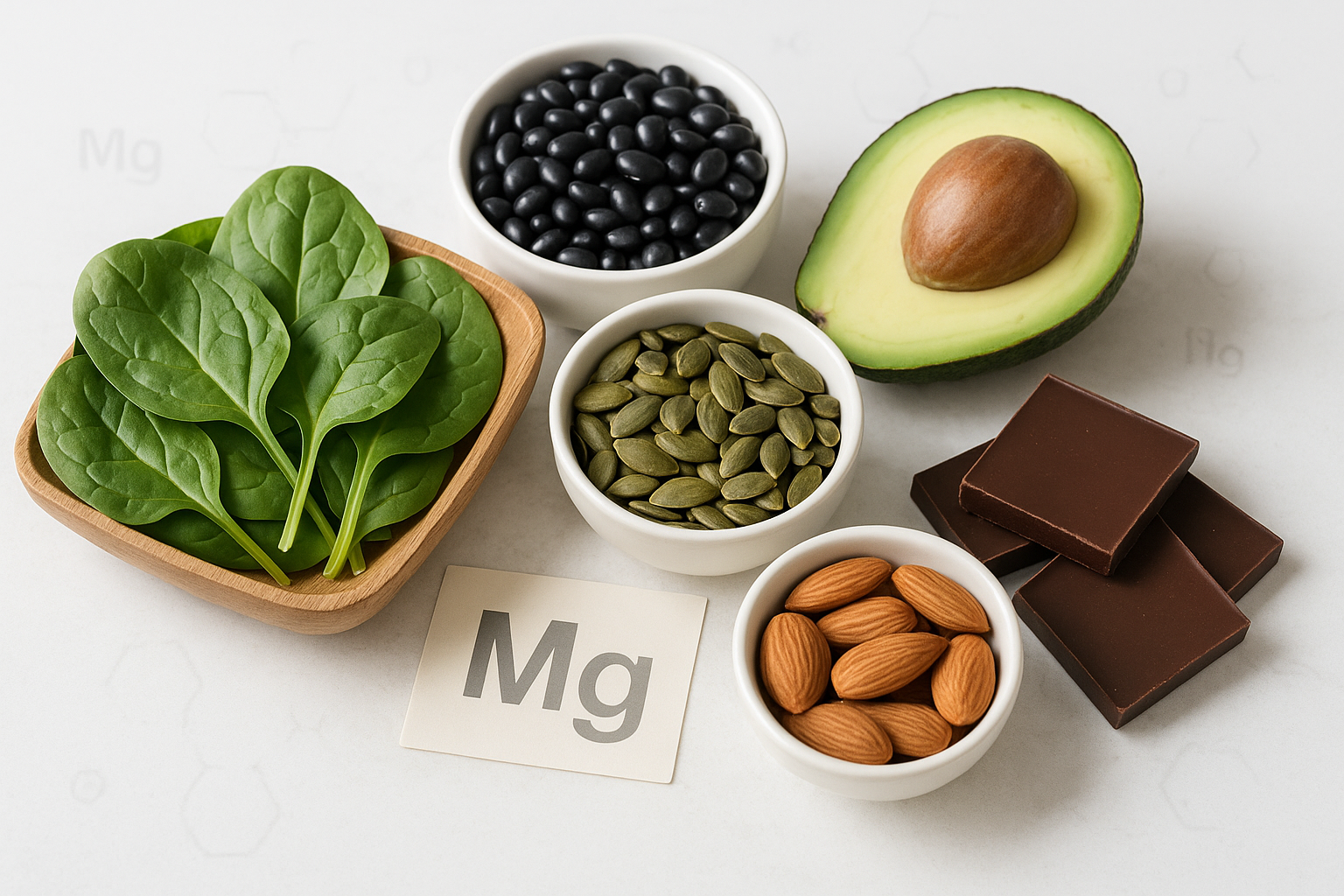
For most people, the safest natural way to support magnesium levels is to eat magnesium-rich foods consistently. Good sources include:
- Pumpkin seeds, chia seeds, flaxseeds, and sunflower seeds
- Almonds, cashews, and peanuts
- Spinach, Swiss chard, and other leafy greens
- Black beans, edamame, lentils, and chickpeas
- Whole grains such as oats, brown rice, and whole wheat
- Avocado
- Yogurt and milk
- Dark chocolate and cocoa
A practical goal is to include one or two magnesium-rich foods at most meals. For example, add pumpkin seeds to oatmeal, include beans in a salad, snack on nuts, or serve leafy greens with dinner.
Daily magnesium needs
Magnesium needs vary by age, sex, pregnancy status, and lactation. Adult women generally need around 310 to 320 mg per day, while adult men generally need around 400 to 420 mg per day. Pregnancy may increase needs. A healthcare professional or registered dietitian can help personalize intake goals if you have a medical condition or special dietary pattern.
Should you take a magnesium supplement?
Magnesium supplements can be helpful when intake is low or when a clinician identifies deficiency, but more is not always better. Supplemental magnesium can cause diarrhea, nausea, and abdominal cramping. Very high intakes can be dangerous, especially for people with kidney disease because the kidneys help remove excess magnesium.
Common supplemental forms include magnesium citrate, glycinate, oxide, chloride, and lactate. Different forms vary in tolerability and absorption. Magnesium oxide is often used but may be more likely to cause digestive effects for some people, while magnesium glycinate or citrate may be better tolerated by others.
Adults should avoid high-dose magnesium supplements unless supervised by a healthcare professional. This is especially important if you have kidney disease, heart rhythm problems, low blood pressure, or take medications such as antibiotics, bisphosphonates, diuretics, or thyroid medication, because magnesium can interact with absorption or electrolyte balance.
When to seek medical care
Contact a healthcare professional if you have ongoing muscle cramps, weakness, fatigue, numbness, tingling, or palpitations, especially if you also have a risk factor for magnesium deficiency. Seek urgent medical attention for chest pain, fainting, severe weakness, confusion, seizures, or a new or worsening irregular heartbeat.
Bottom line
Magnesium deficiency symptoms can include fatigue, weakness, appetite loss, nausea, muscle twitches or cramps, numbness, tingling, and abnormal heart rhythm. Because these signs can have many causes, diagnosis should be guided by a healthcare professional. Eating magnesium-rich foods regularly is the best natural foundation for healthy levels, while supplements should be used thoughtfully and safely when needed.
References

How Magnesium Supports Better Sleep and Evening Relaxation
How Magnesium Supports Better Sleep and Evening Relaxation
Magnesium is a mineral your body uses for hundreds of normal functions, including nerve signaling, muscle contraction and relaxation, and energy metabolism. Because these systems are connected to calmness and nighttime comfort, magnesium is often discussed as part of a sleep-supportive routine.
Why magnesium matters for sleep
Magnesium does not force sleep the way a sleep medication might. Instead, it may help create conditions that make rest easier by supporting normal nervous system function and muscle relaxation. People who get too little magnesium from food may be more likely to notice issues such as tension, restlessness, or difficulty winding down.
Magnesium is also involved in pathways related to neurotransmitters and normal circadian rhythm function. For that reason, maintaining adequate magnesium status may be one small but useful part of a broader sleep plan.
What the research suggests
Research on magnesium for sleep is promising but not definitive. Some studies suggest magnesium supplementation may improve certain sleep measures, especially in older adults or people with low intake. However, results vary, and magnesium is unlikely to solve sleep problems on its own if stress, caffeine, irregular schedules, sleep apnea, pain, or medication side effects are involved.
The most practical takeaway is this: magnesium may be helpful when it corrects an inadequate intake or supports relaxation, but it works best alongside consistent sleep habits.
Magnesium-rich foods to include
Food is usually the best first step. Magnesium-rich options include pumpkin seeds, chia seeds, almonds, cashews, spinach, black beans, edamame, whole grains, and dark chocolate. Adding these foods regularly can help support daily magnesium intake without relying only on supplements.
A simple evening-friendly snack could be Greek yogurt with chia seeds, a small handful of almonds, or whole-grain toast with nut butter. Keep portions moderate so digestion does not interfere with sleep.
Common supplement forms
Different magnesium forms may feel different for digestion and tolerance. Magnesium glycinate is commonly chosen for evening use because it is generally gentle on the stomach. Magnesium citrate is well absorbed but may loosen stools in some people. Magnesium oxide contains a high amount of elemental magnesium but is often less well absorbed and may also affect digestion.
If you use a supplement, start low and assess tolerance. More is not always better, and excessive supplemental magnesium can cause diarrhea, nausea, cramping, and other side effects.
How to use magnesium in an evening routine
Magnesium is best viewed as one part of a wind-down routine. Consider taking it with a small snack or after dinner if your healthcare professional says it is appropriate. Pair it with low light, a regular bedtime, reduced evening screen exposure, calming breathing, and a cool, dark sleep environment.
Avoid combining magnesium with the idea that it should work immediately. Some people notice a calming effect the first night, while others may only benefit gradually if their overall intake improves.
Safety considerations
People with kidney disease should not take magnesium supplements unless directed by a clinician, because the kidneys help regulate magnesium levels. Magnesium can also interact with certain medications, including some antibiotics, bisphosphonates, diuretics, and thyroid medications. Spacing doses may be necessary, so ask a healthcare professional or pharmacist.
If insomnia is persistent, severe, or paired with loud snoring, gasping, mood changes, restless legs, or daytime sleepiness, it is important to seek medical guidance. Magnesium may support relaxation, but it should not delay evaluation of an underlying sleep disorder.
Bottom line
Magnesium may support better sleep by helping the body maintain normal nerve and muscle function and by contributing to a calmer evening routine. Focus first on magnesium-rich foods, consistent sleep habits, and safe supplement use when appropriate.
References
How Poor Sleep Can Affect Gut Health and Digestive Balance
How Poor Sleep Can Affect Gut Health and Digestive Balance
Sleep and gut health have a two-way relationship. When sleep is short, irregular, or poor quality, the body may experience changes in stress signaling, inflammation, appetite regulation, and digestive function. At the same time, digestive issues such as reflux, bloating, abdominal discomfort, or irregular bowel habits can interfere with restful sleep.
Why sleep matters for digestive balance
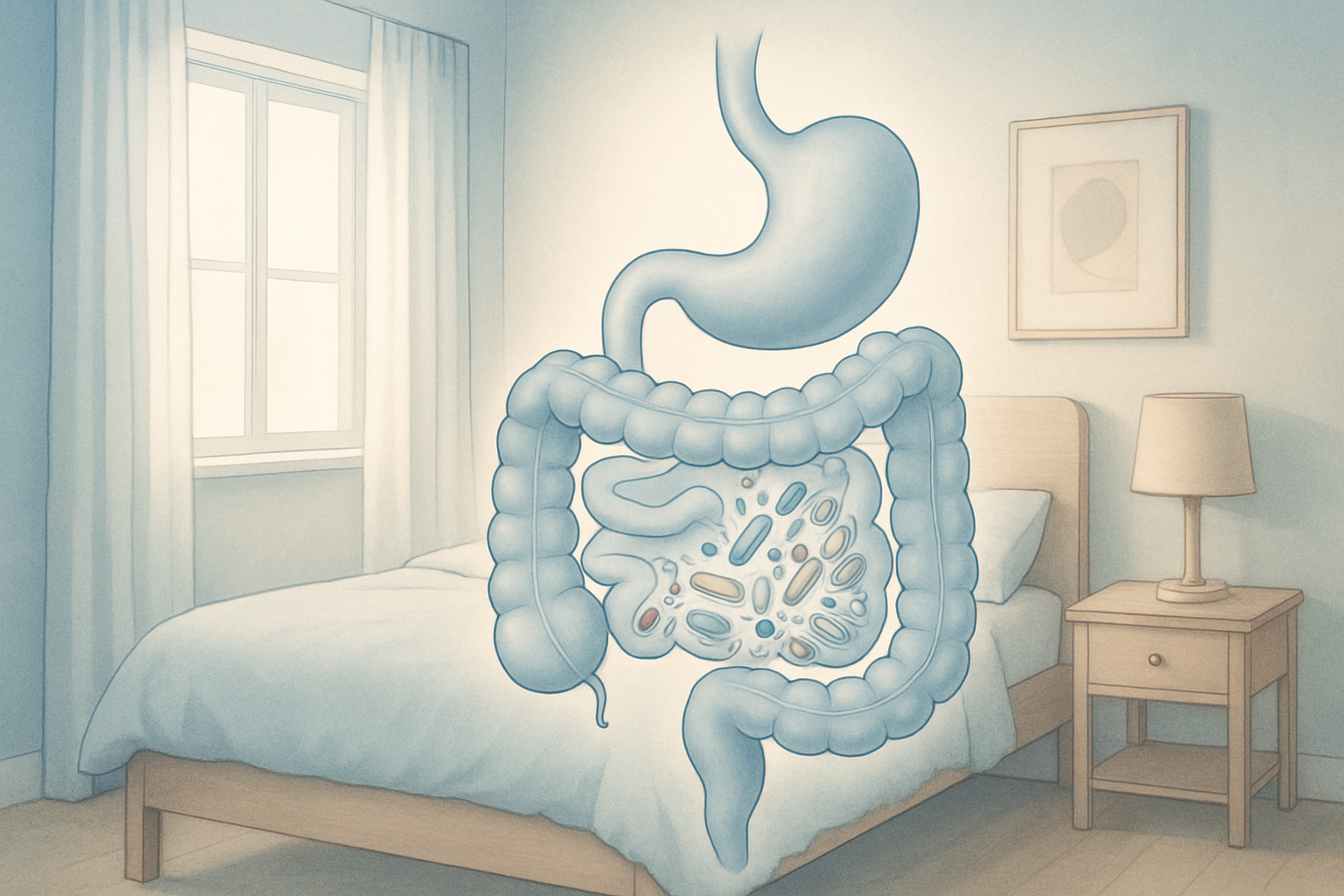
During healthy sleep, the body supports repair, immune regulation, hormone balance, and nervous system recovery. These processes are also important for the gastrointestinal tract. The gut is influenced by the brain, hormones, immune activity, and the gut microbiome, which is the community of microorganisms that live in the digestive tract.
When sleep is disrupted, several systems that help regulate digestion may be affected.
1. Poor sleep may affect the gut microbiome
The gut microbiome appears to follow daily rhythms influenced by meals, activity, light exposure, and sleep-wake patterns. Irregular sleep schedules, insufficient sleep, and circadian disruption may be associated with changes in microbial diversity and function.
A balanced microbiome supports digestion, helps maintain the gut barrier, and interacts with the immune system. While research is still developing, poor sleep may contribute to an internal environment that makes digestive balance harder to maintain.
2. Sleep loss can increase stress signaling
Poor sleep can raise stress sensitivity and affect the hypothalamic-pituitary-adrenal axis, often called the HPA axis. This system helps regulate cortisol and the body’s response to stress.
Higher stress signaling can influence gut motility, gut sensitivity, and digestive comfort. This is one reason people may notice more bloating, cramping, urgency, constipation, or loose stools during periods of poor sleep or high stress.
3. Sleep disruption may affect inflammation and immune balance
The gut and immune system are closely connected. Poor sleep has been linked with changes in inflammatory signaling, and inflammation can influence gut barrier function and digestive comfort.
This does not mean that one bad night of sleep will cause a gut disorder. However, chronic sleep restriction may add to the overall burden on the body, especially in people who already have digestive conditions or high stress levels.
4. Poor sleep can change appetite and food choices
Sleep loss can affect hormones involved in hunger and fullness, including ghrelin and leptin. Many people also experience stronger cravings for high-sugar, high-fat, or highly processed foods after insufficient sleep.
These food choices can influence digestion and may worsen reflux, bloating, constipation, or irregular bowel habits in some people. Late-night eating can also increase the likelihood of heartburn or indigestion, especially when lying down soon after meals.
5. Circadian rhythm disruption can affect digestion
The digestive system has its own daily rhythms. Gut motility, enzyme activity, hunger signals, and microbial activity can vary across the day.
Shift work, jet lag, inconsistent bedtimes, and exposure to bright light late at night may disrupt circadian timing. For some people, this can contribute to irregular bowel habits, appetite changes, reflux symptoms, or general digestive discomfort.
6. Digestive symptoms can also disrupt sleep
The relationship works both ways. Gut symptoms can make it harder to fall asleep or stay asleep. Common examples include:
- Acid reflux or heartburn when lying down
- Abdominal pain or cramping
- Bloating or gas discomfort
- Diarrhea or urgency during the night
- Constipation-related discomfort
- Nausea
If digestive symptoms regularly wake you up or interfere with daily life, it is worth discussing them with a healthcare professional.
Practical ways to support sleep and gut health
Keep a consistent sleep schedule
Try to go to bed and wake up at similar times most days. Consistency helps reinforce circadian rhythm, which may support both sleep quality and digestive timing.
Avoid heavy meals close to bedtime
Large meals late at night can increase the risk of reflux and indigestion. If you are hungry near bedtime, choose a smaller, lighter snack and give your body time to digest before lying down.
Limit alcohol and caffeine
Caffeine can interfere with sleep, especially when consumed later in the day. Alcohol may make you feel sleepy at first but can fragment sleep and worsen reflux or digestive irritation in some people.
Get morning light and daytime movement
Morning light exposure helps anchor circadian rhythm. Regular physical activity can also support sleep quality, bowel regularity, and overall metabolic health.
Build a calming bedtime routine
Stress affects both sleep and digestion. A wind-down routine may include dimming lights, stretching, breathing exercises, reading, or taking a warm shower. Reducing screen exposure before bed may also help some people sleep better.
Support a gut-friendly eating pattern
A balanced diet that includes fiber-rich plant foods, adequate protein, healthy fats, and enough fluids can support digestive function. If increasing fiber, do so gradually to reduce gas or bloating.
When to seek medical advice
Contact a healthcare professional if you have persistent insomnia, loud snoring with pauses in breathing, severe daytime sleepiness, chronic digestive symptoms, blood in stool, unexplained weight loss, persistent vomiting, severe abdominal pain, or symptoms that are worsening.
Key takeaway
Sleep and gut health are connected through the microbiome, immune system, stress response, appetite hormones, and circadian rhythm. Improving sleep habits may help support digestive balance, while addressing digestive symptoms may also improve sleep quality.
References
NIH: Sleep Deprivation and Deficiency

Natural Sleep Remedies to Calm the Nervous System and Improve Sleep Quality
Natural Sleep Remedies to Calm the Nervous System and Improve Sleep Quality
Sleep is closely connected to the nervous system. When the body is in a stressed, alert, or overstimulated state, falling asleep and staying asleep can become harder. Natural sleep remedies often work best when they support the body in shifting from activation to relaxation.
The goal is not to force sleep. The goal is to create a calmer internal and external environment so sleep can happen more naturally.
How the Nervous System Affects Sleep
Your nervous system helps regulate alertness, stress responses, heart rate, breathing, digestion, and relaxation. When stress hormones remain elevated in the evening, your body may feel tired but wired.
Common signs of nighttime nervous system activation include racing thoughts, muscle tension, restlessness, shallow breathing, sensitivity to noise, and waking up during the night feeling alert.
Natural sleep remedies can help by supporting relaxation cues, reducing stimulation, and creating consistent signals that bedtime is safe and predictable.
1. Create a Consistent Wind-Down Routine
A steady evening routine trains your brain to associate certain activities with sleep. Start winding down 30 to 60 minutes before bed.
Helpful options include dimming lights, turning off work notifications, taking a warm shower, reading something calming, stretching gently, journaling, or listening to soft music.
Consistency matters more than complexity. A simple routine repeated nightly is often more effective than trying a new remedy every few days.
2. Use Light to Support Melatonin Rhythm
Light exposure strongly influences circadian rhythm. Bright light in the morning helps reinforce wakefulness, while dimmer light at night helps prepare the body for sleep.
Try getting natural outdoor light soon after waking. In the evening, reduce bright overhead lighting and limit blue-light exposure from screens when possible.
If you use devices at night, consider lowering brightness, using night mode, and avoiding emotionally stimulating content before bed.
3. Try Relaxing Breathing Exercises
Slow breathing can send a safety signal to the nervous system. It may help reduce physical arousal and make it easier to transition into sleep.
A simple method is extended exhale breathing. Inhale gently through the nose for 4 seconds, then exhale slowly for 6 to 8 seconds. Repeat for 3 to 5 minutes.
Another option is box breathing: inhale for 4 seconds, hold for 4 seconds, exhale for 4 seconds, and pause for 4 seconds. If holding the breath feels uncomfortable, skip the holds and focus on slow exhales.
4. Practice Gentle Stretching or Restorative Yoga
Gentle movement can release tension that builds up during the day. Choose slow, relaxing movements rather than intense exercise close to bedtime.
Helpful options may include legs up the wall, child pose, gentle neck rolls, seated forward folds, or slow hip stretches.
Keep the intensity low. The purpose is to relax the body, not raise heart rate or increase alertness.
5. Take a Warm Bath or Shower
A warm bath or shower 1 to 2 hours before bed may help the body prepare for sleep. After warming up, the body cools down, which can support the natural drop in core temperature associated with sleep onset.
This remedy can also become a reliable nervous system cue. Warm water, dim lighting, and a quiet environment can make the transition to bed feel more soothing.
6. Consider Magnesium-Rich Foods
Magnesium plays a role in normal nerve and muscle function. Some people explore magnesium for relaxation, but food-based sources are a gentle place to start.
Magnesium-rich foods include pumpkin seeds, almonds, spinach, black beans, cashews, edamame, and whole grains.
If considering a magnesium supplement, speak with a healthcare professional first. Supplements may not be appropriate for everyone, especially people with kidney disease or those taking certain medications.
7. Use Herbal Tea Mindfully
Caffeine-free herbal teas can be part of a calming sleep ritual. Chamomile, lemon balm, passionflower, and lavender are commonly used for relaxation.
The ritual itself may be as helpful as the herb: warm liquid, a slower pace, and a predictable bedtime habit can all support nervous system calm.
Use caution with herbal products if you take medications, have allergies, are pregnant or breastfeeding, or have a medical condition. Natural does not always mean risk-free.
8. Limit Caffeine and Alcohol Near Bedtime
Caffeine can stay active in the body for hours and may interfere with sleep even if you can fall asleep. Many people sleep better when they stop caffeine by late morning or early afternoon.
Alcohol may feel sedating at first, but it can reduce sleep quality and contribute to nighttime waking. If sleep is a priority, reducing evening alcohol may help.
9. Build a Sleep-Friendly Bedroom
Your bedroom environment can either calm or stimulate the nervous system. Aim for a room that is cool, dark, quiet, and comfortable.
Consider blackout curtains, a sleep mask, earplugs, white noise, breathable bedding, and removing work-related items from the bedroom when possible.
If your brain associates bed with stress, scrolling, or problem-solving, it may become harder to fall asleep. Try keeping the bed mainly for sleep and intimacy.
10. Try Journaling to Reduce Racing Thoughts
If your mind gets busy at bedtime, journaling can help transfer thoughts out of your head and onto paper.
Try writing a short worry list, a next-day task list, or three things that went well today. This can reduce the feeling that you need to mentally hold everything overnight.
Keep it brief and nonjudgmental. The goal is closure, not perfect reflection.
11. Use Progressive Muscle Relaxation
Progressive muscle relaxation involves gently tensing and releasing muscle groups. This can improve awareness of tension and help the body relax.
Start at your feet and move upward. Tense one area for about 5 seconds, then release for 10 to 20 seconds. Continue through calves, thighs, abdomen, hands, shoulders, jaw, and face.
If tensing muscles feels uncomfortable, simply scan each body part and imagine it softening.
12. Keep Naps Short and Strategic
Naps can be helpful, but long or late naps may make nighttime sleep harder. If you nap, aim for about 10 to 30 minutes and avoid napping late in the day.
If insomnia is a frequent issue, you may benefit from skipping naps temporarily to strengthen nighttime sleep pressure.
When to Seek Medical Guidance
Natural sleep remedies can support mild or occasional sleep trouble, but persistent sleep problems deserve medical attention.
Consider speaking with a healthcare professional if insomnia lasts more than a few weeks, you snore loudly, wake up gasping, feel very sleepy during the day, experience restless legs, have mood changes, or rely on alcohol or sedatives to sleep.
Sleep issues can be connected to stress, anxiety, depression, sleep apnea, pain, medications, hormone changes, or other health conditions. Getting the right support can make a major difference.
A Simple Natural Sleep Routine to Try Tonight
About 60 minutes before bed, dim the lights and stop work-related tasks. About 30 minutes before bed, make caffeine-free herbal tea or take a warm shower. Spend 5 minutes doing slow breathing, then write down tomorrow’s top tasks. Keep the bedroom cool and dark, and use a consistent bedtime when possible.
Small habits, repeated consistently, can help teach the nervous system that nighttime is safe, calm, and restful.
References
Why Vitamin B12 Deficiency Can Cause Fatigue and Brain Fog
Why Vitamin B12 Deficiency Can Cause Fatigue and Brain Fog
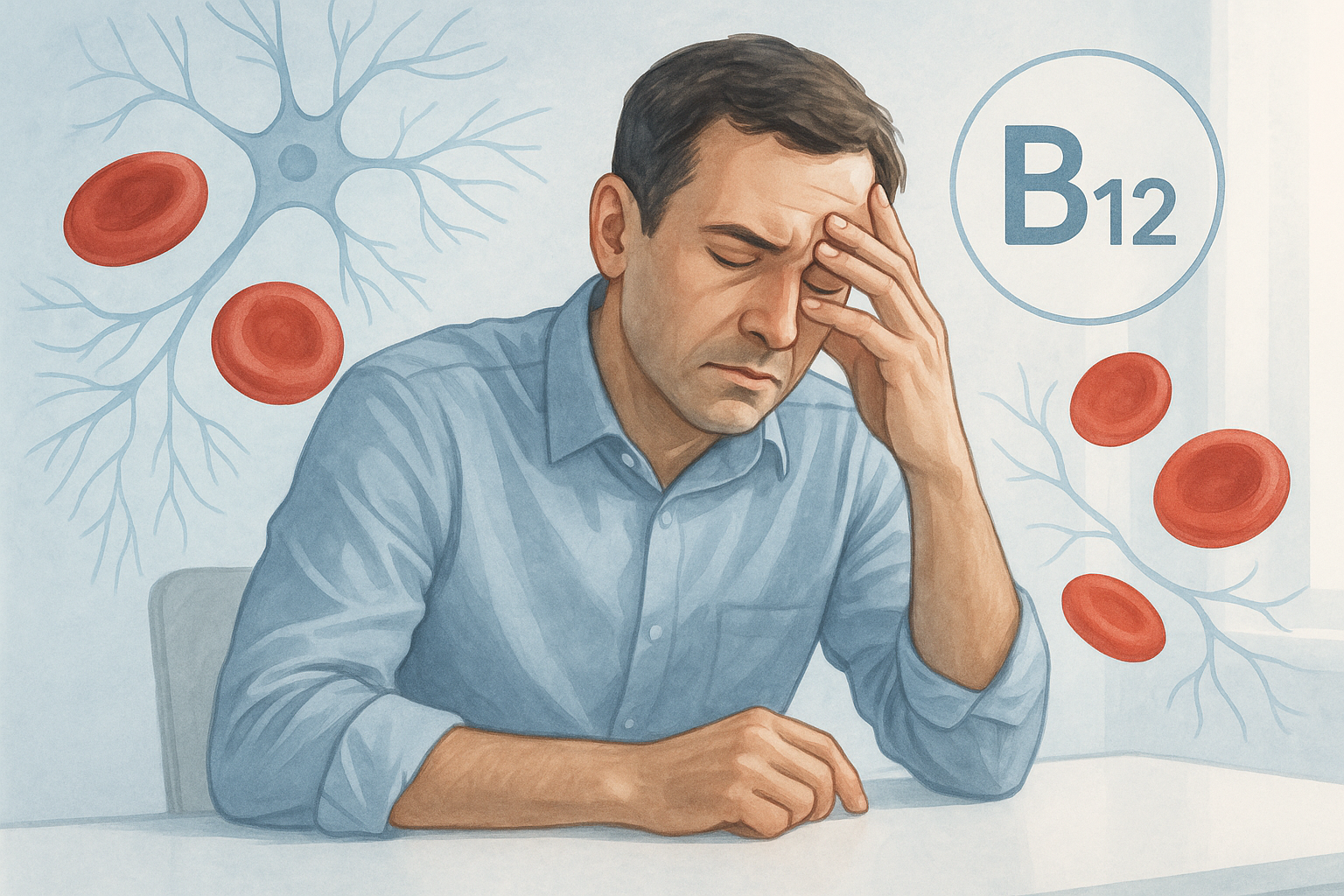
Vitamin B12 deficiency is a well-known cause of fatigue, weakness, and cognitive symptoms such as brain fog. B12, also called cobalamin, helps the body make healthy red blood cells, supports normal nerve function, and plays a key role in DNA synthesis. When B12 levels fall too low, energy production and neurological function can be affected in ways that feel like persistent tiredness, poor focus, slow thinking, or memory difficulty.
How vitamin B12 supports energy
Vitamin B12 does not act like caffeine or a stimulant. Instead, it supports normal biological processes that help the body function efficiently. One of its most important roles is helping form healthy red blood cells. Red blood cells carry oxygen throughout the body. If B12 deficiency leads to megaloblastic anemia, red blood cells may become unusually large and less effective, which can reduce oxygen delivery and contribute to fatigue, shortness of breath, dizziness, and weakness.
B12 is also involved in converting food into usable energy through normal metabolism. A deficiency can disrupt these processes, making a person feel drained even after rest.
Why B12 deficiency can cause brain fog
The nervous system depends on adequate vitamin B12. B12 helps maintain myelin, the protective coating around nerves that supports efficient nerve signaling. Low B12 can affect the brain and nerves, which may lead to symptoms such as brain fog, slowed thinking, difficulty concentrating, memory problems, irritability, low mood, numbness, tingling, or balance issues.
Brain fog from B12 deficiency can be subtle at first. Some people describe it as feeling mentally cloudy, less sharp, forgetful, or unable to focus for long periods. Because these symptoms overlap with stress, poor sleep, thyroid disease, depression, iron deficiency, and many other conditions, testing is important rather than guessing.
Common symptoms of vitamin B12 deficiency
Vitamin B12 deficiency can cause a wide range of symptoms. Common signs may include:
- Ongoing fatigue or low stamina
- Weakness or lightheadedness
- Pale skin
- Shortness of breath with exertion
- Fast heartbeat or palpitations
- Brain fog or trouble concentrating
- Memory changes
- Numbness or tingling in the hands or feet
- Trouble with balance or walking
- Sore tongue or mouth symptoms
- Mood changes, irritability, or depressive symptoms
Some people develop neurological symptoms even without obvious anemia, which is one reason persistent brain fog or nerve symptoms should be medically evaluated.
Who is at higher risk?
Vitamin B12 is naturally found in animal-based foods and is also added to some fortified foods. Risk is higher in people who may not consume, absorb, or process enough B12. Higher-risk groups include:
- People following vegan or strict vegetarian diets without reliable B12 supplementation or fortified foods
- Older adults, because stomach acid and absorption can decrease with age
- People with pernicious anemia or autoimmune conditions affecting intrinsic factor
- People with gastrointestinal disorders such as Crohn disease or celiac disease
- People who have had bariatric surgery or certain gastrointestinal surgeries
- People taking certain long-term medications, such as metformin or acid-reducing medicines, when clinically relevant
- People with heavy alcohol use or poor overall nutrient intake
Why absorption matters
Getting enough B12 from food is only part of the story. The body must also absorb it. B12 absorption requires normal digestion, stomach acid, and intrinsic factor, a protein made in the stomach that helps B12 be absorbed in the small intestine. If intrinsic factor is lacking, as in pernicious anemia, a person can become deficient even if they eat enough B12-rich foods.
This is why some people need high-dose oral supplementation or B12 injections under medical supervision.
How B12 deficiency is diagnosed
A healthcare professional may evaluate symptoms, diet, medical history, medications, and risk factors. Testing often includes a blood count and serum vitamin B12 level. In some cases, additional markers such as methylmalonic acid or homocysteine may be used to help clarify deficiency, especially when symptoms are present but the B12 result is borderline.
Because fatigue and brain fog have many possible causes, clinicians may also check iron status, folate, thyroid function, vitamin D, blood sugar, kidney or liver markers, sleep quality, and other relevant factors.
Treatment and recovery
Treatment depends on the cause and severity of deficiency. Options may include dietary changes, oral B12 supplements, sublingual forms, or B12 injections. People with absorption problems, pernicious anemia, or significant neurological symptoms may need a specific treatment plan and follow-up testing.
Fatigue may improve within weeks for some people, especially if anemia is corrected. Neurological symptoms can take longer to improve, and in some cases may become persistent if deficiency is severe or untreated for too long. Early diagnosis matters.
Food sources of vitamin B12
Vitamin B12 is found in animal-derived foods and fortified products. Sources include:
- Fish and shellfish
- Meat and poultry
- Eggs
- Milk, yogurt, and cheese
- Fortified breakfast cereals
- Fortified plant milks or nutritional yeast, if labeled as containing B12
People who avoid animal products should use reliable fortified foods or a B12 supplement, because plant foods do not naturally provide dependable active B12.
When to seek medical care
Seek medical advice if you have persistent fatigue, brain fog, numbness, tingling, balance problems, unexplained weakness, memory changes, or symptoms of anemia. Prompt evaluation is especially important if you are vegan, an older adult, pregnant, have a digestive disorder, have had bariatric surgery, or take medications that may affect B12 status.
Vitamin B12 deficiency is treatable, but it should be properly diagnosed and managed so the underlying cause is addressed and nerve-related complications are reduced.
References
Anti Inflammatory Herbs That May Support Joint Comfort and Whole Body Wellness
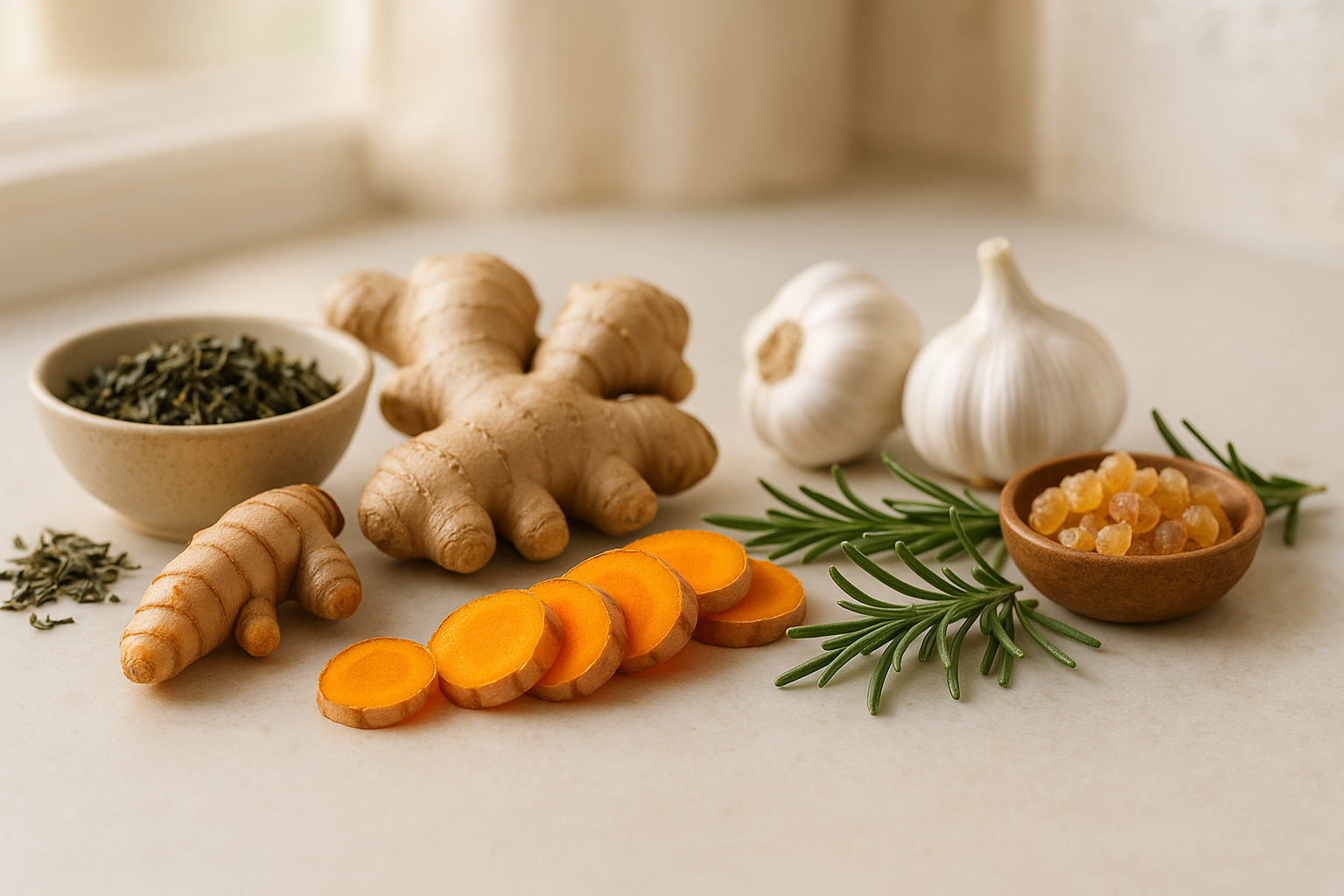
Anti Inflammatory Herbs That May Support Joint Comfort and Whole Body Wellness
Inflammation is part of the body’s normal defense and repair system. Short-term inflammation helps the body respond to injury or infection, but ongoing inflammation may contribute to discomfort and may play a role in many chronic health concerns. Because of this, many people explore anti inflammatory herbs as part of a broader wellness plan.
Herbs are not quick fixes, and they do not replace medical treatment. However, certain herbs contain plant compounds that have been studied for their potential effects on oxidative stress, inflammatory signaling, and joint comfort.
What Makes an Herb Anti Inflammatory?
Many herbs contain bioactive compounds such as polyphenols, flavonoids, terpenes, sulfur compounds, and curcuminoids. These compounds may help support the body’s natural inflammatory balance in several ways, including antioxidant activity and influence on inflammatory pathways.
The best results usually come from a full lifestyle approach that includes nutrient-dense food, regular movement, adequate sleep, stress management, and appropriate medical care when needed.
Turmeric
Turmeric is one of the most widely discussed anti inflammatory herbs. Its main active compounds are curcuminoids, especially curcumin. Curcumin has been studied for its potential role in supporting inflammatory balance and joint comfort.
Turmeric is commonly used in curries, soups, rice dishes, smoothies, and golden milk. Curcumin is not absorbed very well on its own, so many supplement products include black pepper extract, also called piperine, to improve absorption. This combination may not be appropriate for everyone, especially people taking certain medications.
Ginger
Ginger is a culinary and medicinal root traditionally used for digestion, nausea, and general wellness. It contains compounds such as gingerols and shogaols that have been studied for antioxidant and anti inflammatory activity.
Ginger can be used fresh, dried, powdered, or as tea. It pairs well with lemon, turmeric, garlic, soups, stir-fries, and warm beverages. People taking blood thinners or preparing for surgery should ask a clinician before using concentrated ginger supplements.
Boswellia
Boswellia, also known as Indian frankincense, comes from the resin of Boswellia trees. Its key compounds, called boswellic acids, have been studied for effects related to inflammatory pathways and joint comfort.
Boswellia is most often used as a supplement rather than a kitchen herb. Product quality and standardization can vary, so it is important to choose reputable brands and discuss use with a healthcare professional.
Green Tea
Green tea is rich in catechins, including EGCG, a polyphenol studied for antioxidant and anti inflammatory properties. While green tea is not usually thought of as an herb in the same way as turmeric or ginger, it is a plant-based beverage that may support whole body wellness.
Unsweetened green tea can be a simple addition to a daily routine. People sensitive to caffeine can choose lower-caffeine options or decaffeinated green tea.
Garlic
Garlic contains sulfur compounds, including allicin-related compounds, that have been studied for cardiovascular and immune-related benefits. Garlic may also support a balanced inflammatory response as part of a healthy diet.
Fresh garlic can be added to vegetables, sauces, soups, beans, and lean proteins. Concentrated garlic supplements may increase bleeding risk for some people, especially when combined with blood-thinning medications.
Rosemary
Rosemary contains rosmarinic acid and other antioxidant compounds. It is often used in Mediterranean-style meals and may help support a nutrient-rich anti inflammatory eating pattern.
Rosemary works well with roasted vegetables, potatoes, poultry, fish, beans, olive oil, and lemon. Culinary use is generally different from high-dose extracts, which should be used more cautiously.
Cinnamon
Cinnamon contains polyphenols and is commonly used in oatmeal, yogurt, smoothies, tea, and baked foods. Some research has explored cinnamon for metabolic health markers, which may be relevant to whole body wellness.
Cassia cinnamon contains coumarin, which can be harmful in high amounts. People who use cinnamon frequently may prefer Ceylon cinnamon and should avoid taking large doses without professional guidance.
How to Use Anti Inflammatory Herbs Safely
Start with food first when possible. Culinary amounts of herbs are generally easier to incorporate and may be safer than concentrated extracts.
Introduce one new herb or supplement at a time. This makes it easier to notice side effects or sensitivities.
Be cautious with supplements if you are pregnant, breastfeeding, taking medication, living with liver or kidney disease, managing a bleeding disorder, or preparing for surgery.
Choose quality products. Look for third-party testing, clear labeling, and standardized extracts when using supplements.
Do not use herbs to delay diagnosis or treatment. Persistent joint pain, swelling, stiffness, fever, unexplained fatigue, or loss of mobility should be evaluated by a healthcare professional.
Lifestyle Habits That Work Well With Herbs
Anti inflammatory herbs may be most helpful when paired with a supportive lifestyle. Consider a pattern that includes colorful vegetables and fruits, beans, lentils, nuts, seeds, whole grains, olive oil, fish or other omega-3 sources, regular physical activity, and consistent sleep.
Limiting ultra-processed foods, excess added sugar, heavy alcohol intake, and smoking may also support healthier inflammatory balance.
Bottom Line
Anti inflammatory herbs such as turmeric, ginger, boswellia, green tea, garlic, rosemary, and cinnamon may support joint comfort and whole body wellness for some people. The safest approach is to use herbs as part of a balanced lifestyle and to consult a healthcare professional before taking concentrated supplements, especially if you have a medical condition or take medication.
References
Best Foods That Naturally Support Liver Health and Detox Pathways
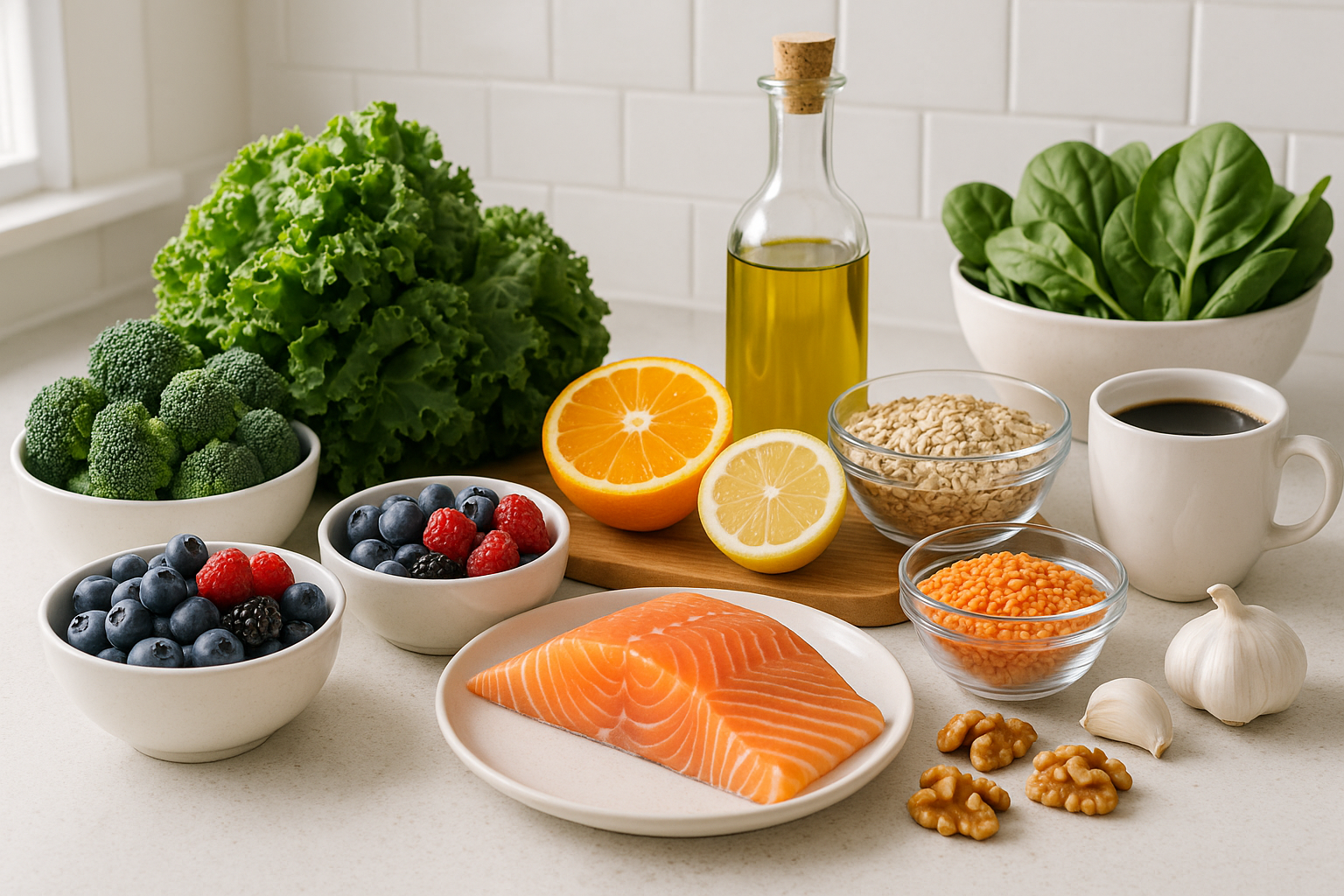
Best Foods That Naturally Support Liver Health and Detox Pathways
The liver is one of the body’s most metabolically active organs. It processes nutrients, makes bile, stores glycogen, helps regulate cholesterol, breaks down alcohol and many medications, and converts potentially harmful compounds into forms the body can remove.
Because the liver already detoxifies the body, the most evidence-aligned approach is to support normal liver function with consistent nutrition habits rather than extreme cleanses. The best foods that support liver health tend to share a few traits: they are high in fiber, rich in antioxidants, low in added sugar, supportive of healthy blood lipids, and helpful for stable blood glucose.
What liver-supportive eating should do
A liver-supportive diet can help provide:
- Antioxidants that help manage oxidative stress
- Fiber that supports gut health, cholesterol balance, and regular elimination
- Protein building blocks needed for normal detoxification enzymes
- Healthy fats that support metabolic health
- Micronutrients involved in methylation, glutathione production, and bile flow
- Lower exposure to excess alcohol, refined carbohydrates, and ultra-processed foods
1. Coffee
Coffee is one of the most studied beverages in relation to liver health. Regular coffee intake has been associated in observational research with better liver enzyme patterns and lower risk of some chronic liver outcomes. Coffee contains polyphenols and other compounds that may influence inflammation, oxidative stress, and fat metabolism.
For most adults, plain coffee or coffee with minimal added sugar is the best choice. Avoid turning coffee into a high-sugar dessert drink, since excess added sugar can work against metabolic and liver health goals.
Practical tip: Try unsweetened coffee, cold brew, or coffee with a splash of milk or unsweetened plant milk. If caffeine affects your sleep, anxiety, heart rhythm, or blood pressure, ask your clinician what amount is appropriate.
2. Cruciferous vegetables
Cruciferous vegetables include broccoli, cauliflower, Brussels sprouts, cabbage, kale, bok choy, arugula, and watercress. These foods contain glucosinolates, sulfur-containing compounds that are involved in the body’s normal detoxification enzyme activity.
They also provide fiber, vitamin C, folate, potassium, and numerous plant compounds. Eating them regularly is a simple way to support overall metabolic and digestive health.
Practical tip: Add roasted broccoli to grain bowls, shredded cabbage to tacos, kale to soups, or arugula to eggs and sandwiches.
3. Leafy greens
Spinach, Swiss chard, collards, romaine, beet greens, and mustard greens provide folate, magnesium, potassium, vitamin K, carotenoids, and fiber. These nutrients support overall cardiometabolic health, which matters because insulin resistance and excess visceral fat can place added stress on the liver.
Leafy greens are also low in energy density, meaning they help meals feel larger and more satisfying without relying on excess calories.
Practical tip: Aim to include a leafy green at least once daily, such as a salad, cooked greens, smoothie greens, or greens folded into soups and stews.
4. Berries and deeply colored fruits
Blueberries, strawberries, blackberries, raspberries, cherries, pomegranate, and purple grapes are rich in polyphenols and vitamin C. These compounds help support antioxidant defenses and may support healthier inflammatory balance.
Fruit is also a better sweet option than desserts, juices, and sweetened drinks because whole fruit provides fiber and water along with natural sugars.
Practical tip: Choose whole fruit more often than fruit juice. Add berries to oats, Greek yogurt, chia pudding, or salads.
5. Citrus fruits
Oranges, grapefruit, lemons, and limes provide vitamin C, flavonoids, and hydration-supporting flavor. Citrus can help make liver-supportive eating easier because it improves the taste of vegetables, fish, legumes, and whole grains without needing heavy sauces.
Important note: Grapefruit can interact with many medications, including some cholesterol, blood pressure, transplant, and psychiatric medications. If you take prescription drugs, ask your pharmacist or clinician before eating grapefruit regularly.
Practical tip: Use lemon or lime juice on vegetables, lentils, fish, avocado, or olive-oil dressings.
6. Beans, lentils, and chickpeas
Legumes are among the most useful foods for liver-supportive meals. They provide plant protein, resistant starch, soluble fiber, magnesium, potassium, and folate. Their fiber supports the gut microbiome and helps reduce post-meal glucose spikes.
Stable blood sugar and improved insulin sensitivity are especially important for people concerned about fatty liver risk.
Practical tip: Build meals around lentil soup, black bean bowls, chickpea salads, hummus, or white beans with greens and olive oil.
7. Whole grains such as oats, barley, quinoa, and brown rice
Whole grains provide fiber, B vitamins, minerals, and slow-digesting carbohydrates. Oats and barley are especially rich in beta-glucan, a soluble fiber that supports cholesterol management and metabolic health.
Replacing refined grains with whole grains can help reduce excess calorie intake and improve satiety.
Practical tip: Choose oatmeal instead of sugary cereal, barley in soups, quinoa in salads, or brown rice with vegetables and lean protein.
8. Fatty fish
Salmon, sardines, trout, herring, anchovies, and mackerel provide omega-3 fatty acids, high-quality protein, vitamin D, and selenium. Omega-3 fats support healthy triglyceride levels and overall inflammatory balance.
Because the liver plays a central role in fat metabolism, choosing healthier fat sources is an important dietary strategy.
Practical tip: Eat low-mercury fatty fish about twice weekly if appropriate for your health needs. If you do not eat fish, discuss algae-based omega-3 options with a clinician.
9. Nuts and seeds
Walnuts, almonds, pistachios, chia seeds, flaxseed, hemp seeds, and pumpkin seeds provide unsaturated fats, fiber, magnesium, vitamin E, and plant protein. Walnuts and flaxseed also provide plant-based omega-3 fats.
Nuts are nutrient-dense, so portion size matters. A small handful can be enough.
Practical tip: Add ground flaxseed to oatmeal, walnuts to salads, chia to yogurt, or pumpkin seeds to roasted vegetables.
10. Extra-virgin olive oil
Extra-virgin olive oil is a central part of Mediterranean-style eating patterns, which are commonly recommended for metabolic health. It provides monounsaturated fat and polyphenols that support heart and metabolic health.
Using olive oil in place of butter, shortening, or heavily refined oils can improve the overall fat quality of the diet.
Practical tip: Use olive oil for salad dressings, roasted vegetables, bean dishes, and low-to-medium heat cooking.
11. Garlic, onions, leeks, and shallots
Allium vegetables contain sulfur compounds and prebiotic fibers that support gut health and normal detoxification-related nutrient pathways. They also add strong flavor, making it easier to reduce reliance on excess salt, sugar, and heavy sauces.
Practical tip: Start soups, sauces, stir-fries, and bean dishes with garlic and onion cooked in olive oil.
12. Herbs and spices
Turmeric, ginger, rosemary, oregano, cilantro, parsley, cinnamon, and black pepper can add antioxidant-rich flavor to meals. They should be viewed as supportive ingredients, not as cures or replacements for medical care.
Practical tip: Use herbs and spices to make whole foods more enjoyable: turmeric in lentils, ginger in stir-fries, rosemary on roasted vegetables, and parsley on grain bowls.
13. Water and unsweetened beverages
Hydration supports normal digestion, circulation, and elimination. Water, sparkling water, unsweetened tea, and plain coffee are better choices than soda, energy drinks, sweet tea, and juice drinks.
Practical tip: If plain water feels boring, add lemon, cucumber, mint, berries, or a splash of unsweetened herbal tea.
Foods and habits to limit for liver health
Supporting liver health is not only about what you add. It is also about reducing the biggest dietary stressors.
Limit or avoid:
- Alcohol, especially if you have any liver condition
- Sugar-sweetened beverages
- Frequent desserts, candy, and refined snacks
- Large amounts of refined grains
- Ultra-processed fast foods
- Trans fats and excessive saturated fat
- Unnecessary supplements marketed as liver detox products
Alcohol deserves special attention. No food can cancel out heavy alcohol intake. If you have liver disease, are pregnant, take certain medications, or have been advised to avoid alcohol, follow medical guidance.
A simple liver-supportive plate
A practical plate can look like this:
- Half the plate: non-starchy vegetables, especially leafy greens and cruciferous vegetables
- One quarter: protein such as fish, beans, lentils, tofu, eggs, poultry, or Greek yogurt
- One quarter: high-fiber carbohydrate such as oats, quinoa, barley, brown rice, sweet potato, or beans
- Add: extra-virgin olive oil, avocado, nuts, seeds, herbs, citrus, or fermented foods
- Drink: water, unsweetened tea, or plain coffee if tolerated
Sample one-day liver-supportive menu
Breakfast: Oatmeal with blueberries, ground flaxseed, walnuts, and cinnamon, plus coffee or green tea.
Lunch: Lentil and kale soup with olive oil, lemon, garlic, and a side salad.
Snack: Greek yogurt or unsweetened plant yogurt with berries and chia seeds.
Dinner: Salmon or chickpeas with roasted broccoli, quinoa, arugula, olive oil, and lemon.
About detox pathways
The liver uses complex enzyme systems to transform and package substances for removal through bile or urine. These processes require amino acids from protein, B vitamins, minerals, antioxidants, and sulfur-containing compounds. Fiber also matters because it supports bowel regularity and helps carry bile-related waste products out of the body.
This is why balanced meals work better than extreme detox plans. Juice cleanses, harsh laxatives, and restrictive detoxes may be low in protein, low in fiber, and risky for some people.
When to seek medical guidance
Talk with a healthcare professional if you have persistent fatigue, abdominal swelling, yellowing of the skin or eyes, dark urine, pale stools, unexplained itching, right upper abdominal pain, abnormal liver enzymes, hepatitis exposure, heavy alcohol use, or a diagnosis such as fatty liver disease or cirrhosis.
Bottom line
The best foods that support liver health are everyday whole foods: coffee if tolerated, cruciferous vegetables, leafy greens, berries, citrus, legumes, whole grains, fatty fish, nuts, seeds, olive oil, garlic, onions, herbs, and plenty of water. Focus on consistency, fiber, healthy fats, and reduced alcohol and added sugar. Your liver does not need a trendy cleanse; it needs steady nutritional support.