
- Home
- Articles
The Link Between Vitamin B12 Deficiency, Digestion, and Low Energy
Why vitamin B12 depends on digestion
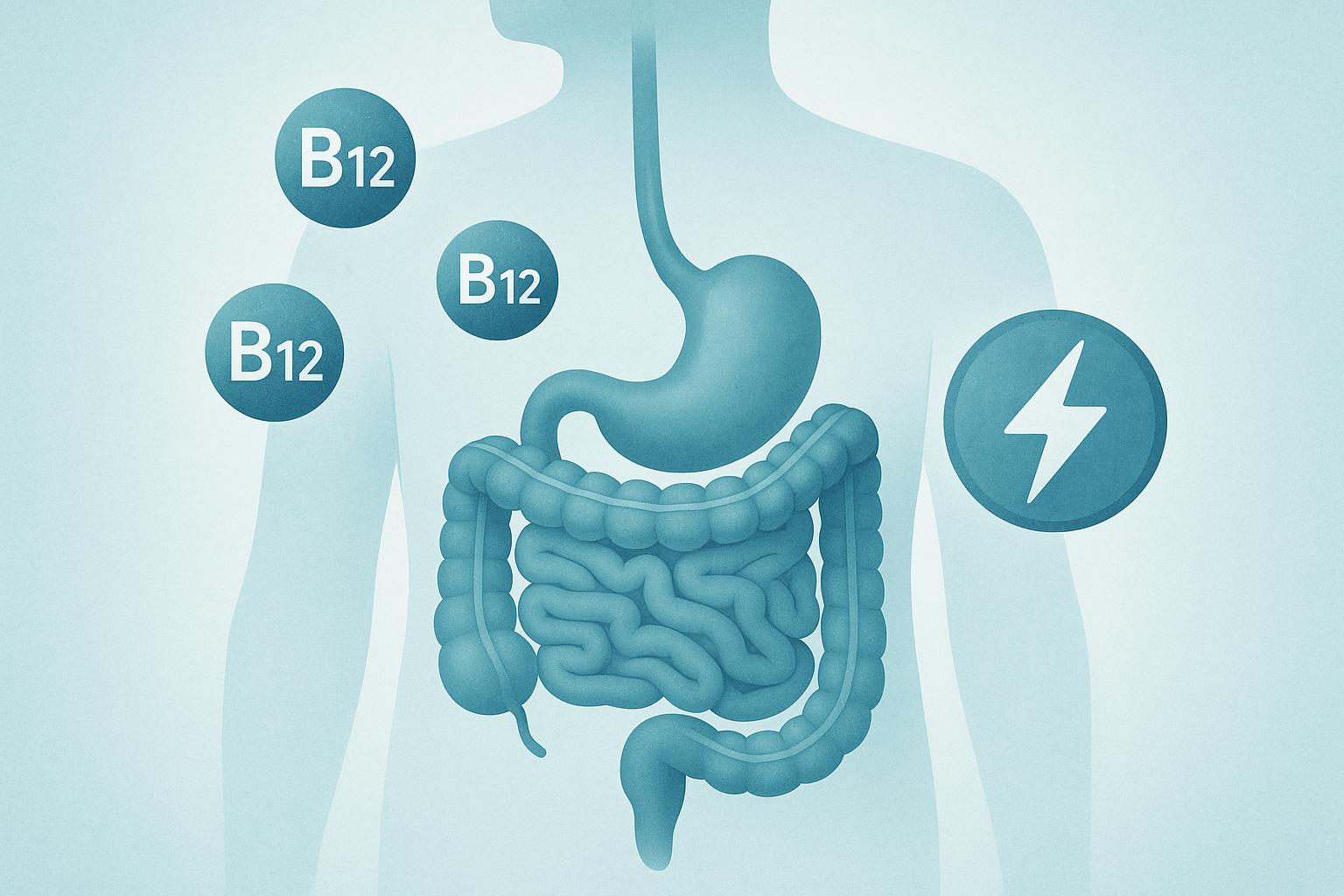
Vitamin B12 is an essential nutrient that supports red blood cell formation, nerve health, DNA production, and energy metabolism. Unlike some nutrients, B12 absorption is a multi-step digestive process. First, stomach acid helps release B12 from food. Then B12 binds to a protein called intrinsic factor, which is made in the stomach. Finally, the B12-intrinsic factor complex is absorbed in the small intestine, mainly in the ileum.
Because this process involves the stomach, pancreas, and small intestine, digestive problems can increase the risk of low B12.
How digestive issues can lead to B12 deficiency
Several digestion-related factors may reduce B12 absorption:
- Low stomach acid, which can make it harder to release B12 from food
- Pernicious anemia, an autoimmune condition that affects intrinsic factor
- Gastritis or long-term stomach inflammation
- Celiac disease, Crohn’s disease, or other intestinal conditions that affect absorption
- Surgery involving the stomach or small intestine, including some bariatric procedures
- Long-term use of acid-reducing medicines in some people
- Pancreatic problems that interfere with normal digestion
People who eat little or no animal-based foods may also be at higher risk because vitamin B12 is naturally found mainly in animal foods such as fish, meat, poultry, eggs, and dairy.
Why low B12 can cause low energy
Low energy is one of the most common reasons people start looking into B12 deficiency. B12 helps your body make healthy red blood cells. When B12 is too low, red blood cells may become larger and less effective at carrying oxygen. This can contribute to fatigue, weakness, shortness of breath, dizziness, and reduced exercise tolerance.
B12 also supports the nervous system. A deficiency may cause symptoms such as numbness or tingling, balance problems, memory changes, mood changes, or brain fog. These symptoms can make fatigue feel worse and may not always improve quickly without proper treatment.
Digestive symptoms that may appear alongside low B12
B12 deficiency can sometimes occur with digestive symptoms, especially if an underlying digestive disorder is contributing to poor absorption. Possible symptoms include appetite changes, diarrhea, constipation, a sore or smooth tongue, nausea, or unexplained weight changes. These symptoms are not specific to B12 deficiency, so testing is important.
Who may benefit from B12 testing
Consider asking a healthcare professional about vitamin B12 testing if you have ongoing fatigue plus risk factors such as digestive disease, a vegan or strict vegetarian diet, a history of stomach or intestinal surgery, long-term acid-suppressing medication use, anemia, nerve symptoms, or a known autoimmune condition.
Common lab evaluation may include serum B12, complete blood count, methylmalonic acid, homocysteine, folate, and additional testing depending on symptoms and medical history.
Treatment depends on the cause
Treatment may involve B12-rich foods, oral supplements, high-dose B12 tablets, nasal forms, or injections. If poor absorption is the issue, injections or high-dose oral B12 may be recommended. The right approach depends on the severity of deficiency, symptoms, lab results, and the reason B12 is low.
Do not ignore neurological symptoms such as numbness, tingling, balance changes, or confusion. Early diagnosis and treatment may help prevent complications.
Key takeaway
The link between B12 deficiency and digestion is important because B12 must be properly released, bound, and absorbed through the digestive system. If digestion is impaired, B12 levels may drop and contribute to low energy, anemia, and nerve-related symptoms. Testing and medical guidance can help identify the cause and the most appropriate treatment.
References
Early Signs of Magnesium Deficiency and Natural Food Sources That May Help
Early Signs of Magnesium Deficiency and Natural Food Sources That May Help
Magnesium deficiency symptoms can be subtle at first. Because magnesium supports hundreds of enzyme reactions in the body, low levels may affect muscles, nerves, energy, blood pressure, blood sugar control, and heart rhythm. True deficiency is not always obvious from symptoms alone, and a healthcare professional may need to evaluate medical history, diet, medications, and lab results.
What magnesium does in the body
Magnesium helps the body make energy, build proteins, maintain normal muscle and nerve function, support strong bones, regulate blood glucose, and maintain a steady heartbeat. It also works with other minerals, including calcium and potassium, which is one reason magnesium imbalance can sometimes be linked with cramps, weakness, or abnormal heart rhythm.
Early magnesium deficiency symptoms
Possible early signs of low magnesium may include:
- Loss of appetite
- Nausea or occasional vomiting
- Fatigue or low energy
- General weakness
- Muscle twitches, cramps, or spasms
- Tingling or numb sensations
- Headaches or increased sensitivity to stress in some people
These symptoms can have many causes, so they do not confirm magnesium deficiency by themselves. Persistent, worsening, or unexplained symptoms should be discussed with a clinician.
More serious signs that need medical attention
More significant magnesium deficiency may contribute to:
- Abnormal heart rhythm or palpitations
- Severe muscle spasms or tremors
- Seizures
- Low calcium or low potassium levels
- Marked weakness, confusion, or fainting
Seek urgent medical care for chest pain, fainting, severe weakness, seizures, or a new irregular heartbeat.
Who is more likely to have low magnesium
Some people are more likely to develop low magnesium intake or low magnesium levels, including those with:
- Long-term poor dietary intake
- Gastrointestinal conditions that reduce absorption, such as Crohn disease or celiac disease
- Ongoing diarrhea or vomiting
- Type 2 diabetes, especially with increased urinary magnesium loss
- Alcohol use disorder
- Older age
- Use of certain medicines, including some diuretics, proton pump inhibitors, or specific antibiotics and chemotherapy drugs
If you take long-term medications or have a chronic condition, ask your healthcare professional whether magnesium status should be monitored.
Best natural food sources of magnesium
Food is generally the preferred first step for supporting magnesium intake. Magnesium-rich foods also provide fiber, antioxidants, healthy fats, and other minerals.
Good sources include:
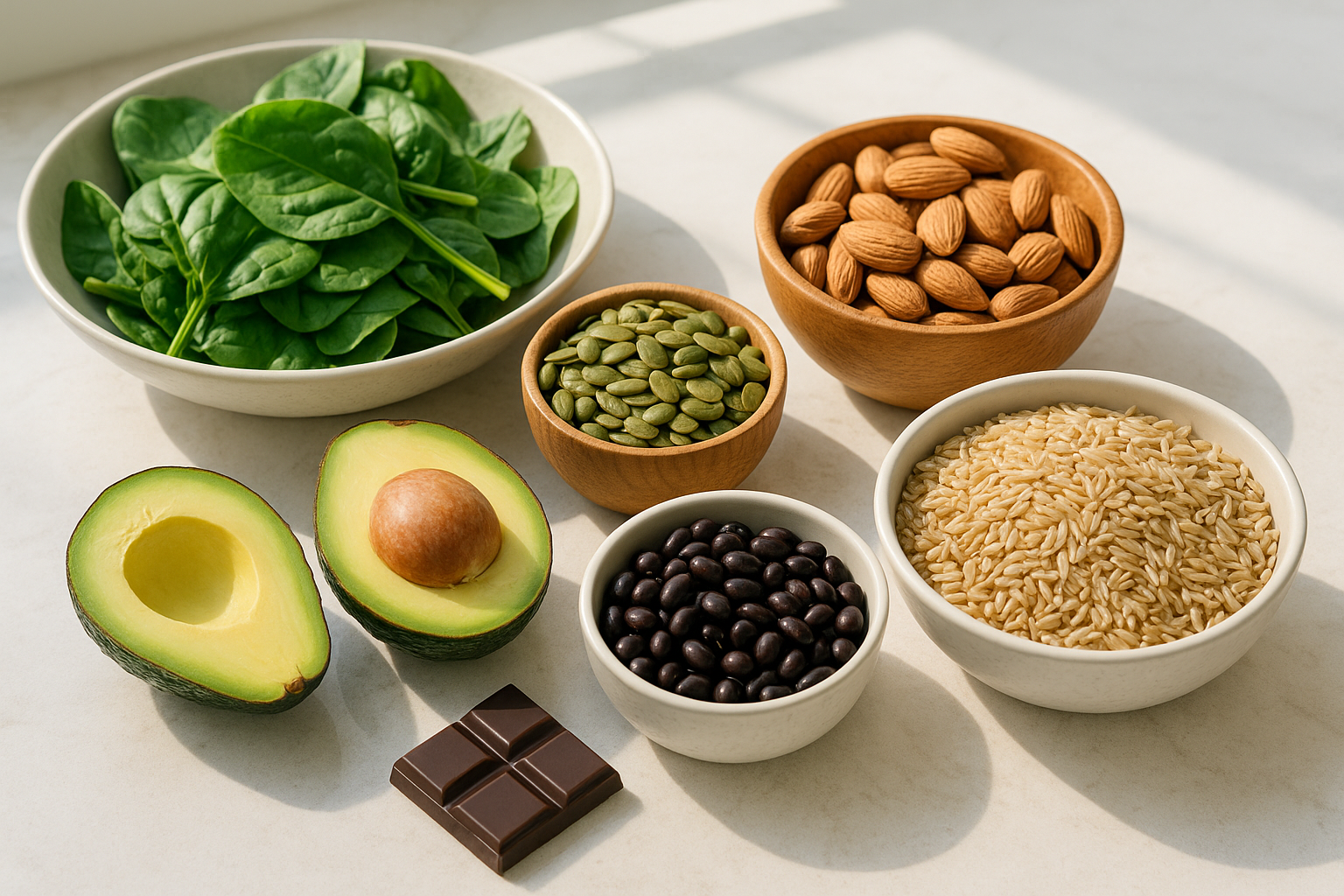
- Pumpkin seeds, chia seeds, flaxseeds, and sunflower seeds
- Almonds, cashews, peanuts, and peanut butter
- Spinach, Swiss chard, and other leafy greens
- Black beans, kidney beans, lentils, chickpeas, and soy foods
- Whole grains such as oats, brown rice, quinoa, and whole wheat
- Avocado
- Bananas
- Yogurt and milk
- Dark chocolate and cocoa
A practical magnesium-supportive meal could include oatmeal with chia seeds and almonds for breakfast, a spinach and black bean salad at lunch, and quinoa with lentils and vegetables at dinner.
Should you take a magnesium supplement
Some people may benefit from magnesium supplements, but they are not always necessary and may not be safe for everyone. High supplemental magnesium can cause diarrhea, nausea, abdominal cramping, and in extreme cases dangerous magnesium buildup, especially in people with kidney disease. Supplements can also interact with certain medications, including some antibiotics, osteoporosis medications, and thyroid medication.
Before starting a supplement, consider asking a healthcare professional about the right form, dose, timing, and whether testing is appropriate.
Bottom line
Magnesium deficiency symptoms may include fatigue, weakness, nausea, muscle cramps, twitching, numbness, and in more serious cases abnormal heart rhythm or seizures. Because these symptoms overlap with many other conditions, professional evaluation is important when symptoms persist. Eating magnesium-rich foods such as seeds, nuts, legumes, leafy greens, whole grains, and dark chocolate can help support healthy magnesium intake naturally.
References

Anti Inflammatory Herbs That May Help Support Joint, Gut, and Immune Health
Anti Inflammatory Herbs That May Help Support Joint, Gut, and Immune Health
Inflammation is part of the body’s normal defense system. It helps repair tissue, respond to infection, and coordinate immune activity. But when inflammation becomes ongoing or poorly regulated, it may contribute to discomfort, digestive issues, and broader health concerns.
Anti inflammatory herbs may help support a balanced inflammatory response through natural plant compounds such as polyphenols, terpenes, curcuminoids, gingerols, and flavonoids. These compounds are studied for antioxidant and immune-modulating activity, although results vary by herb, dose, preparation, and individual health status.
What Are Anti Inflammatory Herbs?
Anti inflammatory herbs are culinary or medicinal plants that contain compounds associated with inflammation-related pathways in the body. Some are used as foods, teas, spices, capsules, tinctures, or standardized extracts.
Common examples include turmeric, ginger, boswellia, green tea, rosemary, garlic, cinnamon, and holy basil. They are best viewed as supportive tools rather than quick fixes.
1. Turmeric
Turmeric is one of the most widely discussed anti inflammatory herbs. Its primary active compounds are curcuminoids, especially curcumin. Curcumin has been studied for its role in inflammatory signaling and antioxidant activity.
Turmeric may be especially relevant for people interested in joint comfort and general inflammatory balance. However, curcumin is not absorbed well on its own. Many supplements combine it with black pepper extract, also called piperine, or use enhanced absorption formulas.
Turmeric can be used in soups, curries, smoothies, golden milk, or capsules. People taking blood thinners, diabetes medications, or gallbladder-related medications should ask a clinician before using concentrated turmeric supplements.
2. Ginger
Ginger contains gingerols and shogaols, compounds studied for digestive support, nausea relief, and inflammation-related effects. It is commonly used as a tea, fresh root, powder, capsule, or extract.
For gut health, ginger may support comfortable digestion and help with occasional nausea. For joint health, some research has explored ginger’s potential role in stiffness and soreness. Culinary ginger is generally well tolerated, but concentrated supplements may not be appropriate for everyone.
3. Boswellia
Boswellia, also known as Indian frankincense, is a resin extract that contains boswellic acids. These compounds have been studied for joint comfort and inflammatory pathway support.
Boswellia is usually taken as a capsule or tablet rather than as a culinary herb. If choosing a supplement, look for products that identify boswellic acid content or use a standardized extract. People with chronic conditions, those taking anti-inflammatory medications, or those preparing for surgery should consult a healthcare professional first.
4. Green Tea
Green tea is rich in catechins, especially EGCG, a polyphenol studied for antioxidant and immune-related effects. It may support overall health when used as part of a balanced diet.
Green tea can be consumed as brewed tea or as an extract. Brewed green tea is typically safer for daily use than high-dose extracts. Concentrated green tea extract has been associated with liver concerns in some cases, so caution is important.
5. Rosemary
Rosemary is a culinary herb containing rosmarinic acid, carnosic acid, and other antioxidant plant compounds. It may support a healthy inflammatory response while adding flavor to meals.
Rosemary is easy to include in roasted vegetables, soups, beans, chicken, fish, and olive oil-based dressings. Culinary use is generally considered safe for most people, while high-dose extracts require more caution.
6. Garlic
Garlic contains sulfur compounds such as allicin that are associated with cardiovascular and immune health. It may also support healthy inflammatory balance as part of a nutrient-rich diet.
Garlic can be eaten raw, cooked, aged, or taken as a supplement. Garlic supplements may interact with blood-thinning medications and may increase bleeding risk in some people.
7. Cinnamon
Cinnamon contains polyphenols and aromatic compounds that may support antioxidant activity and metabolic health. It is often used in oatmeal, tea, smoothies, yogurt, and baked foods.
Cassia cinnamon is higher in coumarin, a compound that may be harmful to the liver in large amounts. Ceylon cinnamon is often preferred for frequent use.
8. Holy Basil
Holy basil, also called tulsi, is traditionally used in Ayurvedic practices. It is commonly consumed as tea and is studied for stress, immune, and metabolic support.
Holy basil may not be suitable for everyone, especially people taking blood sugar-lowering medications, blood thinners, or those who are pregnant or trying to conceive.
How These Herbs May Support Joint Health
Some herbs may help support joint comfort by influencing inflammatory signaling, oxidative stress, and tissue recovery. Turmeric, ginger, and boswellia are among the most commonly studied for joint-related concerns.
For best results, herbs should be paired with foundational joint-support habits such as strength training, mobility work, healthy weight management, adequate protein, omega-3-rich foods, and quality sleep.
How These Herbs May Support Gut Health
The gut and immune system are closely connected. Herbs such as ginger, turmeric, rosemary, and green tea may support digestion and antioxidant balance. Some herbs may also influence the gut microbiome indirectly through polyphenols.
However, not all herbs are soothing for every digestive system. People with reflux, ulcers, inflammatory bowel disease, gallbladder disease, or irritable bowel symptoms should introduce herbs slowly and seek professional guidance when needed.
How These Herbs May Support Immune Health
Many anti inflammatory herbs contain antioxidants and phytonutrients that may help support normal immune function. Green tea, garlic, ginger, turmeric, and rosemary are commonly used in immune-supportive diets.
The goal is not to suppress the immune system, but to support a balanced response. A healthy immune system also depends on sleep, vitamin D status, protein intake, stress management, hydration, and regular movement.
Safety Tips Before Using Anti Inflammatory Herbs
Start with culinary amounts before using concentrated supplements. Choose reputable brands that use third-party testing when possible. Avoid combining multiple high-dose herbal supplements without professional guidance.
Be especially cautious if you take blood thinners, diabetes medications, blood pressure medications, immune-suppressing drugs, or anti-inflammatory drugs. Also check with a healthcare professional before using herbs during pregnancy, breastfeeding, before surgery, or with liver, kidney, gallbladder, or autoimmune conditions.
Simple Ways to Add Anti Inflammatory Herbs to Your Routine
Try ginger tea after meals, turmeric in soups or rice dishes, rosemary on roasted vegetables, garlic in savory meals, and green tea in the morning or early afternoon. A simple anti inflammatory meal might include salmon or beans, leafy greens, olive oil, turmeric, garlic, rosemary, and a cup of green tea.
Consistency matters more than intensity. Small daily habits are usually more sustainable than taking many supplements at once.
Bottom Line
Anti inflammatory herbs such as turmeric, ginger, boswellia, green tea, rosemary, garlic, cinnamon, and holy basil may help support joint, gut, and immune health. They work best as part of a broader lifestyle that includes a nutrient-dense diet, movement, sleep, and medical care when needed.
Herbs can be powerful, so use them thoughtfully. If you have a health condition or take medication, talk with a healthcare professional before starting a supplement.
References

How Sleep Quality Impacts Immune Health and Natural Ways to Improve It
How Sleep Quality Impacts Immune Health and Natural Ways to Improve It
Sleep is not just downtime. It is an active biological state that helps the brain, hormones, metabolism, and immune system reset. When sleep is deep, consistent, and long enough, the body is better able to regulate inflammation, coordinate immune cells, and recover from daily stressors. When sleep is short, fragmented, or poorly timed, immune defenses may become less efficient and inflammation may become harder to control.
For the keyword sleep and immune system, the key idea is simple: immune health depends not only on what you eat or which supplements you take, but also on whether your body gets enough restorative sleep on a regular schedule.
Why sleep matters for the immune system
The immune system works through a complex network of cells, signaling molecules, organs, and barriers. It has to identify threats, respond quickly, avoid overreacting, and remember past exposures. Sleep helps support several of these functions.
During sleep, the body shifts into repair and regulation mode. Immune signaling changes across the night, and certain immune processes appear to be closely tied to circadian rhythm, the internal clock that helps regulate sleep, body temperature, hormone release, and immune activity.
High-quality sleep may support immune health by helping the body:
- Maintain balanced inflammatory responses
- Support immune cell communication
- Build immune memory after exposure to pathogens or vaccines
- Regulate stress hormones that can affect immune function
- Repair tissues and restore energy needed for defense and recovery
This does not mean sleep can prevent every illness. It means sleep is one of the foundations that helps the immune system respond appropriately.
What happens when sleep quality is poor
Poor sleep can include sleeping too few hours, waking often, sleeping at irregular times, or getting sleep that does not feel restorative. Even if someone spends enough time in bed, disrupted sleep can reduce recovery.
Sleep deficiency may affect the immune system in several ways.
1. Higher inflammatory signaling
Inflammation is a normal part of immune defense, but it needs to be well controlled. Poor sleep has been associated with changes in inflammatory markers. Over time, persistent low-grade inflammation may contribute to broader health concerns.
2. Reduced infection resilience
When the body is sleep deprived, immune defenses may not coordinate as effectively. Some research suggests people who sleep poorly may be more vulnerable to common infections or may recover more slowly, although individual risk depends on many factors such as age, medical conditions, stress, nutrition, and exposure level.
3. Weaker response to vaccination
Sleep can influence immune memory. Some studies suggest that insufficient sleep around the time of vaccination may reduce antibody response in certain contexts. This does not mean vaccines will not work, but it highlights how sleep can be part of a healthy immune response.
4. More stress hormone disruption
Sleep and stress are closely linked. Poor sleep can increase stress reactivity, and chronic stress can make sleep worse. Elevated stress hormones can influence immune signaling and may make it harder for the body to stay in balance.
5. Slower recovery from illness
When you are sick, the body often increases the drive to sleep. This is not accidental. Rest supports energy conservation, tissue repair, and immune coordination. Ignoring the need for sleep during illness may make recovery feel harder.
Sleep quality versus sleep quantity
Adults often hear that they need 7 to 9 hours of sleep per night. Duration matters, but quality matters too.
Good sleep quality usually means:
- Falling asleep within a reasonable time
- Staying asleep through most of the night
- Waking up feeling reasonably restored
- Having a consistent sleep and wake schedule
- Feeling alert during the day without excessive caffeine dependence
Someone who sleeps 8 hours but wakes repeatedly may still feel depleted. Someone who sleeps 6 hours may function for a while, but chronic short sleep can accumulate as sleep debt. For immune health, both adequate duration and steady quality are important.
Circadian rhythm and immune health
The immune system follows daily rhythms. Immune cell activity, inflammation, hormone patterns, and body temperature all change across the 24-hour day. A stable circadian rhythm helps the body anticipate when to be alert, when to digest food, and when to repair.
Circadian rhythm can be disrupted by:
- Irregular bedtimes and wake times
- Shift work
- Jet lag
- Bright light exposure late at night
- Too little morning light
- Late caffeine use
- Heavy meals close to bedtime
When sleep timing is irregular, the body may experience internal misalignment. Over time, this can affect energy, mood, metabolism, and immune regulation.
Natural ways to improve sleep quality for immune support
Improving sleep does not require perfection. Small, consistent habits can make a meaningful difference.
1. Keep a consistent sleep schedule
Go to bed and wake up at roughly the same time most days, including weekends. A consistent wake time is especially powerful because it anchors circadian rhythm. If your schedule is currently irregular, shift gradually by 15 to 30 minutes every few days.
2. Get morning light exposure
Natural light in the morning helps signal daytime to the brain. Try going outside soon after waking, even for 5 to 15 minutes. If outdoor light is not possible, sit near a bright window. Morning light can support alertness during the day and melatonin timing at night.
3. Reduce bright light and screens before bed
Bright light at night can delay sleep timing. About 60 minutes before bed, dim lights and reduce stimulating screen use. If you need to use a device, lower brightness and use night settings. The goal is not to fear screens, but to create a clear transition from daytime activity to nighttime rest.
4. Create a wind-down routine
A predictable routine tells the nervous system that sleep is approaching. Good options include stretching, gentle breathing, reading, calming music, prayer, meditation, journaling, or a warm shower. Keep it simple and repeatable.
5. Watch caffeine timing
Caffeine can remain active in the body for hours. If you struggle with sleep, consider avoiding caffeine after late morning or early afternoon. Coffee, tea, energy drinks, pre-workout products, and some sodas can all contribute.
6. Avoid heavy alcohol use for sleep
Alcohol may make you feel sleepy, but it can fragment sleep and reduce sleep quality later in the night. If immune health and recovery are priorities, alcohol should not be used as a sleep aid.
7. Make the bedroom sleep-friendly
A good sleep environment is cool, dark, quiet, and comfortable. Consider blackout curtains, an eye mask, earplugs, white noise, breathable bedding, and a supportive mattress or pillow. Temperature matters because the body naturally cools as it prepares for sleep.
8. Exercise regularly, but time it well
Regular physical activity supports sleep quality and immune health. Most people do well with moderate exercise earlier in the day. Vigorous exercise too close to bedtime may be stimulating for some people, although responses vary.
9. Eat in a way that supports steady energy
Sleep and nutrition interact. Large, heavy meals right before bed can disrupt sleep for some people. On the other hand, going to bed very hungry can also be disruptive. A balanced diet with adequate protein, fiber-rich carbohydrates, healthy fats, and micronutrients supports overall immune health.
10. Manage stress before bedtime
Stress is one of the most common reasons people cannot sleep. A useful strategy is a worry download: write down concerns, next steps, and reminders earlier in the evening so your mind is less likely to process them in bed. Slow breathing can also help reduce physical arousal.
What to do when you are sick
When you have an acute illness, sleep becomes even more important. Support recovery by prioritizing rest, hydration, nourishing meals, and medical guidance when needed.
Helpful steps include:
- Allow extra sleep and naps if your body needs them
- Keep the room comfortable and well ventilated
- Drink fluids regularly
- Avoid intense workouts until symptoms improve
- Contact a healthcare professional for severe, worsening, or unusual symptoms
Seek medical care urgently if you have trouble breathing, chest pain, confusion, dehydration, high or persistent fever, bluish lips, or symptoms that rapidly worsen.
When poor sleep may need medical evaluation
Lifestyle changes can help many people, but ongoing sleep problems should not be ignored. Talk with a healthcare professional if you experience:
- Insomnia lasting more than a few weeks
- Loud snoring or gasping during sleep
- Pauses in breathing during sleep
- Excessive daytime sleepiness
- Restless legs or frequent limb movements
- Morning headaches
- Frequent infections along with severe fatigue
- Sleep problems related to anxiety, depression, pain, or medication
Conditions such as sleep apnea, chronic insomnia, thyroid disorders, mood disorders, pain conditions, and medication side effects can all affect sleep. Treating the underlying issue may improve both sleep quality and overall health.
The bottom line
Sleep quality has a major influence on immune health. Restorative sleep helps regulate inflammation, supports immune communication, and gives the body the time it needs to recover. Poor sleep can make the immune system less resilient and may contribute to fatigue, stress, and slower recovery.
The best natural strategy is to build a consistent sleep foundation: regular timing, morning light, a calming evening routine, a dark and cool bedroom, smart caffeine habits, physical activity, and stress management. These basics may seem simple, but practiced consistently, they can strengthen the connection between sleep and immune system health.
References

Natural Sleep Remedies That Help Calm the Nervous System Before Bed
Natural Sleep Remedies That Help Calm the Nervous System Before Bed
A busy mind, tense muscles, racing thoughts, and nighttime restlessness can all be signs that your nervous system has not fully shifted into a relaxed state. While no single remedy works for everyone, several natural approaches may help prepare the body for sleep by supporting relaxation, lowering arousal, and reinforcing a steady bedtime rhythm.
Why calming the nervous system matters for sleep
Sleep is easier when the body moves away from a high-alert state and into a calmer mode. Stress, bright light, late caffeine, heavy meals, emotional conversations, and screen stimulation can all keep the brain engaged when it should be winding down.
Natural sleep remedies are most helpful when they are part of a consistent routine rather than used as a last-minute fix. The goal is to create repeatable cues that tell your body it is safe to rest.
1. Keep a consistent wind-down routine
A predictable bedtime routine can help train your brain to associate certain actions with sleep. Try starting 30 to 60 minutes before bed.
Simple options include:
- Dimming the lights
- Putting devices away or using low-light settings
- Taking a warm shower or bath
- Reading something calming
- Stretching gently
- Listening to quiet music or a sleep meditation
Consistency matters more than complexity. A simple routine repeated nightly can be more effective than trying a different remedy every few days.
2. Try slow breathing to reduce physical tension
Breathing exercises are one of the simplest natural remedies for better sleep because they can directly influence the body’s stress response. Slow breathing may help reduce tension and create a calmer bedtime state.
Try this easy pattern:
- Inhale through your nose for 4 seconds.
- Exhale slowly for 6 seconds.
- Repeat for 3 to 5 minutes.
The longer exhale can encourage relaxation. If counting feels stressful, simply breathe slowly and comfortably.
3. Use progressive muscle relaxation
Progressive muscle relaxation involves gently tensing and releasing muscle groups. This can be useful if your body feels wired, restless, or physically tense at night.
Start at your feet and move upward:
- Tense the muscles for about 5 seconds.
- Release and notice the difference.
- Move to calves, thighs, hands, arms, shoulders, jaw, and face.
Avoid intense squeezing. The goal is awareness and release, not strain.
4. Create a sleep-supportive bedroom environment
Your sleep environment can either calm or stimulate the nervous system. A room that is cool, dark, and quiet often supports better sleep.
Helpful adjustments include:
- Keeping the room comfortably cool
- Using blackout curtains or an eye mask
- Reducing noise with earplugs or white noise
- Keeping work materials out of the bed area
- Choosing soft, breathable bedding
If your bedroom feels visually cluttered, a small evening reset may help the space feel more restful.
5. Drink a calming caffeine-free tea
A warm drink can become a soothing bedtime cue. Chamomile, lemon balm, and passionflower teas are commonly used as part of calming nighttime routines.
Keep expectations realistic. Herbal tea is not a sedative for everyone, but the combination of warmth, routine, and quiet time may help the body settle.
Avoid drinking too much liquid right before bed if nighttime bathroom trips disrupt your sleep.
6. Consider lavender as a relaxation cue
Lavender is often used in aromatherapy for relaxation. Some people find that a light lavender scent helps them associate bedtime with calm.
Ways to use it include:
- A lavender sachet near the bed
- A diffuser used safely before sleep
- A lightly scented pillow spray
Use essential oils carefully. Do not ingest essential oils unless directed by a qualified professional, and avoid using them around infants, pets, or people with respiratory sensitivities without checking safety guidance.
7. Be cautious with melatonin
Melatonin is a hormone involved in sleep timing. It may be helpful for certain situations, such as jet lag or circadian rhythm shifts, but it is not the right answer for every sleep problem.
If you are considering melatonin, talk with a healthcare professional, especially if you take medications, have a medical condition, are pregnant, or are giving it to a child. More is not always better, and timing matters.
8. Limit late caffeine and alcohol
Caffeine can stay active in the body for hours, even if you do not feel stimulated. For many people, avoiding caffeine after lunch or early afternoon improves sleep quality.
Alcohol may make you feel sleepy at first, but it can disrupt sleep later in the night. If you wake up frequently, feel overheated, or have restless sleep after drinking, alcohol may be part of the problem.
9. Try gentle evening movement
Light movement can help release physical tension and transition away from the stress of the day. Choose calming movement rather than intense exercise close to bedtime.
Good options include:
- Gentle yoga
- Slow stretching
- A relaxed evening walk
- Mobility exercises
If evening exercise energizes you, move it earlier in the day.
10. Use journaling to quiet racing thoughts
If your mind becomes busy the moment you lie down, a short journaling practice may help. The purpose is not to solve everything at night. It is to move thoughts out of your head and onto paper.
Try writing:
- Three things you are thinking about
- One small plan for tomorrow
- One thing you can set aside until morning
- One calming or grateful thought
Keep it brief. A 5-minute practice is enough for many people.
When natural remedies may not be enough
Natural approaches can support better sleep, but ongoing insomnia deserves attention. Consider speaking with a healthcare professional if you:
- Struggle to sleep most nights
- Snore loudly or wake up gasping
- Feel very sleepy during the day
- Have restless legs or frequent nighttime movements
- Notice sleep problems after starting a medication
- Feel anxious, depressed, or overwhelmed
Sleep disorders and medical conditions are treatable, but they often need proper evaluation.
A simple calming bedtime routine to try tonight
Here is a basic routine using several natural remedies for better sleep:
- Dim lights 60 minutes before bed.
- Stop work, news, and stressful tasks.
- Make a small cup of caffeine-free herbal tea.
- Do 5 minutes of slow breathing.
- Stretch gently or use progressive muscle relaxation.
- Write down tomorrow’s top priority.
- Get into a cool, dark, quiet bedroom.
The best routine is one you can repeat. Start small, stay consistent, and adjust based on how your body responds.
References
Zinc Deficiency and Immunity: How Low Zinc Weakens Defenses and How to Rebuild Levels Naturally
Zinc Deficiency and Immunity: How Low Zinc Weakens Defenses and How to Rebuild Levels Naturally
Zinc is required in small amounts, but its impact on immune health is significant. It supports the skin and mucous membranes, helps immune cells communicate, contributes to wound healing, and plays a role in normal growth and repair. Because the body does not store large reserves of zinc, consistent intake from food is important.
Why zinc matters for immune health
Zinc helps the immune system function in several connected ways:
- Barrier protection: Zinc supports the integrity of the skin, gut lining, and respiratory tract, which are the first physical defenses against pathogens.
- Innate immunity: Zinc is involved in the activity of immune cells that respond quickly to potential threats.
- Adaptive immunity: Zinc supports T cell and B cell function, which are needed for more targeted immune responses.
- Inflammation balance: Adequate zinc helps regulate inflammatory signaling so the immune response is effective without becoming excessive.
- Wound healing: Zinc contributes to collagen formation, tissue repair, and cell division.
When zinc intake or absorption is inadequate, these immune processes can become less efficient.
How zinc deficiency can weaken immunity
Low zinc status may make the immune system less resilient. Deficiency has been associated with impaired immune cell function, slower wound healing, and increased vulnerability to infections. In practical terms, low zinc may contribute to:
- Frequent or prolonged infections
- Slow recovery after illness
- Slow wound healing
- Skin irritation or poor skin repair
- Changes in taste or smell
- Reduced appetite
- Hair shedding or thinning in some cases
- Diarrhea, especially when deficiency is more significant
These symptoms are not specific to zinc deficiency. They can also occur with iron deficiency, vitamin D deficiency, thyroid disease, chronic inflammation, infection, medication effects, or other health issues. Testing and professional evaluation are important if symptoms are persistent.
Who is at higher risk of low zinc?
Some groups are more likely to have low zinc intake, reduced absorption, or increased needs. Risk may be higher in people who:
- Eat little or no animal protein
- Follow a vegan or vegetarian diet without careful planning
- Have gastrointestinal conditions such as inflammatory bowel disease, chronic diarrhea, or malabsorption
- Have had bariatric surgery
- Drink alcohol heavily
- Are pregnant or breastfeeding
- Are older adults with low appetite or limited diets
- Have sickle cell disease
- Use restrictive diets for long periods
Plant-based diets can provide zinc, but absorption is often lower because beans, grains, nuts, and seeds contain phytates, compounds that can bind zinc and reduce absorption.
Best natural food sources of zinc
A food-first approach is usually the safest way to rebuild and maintain healthy zinc levels. Strong zinc sources include:
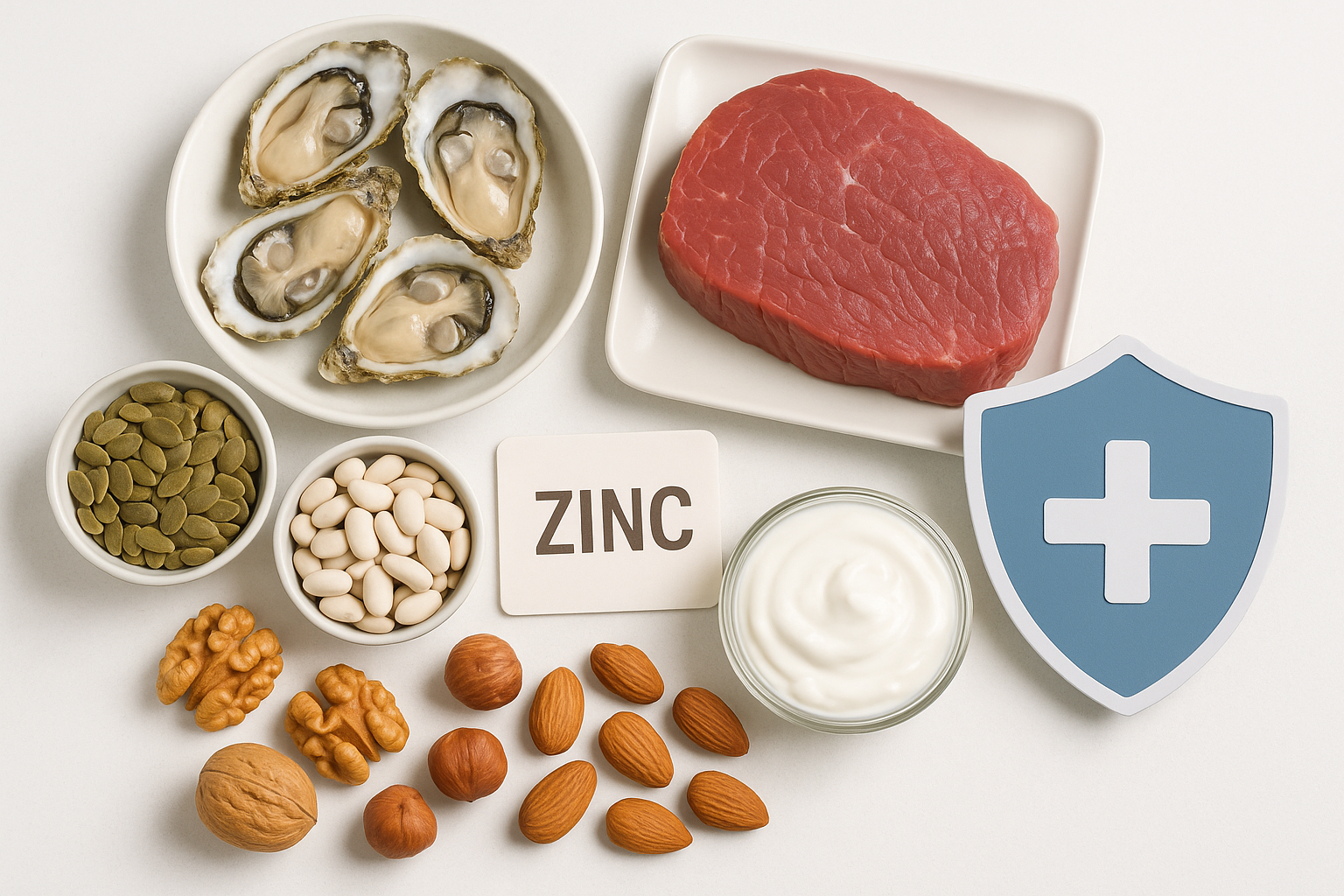
- Oysters and other shellfish
- Beef, lamb, and pork
- Chicken and turkey
- Crab and lobster
- Yogurt, milk, and cheese
- Beans, lentils, and chickpeas
- Pumpkin seeds, sesame seeds, and hemp seeds
- Cashews, almonds, and peanuts
- Oats and whole grains
- Fortified breakfast cereals
Animal foods generally provide zinc in a form that is more easily absorbed. Plant foods still contribute meaningfully, especially when prepared in ways that improve mineral availability.
How to improve zinc absorption naturally
If you rely heavily on plant foods, preparation matters. To improve zinc availability:
- Soak beans and lentils before cooking.
- Sprout legumes or grains when practical.
- Use fermented foods such as sourdough bread, tempeh, or fermented grains.
- Pair zinc-rich plant foods with protein-containing meals.
- Avoid depending on unsoaked high-phytate foods as your only zinc sources.
- Eat a varied diet rather than relying on one or two staple foods.
High supplemental iron or calcium taken at the same time as zinc may interfere with absorption in some situations. If you use multiple supplements, ask a clinician or pharmacist how to time them.
Daily zinc needs
Recommended zinc intake varies by age, sex, and life stage. For many adults, the recommended dietary allowance is 11 mg per day for men and 8 mg per day for women. Needs increase during pregnancy and breastfeeding. The tolerable upper intake level for adults is 40 mg per day from food and supplements combined.
More is not always better. Chronic high-dose zinc can cause nausea, abdominal discomfort, reduced copper absorption, copper deficiency, anemia, neurological symptoms, and weakened immune function over time.
Should you take a zinc supplement?
A supplement may be appropriate when dietary intake is low, deficiency is confirmed or strongly suspected, or a healthcare professional recommends it. Common forms include zinc gluconate, zinc acetate, and zinc sulfate.
Before supplementing, consider these safety points:
- Avoid long-term high-dose zinc unless medically supervised.
- Do not exceed the adult upper limit of 40 mg per day unless directed by a clinician.
- Zinc can interact with certain antibiotics and other medications.
- Zinc supplements may cause nausea, especially on an empty stomach.
- Long-term zinc supplementation may require attention to copper status.
If you have frequent infections, chronic diarrhea, unexplained weight loss, poor wound healing, or major diet restrictions, it is better to seek evaluation than to self-treat indefinitely.
A practical food-first plan to rebuild zinc levels
Use this simple approach for immune-supportive zinc intake:
- Add one zinc-rich protein daily. Examples include beef, poultry, seafood, yogurt, lentils, tofu, or beans.
- Include seeds or nuts most days. Pumpkin seeds, hemp seeds, cashews, and sesame seeds are useful options.
- Improve plant-food preparation. Soak, sprout, ferment, or use sourdough grains when possible.
- Support overall immune nutrition. Zinc works alongside protein, vitamin C, vitamin D, selenium, iron, and adequate calories.
- Review medications and supplements. Ask a healthcare professional if anything you take may affect zinc status or absorption.
- Test when appropriate. Blood zinc testing has limitations, but clinical evaluation can help identify deficiency risk and related nutrient issues.
Bottom line
Zinc deficiency can weaken immune health by disrupting barrier defenses, immune cell function, inflammation balance, and wound repair. The most sustainable way to support healthy zinc levels is a varied diet that includes zinc-rich foods and preparation methods that improve absorption. Supplements can help when needed, but long-term high-dose zinc can be harmful, so use them carefully and with medical guidance when deficiency or ongoing immune concerns are present.
References
Best Everyday Foods That Support Natural Liver Detox and Function
Best Everyday Foods That Support Natural Liver Detox and Function
The liver is one of the body’s hardest-working organs. It helps process nutrients, make bile, store energy, filter blood, and break down substances your body does not need. While the phrase natural liver detox is popular, your liver does not need an extreme cleanse to do its job. It needs daily support from balanced meals, adequate hydration, limited alcohol, and healthy lifestyle habits.
Below are practical foods for liver support that can fit into everyday meals.
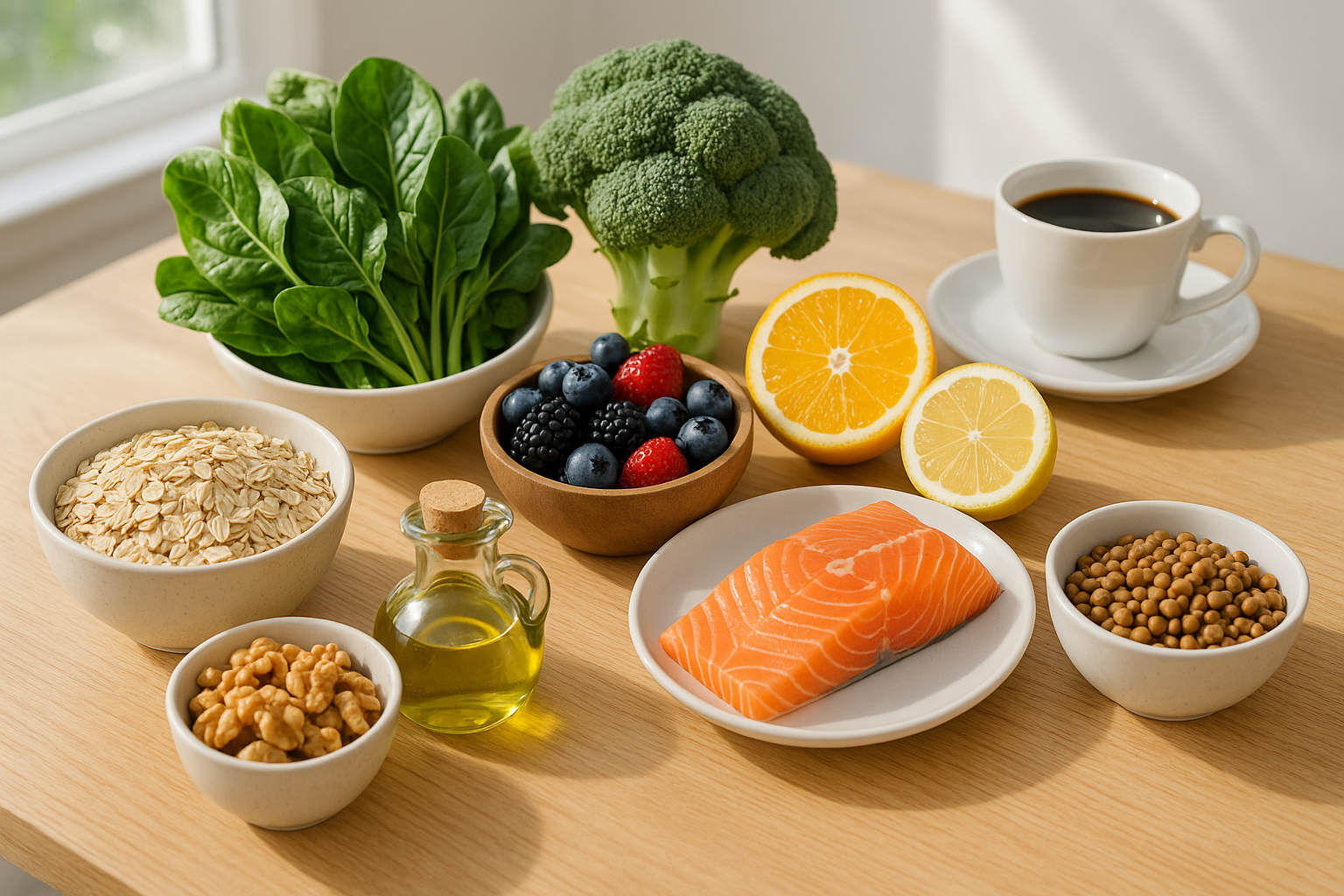
1. Leafy greens
Spinach, kale, arugula, romaine, Swiss chard, and collard greens provide fiber, folate, magnesium, vitamin K, and plant compounds that support overall metabolic health. They are also low in calories and can help replace more processed foods in the diet.
Easy ways to eat more:
- Add spinach to eggs or smoothies
- Use greens as the base for lunch bowls
- Stir kale or chard into soups
- Add arugula to sandwiches or wraps
2. Cruciferous vegetables
Broccoli, cauliflower, Brussels sprouts, cabbage, bok choy, and radishes are rich in fiber and sulfur-containing compounds. These vegetables are often included in liver-friendly eating patterns because they support general antioxidant and cellular defense systems.
Try roasting broccoli with olive oil, adding cabbage to tacos, or mixing cauliflower into grain bowls.
3. Berries and citrus fruits
Blueberries, strawberries, raspberries, oranges, grapefruit, lemons, and limes provide vitamin C, polyphenols, and fiber. These nutrients help support a balanced inflammatory response and overall health.
Choose whole fruit more often than juice. Whole fruit contains fiber, which helps slow sugar absorption and supports gut health.
4. High-fiber whole grains
Oats, barley, brown rice, quinoa, farro, and whole-grain bread can help support healthy blood sugar and cholesterol levels. This matters because metabolic health is closely connected to liver health.
Simple swaps:
- Choose oatmeal instead of sugary breakfast cereal
- Use quinoa or brown rice in bowls
- Try barley in soups
- Pick whole-grain bread with minimal added sugar
5. Beans, lentils, and other legumes
Lentils, chickpeas, black beans, kidney beans, peas, and soy foods provide plant protein, resistant starch, and soluble fiber. They are filling and can help reduce reliance on heavily processed meats and refined carbohydrates.
Meal ideas:
- Lentil soup with greens
- Chickpea salad with lemon and olive oil
- Black bean tacos with cabbage and avocado
- Hummus with vegetables
6. Fatty fish
Salmon, sardines, trout, herring, and mackerel contain omega-3 fatty acids. These fats are associated with heart and metabolic health, both of which are important for overall liver function.
If you do not eat fish, consider plant sources of omega-3 fats such as chia seeds, ground flaxseed, walnuts, and hemp seeds.
7. Nuts, seeds, and extra-virgin olive oil
Walnuts, almonds, pistachios, chia seeds, flaxseed, pumpkin seeds, and extra-virgin olive oil provide unsaturated fats, vitamin E, minerals, and antioxidant compounds. These foods fit well in Mediterranean-style eating patterns, which are commonly recommended for metabolic wellness.
Because nuts and oils are calorie-dense, use reasonable portions. A small handful of nuts or one to two tablespoons of olive oil can be enough for many meals.
8. Coffee and tea
Unsweetened coffee has been studied for its relationship with liver health, and moderate intake may be associated with better liver-related outcomes in some populations. Green tea and black tea also provide polyphenols.
Keep it liver-friendly by limiting added sugar, flavored syrups, and high-fat creamers. If caffeine affects your sleep, blood pressure, anxiety, or digestion, choose decaf or ask your clinician what is appropriate.
9. Garlic, onions, herbs, and spices
Garlic, onions, turmeric, ginger, parsley, cilantro, rosemary, and oregano add flavor while helping reduce reliance on excess salt, sugar, and heavy sauces. They also contribute small amounts of beneficial plant compounds.
Use them to make liver-supportive meals more enjoyable and sustainable.
10. Water-rich foods and plain water
Hydration helps the body maintain normal digestion, circulation, and waste removal. Water, herbal tea, soups, cucumbers, melon, citrus, and leafy vegetables can all contribute to fluid intake.
A simple goal is to drink water regularly and use thirst, urine color, activity level, climate, and medical guidance to adjust your intake.
Foods and habits to limit for liver health
Supporting the liver is also about reducing stressors. Consider limiting:
- Alcohol, especially if you have liver concerns
- Sugary drinks and frequent desserts
- Highly processed snacks
- Large amounts of refined carbohydrates
- Fried foods and trans fats
- Excessive supplement use, especially products marketed as detox cleanses
Some supplements and herbal products can harm the liver or interact with medication, so use caution.
A simple liver-supportive plate
For an everyday meal, aim for:
- Half the plate: non-starchy vegetables, especially leafy greens or cruciferous vegetables
- One quarter: lean protein such as fish, beans, lentils, tofu, poultry, or eggs
- One quarter: high-fiber carbohydrate such as oats, quinoa, brown rice, barley, sweet potato, or beans
- Add: healthy fat from olive oil, nuts, seeds, or avocado
- Drink: water, unsweetened tea, or unsweetened coffee if tolerated
Bottom line
The best foods for liver support are simple, consistent, and nutrient-dense: vegetables, fruits, beans, whole grains, healthy fats, fish, nuts, seeds, coffee, and plenty of water. No single food can detox the liver on its own, but a balanced eating pattern can support the liver’s natural function over time.
References
How Poor Gut Health Can Trigger Inflammation and What to Do Naturally
How Poor Gut Health Can Trigger Inflammation and What to Do Naturally
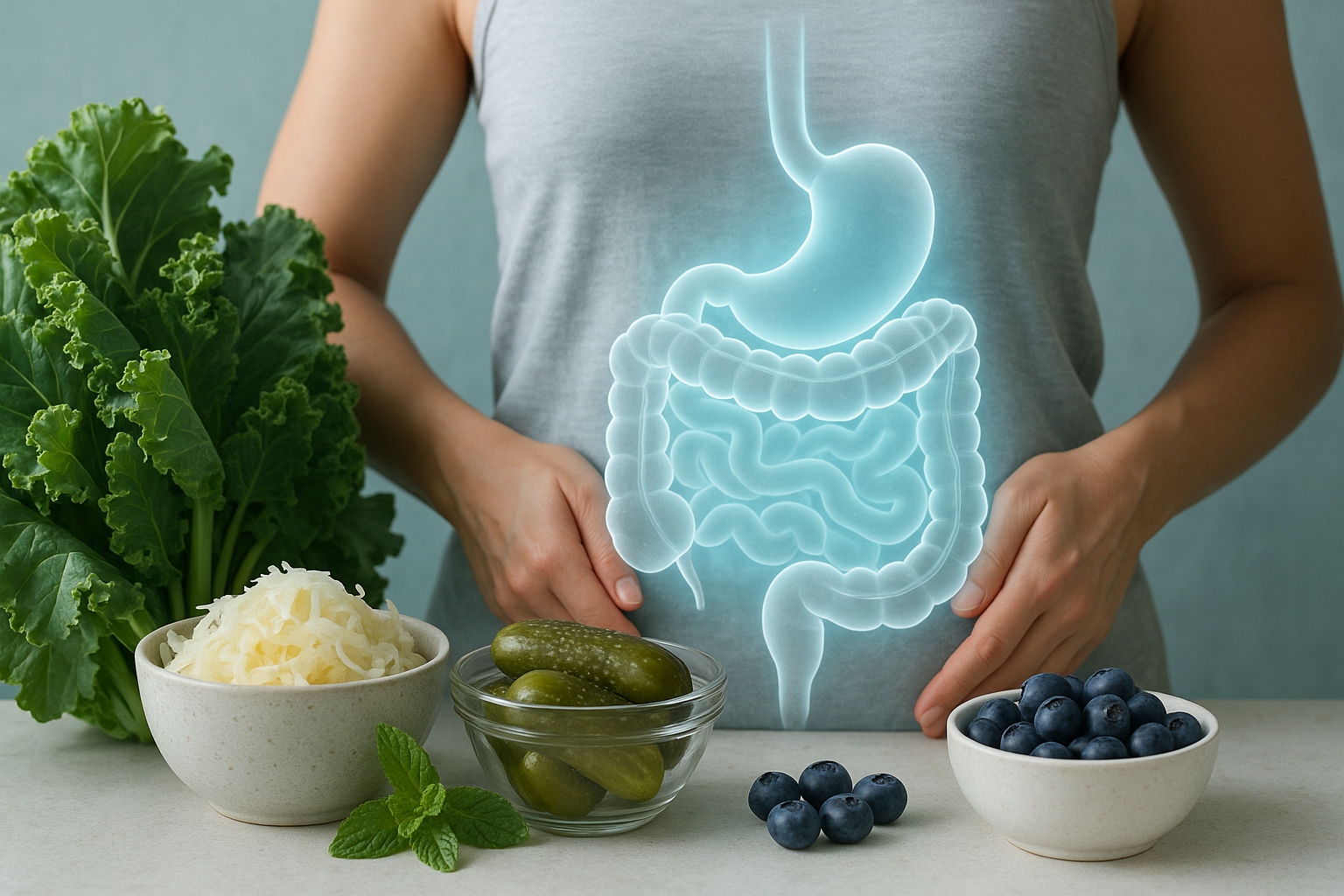
Gut health and inflammation are linked through the immune system, the gut microbiome, and the intestinal barrier. Your digestive tract is not just a place where food is broken down. It is also a major immune interface, constantly deciding what should be tolerated, what should be absorbed, and what should trigger a defense response.
When the gut is functioning well, beneficial microbes help digest fiber, produce supportive compounds, communicate with immune cells, and help maintain the gut lining. When gut health is disrupted, this communication can become less balanced. The result may be low-grade inflammation that affects digestion and, in some cases, may influence overall well-being.
What Does Poor Gut Health Mean?
Poor gut health is not one single diagnosis. It can describe several overlapping issues, including an imbalanced gut microbiome, frequent digestive discomfort, reduced microbial diversity, poor tolerance of certain foods, constipation, diarrhea, bloating, or irritation of the gut lining.
The gut microbiome is the community of bacteria, fungi, viruses, and other microorganisms living mostly in the large intestine. Many of these organisms are helpful or neutral. Some can become problematic if they overgrow or if the ecosystem becomes imbalanced.
Common contributors to poor gut health include a low-fiber diet, high intake of ultra-processed foods, frequent alcohol use, chronic stress, inadequate sleep, certain medications such as antibiotics when medically necessary, infections, and underlying digestive disorders.
How the Gut Can Influence Inflammation
Inflammation is part of the body’s normal defense system. Short-term inflammation helps protect you from injury and infection. The concern is chronic, unresolved, or excessive inflammation.
The gut can contribute to inflammation in several ways.
1. An Imbalanced Microbiome Can Affect Immune Signaling
A diverse microbiome tends to be more resilient. Beneficial bacteria help produce short-chain fatty acids, including butyrate, which support the cells lining the colon and help regulate immune activity.
When microbial balance is disrupted, the gut may produce fewer beneficial metabolites and more irritating byproducts. This can shift immune signaling toward a more inflammatory state.
2. The Gut Barrier May Become Less Resilient
The intestinal lining acts as a selective barrier. It allows nutrients and water to pass through while helping keep harmful substances, toxins, and microbes from crossing into the bloodstream.
When this barrier is irritated or damaged, immune cells may be exposed to substances they would not normally encounter. This can activate inflammatory pathways. The term often used online is leaky gut, though in medical settings this is usually discussed as increased intestinal permeability.
3. Low Fiber Intake Can Reduce Protective Compounds
Fiber feeds beneficial gut bacteria. When these bacteria ferment certain fibers, they produce short-chain fatty acids that help nourish the gut lining and support healthy immune regulation.
A diet low in fruits, vegetables, legumes, whole grains, nuts, and seeds may reduce this beneficial fermentation. Over time, low fiber intake can make the gut environment less supportive of anti-inflammatory processes.
4. Chronic Stress Can Disrupt Gut-Immune Communication
The gut and brain communicate through the gut-brain axis. Stress can alter digestion, gut motility, immune activity, and the composition of the microbiome.
This is why some people notice digestive symptoms during stressful periods. Stress does not mean symptoms are imaginary. It means the nervous system, immune system, and gut are closely connected.
5. Poor Sleep Can Affect Inflammation and Microbiome Balance
Sleep helps regulate immune function. Inadequate or irregular sleep may increase inflammatory signaling and may also influence appetite, blood sugar balance, and food choices, all of which can affect gut health.
Improving sleep is one of the most overlooked natural strategies for supporting both gut function and inflammatory balance.
Signs Your Gut May Be Contributing to Inflammation
Possible signs of poor gut health include frequent bloating, constipation, diarrhea, abdominal discomfort, excessive gas, irregular bowel habits, food sensitivities, fatigue, skin flare-ups, and feeling unwell after eating certain foods.
These symptoms can have many causes. Persistent diarrhea, blood in the stool, unexplained weight loss, anemia, fever, severe abdominal pain, trouble swallowing, or symptoms that wake you at night should be evaluated by a healthcare professional.
Natural Ways to Support Gut Health and Inflammation Balance
Natural support begins with consistent daily habits. The goal is not to sterilize the gut or follow an extreme diet. The goal is to create a more resilient internal environment.
1. Eat More Fiber Gradually
Fiber is one of the strongest diet-based tools for gut health. Good sources include beans, lentils, oats, barley, chia seeds, flaxseeds, vegetables, berries, apples, pears, nuts, and whole grains.
If you currently eat little fiber, increase slowly. Adding too much too quickly can worsen bloating and gas. Drink enough water as fiber intake increases.
2. Include a Variety of Plant Foods
Different microbes prefer different types of plant fibers and polyphenols. A wider range of plant foods may help support a more diverse microbiome.
Aim to rotate colorful vegetables, fruits, herbs, spices, legumes, nuts, seeds, and whole grains. Polyphenol-rich foods such as berries, extra-virgin olive oil, green tea, cocoa, herbs, and colorful produce may be especially helpful as part of an anti-inflammatory eating pattern.
3. Consider Fermented Foods if You Tolerate Them
Fermented foods such as yogurt with live cultures, kefir, sauerkraut, kimchi, miso, and tempeh may support microbial diversity for some people.
Start small, especially if you are prone to bloating. People with histamine intolerance, certain digestive disorders, or immune-compromising conditions should ask a healthcare professional before increasing fermented foods or using probiotics.
4. Limit Ultra-Processed Foods and Excess Added Sugar
A diet high in ultra-processed foods, refined carbohydrates, and added sugars may be less supportive of microbial diversity and inflammatory balance. These foods can also displace fiber-rich whole foods.
You do not need perfection. Focus on making most meals from minimally processed foods: vegetables, fruits, legumes, whole grains, fish, poultry, eggs, plain yogurt, nuts, seeds, and healthy fats.
5. Use Healthy Fats
Omega-3 fatty acids from fatty fish such as salmon, sardines, trout, and mackerel may help support a balanced inflammatory response. Plant sources such as chia seeds, flaxseeds, and walnuts provide ALA, a plant omega-3.
Extra-virgin olive oil is another helpful fat commonly used in Mediterranean-style eating patterns, which are associated with better cardiometabolic and inflammatory markers.
6. Manage Stress Daily
Because stress can affect the gut, stress management is not optional for many people with digestive complaints. Useful approaches include walking, breathing exercises, yoga, meditation, journaling, time outdoors, therapy, and reducing unnecessary stimulants.
Even five minutes of slow breathing before meals may support digestion by shifting the nervous system toward a calmer state.
7. Prioritize Sleep Consistency
A practical gut-supportive sleep routine includes a consistent bedtime, morning light exposure, limiting late caffeine, reducing alcohol, keeping the bedroom cool and dark, and avoiding heavy meals close to bed if they worsen reflux or discomfort.
Sleep is not just recovery for the brain. It is also recovery for the immune system.
8. Move Your Body Regularly
Regular physical activity is associated with healthier inflammatory markers and may positively influence gut microbial diversity. Walking after meals can also support blood sugar balance and digestion.
Choose movement you can repeat consistently: brisk walking, cycling, swimming, strength training, yoga, or recreational sports.
9. Be Careful With Unnecessary Supplements
Probiotics, prebiotics, digestive enzymes, collagen, glutamine, and herbal products are popular for gut health, but they are not equally useful for everyone. Some can worsen gas, interact with medications, or be inappropriate for certain conditions.
If you have ongoing symptoms, it is better to identify the cause rather than layering supplements on top of uncertainty.
When to Seek Medical Guidance
Talk with a healthcare professional if digestive symptoms are persistent, worsening, or associated with red flags such as blood in the stool, black stools, unintentional weight loss, persistent vomiting, fever, anemia, severe pain, or a family history of inflammatory bowel disease or colon cancer.
Medical evaluation may include history, physical exam, blood tests, stool tests, breath testing, imaging, or referral to a gastroenterologist depending on symptoms.
Bottom Line
Poor gut health can contribute to inflammation through microbiome imbalance, reduced gut barrier resilience, low fiber intake, stress, sleep disruption, and immune system activation. The most effective natural approach is usually not extreme detoxing or restrictive dieting. It is a consistent foundation of fiber-rich foods, plant diversity, fermented foods when tolerated, healthy fats, sleep, stress management, and regular movement.
Supporting the gut is a long-term strategy. Small daily choices can gradually create a healthier digestive environment and a more balanced inflammatory response.
References

Natural Sleep Remedies That Support Relaxation Without Harsh Stimulants
Natural Sleep Remedies That Support Relaxation Without Harsh Stimulants
Natural sleep remedies are best viewed as tools that support the body’s natural wind-down process. They may help reduce evening tension, reinforce circadian rhythm, and make it easier to fall asleep when paired with consistent sleep habits.
Start with the foundation: sleep hygiene
Before trying supplements or herbal remedies, focus on the habits that directly influence sleep quality.
- Keep a consistent bedtime and wake time, even on weekends.
- Get morning light exposure to help regulate your internal clock.
- Dim lights in the evening and reduce bright screen exposure before bed.
- Keep your bedroom cool, dark, and quiet.
- Avoid heavy meals, nicotine, and excess alcohol close to bedtime.
- Limit caffeine after late morning or early afternoon, depending on your sensitivity.
These steps are not quick fixes, but they often make natural sleep remedies more effective.
Build a calming bedtime routine
A predictable routine signals to your brain that it is time to transition from alertness to rest. Try choosing two or three relaxing activities and repeating them nightly.
Gentle options include:
- Reading a calming book
- Taking a warm bath or shower
- Practicing slow breathing
- Stretching lightly
- Writing down tomorrow’s tasks
- Listening to soft music or a guided relaxation practice
The goal is not to force sleep. It is to lower stimulation and give your nervous system time to settle.
Herbal teas for relaxation
Caffeine-free herbal teas can be a soothing part of a nighttime ritual. Chamomile, lemon balm, passionflower, and lavender teas are commonly used for relaxation. The warm liquid and repeated routine may be as helpful as the herb itself.
If you take medications, have allergies, are pregnant, or have a chronic condition, check with a healthcare professional before using herbal products regularly.
Melatonin: useful for timing, not always for sedation
Melatonin is a hormone involved in the sleep-wake cycle. As a supplement, it may be most helpful for circadian rhythm issues, such as jet lag or delayed sleep timing. It is not the same as a sleeping pill and may not solve insomnia caused by stress, pain, anxiety, or poor sleep habits.
If you use melatonin, consider discussing dose and timing with a clinician. More is not always better, and some people experience next-day grogginess, vivid dreams, headache, or dizziness.
Magnesium and sleep support
Magnesium plays a role in muscle and nerve function, and some people use it to support relaxation. However, evidence for sleep benefits varies, and supplements can cause digestive side effects. Magnesium can also interact with certain medications, including some antibiotics and osteoporosis medicines.
Food sources such as leafy greens, nuts, seeds, legumes, and whole grains are a gentle way to support magnesium intake.
Lavender and calming scents
Lavender aromatherapy may help some people feel calmer at bedtime. You can try a few drops of lavender essential oil in a diffuser or use a lightly scented pillow spray. Avoid applying essential oils directly to skin unless properly diluted, and keep them away from children and pets unless advised by a professional.
Relaxation techniques that do not require supplements
Mind-body practices can be powerful natural sleep remedies because they target the stress response.
Try:
- Diaphragmatic breathing: breathe slowly into the belly and lengthen the exhale.
- Progressive muscle relaxation: tense and release muscle groups from feet to face.
- Body scan meditation: move attention through the body without judgment.
- Gentle yoga or stretching: keep it slow and restorative, not intense.
Practicing during the day can make these techniques easier to use at night.
Avoid turning natural remedies into pressure
One common sleep trap is trying too hard. If you cannot fall asleep after a while, get out of bed and do something quiet in dim light until you feel sleepy. This helps your brain associate the bed with sleep rather than frustration.
When to get professional help
Natural sleep remedies may not be enough if sleep problems are frequent, severe, or long-lasting. Speak with a healthcare professional if you have insomnia lasting more than a few weeks, loud snoring, gasping during sleep, restless legs, panic at night, depression symptoms, chronic pain, or significant daytime sleepiness.
Cognitive behavioral therapy for insomnia, often called CBT-I, is a well-supported non-drug treatment that can help address the thoughts and habits that keep insomnia going.
Bottom line
The best natural sleep remedies are gentle, consistent, and paired with healthy sleep routines. Start with light exposure, a steady schedule, a calming wind-down routine, and a sleep-friendly environment. If you consider supplements such as melatonin, magnesium, or herbs, use them thoughtfully and ask a healthcare professional about safety and interactions.
References

Vitamin D Deficiency Symptoms That Affect Energy, Immunity, and Mood
Vitamin D Deficiency Symptoms That Affect Energy, Immunity, and Mood
Vitamin D is a fat-soluble nutrient that helps the body absorb calcium and supports bone, muscle, immune, and nervous system function. The body can make vitamin D when skin is exposed to sunlight, and it can also come from foods and supplements. However, deficiency is common, especially in people with limited sun exposure, darker skin, certain digestive conditions, older age, or diets low in vitamin D.
Common vitamin D deficiency symptoms
Vitamin D deficiency does not always cause obvious symptoms at first. When symptoms do appear, they may include:
- Fatigue or low energy
- Muscle aches, cramps, or weakness
- Bone pain, especially in the back, hips, legs, or ribs
- Frequent infections or slower recovery from illness
- Low mood, irritability, or seasonal mood changes
- Poor sleep quality in some people
- Hair shedding, though this can have many causes
- Slow wound healing
These symptoms can overlap with many other conditions, including anemia, thyroid disease, depression, sleep disorders, chronic infections, and other vitamin deficiencies. A blood test is the most reliable way to confirm low vitamin D.
How low vitamin D may affect energy
Fatigue is one of the most commonly reported symptoms associated with vitamin D deficiency. Low vitamin D may contribute to tiredness indirectly by affecting muscle function, inflammation, sleep quality, or overall health. Some people describe the fatigue as feeling unusually heavy, persistent, or not fully relieved by rest.
Because fatigue has many possible causes, vitamin D should be considered as one part of a broader health evaluation rather than assumed to be the only explanation.
How deficiency can affect muscles and bones
Vitamin D helps regulate calcium and phosphorus, which are essential for strong bones. When vitamin D is too low, the body may have trouble maintaining normal bone mineralization. In adults, prolonged deficiency can contribute to osteomalacia, a condition that can cause bone pain and muscle weakness. In children, severe deficiency can lead to rickets.
Muscle symptoms may include weakness, cramps, tenderness, or difficulty with activities such as climbing stairs or getting up from a chair. Older adults with low vitamin D may also have a higher risk of falls, especially when muscle weakness is present.
Vitamin D and immune health
Vitamin D plays a role in immune system regulation. People with low vitamin D may notice they get sick more often, take longer to recover, or feel run down after infections. Research continues to study the relationship between vitamin D status and respiratory infections, but vitamin D is not a cure or guaranteed prevention for colds, flu, or other infections.
Maintaining adequate vitamin D is best viewed as part of a complete immune-supportive lifestyle that also includes sleep, nutrition, vaccination when appropriate, movement, and managing chronic conditions.
Vitamin D deficiency and mood changes
Low vitamin D has been associated with mood symptoms such as low mood, reduced motivation, irritability, and seasonal mood changes. This does not mean vitamin D deficiency is the sole cause of depression or anxiety, but it may be one factor worth evaluating, particularly when symptoms occur alongside fatigue, muscle aches, or limited sun exposure.
Anyone experiencing persistent sadness, loss of interest, thoughts of self-harm, or major changes in sleep, appetite, or functioning should seek professional mental health support promptly.
Who is at higher risk of vitamin D deficiency?
You may be more likely to have low vitamin D if you:
- Spend little time outdoors or cover most of your skin when outside
- Live in a northern climate or have limited winter sunlight
- Have darker skin, which reduces vitamin D production from sunlight
- Are an older adult
- Have obesity, which can affect vitamin D availability in the body
- Follow a diet low in vitamin D-rich foods
- Have conditions that affect fat absorption, such as celiac disease, Crohn’s disease, or certain liver or pancreatic disorders
- Have had bariatric surgery
- Take certain medications that affect vitamin D metabolism
- Are breastfed as an infant without recommended supplementation
How vitamin D deficiency is diagnosed
Healthcare providers usually check vitamin D status with a blood test called 25-hydroxyvitamin D. Your provider can interpret the result based on your health history, symptoms, risk factors, and local clinical guidelines.
It is not a good idea to take high-dose vitamin D without medical guidance. Too much vitamin D can cause toxicity, leading to high calcium levels, nausea, vomiting, weakness, confusion, kidney stones, and kidney damage.
Food sources of vitamin D
Vitamin D is found naturally in relatively few foods. Sources include:
- Fatty fish such as salmon, trout, tuna, and sardines
- Egg yolks
- Beef liver in small amounts
- Fortified milk or plant milks
- Fortified breakfast cereals
- Fortified orange juice in some regions
Sunlight can also help the body produce vitamin D, but safe sun exposure varies by skin type, location, season, age, and skin cancer risk. Sunscreen remains important for reducing skin damage.
When to talk to a healthcare provider
Consider asking about vitamin D testing if you have persistent fatigue, muscle weakness, bone pain, frequent infections, mood changes, or risk factors for deficiency. You should also seek medical advice before supplementing if you have kidney disease, high calcium levels, sarcoidosis, hyperparathyroidism, a history of kidney stones, or if you take medications that may interact with supplements.
Key takeaway
Vitamin D deficiency symptoms can affect energy, immunity, mood, muscles, and bones, but they are often nonspecific. If you suspect low vitamin D, the best next step is to discuss symptoms and testing with a healthcare professional. Correcting a deficiency safely can support overall health, but the right dose depends on your lab results, health status, and individual risk factors.
References
NIH Office of Dietary Supplements: Vitamin D Fact Sheet for Consumers