
- Home
- Articles
Best Whole Foods for Gentle Daily Liver Support
Best Whole Foods for Gentle Daily Liver Support
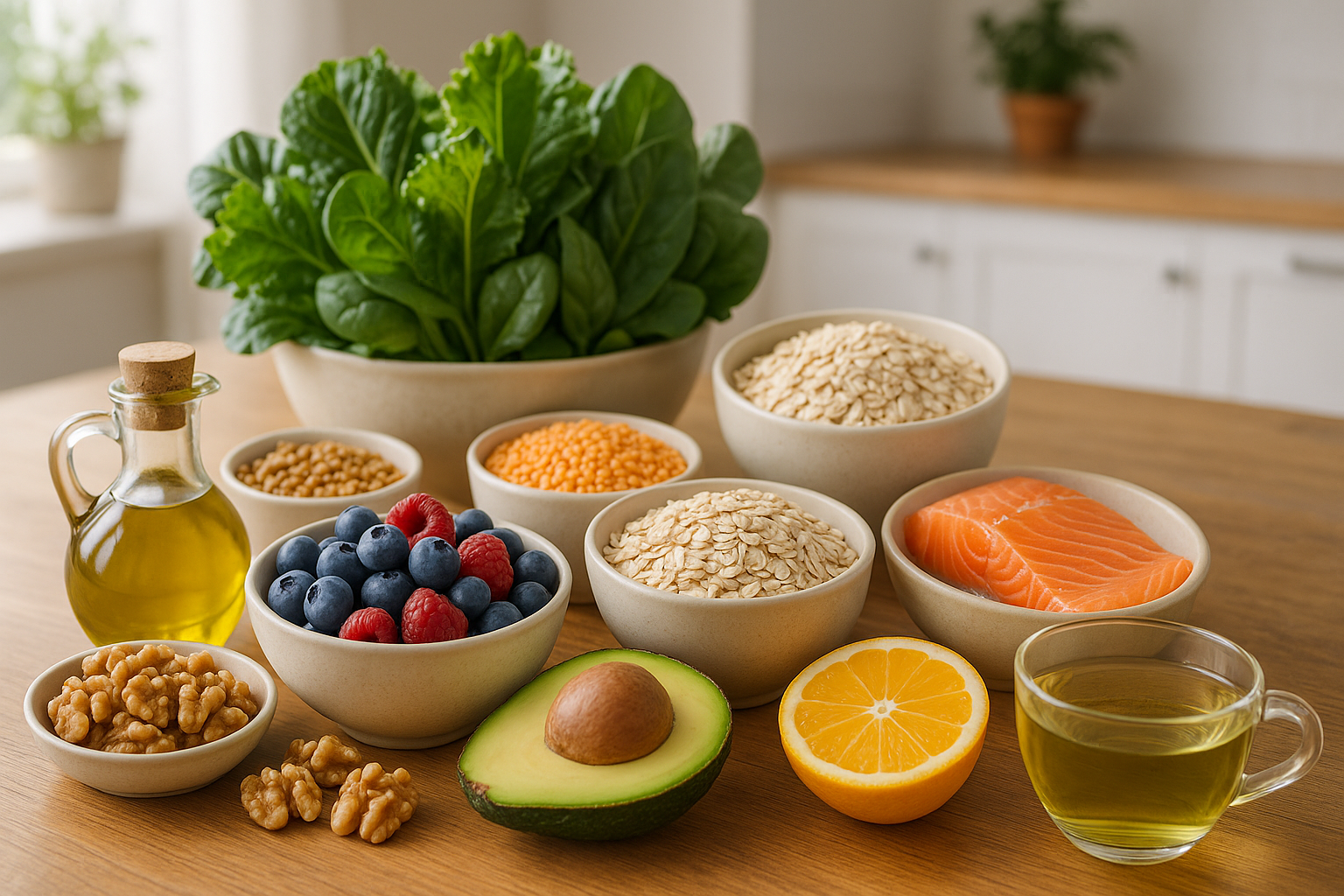
The best foods for liver support are not extreme cleanse foods. They are everyday whole foods that help provide fiber, antioxidants, protein, healthy fats, vitamins, and minerals. Your liver is already designed to process nutrients and handle many natural detoxification tasks. A supportive diet gives it steady nutrition without adding excess alcohol, added sugar, or highly processed foods.
What liver-supportive eating really means
Gentle liver support is about consistency. A healthy pattern may help support normal metabolism, digestion, blood sugar balance, and weight management, all of which can influence liver health.
A liver-friendly plate usually includes:
- Plenty of vegetables and fruit
- High-fiber carbohydrates such as oats, beans, lentils, and whole grains
- Protein from fish, poultry, eggs, tofu, tempeh, beans, or Greek yogurt
- Healthy fats from olive oil, nuts, seeds, avocado, and fatty fish
- Water, unsweetened tea, or coffee instead of sugary drinks
- Limited alcohol, fried foods, refined grains, and added sugars
1. Leafy greens
Leafy greens such as spinach, kale, arugula, collards, and Swiss chard provide fiber, folate, vitamin K, magnesium, and a range of plant compounds. They are low in calories and easy to add to daily meals.
Try adding greens to omelets, soups, grain bowls, smoothies, or side salads. If raw greens bother your digestion, lightly sautéing or steaming them may make them easier to tolerate.
2. Cruciferous vegetables
Broccoli, cauliflower, cabbage, Brussels sprouts, bok choy, and radishes are rich in fiber and sulfur-containing plant compounds. These vegetables fit well into a liver-supportive diet because they help increase overall plant diversity and support healthy digestion.
Roast broccoli with olive oil, add cabbage to tacos, toss shredded Brussels sprouts into salads, or stir-fry bok choy with garlic and ginger.
3. Berries and colorful fruit
Berries, oranges, kiwi, cherries, apples, and grapes provide vitamin C, polyphenols, and fiber. Colorful fruit can also satisfy sweet cravings while replacing desserts or sugary snacks.
Choose whole fruit more often than juice. Whole fruit contains fiber, which helps slow sugar absorption and supports fullness.
4. Beans, lentils, and peas
Legumes are among the most useful foods for liver support because they provide both protein and fiber. Fiber supports gut health and can help with cholesterol and blood sugar management. Beans and lentils are also budget-friendly and easy to use in many meals.
Try lentil soup, black bean bowls, chickpea salads, hummus, split pea soup, or white beans added to pasta and vegetable dishes.
5. Oats and other whole grains
Oats, barley, brown rice, quinoa, farro, and whole wheat contain fiber and slow-digesting carbohydrates. Oats and barley are especially known for beta-glucan, a type of soluble fiber that supports heart and metabolic health.
A simple liver-supportive breakfast could include oatmeal topped with berries, ground flaxseed, walnuts, and plain yogurt.
6. Fatty fish
Salmon, sardines, trout, herring, and mackerel provide omega-3 fatty acids and high-quality protein. Replacing some processed meats or fried foods with fish can improve the overall quality of the diet.
Aim for baked, grilled, or poached fish rather than fried fish. If you do not eat fish, consider chia seeds, flaxseed, walnuts, and algae-based omega-3 options.
7. Nuts and seeds
Walnuts, almonds, pistachios, chia seeds, flaxseed, pumpkin seeds, and hemp seeds provide healthy fats, fiber, magnesium, and plant protein. They are calorie-dense, so a small handful or a tablespoon or two of seeds is usually enough.
Add nuts or seeds to oatmeal, yogurt, salads, roasted vegetables, or homemade trail mix.
8. Extra-virgin olive oil and avocado
Unsaturated fats from extra-virgin olive oil and avocado can help replace saturated fats from butter, high-fat processed meats, and many fried foods. A Mediterranean-style eating pattern that includes olive oil, vegetables, legumes, whole grains, nuts, and fish is often recommended for metabolic wellness.
Use olive oil for salad dressings, roasted vegetables, and simple sautés. Add avocado to bowls, toast, or salads for a creamy texture.
9. Coffee and green tea
Unsweetened coffee and green tea can fit into a liver-supportive routine for many people. Coffee has been studied for its relationship with liver health, and green tea provides polyphenols. The key is to avoid turning these drinks into high-sugar desserts.
Choose plain coffee, espresso, or tea, and use modest amounts of milk or unsweetened alternatives if desired. If caffeine affects your sleep, anxiety, blood pressure, or heart rhythm, choose decaf or ask your clinician what is appropriate.
10. Yogurt, kefir, and fermented foods
Plain yogurt with live cultures, kefir, sauerkraut, kimchi, miso, and tempeh can support gut microbiome diversity. Gut health and liver health are connected through digestion and metabolism, so including fermented foods may be helpful as part of a balanced diet.
Choose unsweetened yogurt or kefir when possible, since flavored versions can contain large amounts of added sugar.
Foods and habits to limit for liver wellness
Supporting the liver is not only about what you add. It is also about what you reduce.
Consider limiting:
- Alcohol, especially if you have liver concerns or take medications
- Sugary drinks such as soda, sweet tea, and energy drinks
- Frequent fried foods and fast food
- Highly processed snacks and desserts
- Large portions of refined carbohydrates
- Processed meats such as bacon, sausage, and deli meats
If you have been told you have fatty liver disease, hepatitis, cirrhosis, high liver enzymes, or another liver condition, get individualized guidance from your healthcare team.
A simple one-day liver-supportive meal idea
Breakfast: Oatmeal with blueberries, walnuts, cinnamon, and plain Greek yogurt.
Lunch: Lentil and vegetable soup with a side salad dressed with olive oil and lemon.
Snack: Apple slices with almond butter or hummus with carrots.
Dinner: Baked salmon or tofu with quinoa, roasted broccoli, and sautéed greens.
Drink: Water, unsweetened tea, or coffee without added sugar.
Bottom line
The most reliable foods for liver support are simple whole foods eaten regularly: vegetables, fruit, beans, lentils, whole grains, nuts, seeds, fish, olive oil, and fermented foods. Skip harsh cleanses and focus on a steady pattern that supports digestion, metabolism, and overall health.
References

Key Nutrients That Support Better Sleep Quality Naturally
Key Nutrients That Support Better Sleep Quality Naturally
Better sleep is influenced by many factors: light exposure, stress, caffeine, alcohol, meal timing, physical activity, medical conditions, and daily routine. Nutrition is one important piece of that larger picture. Certain sleep nutrients help the body make neurotransmitters, regulate muscle and nerve function, support circadian rhythm, and maintain healthy energy metabolism.
Nutrients are most helpful when they correct a gap in your diet or a true deficiency. More is not always better, and supplements can interact with medications. A food-first approach is usually the safest foundation.
How nutrients influence sleep
Sleep depends on coordinated signals between the brain, nervous system, hormones, and daily light-dark timing. Nutrients can support these processes in several ways:
- Helping produce serotonin and melatonin, which are involved in sleep-wake regulation
- Supporting normal muscle relaxation and nerve signaling
- Reducing the impact of deficiency-related fatigue, discomfort, or restlessness
- Supporting blood sugar stability and overnight recovery
- Helping maintain healthy immune and inflammatory responses
Magnesium
Magnesium is one of the most discussed sleep nutrients because it supports normal muscle and nerve function. Low magnesium intake may contribute to tension, cramps, and difficulty relaxing in some people.
Food sources include pumpkin seeds, chia seeds, almonds, cashews, spinach, black beans, edamame, whole grains, and dark chocolate. Magnesium supplements are common, but high doses can cause diarrhea and may not be appropriate for people with kidney disease or certain medications.
Vitamin D
Vitamin D supports immune function, bone health, and many body systems that may indirectly affect sleep. Low vitamin D status has been associated in research with poorer sleep outcomes, although supplementation is most useful when levels are low.
Food sources include fatty fish, egg yolks, fortified milk, fortified plant milks, and fortified cereals. Sunlight exposure also helps the body make vitamin D, but needs vary by season, skin tone, location, sunscreen use, and age.
B vitamins
B vitamins help the body convert food into energy and support nervous system function. Vitamin B6 is involved in pathways related to neurotransmitter production, while B12 and folate support nerve health and red blood cell formation.
Food sources include poultry, fish, eggs, dairy, legumes, leafy greens, nutritional yeast, fortified cereals, and whole grains. People following vegan diets, older adults, and people with absorption issues may be at higher risk for low B12.
Iron
Iron is essential for oxygen transport and neurological function. Low iron stores can contribute to fatigue and may be linked with restless legs symptoms in some people, which can disrupt sleep.
Food sources include lean meats, seafood, beans, lentils, tofu, spinach, pumpkin seeds, and iron-fortified grains. Pairing plant-based iron with vitamin C foods such as citrus, strawberries, peppers, or tomatoes can improve absorption. Do not take iron supplements unless advised by a clinician, because excess iron can be harmful.
Zinc
Zinc supports immune function, cell repair, and many enzyme systems. It may also play a role in neurotransmitter activity and overall sleep regulation, although it should be viewed as supportive rather than a stand-alone sleep solution.
Food sources include oysters, beef, crab, poultry, pumpkin seeds, hemp seeds, beans, chickpeas, yogurt, and fortified cereals. Too much supplemental zinc can interfere with copper status and cause side effects.
Omega-3 fatty acids
Omega-3 fats support brain and cardiovascular health. Some research suggests omega-3 status may be related to sleep duration or quality, potentially through effects on inflammation, brain function, or melatonin-related pathways.
Food sources include salmon, sardines, trout, anchovies, walnuts, chia seeds, flaxseed, and algae-based omega-3 products. Fatty fish provides EPA and DHA directly, while plant sources provide ALA, which the body converts less efficiently.
Tryptophan and protein quality
Tryptophan is an essential amino acid used to make serotonin and melatonin. It is found in protein-rich foods rather than only in turkey, despite the common myth.
Food sources include turkey, chicken, eggs, milk, yogurt, cheese, fish, soy foods, oats, nuts, seeds, and legumes. A balanced evening meal that includes protein, fiber-rich carbohydrates, and healthy fats may support steadier energy and reduce nighttime hunger.
Calcium
Calcium supports muscle contraction, nerve signaling, and bone health. It is also involved in normal cellular communication. Low calcium intake may contribute to muscle cramps or discomfort in some people.
Food sources include milk, yogurt, cheese, fortified plant milks, calcium-set tofu, sardines with bones, kale, bok choy, and fortified orange juice.
Potassium
Potassium helps regulate fluid balance, muscle function, and nerve signaling. Diets rich in potassium-containing foods are often associated with overall metabolic and cardiovascular health, which can indirectly support better sleep.
Food sources include potatoes, sweet potatoes, bananas, beans, lentils, spinach, yogurt, avocado, tomatoes, and dried apricots.
Melatonin from foods
Melatonin is a hormone the body makes naturally in response to darkness. Some foods contain small amounts of melatonin or compounds related to sleep regulation, including tart cherries, pistachios, walnuts, eggs, milk, and certain grains. The effect of foods is usually modest, but they can fit into a sleep-supportive eating pattern.
A food-first sleep nutrient plate
A sleep-supportive dinner or evening snack does not need to be complicated. Aim for:
- A protein source such as fish, eggs, tofu, yogurt, poultry, or beans
- A fiber-rich carbohydrate such as oats, quinoa, potatoes, fruit, or whole grains
- Magnesium- and zinc-rich foods such as seeds, nuts, legumes, or leafy greens
- Healthy fats such as olive oil, avocado, nuts, seeds, or omega-3-rich fish
- Limited caffeine late in the day and moderate alcohol intake, since both can disrupt sleep quality
When supplements may help
Supplements may be useful when testing or clinical history suggests low levels, restricted intake, or increased needs. Common examples include vitamin D, B12 for some plant-based eaters, iron for confirmed deficiency, or magnesium when dietary intake is low.
However, supplements are not risk-free. Doses, forms, medication interactions, kidney or liver function, pregnancy, and chronic conditions all matter. If sleep problems last more than a few weeks, or if you snore heavily, wake gasping, feel excessively sleepy during the day, or have restless legs, seek medical evaluation.
Bottom line
The best sleep nutrients are not magic sedatives. They are foundational compounds your body needs to run the systems that make healthy sleep possible. A balanced diet rich in magnesium, vitamin D, B vitamins, iron, zinc, omega-3 fats, calcium, potassium, and quality protein can support better sleep quality naturally, especially when paired with consistent sleep timing, morning light, stress management, and a calming bedtime routine.
References
NIH Office of Dietary Supplements: Magnesium
Common Signs of Zinc Deficiency and Foods That Help Replenish It
What Is Zinc Deficiency?
Zinc deficiency happens when the body does not get enough zinc, cannot absorb it well, or loses more than usual. Zinc supports immune defenses, skin repair, normal growth, reproductive health, and the senses of taste and smell.
Mild deficiency can be difficult to notice at first because symptoms may be subtle or overlap with other health issues.
Common Zinc Deficiency Signs
1. Frequent Illness or Slow Recovery
Zinc helps immune cells function properly. Low zinc levels may contribute to getting sick more often or taking longer to recover from common infections.
2. Slow Wound Healing
Zinc plays a role in collagen formation, tissue repair, and inflammation control. Cuts, scrapes, or sores that heal slowly may be one possible sign of low zinc status.
3. Hair Thinning or Hair Loss
Zinc is involved in normal cell growth and protein production. Deficiency may contribute to hair shedding or thinning, although many other causes are also possible.
4. Changes in Taste or Smell
A reduced sense of taste or smell can occur with zinc deficiency. Some people may notice food tastes bland or different than usual.
5. Skin Problems
Low zinc may be associated with rough skin, rashes, irritation, or acne-like changes. Zinc is important for maintaining healthy skin structure and repair.
6. Poor Appetite
Zinc deficiency can reduce appetite, which may further lower nutrient intake and worsen deficiency risk.
7. Diarrhea
Zinc deficiency and diarrhea can influence each other. Diarrhea may increase zinc losses, while low zinc can affect gut and immune function.
8. Growth or Development Concerns in Children
Children need zinc for normal growth and development. Deficiency may contribute to poor growth, delayed sexual maturation, or increased susceptibility to infections.
Who Is More Likely to Be Low in Zinc?
Some groups have a higher risk of inadequate zinc intake or absorption, including:
- People with digestive disorders such as Crohn’s disease, ulcerative colitis, or chronic diarrhea
- People who have had gastrointestinal surgery
- People who follow vegetarian or vegan diets without careful planning
- Pregnant or breastfeeding people
- Older adults with low intake
- People with alcohol use disorder
- Infants who are exclusively breastfed beyond about 6 months without adequate complementary foods
Plant-based diets can provide zinc, but zinc from legumes, grains, nuts, and seeds may be less easily absorbed because these foods contain phytates. Soaking, sprouting, fermenting, and leavening grains or legumes can help improve mineral availability.
Zinc-Rich Foods That Help Replenish Levels
Animal-Based Sources
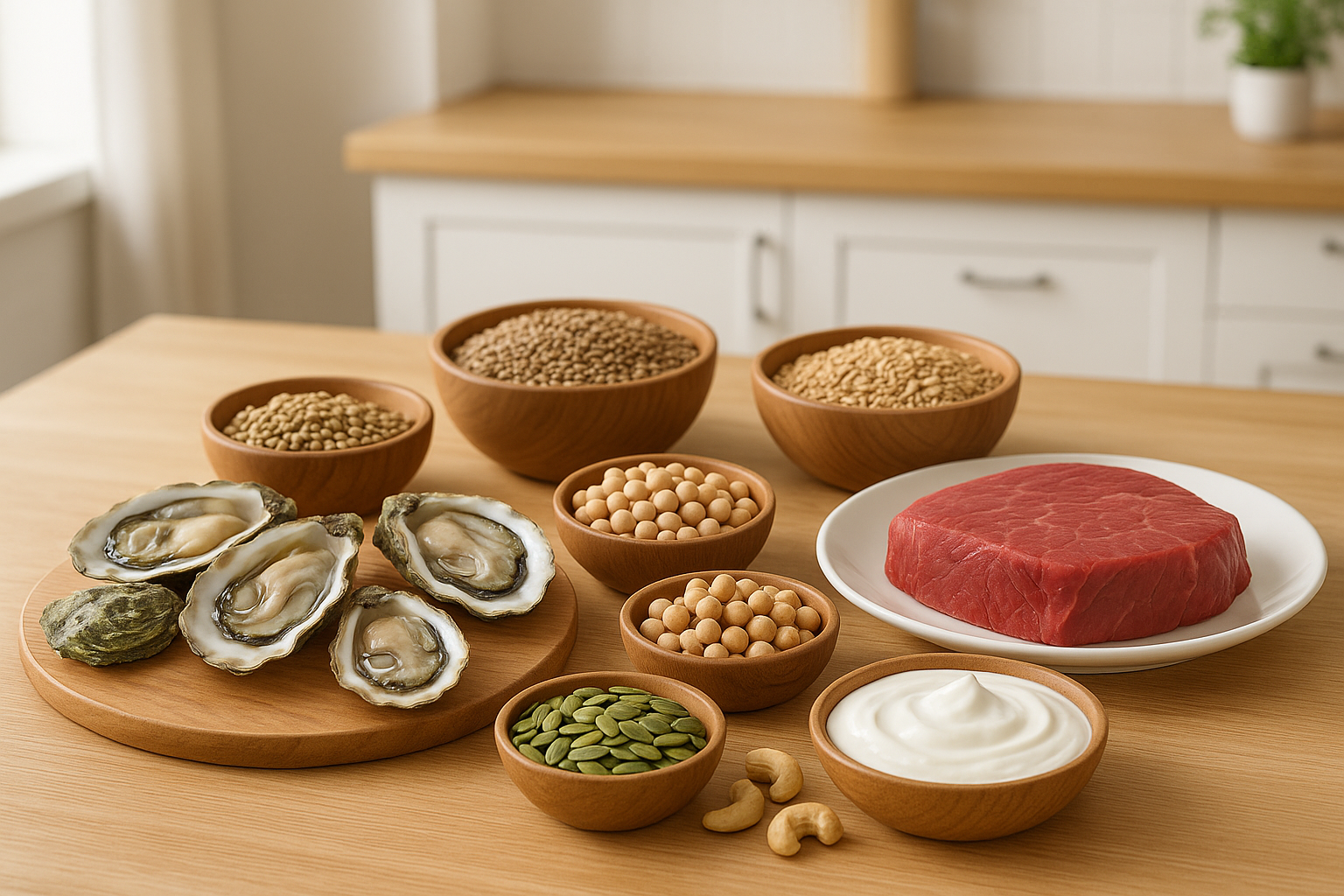
- Oysters and other shellfish
- Beef
- Pork
- Chicken and turkey
- Eggs
- Milk, yogurt, and cheese
Oysters are especially high in zinc. Meat, seafood, and dairy generally provide zinc in a form that is easier for the body to absorb.
Plant-Based Sources
- Pumpkin seeds
- Sesame seeds and tahini
- Hemp seeds
- Cashews
- Chickpeas
- Lentils
- Beans
- Tofu and tempeh
- Oats
- Whole grains
- Fortified breakfast cereals
For plant-based meals, pair zinc sources with protein-rich foods and use preparation methods like soaking beans or choosing fermented soy foods when possible.
Simple Meal Ideas for More Zinc
- Greek yogurt with oats, pumpkin seeds, and berries
- Lentil soup with whole-grain bread
- Beef or turkey chili with beans
- Chickpea and tahini salad wrap
- Scrambled eggs with cheese and whole-grain toast
- Tofu stir-fry with sesame seeds
- Oatmeal topped with cashews and hemp seeds
Should You Take a Zinc Supplement?
Zinc supplements can help when a true deficiency exists, but taking too much zinc can cause nausea, stomach upset, copper deficiency, and immune-related problems. High-dose zinc may also interfere with certain medications, including some antibiotics.
If you have persistent symptoms or risk factors, ask a healthcare professional whether testing or supplementation is appropriate. Do not use high-dose zinc long term unless advised by a clinician.
Key Takeaway
Common zinc deficiency signs may include frequent infections, slow wound healing, hair thinning, reduced taste or smell, skin issues, poor appetite, and diarrhea. Eating zinc-rich foods such as seafood, meat, dairy, seeds, legumes, nuts, and fortified foods can help support healthy zinc levels. If symptoms continue, seek medical guidance to identify the cause.
References
The Gut Inflammation Connection and Daily Habits That Support Balance
The Gut Inflammation Connection and Daily Habits That Support Balance
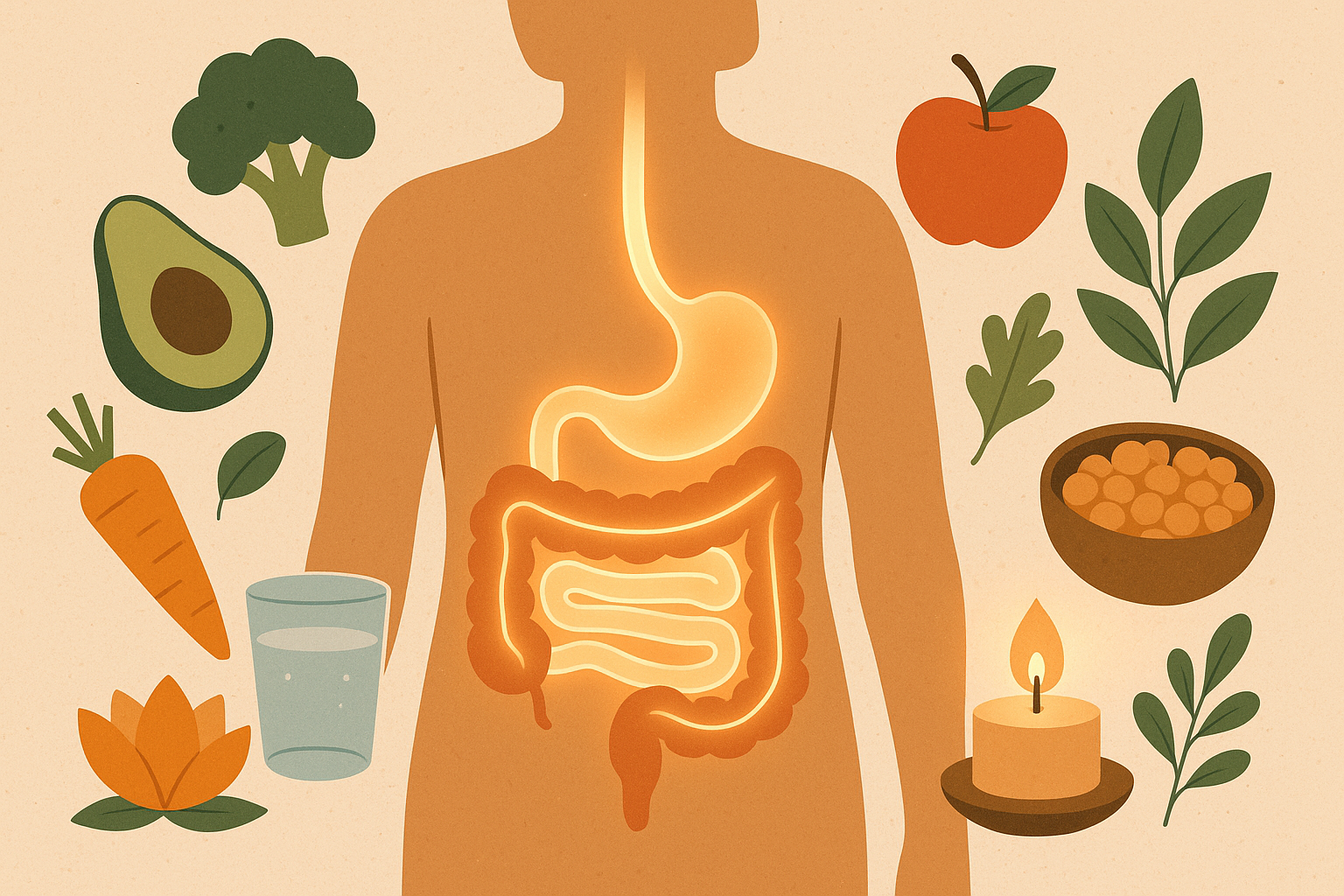
Gut health and inflammation influence each other every day. The gut is not only a digestive organ; it is also a major immune interface. A large share of immune activity occurs in and around the intestinal lining, where the body must decide what to tolerate, such as nutrients and beneficial microbes, and what to defend against, such as pathogens or harmful irritants.
When this system is balanced, the gut barrier, immune cells, and microbiome work together to support digestion and immune regulation. When balance is disrupted, inflammation may increase locally in the digestive tract and may also contribute to broader immune stress.
What inflammation means in the gut
Inflammation is a normal protective response. It helps the body respond to injury, infection, or irritation. Short-term inflammation can be useful. Problems can occur when inflammatory signals remain elevated or when the immune system responds too strongly to harmless triggers.
In the gut, inflammation may be associated with symptoms such as bloating, abdominal discomfort, diarrhea, constipation, urgency, or changes in appetite. However, symptoms are not always specific. Persistent or severe symptoms should be evaluated by a healthcare professional.
How the microbiome fits in
The gut microbiome is the community of bacteria, fungi, viruses, and other microorganisms that live in the digestive tract. These microbes help break down certain fibers, produce compounds such as short-chain fatty acids, support the intestinal barrier, and interact with immune cells.
A diverse microbiome is often associated with resilience. Diet, medications, illness, sleep, stress, alcohol intake, and physical activity can all affect microbial balance. No single food or supplement creates perfect gut health, but consistent daily habits can support a healthier internal environment.
The gut barrier and immune balance
The intestinal lining acts as a selective barrier. It allows nutrients and fluids to pass into the body while helping keep harmful substances out. A healthy barrier is supported by adequate nutrition, beneficial microbial activity, and controlled immune responses.
When the gut barrier is stressed, immune cells may encounter more irritants. This can amplify inflammatory signaling. Research continues to explore how barrier function, microbiome composition, and inflammation interact in conditions such as irritable bowel syndrome, inflammatory bowel disease, metabolic disease, and autoimmune disorders.
Daily habits that support gut and inflammatory balance
1. Eat more fiber-rich plant foods
Fiber feeds beneficial gut microbes and supports regular bowel function. Good sources include beans, lentils, oats, barley, vegetables, fruit, nuts, seeds, and whole grains. Increasing fiber gradually can reduce gas or bloating as the gut adapts.
2. Include a variety of colorful foods
Colorful plant foods provide polyphenols and other compounds that may support microbial diversity and antioxidant defenses. Aim for variety rather than relying on a small group of foods every day.
3. Consider fermented foods if tolerated
Yogurt with live cultures, kefir, sauerkraut, kimchi, miso, and tempeh may contribute beneficial microbes or fermentation byproducts. People with histamine intolerance, severe digestive disease, or compromised immune systems should ask a clinician whether fermented foods are appropriate.
4. Limit ultra-processed foods when possible
A pattern high in refined carbohydrates, low fiber foods, excess added sugars, and heavily processed snacks may be less supportive of microbiome diversity and metabolic health. You do not need perfection, but shifting daily meals toward whole or minimally processed foods can be helpful.
5. Prioritize sleep consistency
Sleep and immune regulation are connected. Irregular or insufficient sleep can affect appetite hormones, stress pathways, and inflammatory signaling. A consistent sleep schedule, morning light exposure, and reduced late-night screen stimulation may support better rhythm.
6. Manage stress in practical ways
The gut and brain communicate through nerves, hormones, immune pathways, and microbial metabolites. Stress can affect motility, sensitivity, appetite, and digestive symptoms. Helpful tools may include walking, breathing exercises, therapy, journaling, meditation, social connection, or time outdoors.
7. Move your body regularly
Regular physical activity is associated with improved metabolic health, immune regulation, and digestive motility. A balanced routine can include walking, resistance training, stretching, and moderate aerobic activity. Start gently if symptoms flare with intense exercise.
8. Use medications and supplements wisely
Antibiotics, acid reducers, anti-inflammatory drugs, and other medications can affect the gut in different ways. Do not stop prescribed medication without medical guidance. If considering probiotics, prebiotics, vitamin D, omega-3s, or other supplements, choose evidence-informed options and discuss them with a qualified professional.
When to seek medical care
Seek medical evaluation if you have blood in stool, unexplained weight loss, persistent diarrhea, ongoing vomiting, anemia, fever, severe abdominal pain, difficulty swallowing, nighttime symptoms, or a family history of colon cancer or inflammatory bowel disease. These signs may require testing and individualized treatment.
Bottom line
The connection between gut health and inflammation is complex, but daily habits matter. A fiber-rich diet, diverse plant foods, adequate sleep, stress management, regular movement, and appropriate medical care can help support a more balanced gut environment and healthier immune communication.
References

Natural Sleep Remedies That Support Rest Without Harsh Side Effects
Natural Sleep Remedies That Support Rest Without Harsh Side Effects
Getting better sleep naturally usually starts with small, consistent habits that help your body recognize when it is time to wind down. While occasional restless nights are common, ongoing sleep problems can affect mood, focus, immune health, appetite, and overall well-being.
Natural remedies are not automatically risk-free, but many gentle strategies can support healthier sleep without the grogginess or dependency concerns people sometimes associate with stronger sleep aids.
Start With a Consistent Sleep Schedule
One of the most effective natural sleep supports is a regular sleep-wake rhythm. Going to bed and waking up at about the same time each day helps reinforce your circadian rhythm, the internal clock that influences sleepiness and alertness.
Try to:
- Wake up at the same time daily, including weekends
- Keep naps short, ideally around 20 to 30 minutes
- Avoid late-day naps if they make nighttime sleep harder
- Create a predictable bedtime routine that begins 30 to 60 minutes before bed
Consistency may feel simple, but it is one of the strongest foundations for better sleep.
Use Light to Support Your Body Clock
Light exposure plays a major role in sleep timing. Morning light helps signal wakefulness, while dimmer light in the evening supports the natural rise of melatonin.
Helpful habits include:
- Getting outdoor light soon after waking
- Opening curtains in the morning
- Dimming bright lights in the evening
- Reducing screen brightness at night
- Avoiding intense blue light close to bedtime when possible
If you use devices at night, consider night mode settings and give yourself screen-free time before bed.
Build a Calming Bedtime Routine
A relaxing routine can act as a bridge between daytime stress and sleep. The goal is to repeat calming cues that tell your nervous system it is safe to rest.
Gentle options include:
- Reading a calming book
- Taking a warm bath or shower
- Listening to quiet music
- Practicing slow breathing
- Doing light stretching
- Journaling worries or next-day tasks
A warm bath may be especially helpful because the body’s cooling process afterward can support sleepiness.
Try Relaxation Techniques
Stress and racing thoughts are common causes of poor sleep. Relaxation techniques may help lower physical tension and mental alertness.
Consider trying:
- Deep belly breathing
- Progressive muscle relaxation
- Guided imagery
- Mindfulness meditation
- Gentle yoga or stretching
A simple breathing practice is to inhale slowly through the nose, pause briefly, and exhale longer than you inhale. Longer exhales can help activate the body’s relaxation response.
Create a Sleep-Friendly Bedroom
Your sleep environment matters. A bedroom that is cool, dark, quiet, and comfortable can reduce sleep disruptions.
Try to optimize:
- Temperature: Many people sleep better in a slightly cool room
- Light: Use blackout curtains or a sleep mask if needed
- Noise: Consider earplugs, a fan, or white noise
- Comfort: Choose pillows and bedding that support your preferred sleep position
- Clutter: A calmer space may make it easier to relax
Reserve the bed mainly for sleep and intimacy so your brain associates it with rest rather than work, scrolling, or worry.
Be Mindful With Caffeine and Alcohol
Caffeine can stay active in the body for hours. Even if you can fall asleep after caffeine, it may reduce sleep quality.
Natural sleep support often includes:
- Limiting caffeine after lunch or early afternoon
- Watching hidden caffeine in tea, chocolate, energy drinks, and some medications
- Avoiding nicotine close to bedtime
- Limiting alcohol, which can fragment sleep later in the night
Alcohol may feel sedating at first, but it often leads to lighter, more disrupted sleep.
Consider Herbal Tea as a Bedtime Cue
A warm, caffeine-free drink can be a soothing part of a nightly routine. Common options include chamomile, lemon balm, passionflower, and lavender tea.
Herbal teas may help mainly by creating a calming ritual. However, herbs can interact with medications or cause reactions in some people, so use caution if you have allergies, take sedatives, are pregnant, or have liver disease or other medical concerns.
Melatonin: Helpful for Timing, Not a Cure-All
Melatonin is a hormone involved in sleep timing. As a supplement, it may be most useful for certain circadian rhythm issues, such as jet lag or delayed sleep timing, rather than general insomnia for everyone.
Important safety points:
- Use the lowest effective amount if a clinician says it is appropriate
- Avoid combining it with alcohol or sedating medications unless approved by a professional
- Talk with a healthcare provider before giving it to children
- Check for next-day drowsiness, vivid dreams, headache, or dizziness
Melatonin should not replace healthy sleep habits or evaluation for persistent insomnia.
Magnesium and Sleep
Magnesium supports normal muscle and nerve function, and some people use it as part of a relaxation routine. Evidence for sleep benefits is mixed, but correcting low magnesium intake may support overall health.
Food sources include:
- Pumpkin seeds
- Almonds and cashews
- Spinach
- Black beans
- Whole grains
- Dark chocolate in modest amounts
Magnesium supplements can cause diarrhea and may interact with certain medications, including some antibiotics and osteoporosis medications. People with kidney disease should not take magnesium supplements unless directed by a healthcare professional.
Gentle Movement During the Day
Regular physical activity is one of the best natural supports for sleep quality. It may help reduce stress, support mood, and improve sleep depth.
Good options include:
- Walking
- Cycling
- Swimming
- Strength training
- Yoga
- Mobility work
For some people, intense exercise too close to bedtime can feel stimulating. If that happens, schedule vigorous workouts earlier and save gentle stretching for the evening.
Food Habits That Support Rest
Large, heavy meals close to bedtime can trigger reflux or discomfort. On the other hand, going to bed very hungry can also disturb sleep.
Helpful ideas:
- Finish large meals 2 to 3 hours before bed when possible
- Choose a light snack if hunger keeps you awake
- Limit spicy, greasy, or acidic foods late at night if reflux is an issue
- Stay hydrated during the day but reduce large fluid intake near bedtime
A balanced evening snack might include a small serving of yogurt, a banana, oatmeal, or whole-grain toast with nut butter.
When Natural Remedies Are Not Enough
Natural strategies can help many people, but persistent insomnia may need professional support. Cognitive behavioral therapy for insomnia, often called CBT-I, is a structured, evidence-based approach that helps address the thoughts and behaviors that maintain sleep problems.
Contact a healthcare professional if you:
- Have insomnia lasting more than a few weeks
- Snore loudly or stop breathing during sleep
- Wake up gasping or choking
- Have restless legs or frequent limb movements
- Feel excessively sleepy during the day
- Rely on alcohol, sedatives, or supplements to sleep
- Have depression, anxiety, chronic pain, or medication side effects affecting sleep
Sleep problems can have treatable causes, and identifying them is often the key to lasting improvement.
A Simple Natural Sleep Routine to Try
Here is a gentle routine you can adapt:
- Get morning sunlight within an hour of waking.
- Keep caffeine to the morning or early afternoon.
- Move your body during the day.
- Dim lights 60 minutes before bed.
- Put screens away or use low-light settings.
- Drink a caffeine-free herbal tea if it is safe for you.
- Do 5 minutes of slow breathing or stretching.
- Go to bed and wake up at consistent times.
Bottom Line
The best natural remedies for better sleep are usually the ones that support your body’s normal rhythm: consistent timing, morning light, evening calm, a comfortable bedroom, stress reduction, and smart choices around caffeine, alcohol, and supplements. If sleep problems continue, a healthcare professional can help identify the cause and recommend safe, effective next steps.
References
How Vitamin D Supports Immune Function and What Low Levels May Feel Like
How Vitamin D Supports Immune Function and What Low Levels May Feel Like
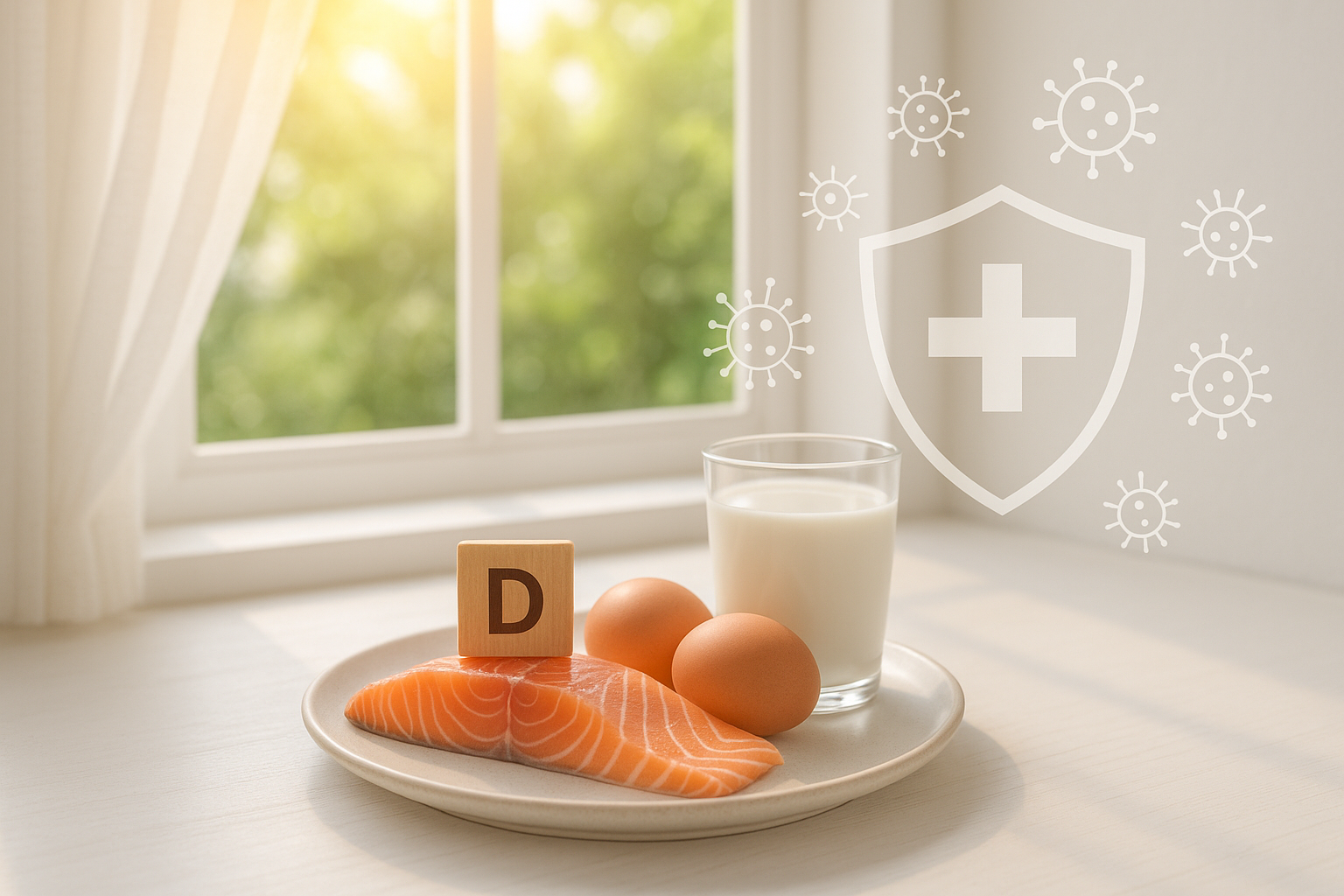
Vitamin D is best known for helping the body absorb calcium and maintain bone health, but it also has an important role in immune function. Immune cells have vitamin D receptors, and vitamin D helps influence how the immune system responds to threats while also helping regulate inflammation.
For the keyword vitamin d and immune health, the most accurate takeaway is this: vitamin D is not a cure or guaranteed defense against illness, but maintaining healthy levels supports normal immune function and overall health.
What Vitamin D Does in the Immune System
Vitamin D helps support both major parts of immune defense:
- Innate immunity: the body’s first-line defense against germs
- Adaptive immunity: the more targeted immune response involving cells such as T cells and B cells
Vitamin D helps immune cells communicate and respond appropriately. It may also support the production of antimicrobial peptides, which are natural compounds involved in defending against microbes.
Why Low Vitamin D May Matter
Low vitamin D status can affect more than bones. Because vitamin D is involved in immune regulation, low levels may make it harder for the body to maintain balanced immune responses. Some research has explored links between vitamin D status and respiratory infections, although outcomes can vary depending on baseline vitamin D levels, dosing, age, health status, and study design.
The strongest practical message is that deficiency should be identified and corrected under appropriate medical guidance.
What Low Vitamin D Levels May Feel Like
Low vitamin D does not always cause obvious symptoms. Some people feel completely normal, while others may notice vague symptoms that overlap with many other conditions.
Possible signs of low vitamin D may include:
- Fatigue or low energy
- Muscle aches or weakness
- Bone discomfort
- Low mood
- More frequent illnesses
- Slow recovery after feeling run down
These symptoms are not specific to vitamin D deficiency. Thyroid issues, anemia, sleep problems, stress, depression, infections, and other nutrient deficiencies can cause similar symptoms. A blood test is the most reliable way to know your vitamin D status.
Who Is More Likely to Have Low Vitamin D?
Some people have a higher risk of low vitamin D, including those who:
- Get limited sun exposure
- Consistently wear full-coverage clothing outdoors
- Have darker skin, which reduces vitamin D production from sunlight
- Are older adults
- Have obesity
- Have certain digestive conditions that affect nutrient absorption
- Follow diets low in vitamin D-rich or fortified foods
- Take certain medications that affect vitamin D metabolism
People living in northern latitudes may also have lower vitamin D production during winter months.
Food Sources of Vitamin D
Vitamin D is found naturally in relatively few foods. Helpful sources include:
- Fatty fish such as salmon, trout, tuna, and sardines
- Egg yolks
- Beef liver, in small amounts
- Fortified milk or plant milks
- Fortified cereals
- Fortified orange juice, depending on the product
Diet alone may not be enough for everyone, especially if intake is low or sun exposure is limited.
Sunlight and Vitamin D
The body can make vitamin D when skin is exposed to UVB rays from sunlight. However, vitamin D production varies widely based on season, latitude, time of day, cloud cover, air pollution, skin pigmentation, age, and sunscreen use.
Sun exposure also increases skin cancer risk, so it is not recommended to use sunburn or excessive unprotected sun as a vitamin D strategy. Many people need a balanced approach that includes diet, safe sun habits, and sometimes supplements.
Should You Take a Vitamin D Supplement?
A supplement may be appropriate for people with low levels, limited sun exposure, low dietary intake, or specific medical risks. However, more is not always better. Taking too much vitamin D can raise calcium levels and may lead to nausea, weakness, confusion, kidney stones, or other complications.
The best dose depends on your blood level, age, health history, diet, medications, and clinician guidance.
Testing Vitamin D Levels
Healthcare professionals typically assess vitamin D status using a blood test called 25-hydroxyvitamin D. If you have symptoms, risk factors, bone health concerns, or questions about supplementation, ask a clinician whether testing is appropriate.
Practical Ways to Support Vitamin D and Immune Health
To support healthy vitamin D levels and immune function:
- Include vitamin D-rich or fortified foods regularly.
- Spend time outdoors while following skin safety guidance.
- Ask about testing if you have symptoms or risk factors.
- Use supplements only at appropriate doses.
- Support immune health broadly with sleep, exercise, stress management, hydration, and a nutrient-dense diet.
Bottom Line
Vitamin D supports immune function by helping immune cells respond and communicate properly. Low levels may feel like fatigue, muscle aches, low mood, or frequent illness, but many people have no clear symptoms. If you suspect low vitamin D, the most reliable next step is to speak with a healthcare professional about testing and safe supplementation.
References
Immune Supporting Foods to Add to Your Daily Routine
Immune Supporting Foods to Add to Your Daily Routine
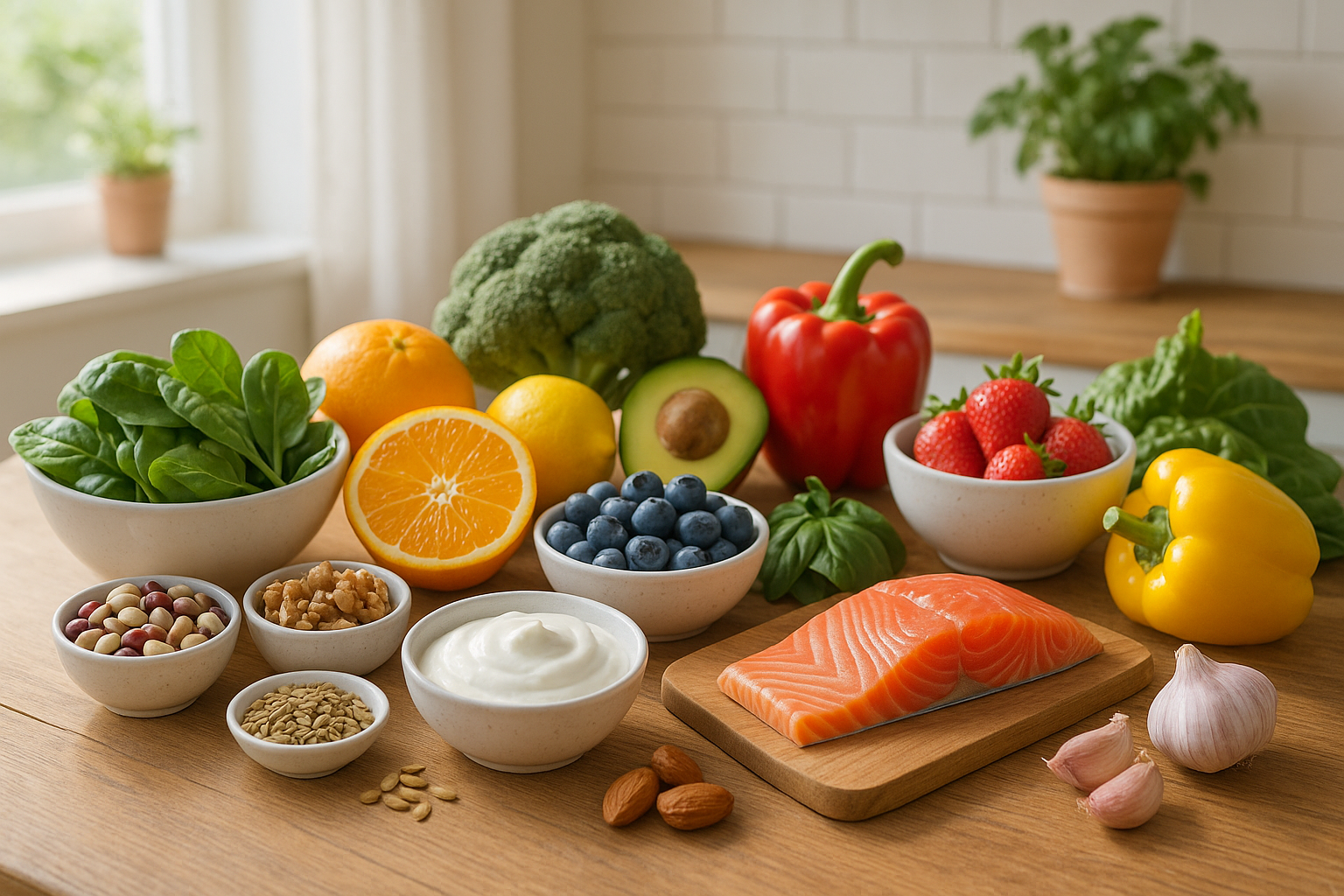
Immune supporting foods are everyday foods that provide nutrients your immune system uses to work properly. These include protein, vitamin C, vitamin D, zinc, selenium, iron, omega-3 fats, fiber, and a variety of plant compounds found in colorful fruits, vegetables, legumes, herbs, and spices.
No food can guarantee protection from infections, but a balanced pattern of eating can support normal immune function and overall wellness.
1. Citrus fruits and other vitamin C-rich produce
Vitamin C supports the normal function of immune cells and helps protect cells from oxidative stress. Citrus fruits are a familiar choice, but they are not the only option.
Good daily choices include oranges, grapefruit, lemons, kiwi, strawberries, bell peppers, broccoli, Brussels sprouts, and potatoes.
Easy routine idea: Add berries or kiwi to breakfast, squeeze lemon over vegetables, or snack on bell pepper strips with hummus.
2. Leafy greens and colorful vegetables
Leafy greens and colorful vegetables provide vitamins, minerals, fiber, and antioxidants. Spinach, kale, Swiss chard, carrots, sweet potatoes, tomatoes, and red peppers all contribute different nutrients that support general health.
Easy routine idea: Add a handful of spinach to eggs, soups, smoothies, grain bowls, or pasta dishes.
3. Protein-rich foods
Protein is essential for building and maintaining immune cells and antibodies. Many people focus on vitamins but forget that adequate protein is also important.
Good options include fish, poultry, eggs, Greek yogurt, tofu, tempeh, lentils, beans, chickpeas, nuts, seeds, and lean meats.
Easy routine idea: Include a protein source at each meal, such as eggs at breakfast, beans at lunch, and fish or tofu at dinner.
4. Yogurt, kefir, and fermented foods
Fermented foods can support gut health, and the gut plays an important role in immune function. Yogurt and kefir with live and active cultures are convenient options. Other fermented foods include sauerkraut, kimchi, miso, and tempeh.
Easy routine idea: Choose plain yogurt or kefir and add fruit, cinnamon, and nuts instead of buying heavily sweetened versions.
5. Beans, lentils, and whole grains
Fiber-rich foods help nourish beneficial gut bacteria. Beans, lentils, oats, barley, quinoa, brown rice, and whole grain bread can all support a balanced eating pattern.
Easy routine idea: Add lentils to soup, use beans in tacos, or make overnight oats with fruit and seeds.
6. Nuts and seeds
Nuts and seeds provide healthy fats, plant protein, vitamin E, zinc, selenium, magnesium, and fiber. These nutrients support many normal body functions, including immune health.
Good choices include almonds, walnuts, pumpkin seeds, sunflower seeds, chia seeds, flaxseed, and Brazil nuts.
Easy routine idea: Sprinkle seeds on yogurt, oatmeal, salads, or roasted vegetables.
7. Fatty fish and omega-3 foods
Fatty fish such as salmon, sardines, trout, and mackerel provide omega-3 fatty acids and vitamin D. Vitamin D is involved in immune function, and many people do not get enough from diet and sunlight alone.
Easy routine idea: Aim to include fish in meals regularly if it fits your dietary pattern, or choose plant omega-3 sources such as chia seeds, flaxseed, and walnuts.
8. Garlic, onions, herbs, and spices
Garlic, onions, ginger, turmeric, oregano, rosemary, and other herbs and spices add flavor while contributing plant compounds. They can also help make nutrient-rich meals more enjoyable without relying heavily on salt or added sugar.
Easy routine idea: Start meals with garlic and onion, add ginger to stir-fries, or season roasted vegetables with herbs and spices.
9. Hydrating foods and fluids
Hydration supports overall body function, including circulation and the health of mucous membranes. Water is the best everyday choice, but fruits, vegetables, soups, and unsweetened teas can also contribute fluid.
Easy routine idea: Keep water nearby and include hydrating foods such as cucumber, citrus, melon, soups, and herbal tea.
A simple immune supporting daily plate
A practical immune supporting meal pattern might include half a plate of colorful vegetables and fruit, one quarter protein, one quarter whole grains or starchy vegetables, plus a small portion of healthy fat from nuts, seeds, olive oil, avocado, or fatty fish.
Foods and habits to limit
Supporting immune health is not only about adding foods. It also helps to limit frequent excess alcohol, highly processed foods, and large amounts of added sugar when possible. These do not need to be completely avoided, but they should not crowd out nutrient-dense foods.
Bottom line
The best immune supporting foods are simple, everyday staples: fruits, vegetables, protein-rich foods, fermented foods, beans, whole grains, nuts, seeds, and healthy fats. Focus on consistency rather than perfection, and build meals that are colorful, balanced, and enjoyable.
References
Early Signs of Magnesium Deficiency and Natural Ways to Support Healthy Levels
Early Signs of Magnesium Deficiency and Natural Ways to Support Healthy Levels
Magnesium is an essential mineral involved in hundreds of enzyme reactions in the body. It helps support normal muscle and nerve function, energy production, blood glucose regulation, blood pressure regulation, bone health, and heart rhythm. Because magnesium plays so many roles, low levels may show up in different ways.
The keyword phrase magnesium deficiency symptoms often brings people to this topic because early warning signs can be vague. Fatigue, muscle cramps, weakness, or changes in appetite may have many causes, so symptoms alone cannot confirm a deficiency. A healthcare professional can evaluate your diet, medical history, medications, and, when appropriate, lab testing.
Common early magnesium deficiency symptoms
Early magnesium deficiency symptoms may include:
- Loss of appetite
- Nausea or occasional vomiting
- Fatigue or low energy
- General weakness
- Muscle cramps, twitches, or spasms
- Numbness or tingling
- Headaches in some people
- Restless sleep or difficulty relaxing
More severe or prolonged magnesium deficiency may be associated with abnormal heart rhythms, seizures, significant muscle contractions, personality changes, or low levels of calcium or potassium. These are not symptoms to self-treat. Seek medical care promptly if you have chest pain, fainting, severe weakness, confusion, seizures, or a fast or irregular heartbeat.
Why magnesium deficiency can be missed
Magnesium deficiency is not always obvious. Blood magnesium levels may not fully reflect total body magnesium because much of the body’s magnesium is stored in bones and tissues. In addition, mild deficiency can develop gradually, especially when intake is low or losses are increased.
Symptoms can also overlap with common issues such as dehydration, poor sleep, stress, anemia, thyroid conditions, medication effects, or other nutrient deficiencies. That is why persistent symptoms deserve a proper medical assessment rather than guesswork.
Who may be at higher risk of low magnesium
Some people are more likely to have inadequate magnesium intake or increased magnesium loss. Risk may be higher in people who:
- Eat a diet low in whole grains, legumes, nuts, seeds, and leafy greens
- Have gastrointestinal conditions that affect absorption, such as Crohn’s disease or celiac disease
- Have long-term diarrhea or vomiting
- Have type 2 diabetes, especially with increased urination
- Have alcohol use disorder
- Are older adults
- Take certain medications, including some diuretics, proton pump inhibitors, or specific antibiotics and chemotherapy drugs
Medication-related mineral changes can be clinically important. Do not stop prescribed medication on your own. If you suspect a medication may be contributing to low magnesium, ask your clinician or pharmacist.
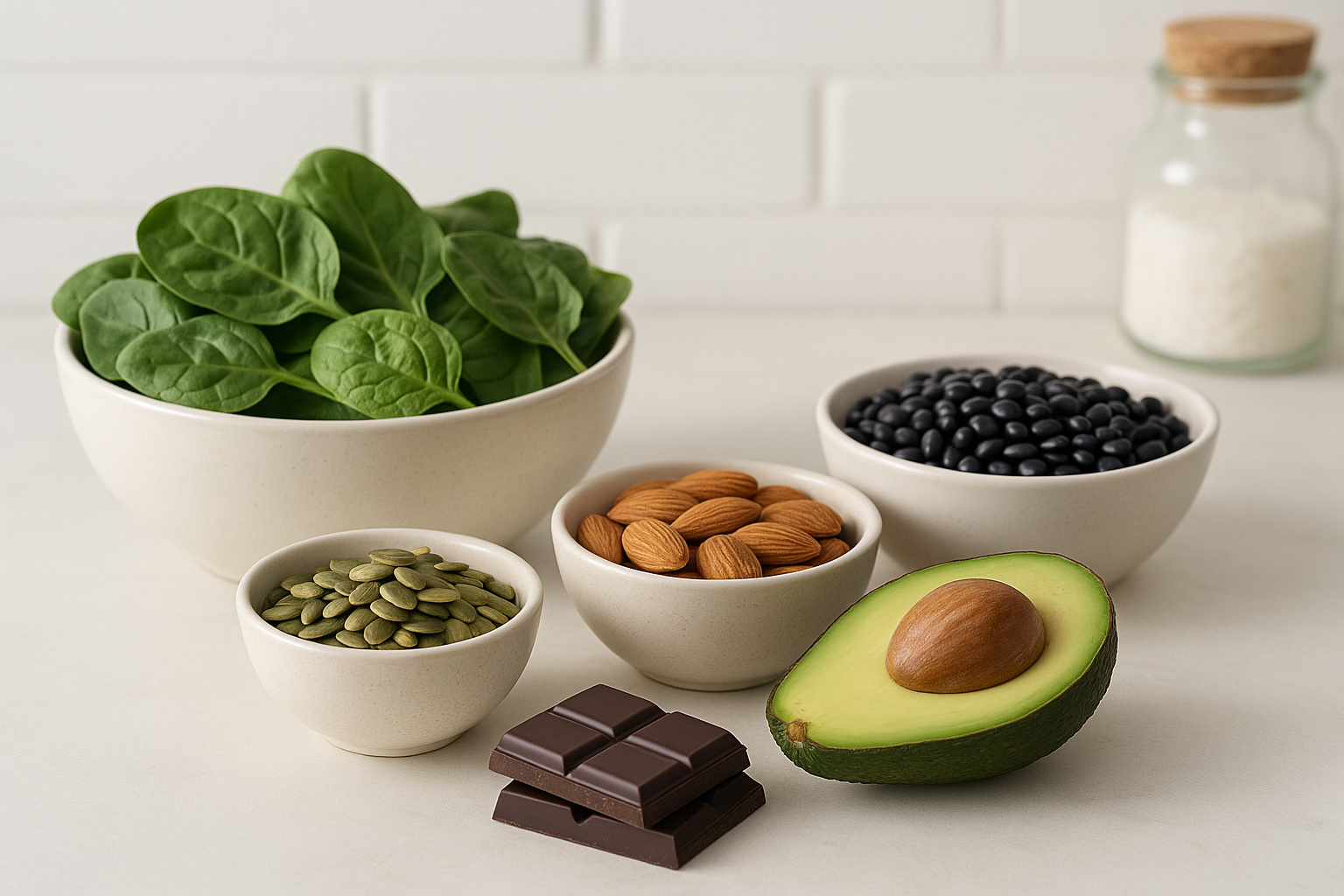
Best food sources of magnesium
For most people, food is the safest first step for supporting healthy magnesium levels. Magnesium-rich foods also provide fiber, antioxidants, healthy fats, and other minerals.
Good sources include:
- Pumpkin seeds, chia seeds, flaxseeds, and sunflower seeds
- Almonds, cashews, peanuts, and peanut butter
- Spinach, Swiss chard, and other leafy greens
- Black beans, kidney beans, soybeans, edamame, lentils, and chickpeas
- Oats, brown rice, quinoa, and whole-wheat products
- Avocado
- Bananas and some dried fruits
- Plain yogurt or fortified foods, depending on the product
- Dark chocolate in modest portions
A practical goal is to include a magnesium-rich food at most meals. For example, add pumpkin seeds to oatmeal, include beans in soups or salads, snack on nuts, or serve a leafy green vegetable with dinner.
Natural ways to support healthy magnesium levels
1. Build meals around minimally processed foods
Highly processed diets tend to be lower in magnesium than diets rich in whole plant foods. A balanced plate with vegetables, legumes or lean protein, whole grains, and healthy fats can naturally improve magnesium intake.
2. Choose whole grains more often
Refining grains removes some magnesium. Swapping white rice for brown rice, choosing oatmeal at breakfast, or using whole-grain bread can help increase intake over time.
3. Add nuts and seeds strategically
Nuts and seeds are among the most concentrated magnesium sources. A small handful of almonds or cashews, a spoonful of chia seeds, or roasted pumpkin seeds can make a meaningful contribution.
4. Address digestive or medication-related causes
If low magnesium is related to malabsorption, chronic diarrhea, diabetes, alcohol use, or medication effects, diet alone may not be enough. Treating the underlying cause is important.
5. Be cautious with supplements
Magnesium supplements can help in specific situations, but they are not risk-free. They may cause diarrhea, nausea, or cramping, and high doses can be dangerous, especially for people with kidney disease. Magnesium can also interact with certain medications, including some antibiotics, bisphosphonates, and thyroid medication. Ask a healthcare professional which form and dose, if any, is appropriate for you.
When to talk with a healthcare professional
Consider medical guidance if you have ongoing muscle cramps, weakness, numbness, fatigue, abnormal heart rhythm sensations, chronic digestive symptoms, or risk factors for deficiency. You should also speak with a clinician before taking magnesium supplements if you have kidney disease, heart disease, are pregnant, take prescription medications, or have been told you have abnormal calcium or potassium levels.
Key takeaway
Magnesium deficiency symptoms can include fatigue, weakness, appetite changes, nausea, muscle cramps, twitching, numbness, and, in severe cases, heart rhythm or neurologic problems. The best long-term approach for many people is a magnesium-supportive diet rich in nuts, seeds, legumes, leafy greens, and whole grains, combined with medical evaluation when symptoms are persistent or risk factors are present.
References
NIH Office of Dietary Supplements: Magnesium Fact Sheet for Health Professionals
Anti Inflammatory Herbs That May Help Support Whole Body Wellness
Anti Inflammatory Herbs That May Help Support Whole Body Wellness
Inflammation is part of the body’s natural defense system. Short-term inflammation helps the body respond to injury or infection, while long-term, ongoing inflammation may be linked with many health concerns. Food, stress, sleep, movement, and environmental factors can all influence inflammatory balance.
Anti inflammatory herbs are often used to support general wellness. They are not a cure for disease, but some contain plant compounds that may help the body maintain a healthier inflammatory response when paired with a balanced lifestyle.
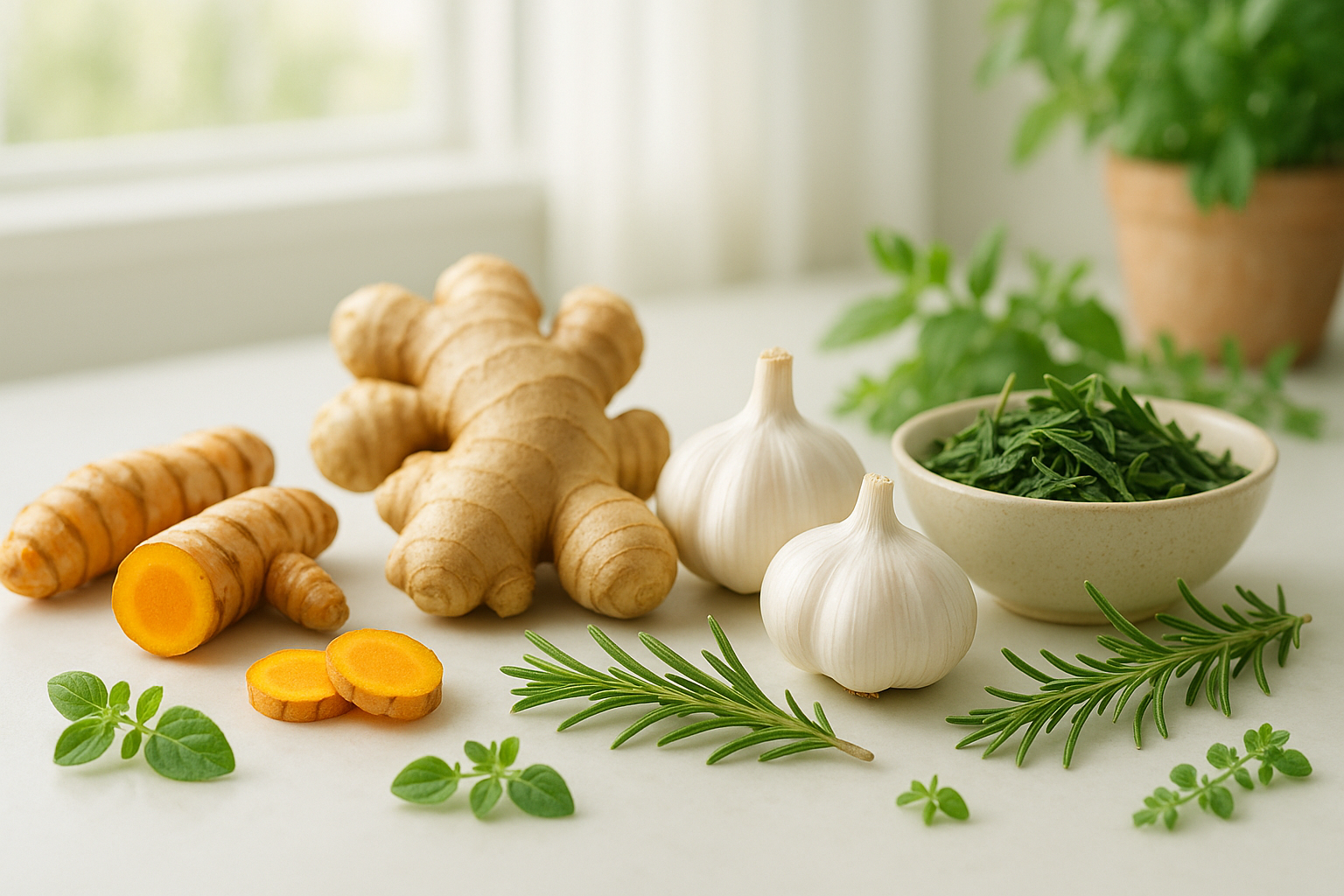
1. Turmeric
Turmeric is a golden yellow spice best known for curcumin, one of its main active compounds. Curcumin has been widely studied for its antioxidant and inflammation-related effects.
Common ways to use turmeric include adding it to soups, stews, rice dishes, smoothies, or warm drinks. Pairing turmeric with black pepper and a source of fat may improve curcumin absorption.
Safety note: Turmeric supplements may not be appropriate for everyone, especially people taking blood thinners, those with gallbladder concerns, or people preparing for surgery.
2. Ginger
Ginger is a warming root commonly used in tea, stir-fries, soups, and wellness tonics. It contains natural compounds such as gingerols and shogaols that are often studied for digestive and inflammatory support.
Ginger may be especially useful as a daily culinary herb because it is easy to add to meals. Fresh ginger tea, grated ginger in dressings, and ginger added to vegetable dishes are simple options.
Safety note: Larger supplemental amounts may interact with blood-thinning medications or affect some people with reflux or digestive sensitivity.
3. Garlic
Garlic is both a culinary staple and a traditional wellness herb. It contains sulfur-containing compounds, including allicin, that may support cardiovascular and immune-related wellness.
For everyday use, garlic can be added to roasted vegetables, sauces, soups, legumes, and marinades. Letting chopped garlic sit for several minutes before cooking may help preserve some beneficial compounds.
Safety note: Garlic supplements can increase bleeding risk for some people and may interact with certain medications.
4. Green Tea
Green tea comes from the Camellia sinensis plant and contains polyphenols, including EGCG. These compounds are associated with antioxidant activity and may help support healthy inflammatory balance.
Green tea can be enjoyed hot or iced. For a gentler cup, steep it at a lower temperature instead of using boiling water, which may reduce bitterness.
Safety note: Green tea contains caffeine, and concentrated green tea extracts may not be suitable for everyone, especially people with liver concerns or caffeine sensitivity.
5. Rosemary
Rosemary is an aromatic herb that contains rosmarinic acid and other plant compounds. It is commonly used in Mediterranean-style cooking and pairs well with vegetables, poultry, fish, beans, and olive oil.
Using rosemary in meals is a practical way to add flavor while reducing reliance on excess salt or highly processed sauces.
Safety note: Culinary amounts are generally different from concentrated extracts or essential oils. Do not ingest rosemary essential oil unless directed by a qualified professional.
6. Cinnamon
Cinnamon is a sweet, warming spice that can be added to oatmeal, yogurt, smoothies, tea, and baked fruit. It contains antioxidant plant compounds and is often discussed for metabolic wellness support.
Safety note: Cassia cinnamon contains coumarin, which can be harmful in high amounts. People who use cinnamon frequently may prefer Ceylon cinnamon and should avoid excessive supplemental doses.
How to Use Anti Inflammatory Herbs Safely
Start with food first. Culinary amounts are often the safest and most sustainable way to enjoy herbs. Choose one or two herbs to use regularly rather than taking many supplements at once.
Use herbs to support a broader wellness pattern that includes colorful fruits and vegetables, adequate protein, healthy fats, fiber-rich foods, regular movement, stress management, and quality sleep.
If you are pregnant, breastfeeding, taking prescription medication, managing a chronic condition, or scheduled for surgery, speak with a healthcare professional before using herbal supplements.
Bottom Line
Anti inflammatory herbs such as turmeric, ginger, garlic, green tea, rosemary, and cinnamon may help support whole body wellness when used thoughtfully. The best approach is to enjoy them as part of a varied, nutrient-rich diet while getting personalized medical guidance when needed.
References
How Gut Health Influences Chronic Inflammation and Natural Ways to Restore Balance
How Gut Health Influences Chronic Inflammation and Natural Ways to Restore Balance
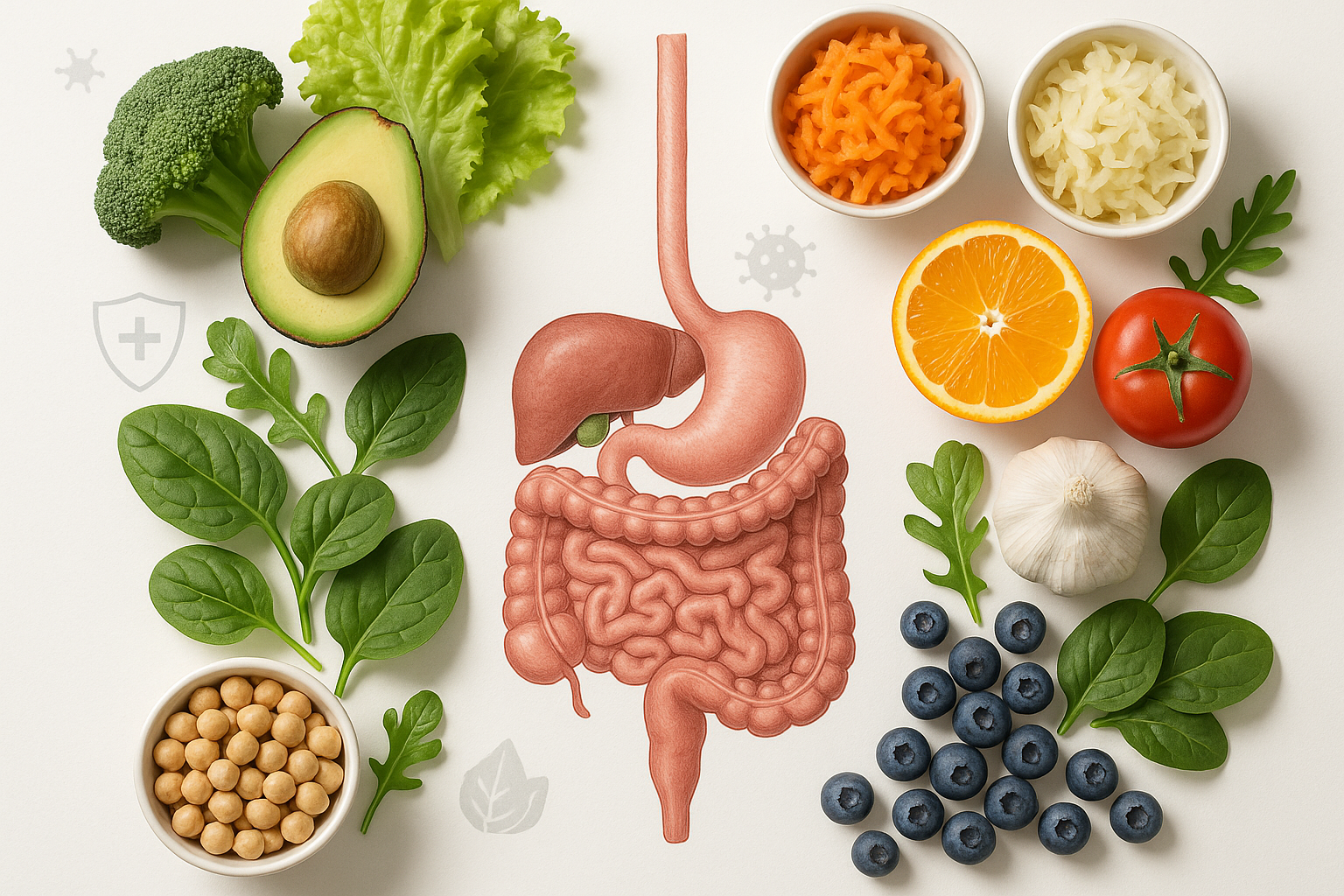
Gut health and inflammation are deeply linked because much of the immune system interacts with the digestive tract every day. Your gut is not only responsible for digesting food and absorbing nutrients; it also helps train immune responses, maintain a protective barrier, and communicate with the rest of the body through microbial metabolites, hormones, and immune signaling molecules.
When the gut environment is balanced, it can support normal immune regulation. When the gut microbiome is disrupted, the intestinal barrier is irritated, or dietary and lifestyle patterns promote immune stress, inflammation may become more persistent. Chronic low-grade inflammation is associated with many health concerns, so supporting gut health is one practical way to help the body maintain better inflammatory balance.
What Is the Gut Microbiome?
The gut microbiome is the community of bacteria, fungi, viruses, and other microorganisms that live mainly in the intestines. Many of these microbes are beneficial or neutral. They help break down dietary fibers, produce short-chain fatty acids, support immune function, and protect against harmful organisms.
A healthy gut microbiome is generally diverse and resilient. Diversity means many types of beneficial microbes are present. Resilience means the microbiome can recover after disruptions such as illness, stress, poor sleep, antibiotics, or dietary changes.
How Gut Health Affects Inflammation
The gut influences inflammation through several major pathways.
1. The Intestinal Barrier
The lining of the intestines acts as a selective barrier. It allows nutrients and water to pass into the bloodstream while helping keep harmful substances, pathogens, and toxins out. When this barrier is irritated or less effective, immune cells may be exposed to compounds that trigger inflammatory responses.
Barrier function can be influenced by diet quality, alcohol intake, infections, medications, chronic stress, sleep disruption, and underlying gastrointestinal conditions. Supporting the intestinal lining is one reason fiber, nutrient-dense foods, and healthy lifestyle habits matter.
2. Microbial Balance
An imbalanced microbiome, sometimes called dysbiosis, may involve reduced microbial diversity, fewer beneficial bacteria, or an overgrowth of less helpful organisms. Dysbiosis can influence immune signaling and may contribute to a more inflammatory internal environment.
This does not mean one single bacteria type is always good or bad. Microbiome health is complex and depends on the overall ecosystem, diet, genetics, medications, health status, and environment.
3. Short-Chain Fatty Acids
When gut bacteria ferment certain fibers, they produce short-chain fatty acids such as butyrate, acetate, and propionate. These compounds help nourish colon cells, support the gut barrier, and play a role in immune regulation.
A low-fiber diet can reduce the raw material beneficial microbes need to produce these compounds. Increasing fiber gradually from whole foods is one of the most reliable diet strategies for supporting gut health.
4. Immune System Communication
The gut contains a large portion of the body’s immune tissue. Gut microbes and immune cells constantly communicate. A balanced gut environment can help the immune system respond appropriately, while an irritated or disrupted gut may contribute to exaggerated or prolonged inflammatory signaling.
Signs Your Gut May Be Out of Balance
Possible signs of poor gut balance may include bloating, irregular bowel movements, frequent diarrhea or constipation, excessive gas, food intolerances, abdominal discomfort, fatigue, or symptoms that worsen with stress. These symptoms can have many causes, so persistent or severe symptoms should be evaluated by a healthcare professional.
Seek medical care promptly for red flags such as blood in the stool, unexplained weight loss, persistent vomiting, severe abdominal pain, ongoing fever, anemia, difficulty swallowing, or a major change in bowel habits.
Natural Ways to Support Gut Health and Inflammatory Balance
1. Eat More Fiber-Rich Whole Foods
Fiber is one of the most important nutrients for gut health. It feeds beneficial gut microbes and supports regular bowel movements. Good sources include beans, lentils, oats, barley, berries, apples, pears, vegetables, chia seeds, flaxseed, nuts, and whole grains.
Increase fiber gradually and drink enough water. A sudden large increase may cause bloating or gas, especially if your current intake is low.
2. Include Fermented Foods if Tolerated
Fermented foods such as yogurt with live cultures, kefir, sauerkraut, kimchi, miso, and tempeh may support microbial diversity for some people. Choose options with minimal added sugar and consider starting with small servings.
People with histamine intolerance, immune compromise, or certain digestive disorders may not tolerate all fermented foods well, so individual response matters.
3. Prioritize Polyphenol-Rich Foods
Polyphenols are plant compounds that interact with the gut microbiome and may support healthy inflammatory responses. Foods rich in polyphenols include berries, cocoa, green tea, olives, extra virgin olive oil, herbs, spices, colorful vegetables, and legumes.
A colorful diet usually provides a broader range of these compounds.
4. Limit Ultra-Processed Foods
Frequent intake of ultra-processed foods high in added sugars, refined starches, and low-quality fats may negatively affect gut microbial balance and inflammatory pathways. You do not need a perfect diet, but making whole foods the foundation of meals is a strong starting point.
A practical plate includes vegetables, protein, fiber-rich carbohydrates, healthy fats, and fermented or polyphenol-rich foods when appropriate.
5. Support the Gut With Omega-3 Fats
Omega-3 fatty acids from fatty fish such as salmon, sardines, trout, and anchovies are associated with healthier inflammatory balance. Plant sources such as walnuts, chia seeds, and flaxseed provide ALA, a plant-based omega-3.
If considering fish oil supplements, speak with a healthcare provider, especially if you take blood thinners, have surgery planned, or have a medical condition.
6. Manage Stress Consistently
Stress can affect gut motility, sensitivity, barrier function, and microbial balance through the gut-brain axis. Techniques such as walking, breathing exercises, mindfulness, yoga, journaling, therapy, and time outdoors may help regulate stress physiology.
Small daily practices are often more effective than occasional intense efforts.
7. Get Enough Sleep
Poor sleep can influence immune regulation, appetite hormones, blood sugar control, and gut microbial rhythms. Aim for a consistent sleep schedule, morning light exposure, a dark bedroom, and reduced screen exposure near bedtime.
If you snore heavily, wake up gasping, or feel exhausted despite enough hours in bed, ask a clinician about sleep disorders such as sleep apnea.
8. Use Antibiotics Responsibly
Antibiotics can be necessary and lifesaving, but they can also disrupt the microbiome. Use them only when prescribed and take them exactly as directed. If you experience significant diarrhea during or after antibiotics, contact a healthcare provider.
Ask your clinician whether probiotic foods or a specific probiotic supplement is appropriate for your situation.
9. Consider Probiotics Carefully
Probiotics may help some people with specific conditions, but benefits depend on the strain, dose, product quality, and individual health status. They are not a universal fix for gut health or inflammation.
People who are immunocompromised, critically ill, or have central venous catheters should not take probiotics unless supervised by a healthcare professional.
10. Identify Personal Food Triggers Without Over-Restricting
Some people feel better when they reduce specific triggers such as lactose, excess fructose, alcohol, or certain fermentable carbohydrates. However, overly restrictive diets can reduce microbial diversity and nutrient intake over time.
If symptoms are significant, consider working with a registered dietitian or healthcare provider rather than eliminating many foods on your own.
A Simple Gut-Supportive Daily Plan
Start the day with oats, berries, chia seeds, and yogurt or a dairy-free alternative with live cultures if tolerated. Build lunch around vegetables, beans or lentils, olive oil, and a whole grain. Choose a dinner that includes colorful vegetables, protein, and a fiber-rich carbohydrate such as sweet potato, quinoa, or brown rice. Add fermented foods in small amounts if they agree with you. Drink water, move your body, and keep a consistent sleep routine.
The Bottom Line
Gut health and inflammation are connected through the microbiome, intestinal barrier, immune system, and lifestyle patterns. While no single food or supplement can eliminate chronic inflammation, consistent habits can help restore balance. Focus on fiber-rich whole foods, diverse plants, fermented foods if tolerated, stress management, quality sleep, regular movement, and appropriate medical guidance when symptoms persist.
References
NIH NCCIH: Probiotics, What You Need To Know
PubMed: Gut microbiota regulation of intestinal inflammation