
Best Foods for Gut Health: Top Natural Foods That Restore Digestion
Why Gut Health Matters
Your gut contains trillions of microorganisms that help break down food, produce certain vitamins, regulate immune function, and protect against harmful bacteria. According to research published by the National Institutes of Health, diet is one of the most important factors influencing the diversity and balance of the gut microbiome.
Eating a variety of fiber rich and fermented foods can promote beneficial bacteria and improve digestive efficiency.
1. Yogurt with Live Cultures
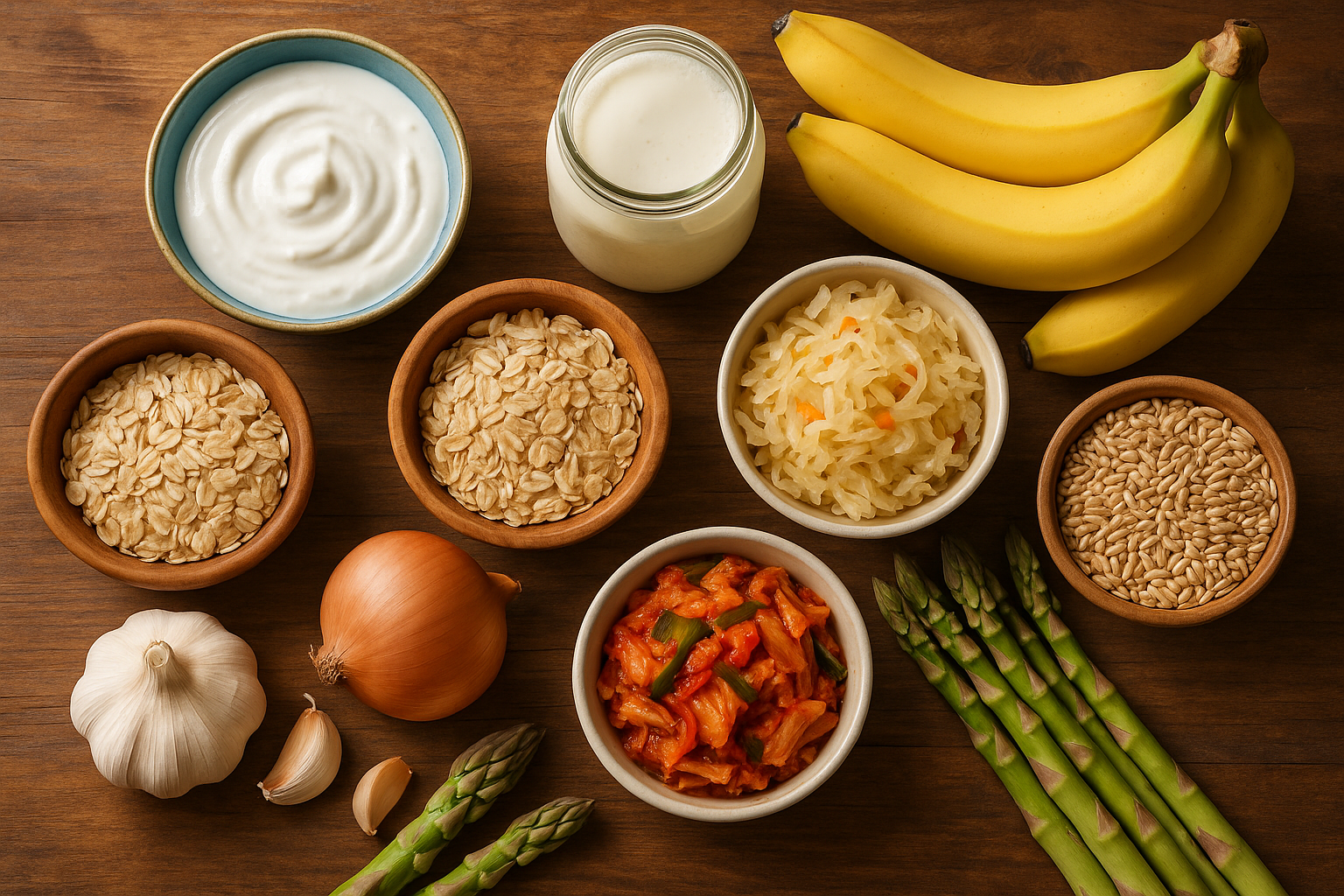
Yogurt is one of the most well known probiotic foods. It contains live bacteria that help replenish beneficial microbes in the digestive tract. Probiotics may help improve symptoms of bloating, diarrhea, and irritable bowel conditions.
Choose plain yogurt with live and active cultures and minimal added sugar for the greatest benefit.
2. Kefir
Kefir is a fermented milk drink rich in diverse probiotic strains. It may be even more potent than yogurt in supporting microbial diversity. Regular consumption may improve lactose digestion and reduce gut inflammation.

3. Sauerkraut and Kimchi
Fermented vegetables like sauerkraut and kimchi provide natural probiotics along with fiber and antioxidants. Fermentation enhances nutrient availability and supports healthy bacterial balance in the gut.
Look for refrigerated, unpasteurized versions to ensure they contain live cultures.
4. High Fiber Fruits
Fruits such as bananas, apples, and berries contain prebiotic fiber. Prebiotics act as fuel for beneficial gut bacteria, helping them grow and thrive. Bananas in particular contain resistant starch, which supports healthy digestion.
5. Garlic and Onions
Garlic and onions are rich in inulin and fructooligosaccharides, types of prebiotic fibers. These compounds stimulate the growth of beneficial bacteria and may enhance immune function.
6. Asparagus and Leeks
These vegetables are excellent sources of prebiotics. Regular intake can support bacterial diversity and promote smoother digestion.
7. Whole Grains
Oats, barley, and whole wheat provide beta glucan and other fibers that nourish beneficial gut microbes. Whole grains are also associated with reduced inflammation and improved bowel regularity.
8. Legumes
Beans, lentils, and chickpeas are rich in fermentable fiber. As gut bacteria digest these fibers, they produce short chain fatty acids that help maintain the integrity of the intestinal lining.
9. Bone Broth
Bone broth contains collagen and amino acids that may help support the intestinal lining. While research is ongoing, it is often included in gut supportive dietary patterns.
Practical Tips to Improve Gut Health
- Eat a variety of plant based foods
- Include both probiotic and prebiotic sources
- Limit highly processed foods and excess sugar
- Stay hydrated
- Introduce high fiber foods gradually to avoid discomfort
Consistency is key. A diverse and balanced diet supports long term microbiome health and improved digestion.
The Bottom Line
The best foods for gut health include fermented foods like yogurt and kefir, fiber rich fruits and vegetables, whole grains, and legumes. These natural options help restore microbial balance, strengthen the intestinal barrier, and improve digestion. Building meals around these foods can create a strong foundation for overall health and wellness.