
The Gut Inflammation Connection and How to Support a Balanced Microbiome
The Gut Inflammation Connection and How to Support a Balanced Microbiome
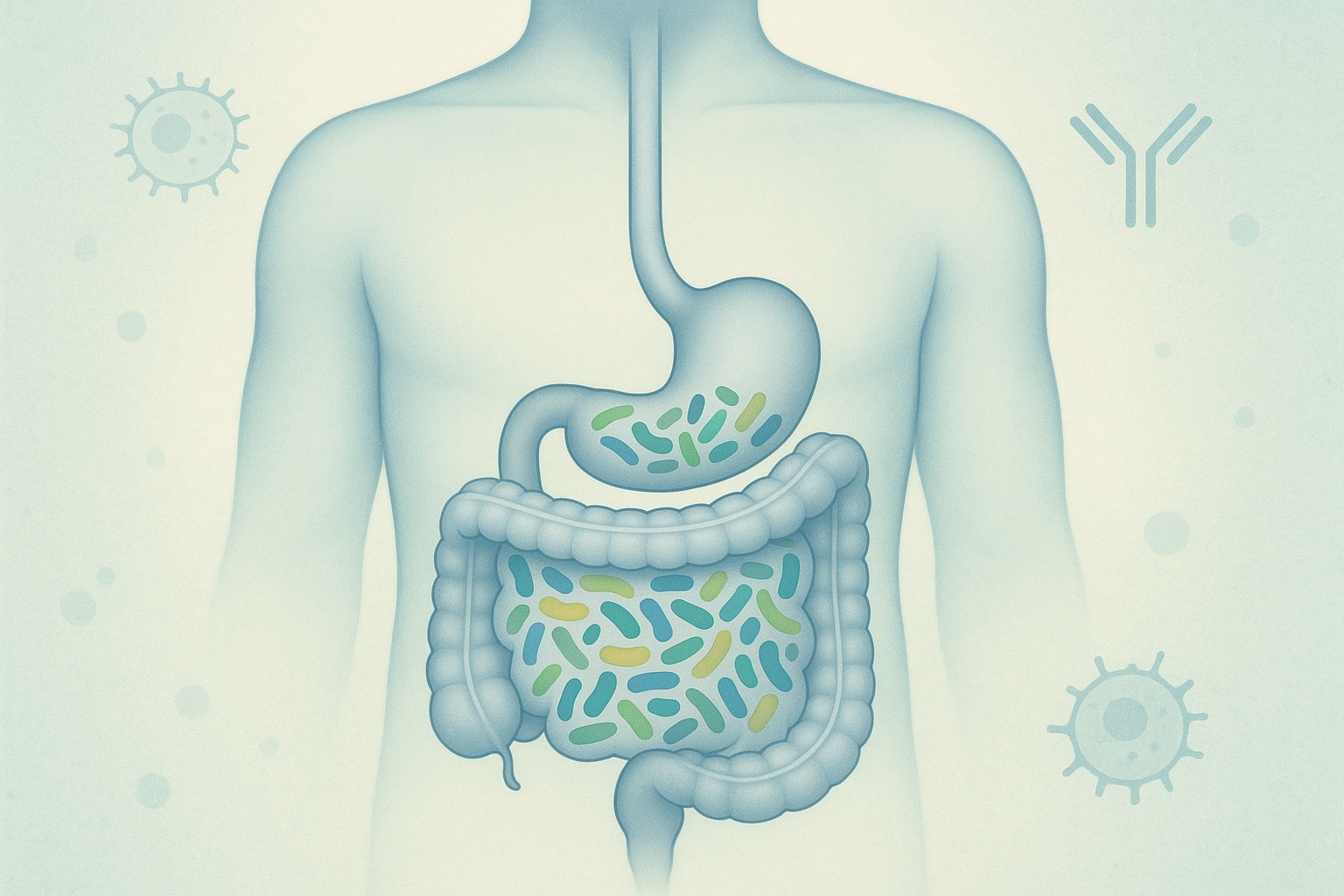
The gut is more than a digestive organ. It is an active immune, metabolic, and microbial ecosystem. Inside the digestive tract, trillions of bacteria, fungi, viruses, and other microorganisms interact with the intestinal lining and immune system. This community is known as the gut microbiome.
When the gut microbiome is diverse and balanced, it can help support digestion, nutrient metabolism, gut barrier integrity, and normal immune function. When that balance is disrupted, the gut environment may become more inflammatory, especially in people who are genetically susceptible or already dealing with digestive or immune-related conditions.
How gut health and inflammation are connected
A large portion of immune activity occurs in and around the gastrointestinal tract. This makes sense: the gut must absorb nutrients while also identifying and responding to potentially harmful microbes, toxins, and irritants.
Several gut-related factors may influence inflammation:
- Microbiome balance: A diverse microbial community can help maintain normal immune signaling, while an imbalanced microbiome may contribute to immune activation.
- Gut barrier function: The intestinal lining acts as a selective barrier. When this barrier is stressed or damaged, immune cells may be exposed to substances that trigger inflammatory responses.
- Short-chain fatty acids: Beneficial gut bacteria ferment certain fibers into compounds such as butyrate, acetate, and propionate, which help nourish colon cells and support immune regulation.
- Diet and lifestyle patterns: Diet quality, sleep, stress, physical activity, alcohol intake, and medication use can all influence the microbiome and inflammatory tone.
What can disrupt the gut microbiome?
The microbiome is resilient, but it can be affected by many factors. Common disruptors include:

- Low-fiber eating patterns
- High intake of ultra-processed foods
- Frequent alcohol intake
- Chronic stress
- Poor sleep
- Sedentary lifestyle
- Certain infections
- Antibiotic use when medically necessary
- Some gastrointestinal diseases
Not every microbiome change causes disease, and microbiome science is still developing. However, many studies suggest that long-term dietary and lifestyle patterns play an important role in shaping gut microbial diversity.
Signs your gut may need support
Digestive symptoms can have many causes, and they should not be automatically blamed on the microbiome. Still, gut imbalance or inflammation may be considered when symptoms are persistent or recurring, such as:
- Bloating or excessive gas
- Irregular bowel habits
- Abdominal discomfort
- Food-related digestive distress
- Ongoing diarrhea or constipation
- Unexplained fatigue with digestive symptoms
Seek medical care promptly for red flags such as blood in stool, unexplained weight loss, persistent vomiting, severe abdominal pain, fever, anemia, or new bowel changes after age 45 to 50.
How to support a balanced microbiome
1. Eat more fiber-rich plant foods
Dietary fiber is one of the most important tools for supporting beneficial gut bacteria. Many gut microbes ferment fiber into short-chain fatty acids that help support colon health and immune balance.
Helpful options include:
- Beans, lentils, and peas
- Oats, barley, and whole grains
- Vegetables such as onions, asparagus, broccoli, and leafy greens
- Fruits such as berries, apples, pears, and bananas
- Nuts and seeds
Increase fiber gradually and drink enough fluids to reduce gas or bloating.
2. Include fermented foods if tolerated
Fermented foods can contribute live microbes or fermentation byproducts that may support gut health. Options include yogurt with live cultures, kefir, sauerkraut, kimchi, miso, and tempeh.
People with histamine intolerance, immune compromise, or certain digestive conditions should ask a clinician before making fermented foods a major part of the diet.
3. Choose anti-inflammatory eating patterns
A Mediterranean-style pattern is often associated with better cardiometabolic and inflammatory markers. It emphasizes vegetables, fruits, legumes, whole grains, nuts, seeds, olive oil, herbs, spices, and fish, while limiting highly processed foods and excess added sugars.
This approach supports the microbiome by providing fiber, polyphenols, and healthy fats.
4. Limit ultra-processed foods and excess added sugar
Highly processed foods may be low in fiber and high in refined carbohydrates, saturated fats, salt, and additives. While no single food determines gut health, a pattern dominated by ultra-processed foods may reduce diet quality and microbial diversity.
A practical goal is to build meals around whole or minimally processed foods most of the time.
5. Use antibiotics appropriately
Antibiotics can be lifesaving and necessary, but they can also temporarily disrupt the gut microbiome. Use antibiotics only when prescribed, take them exactly as directed, and ask your healthcare provider whether probiotic or dietary support is appropriate for your situation.
6. Manage stress and sleep
The gut and brain communicate through immune, hormonal, and nervous system pathways. Chronic stress and poor sleep can affect digestion, motility, appetite, and inflammatory signaling.
Supportive habits include:
- A consistent sleep schedule
- Morning light exposure
- Regular movement
- Breathing exercises or meditation
- Time outdoors
- Reducing late-night alcohol and heavy meals
7. Move regularly
Physical activity is associated with better metabolic health, immune regulation, and microbial diversity. Aim for a sustainable mix of walking, aerobic activity, and strength training, adjusted to your fitness level and medical status.
What about probiotics?
Probiotics may help in specific situations, such as certain types of antibiotic-associated diarrhea or some digestive conditions, but benefits are strain-specific and not guaranteed. A probiotic that helps one condition may not help another.
If you are considering a probiotic, look for products that identify the genus, species, and strain, provide an expiration date, and have evidence for your specific goal. People who are severely immunocompromised or critically ill should avoid probiotics unless supervised by a clinician.
The bottom line
Gut health and inflammation are linked through the microbiome, intestinal barrier, immune system, and everyday lifestyle patterns. The most reliable foundation for supporting a balanced microbiome is not a quick cleanse or extreme diet. It is a consistent pattern of fiber-rich foods, diverse plants, fermented foods when tolerated, adequate sleep, stress management, regular movement, and appropriate medical care when symptoms persist.