
- Home
- Author's Archive:

How Magnesium Supports Better Sleep and Relaxation Naturally
How Magnesium Supports Better Sleep and Relaxation Naturally
Magnesium is a vital mineral that helps the body regulate hundreds of biochemical processes. It supports normal muscle contraction, nerve communication, energy production, and electrolyte balance. Because sleep depends on a calm nervous system, relaxed muscles, and healthy daily rhythms, magnesium is often discussed as a natural sleep support.
Why magnesium matters for sleep
Magnesium may support sleep in several indirect but important ways:
1. It supports nervous system balance
Magnesium helps regulate nerve signaling and may influence pathways involved in calmness and relaxation. When the nervous system is overactive from stress, caffeine, poor sleep habits, or low nutrient intake, falling asleep can feel harder.
2. It helps muscles relax
Magnesium plays a role in normal muscle function. Some people notice that low magnesium intake is associated with muscle tightness, cramps, or physical restlessness. Supporting adequate magnesium status may help the body feel more relaxed at bedtime.
3. It may support sleep quality in some people
Research on magnesium and sleep is still developing. Some studies suggest magnesium supplementation may improve certain sleep measures, particularly in older adults or people with low intake. However, results are not guaranteed, and magnesium should be viewed as one part of a broader sleep routine.
4. It supports healthy stress response
Stress and poor sleep often reinforce each other. Magnesium is involved in normal hormonal and nervous system function, which may help the body maintain a healthier relaxation response.
Best food sources of magnesium
Food should usually be the first place to improve magnesium intake. Magnesium rich foods include:
- Pumpkin seeds
- Almonds and cashews
- Spinach and Swiss chard
- Black beans and lentils
- Whole grains
- Avocado
- Dark chocolate
- Edamame
- Peanut butter
Eating these foods consistently can help support overall magnesium status without relying only on supplements.
Common magnesium supplement forms for sleep
Different forms of magnesium may feel different from person to person:
- Magnesium glycinate: Often chosen for relaxation because it is usually gentle on the stomach.
- Magnesium citrate: Well absorbed, but may loosen stools in some people.
- Magnesium malate: Often used for general magnesium support, though it may feel more energizing for some.
- Magnesium oxide: Contains a high amount of elemental magnesium but is less well absorbed and more likely to affect digestion.
- Magnesium threonate: Marketed for brain support, but it is often more expensive and more research is needed.
For sleep and relaxation, magnesium glycinate is commonly preferred because it tends to be well tolerated.
How much magnesium should you take for sleep?
Magnesium needs vary by age, sex, diet, and health status. Many adults get less magnesium than recommended from food alone. If using a supplement, many people start with a modest dose, such as 100 to 200 mg of supplemental magnesium in the evening.
The tolerable upper intake level for magnesium from supplements and medications is 350 mg per day for many adults, unless a healthcare professional recommends otherwise. This limit does not apply to magnesium naturally found in food.
When to take magnesium for sleep
Magnesium is often taken 1 to 2 hours before bed. Some people prefer taking it with dinner to reduce the chance of stomach discomfort. Consistency matters more than exact timing.
A simple evening routine might include:
- Dim lights 60 minutes before bed
- Avoid caffeine late in the day
- Take magnesium with water or a small snack if tolerated
- Stretch gently or practice slow breathing
- Keep the bedroom cool, dark, and quiet
Safety and side effects
Magnesium supplements can cause loose stools, nausea, or abdominal cramping, especially at higher doses or with forms such as magnesium citrate or oxide.
Talk to a healthcare professional before using magnesium if you:
- Have kidney disease
- Are pregnant or breastfeeding
- Take antibiotics, bisphosphonates, diuretics, heart medications, or thyroid medication
- Have a diagnosed sleep disorder
- Experience severe insomnia, restless legs, chest pain, shortness of breath, or unexplained symptoms
People with kidney problems may have difficulty clearing excess magnesium, which can become dangerous.
Magnesium works best with healthy sleep habits
Magnesium may help support relaxation, but it cannot replace the foundations of good sleep. For best results, combine magnesium rich foods or supplements with a consistent sleep schedule, morning light exposure, regular movement, stress management, and reduced evening screen time.
Bottom line
Magnesium can be a helpful natural support for sleep and relaxation, especially if your diet is low in magnesium or you experience muscle tension and stress. It is not a sedative or a guaranteed insomnia treatment, but it may support the body systems that help you unwind. Start with food sources, choose a gentle supplement form if needed, and check with a healthcare professional if you have medical conditions or take medications.
References
Early Signs of Vitamin D Deficiency and Natural Ways to Support Healthy Levels
Early Signs of Vitamin D Deficiency and Natural Ways to Support Healthy Levels
Vitamin D is often called the sunshine vitamin because your skin can produce it when exposed to sunlight. It also comes from certain foods and supplements. Despite its importance, low vitamin D is common, and the early signs may be easy to overlook.
This guide explains common vitamin d deficiency signs, who may be at higher risk, how levels are checked, and natural ways to support healthy vitamin D status.
Why Vitamin D Matters
Vitamin D helps your body absorb calcium and phosphorus, two minerals essential for strong bones and teeth. It also contributes to normal muscle function and immune system activity. When vitamin D levels remain low for a long time, the body may struggle to maintain healthy bones and muscles.
In children, severe deficiency can contribute to rickets. In adults, low vitamin D may contribute to osteomalacia, bone discomfort, muscle weakness, and increased risk of falls in some people.
Early Vitamin D Deficiency Signs
Vitamin D deficiency does not always cause obvious symptoms at first. Some people feel normal even when their blood level is low. When symptoms do occur, they may include:
- Fatigue or low energy
- Muscle aches, cramps, or weakness
- Bone pain or tenderness
- Back, hip, or leg discomfort
- More frequent falls, especially in older adults
- Low mood or changes in general well-being
- Slow recovery from illness or general immune concerns
These symptoms can have many causes, so they do not automatically mean you are deficient. A blood test is the most reliable way to know your vitamin D status.
Who Is More Likely to Have Low Vitamin D?
Some people have a higher risk of vitamin D deficiency because they make less vitamin D from sunlight, absorb less from food, or need more careful monitoring.
Higher-risk groups include:
- People with limited sun exposure
- People who regularly cover most of their skin outdoors
- Older adults, because skin becomes less efficient at producing vitamin D
- People with darker skin, because higher melanin levels reduce vitamin D production from sunlight
- People with malabsorption conditions such as celiac disease, Crohn’s disease, or certain digestive disorders
- People who have had bariatric surgery
- Breastfed infants, unless supplemented as recommended by a clinician
- People with obesity, who may have lower circulating vitamin D levels
- People taking certain medications that affect vitamin D metabolism
How Vitamin D Deficiency Is Diagnosed
Healthcare professionals usually check vitamin D status with a blood test called 25-hydroxyvitamin D. Your clinician can interpret your result based on your health history, age, symptoms, medications, and risk factors.
It is best not to self-diagnose based only on symptoms. Fatigue, weakness, and aches can also be related to thyroid problems, anemia, infection, poor sleep, autoimmune conditions, medication effects, and many other causes.
Natural Ways to Support Healthy Vitamin D Levels
1. Get Safe Sunlight Exposure
Sunlight can help your skin produce vitamin D. The amount you make depends on season, latitude, time of day, cloud cover, air pollution, skin tone, age, and sunscreen use.
A practical approach is to spend short periods outdoors regularly while avoiding sunburn. Because ultraviolet radiation increases skin cancer risk, it is important to balance vitamin D support with sun safety. If you burn easily, have a history of skin cancer, or take photosensitizing medications, ask a healthcare professional for personalized guidance.
2. Eat Vitamin D Rich Foods
Only a limited number of foods naturally contain vitamin D, but adding them consistently can help support intake.
Good food sources include:
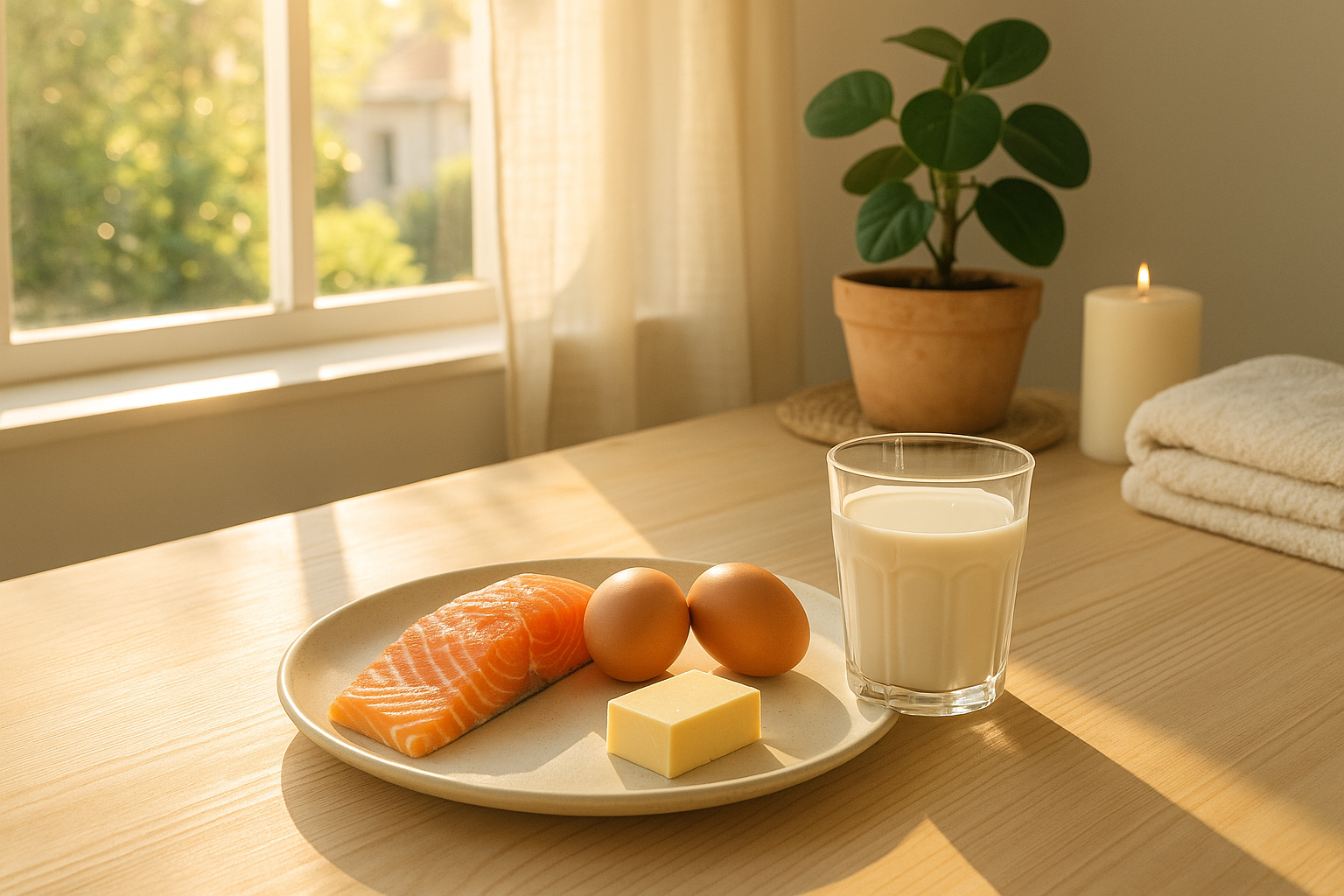
- Fatty fish such as salmon, trout, sardines, and tuna
- Egg yolks
- Fortified milk or fortified plant-based beverages
- Fortified breakfast cereals
- Fortified yogurt or other fortified dairy products
- Some mushrooms exposed to ultraviolet light
Food alone may not be enough for everyone, especially during winter or for people with higher risk factors, but it is a helpful foundation.
3. Consider Supplements When Appropriate
Vitamin D supplements can be useful when blood levels are low or when diet and sunlight are not enough. Common forms include vitamin D2 and vitamin D3. The right dose depends on your current blood level, age, diet, medical history, and medications.
Do not assume more is better. Excessive vitamin D can cause high calcium levels, nausea, vomiting, weakness, confusion, dehydration, kidney stones, and kidney problems. Supplement decisions are safest when guided by a healthcare professional, especially if you are pregnant, have kidney disease, have high calcium, take digoxin or thiazide diuretics, or have granulomatous diseases such as sarcoidosis.
4. Support Overall Nutrient Balance
Vitamin D works closely with other nutrients involved in bone and muscle health, including calcium, magnesium, phosphorus, and vitamin K. A balanced eating pattern with adequate protein, fruits, vegetables, whole grains, legumes, nuts, seeds, and calcium-rich foods can support overall health.
5. Stay Active for Bone and Muscle Health
Weight-bearing and resistance exercises help support bones and muscles. Walking, stair climbing, strength training, yoga, and balance exercises may be helpful depending on your fitness level and medical status. If you have bone pain, frequent falls, or a known bone condition, ask a clinician before beginning a new exercise program.
When to Talk With a Healthcare Professional
Consider asking about vitamin D testing if you have persistent fatigue, muscle weakness, bone pain, frequent falls, limited sun exposure, digestive conditions, osteoporosis, or other risk factors for deficiency.
Seek medical care promptly if you have severe bone pain, unexplained muscle weakness, repeated falls, symptoms of high calcium after taking supplements, or any concerning or worsening symptoms.
Key Takeaway
Early vitamin D deficiency signs can be vague, but common clues include fatigue, muscle aches, weakness, and bone discomfort. Safe sunlight exposure, vitamin D rich foods, and properly guided supplementation can help support healthy levels. The most accurate way to confirm deficiency is a blood test and personalized advice from a healthcare professional.
References
NIH Office of Dietary Supplements: Vitamin D Fact Sheet
Zinc for Immune Health: How It Supports Defenses and May Shorten Colds
Zinc for Immune Health: How It Supports Defenses and May Shorten Colds
Zinc is a trace mineral, meaning the body needs it in small amounts but depends on it for important functions. It plays a central role in immune health, wound healing, cell growth, DNA synthesis, and normal taste and smell.
Because the body does not store large amounts of zinc, regular intake from food is important. For people who do not get enough, low zinc status can weaken immune defenses and may increase susceptibility to infections.
How zinc supports immune health
Zinc helps the immune system in several key ways:
- Supports the development and activity of immune cells, including cells involved in both innate and adaptive immunity
- Helps maintain healthy skin and mucous membranes, which act as physical barriers against germs
- Supports normal inflammatory responses, helping the body respond without excessive immune activation
- Helps cells communicate during immune responses
- Supports antioxidant defenses that protect cells from oxidative stress
In simple terms, zinc helps the immune system recognize threats, respond efficiently, and maintain healthy barriers.
Zinc and the common cold
Zinc is best known for its potential role in reducing the duration of common cold symptoms. Research suggests that zinc lozenges or zinc syrup may shorten a cold for some people when started within 24 hours of symptom onset.
The benefit appears to depend on the zinc form, dose, timing, and product quality. Zinc is more likely to help when used early, before symptoms have progressed for several days.
Zinc does not prevent every cold, and it does not work like an antibiotic. Most colds are caused by viruses, and zinc may help by interfering with viral activity in the throat and supporting immune response.
Best food sources of zinc
Food is the safest foundation for healthy zinc intake. Good sources include:
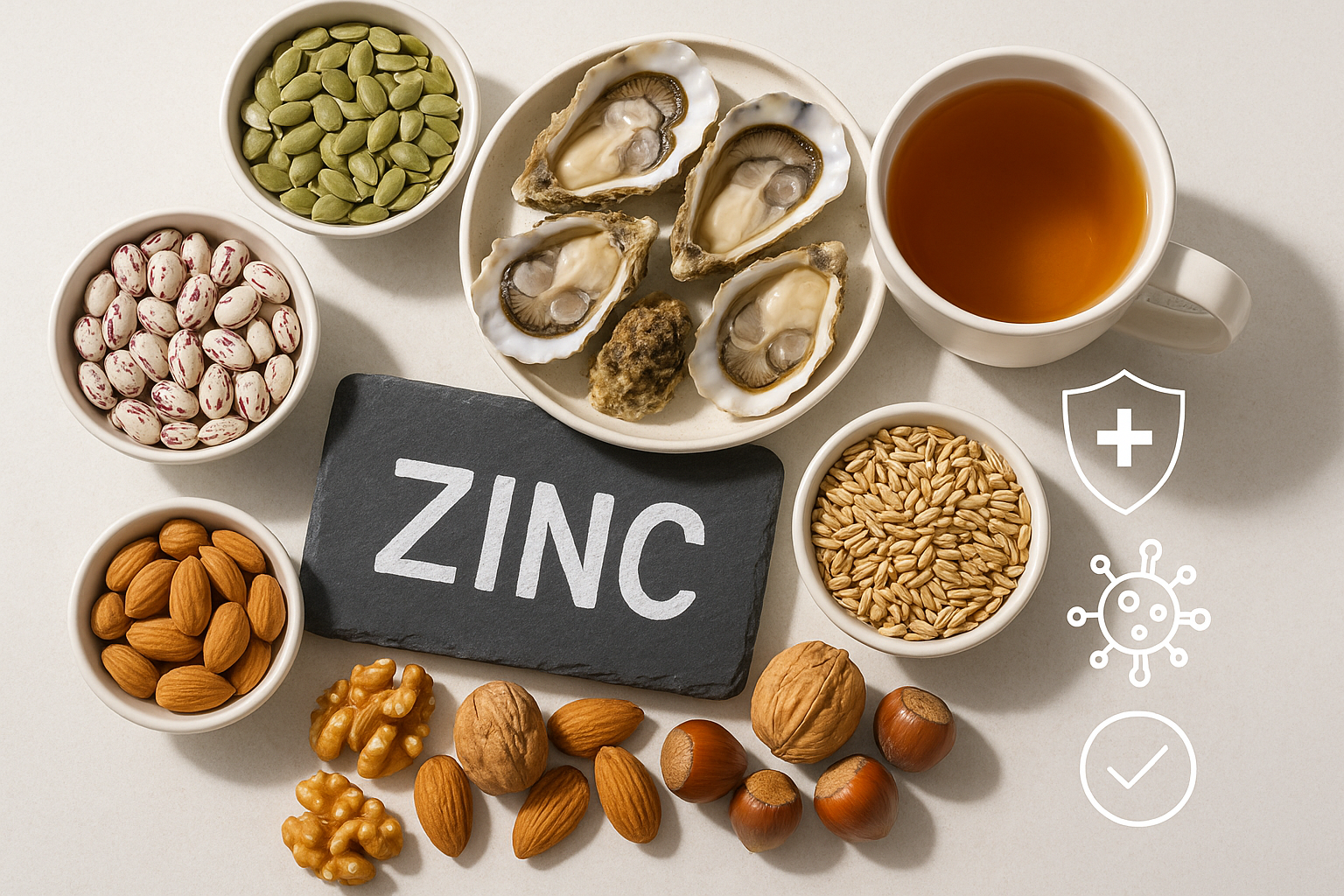
- Oysters and other shellfish
- Beef, poultry, and pork
- Beans, lentils, and chickpeas
- Pumpkin seeds, hemp seeds, and sesame seeds
- Cashews and other nuts
- Yogurt and dairy products
- Whole grains and fortified cereals
Animal sources are generally more easily absorbed. Plant foods can still provide zinc, but phytates in beans, grains, and seeds can reduce absorption. Soaking, sprouting, fermenting, and choosing leavened whole-grain breads may improve mineral availability.
Zinc supplements for colds
For cold symptoms, zinc lozenges or syrup are the forms most often studied. They are usually intended for short-term use, not daily long-term immune boosting.
General tips:
- Start as soon as cold symptoms begin, ideally within 24 hours
- Use only as directed on the product label or by a clinician
- Avoid taking zinc lozenges at the same time as high-calcium foods or drinks if the product instructions advise separation
- Stop use if side effects are bothersome
- Do not use intranasal zinc products, as they have been linked to loss of smell
Common side effects can include nausea, bad taste, stomach upset, or mouth irritation.
How much zinc do adults need?
Recommended zinc intake varies by age, sex, pregnancy, and breastfeeding status. Many adults can meet their needs through diet. In the United States, the tolerable upper intake level for adults is 40 mg per day from food and supplements combined, unless a healthcare professional recommends otherwise.
Taking too much zinc over time can cause problems, including copper deficiency, anemia, lowered HDL cholesterol, and impaired immune function. More is not better.
Who may be at risk for low zinc?
Some people may have a higher risk of inadequate zinc intake or absorption, including:
- People with limited diets or low intake of zinc-rich foods
- Vegetarians and vegans who rely heavily on unprocessed grains and legumes
- People with certain digestive disorders
- People with alcohol use disorder
- Older adults with poor dietary intake
- Pregnant or breastfeeding people with increased needs
If you suspect low zinc status, a healthcare professional can help evaluate diet, symptoms, medical history, and whether testing or supplementation is appropriate.
Zinc interactions and safety notes
Zinc can interact with certain medications, including some antibiotics and penicillamine. It may need to be taken several hours apart from these medicines. Zinc can also compete with copper when taken in high doses for long periods.
Before using zinc supplements, ask a clinician if you take prescription medications, have kidney disease, are pregnant or breastfeeding, or are giving zinc to a child.
Bottom line
Zinc is essential for immune health because it helps immune cells function, supports protective barriers, and contributes to normal inflammatory balance. Getting enough zinc through food is the best long-term strategy. For colds, short-term zinc lozenges or syrup started early may modestly reduce symptom duration, but high-dose or long-term supplementation can be harmful. Use zinc thoughtfully and seek medical guidance when needed.
References
NIH Office of Dietary Supplements: Zinc Fact Sheet for Consumers
Best Foods for Gut Health to Strengthen Digestion and Immunity
Best Foods for Gut Health to Strengthen Digestion and Immunity
Your gut does far more than digest food. It helps absorb nutrients, supports the intestinal barrier, communicates with the immune system, and houses trillions of microbes that influence overall health. The best foods for gut health are those that feed beneficial bacteria, support regular bowel movements, and provide nutrients that help maintain a resilient digestive tract.
What makes a food good for gut health?
Gut-supportive foods usually provide one or more of the following:
- Dietary fiber to support regularity and feed beneficial gut microbes
- Prebiotics, which are fibers and compounds that nourish helpful bacteria
- Probiotics, which are live microorganisms found in some fermented foods
- Polyphenols, plant compounds that may support microbial diversity
- Protein, vitamins, and minerals that help maintain the gut lining and immune defenses
A healthy gut diet is less about one superfood and more about consistent variety. Aim for a pattern built around minimally processed plant foods, fermented foods if tolerated, and balanced meals.
1. Yogurt with live and active cultures
Plain yogurt can be one of the simplest probiotic foods. Look for labels that mention live and active cultures. These bacteria may help support microbial balance and digestion, especially when yogurt is eaten regularly as part of a balanced diet.
Choose unsweetened yogurt when possible, because high added sugar intake can work against a gut-friendly eating pattern. Add berries, oats, chia seeds, or nuts for extra fiber.
Best options include:
- Plain Greek yogurt
- Plain traditional yogurt
- Yogurt with live and active cultures
- Unsweetened yogurt with fruit added at home
2. Kefir
Kefir is a fermented dairy drink that often contains a wider range of microbial strains than standard yogurt. It also provides protein, calcium, and other nutrients. Many people find kefir easy to add to smoothies, oats, or breakfast bowls.
If you are lactose sensitive, you may still tolerate some fermented dairy products, but tolerance varies. Start with a small serving and choose unsweetened varieties.
3. Sauerkraut and kimchi
Fermented vegetables such as sauerkraut and kimchi can provide beneficial microbes when they are raw and unpasteurized. They also contain fiber and plant compounds from cabbage and other vegetables.
Check the refrigerated section and look for products that state they are unpasteurized or contain live cultures. Heat-treated shelf-stable versions may still be flavorful, but they usually do not provide live microbes.
Because these foods can be high in sodium, use moderate portions if you are watching blood pressure or salt intake.
4. Beans and lentils
Beans, lentils, chickpeas, and peas are among the best foods for gut health because they are rich in fermentable fiber. Gut bacteria can use this fiber to produce short-chain fatty acids, which help support the colon and intestinal barrier.
Good choices include:
- Black beans
- Pinto beans
- Kidney beans
- Lentils
- Chickpeas
- Split peas
If beans cause gas or bloating, start with small portions, rinse canned beans well, and increase gradually. Your gut often adapts as fiber intake rises over time.
5. Oats
Oats contain beta-glucan, a soluble fiber that supports digestion and may help maintain healthy cholesterol levels. Soluble fiber absorbs water and forms a gel-like texture, which can help support bowel regularity.
Try oats as oatmeal, overnight oats, or blended into smoothies. Pair them with probiotic yogurt or kefir for a gut-friendly breakfast.
6. Berries
Berries provide fiber, vitamin C, and polyphenols. Blueberries, raspberries, strawberries, and blackberries are especially useful because they deliver nutrients with relatively low added sugar when eaten whole.
Raspberries and blackberries are particularly high in fiber. Add them to yogurt, oatmeal, salads, or snacks.
7. Bananas, especially slightly green bananas
Bananas are gentle, convenient, and widely tolerated. Slightly green bananas contain more resistant starch, a type of carbohydrate that acts more like fiber and can feed beneficial gut bacteria.
Riper bananas are still nutritious and may be easier to digest for some people. The best choice depends on your tolerance and digestive needs.
8. Garlic, onions, leeks, and asparagus
These foods are natural sources of prebiotic fibers, including inulin and fructooligosaccharides. They can help nourish beneficial microbes, but they may trigger symptoms in people with irritable bowel syndrome or sensitivity to high-FODMAP foods.
If you tolerate them well, include small to moderate amounts regularly in soups, sautés, sauces, and roasted vegetable dishes.
9. Leafy greens and cruciferous vegetables
Vegetables such as spinach, kale, arugula, broccoli, Brussels sprouts, cabbage, and cauliflower provide fiber, antioxidants, and micronutrients that support digestive and immune health.
Cruciferous vegetables can increase gas in some people. Cooking them and increasing portions gradually can improve tolerance.
10. Nuts and seeds
Nuts and seeds provide fiber, healthy fats, minerals, and polyphenols. Chia seeds and ground flaxseed are especially helpful because they contain soluble fiber that supports stool consistency.
Gut-friendly choices include:
- Chia seeds
- Ground flaxseed
- Walnuts
- Almonds
- Pistachios
- Pumpkin seeds
Drink enough water when increasing chia or flax because these fibers absorb fluid.
11. Whole grains
Whole grains provide fiber and resistant starch that help support a diverse microbiome. Choose intact or minimally processed grains most often.
Good options include:
- Brown rice
- Barley
- Quinoa
- Bulgur
- Farro
- Whole grain bread
- Whole grain pasta
Barley is especially rich in beta-glucan, similar to oats.
12. Extra-virgin olive oil
Extra-virgin olive oil is a key part of Mediterranean-style eating. It contains monounsaturated fats and polyphenols that may support a healthier inflammatory balance. Use it for salad dressings, roasted vegetables, or drizzling over beans and whole grains.
13. Fatty fish
Salmon, sardines, trout, and mackerel provide omega-3 fatty acids and high-quality protein. While fish is not a fiber source, omega-3 fats help support immune and inflammatory pathways, which are closely connected to gut health.
Aim to include fish regularly if it fits your diet, or ask a healthcare professional about alternatives if you do not eat seafood.
Foods to limit for better gut health
You do not need a perfect diet, but some foods can make it harder to support the gut when they dominate your routine.
Consider limiting:
- Highly processed snack foods
- Sugary drinks
- Excess alcohol
- Frequent deep-fried foods
- Very low-fiber refined grains
- Large amounts of processed meats
The goal is not restriction for its own sake. It is to make more room for fiber-rich plants, fermented foods, and balanced meals.
How to build a gut-healthy plate
A simple gut-friendly meal formula is:
- Half the plate: vegetables and fruit
- One quarter: beans, lentils, fish, poultry, tofu, eggs, or other protein
- One quarter: whole grains or starchy vegetables
- Add: olive oil, nuts, seeds, herbs, or fermented foods if tolerated
Example meals:
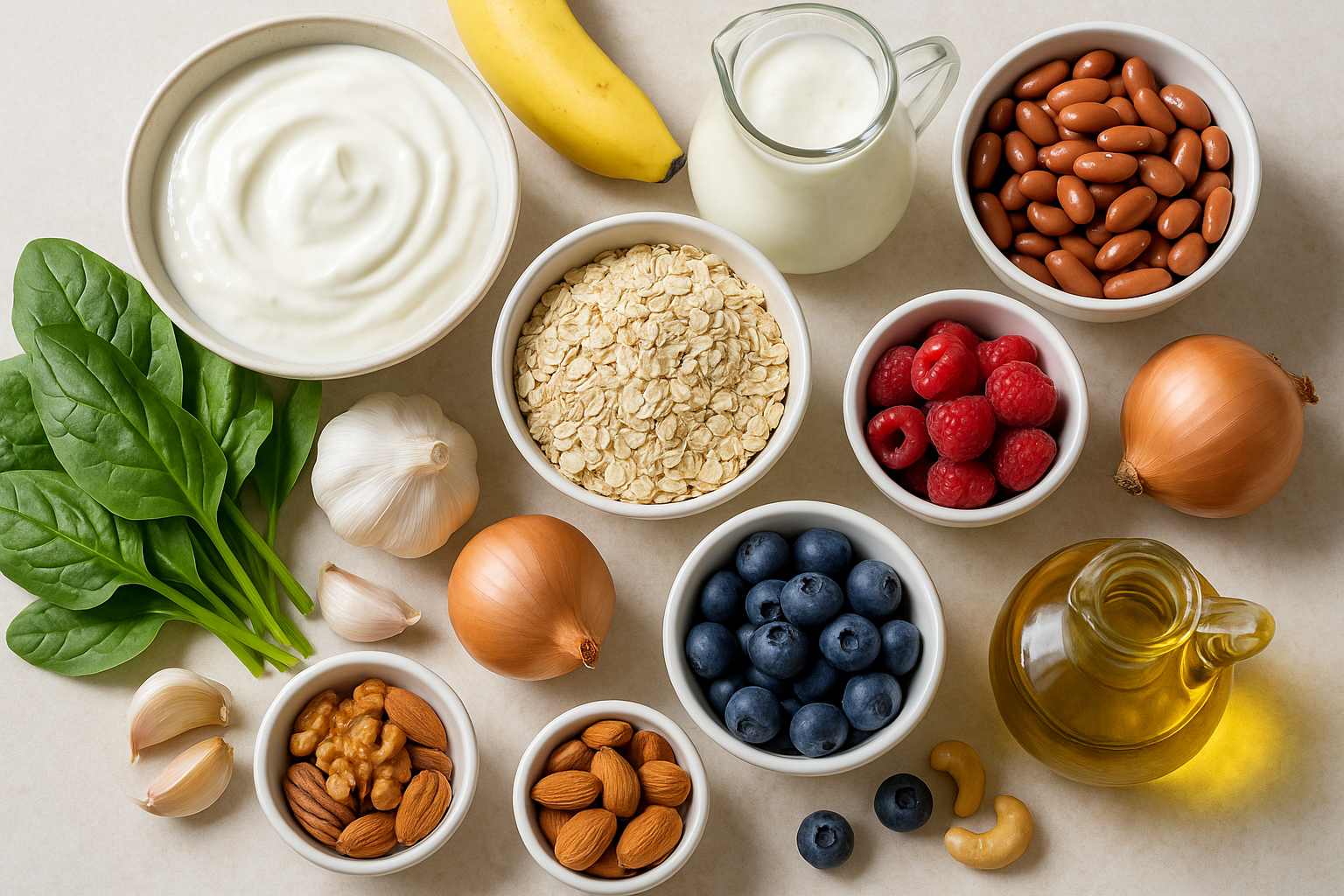
- Oatmeal with kefir, blueberries, chia seeds, and walnuts
- Lentil soup with leafy greens and olive oil
- Salmon with quinoa, roasted broccoli, and yogurt-herb sauce
- Bean and vegetable bowl with brown rice, avocado, and sauerkraut
- Greek yogurt with berries, ground flaxseed, and oats
Increase fiber gradually
Fiber is essential for gut health, but increasing it too quickly can cause bloating, gas, or cramping. Add high-fiber foods gradually over several weeks and drink enough water. This gives your digestive system and microbiome time to adapt.
A practical approach:
- Add one extra serving of vegetables per day
- Swap refined grains for whole grains
- Add beans or lentils two to three times per week
- Include fruit instead of low-fiber sweets
- Add one tablespoon of chia or ground flaxseed daily if tolerated
When to be cautious
Some gut-healthy foods may not be appropriate for everyone. People with irritable bowel syndrome, inflammatory bowel disease, small intestinal bacterial overgrowth, celiac disease, food allergies, recent gastrointestinal surgery, or weakened immune systems may need individualized guidance.
Fermented foods and probiotics can also affect people differently. If you have a serious medical condition or are immunocompromised, ask your healthcare provider before using probiotic supplements or making major dietary changes.
Bottom line
The best foods for gut health include yogurt, kefir, fermented vegetables, beans, lentils, oats, berries, bananas, prebiotic vegetables, leafy greens, nuts, seeds, whole grains, olive oil, and fatty fish. For digestion and immunity, consistency matters most. Build meals around diverse plant foods, include fermented foods if tolerated, increase fiber gradually, and choose minimally processed foods most of the time.
References

Magnesium for Sleep and Anxiety: How It May Support Calmer Nights
Magnesium for Sleep and Anxiety: How It May Support Calmer Nights
Magnesium is a mineral your body uses for hundreds of biochemical processes, including muscle function, nerve signaling, blood glucose regulation, and energy production. It is also closely connected with the nervous system, which is why many people are interested in magnesium for sleep and anxiety.
Magnesium is not a sedative, and it is not a stand-alone treatment for insomnia or anxiety disorders. However, if your intake is low, improving magnesium status through food or appropriate supplementation may support relaxation, sleep quality, and a steadier evening routine.
How magnesium may support deeper sleep
Magnesium may help sleep in several overlapping ways:
1. It supports nervous system calm
Magnesium helps regulate communication between nerve cells. Adequate magnesium may support a calmer nervous system, which can make it easier to transition from daytime alertness into nighttime rest.
2. It may influence GABA activity
GABA is a calming neurotransmitter involved in relaxation and sleep onset. Magnesium is thought to support pathways related to GABA activity, which may be one reason it is associated with a more relaxed state at night.
3. It helps muscles relax
Low magnesium intake can contribute to muscle tension or cramps in some people. Because physical tension can make it harder to fall asleep or stay asleep, improving magnesium intake may indirectly support more comfortable rest.
4. It may support circadian rhythm and melatonin pathways
Magnesium plays a role in biological processes that affect sleep timing and sleep quality. While it does not replace healthy sleep habits, it may work best when paired with consistent bedtimes, morning light exposure, and reduced evening screen use.
How magnesium may help nighttime anxiety
Nighttime anxiety often shows up as racing thoughts, physical tension, restlessness, or waking up with worry. Magnesium may help by supporting relaxation pathways and reducing some physical signs of stress, such as tight muscles or a keyed-up feeling.
That said, anxiety can have many causes, including stress, trauma, thyroid issues, medication effects, caffeine use, sleep apnea, and mental health conditions. Magnesium may be supportive, but persistent anxiety deserves proper evaluation and care.
Best food sources of magnesium
Food is usually the best first step. Magnesium-rich foods also provide fiber, protein, healthy fats, and other nutrients that support overall health.
Good sources include:
- Pumpkin seeds
- Chia seeds
- Almonds and cashews
- Spinach and Swiss chard
- Black beans and lentils
- Edamame
- Whole grains
- Dark chocolate in moderate amounts
- Avocado
If your diet is low in nuts, seeds, legumes, and leafy greens, you may not be getting enough magnesium consistently.
Magnesium supplement forms for sleep
Common forms include magnesium glycinate, magnesium citrate, magnesium malate, and magnesium oxide.
For sleep and nighttime anxiety, magnesium glycinate is often chosen because it is generally well tolerated and less likely to cause loose stools than some other forms. Magnesium citrate may also be useful but can have a stronger laxative effect. Magnesium oxide contains magnesium but is often less well absorbed and may be more likely to cause digestive discomfort.
The best form depends on your body, digestion, medications, and health history.
When to take magnesium for sleep
Many people take magnesium in the evening, often 1 to 2 hours before bedtime. Taking it with a small snack may reduce stomach upset.
Avoid taking magnesium at the same time as certain medications, including some antibiotics, thyroid medication, and osteoporosis medications, unless your clinician gives specific instructions. Magnesium can reduce absorption of some drugs, so timing matters.
How much magnesium is safe?
Magnesium from food is generally safe for healthy people. Supplemental magnesium is different because higher doses can cause diarrhea, nausea, cramping, low blood pressure, or more serious problems in people with kidney disease.
The tolerable upper intake level for magnesium from supplements is commonly listed as 350 mg per day for adults, not counting magnesium from food. Some clinicians may recommend different amounts for specific situations, but this should be personalized.
Who should be cautious with magnesium?
Talk with a healthcare professional before taking magnesium if you:
- Have kidney disease or reduced kidney function
- Take blood pressure medication
- Take antibiotics, thyroid medication, bisphosphonates, or diuretics
- Are pregnant or breastfeeding
- Have heart rhythm issues
- Have ongoing diarrhea or digestive disease
- Are using magnesium for severe anxiety, panic attacks, or chronic insomnia
Signs magnesium might be worth discussing
You may want to ask your clinician about magnesium if you have poor sleep along with muscle tension, frequent cramps, low dietary intake of magnesium-rich foods, high stress, or a history of low magnesium levels.
However, sleep problems can also come from sleep apnea, restless legs syndrome, depression, anxiety disorders, alcohol use, caffeine timing, chronic pain, reflux, or medication side effects. Magnesium should be one part of a broader sleep-support plan, not the only strategy.
A simple nighttime routine with magnesium
A magnesium-supportive evening routine might include:
- Eat magnesium-rich foods during the day, such as seeds, legumes, and leafy greens.
- Stop caffeine by early afternoon if you are sensitive.
- Dim lights 1 hour before bed.
- Take magnesium only if appropriate for you and approved by your clinician.
- Pair it with calming habits such as breathing exercises, stretching, journaling, or a warm shower.
- Keep your bedtime and wake time consistent.
Bottom line
Magnesium may support deeper sleep and reduce nighttime anxiety for some people, especially when intake is low or stress-related tension is part of the problem. The strongest approach is to prioritize magnesium-rich foods, build a consistent sleep routine, and use supplements carefully when appropriate. If anxiety or insomnia is persistent, worsening, or affecting daily life, seek professional medical or mental health support.
References
Early Signs of B12 Deficiency and Natural Ways to Improve Absorption
Early Signs of B12 Deficiency and Natural Ways to Improve Absorption
Vitamin B12 is essential for healthy red blood cell formation, nerve function, DNA production, and energy metabolism. Because the body stores B12 in the liver, deficiency may develop slowly over months or years. Early signs can be easy to dismiss, but untreated deficiency can lead to anemia and potentially lasting nerve damage.
Common early signs of B12 deficiency
Early symptoms may be mild, intermittent, or mistaken for stress, aging, or poor sleep. Common signs of B12 deficiency include:
- Ongoing fatigue or weakness
- Lightheadedness or shortness of breath with activity
- Pale or slightly yellow skin
- Heart palpitations
- Numbness, tingling, or pins and needles in the hands or feet
- Balance problems or clumsiness
- Brain fog, poor concentration, or memory changes
- Mood changes, irritability, or low mood
- Sore, red, or smooth tongue
- Mouth ulcers
- Reduced appetite or unintentional weight loss
Neurological symptoms such as tingling, numbness, balance changes, or confusion deserve prompt medical attention because nerve-related effects can become more serious if deficiency is not corrected.
Why B12 deficiency happens
B12 is naturally found in animal foods and is also added to some fortified foods. Deficiency may occur when intake is too low, absorption is impaired, or the body has higher needs.
Common risk factors include:
- Vegan or strict vegetarian diets without reliable fortified foods or supplements
- Older age, because stomach acid and absorption may decline
- Pernicious anemia, an autoimmune condition that affects intrinsic factor needed for B12 absorption
- Gastrointestinal disorders such as celiac disease, Crohn’s disease, or chronic gastritis
- Weight-loss or gastrointestinal surgery, including gastric bypass
- Long-term use of certain medicines, including metformin or acid-reducing medications
- Heavy alcohol use
- Pregnancy or breastfeeding with low B12 intake
How B12 is absorbed
B12 absorption depends on several steps. Food-bound B12 must be released from protein in the stomach. It then binds to intrinsic factor, a protein made in the stomach, and is absorbed mainly in the small intestine. Problems with stomach acid, intrinsic factor, the pancreas, or the small intestine can reduce absorption even when dietary intake seems adequate.
Natural ways to improve B12 absorption
1. Eat reliable B12 food sources
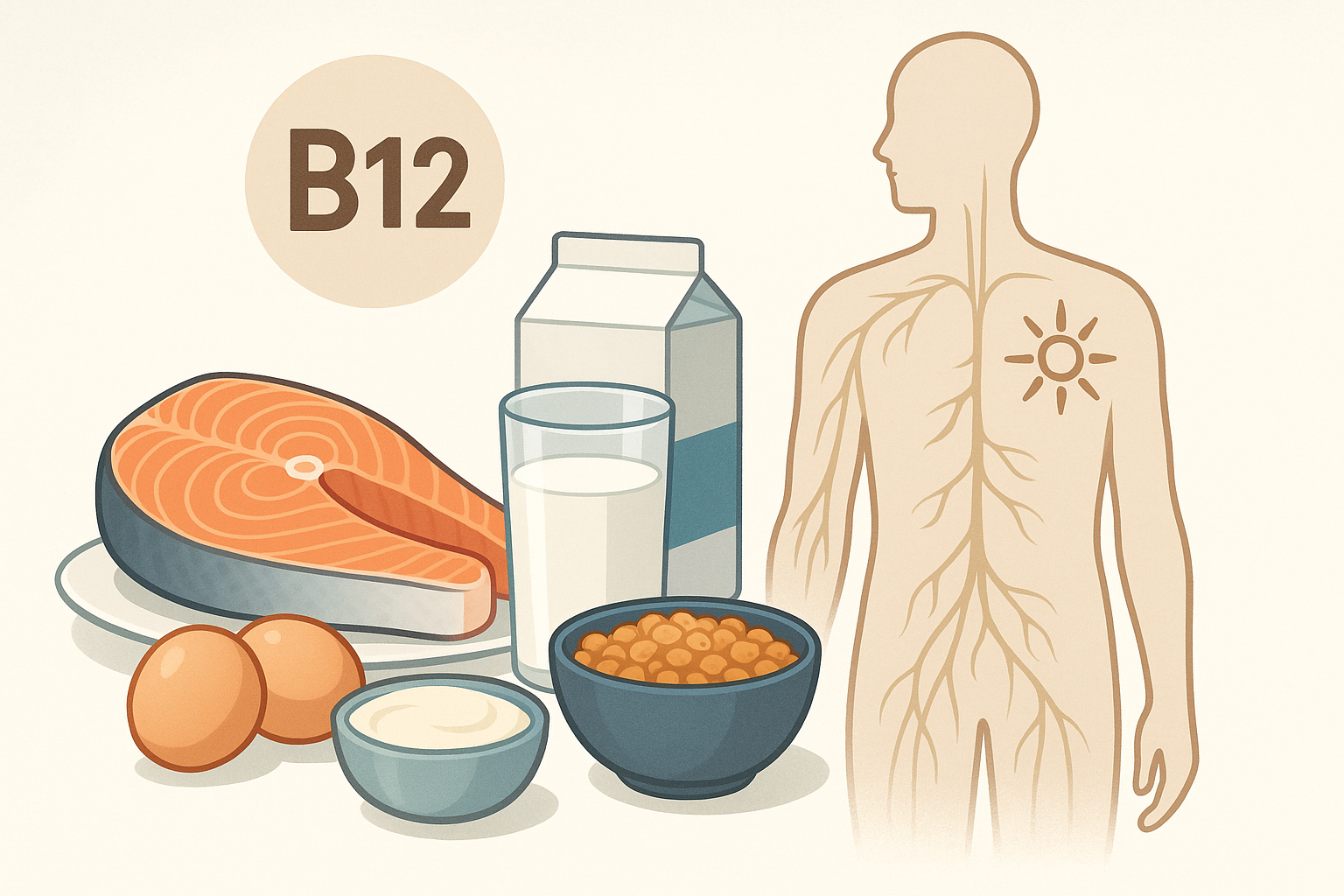
The most natural way to improve B12 status is to eat foods that contain it regularly, if appropriate for your diet. Good sources include fish, shellfish, beef, poultry, eggs, milk, yogurt, cheese, and fortified foods such as fortified breakfast cereals, fortified nutritional yeast, and some fortified plant milks.
2. Use fortified foods if you avoid animal products
People following vegan or mostly plant-based diets should not rely on unfortified plant foods for B12. Choose clearly labeled fortified foods and check the nutrition label for vitamin B12 content. Many people on vegan diets still need a supplement to maintain healthy levels.
3. Support healthy digestion
Because B12 absorption depends on the digestive tract, addressing ongoing digestive symptoms can be important. Chronic diarrhea, unexplained weight loss, persistent reflux, bloating, or signs of malabsorption should be discussed with a healthcare professional.
4. Review medications with a clinician
Metformin and long-term acid-suppressing medicines may reduce B12 levels in some people. Do not stop prescribed medication without medical guidance, but ask whether B12 testing or supplementation is appropriate.
5. Avoid heavy alcohol intake
Excessive alcohol can interfere with nutrient intake, digestion, and overall nutritional status. Reducing heavy alcohol use may help support better absorption and reduce the risk of multiple vitamin deficiencies.
6. Consider supplement form when absorption is a concern
If absorption is impaired, food alone may not correct deficiency. A healthcare professional may recommend oral B12, sublingual B12, nasal B12, or injections depending on the cause and severity. In pernicious anemia or after certain surgeries, lifelong supplementation may be needed.
When to get tested
Ask a healthcare professional about testing if you have symptoms of deficiency or risk factors such as vegan diet, older age, digestive disease, gastric surgery, long-term metformin use, or long-term acid-reducing medication use. Common tests may include a complete blood count, serum B12, methylmalonic acid, homocysteine, folate, and tests for pernicious anemia when appropriate.
When to seek urgent care
Seek prompt medical care if you have severe weakness, chest pain, fainting, new confusion, trouble walking, rapidly worsening numbness, or shortness of breath at rest. These symptoms may reflect serious anemia, neurological involvement, or another medical condition.
Key takeaway
The early signs of B12 deficiency often include fatigue, weakness, tingling, brain fog, mood changes, and mouth or tongue soreness. Improving intake through B12-rich or fortified foods can help, but absorption problems often require testing and medical treatment. If symptoms are present, the safest next step is to confirm the cause with a qualified healthcare professional.
References

Herbal Teas for Better Sleep and Stress Reduction
Herbal Teas for Better Sleep and Stress Reduction
When stress keeps your mind active at night, a warm cup of caffeine-free herbal tea can help signal that it is time to slow down. The benefits may come from both the herbs and the ritual itself: dimming the lights, stepping away from screens, sipping slowly, and giving your nervous system time to unwind.
Best herbal teas to consider
Chamomile tea
Chamomile is one of the most popular herbal teas for relaxation. It has a mild floral taste and is often used as part of a bedtime routine. Some people find it helps them feel calmer before sleep.
Lavender tea
Lavender is commonly associated with relaxation and a soothing aroma. Lavender tea may be useful for people who enjoy floral flavors and want a calming evening drink.
Lemon balm tea
Lemon balm is a member of the mint family with a gentle lemony flavor. It is often used for relaxation and stress support, and it pairs well with chamomile or lavender.
Passionflower tea
Passionflower is traditionally used for nervous tension and restlessness. It may feel slightly earthy or grassy, so many people prefer it in a blended tea.
Valerian root tea
Valerian root is a stronger-tasting herb often used in sleep-focused tea blends. It may cause drowsiness and should be used carefully, especially with alcohol, sedatives, or sleep medications.
How to use herbal tea for sleep
Try drinking herbal tea 30 to 60 minutes before bed. Keep the routine simple: choose a caffeine-free tea, use warm lighting, avoid work or stressful conversations, and give yourself time to relax. If waking at night to urinate is a problem, drink a smaller serving earlier in the evening.
Safety tips
Herbal teas are not automatically safe for everyone. Some herbs can cause allergic reactions or interact with medications. Chamomile may be a concern for people allergic to ragweed-related plants. Valerian and passionflower may increase drowsiness when combined with sedatives or alcohol. Pregnant or breastfeeding people should ask a healthcare professional before using herbal sleep products.
Bottom line
Herbal teas for better sleep work best as part of a broader sleep routine that includes a consistent bedtime, a cool dark room, limited evening caffeine, and stress management. Chamomile, lavender, lemon balm, passionflower, and valerian are common options, but the best choice depends on your health history, medications, and personal response.
References
Vitamin B12 Deficiency Symptoms and Neurological Health Risks
Vitamin B12 Deficiency Symptoms and Neurological Health Risks
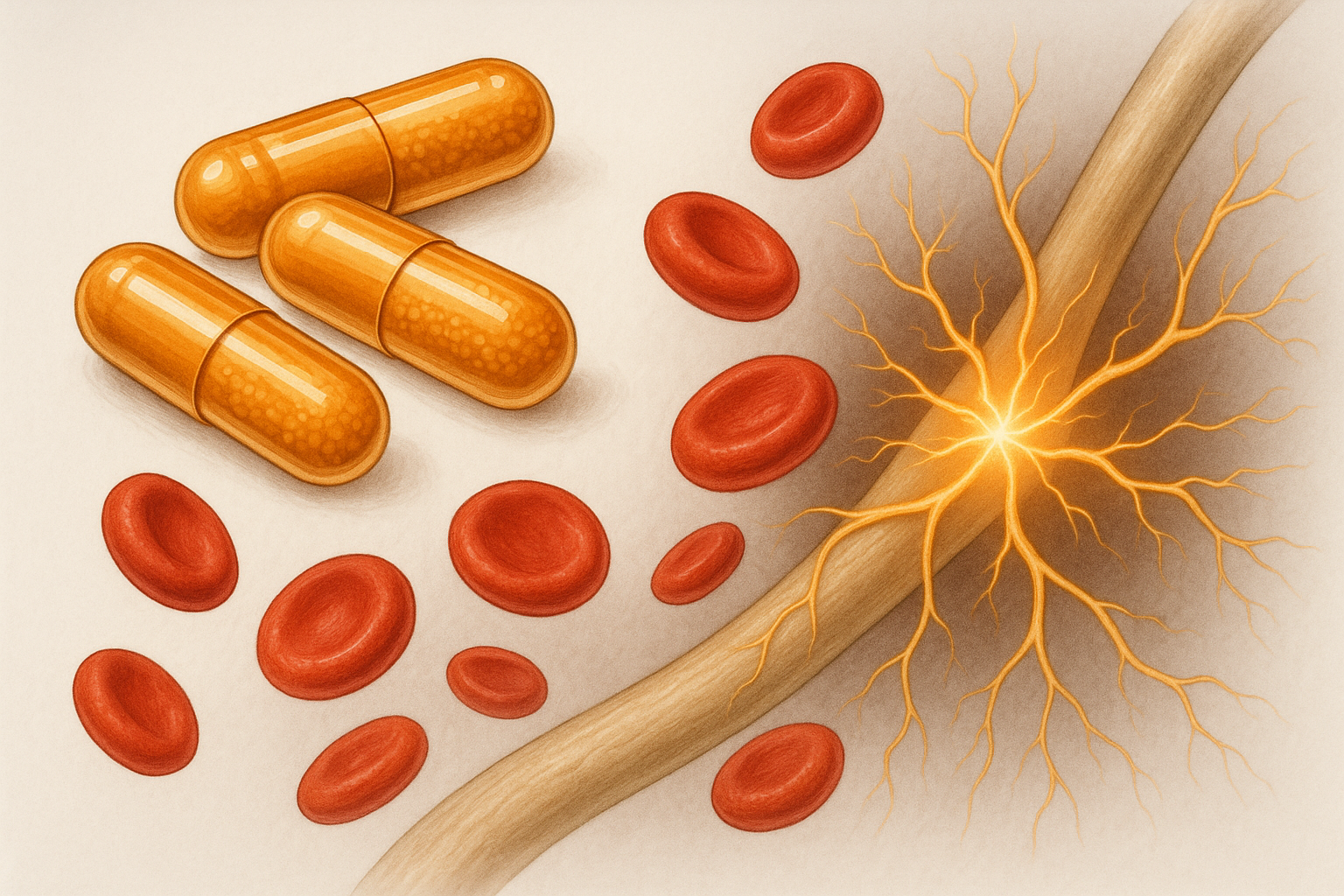
Vitamin B12, also called cobalamin, is essential for red blood cell formation, DNA production, and healthy nerve function. A deficiency can develop slowly and may cause symptoms that are easy to overlook at first. Because vitamin B12 plays a direct role in the nervous system, untreated deficiency can lead to neurological complications.
Common vitamin B12 deficiency symptoms
Symptoms can vary from mild to severe. Common signs may include:
- Fatigue or unusual weakness
- Pale skin
- Shortness of breath or dizziness
- Heart palpitations
- Loss of appetite or unintended weight loss
- Sore or swollen tongue
- Nausea, diarrhea, or other digestive changes
- Mood changes, irritability, or low mood
- Difficulty concentrating or memory problems
Some people have neurological symptoms even before anemia is clearly detected, which is why symptoms should not be ignored.
Neurological symptoms to watch for
Vitamin B12 is necessary for maintaining the protective covering around nerves. When levels are low, nerve signaling can be affected. Neurological symptoms may include:
- Numbness or tingling in the hands, feet, legs, or arms
- Burning or pins and needles sensations
- Balance problems or unsteady walking
- Muscle weakness
- Clumsiness or reduced coordination
- Vision changes in rare cases
- Confusion or cognitive decline
- Mood and behavioral changes
If neurological symptoms are present, medical evaluation is important. Early treatment improves the chance of symptom improvement and may help prevent lasting nerve damage.
Why vitamin B12 deficiency can harm the nervous system
Vitamin B12 helps produce myelin, the protective sheath that supports healthy nerve function. When B12 is deficient, nerves may become damaged or function poorly. This can affect sensation, movement, balance, memory, and mood.
Long-term deficiency may contribute to peripheral neuropathy, gait problems, and cognitive changes. In severe cases, neurological complications can become difficult to reverse, especially if diagnosis and treatment are delayed.
Who is at higher risk?
Vitamin B12 is found naturally in animal-based foods and is also added to some fortified foods. People at higher risk include:
- Older adults
- People following vegan or strict vegetarian diets without adequate fortified foods or supplements
- People with pernicious anemia
- People with conditions that affect absorption, such as Crohn disease or celiac disease
- People who have had weight-loss surgery or certain gastrointestinal surgeries
- People taking long-term metformin or acid-suppressing medications, depending on individual circumstances
- People with heavy alcohol use or poor overall nutrition
How vitamin B12 deficiency is diagnosed
A clinician may order blood tests such as serum vitamin B12, complete blood count, methylmalonic acid, homocysteine, or tests for pernicious anemia when appropriate. Testing decisions depend on symptoms, diet, medical history, medications, and physical exam findings.
Because symptoms can overlap with other conditions, self-diagnosis is not recommended. Fatigue, numbness, memory changes, and balance problems may have many possible causes.
Treatment options
Treatment depends on the cause and severity of deficiency. Options may include oral vitamin B12 supplements, high-dose supplements, nasal therapy, or vitamin B12 injections. People with absorption problems or pernicious anemia may need long-term treatment.
Do not delay care if symptoms include progressive numbness, trouble walking, confusion, severe weakness, or neurological changes. A healthcare professional can determine the correct dose, form, and duration of treatment.
When to seek medical care
Contact a healthcare professional if you have persistent fatigue, tingling, numbness, balance problems, memory changes, or risk factors for deficiency. Seek urgent care if neurological symptoms are sudden, severe, or accompanied by weakness on one side, trouble speaking, chest pain, or severe confusion, as these may indicate other serious conditions.
Key takeaway
Vitamin B12 deficiency is treatable, but neurological symptoms can become serious if deficiency is not addressed. Early recognition, appropriate testing, and guided treatment are the best ways to protect nerve health and overall well-being.
References
Iron Deficiency Fatigue Signs and Food-Based Solutions
Iron Deficiency Fatigue Signs and Food-Based Solutions
Iron deficiency is one of the more common nutrient deficiencies and can contribute to fatigue because iron helps make hemoglobin, the protein in red blood cells that carries oxygen. When iron is low, your tissues may not get oxygen as efficiently, which can leave you feeling drained even after rest.
Common iron deficiency fatigue signs
Fatigue from low iron can feel different from ordinary tiredness. Possible signs include:
- Persistent low energy that does not improve with sleep
- Weakness or reduced exercise tolerance
- Shortness of breath during usual activities
- Dizziness or lightheadedness
- Pale skin or pale inner eyelids
- Cold hands and feet
- Headaches
- Fast or noticeable heartbeat
- Brain fog, poor concentration, or irritability
- Brittle nails or hair shedding
- Cravings for non-food items such as ice or dirt, known as pica
These symptoms can have many causes, so testing is important. A healthcare professional may check hemoglobin, hematocrit, ferritin, serum iron, transferrin saturation, and other labs depending on your situation.
Who is more likely to develop low iron?
Iron deficiency is more likely in people with increased needs, reduced intake, or blood loss. Higher-risk groups can include menstruating people, pregnant people, frequent blood donors, infants and young children, endurance athletes, people following vegetarian or vegan diets without planning, and people with gastrointestinal conditions that affect absorption.
Heavy menstrual bleeding, digestive bleeding, recent surgery, and certain chronic diseases can also contribute. If fatigue is new, severe, or unexplained, do not assume diet is the only cause.
Food-based solutions for better iron intake
There are two main forms of dietary iron:
- Heme iron: Found in animal foods and generally absorbed more efficiently.
- Non-heme iron: Found in plant foods and fortified foods. Absorption varies more and is influenced by what you eat with it.
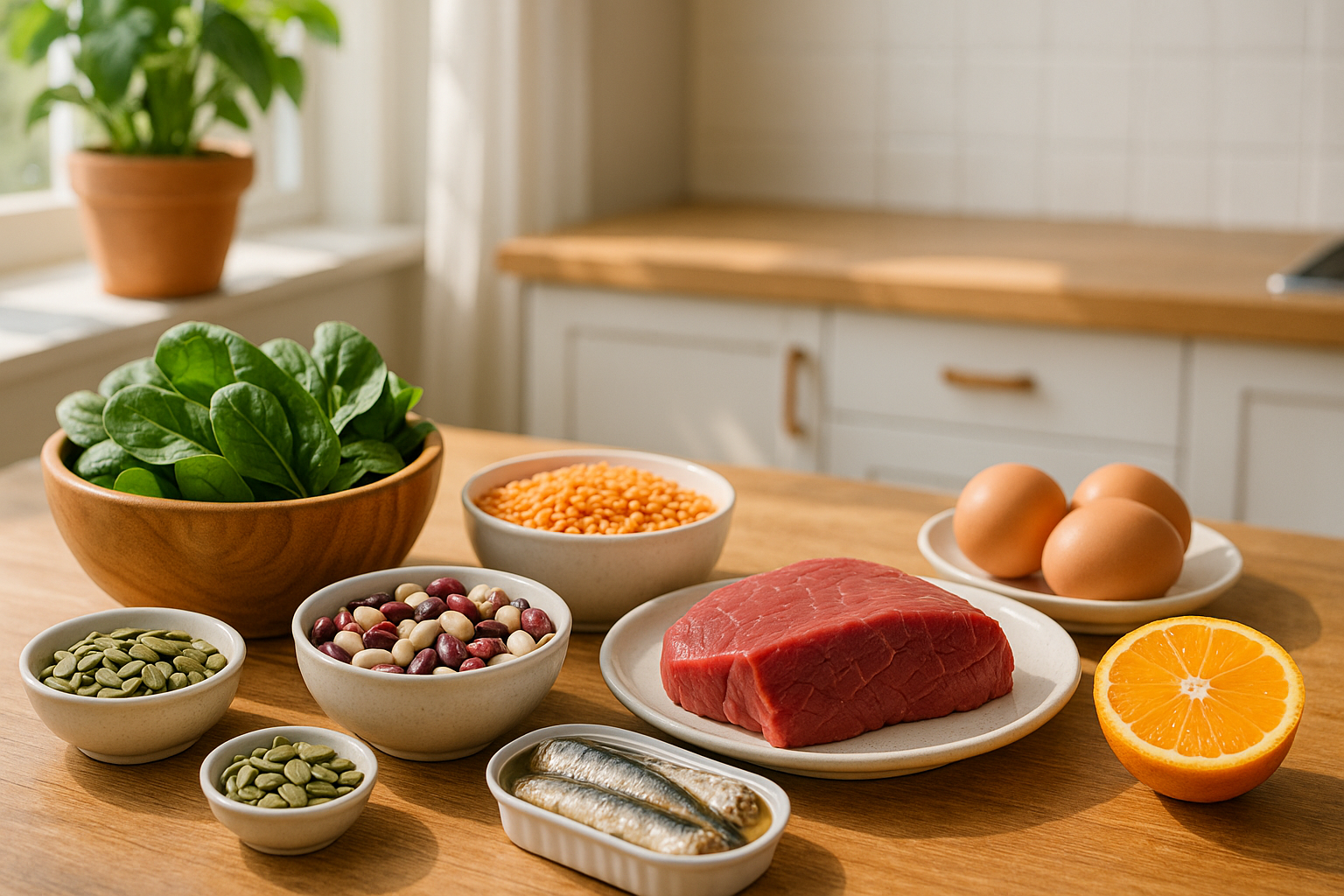
Heme iron foods
Good sources include:
- Lean beef or lamb
- Dark poultry meat
- Turkey
- Sardines, tuna, and salmon
- Oysters, clams, and mussels
- Eggs, especially the yolk
Plant-based iron foods
Good sources include:
- Lentils, chickpeas, black beans, kidney beans, and soybeans
- Tofu and tempeh
- Spinach, Swiss chard, and beet greens
- Pumpkin seeds, sesame seeds, hemp seeds, and cashews
- Quinoa and oats
- Iron-fortified cereals and breads
- Dried apricots, raisins, and prunes
Pair iron with vitamin C
Vitamin C can improve absorption of non-heme iron. Try combining plant-based iron foods with:
- Citrus fruit or orange slices
- Strawberries or kiwi
- Bell peppers
- Tomatoes
- Broccoli
- Potatoes
- Lemon or lime juice
Examples include lentil soup with tomatoes, spinach salad with strawberries, black beans with salsa, or tofu stir-fry with bell peppers.
Watch timing with absorption blockers
Some foods and drinks can reduce iron absorption when consumed at the same time as iron-rich meals. You may not need to avoid them completely, but spacing them out can help if iron is low.
Common inhibitors include:
- Tea and coffee
- Calcium supplements or high-calcium meals
- Large amounts of bran or phytate-rich foods without soaking, sprouting, or fermenting
If you drink tea or coffee, consider having it between meals rather than with your most iron-rich meal.
Simple meal ideas
- Breakfast: Iron-fortified oatmeal with strawberries and pumpkin seeds
- Lunch: Lentil and tomato soup with a side of citrus fruit
- Dinner: Lean beef or tofu stir-fry with spinach and bell peppers
- Snack: Hummus with red pepper strips or trail mix with cashews and dried apricots
When food may not be enough
Diet can help maintain iron levels, but it may not correct significant deficiency quickly. If lab tests show iron deficiency anemia, your clinician may recommend iron supplements and investigate the underlying cause. Do not start high-dose iron unless advised, because too much iron can be harmful.
Key takeaway
Iron deficiency fatigue signs may include persistent tiredness, weakness, shortness of breath, dizziness, pale skin, headaches, and poor concentration. Eating iron-rich foods, pairing plant iron with vitamin C, and timing tea, coffee, and calcium away from iron-rich meals can support healthier iron intake. For ongoing or severe symptoms, seek medical evaluation and testing.
References
Liver Support Natural Supplements and Detox-Supporting Habits
Liver Support Natural Supplements and Detox-Supporting Habits
Liver support natural supplements are popular, but the most reliable way to care for your liver is to combine evidence-informed nutrition, healthy body weight, limited alcohol, medication safety, and regular medical care when needed. The liver is resilient, but it can be harmed by alcohol, viral hepatitis, excess body fat, certain medications, and some supplements.
What liver detox really means
The liver does not need a harsh cleanse to detox. It uses enzyme systems, bile production, antioxidant defenses, and normal elimination pathways to process substances. Detox-supporting habits should therefore focus on reducing toxic exposures and providing the nutrients your body needs for normal metabolic function.
Be cautious with products that promise rapid detox, extreme weight loss, or liver flushing. These claims are often not supported by strong clinical evidence, and some herbal or concentrated supplement products have been linked to liver injury.
Natural supplements commonly used for liver support
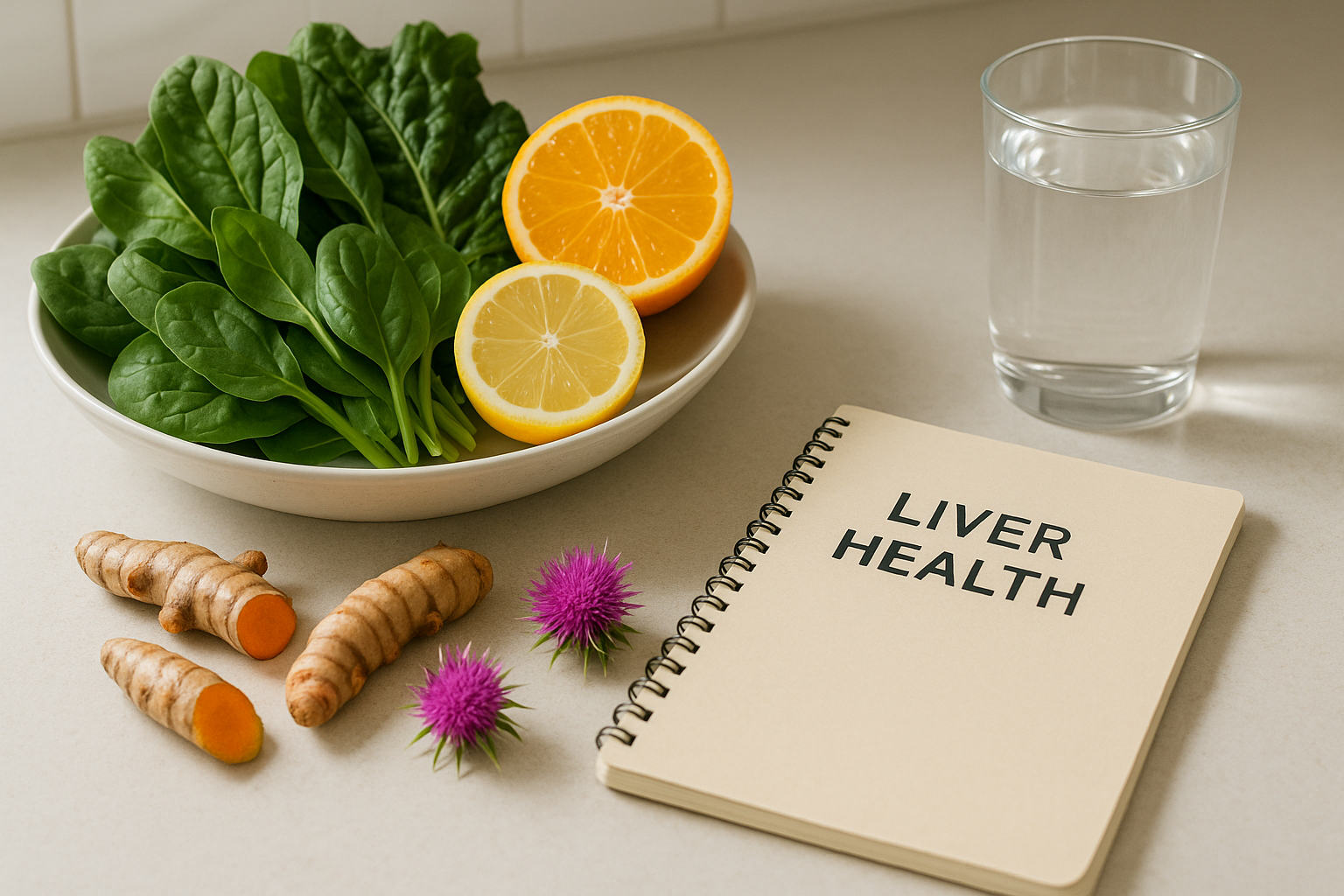
Milk thistle
Milk thistle contains silymarin, a group of plant compounds studied for antioxidant and anti-inflammatory effects. It is one of the most common natural liver support supplements. Research is mixed, and it should not replace medical treatment for hepatitis, fatty liver disease, cirrhosis, or other diagnosed conditions. People with allergies to ragweed-related plants should use caution.
Turmeric or curcumin
Curcumin, the active compound in turmeric, is studied for inflammation and oxidative stress. Culinary turmeric is generally considered safe for most people, but concentrated curcumin supplements may interact with blood thinners, gallbladder conditions, and some medications. Rare liver injury reports have also been associated with high-dose turmeric or curcumin supplements, especially enhanced-absorption formulas.
Omega-3 fatty acids
Omega-3s from fish oil or algae may support heart and metabolic health. Because metabolic syndrome and excess liver fat often overlap, omega-3 intake may be part of a broader liver-friendly lifestyle. Omega-3 supplements can affect bleeding risk at higher doses and should be discussed with a clinician if you take anticoagulant or antiplatelet medication.
Vitamin E
Vitamin E has been studied in specific cases of nonalcoholic fatty liver disease, but it is not appropriate for everyone. Higher-dose vitamin E supplements may carry risks, including bleeding concerns and possible interactions. Use vitamin E for liver concerns only with medical guidance.
N-acetylcysteine
N-acetylcysteine, often called NAC, supports glutathione production, an important antioxidant pathway. In medicine, NAC is used for acetaminophen overdose under professional care. Over-the-counter NAC should not be used as a substitute for emergency treatment or as a general cure for liver problems.
Coffee as a liver-friendly habit
Although not usually thought of as a supplement, coffee is one of the better-studied dietary factors associated with liver health. Research suggests coffee consumption is associated with lower risk of some liver-related outcomes. Choose unsweetened or lightly sweetened coffee, and avoid using it as a reason to ignore alcohol intake, weight management, or medical care.
Supplements and ingredients to approach carefully
Natural does not always mean safe for the liver. Use caution with green tea extract in concentrated pill form, kava, comfrey, chaparral, high-dose vitamin A, anabolic or bodybuilding supplements, and multi-ingredient detox blends. The risk is higher when products contain undisclosed ingredients, very high doses, or combinations of stimulants and herbs.
Also be careful with acetaminophen, especially when combined with alcohol or when taking multiple cold, flu, or pain products. Acetaminophen is safe for many people when used as directed, but overdose can cause severe liver injury.
Detox-supporting habits that matter most
Limit or avoid alcohol
Alcohol is one of the most important modifiable liver stressors. If you have liver disease, your clinician may recommend avoiding alcohol completely. Even moderate drinking can be risky for some people depending on medications, hepatitis status, and overall health.
Maintain a healthy weight
Excess liver fat is strongly connected to insulin resistance, abdominal weight gain, high triglycerides, and type 2 diabetes. Gradual weight loss through sustainable eating and physical activity can improve metabolic health and reduce liver strain. Avoid crash diets, which may be unsafe and difficult to maintain.
Eat a liver-supportive diet
A liver-friendly pattern emphasizes vegetables, beans, lentils, fruit, whole grains, nuts, seeds, olive oil, and protein from fish, poultry, eggs, tofu, or legumes. Reduce sugar-sweetened drinks, frequent desserts, refined carbohydrates, and highly processed foods. The Mediterranean-style diet is often a practical model for liver and cardiometabolic health.
Move your body consistently
Regular aerobic exercise and strength training can improve insulin sensitivity and support healthy body composition. Walking, cycling, swimming, resistance bands, and weight training can all help. The best plan is one you can repeat most weeks.
Hydrate and support digestion
Water supports normal circulation, digestion, and waste elimination. Fiber from plants helps bowel regularity and supports the gut-liver connection. Aim to increase fiber gradually if your current intake is low.
Protect against viral hepatitis
Hepatitis A and B vaccines are available, and hepatitis C can often be treated effectively. Avoid sharing needles, razors, or toothbrushes, and follow safe tattooing, piercing, and sexual health practices. If you have risk factors, ask about testing.
Use medications and supplements safely
Tell your healthcare professional about every supplement, herb, and over-the-counter medication you take. Follow dosing instructions, avoid stacking multiple products with similar ingredients, and stop any supplement that causes symptoms such as yellowing skin, dark urine, severe fatigue, itching, persistent nausea, or right upper abdominal pain.
When to seek medical guidance
Talk with a healthcare professional if you have elevated liver enzymes, fatty liver on imaging, hepatitis exposure, heavy alcohol use, diabetes, obesity, unexplained fatigue, jaundice, abdominal swelling, easy bruising, or persistent digestive symptoms. Supplements should not delay diagnosis or treatment.
Practical liver support plan
Start with the basics: limit alcohol, build a mostly whole-food diet, exercise regularly, maintain a healthy weight, drink water, sleep well, and avoid unnecessary supplement stacks. If you want to try liver support natural supplements, choose one product at a time, use reputable brands with third-party testing when possible, and review it with your clinician or pharmacist.
Bottom line
The best liver support strategy is not an aggressive detox. It is a steady pattern of reducing liver stress and supporting normal metabolism. Some natural supplements may have a role, but they work best as additions to proven habits, not replacements for medical care or lifestyle change.