- Home
- Author's Archive:

Chapter 3: What Are Peptides

If the word “peptide” sounds intimidating, you are not alone.
When I first started researching peptides, I assumed they were something highly experimental or overly complicated. The conversations online often felt filled with scientific jargon, conflicting opinions, and dramatic claims that made it difficult to know what was actually true.
But once I understood the basics, peptides became much easier to understand.
And honestly, much less intimidating.
At their core, peptides are simply small chains of amino acids.
Amino acids are often called the “building blocks” of protein. Your body already uses them constantly to create hormones, enzymes, neurotransmitters, muscle tissue, collagen, and countless other biological processes that keep you alive and functioning.
Peptides are essentially tiny signaling molecules.
Their job is communication.
They tell the body to do specific things.
Some peptides help regulate:
- appetite
- metabolism
- recovery
- inflammation
- tissue repair
- sleep
- skin health
- growth hormone signaling
- immune function
In many ways, peptides act like messengers.
They send instructions from one part of the body to another.
And the body naturally produces many peptides on its own every day.
That’s an important point.
Peptides are not completely foreign substances. Many of the compounds discussed in wellness and longevity conversations are designed to mimic or influence signaling processes that already exist naturally within the body.
Once I understood that, the entire topic began making much more sense.
The Body Runs on Communication
One of the easiest ways to understand peptides is to think about the body as a communication network.
Every second, your body is sending signals involving:
- hunger
- fullness
- sleep
- stress
- healing
- inflammation
- blood sugar
- hormones
- recovery
- energy production
These systems are constantly interacting.
And peptides are part of that communication process.
For example:
- some peptides influence appetite signals
- some influence tissue repair
- some influence growth hormone release
- some influence inflammation pathways
- some are being explored for metabolic health and insulin sensitivity
Different peptides have different targets and effects.
That’s why the peptide world can feel so broad and sometimes confusing.
Not all peptides are designed for the same purpose.
Peptides vs Hormones
This is one area that often confuses people.
Peptides and hormones are related, but they are not exactly the same thing.
Hormones are chemical messengers produced by glands in the body that influence larger physiological systems.
Examples include:
- estrogen
- progesterone
- testosterone
- insulin
- cortisol
Peptides, on the other hand, are generally smaller signaling molecules that may influence specific pathways or stimulate certain responses.
Some peptides affect hormone signaling indirectly.
For example, certain peptides are designed to stimulate the body’s natural growth hormone release rather than replacing hormones directly.
Others influence appetite or glucose regulation.
Others are being explored for tissue repair or inflammation support.
Understanding this distinction matters because many women are drawn to peptides specifically because they may support the body’s signaling systems rather than functioning as traditional hormone replacement.
Why Peptides Are Suddenly Everywhere
For years, peptides were mostly discussed in:
- medical research
- performance communities
- anti-aging clinics
- professional athletics
- specialized wellness spaces
But recently, peptide conversations have exploded into mainstream wellness culture.
There are several reasons for this.
1. Increased Focus on Longevity
More people today are interested in:
- healthy aging
- metabolic health
- recovery
- vitality
- preserving muscle
- maintaining cognitive function
- reducing inflammation
Women especially are becoming more proactive about understanding the aging process rather than simply accepting decline as inevitable.
Peptides entered this conversation because many are being explored for exactly these types of goals.
2. The Rise of Metabolic Health Awareness
Medications and peptides related to appetite regulation and blood sugar control have dramatically increased public interest in metabolic health.
Suddenly conversations about:
- insulin resistance
- appetite signaling
- blood sugar stability
- metabolic dysfunction
…became mainstream topics.
And for many women struggling with:
- stubborn weight gain
- food noise
- cravings
- fatigue
- metabolic resistance
…these conversations felt highly relevant.
3. Recovery Has Become a Wellness Priority
There’s also been a growing shift away from extreme fitness culture toward:
- recovery
- nervous system support
- inflammation management
- sustainable wellness
- graceful aging
Many women no longer want wellness strategies that leave them exhausted.
They want strategies that help them:
- feel better
- recover better
- sleep better
- move comfortably
- maintain strength long-term
This is one reason peptides associated with recovery and inflammation have gained so much attention.
Are Peptides Natural?
This question comes up constantly.
The answer is nuanced.
Many peptides used in wellness and research settings are designed to mimic naturally occurring signaling compounds already found in the body.
However, that does not automatically mean:
- every peptide is risk-free
- every peptide is appropriate for everyone
- all peptide products are equally safe or high quality
“Natural” does not always mean harmless.
And “synthetic” does not automatically mean dangerous.
The quality of the compound, the context of use, individual health status, medical supervision, and overall lifestyle all matter enormously.
This is why responsible education is so important.
Why Peptides Appeal to Women Over 35
Many women become interested in peptides because they are looking for support in areas where traditional wellness advice often falls short.
Common goals include:
- appetite regulation
- body composition support
- recovery
- reduced inflammation
- improved sleep
- skin quality
- energy
- metabolic health
- muscle preservation
- healthy aging
For women navigating:
- perimenopause
- menopause
- chronic stress
- burnout
- hormonal shifts
…the idea of supporting the body’s signaling systems can feel appealing and empowering.
Especially when standard approaches no longer seem effective.
Important Reality Check: Peptides Are Not Magic
This is one of the most important things I want to emphasize throughout this book.
Peptides are not miracle solutions.
And the internet often exaggerates what they can realistically do.
No peptide can fully compensate for:
- chronic sleep deprivation
- poor nutrition
- lack of movement
- unmanaged stress
- severe metabolic dysfunction
- extreme overconsumption
- inadequate recovery
The women who tend to experience the best outcomes are usually the ones who also prioritize:
- protein intake
- muscle maintenance
- walking
- resistance training
- stress reduction
- recovery
- sleep quality
- consistency
Peptides work best as part of a broader wellness strategy.
Not as replacements for foundational health habits.
The Importance of Expectations
One reason many women become disappointed with wellness trends is unrealistic expectations.
Online transformation culture often promotes:
- instant results
- dramatic before-and-afters
- overnight body changes
- “miracle” protocols
Real physiology rarely works that way.
Most sustainable improvements happen gradually.
Often the earliest changes women notice are subtle:
- reduced cravings
- improved recovery
- less inflammation
- steadier energy
- better sleep
- feeling more in control around food
- reduced stiffness or soreness
Those changes may sound small, but they can dramatically improve quality of life over time.
And often those smaller shifts create momentum for larger long-term improvements.
Different Types of Peptides
As you continue through this book, you’ll notice that peptides generally fall into several broad categories.
Some focus primarily on:
metabolic health and appetite regulation
Others are being explored for:
recovery and tissue repair
Others relate more to:
growth hormone signaling and longevity
And some are discussed primarily for:
beauty, skin quality, sleep, or sexual wellness
Each peptide has different mechanisms, potential benefits, risks, and limitations.
That’s why understanding the individual compounds matters.
Not all peptides are interchangeable.
Safety Matters
Because peptides have become increasingly popular, the market surrounding them has also become more crowded and sometimes confusing.
Quality matters enormously.
So does medical guidance, especially for women with:
- existing health conditions
- metabolic disorders
- hormone-sensitive conditions
- cardiovascular concerns
- autoimmune issues
- medication interactions
Throughout this guide, we’ll discuss:
- side effects
- contraindications
- realistic expectations
- responsible exploration
Because balanced information is far more valuable than hype.
What Comes Next
Now that you understand what peptides are and why they’re receiving so much attention, the next step is discussing one of the biggest questions women have:
Are peptides actually safe?
Because despite the excitement surrounding peptides, safety, quality, and responsible use deserve serious attention.
In the next chapter, we’ll break down:
- potential risks
- side effects
- common misconceptions
- regulatory gray areas
- how to think about peptides responsibly and realistically as part of a modern wellness strategy.

Chapter 2: Why Traditional Wellness Advice Stops Working

For years, many women follow the same wellness formula:
- eat healthy
- exercise consistently
- stay active
- avoid overeating
- try to manage stress
- get enough sleep
And for a while, that formula often works reasonably well.
Until suddenly, it doesn’t.
This is one of the most frustrating and emotionally confusing experiences women describe after 35.
The same workouts stop producing results.
Weight becomes harder to lose.
Energy feels less stable.
Recovery slows down.
Sleep changes.
Inflammation increases.
And despite putting in effort, progress feels smaller and slower than ever before.
Many women begin blaming themselves at this stage.
They assume:
- they’ve lost discipline
- they’re not trying hard enough
- they need more restriction
- they need more cardio
- they simply need more willpower
But the truth is far more nuanced.
The female body changes significantly during the perimenopause and menopause transition, and much of the traditional wellness advice women receive simply fails to account for those physiological changes.
That doesn’t mean healthy habits stop mattering.
It means the body often requires a more strategic approach than it did in earlier decades.
The “Eat Less, Move More” Problem
For decades, wellness advice has been heavily focused on calorie restriction and exercise volume.
On paper, this seems logical.
But in reality, the body is not a simple math equation.
Especially after 35.
Many women unknowingly enter cycles of:
- chronic under-eating
- excessive cardio
- elevated stress
- poor recovery
- inadequate protein intake
- disrupted sleep
And over time, this combination can create the exact opposite of the result they want.
Instead of feeling leaner and more energized, they feel:
- exhausted
- inflamed
- hungry
- stressed
- hormonally dysregulated
- metabolically resistant
This is one reason many women become increasingly interested in metabolic health, muscle preservation, and recovery-based wellness strategies rather than aggressive dieting alone.
Why Muscle Changes Everything
One of the most important concepts women over 35 need to understand is this:
Muscle is not just about appearance.
Muscle is deeply connected to:
- metabolism
- insulin sensitivity
- longevity
- blood sugar regulation
- energy
- mobility
- recovery
- overall health
Unfortunately, women naturally begin losing muscle mass with age unless they intentionally work to maintain it.
This process can accelerate during hormonal transitions.
And because many traditional wellness programs focus heavily on:
- cardio
- calorie restriction
- shrinking the body
…women often unintentionally lose even more muscle while trying to lose weight.
This creates a difficult cycle.
Less muscle can contribute to:
- slower metabolism
- poorer glucose control
- increased fatigue
- reduced recovery capacity
- greater fat accumulation over time
This is why modern longevity-focused wellness increasingly emphasizes:
- resistance training
- protein intake
- metabolic health
- recovery
- muscle preservation
Rather than simply focusing on smaller body size alone.
Why Women Feel More Inflamed
Many women notice a subtle but persistent increase in inflammation as they age.
Sometimes it appears as:
- puffiness
- joint stiffness
- lingering soreness
- digestive discomfort
- fatigue
- water retention
- brain fog
- slower recovery
And while inflammation has many potential causes, hormonal fluctuations can significantly influence inflammatory patterns in the body.
Poor sleep, stress, excess processed foods, blood sugar instability, and reduced physical recovery can all compound the issue.
The result is that many women feel like their bodies are constantly “working against them.”
This is one reason why recovery-focused peptides and anti-inflammatory wellness strategies have become increasingly popular.
Women are not simply trying to lose weight.
They are trying to feel comfortable in their bodies again.
That distinction matters.
The Stress Problem Nobody Talks About
Stress affects women profoundly during hormonal transitions.
And not just emotional stress.
The body experiences stress from:
- poor sleep
- chronic dieting
- overtraining
- inflammation
- blood sugar instability
- alcohol
- excessive caffeine
- emotional strain
- lack of recovery
When stress remains chronically elevated, cortisol patterns can become increasingly disruptive.
This can affect:
- appetite
- cravings
- sleep quality
- abdominal fat storage
- energy
- mood
- recovery
Ironically, many women respond to stress-related weight gain by becoming even more restrictive:
- eating less
- exercising harder
- sleeping less
- increasing stimulants
Which often worsens the cycle further.
This is one reason why modern wellness conversations are shifting toward:
nervous system support and recovery.
Not just calorie burn.
Why Sleep Becomes So Important
Sleep affects nearly every system involved in:
- metabolism
- hormones
- inflammation
- appetite regulation
- recovery
- body composition
Yet sleep disruption becomes incredibly common during perimenopause and menopause.
Many women experience:
- waking during the night
- difficulty falling asleep
- night sweats
- light sleep
- early waking
- racing thoughts
- poor recovery from sleep
Even small reductions in sleep quality can influence:
- hunger hormones
- cravings
- insulin sensitivity
- cortisol
- inflammation
Which means poor sleep alone can make weight management significantly harder.
This is one reason peptides associated with:
- recovery
- sleep quality
- nervous system support
have become growing areas of interest in longevity-focused wellness.
Why Blood Sugar Stability Matters More Than Most Women Realize
One of the biggest shifts happening in modern wellness is increased awareness around blood sugar regulation.
Many women are surprised to learn how strongly blood sugar fluctuations can affect:
- hunger
- cravings
- energy
- mood
- inflammation
- fat storage
- sleep
- cognitive clarity
When blood sugar spikes and crashes repeatedly throughout the day, the body often responds with:
- increased hunger
- energy instability
- stronger cravings
- more fat storage signals
This is one reason medications and peptides affecting appetite regulation and glucose control have received so much attention in recent years.
For many women, appetite is not simply a willpower issue.
Hormonal signaling matters.
Metabolic signaling matters.
The body is constantly communicating internally.
And peptides are essentially part of that communication system.
The Shift Toward Longevity Thinking
One of the most exciting changes happening in modern wellness is the move away from:
punishment-focused health
and toward:
longevity-focused health.
For years, wellness culture often emphasized:
- shrinking
- restriction
- overexercising
- constant dieting
- obsessing over calories
But longevity-focused wellness asks different questions:
- How do we maintain muscle?
- How do we support recovery?
- How do we reduce inflammation?
- How do we improve metabolic flexibility?
- How do we age with strength and resilience?
- How do we maintain energy and vitality long-term?
This shift changes everything.
Because suddenly the goal becomes:
supporting the body instead of fighting it.
That’s a very different mindset.
And for many women, it feels deeply freeing.
Why More Women Are Exploring Peptides
As women become more educated about:
- metabolism
- hormonal transitions
- recovery
- inflammation
- longevity science
…many are becoming curious about peptides as one possible tool within a broader wellness strategy.
Not because peptides replace healthy habits.
But because many women feel that traditional advice alone no longer fully addresses what they’re experiencing physically.
Peptides are increasingly being explored for:
- appetite regulation
- metabolic health
- recovery support
- inflammation
- sleep
- tissue repair
- longevity-related wellness goals
Some are already widely used clinically.
Others remain more experimental and research-focused.
And like most emerging wellness topics, the conversation online can quickly become overwhelming.
Which is why the next chapter matters so much.
Before discussing specific peptides, it’s important to understand:
- what peptides actually are
- how they function
- why the body uses them naturally
- why they’re receiving so much attention in longevity and wellness circles today
Because once you understand the basics, the entire peptide conversation becomes far less intimidating.

Chapter 1: The Hormonal Shift Nobody Prepared Us For

PART 1: Why Women Over 35 Feel Different
There’s a moment many women experience sometime in their late thirties, forties, or early fifties when they quietly realize something feels different in their body.
Not dramatically different overnight.
Just…off.
You may still look healthy from the outside. You may still be functioning well at work, taking care of your family, exercising, managing responsibilities, and doing everything you’re supposed to do.
But internally, things feel harder.
The energy that once came naturally now requires effort.
Recovery takes longer.
Sleep becomes lighter.
Stress feels heavier.
Weight appears more easily and leaves more slowly.
And perhaps most frustrating of all, many women are told this is simply “normal aging” and that there’s little they can do about it.
But what often goes unexplained is that the female body undergoes enormous physiological changes after 35.
Hormones begin shifting years before menopause officially arrives. Metabolism changes. Muscle mass gradually declines. Stress hormones become more disruptive. Sleep architecture changes. Blood sugar regulation can become less stable. Inflammation often increases quietly in the background.
None of this means your body is broken.
It means your body is changing.
And understanding those changes is the first step toward supporting them more intelligently.
The Estrogen Conversation
When most people think about menopause or hormonal aging, they think only about estrogen.
Estrogen is certainly important. It plays a role in:
- metabolism
- bone density
- skin quality
- brain health
- cardiovascular function
- body fat distribution
- insulin sensitivity
- recovery
- mood regulation
But the transition is rarely as simple as “low estrogen.”
Hormones operate more like an orchestra than isolated switches.
As estrogen begins fluctuating during perimenopause, many women notice:
- increased abdominal fat
- water retention
- changes in appetite
- mood shifts
- disrupted sleep
- increased inflammation
- reduced stress tolerance
- declining workout recovery
What makes this especially frustrating is that these shifts often begin long before women are officially considered menopausal.
Many women spend years feeling:
- dismissed
- confused
- exhausted
- frustrated with their bodies
They know something has changed, but they can’t always explain why.
And because many standard lab ranges are extremely broad, women are often told everything looks “normal” even when they clearly don’t feel normal.
That disconnect matters.
Because women know their bodies.
Why Weight Loss Changes After 40
One of the most emotionally difficult changes for many women is weight gain that seems resistant to traditional approaches.
The advice most women receive is still surprisingly simplistic:
- eat less
- move more
- try harder
But metabolism is far more complex than calorie math alone.
After 35, several things begin happening simultaneously:
1. Muscle Mass Gradually Declines
Muscle is metabolically active tissue.
It helps regulate:
- blood sugar
- insulin sensitivity
- energy expenditure
- recovery
- overall metabolic health
Women naturally begin losing muscle mass with age unless they intentionally maintain it through:
- resistance training
- adequate protein intake
- recovery
- hormonal support
Less muscle often means:
- slower metabolism
- reduced insulin sensitivity
- lower calorie expenditure
- more fatigue
This is one reason why many women suddenly find that the same eating habits that once maintained their weight no longer seem effective.
2. Insulin Resistance Often Increases
Insulin is one of the body’s most important metabolic hormones.
Its job is to help move glucose from the bloodstream into cells where it can be used for energy.
But chronic stress, poor sleep, inflammation, aging, muscle loss, and hormonal changes can gradually reduce insulin sensitivity over time.
This can contribute to:
- stubborn abdominal fat
- cravings
- energy crashes
- increased hunger
- blood sugar instability
- difficulty losing weight
Many women describe this as:
“I feel like my body suddenly started storing everything.”
And in some cases, that’s not far from the truth.
3. Cortisol Becomes More Disruptive
Cortisol is often called the “stress hormone,” but its effects extend far beyond stress alone.
Poor sleep, overtraining, chronic dieting, emotional stress, inflammation, and hormonal fluctuations can all influence cortisol patterns.
Chronically elevated cortisol may contribute to:
- abdominal fat storage
- fatigue
- sleep disruption
- cravings
- poor recovery
- muscle breakdown
Many women unknowingly enter a cycle of:
- exhaustion
- under-eating
- overexercising
- poor recovery
- worsening stress physiology
Which often makes progress feel even harder.
The Inflammation Connection
Inflammation is one of the most overlooked aspects of aging and metabolic health.
Not all inflammation is bad. Acute inflammation is part of healing and immune function.
But chronic low-grade inflammation can quietly contribute to:
- fatigue
- joint pain
- poor recovery
- metabolic dysfunction
- insulin resistance
- brain fog
- skin aging
- sleep disruption
Many women notice this shift gradually:
- waking up stiff
- lingering soreness
- slower recovery
- puffiness
- feeling inflamed without obvious illness
This is one reason peptides focused on recovery and inflammation are becoming increasingly popular in wellness and longevity conversations.
Women aren’t simply looking to lose weight.
Many are looking to:
- feel better
- move better
- recover better
- sleep better
- age more comfortably
Why Recovery Matters More Than Ever
In our twenties and thirties, many of us could:
- sleep less
- overexercise
- under-eat
- bounce back quickly
That resilience changes over time.
Recovery becomes one of the most important pillars of healthy aging.
Without proper recovery:
- hormones suffer
- metabolism suffers
- sleep suffers
- muscle maintenance becomes harder
- inflammation increases
This is why modern wellness conversations are shifting away from:
punishment-based fitness
toward:
recovery-based longevity.
That distinction is important.
The goal is no longer simply burning calories.
The goal is supporting a body that:
- feels strong
- functions well
- maintains muscle
- regulates blood sugar
- recovers efficiently
- ages gracefully
The Emotional Side of These Changes
One of the hardest parts of this transition is psychological.
Many women quietly begin feeling:
- disconnected from their bodies
- frustrated with themselves
- embarrassed
- exhausted
- discouraged
They wonder:
- “Why am I gaining weight?”
- “Why am I always tired?”
- “Why doesn’t anything work anymore?”
- “Why do I feel older so suddenly?”
This emotional burden is rarely discussed openly.
And unfortunately, many women internalize these changes as personal failure rather than physiological transition.
That mindset can become deeply discouraging.
But understanding what’s happening inside the body often changes everything.
Because knowledge creates relief.
When women understand:
- hormones affect metabolism
- muscle matters enormously
- inflammation changes with age
- sleep affects weight
- insulin resistance can increase
- stress physiology shifts
…they often stop blaming themselves.
And that shift alone can feel empowering.
The Rise of Modern Longevity Wellness
One reason peptides have become such a growing topic in women’s wellness is because more women are realizing that aging is not purely passive.
Lifestyle matters enormously.
Muscle matters.
Metabolic health matters.
Recovery matters.
Sleep matters.
Hormonal health matters.
And now, emerging therapies and wellness tools are being explored to support those systems more proactively.
Peptides are part of that conversation.
Not as magic solutions.
But as one category within a much broader modern longevity movement focused on:
- prevention
- resilience
- metabolic support
- recovery
- vitality
- healthy aging
That’s an important distinction.
The goal isn’t perfection.
The goal is support.
What Comes Next
Before we discuss specific peptides, it’s important to understand what peptides actually are, how they work, and why they’re generating so much attention in modern wellness circles.
Because despite the growing popularity of peptides, many women still feel intimidated by the terminology, confused by conflicting information online, or uncertain about what’s legitimate versus exaggerated.
In the next chapter, we’ll simplify the science and break peptides down in a way that’s approachable, practical, and easy to understand — even if you’ve never heard the term before.

Peptides For Menopause The Complete Guide

How Modern Peptides Are Helping Women Over 35 Lose Weight, Reduce Inflammation, Restore Energy & Feel Like Themselves Again
By Ava Bennett
Disclaimer
The information in this guide is intended for educational and informational purposes only and should not be considered medical advice. The content reflects emerging wellness trends, published research, personal experiences, and general educational commentary regarding peptides, metabolism, menopause, recovery, and healthy aging.
Peptides discussed in this guide may not be approved by the U.S. Food and Drug Administration for all uses described, and research surrounding many compounds is still evolving. Individual responses can vary significantly.
This guide is not intended to diagnose, treat, cure, or prevent any disease. Readers should consult a qualified healthcare professional before beginning any wellness program, peptide protocol, supplement routine, dietary change, or lifestyle modification.
The author and publisher make no guarantees regarding outcomes, results, or individual experiences.
References to providers, clinics, products, or resources are provided for educational convenience only and should not be interpreted as endorsements or medical recommendations.
By continuing to read this guide, you acknowledge responsibility for your own health decisions and understand that all wellness choices should be made in consultation with a licensed healthcare professional.
About the Author
Ava Bennett is a wellness educator and longevity researcher passionate about helping women navigate the often-overlooked physical and hormonal shifts that occur after 35.
After struggling with fatigue, inflammation, sleep disruption, stubborn weight gain, and the frustrating feeling that traditional wellness advice no longer seemed to work, Ava began exploring the emerging world of peptides, metabolic health, recovery science, and modern longevity strategies.
What began as personal curiosity eventually became a deep passion for helping women better understand the changing physiology of aging and the tools now being explored to support energy, recovery, body composition, sleep, and overall vitality.
Ava believes women deserve access to balanced, approachable, and honest education about modern wellness options—without fear, hype, or overwhelming medical jargon.
Introduction
The Moment I Realized Something Had Changed
Somewhere in my forties, things started changing in ways I couldn’t fully explain.
At first, the shifts were subtle.
I felt more tired than usual. My sleep became lighter and more unpredictable. I would wake up exhausted even after what should have been a full night’s rest. Small aches seemed to linger longer than they used to. Recovery after workouts took days instead of hours. My energy dipped in the afternoon no matter how healthy I tried to be.
Then came the weight gain.
Not dramatic at first. Just enough to notice that the things that had always worked for me suddenly…weren’t working anymore.
I exercised.
I walked.
I ate healthy foods.
I bought the supplements.
I drank more water.
I tried eating less.
I tried eating more protein.
I tried intermittent fasting.
Still, my body felt different.
And maybe the most frustrating part was that nobody really seemed to talk honestly about it.
I remember thinking:
“Am I doing something wrong?”
For years, women are taught that if we simply eat well and exercise consistently, our bodies should respond predictably. But what many of us discover in our late thirties, forties, and fifties is that our physiology changes dramatically.
Hormones shift.
Inflammation changes.
Muscle mass declines.
Insulin sensitivity changes.
Stress affects us differently.
Sleep changes everything.
And suddenly the strategies that once worked effortlessly no longer seem effective.
I wasn’t looking for shortcuts.
I was looking for answers.
At first, I assumed I simply needed more discipline. Maybe I wasn’t training hard enough. Maybe I needed stricter nutrition. Maybe I just needed to “try harder.”
But deep down, I knew something more complex was happening.
Like many women, I eventually found myself quietly researching things late at night:
- metabolism after 40
- menopause weight gain
- hormone changes
- inflammation
- insulin resistance
- recovery science
- longevity
That’s when I first started hearing about peptides.
At the time, I barely understood what they were.
The conversations online felt confusing and often overwhelming. Some people made peptides sound like miracle solutions. Others made them sound dangerous or experimental. A lot of the information seemed geared toward bodybuilders or hardcore biohackers rather than normal women simply trying to feel healthy and energized again.
Honestly, I was skeptical.
The word “peptide” sounded overly medical and intimidating. I assumed it was probably another wellness trend that would disappear in a few months.
But I kept seeing them mentioned by:
- wellness clinics
- longevity physicians
- metabolic health experts
- women discussing menopause and recovery
- people focused on healthy aging
The more I researched, the more curious I became.
I learned that peptides are essentially small chains of amino acids that act as signaling molecules in the body. Some help regulate appetite. Some are being explored for recovery and inflammation. Others are being studied for sleep, metabolic health, skin quality, or hormone-related functions.
What surprised me most wasn’t that peptides existed.
It was how many women were quietly exploring them while almost nobody was openly talking about it.
And perhaps more importantly, many women weren’t looking for perfection.
They were looking to feel like themselves again.
That deeply resonated with me.
I wasn’t trying to become twenty-five again.
I simply wanted:
- stable energy
- better recovery
- less inflammation
- improved sleep
- healthier body composition
- mental clarity
- confidence in my body again
So I kept learning.
Slowly.
Cautiously.
I spent months reading research, listening to wellness experts, exploring metabolic health, and trying to separate hype from legitimate emerging science.
And eventually, after plenty of hesitation, I decided to explore peptides for myself alongside the lifestyle foundations I already believed in:
- strength training
- protein intake
- sleep optimization
- walking
- stress management
- recovery
What happened next wasn’t a dramatic overnight transformation.
And honestly, I’m glad it wasn’t.
Because the subtle changes felt real.
I noticed less food noise.
My recovery improved.
Inflammation began feeling more manageable.
My energy became steadier.
I slept more deeply.
And for the first time in a long time, I felt hopeful.
That hope matters more than most people realize.
When women begin feeling disconnected from their bodies, it’s easy to believe that decline is simply inevitable. That exhaustion becomes normal. That inflammation is just part of aging. That carrying extra weight despite healthy habits is something we simply have to accept forever.
But what I began learning is that women today have access to an entirely new world of wellness education, metabolic science, recovery tools, and longevity-focused strategies that previous generations simply didn’t have.
That doesn’t mean peptides are magic.
They aren’t.
And this book is not about promising miracles.
Peptides are not replacements for:
- nutrition
- sleep
- movement
- stress management
- muscle maintenance
- overall health habits
But many women are beginning to explore peptides as one piece of a much larger wellness picture.
And that’s exactly how I believe they should be viewed.
Balanced.
Thoughtful.
Intentional.
Throughout this guide, I want to give you the resource I wish I’d had when I first started learning about peptides.
Not fear-based information.
Not hype.
Not complicated medical jargon designed to overwhelm you.
Just a clear, approachable guide to:
- what peptides are
- why women are interested in them
- what emerging research suggests
- potential benefits
- possible side effects
- common wellness applications
- important cautions and considerations
- how peptides fit into a broader healthy-aging strategy
Some of the peptides discussed in this book are already widely known in wellness and metabolic health conversations. Others are newer and still being explored in research settings.
Some may eventually become mainstream tools for healthy aging and recovery.
Others may prove less useful over time as more evidence develops.
That’s important to understand.
Science evolves.
Research changes.
And individual responses vary enormously.
This guide is educational, not prescriptive.
My goal isn’t to convince you that peptides are right for everyone.
My goal is to help you become a more informed, empowered, and thoughtful participant in the rapidly evolving conversation surrounding women’s wellness, metabolism, recovery, and longevity.
Because I believe many women are realizing something important:
We are not powerless during aging transitions.
Our bodies are changing, yes.
But we are also learning more than ever before about how to support:
- metabolic health
- muscle preservation
- recovery
- inflammation
- sleep
- hormonal balance
- longevity
- vitality
And perhaps most importantly, we are beginning to realize that feeling better is not selfish.
Wanting energy is not vanity.
Wanting confidence in your body again is not superficial.
Wanting to feel strong, vibrant, capable, and healthy as you age is completely reasonable.
You deserve to understand your options.
You deserve balanced information.
And you deserve to feel hopeful about your future again.
That is why I wrote this guide.
Gentle Natural Remedies for Bloating and Better Digestive Comfort
Gentle Natural Remedies for Bloating and Better Digestive Comfort
Bloating can make your abdomen feel tight, full, or swollen. It may happen after eating, during periods of stress, with constipation, or after consuming certain foods. While occasional bloating is usually not serious, it can be uncomfortable. The good news is that several gentle habits may help reduce gas buildup and support smoother digestion.
Common Reasons Bloating Happens
Bloating may be related to swallowing excess air, eating quickly, carbonated drinks, constipation, high-fiber foods, lactose intolerance, irritable bowel syndrome, or changes in gut bacteria. Some people notice bloating after beans, onions, wheat, dairy, artificial sweeteners, or large meals.
Tracking your symptoms can help you notice patterns. Write down what you ate, when bloating started, stress levels, bowel habits, and any other symptoms.
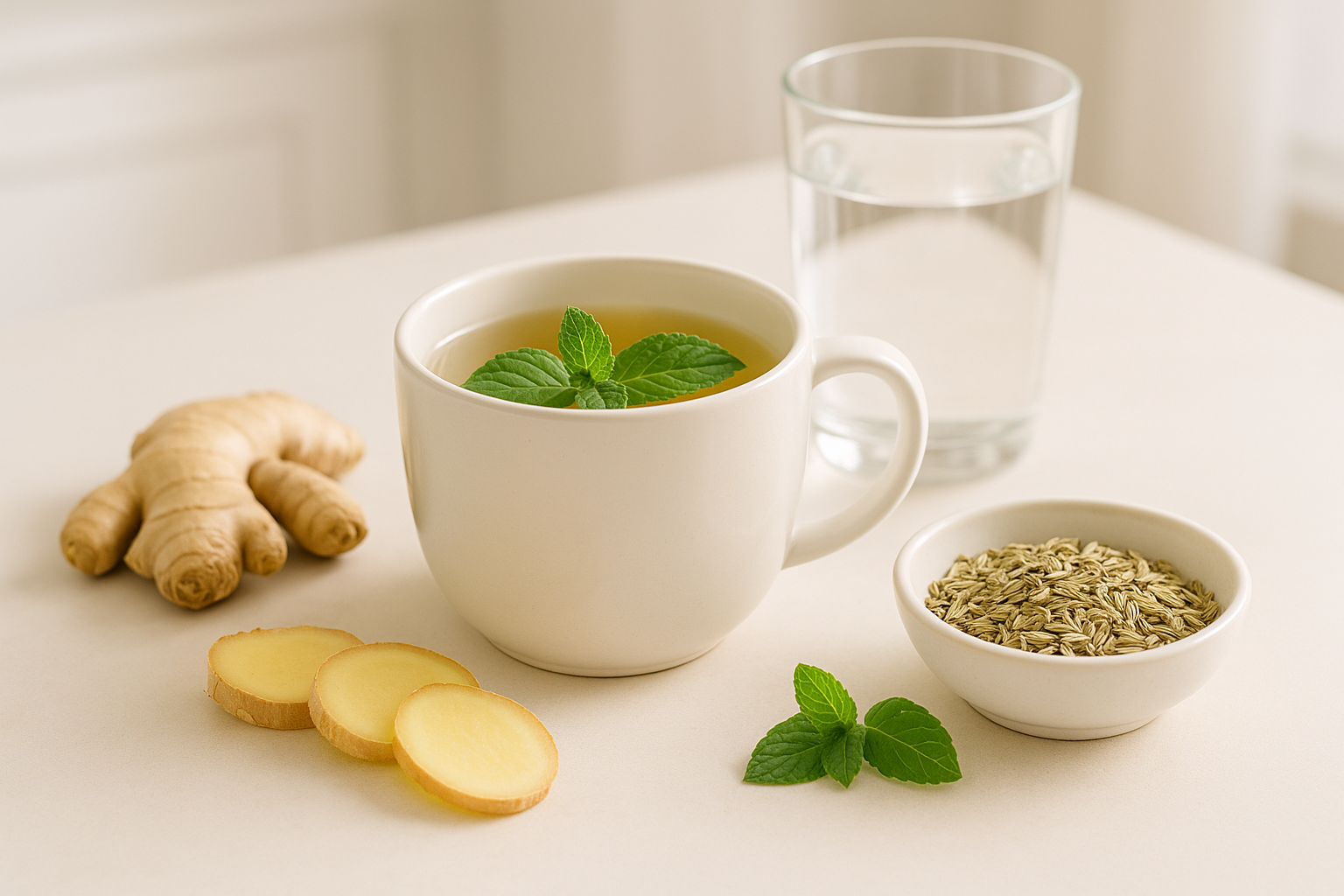
1. Sip Warm Peppermint Tea
Peppermint is often used for digestive comfort because it may help relax muscles in the digestive tract. A warm cup of peppermint tea after meals may feel soothing for occasional gas and fullness.
Avoid peppermint if it worsens heartburn or reflux, because it may relax the lower esophageal sphincter in some people.
2. Try Ginger for Digestive Support
Ginger has a long history of use for nausea and digestive discomfort. You can try fresh ginger steeped in hot water, ginger tea, or adding small amounts of ginger to meals.
If you take blood thinners, have a bleeding disorder, are pregnant, or use medications regularly, ask a healthcare provider before using concentrated ginger supplements.
3. Walk After Meals
Gentle movement can help stimulate digestion and move gas through the intestines. A relaxed 10- to 20-minute walk after eating may be especially helpful if bloating tends to occur after meals.
You do not need intense exercise. Light walking, stretching, or gentle yoga poses may be enough to support comfort.
4. Eat Slowly and Chew Thoroughly
Eating quickly can cause you to swallow more air, which may increase gas and bloating. Try taking smaller bites, chewing well, and pausing between bites.
Simple mindful eating habits can make a difference: sit down for meals, avoid rushing, limit drinking through straws, and reduce chewing gum if it contributes to swallowed air.
5. Stay Hydrated
Water supports normal bowel movements and may help prevent constipation-related bloating. If you are increasing fiber intake, hydration becomes even more important.
Choose water, herbal tea, or other non-carbonated beverages. Carbonated drinks can make some people feel more bloated because they add gas to the digestive tract.
6. Increase Fiber Gradually
Fiber supports gut health, but adding too much too quickly can increase gas. If you are trying to eat more fruits, vegetables, beans, whole grains, nuts, or seeds, increase gradually over several weeks.
If beans cause bloating, try soaking and rinsing them well, starting with small portions, or choosing lentils, which some people tolerate better.
7. Consider Fennel or Chamomile Tea
Fennel and chamomile teas are traditional options for digestive comfort. Some people find them soothing after meals. While evidence varies, these teas are generally gentle for many adults when used in typical food-like amounts.
If you have allergies to related plants, are pregnant, or take medications, check with a healthcare professional before using herbal remedies regularly.
8. Identify Trigger Foods Without Over-Restricting
Common bloating triggers include dairy, wheat, onions, garlic, beans, cruciferous vegetables, sugar alcohols, and high-FODMAP foods. However, trigger foods are highly individual.
Instead of cutting out many foods at once, consider a short food and symptom diary. If symptoms are frequent, a registered dietitian can help you identify triggers while keeping your diet balanced.
9. Support Regular Bowel Movements
Constipation is a common cause of bloating. Helpful habits include drinking enough fluids, moving daily, eating fiber-rich foods gradually, and setting aside unhurried bathroom time.
If constipation is persistent or painful, ask a healthcare provider about safe treatment options.
10. Manage Stress Gently
The gut and nervous system are closely connected. Stress can affect digestion, bowel habits, and sensitivity to gas. Relaxation practices may help some people reduce digestive discomfort.
Try slow breathing, a short walk outdoors, meditation, gentle stretching, journaling, or a consistent sleep routine.
When to Seek Medical Advice
Contact a healthcare provider if bloating is severe, persistent, or new and unexplained. Seek medical care promptly if bloating occurs with severe abdominal pain, vomiting, fever, blood in stool, black stools, unexplained weight loss, difficulty swallowing, persistent diarrhea, or a major change in bowel habits.
Bottom Line
Natural remedies for bloating often work best when they focus on gentle, consistent habits: warm herbal teas, slower eating, hydration, light movement, gradual fiber changes, and attention to personal triggers. If bloating continues or comes with concerning symptoms, professional medical guidance is the safest next step.
References
The Gut Inflammation Connection and How to Support a Healthier Microbiome
The Gut Inflammation Connection and How to Support a Healthier Microbiome
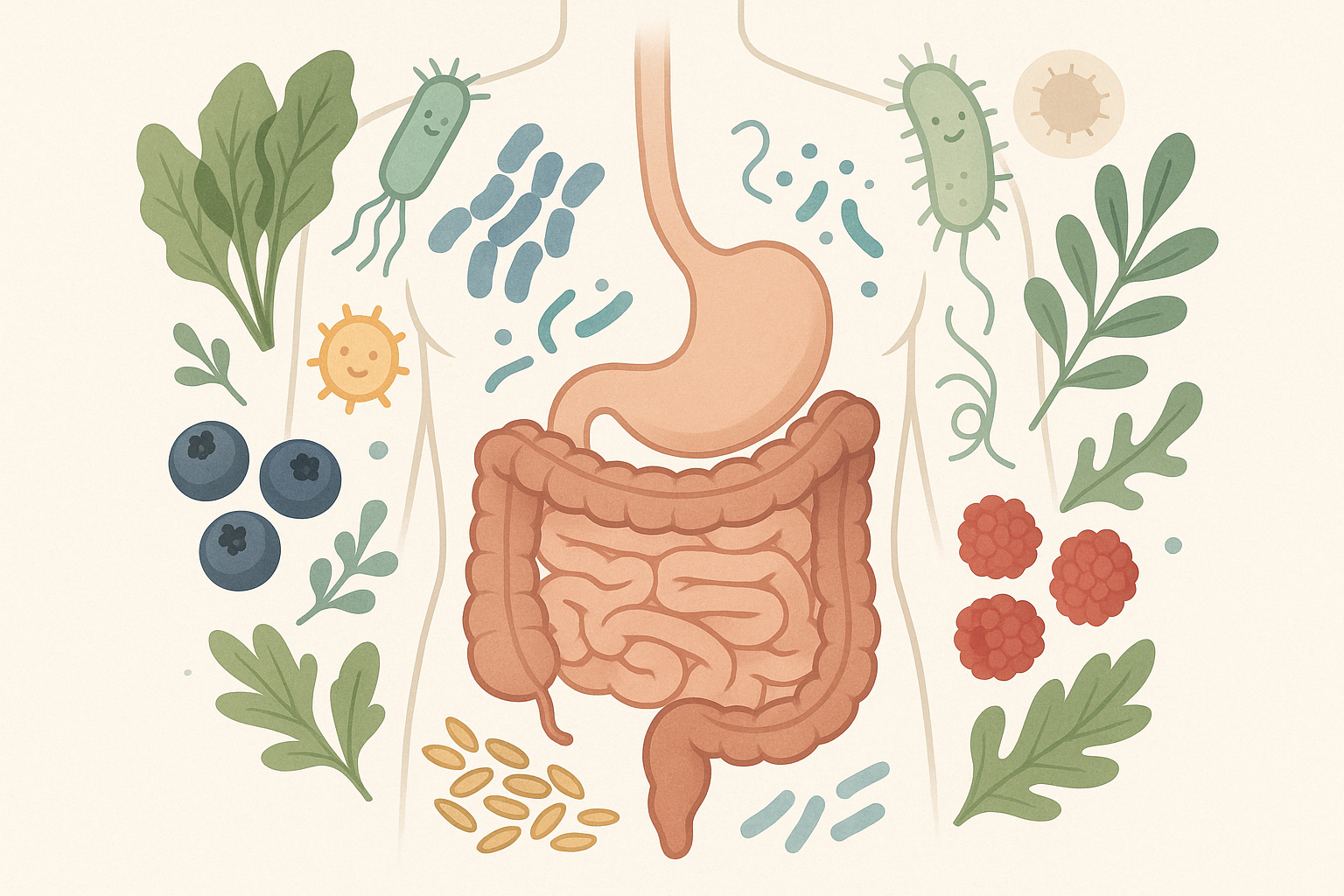
Gut health and inflammation are deeply connected. The gut is not just where food is digested; it is also a major immune organ and home to the gut microbiome, a community of bacteria, fungi, viruses, and other microorganisms that interact with the immune system every day.
When the gut microbiome is diverse and balanced, it can help support digestion, maintain the intestinal barrier, produce beneficial compounds, and influence normal immune responses. When that balance is disrupted, it may contribute to irritation, altered immune signaling, and inflammation-related digestive symptoms in some people.
What Is the Gut Microbiome?
The gut microbiome refers to the microorganisms living primarily in the intestines. These microbes help break down certain fibers, produce short-chain fatty acids, support vitamin metabolism, and communicate with the immune system.
A healthy microbiome is often described as diverse, resilient, and balanced. Diversity matters because different microbes perform different functions. A less diverse microbiome may be less able to adapt to dietary changes, infections, medications, stress, or other challenges.
How Gut Health and Inflammation Are Connected
Inflammation is a normal immune response that helps the body respond to injury or infection. However, ongoing or poorly regulated inflammation can affect tissue health and may play a role in many chronic conditions.
In the gut, inflammation can be influenced by several overlapping factors:
- The strength of the intestinal barrier
- The balance of beneficial and potentially harmful microbes
- Diet quality and fiber intake
- Immune system activity
- Stress and sleep patterns
- Certain medications, infections, or underlying medical conditions
The intestinal lining acts as a selective barrier. It helps absorb nutrients while limiting the passage of unwanted substances. When this barrier is irritated or impaired, immune cells in the gut may become more reactive. The microbiome can also influence this process by producing compounds that either support barrier function or contribute to inflammatory signaling.
Signs Your Gut May Need Support
Digestive symptoms can have many causes, and not all are related to the microbiome. Still, signs that may suggest your gut needs attention include:
- Frequent bloating or gas
- Irregular bowel habits
- Ongoing abdominal discomfort
- Food-related digestive upset
- Changes after antibiotics or illness
- Symptoms that worsen with stress
Seek medical care promptly for red flags such as blood in the stool, unexplained weight loss, persistent vomiting, severe abdominal pain, fever, anemia, difficulty swallowing, or a major change in bowel habits.
Foods That Support a Healthier Microbiome
Diet is one of the most practical ways to support gut health. The goal is not to eat perfectly, but to build a consistent pattern that feeds beneficial microbes and supports normal inflammatory balance.
1. Eat More Fiber-Rich Plant Foods
Dietary fiber is a major fuel source for beneficial gut bacteria. When microbes ferment certain fibers, they produce short-chain fatty acids such as butyrate, which helps support the cells lining the colon.
Helpful fiber-rich foods include:
- Beans, lentils, and chickpeas
- Oats, barley, and whole grains
- Apples, pears, and berries
- Broccoli, artichokes, onions, and leafy greens
- Nuts and seeds
Increase fiber gradually and drink enough water to reduce the chance of bloating or discomfort.
2. Include Fermented Foods If Tolerated
Fermented foods may introduce beneficial microbes or microbial byproducts. Options include yogurt with live and active cultures, kefir, sauerkraut, kimchi, miso, and tempeh.
People with certain digestive disorders may not tolerate every fermented food well, so it is reasonable to start small and track symptoms.
3. Choose Polyphenol-Rich Foods
Polyphenols are plant compounds that may interact with the microbiome and support antioxidant and immune pathways. Good sources include berries, cocoa, green tea, olive oil, herbs, spices, and colorful vegetables.
4. Limit Ultra-Processed Foods
A pattern high in ultra-processed foods, added sugars, and low fiber may be less supportive of microbiome diversity. You do not need to eliminate every packaged food, but it helps to make whole or minimally processed foods the foundation of most meals.
Lifestyle Habits That Influence Gut Inflammation
Food matters, but it is not the only factor. The gut and immune system are also shaped by sleep, stress, movement, and medication use.
Prioritize Sleep
Poor or inconsistent sleep can affect immune regulation and digestive rhythms. Aim for a regular sleep schedule when possible and create a wind-down routine that supports high-quality rest.
Manage Stress
The gut and brain communicate through the gut-brain axis. Stress can influence motility, sensitivity, and immune signaling in the gut. Breathing exercises, walking, therapy, mindfulness, and time outdoors may all help reduce stress load.
Move Regularly
Regular physical activity is associated with better metabolic and immune health. Moderate activities such as brisk walking, cycling, resistance training, or swimming can support overall inflammatory balance.
Use Antibiotics Only When Needed
Antibiotics can be lifesaving when medically necessary, but they can also disrupt the gut microbiome. Use them only as prescribed and ask your healthcare professional how to support recovery afterward.
What About Probiotics and Prebiotics?
Probiotics are live microorganisms that may provide a health benefit when taken in adequate amounts. Prebiotics are substances, often fibers, that feed beneficial microbes.
A probiotic can be helpful in specific situations, but benefits depend on the strain, dose, and reason for use. More is not always better, and not every probiotic is appropriate for every person. People who are immunocompromised, critically ill, or have complex medical conditions should speak with a clinician before taking probiotics.
Prebiotics can often be obtained through food, especially legumes, oats, onions, garlic, asparagus, bananas, and other fiber-rich plants.
A Simple Gut-Supportive Plate
A practical meal pattern for gut health and inflammation might include:
- Half the plate: colorful vegetables or fruit
- One quarter: high-fiber carbohydrates such as beans, lentils, oats, quinoa, or potatoes with skin
- One quarter: protein such as fish, poultry, eggs, tofu, tempeh, yogurt, or legumes
- Added fats: olive oil, avocado, nuts, or seeds
- Optional: fermented food if tolerated
When to Talk to a Healthcare Professional
Because digestive symptoms can overlap across many conditions, it is important not to self-diagnose persistent gut problems. A healthcare professional can evaluate symptoms, review medications, check for nutrient deficiencies, and determine whether testing or treatment is needed.
This is especially important if symptoms are severe, persistent, worsening, or associated with red flags such as bleeding, weight loss, fever, or anemia.
Key Takeaway
The relationship between gut health and inflammation is complex, but everyday habits can make a meaningful difference. A diverse, fiber-rich diet, fermented foods when tolerated, regular movement, quality sleep, stress management, and appropriate medical care all help support a healthier microbiome and better digestive resilience.
References
NIH: The gut microbiome and human health

How Magnesium Supports Restful Sleep and Nervous System Balance
Magnesium for Sleep: How It Supports Rest and Nervous System Balance
Magnesium is an essential mineral involved in hundreds of processes in the body, including nerve function, muscle contraction, energy production, and normal heart rhythm. Because these systems influence how relaxed or alert you feel, magnesium is often discussed in relation to sleep quality and nervous system balance.
While magnesium is not a sedative, getting enough may help support the body systems that make restful sleep more likely.
Why magnesium matters for sleep
Sleep is influenced by many factors, including stress hormones, circadian rhythm, blood sugar balance, muscle tension, and nervous system activity. Magnesium contributes to several of these areas.
Magnesium may support sleep by helping with:
- Normal nerve signaling
- Muscle relaxation
- A balanced stress response
- Healthy production and regulation of neurotransmitters
- General relaxation before bedtime
Low magnesium intake may make it harder for the body to maintain these functions smoothly, especially when combined with stress, poor diet, alcohol intake, or certain medications.
Magnesium and the nervous system
The nervous system has both activating and calming pathways. During the day, the body needs alertness and responsiveness. At night, the body benefits from a shift toward relaxation.
Magnesium helps regulate communication between nerve cells and supports normal neuromuscular function. It also interacts with pathways related to GABA, a calming neurotransmitter that helps reduce excessive nervous system activity. This is one reason magnesium is commonly associated with relaxation.
Can magnesium help you fall asleep faster?
Some people report that magnesium helps them feel calmer in the evening, reduces muscle tightness, or supports a more settled bedtime routine. Research on magnesium for sleep is still developing, and results can vary depending on age, baseline magnesium status, diet, health conditions, and supplement form.
Magnesium is most likely to help when poor sleep is related to low intake, muscle tension, or stress-related restlessness. It is less likely to solve sleep problems caused by sleep apnea, chronic insomnia, medication effects, pain, or untreated anxiety.
Best magnesium-rich foods for sleep support
A food-first approach is usually the safest and most sustainable way to support magnesium intake. Magnesium-rich foods also provide fiber, antioxidants, and other nutrients that contribute to overall health.
Good sources include:
- Pumpkin seeds
- Chia seeds
- Almonds and cashews
- Spinach and Swiss chard
- Black beans and lentils
- Whole grains
- Avocado
- Dark chocolate with a high cocoa content
Including these foods regularly may support magnesium levels over time.
Magnesium supplement forms commonly used for sleep
Different magnesium forms vary in absorption and digestive tolerance. Common options include:
- Magnesium glycinate: Often chosen for relaxation and gentler digestion
- Magnesium citrate: Well absorbed but may loosen stools
- Magnesium malate: Sometimes used for muscle comfort and daytime energy support
- Magnesium oxide: Contains more elemental magnesium but is less well absorbed and more likely to affect digestion
The best form depends on your goals, tolerance, and health status.
How to take magnesium for sleep
Many people take magnesium in the evening, often with dinner or 1 to 2 hours before bed. Taking it with food may reduce stomach upset.
General tips:
- Start with a low dose
- Avoid combining multiple magnesium products without checking the total amount
- Be cautious if you already take a multivitamin or electrolyte powder
- Stop or reduce the dose if diarrhea or cramping occurs
- Give lifestyle habits equal attention, including consistent sleep timing and reduced evening screen exposure
Safety considerations
Magnesium from food is safe for most people. Supplemental magnesium can cause side effects, especially at higher doses. The most common are loose stools, nausea, and abdominal cramping.
People with kidney disease should not take magnesium supplements unless supervised by a healthcare professional, because the kidneys regulate magnesium balance. Magnesium can also interact with some medications, including certain antibiotics, bisphosphonates, diuretics, and thyroid medications.
The bottom line
Magnesium supports restful sleep indirectly by helping maintain normal nerve function, muscle relaxation, and nervous system balance. It is not a cure for insomnia, but adequate magnesium intake can be a useful part of a broader sleep-support plan that includes a calming routine, regular sleep schedule, stress management, and nutrient-dense meals.
References
Early Signs of Vitamin D Deficiency and Natural Ways to Support Healthy Levels
Early Signs of Vitamin D Deficiency and Natural Ways to Support Healthy Levels
Vitamin D is a fat-soluble nutrient that helps the body absorb calcium and phosphorus, supports bone strength, and contributes to normal muscle and immune function. Because symptoms can be vague, many people do not realize their levels are low until a blood test shows deficiency.
Common vitamin D deficiency signs
Early vitamin D deficiency signs may include:
- Ongoing fatigue or low energy
- Muscle aches, cramps, or weakness
- Bone discomfort, especially in the back, hips, legs, or ribs
- More frequent illness or slower recovery
- Low mood or reduced sense of wellbeing
- Hair shedding in some cases
- Delayed healing after injury or illness
These symptoms can have many causes, including anemia, thyroid conditions, sleep problems, depression, medication effects, or other nutrient deficiencies. A blood test is the most reliable way to know whether vitamin D is low.
Why vitamin D deficiency matters
Vitamin D helps maintain healthy calcium levels. When deficiency is significant or long-lasting, the body may have trouble keeping bones properly mineralized. In children, severe deficiency can contribute to rickets. In adults, it can contribute to osteomalacia, bone pain, muscle weakness, and increased risk of falls or fractures.
Who is more likely to have low vitamin D?
Risk is higher in people who:
- Get limited sun exposure
- Regularly wear clothing that covers most skin outdoors
- Have darker skin, which reduces vitamin D production from sunlight
- Live in northern climates or spend most time indoors
- Are older adults
- Have obesity
- Have malabsorption conditions such as celiac disease, Crohn disease, or certain bariatric surgery histories
- Take medications that affect vitamin D metabolism
- Follow diets low in vitamin D foods
- Are exclusively breastfed infants unless supplemented as recommended by a clinician
How vitamin D deficiency is checked
Healthcare professionals usually assess vitamin D status with a blood test called 25-hydroxyvitamin D. Testing may be especially important if you have bone pain, muscle weakness, osteoporosis, recurrent low-trauma fractures, malabsorption, kidney or liver disease, or other risk factors.
Do not assume symptoms are caused by vitamin D deficiency without testing, because taking high-dose vitamin D unnecessarily can be harmful.
Natural ways to support healthy vitamin D levels
1. Get sensible sun exposure
Your skin can make vitamin D when exposed to ultraviolet B rays from sunlight. The amount produced depends on season, latitude, time of day, cloud cover, air pollution, skin tone, age, sunscreen use, and how much skin is exposed.
Short, sensible sun exposure may help some people, but avoid sunburn. If you have a history of skin cancer, take photosensitizing medication, or have been advised to avoid sun, ask your clinician for personalized guidance.
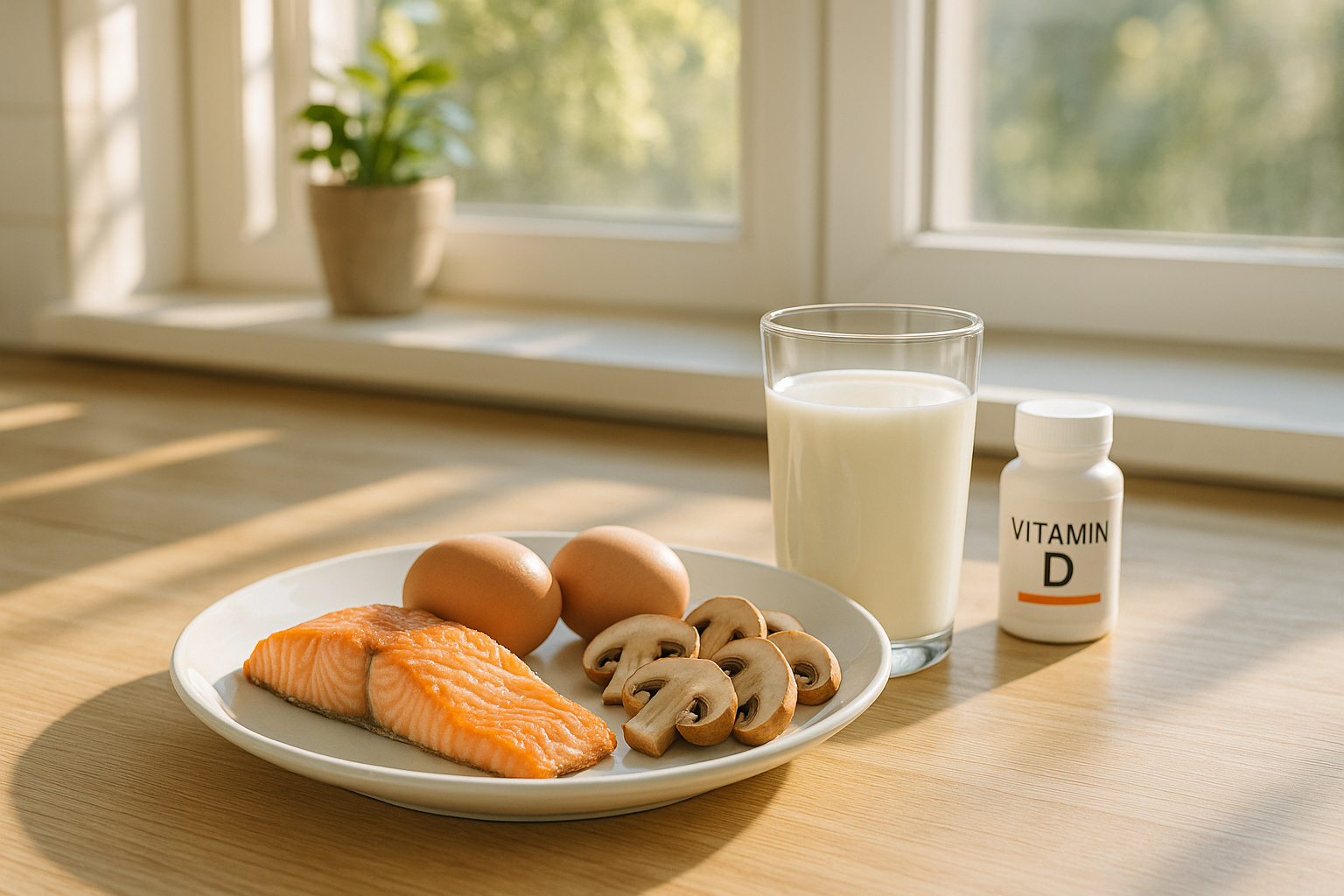
2. Eat vitamin D-rich foods
Few foods naturally contain much vitamin D, but helpful options include:
- Fatty fish such as salmon, trout, sardines, and tuna
- Egg yolks
- Some mushrooms exposed to ultraviolet light
- Fortified milk or plant milks
- Fortified breakfast cereals
- Fortified orange juice in some regions
Food alone may not be enough for people with deficiency, but it can help maintain healthier levels as part of a balanced diet.
3. Consider supplements when appropriate
Vitamin D supplements can be effective, but the right dose depends on your blood level, age, health status, diet, medications, and medical history. Many supplements contain vitamin D3, while some contain vitamin D2. Your healthcare provider can recommend a safe plan and follow-up testing if needed.
Avoid taking very high doses unless prescribed. Too much vitamin D can raise calcium levels and may cause nausea, vomiting, weakness, confusion, dehydration, kidney stones, or kidney damage.
4. Support absorption with healthy dietary fat
Because vitamin D is fat-soluble, taking it with a meal that contains some fat may improve absorption. Examples include meals with olive oil, avocado, nuts, seeds, dairy, eggs, or fatty fish.
5. Address underlying causes
If levels stay low despite sun exposure, diet, or supplements, the issue may involve absorption, medication interactions, liver or kidney conditions, or adherence to the supplement plan. Persistent deficiency should be evaluated medically.
When to seek medical advice
Contact a healthcare professional if you have persistent fatigue, muscle weakness, bone pain, frequent falls, unexplained fractures, or risk factors for deficiency. Seek guidance before giving supplements to infants or children, during pregnancy, if you have kidney disease, high calcium, sarcoidosis, certain cancers, or if you take medications that may interact with vitamin D.
Key takeaway
Vitamin D deficiency signs can be subtle, but ongoing fatigue, muscle aches, weakness, and bone discomfort may be clues. The best next step is often a 25-hydroxyvitamin D blood test and a personalized plan that may include sensible sun exposure, vitamin D-rich foods, and safe supplementation when needed.
References
NIH Office of Dietary Supplements: Vitamin D Fact Sheet for Consumers

Natural Sleep Remedies Without Melatonin for Long-Term Sleep Support
Natural Sleep Remedies Without Melatonin for Long-Term Sleep Support
Melatonin can be useful for some short-term sleep timing issues, but it is not the only natural option. For long-term sleep support, the strongest approach is usually a consistent set of habits that help your body feel sleepy at night, alert during the day, and calm enough to stay asleep.
Below are natural sleep remedies without melatonin that focus on sustainable routines rather than quick fixes.
1. Keep a Consistent Sleep and Wake Schedule
Your body runs on a circadian rhythm, an internal clock that responds strongly to timing. Going to bed and waking up at roughly the same time every day helps reinforce that rhythm.
Try this:
- Choose a realistic wake time you can keep most days.
- Avoid sleeping in for hours on weekends.
- If your bedtime is too late, shift it earlier by 15 to 30 minutes every few nights.
- Get out of bed around the same time even after a rough night, then protect the next night with a calming routine.
Consistency is one of the most effective long-term natural sleep supports because it trains your brain to expect sleep at predictable times.
2. Get Bright Light Early in the Day
Morning light helps signal daytime to your brain and supports healthier nighttime sleep pressure. Outdoor light is usually stronger than indoor light, even on cloudy days.
Simple options include:
- Step outside for 10 to 30 minutes after waking.
- Eat breakfast near a bright window if outdoor time is not possible.
- Take a morning walk.
- Keep lights brighter earlier in the day and dimmer in the evening.
This is especially helpful if you feel sleepy in the morning but wired at night.
3. Reduce Bright Light and Screens Before Bed
Evening light can delay sleepiness, especially from bright overhead lights and close-range screens. You do not have to eliminate screens completely, but reducing stimulation can help.
Try this one hour before bed:
- Dim household lights.
- Use warmer screen settings.
- Avoid intense work, stressful news, and fast-paced media.
- Keep the bedroom dark, cool, and quiet.
Think of this as giving your nervous system a runway into sleep.
4. Build a Repeatable Wind-Down Routine
A wind-down routine works because it becomes a cue. When repeated nightly, the same sequence tells your body that sleep is coming.
A simple routine might be:
- Prepare tomorrow’s essentials.
- Take a warm shower or bath.
- Stretch gently for five minutes.
- Read something calming.
- Practice slow breathing in bed.
Keep the routine short enough that you can actually maintain it. Long-term consistency matters more than perfection.
5. Practice Relaxation Techniques
Stress and hyperarousal are common reasons people struggle to fall asleep or wake during the night. Relaxation techniques can help lower physical tension and mental activity.
Options to try:
- Diaphragmatic breathing: Breathe slowly into the belly and extend the exhale.
- Progressive muscle relaxation: Tense and release muscle groups from feet to face.
- Body scan meditation: Notice each area of the body without trying to force sleep.
- Guided imagery: Picture a calm place in sensory detail.
If your mind races, do not fight every thought. Instead, return attention to a neutral anchor such as breath, body weight, or a repeated phrase.
6. Use Exercise as a Sleep Support Tool
Regular physical activity can improve sleep quality, mood, and stress resilience. It does not need to be intense to help.
Good long-term choices include:
- Brisk walking.
- Strength training.
- Cycling.
- Swimming.
- Yoga or mobility work.
Many people sleep better when vigorous workouts are done earlier in the day, while gentle stretching or restorative yoga may be better in the evening.
7. Watch Caffeine, Alcohol, and Heavy Meals
Natural sleep support is not only about what you add. It is also about removing common sleep disruptors.
Consider these adjustments:
- Stop caffeine by early afternoon, or earlier if you are sensitive.
- Remember that coffee, tea, energy drinks, chocolate, and some supplements can contain caffeine.
- Avoid using alcohol as a sleep aid. It may make you drowsy but can fragment sleep later.
- Finish heavy meals two to three hours before bed when possible.
- If hungry at night, choose a light snack rather than a large meal.
Small changes in timing can make a noticeable difference.
8. Try a Warm Bath or Shower
A warm bath or shower one to two hours before bed may help some people relax. Afterward, the body cools down, which can support the natural temperature drop associated with sleep onset.
Keep it comfortable rather than hot, and pair it with dim lights and quiet activities afterward.
9. Create a Bedroom That Supports Sleep
Your sleep environment should reduce sensory disruptions and strengthen the association between bed and sleep.
Focus on:
- Cool temperature.
- Darkness or an eye mask.
- Quiet or steady white noise.
- Comfortable mattress and pillow.
- Breathable bedding.
- Minimal clutter near the bed.
If you use your bed for work, scrolling, or stressful conversations, your brain may stop associating it with rest. When possible, reserve the bed for sleep and intimacy.
10. Consider Herbal and Non-Melatonin Options Carefully
Some people use herbal teas or calming botanicals such as chamomile, lavender, passionflower, or valerian. These may feel relaxing for some individuals, but effects vary and natural does not always mean risk-free.
Before using herbs or supplements, be cautious if you:
- Are pregnant or breastfeeding.
- Take sedatives, antidepressants, blood thinners, or other medications.
- Have liver disease, kidney disease, or a chronic medical condition.
- Need to drive or operate machinery.
A calming herbal tea can be a pleasant part of a bedtime ritual, but it should not replace medical care for ongoing insomnia.
11. Use a Worry Journal
If anxious thoughts show up when your head hits the pillow, schedule a short worry session earlier in the evening.
How to do it:
- Write down worries or unfinished tasks.
- Add one next step for each concern if possible.
- Close the notebook and remind yourself that you have a plan.
This helps keep planning out of bed and reduces the feeling that nighttime is the only time to solve problems.
12. Follow the 20-Minute Reset Rule
If you cannot fall asleep after about 20 minutes, or you feel increasingly frustrated, get out of bed and do something quiet in dim light. Return to bed when sleepy.
Good reset activities include:
- Reading calm material.
- Listening to soft audio.
- Gentle breathing.
- Sitting quietly.
Avoid checking the clock repeatedly. Clock-watching often increases pressure and makes sleep harder.
When to Seek Help
Natural remedies can help many people, but persistent insomnia may need professional support. Cognitive behavioral therapy for insomnia, often called CBT-I, is a first-line, non-drug treatment that addresses the thoughts and behaviors that keep insomnia going.
Talk with a healthcare professional if sleep problems last more than a few weeks, worsen, or come with symptoms such as loud snoring, gasping, morning headaches, leg discomfort, depression, anxiety, or severe daytime sleepiness.
Bottom Line
The best natural sleep remedies without melatonin are usually the habits that strengthen your circadian rhythm and calm your nervous system. Start with a consistent wake time, morning light, less evening stimulation, a repeatable wind-down routine, regular exercise, and a sleep-friendly bedroom. These changes may seem simple, but when practiced consistently, they can provide meaningful long-term sleep support.
References
Top Liver Detox Foods That Naturally Support Healthy Liver Function
Top Liver Detox Foods That Naturally Support Healthy Liver Function
The phrase liver detox foods can be misleading. Your liver is not a dirty filter that needs to be flushed. It is a highly active organ that performs detoxification continuously through normal biological pathways. Food cannot force the liver to detox faster, but a healthy eating pattern can support the liver by providing fiber, antioxidants, healthy fats, protein, vitamins, minerals, and compounds that help maintain normal metabolic function.
The most effective liver-supportive diet is built around whole foods: vegetables, fruits, legumes, whole grains, nuts, seeds, fish, olive oil, and adequate hydration. Just as important, it limits alcohol, excess added sugar, refined carbohydrates, and highly processed foods.
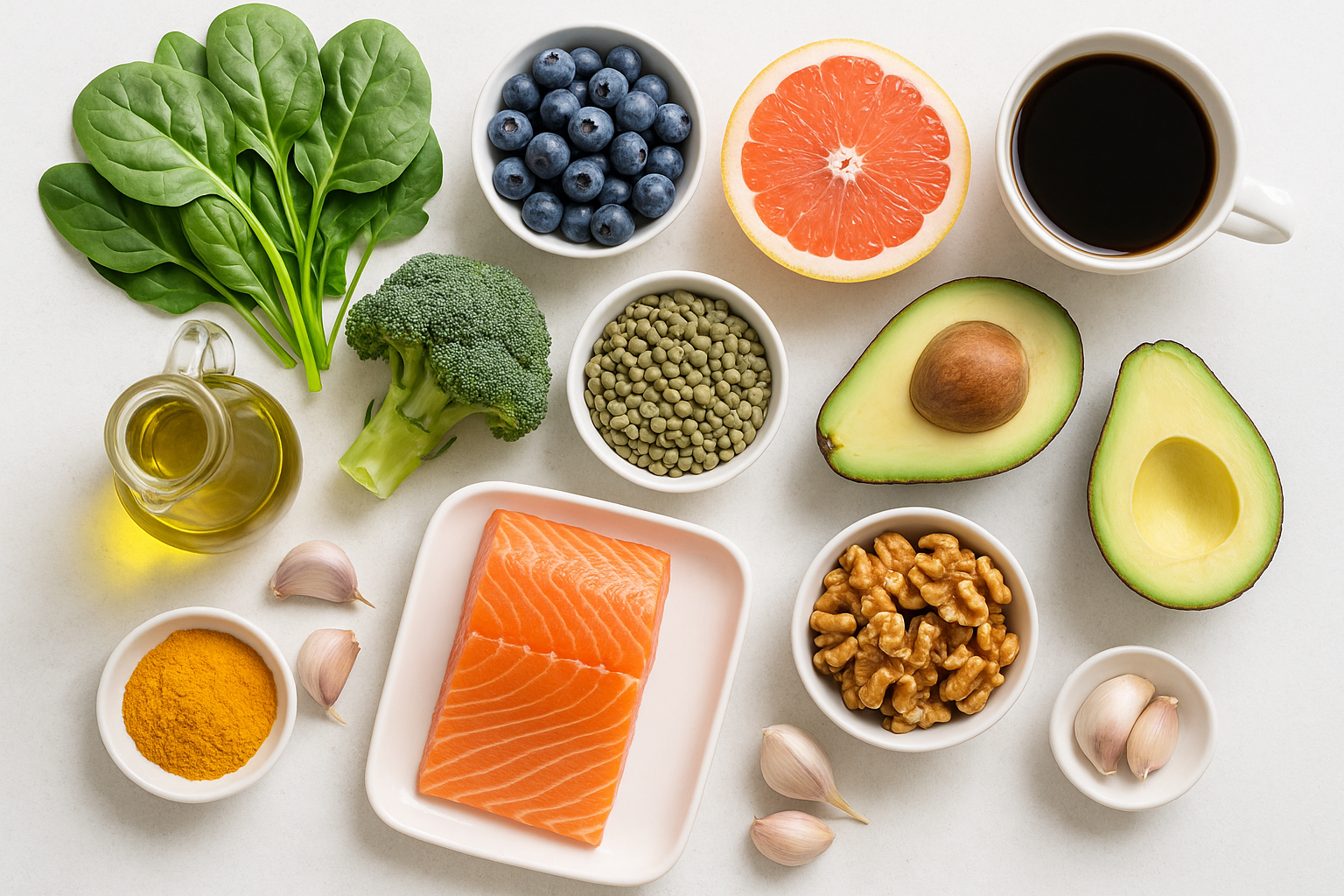
1. Coffee
Coffee is one of the most consistently studied beverages for liver health. Regular coffee intake has been associated in research with better liver enzyme patterns and lower risk of some chronic liver outcomes. Coffee contains polyphenols and other bioactive compounds that may help support antioxidant defenses.
For most healthy adults, plain coffee can fit into a liver-supportive routine. Avoid turning it into a dessert drink with large amounts of sugar, syrups, or creamers. People who are sensitive to caffeine, pregnant, or managing heart rhythm problems, anxiety, reflux, or sleep issues should ask a clinician what amount is appropriate.
2. Cruciferous vegetables
Broccoli, cauliflower, Brussels sprouts, cabbage, bok choy, kale, and arugula provide fiber, vitamin C, folate, and sulfur-containing compounds. These vegetables are often discussed in relation to the body’s natural detoxification enzyme systems, but the practical takeaway is simple: eat them regularly as part of a varied diet.
Try roasted Brussels sprouts, steamed broccoli with olive oil and lemon, cabbage slaw, kale in soups, or cauliflower added to grain bowls.
3. Leafy greens
Spinach, Swiss chard, collards, romaine, watercress, and other leafy greens are rich in micronutrients and plant compounds. They are also low in calories and high in volume, which can support weight management. Maintaining a healthy weight is especially important for reducing risk factors associated with fatty liver.
If you take blood thinners such as warfarin, do not suddenly change your intake of high-vitamin K greens without medical guidance.
4. Berries and deeply colored fruits
Blueberries, strawberries, raspberries, blackberries, cherries, pomegranate, and grapes provide polyphenols and vitamin C. These compounds help support normal antioxidant activity in the body. Whole fruits are preferable to juices because they contain fiber and are less likely to overload the diet with rapidly absorbed sugar.
A simple liver-supportive snack is plain Greek yogurt or oatmeal topped with berries, ground flaxseed, and walnuts.
5. Beans, lentils, and other legumes
Legumes provide plant protein, soluble fiber, resistant starch, magnesium, potassium, and polyphenols. Fiber supports gut health and helps regulate cholesterol and blood sugar, both of which matter for metabolic liver health.
Good options include lentils, black beans, chickpeas, kidney beans, split peas, and edamame. Add them to soups, salads, tacos, curries, or grain bowls.
6. Oats and whole grains
Oats, barley, quinoa, brown rice, farro, and whole wheat provide fiber and steady energy. Oats and barley are especially known for beta-glucan, a soluble fiber that supports healthy cholesterol levels. Replacing refined grains and sugary breakfast foods with whole grains can reduce metabolic stress on the liver over time.
Choose minimally processed whole grains most often, and pair them with protein and healthy fat for better satiety.
7. Fatty fish
Salmon, sardines, trout, herring, and mackerel provide omega-3 fatty acids and high-quality protein. Omega-3 fats support heart and metabolic health, which is closely connected to liver health. Fish is also a strong alternative to processed meats, which are not ideal as a daily protein choice.
If you do not eat fish, discuss algae-based omega-3 options with a healthcare professional, especially if you have elevated triglycerides or liver-related metabolic concerns.
8. Nuts and seeds
Walnuts, almonds, pistachios, chia seeds, flaxseed, hemp seeds, and pumpkin seeds provide unsaturated fats, fiber, magnesium, vitamin E, and plant protein. Vitamin E is an antioxidant nutrient, but high-dose vitamin E supplements are not appropriate for everyone and should not be taken for liver conditions unless a clinician recommends it.
Use a small handful of nuts or one to two tablespoons of seeds as a topping for salads, yogurt, oatmeal, or vegetables.
9. Extra-virgin olive oil
Extra-virgin olive oil is a core part of Mediterranean-style eating, a dietary pattern often recommended for cardiometabolic health. It provides monounsaturated fats and polyphenols. Replacing butter, shortening, and deep-fried fats with olive oil can improve the overall quality of your diet.
Use it for salad dressings, roasted vegetables, sautéed greens, beans, and fish.
10. Garlic, onions, and herbs
Garlic, onions, leeks, scallions, parsley, cilantro, rosemary, oregano, ginger, and turmeric can add flavor while helping you reduce reliance on excess salt, sugar, and heavy sauces. These foods contain diverse plant compounds, but they should be viewed as supportive ingredients rather than cures.
Be cautious with concentrated extracts, especially garlic, turmeric, or green tea supplements, because supplements can interact with medications and some have been linked to liver injury in susceptible people.
11. Water and unsweetened beverages
Hydration supports normal digestion, circulation, and kidney function, which all work alongside the liver. Water, sparkling water without added sugar, and unsweetened tea are better choices than soda, energy drinks, and sweetened juices.
There is no need for extreme juice cleanses. They are often low in protein and fiber and may be high in sugar.
Foods and habits to limit for liver support
A liver-supportive diet is not only about what you add. It is also about what you reduce.
Limit or avoid alcohol, especially if you have any liver condition. Reduce sugary drinks, candy, pastries, and frequent desserts. Choose whole grains instead of refined carbohydrates most of the time. Minimize deep-fried foods and highly processed snacks. Avoid unnecessary supplements marketed as detox products unless your clinician approves them.
A simple liver-supportive plate
Build meals around this pattern: half the plate non-starchy vegetables, one quarter high-quality protein such as fish, beans, lentils, tofu, eggs, poultry, or yogurt, and one quarter whole grains or starchy vegetables. Add olive oil, avocado, nuts, or seeds for healthy fat. Finish with fruit instead of a sugary dessert most days.
Bottom line
The best liver detox foods are not exotic cleanses. They are nutrient-dense whole foods that support your liver’s normal work every day. Coffee, cruciferous vegetables, leafy greens, berries, legumes, whole grains, fatty fish, nuts, seeds, olive oil, herbs, and water can all fit into a smart liver support plan. For the greatest benefit, combine them with limited alcohol, less added sugar, regular physical activity, adequate sleep, and medical care when needed.