- Home
- Author's Archive:
Zinc for Immune Health: Benefits and Signs of Deficiency
Zinc for Immune Health: How It Helps and Signs You May Be Low
Zinc is a trace mineral your body needs in small amounts, but its role in immune health is significant. Because the body does not store large amounts of zinc, you need a regular intake from food or, when appropriate, supplements.
How zinc supports immune health
Zinc helps the immune system in several important ways. It supports the development and function of immune cells, helps maintain the skin and mucous membranes that act as physical barriers, and plays a role in normal inflammation and tissue repair.
Zinc is also involved in wound healing, DNA synthesis, and cell division. These processes matter because immune cells need to grow, communicate, and respond efficiently when the body encounters germs or injury.
Common food sources of zinc
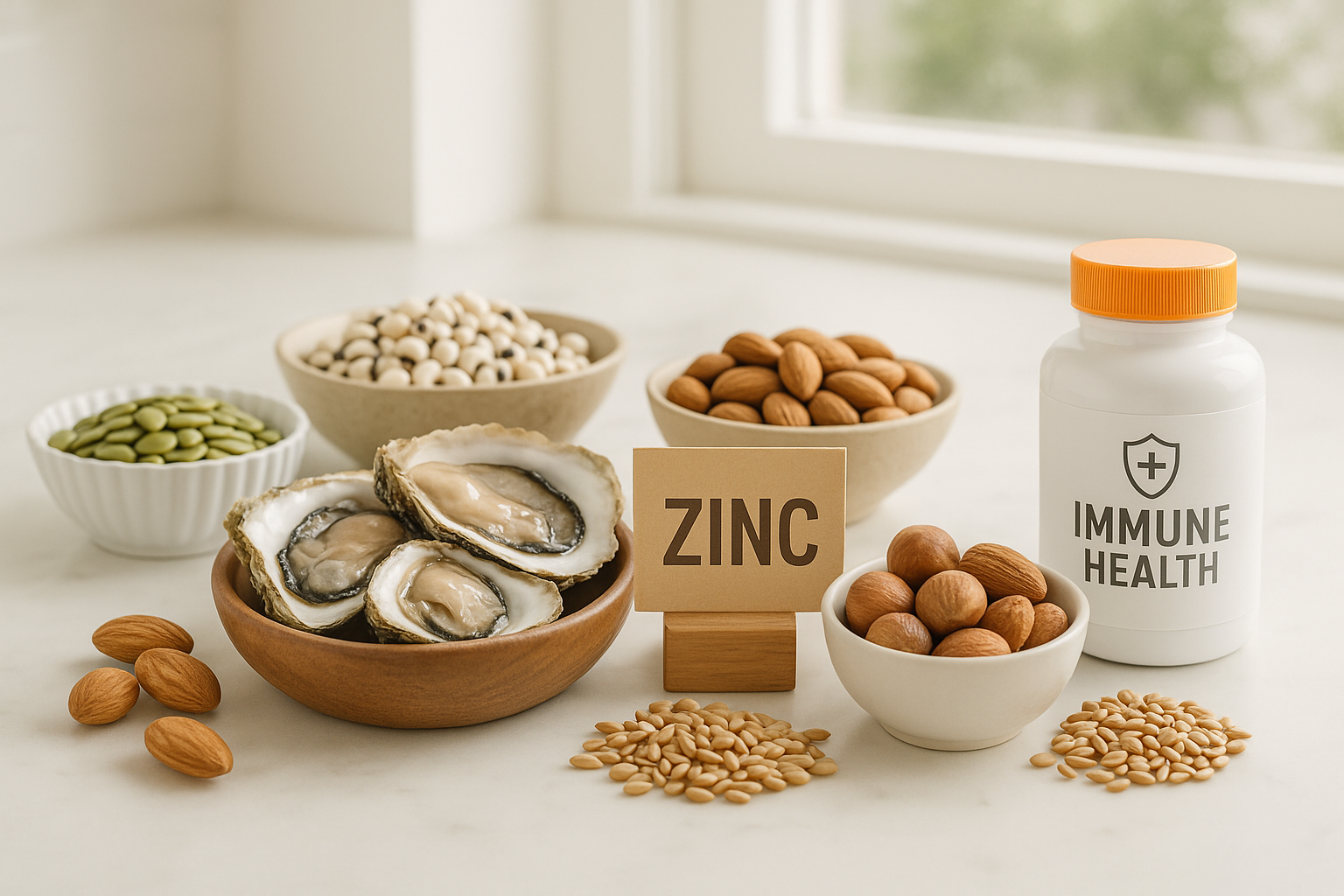
Some of the best zinc sources include oysters, crab, beef, poultry, beans, lentils, chickpeas, pumpkin seeds, cashews, yogurt, milk, fortified cereals, and whole grains. Animal-based sources are generally easier for the body to absorb. Plant foods can still contribute zinc, though phytates in grains and legumes may reduce absorption.
Signs of possible zinc deficiency
Low zinc levels can affect multiple body systems. Common signs may include frequent infections, slow wound healing, loss of appetite, changes in taste or smell, hair thinning, skin problems, diarrhea, and poor growth in children.
These symptoms can have many causes, so they do not prove a zinc deficiency on their own. A healthcare provider can evaluate symptoms, diet, medical history, and whether testing or supplementation is appropriate.
Who may be at higher risk of low zinc
Some people may be more likely to have inadequate zinc intake or absorption. This includes people with gastrointestinal disorders, those who have had certain digestive surgeries, people with alcohol use disorder, vegetarians or vegans with low zinc intake, pregnant or breastfeeding individuals, and older adults with limited diets.
Should you take a zinc supplement?
Zinc supplements can help when intake is low or deficiency is confirmed, but more is not always better. Taking too much zinc can cause nausea, stomach upset, reduced copper absorption, and other health problems. High-dose zinc can also interact with certain medications, including some antibiotics and diuretics.
For most people, the best first step is to include zinc-rich foods regularly. If you are considering a supplement, choose an appropriate dose and ask a healthcare professional for guidance.
Bottom line
Zinc is essential for a healthy immune response, normal wound healing, and maintaining protective barriers in the body. A balanced diet with zinc-rich foods can help support immune health, while persistent symptoms of deficiency should be discussed with a medical professional.
References
NIH Office of Dietary Supplements: Zinc Fact Sheet for Consumers
Gut Health and Bloating Remedies: Natural Ways to Feel Better
Gut Health and Bloating Remedies: Natural Ways to Reduce Bloating
Bloating is the sensation of abdominal fullness, pressure, or swelling. It may happen after meals, during periods of constipation, with excess gas, or when the gut is sensitive to certain foods. Occasional bloating is usually not dangerous, but frequent or painful bloating can interfere with daily life and may signal an underlying digestive issue.
The best gut health and bloating remedies are not one-size-fits-all. They usually work best when you identify your triggers, support regular bowel movements, and make changes gradually.
Common reasons bloating happens
Bloating can have many causes, including:
- Eating quickly and swallowing air
- Large meals or eating late at night
- Constipation
- Gas-producing foods such as beans, lentils, onions, cabbage, and carbonated drinks
- Food intolerances, such as lactose intolerance
- High intake of sugar alcohols, including sorbitol, xylitol, and mannitol
- Changes in gut bacteria
- Irritable bowel syndrome, also called IBS
- Hormonal changes
- Stress, which can affect gut motility and sensitivity
1. Eat more slowly and chew well
Eating quickly can increase swallowed air and make bloating worse. Try slowing down meals, chewing thoroughly, and pausing between bites. This gives digestion a better start and may reduce post-meal pressure.
Simple habits that help:
- Sit down for meals instead of eating on the run
- Avoid talking while chewing
- Put utensils down between bites
- Stop eating when comfortably satisfied, not overly full
2. Reduce carbonated drinks
Sparkling water, soda, beer, and other carbonated drinks add gas to the digestive tract. If you often feel bloated after drinking them, switch to still water or herbal tea for one to two weeks and track whether symptoms improve.
3. Support regular bowel movements
Constipation is one of the most common drivers of bloating. When stool moves slowly, gas can build up and the abdomen may feel distended.
Natural ways to support regularity include:
- Drinking enough fluids throughout the day
- Eating fiber-rich foods gradually
- Walking daily
- Creating a consistent bathroom routine
- Not ignoring the urge to have a bowel movement
If you increase fiber too quickly, bloating may get worse at first. Add fiber slowly and pair it with water.
4. Choose fiber wisely
Fiber supports gut health, but different fibers affect people differently. Soluble fiber is often gentler and may help with bowel regularity. Foods that contain soluble fiber include oats, chia seeds, ground flaxseed, apples, citrus fruits, carrots, beans, and lentils.
If beans or lentils trigger bloating, try these strategies:
- Start with small portions
- Rinse canned beans well
- Soak dried beans before cooking
- Choose lentils or split peas, which some people tolerate better
- Increase portions slowly over several weeks
5. Try peppermint tea or enteric-coated peppermint oil carefully
Peppermint may help some people with digestive discomfort, especially when bloating is related to gut spasms or IBS-type symptoms. Peppermint tea is a gentle option for many people.
Enteric-coated peppermint oil capsules may help some adults, but they are not right for everyone. They can worsen reflux or heartburn and may interact with certain conditions or medications. Ask a healthcare professional before using peppermint oil supplements, especially if you are pregnant, breastfeeding, have gallbladder disease, or take prescription medicines.
6. Use ginger for digestive comfort
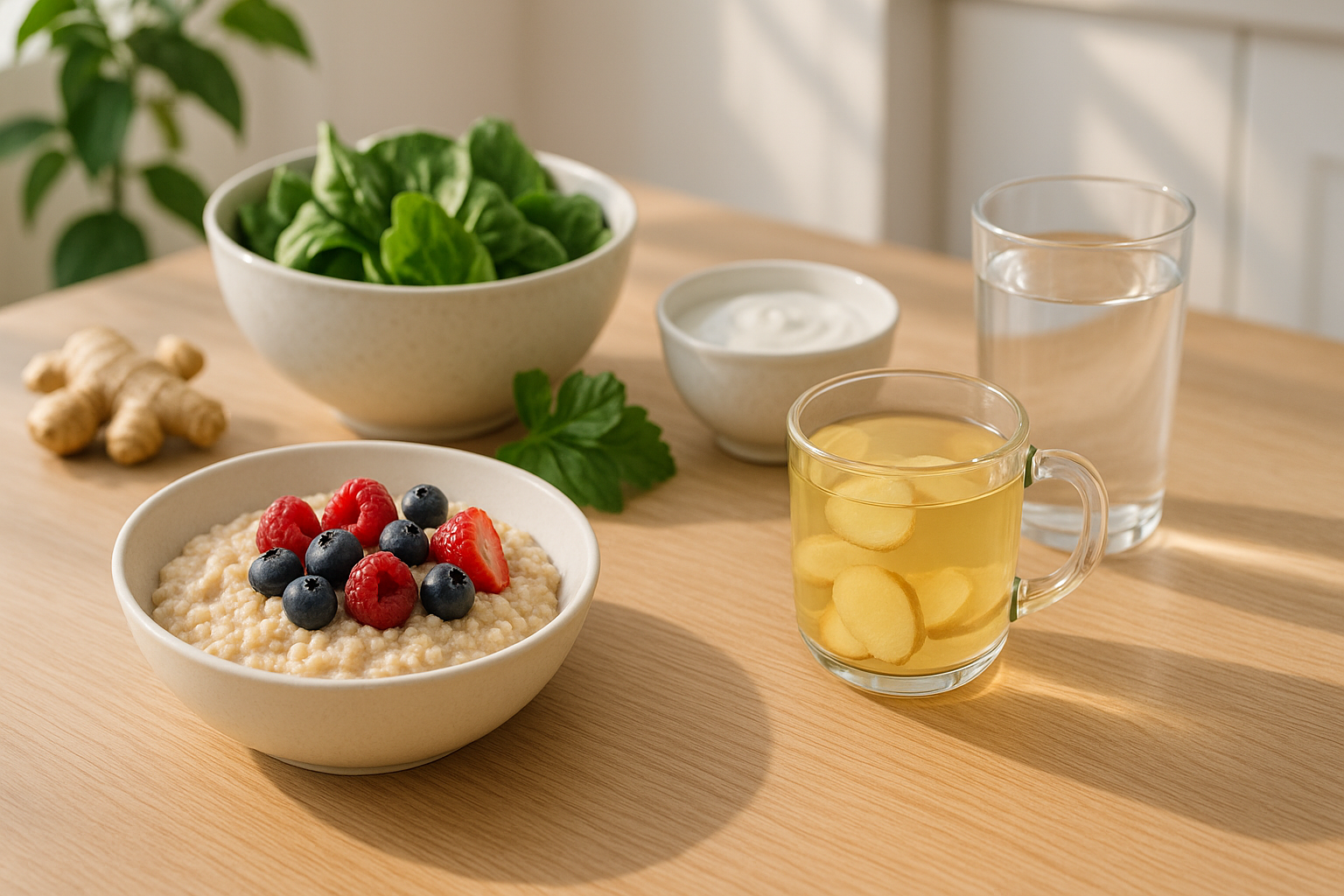
Ginger has a long history of use for nausea and digestive discomfort. Some people find ginger tea helpful after meals. You can make it by steeping fresh sliced ginger in hot water for 5 to 10 minutes.
Use ginger in moderate food-like amounts unless a clinician advises otherwise. If you take blood thinners, have a bleeding disorder, are pregnant, or have a medical condition, ask a healthcare professional before using high-dose ginger supplements.
7. Consider probiotics, but be selective
Probiotics are live microorganisms that may support gut health in specific situations. However, effects vary by strain, dose, and health condition. A probiotic that helps one person may do little for another.
If you want to try a probiotic:
- Choose a reputable brand with labeled strains
- Try one product at a time
- Use it consistently for 4 to 8 weeks
- Track symptoms
- Stop if bloating worsens significantly
Fermented foods such as yogurt with live cultures, kefir, sauerkraut, kimchi, miso, and tempeh may also support dietary variety. Start small, because fermented foods can cause gas in sensitive people.
8. Identify food triggers without over-restricting
Common bloating triggers include lactose, wheat, onions, garlic, beans, certain fruits, cruciferous vegetables, carbonated beverages, and sugar alcohols. These foods are not bad for everyone, and many are nutritious.
Instead of cutting out many foods at once, keep a short food and symptom diary for 1 to 2 weeks. Note what you ate, when bloating happened, bowel patterns, stress, sleep, and menstrual cycle timing if relevant.
If symptoms suggest IBS, a low-FODMAP diet may help some people, but it is best done with a registered dietitian because it is meant to be temporary and structured, not a permanent highly restricted diet.
9. Take a short walk after meals
Gentle movement can help gas move through the digestive tract. A 10 to 15 minute walk after meals may reduce fullness and support blood sugar balance. Avoid intense exercise immediately after a large meal if that worsens discomfort.
10. Manage stress for the gut-brain connection
The digestive system and nervous system communicate closely. Stress can change gut motility, increase sensitivity, and worsen bloating in some people.
Gut-calming practices include:
- Slow breathing before meals
- Light yoga or stretching
- Mindfulness meditation
- Regular sleep timing
- Taking meals away from screens when possible
Even two minutes of slow breathing before eating can help shift the body toward a calmer digestive state.
11. Limit very large, high-fat meals
Large meals and high-fat meals can slow stomach emptying and increase feelings of fullness. If bloating happens after heavy meals, try smaller portions and spread food intake more evenly through the day.
Helpful swaps include:
- Smaller meals with balanced protein, fiber, and healthy fats
- Cooking vegetables instead of eating large raw salads
- Choosing soups, stews, or steamed vegetables when digestion feels sensitive
12. Review supplements and medications
Some supplements and medicines can contribute to bloating, gas, diarrhea, or constipation. Examples may include iron, calcium, magnesium, fiber supplements, certain pain relievers, and some diabetes medications.
Do not stop prescribed medication without medical guidance. If bloating started after a new medication or supplement, ask your clinician or pharmacist whether it could be related.
When to seek medical care
Get medical advice if bloating is persistent, severe, or unusual for you. Seek prompt care if bloating occurs with:
- Severe or worsening abdominal pain
- Vomiting
- Blood in stool or black stools
- Unexplained weight loss
- Fever
- Ongoing diarrhea
- New constipation that does not improve
- Difficulty swallowing
- Loss of appetite
- A swollen or hard abdomen
These symptoms do not always mean something serious is happening, but they should be evaluated.
A simple 7-day bloating reset
Try this gentle plan for one week:
Day 1: Track meals, symptoms, bowel movements, stress, and sleep.
Day 2: Replace carbonated drinks with still water or tea.
Day 3: Take a 10 minute walk after your largest meal.
Day 4: Slow down meals and chew more thoroughly.
Day 5: Add one gentle fiber food, such as oats or chia, in a small portion.
Day 6: Try ginger or peppermint tea if appropriate for you.
Day 7: Review your notes and identify patterns.
If symptoms improve, continue the habits that helped. If symptoms persist, consider working with a healthcare professional to evaluate constipation, IBS, food intolerance, celiac disease, reflux, or other digestive conditions.
Bottom line
Natural gut health and bloating remedies work best when they are gradual and personalized. Start with the basics: eat slowly, hydrate, move daily, support regular bowel movements, and identify your own triggers. If bloating is ongoing, painful, or paired with warning signs, seek medical care rather than relying on home remedies alone.
References

Magnesium for Sleep Quality: How It Supports Deeper Rest and Relaxation
How Magnesium Supports Deeper Sleep and Relaxation
Magnesium is an essential mineral that contributes to muscle function, nerve signaling, blood pressure regulation, and bone health. Emerging evidence also suggests that magnesium for sleep quality may help promote relaxation and improve overall sleep patterns, particularly in people with low magnesium levels.
1. Regulates the Nervous System
Magnesium helps regulate neurotransmitters that send signals throughout the nervous system. It plays a role in supporting gamma-aminobutyric acid (GABA), a neurotransmitter that promotes calmness and relaxation. Healthy GABA activity is associated with easier sleep onset and reduced nighttime awakenings.
2. Supports Melatonin Production
Magnesium contributes to the regulation of melatonin, the hormone that controls the sleep-wake cycle. Balanced melatonin levels help signal to the body that it is time to wind down and prepare for rest.
3. Relaxes Muscles
Muscle tension and nighttime cramps can interfere with sleep. Magnesium supports proper muscle contraction and relaxation, which may help reduce physical discomfort that disrupts rest.
4. Helps Manage Stress Response
Chronic stress can impair sleep quality. Magnesium plays a role in regulating the body’s stress-response system. Adequate intake may support a calmer physiological state, making it easier to fall and stay asleep.
5. Addresses Potential Deficiency
Low magnesium levels have been associated with sleep disturbances, especially in older adults. Correcting a deficiency under medical guidance may improve subjective sleep quality.
Food Sources of Magnesium
Magnesium can be obtained through foods such as:
- Leafy green vegetables
- Nuts and seeds
- Whole grains
- Legumes
- Fortified cereals
A food-first approach is generally recommended. Supplements may be considered when dietary intake is insufficient, but they should be discussed with a healthcare professional.
Who May Benefit Most
Magnesium for sleep quality may be particularly relevant for:
- Older adults
- Individuals with high stress levels
- People with low dietary magnesium intake
- Those experiencing mild sleep difficulties
While magnesium is not a cure for chronic insomnia, it may be a supportive component of a broader sleep hygiene plan that includes consistent bedtimes, limited evening screen exposure, and a relaxing bedtime routine.
The Bottom Line
Magnesium supports nervous system balance, muscle relaxation, and melatonin regulation, all of which contribute to healthy sleep. Ensuring adequate intake through diet or supplementation under professional guidance may help promote deeper, more restorative rest.
References:
Natural Ways to Reduce Chronic Inflammation Through Diet and Lifestyle
Understanding Chronic Inflammation
Inflammation is the body natural defense mechanism against injury and infection. However, when inflammation persists for months or years, it can contribute to chronic disease. Factors such as poor diet, chronic stress, lack of sleep, smoking, excess body fat, and physical inactivity can all promote ongoing inflammation.
Adopting anti inflammatory habits can help regulate immune function and lower inflammatory markers over time.
Anti Inflammatory Diet Strategies
1. Emphasize Fruits and Vegetables
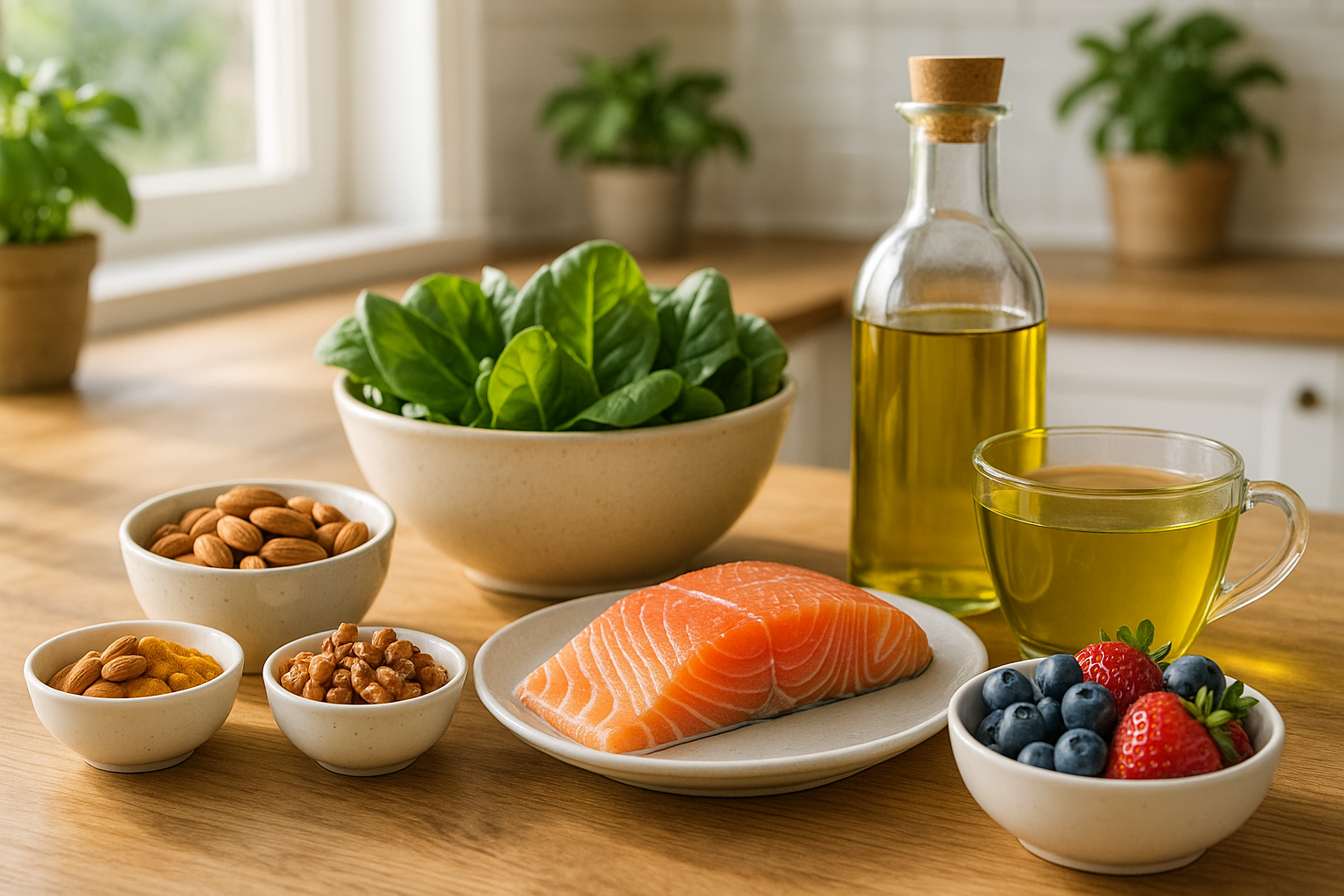
Fruits and vegetables are rich in antioxidants and phytonutrients that help counter oxidative stress and inflammation. Berries, leafy greens, broccoli, tomatoes, and citrus fruits are especially beneficial. Aim for a variety of colors to maximize nutrient intake.
2. Choose Healthy Fats
Replace saturated and trans fats with unsaturated fats. Olive oil, avocados, nuts, seeds, and fatty fish like salmon and sardines provide omega 3 fatty acids, which are associated with reduced inflammatory markers.
3. Increase Fiber Intake
Whole grains, legumes, fruits, and vegetables provide fiber that supports gut health. A healthy gut microbiome plays a key role in regulating inflammation.
4. Limit Ultra Processed Foods and Added Sugars
Highly processed foods, refined carbohydrates, sugary beverages, and processed meats are associated with increased inflammation. Reducing these foods can improve metabolic health and inflammatory balance.
5. Use Herbs and Spices
Turmeric, ginger, garlic, and cinnamon contain bioactive compounds that may support anti inflammatory pathways when used regularly in cooking.
Lifestyle Habits That Reduce Inflammation
1. Engage in Regular Physical Activity
Moderate exercise such as brisk walking, cycling, or strength training helps reduce inflammatory markers and improves immune regulation. Aim for at least 150 minutes of moderate activity per week.
2. Maintain a Healthy Weight
Excess adipose tissue, especially around the abdomen, produces inflammatory chemicals. Gradual, sustainable weight loss in overweight individuals can lower chronic inflammation.
3. Prioritize Quality Sleep
Poor sleep is linked to increased inflammatory markers. Adults should aim for 7 to 9 hours of consistent, restorative sleep each night.
4. Manage Stress
Chronic psychological stress can stimulate inflammatory pathways. Mindfulness, meditation, breathing exercises, and spending time in nature may help regulate stress responses.
5. Avoid Smoking and Limit Alcohol
Smoking promotes systemic inflammation and tissue damage. Excess alcohol intake can also increase inflammatory activity. Avoid smoking and consume alcohol in moderation if at all.
Putting It All Together
Reducing chronic inflammation naturally requires a comprehensive approach rather than a single supplement or food. A dietary pattern rich in whole plant foods, healthy fats, and lean proteins combined with regular movement, restorative sleep, stress management, and avoidance of tobacco forms the foundation of an anti inflammatory lifestyle.
Consistency matters more than perfection. Small, sustainable changes practiced daily can lead to meaningful improvements in long term health and inflammatory balance.
References

Natural Sleep Remedies That Work Without Disrupting Your Circadian Rhythm
Why Circadian Rhythm Matters
Your circadian rhythm is regulated primarily by light exposure. When it becomes misaligned due to late night screen use, irregular sleep schedules, or shift work, sleep quality declines. Natural remedies are most effective when they reinforce consistent timing and healthy light cues.
1. Morning Light Exposure
Getting 10 to 30 minutes of natural sunlight within an hour of waking helps anchor your circadian rhythm. Light signals your brain to reduce melatonin and increase alertness. According to the National Institutes of Health, consistent light exposure patterns are central to stable sleep cycles.
Tip: Step outside shortly after waking, even on cloudy days.
2. Consistent Sleep and Wake Times
Going to bed and waking up at the same time daily strengthens your internal clock. Irregular schedules can shift melatonin release and make it harder to fall asleep naturally.
Tip: Keep your wake time consistent, even on weekends.
3. Evening Light Management
Bright artificial light at night can delay melatonin production. The World Health Organization and sleep researchers emphasize limiting blue light exposure before bed.
Tips:
- Dim lights 1 to 2 hours before sleep.
- Avoid screens or use night mode settings.
- Use warm colored lamps in the evening.
4. Herbal Teas with Mild Sedative Effects
Certain herbal teas may promote relaxation without overriding your circadian rhythm.
Common options include:
- Chamomile, which may support relaxation.
- Valerian root, studied for mild sleep support.
- Lemon balm, associated with reduced anxiety.
These herbs work best as part of a wind down routine rather than as a strong sedative.
5. Magnesium for Relaxation
Magnesium plays a role in muscle relaxation and nervous system regulation. The Office of Dietary Supplements notes that magnesium is involved in hundreds of biochemical reactions, including those related to sleep.
Low magnesium levels may contribute to sleep difficulties. Speak with a healthcare provider before supplementing.
6. Gentle Movement During the Day
Regular physical activity supports deeper sleep, but timing matters. Moderate exercise earlier in the day strengthens circadian signals. Intense workouts close to bedtime may be stimulating for some individuals.
7. Relaxation Techniques Before Bed
Stress can override your natural sleep drive. Relaxation methods that work with your nervous system include:
- Slow breathing exercises
- Progressive muscle relaxation
- Guided meditation
- Journaling to clear mental clutter
These techniques activate the parasympathetic nervous system, helping your body transition naturally into sleep.
8. Melatonin Used Carefully
Melatonin is a hormone your body produces naturally in response to darkness. Supplemental melatonin may help with jet lag or circadian rhythm disorders, but timing and dosage are critical. Higher doses do not necessarily improve sleep and may cause side effects.
Consult a healthcare professional for proper guidance.
Building a Circadian Friendly Sleep Routine
The most effective natural sleep remedies that work are those that:
- Reinforce consistent light exposure
- Support relaxation instead of sedation
- Maintain stable sleep and wake times
- Avoid overstimulation at night
Improving sleep is less about knocking yourself out and more about signaling safety and consistency to your internal clock. When your circadian rhythm is aligned, falling asleep becomes a natural process rather than a struggle.
References:
Vitamin D Deficiency Symptoms and How to Restore Healthy Levels Naturally
What Is Vitamin D?
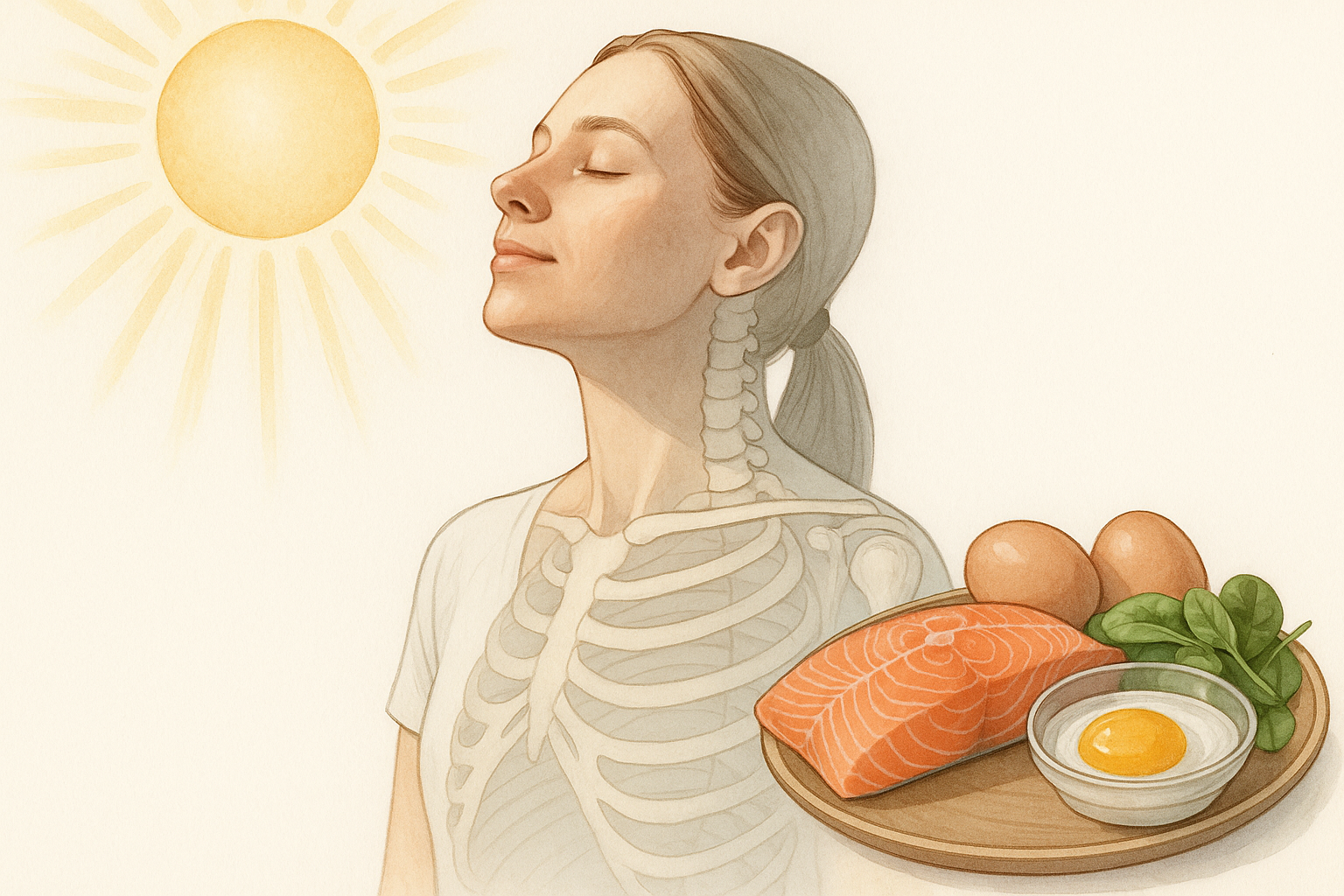
Vitamin D is a fat-soluble vitamin that functions like a hormone in the body. It helps regulate calcium and phosphorus absorption, supports bone mineralization, contributes to immune defense, and plays a role in muscle and nerve function.
Your body produces vitamin D when skin is exposed to sunlight. It can also be obtained through certain foods and supplements.
Common Vitamin D Deficiency Symptoms
Vitamin D deficiency symptoms may be mild or nonspecific at first. In more advanced cases, they can significantly affect quality of life.
1. Fatigue and Low Energy
Persistent tiredness is one of the most commonly reported symptoms of low vitamin D levels.
2. Bone Pain and Back Pain
Vitamin D is essential for calcium absorption. Deficiency may lead to bone discomfort, particularly in the lower back, hips, pelvis, or legs.
3. Muscle Weakness or Cramps
Low vitamin D can impair muscle function, increasing the risk of weakness, cramps, and falls, especially in older adults.
4. Frequent Illness or Infections
Vitamin D supports immune regulation. Deficiency has been associated with increased susceptibility to respiratory infections.
5. Mood Changes or Depression
Research suggests an association between low vitamin D levels and mood disorders, including depressive symptoms.
6. Slow Wound Healing
Delayed wound healing may occur when vitamin D levels are insufficient.
7. Hair Thinning
Severe deficiency has been linked to certain types of hair loss, though multiple factors are usually involved.
Who Is at Higher Risk?
Certain groups are more likely to develop vitamin D deficiency:
- People with limited sun exposure
- Individuals with darker skin tones
- Older adults
- People with obesity
- Those with malabsorption conditions such as celiac or Crohn disease
- Exclusively breastfed infants without supplementation
How to Restore Healthy Vitamin D Levels Naturally
1. Safe Sun Exposure
Sunlight is the most natural source of vitamin D. Short periods of midday sun exposure to arms and legs several times per week may help maintain levels. Skin type, location, season, and sunscreen use all influence production.
2. Increase Vitamin D Rich Foods
Dietary sources include:
- Fatty fish such as salmon, mackerel, and sardines
- Cod liver oil
- Egg yolks
- Fortified milk, plant milks, and cereals
Although food alone may not correct severe deficiency, it supports overall intake.
3. Consider Supplementation
If blood tests confirm deficiency, healthcare providers may recommend vitamin D3 supplements. Dosage depends on baseline levels, age, and medical history. Avoid high-dose supplementation without medical supervision.
4. Support Nutrient Balance
Vitamin D works alongside calcium and magnesium. Ensuring adequate intake of these nutrients may support healthy bone metabolism.
When to See a Healthcare Professional
Seek medical evaluation if you experience persistent fatigue, bone pain, muscle weakness, or frequent infections. A simple blood test measuring 25-hydroxyvitamin D can determine your status and guide appropriate treatment.
Key Takeaway
Vitamin D deficiency symptoms often develop gradually but can affect bones, muscles, immunity, and mood. Safe sun exposure, nutrient-rich foods, and medically guided supplementation can help restore healthy levels and reduce long-term health risks.
References
Vitamin D Deficiency Symptoms and How to Restore Optimal Levels Naturally
What Is Vitamin D and Why It Matters
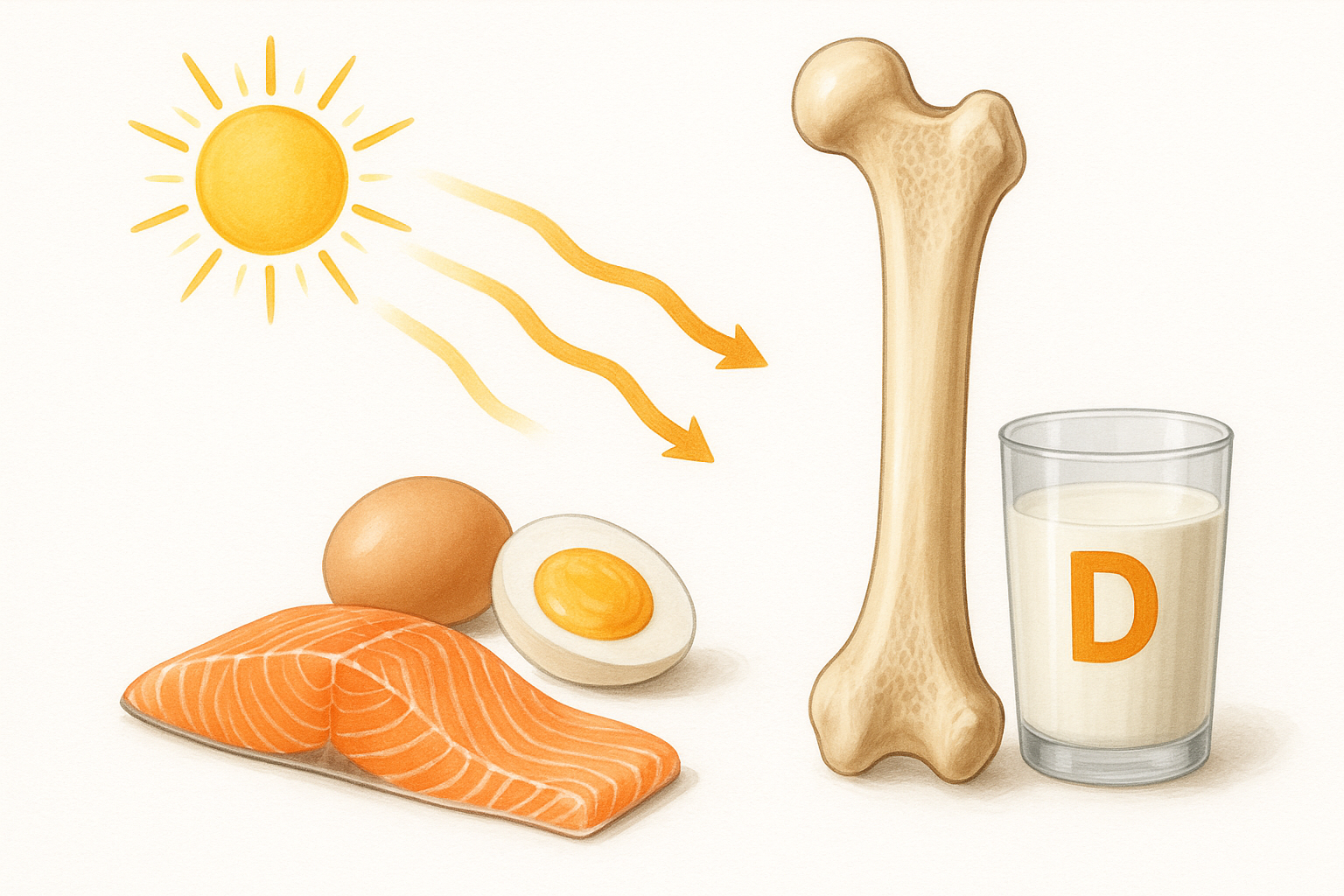
Vitamin D is a fat soluble vitamin that functions like a hormone in the body. It helps regulate calcium and phosphorus absorption, supports bone mineralization, contributes to muscle strength, and plays a key role in immune function.
Your body produces vitamin D when skin is exposed to ultraviolet B sunlight. It is also obtained from certain foods and supplements.
Common Vitamin D Deficiency Symptoms
Many people with low vitamin D levels have mild or vague symptoms. More significant deficiency can lead to noticeable health issues.
1. Fatigue and Low Energy
Persistent tiredness is one of the most commonly reported symptoms of vitamin D deficiency.
2. Bone Pain and Lower Back Pain
Vitamin D helps maintain calcium balance. Low levels may cause deep, aching bone pain, especially in the lower back, hips, pelvis, or legs.
3. Muscle Weakness or Cramps
Deficiency can impair muscle function, increasing fall risk in older adults and contributing to generalized weakness.
4. Frequent Illness or Infections
Vitamin D plays a role in immune defense. Low levels are associated with increased susceptibility to respiratory infections.
5. Mood Changes
Some research suggests an association between low vitamin D levels and mood disturbances, including symptoms of depression.
6. Hair Thinning
Severe deficiency has been linked to certain types of hair loss, although this is less common.
In children, prolonged deficiency can cause rickets, a condition characterized by soft and weak bones. In adults, it can lead to osteomalacia and contribute to osteoporosis.
Who Is at Higher Risk?
You may be at increased risk if you:
- Have limited sun exposure
- Use sunscreen consistently without adequate dietary intake
- Have darker skin pigmentation
- Are over age 65
- Have obesity
- Have digestive disorders affecting fat absorption
- Have chronic kidney or liver disease
Testing and Optimal Levels
A blood test measuring 25 hydroxyvitamin D is used to assess status.
According to the National Institutes of Health Office of Dietary Supplements:
- Levels below 20 ng per mL are generally considered deficient
- 20 to 50 ng per mL is considered sufficient for most people
Your healthcare provider can help interpret your results based on individual risk factors.
How to Restore Optimal Vitamin D Levels Naturally
1. Safe Sun Exposure
Short periods of midday sun exposure to arms and legs several times per week may help increase vitamin D production. Time needed varies based on skin tone, season, latitude, and age. Avoid sunburn.
2. Eat Vitamin D Rich Foods
Natural and fortified food sources include:
- Fatty fish such as salmon, mackerel, and sardines
- Cod liver oil
- Egg yolks
- Fortified milk and plant based beverages
- Fortified cereals
Diet alone may not fully correct deficiency but supports overall intake.
3. Consider Supplementation
Vitamin D3 supplements are commonly used when levels are low. Dosage depends on baseline levels and medical guidance. Typical maintenance doses range from 600 to 2000 IU daily, though higher short term doses may be prescribed for deficiency.
Do not exceed recommended doses without medical supervision, as excessive vitamin D can cause toxicity.
4. Support Bone Health Holistically
For optimal results:
- Ensure adequate calcium intake
- Engage in weight bearing exercise
- Maintain a healthy body weight
- Avoid smoking
When to Seek Medical Advice
Consult a healthcare professional if you experience persistent bone pain, muscle weakness, repeated fractures, or symptoms that interfere with daily life. Testing is especially important for individuals at higher risk.
Key Takeaway
Vitamin D deficiency symptoms can range from subtle fatigue to serious bone disorders. With proper testing, safe sun exposure, targeted nutrition, and appropriate supplementation, most people can restore and maintain healthy vitamin D levels naturally and safely.
References:

Can Vitamin C Help Lower Inflammation and Oxidative Stress?
Vitamin C and Inflammation
Vitamin C, also known as ascorbic acid, is a water-soluble vitamin that acts as a powerful antioxidant. Antioxidants help neutralize free radicals, unstable molecules that can damage cells and contribute to chronic inflammation and disease.
Inflammation is a natural immune response. However, long-term or chronic inflammation is linked to conditions such as heart disease, diabetes, arthritis, and certain autoimmune disorders. Reducing oxidative stress is one way to help regulate this process.
How Vitamin C Reduces Oxidative Stress
Oxidative stress occurs when there is an imbalance between free radicals and antioxidants in the body. Vitamin C helps by:
- Donating electrons to neutralize free radicals
- Regenerating other antioxidants, such as vitamin E
- Supporting normal immune cell function
- Protecting proteins, lipids, and DNA from oxidative damage
By lowering oxidative stress, vitamin C may indirectly help reduce inflammation markers in some individuals.
What Research Suggests
Clinical research shows that people with higher vitamin C levels in the blood often have lower levels of inflammatory markers such as C-reactive protein (CRP). Vitamin C deficiency, on the other hand, is associated with increased oxidative stress and impaired immune response.
Some studies suggest supplementation may help reduce inflammation in certain groups, particularly those with low baseline vitamin C levels, smokers, or individuals under high physical stress. However, vitamin C is not a cure for inflammatory diseases, and results can vary depending on overall diet and health status.
Food Sources of Vitamin C
Getting vitamin C from whole foods provides additional phytonutrients and fiber. Rich sources include:
- Citrus fruits like oranges and grapefruit
- Strawberries
- Kiwi
- Bell peppers
- Broccoli
- Brussels sprouts
- Spinach
The recommended daily intake for most adults ranges from 75 to 90 milligrams per day, with higher needs for smokers.
Should You Take a Supplement?
Many people can meet their needs through diet alone. Supplements may be considered if dietary intake is low or if a healthcare provider recommends them. Extremely high doses can cause digestive discomfort and are not proven to provide additional anti-inflammatory benefits in healthy individuals.
The Bottom Line
Vitamin C supports immune function and acts as a potent antioxidant, helping reduce oxidative stress that contributes to inflammation. While it may support a healthy inflammatory response, it works best as part of a balanced diet and overall healthy lifestyle rather than as a standalone treatment.
References:
Natural Liver Support Foods: Top Foods and Herbs That Promote Healthy Liver Detox Pathways
Why Liver Detox Pathways Matter
The liver supports two primary detoxification phases commonly referred to as Phase I and Phase II pathways. These processes transform toxins into water-soluble compounds that can be safely eliminated from the body. Proper nutrition helps supply antioxidants, sulfur compounds, amino acids, and phytonutrients required for these pathways to function efficiently.
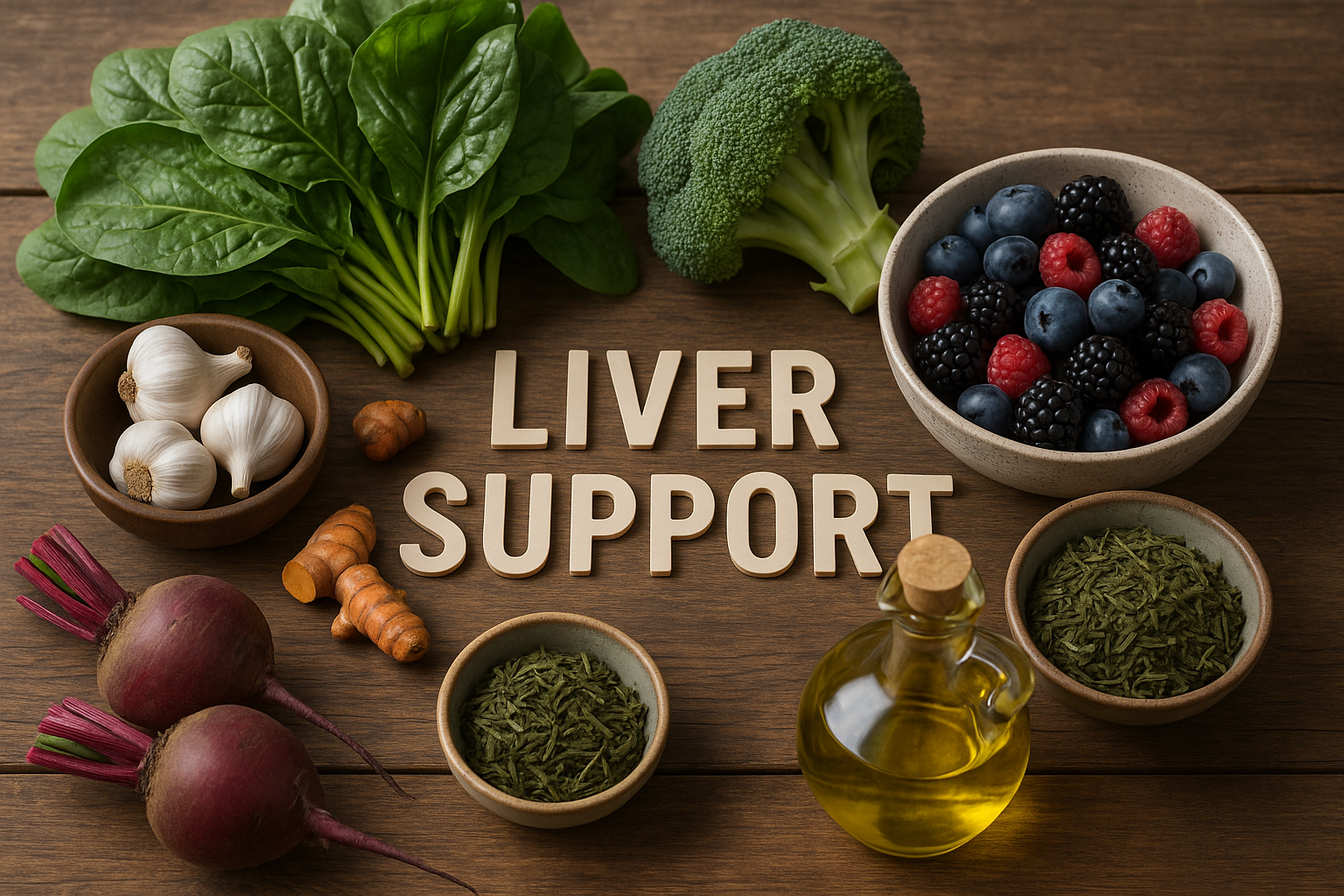
Below are top natural liver support foods and herbs supported by clinical and nutritional research.
1. Cruciferous Vegetables
Examples include broccoli, Brussels sprouts, cauliflower, kale, and cabbage.
Cruciferous vegetables contain glucosinolates, which break down into biologically active compounds that support detoxification enzymes. Research suggests these vegetables may help regulate liver enzyme activity and enhance antioxidant defenses.
How to use:
- Lightly steam or roast to preserve beneficial compounds
- Include at least one serving daily
2. Garlic
Garlic provides sulfur-containing compounds such as allicin that help support Phase II detoxification pathways. Sulfur is required for glutathione production, one of the body most important antioxidants for liver health.
How to use:
- Add freshly crushed garlic to meals
- Allow chopped garlic to sit for several minutes before cooking to activate beneficial compounds
3. Turmeric
Turmeric contains curcumin, a compound studied for its antioxidant and anti-inflammatory properties. Emerging evidence suggests curcumin may help protect liver cells from oxidative stress.
How to use:
- Add turmeric to soups, stews, and teas
- Pair with black pepper to enhance absorption
4. Green Tea
Green tea is rich in catechins, natural antioxidants that may support liver function and reduce oxidative stress. Moderate consumption has been associated with markers of improved liver health.
How to use:
- Drink one to three cups daily
- Avoid high dose green tea extracts unless supervised by a healthcare professional
5. Leafy Greens
Spinach, arugula, Swiss chard, and other leafy greens provide chlorophyll, folate, and antioxidants that support natural detoxification processes.
How to use:
- Add to smoothies
- Use as salad bases
- Lightly saute with olive oil
6. Beets
Beets contain betalains and nitrates that support antioxidant activity and healthy circulation. Some studies suggest beet compounds may help reduce oxidative stress in liver tissue.
How to use:
- Roast or steam
- Add grated raw beet to salads
7. Berries
Blueberries, strawberries, and raspberries are high in anthocyanins, powerful antioxidants that help protect cells from damage.
How to use:
- Add to yogurt or oatmeal
- Blend into smoothies
8. Extra Virgin Olive Oil
Olive oil contains healthy monounsaturated fats and polyphenols that may support metabolic health and reduce inflammation.
How to use:
- Use as primary cooking oil at moderate heat
- Drizzle over vegetables and salads
9. Milk Thistle
Milk thistle contains silymarin, an herbal compound studied for liver protective effects. Some research suggests it may help support liver cell integrity and antioxidant activity.
Important: Consult a healthcare provider before using herbal supplements.
10. Coffee
Moderate coffee consumption has been associated in multiple studies with a lower risk of certain liver conditions. Coffee contains antioxidants and bioactive compounds that may help regulate liver enzymes.
Consume in moderation and avoid excessive sugar additives.
Practical Tips for Supporting Liver Health
- Focus on whole, minimally processed foods
- Maintain a healthy body weight
- Stay physically active
- Limit alcohol intake
- Stay hydrated
The liver is highly resilient when supported with balanced nutrition and healthy lifestyle habits. Rather than extreme detox programs, consistent dietary patterns rich in plant foods and antioxidants provide sustainable liver support.
By incorporating these natural liver support foods and herbs, you can help promote healthy detox pathways and overall metabolic wellness.
References
Probiotics for Bloating: How Specific Strains Help Reduce Gas and Digestive Discomfort
How Probiotics Help With Bloating
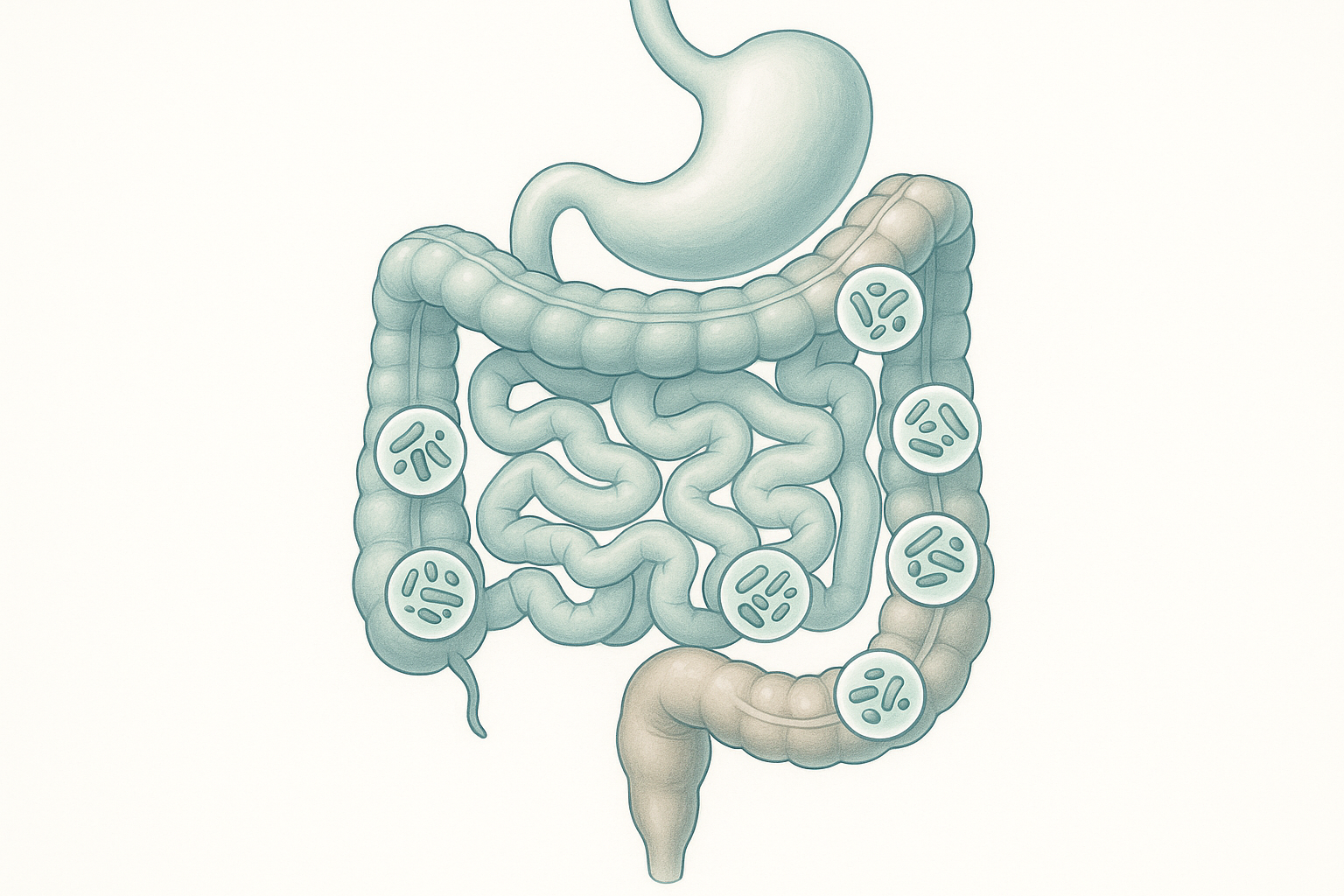
Bloating often occurs when excess gas builds up in the gastrointestinal tract or when digestion slows. An imbalance in gut bacteria can increase fermentation of carbohydrates, producing more gas and discomfort. Probiotics are live microorganisms that may help restore microbial balance and support smoother digestion.
They may reduce bloating by:
- Improving breakdown of certain carbohydrates
- Reducing gas-producing bacteria
- Enhancing gut motility
- Supporting the intestinal barrier
Specific Probiotic Strains for Bloating and Gas
Not all probiotics work the same way. Benefits are strain specific, meaning certain strains are more effective for gas and bloating than others.
Bifidobacterium infantis 35624
This strain has been studied for its role in reducing abdominal discomfort, bloating, and gas, particularly in people with irritable bowel syndrome. It may help regulate immune responses in the gut and reduce inflammation-related symptoms.
Bifidobacterium lactis
Bifidobacterium lactis may support regular bowel movements and improve stool consistency. By enhancing digestion and transit time, it can help decrease gas buildup and abdominal distension.
Lactobacillus acidophilus
Lactobacillus acidophilus helps maintain a healthy balance of gut bacteria and may improve lactose digestion. This can be especially helpful for individuals who experience bloating after consuming dairy.
Lactobacillus plantarum
Lactobacillus plantarum has been researched for reducing gas production and abdominal pain. It may help decrease fermentation of certain carbohydrates that contribute to bloating.
When Probiotics May Be Most Helpful
Probiotics for bloating may be beneficial if symptoms are linked to:
- Antibiotic use
- Mild irritable bowel symptoms
- Lactose intolerance
- Diets high in fermentable carbohydrates
Some people may notice mild temporary gas when first starting probiotics. This often improves as the gut microbiome adjusts.
Supporting Gut Health Beyond Probiotics
For best results, combine probiotics with gut friendly habits:
- Eat fiber gradually and consistently
- Stay hydrated
- Manage stress
- Limit highly processed foods
Prebiotic fibers such as inulin and fructooligosaccharides can also help nourish beneficial bacteria, though they may need to be introduced slowly to avoid worsening bloating.
The Bottom Line
Specific probiotic strains may help reduce bloating and gas by improving microbial balance, digestion, and gut motility. Because effects vary by strain and individual response, choosing evidence supported strains and allowing several weeks for results may provide the greatest benefit.
References: