
- Home
- Author's Archive:
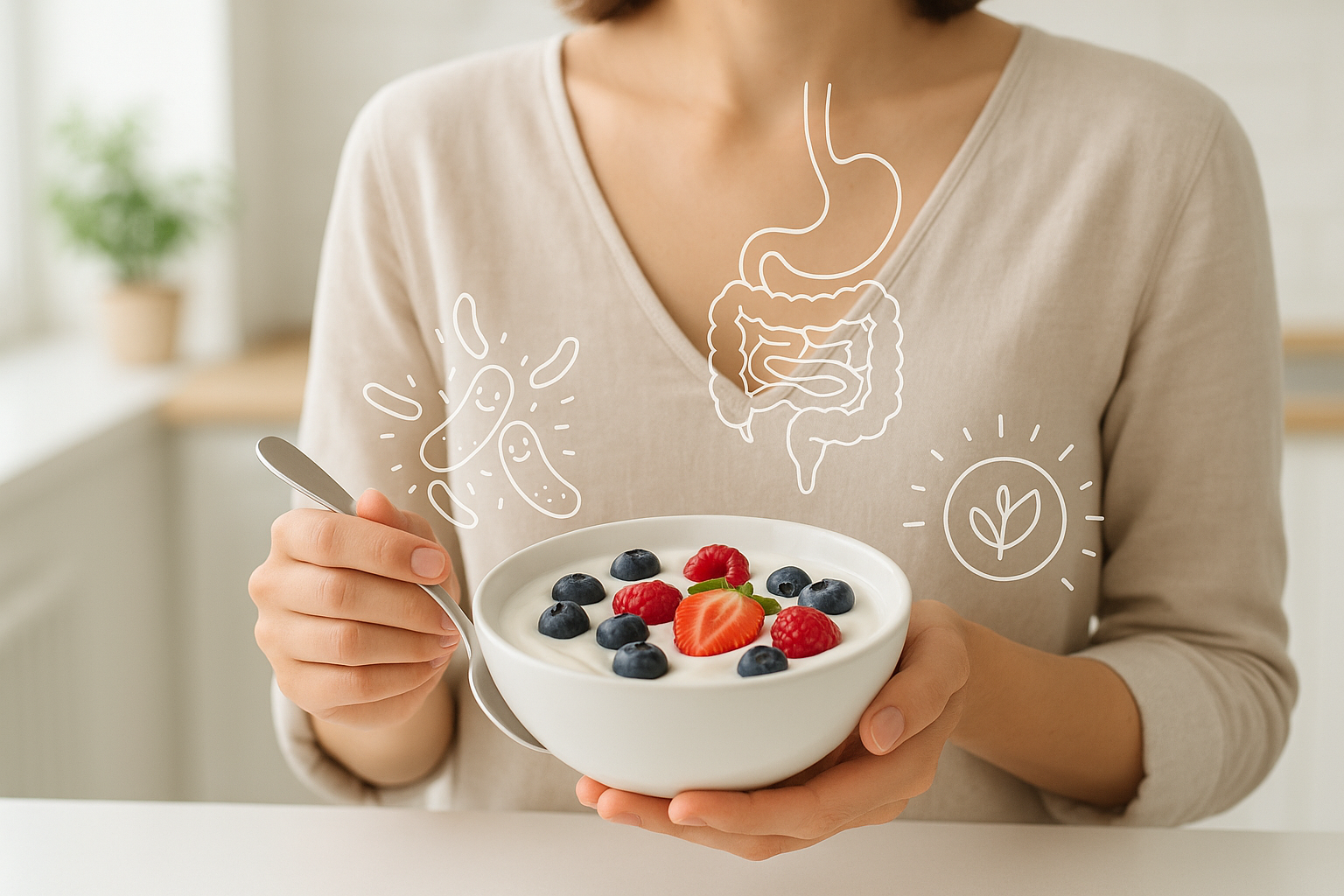
Probiotics for Bloating: How They Support a More Balanced Gut
Probiotics for Bloating: How They Help Rebalance the Gut Microbiome
Bloating is a common digestive complaint that can make the abdomen feel tight, swollen, or uncomfortably full. It may be linked to trapped gas, constipation, food intolerances, stress, changes in gut motility, or an imbalance in the gut microbiome. Probiotics are live microorganisms that may provide health benefits when consumed in adequate amounts, and they are often discussed as a supportive option for digestive comfort.
What causes bloating?
Bloating is not always caused by the same issue. For some people, it appears after eating certain carbohydrates that ferment in the gut. For others, it may be related to constipation, irritable bowel syndrome, recent antibiotic use, or a shift in the balance of bacteria living in the intestines.
The gut microbiome helps break down parts of food that human enzymes cannot fully digest. During that process, bacteria can produce gases such as hydrogen, carbon dioxide, and methane. This is normal, but excess gas production or slowed gas movement may lead to bloating.
How probiotics may help with bloating
Probiotics may reduce bloating in some people by supporting a more stable and diverse gut microbial environment. Different probiotic strains can have different effects, but several general mechanisms may be relevant.
1. Supporting microbial balance
A disrupted microbiome may allow certain gas-producing organisms to become more dominant. Probiotics may help restore balance by adding beneficial bacteria and making the gut environment less favorable for less helpful microbes.
2. Helping with digestion and fermentation
Some probiotic strains may assist in breaking down certain food components, which can influence how much fermentation happens in the colon. More efficient digestion may help reduce the amount of gas produced after meals for some individuals.
3. Supporting regular bowel movements
Constipation is a common reason for bloating. When stool moves slowly, gas can build up and abdominal pressure can increase. Some probiotic strains may support regularity, stool consistency, and gut transit time, which may help reduce the sensation of bloating.
4. Supporting the gut barrier and immune signaling
The gut lining acts as a barrier between the digestive tract and the rest of the body. Probiotics may help support this barrier and influence immune activity in the gut. A calmer gut environment may be especially helpful for people with sensitive digestion.
Choosing probiotics for bloating
Not all probiotics are the same. Benefits are strain-specific, meaning one strain may help with a certain symptom while another may not. Common probiotic groups include Lactobacillus, Bifidobacterium, and Saccharomyces boulardii. For bloating, many people look for products that include studied Lactobacillus and Bifidobacterium strains, but the best option depends on the individual.
When comparing probiotic products, consider:
- The strain names listed on the label
- The colony forming units, often shown as CFU
- Whether the product has been tested for quality
- Storage instructions, such as refrigeration or shelf stability
- Whether it contains added prebiotics, which may help some people but worsen gas in others
Food sources of probiotics
Probiotics can come from supplements, but they are also found in fermented foods. Examples include yogurt with live and active cultures, kefir, fermented vegetables, miso, tempeh, and some fermented drinks. If you are sensitive to bloating, introduce fermented foods gradually because sudden increases can temporarily increase gas.
How long do probiotics take to work for bloating?
Some people notice changes within a few days, while others may need several weeks. A reasonable trial is often 2 to 4 weeks, unless a healthcare professional recommends otherwise. If bloating worsens, causes pain, or is accompanied by concerning symptoms, stop the product and seek medical guidance.
When bloating needs medical attention
Occasional bloating is common, but persistent or severe bloating should be evaluated. Contact a healthcare professional if bloating comes with unexplained weight loss, blood in the stool, persistent vomiting, fever, severe abdominal pain, new symptoms after age 50, or major changes in bowel habits.
Bottom line
Probiotics may help reduce bloating for some people by supporting gut microbiome balance, regular bowel movements, digestion, and a healthier intestinal environment. Results vary by person and strain, so it is best to start slowly, track symptoms, and choose reputable products. For ongoing or severe bloating, professional evaluation can help identify the underlying cause and guide the safest approach.
References
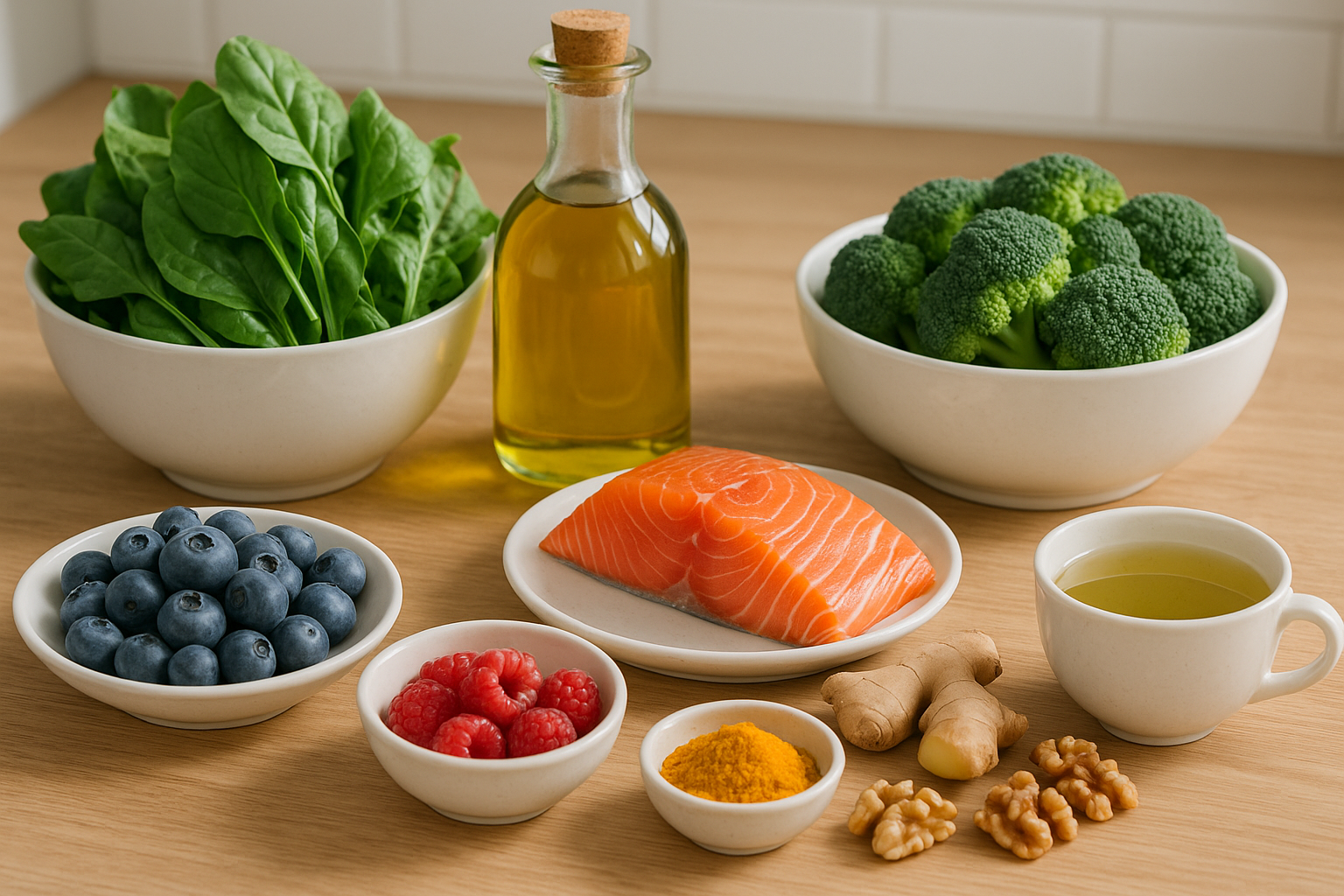
Natural Remedies for Inflammation Backed by Nutritional Science
Natural Remedies for Inflammation Backed by Nutritional Science
Inflammation is not always bad. Acute inflammation helps the body respond to infection, injury, and irritation. The concern is persistent, low-grade inflammation, which is associated with patterns seen in conditions such as cardiovascular disease, metabolic syndrome, arthritis, and some digestive disorders.
Natural remedies for inflammation work best when they are viewed as supportive strategies rather than quick cures. The strongest evidence generally supports overall dietary patterns, consistent movement, adequate sleep, and targeted nutrient intake when appropriate.
1. Build meals around an anti-inflammatory eating pattern
The most evidence-informed approach is not a single superfood. It is a pattern rich in minimally processed plant foods, healthy fats, and high-quality protein.
A practical anti-inflammatory plate includes:
- Vegetables, especially leafy greens, cruciferous vegetables, peppers, tomatoes, onions, and mushrooms
- Fruits, especially berries, cherries, citrus, apples, and pomegranate
- Legumes such as lentils, chickpeas, black beans, and soy foods
- Whole grains such as oats, barley, quinoa, brown rice, and whole wheat
- Nuts and seeds such as walnuts, almonds, chia seeds, flaxseed, and pumpkin seeds
- Extra virgin olive oil as a primary fat
- Fatty fish such as salmon, sardines, trout, anchovies, and mackerel
- Herbs and spices such as turmeric, ginger, garlic, cinnamon, rosemary, and oregano
This type of eating pattern provides fiber, polyphenols, carotenoids, magnesium, omega-3 fats, and other compounds that help regulate oxidative stress and inflammatory signaling.
2. Increase omega-3 fatty acids from fish and plant sources
Omega-3 fatty acids are among the best-studied nutrients for inflammation. EPA and DHA, found mainly in fatty fish and fish oil, are involved in the production of compounds that help resolve inflammation.
Good food sources include:
- Salmon
- Sardines
- Mackerel
- Anchovies
- Trout
- Herring
Plant sources such as chia seeds, flaxseed, hemp seeds, and walnuts provide ALA, a plant omega-3. ALA is beneficial, but conversion to EPA and DHA is limited, so fatty fish or algae-based omega-3 may be useful for some people.
Supplement caution: Omega-3 supplements can interact with blood-thinning medications and may not be appropriate before surgery or at high doses without medical supervision.
3. Use extra virgin olive oil as a primary cooking fat
Extra virgin olive oil is rich in monounsaturated fat and polyphenols. It is a core feature of Mediterranean-style diets, which are linked with improved cardiometabolic and inflammatory markers in many studies.
How to use it:
- Drizzle over cooked vegetables
- Use in salad dressings
- Add to beans, lentils, and whole grains
- Use for low-to-moderate heat cooking
Choose extra virgin olive oil in dark glass bottles when possible, and store it away from heat and light.
4. Eat more fiber to support the gut-immune connection
The gut microbiome plays an important role in immune regulation. Dietary fiber feeds beneficial gut bacteria, which produce short-chain fatty acids such as butyrate. These compounds help maintain the gut barrier and influence inflammatory pathways.
Fiber-rich foods include:
- Beans and lentils
- Oats and barley
- Vegetables
- Fruits with skin
- Ground flaxseed and chia seeds
- Nuts and seeds
Increase fiber gradually and drink enough water to reduce bloating or digestive discomfort.
5. Add turmeric and ginger, but use them realistically
Turmeric contains curcumin, a compound studied for its effects on inflammatory signaling. Ginger contains gingerols and related compounds that may also support a healthy inflammatory response.
Practical ways to use them:
- Add turmeric to soups, lentils, rice, roasted vegetables, and smoothies
- Pair turmeric with black pepper and a fat source to improve absorption
- Use fresh ginger in tea, stir-fries, soups, and dressings
- Add ginger to oatmeal or smoothies
Food-level use is generally safe for many people, but concentrated turmeric or curcumin supplements may interact with medications and may not be appropriate for people with gallbladder disease, bleeding risk, or certain medical conditions.
6. Prioritize colorful polyphenol-rich foods
Polyphenols are plant compounds that help protect cells from oxidative stress and may influence inflammatory pathways.
High-polyphenol choices include:
- Blueberries, raspberries, strawberries, and blackberries
- Cherries
- Cocoa and dark chocolate with high cocoa content
- Green tea
- Coffee
- Pomegranate
- Red grapes
- Herbs and spices
A simple goal is to eat at least three different colors of plant foods daily.
7. Reduce ultra-processed foods and excess added sugar
Natural remedies are more effective when they replace habits that may worsen inflammatory balance. Diets high in ultra-processed foods, refined carbohydrates, sugary drinks, and low-quality fats can contribute to excess calorie intake, blood sugar swings, and oxidative stress.
Limit or reduce:
- Sugary drinks
- Candy and pastries
- Refined snack foods
- Processed meats
- Deep-fried fast foods
- Large amounts of refined grains
Instead of aiming for perfection, focus on consistent upgrades: water instead of soda, fruit instead of candy, roasted potatoes instead of fries, and nuts instead of refined snack foods.
8. Support vitamin D status if you are low
Vitamin D plays an important role in immune function. Low vitamin D status is common in many regions, especially where sun exposure is limited. However, more is not always better, and vitamin D supplements should be based on need.
Food sources include:
- Fatty fish
- Egg yolks
- Fortified milk or plant milk
- Fortified cereals
Ask a healthcare provider whether testing or supplementation is appropriate, especially if you have limited sun exposure, darker skin, osteoporosis risk, malabsorption, or certain chronic conditions.
9. Consider magnesium-rich foods
Magnesium is involved in hundreds of biochemical reactions, including energy metabolism, muscle function, glucose regulation, and immune function. Many magnesium-rich foods are also high in fiber and antioxidants.
Good sources include:
- Pumpkin seeds
- Almonds and cashews
- Spinach
- Black beans
- Edamame
- Oats
- Dark chocolate
Food sources are preferred for most people. Magnesium supplements can cause diarrhea and may interact with some medications, including certain antibiotics and osteoporosis medications.
10. Combine nutrition with sleep, movement, and stress regulation
Inflammation is influenced by more than diet. Poor sleep, chronic stress, smoking, excess alcohol, and prolonged inactivity can all affect inflammatory markers.
Evidence-informed lifestyle supports include:
- Aim for consistent, sufficient sleep
- Walk most days or accumulate regular moderate activity
- Add resistance training two or more days weekly if appropriate
- Practice stress reduction such as breathing, meditation, prayer, yoga, or time outdoors
- Avoid smoking and limit alcohol
Even small changes can matter. A 10-minute walk after meals, a regular bedtime, or replacing one ultra-processed snack daily can be a meaningful starting point.
A simple anti-inflammatory day of eating
Breakfast: Oatmeal with blueberries, ground flaxseed, walnuts, and cinnamon.
Lunch: Lentil and vegetable soup with extra virgin olive oil and a side salad.
Snack: Plain yogurt or unsweetened kefir with berries, or hummus with vegetables.
Dinner: Salmon or tofu with roasted broccoli, quinoa, turmeric, ginger, garlic, and olive oil.
Drink: Water, green tea, or unsweetened herbal tea.
When to seek medical care
Natural remedies should not be used to ignore serious symptoms. Contact a healthcare professional if inflammation is associated with persistent pain, swelling, fever, unexplained weight loss, blood in stool, chest pain, severe fatigue, autoimmune symptoms, or symptoms that interfere with daily life.
Bottom line
The best natural remedies for inflammation are not isolated hacks. They are consistent, evidence-informed habits: eat a colorful, fiber-rich diet; include omega-3 fats; use extra virgin olive oil; add herbs and spices; reduce ultra-processed foods; and support sleep, movement, and stress recovery. For supplements or chronic conditions, personalize the plan with a qualified healthcare provider.
References
NIH Office of Dietary Supplements: Omega-3 Fatty Acids
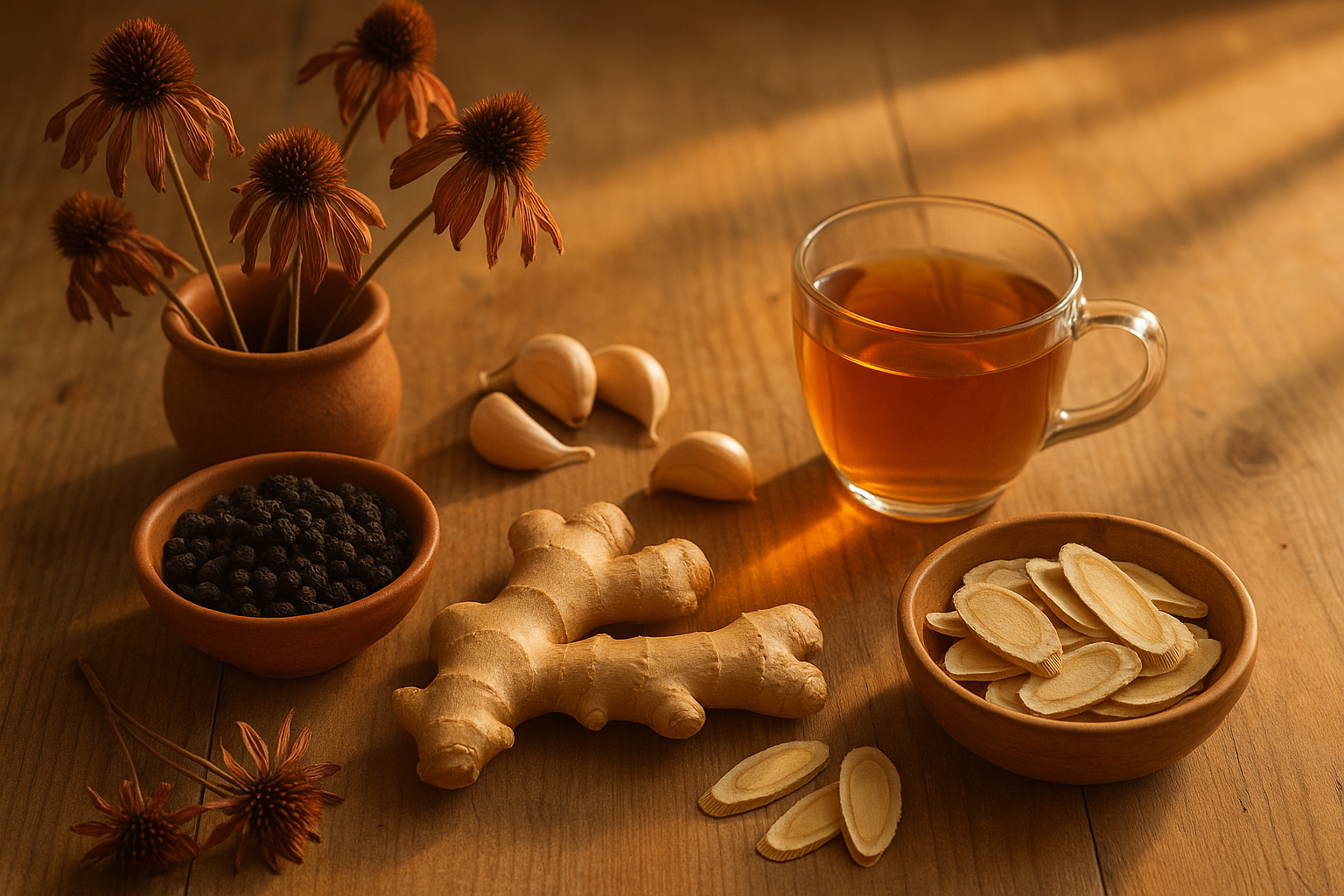
Traditional Herbs for Immune Support During Seasonal Changes
Traditional Herbs for Immune Support During Seasonal Changes
Seasonal transitions often bring shifts in temperature, daylight, schedules, and indoor exposure. These changes can affect how people feel and may increase interest in natural remedies. Herbs for immune support are commonly used in traditional wellness systems, but they work best as part of a broader routine that includes nutritious food, adequate sleep, physical activity, hydration, and good hygiene.
What immune support means
Immune support does not mean preventing every illness or replacing medical care. A practical goal is to support normal immune function through consistent daily habits. Herbs may offer antioxidant, soothing, or traditionally valued wellness properties, but evidence varies by herb, preparation, dose, and individual health status.
Common traditional herbs for immune support
Echinacea
Echinacea is one of the best-known herbs associated with seasonal immune support. It has traditionally been used at the first signs of seasonal discomfort. Research is mixed, and effects may depend on the species, plant part, and product quality. People with allergies to ragweed, daisies, or related plants should use caution.
Elderberry
Elderberry is often used in syrups, lozenges, and teas during colder months. It is valued in traditional remedies for seasonal wellness. Raw or improperly prepared elderberries, leaves, stems, and bark can be unsafe, so choose reputable prepared products and follow label directions.
Garlic
Garlic has a long history in food and traditional medicine. It contains sulfur compounds that have been studied for potential roles in cardiovascular and immune-related health. Supplemental garlic can increase bleeding risk and may interact with blood thinners or surgery plans, so medical guidance is important for higher-dose use.
Ginger
Ginger is commonly used as a warming herb during seasonal changes. It may help support comfort, digestion, and general wellness. Ginger tea with lemon is a simple traditional preparation. People taking blood-thinning medications or managing gallbladder concerns should ask a clinician before using concentrated ginger supplements.
Astragalus
Astragalus is used in traditional Chinese wellness practices, often as a tonic herb. It is commonly taken as tea, capsules, or extracts. Because astragalus may affect immune activity, people with autoimmune conditions, organ transplants, or immune-suppressing medications should avoid it unless supervised by a healthcare professional.
Simple ways to use herbs safely
Start with culinary amounts when possible, such as garlic in meals or ginger tea. Choose products from reputable brands that provide testing information. Avoid combining many supplements at once, since this makes side effects and interactions harder to identify. Follow label directions and stop use if a rash, digestive upset, breathing symptoms, dizziness, or other concerning reactions occur.
Who should be extra cautious
Herbal products may not be appropriate for everyone. Extra caution is recommended for children, older adults, pregnant or breastfeeding people, those with liver or kidney disease, people with autoimmune disorders, and anyone taking prescription medications. If symptoms are severe, persistent, or worsening, seek medical care rather than relying on herbs alone.
Bottom line
Traditional herbs for immune support during seasonal changes can be a thoughtful addition to a healthy lifestyle, but they are not a substitute for medical care or proven prevention strategies. Echinacea, elderberry, garlic, ginger, and astragalus each have traditional uses and specific safety considerations. The safest approach is to use high-quality products, keep expectations realistic, and ask a healthcare professional about personal risks and interactions.
References

How Quality Sleep Helps Strengthen Natural Immune Defenses
How Quality Sleep Helps Strengthen Natural Immune Defenses
Sleep and immune system health are closely connected. During sleep, the body does far more than rest. It regulates immune signaling, supports tissue repair, balances stress hormones, and helps immune cells respond appropriately to threats.
Getting enough high-quality sleep will not make the immune system invincible. However, poor sleep can make it harder for the body to maintain normal immune defenses, recover from everyday stress, and respond effectively when challenged by infections or vaccines.
Why sleep matters for immune function
The immune system depends on timing, communication, and balance. It must identify potential threats, activate a response, control inflammation, and then return to a steady state. Sleep supports each of these steps.
During healthy sleep, the body helps regulate cytokines, which are signaling proteins involved in immune activity and inflammation. Some cytokines increase during infection or inflammation, and sleep appears to help coordinate these protective responses. At the same time, adequate sleep supports immune memory, which helps the body recognize and respond to pathogens it has encountered before.
Sleep supports immune cell activity
Immune cells such as T cells, natural killer cells, and other white blood cells play important roles in identifying abnormal or infected cells. Sleep affects the environment these cells work in by influencing hormones, inflammation, and nervous system activity.
When sleep is restricted, the body may show higher levels of stress signaling and inflammatory activity. Over time, this can interfere with healthy immune regulation. In contrast, consistent sleep gives the immune system a more stable foundation for normal surveillance and response.
Sleep may improve vaccine response
A strong immune response depends partly on the body’s ability to create immune memory. Research has linked insufficient sleep with weaker antibody responses after certain vaccinations. This does not mean sleep replaces vaccines or medical prevention, but it does suggest that being well rested may help the body mount a more effective response.
If you are preparing for vaccination, prioritizing sleep in the days before and after may be a practical way to support your body’s normal immune processes.
Poor sleep can increase inflammation
Inflammation is a normal part of immune defense, but it needs to be well controlled. Chronic sleep loss, irregular sleep timing, and fragmented sleep are associated with increased inflammatory markers in some studies.
This matters because long-term inflammation is linked with many health concerns, including metabolic and cardiovascular problems. For immune health, the goal is not to eliminate inflammation entirely. The goal is to support a balanced response that activates when needed and calms down when the threat has passed.
How much sleep supports immunity?
Most adults need at least 7 hours of sleep per night. Some people feel and function best with 8 to 9 hours. Children and teenagers generally need more.
Sleep duration is important, but quality matters too. Seven hours of broken, restless sleep may not provide the same recovery as seven hours of consolidated, restorative sleep. Signs of better sleep quality include falling asleep without prolonged difficulty, staying asleep most of the night, waking reasonably refreshed, and maintaining steady daytime energy.
The role of circadian rhythm
The circadian rhythm is the body’s internal timing system. It helps regulate sleep, hormones, body temperature, digestion, and immune activity. When sleep schedules shift dramatically, the immune system may receive mixed signals.
Common circadian disruptors include late-night bright light, inconsistent bedtimes, overnight shift work, jet lag, and irregular meal timing. Keeping a consistent sleep-wake schedule, getting morning light, and dimming lights in the evening can help reinforce healthier sleep timing.
Practical sleep habits that support natural defenses
Start with consistency. Going to bed and waking up at similar times helps train the body to expect sleep. Keep the bedroom cool, dark, and quiet. Limit caffeine later in the day, since it can remain active for hours. Avoid heavy meals and excess alcohol close to bedtime, as both can fragment sleep.
Create a wind-down routine that signals safety and rest. This might include reading, stretching, breathing exercises, a warm shower, or quiet music. Keep phones and bright screens away from the final part of the evening when possible, or use strong light reduction settings.
Physical activity also helps. Regular movement can improve sleep quality and immune health, but intense exercise too close to bedtime may be stimulating for some people.
When sleep problems need medical attention
Occasional poor sleep is common. But ongoing insomnia, loud snoring, gasping during sleep, restless legs, extreme daytime sleepiness, or repeatedly waking unrefreshed may point to a sleep disorder. Conditions such as sleep apnea can reduce sleep quality even when a person spends enough hours in bed.
Seek professional guidance if sleep problems last more than a few weeks, interfere with daily life, or occur alongside mood changes, frequent illness, or significant fatigue.
Bottom line
Quality sleep helps strengthen natural immune defenses by supporting immune signaling, inflammation control, cellular repair, and immune memory. It is not a quick cure or a replacement for medical care, vaccination, hygiene, nutrition, or exercise. But as a daily foundation for health, sleep is one of the most powerful and accessible tools for helping the immune system do its job.
References
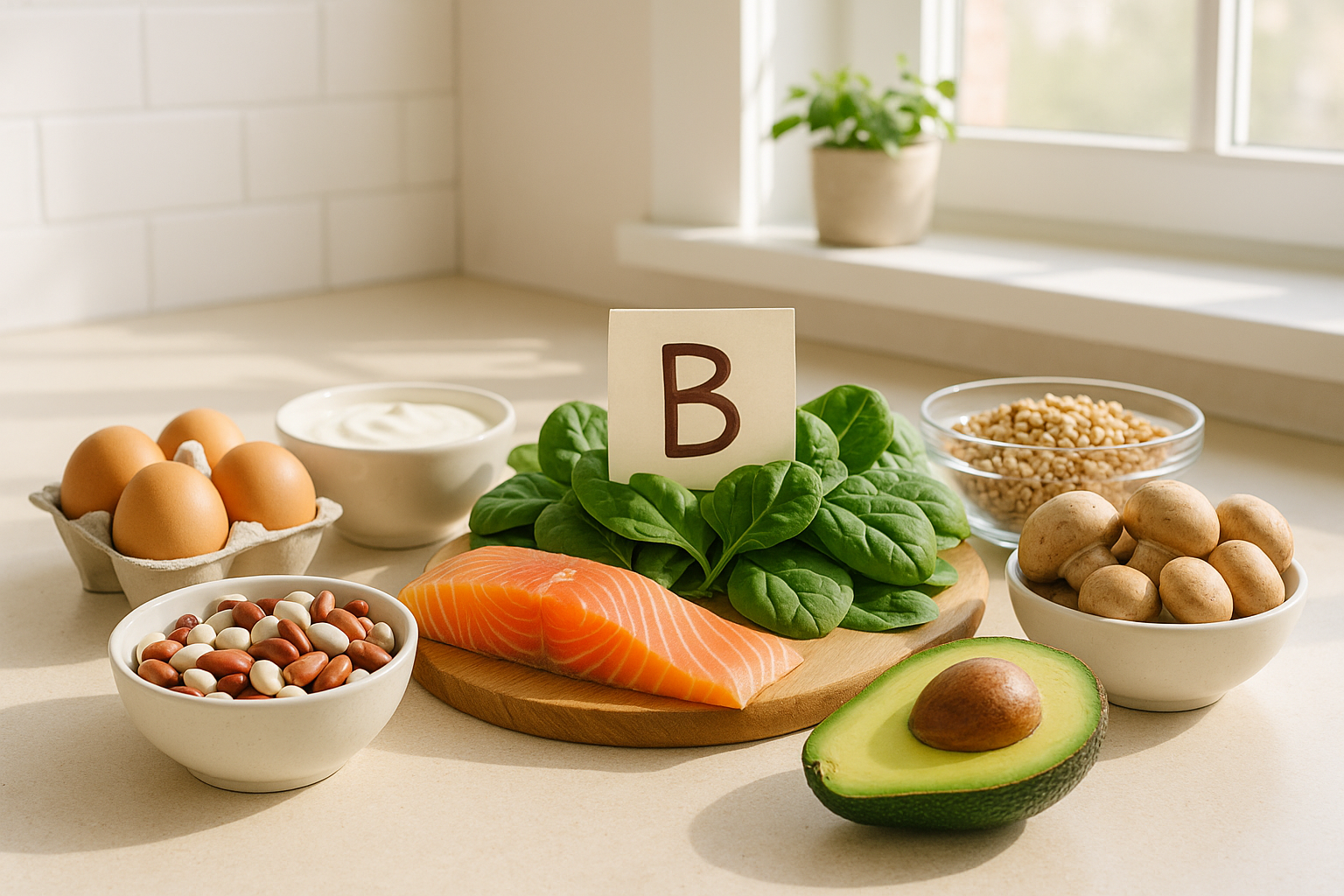
Common B Vitamin Deficiency Symptoms and Nutrient Rich Foods to Consider
Common B Vitamin Deficiency Symptoms and Nutrient Rich Foods to Consider
B vitamins are a group of water soluble nutrients that support energy metabolism, brain and nerve function, red blood cell formation, skin health, and many other processes. Since the body does not store large amounts of most B vitamins, regular intake from food is important.
The term B vitamin deficiency can refer to low levels of one or more nutrients, including thiamin (B1), riboflavin (B2), niacin (B3), pantothenic acid (B5), vitamin B6, biotin (B7), folate (B9), and vitamin B12. Symptoms can overlap, so testing and medical evaluation are often needed to identify the specific deficiency.
Common B Vitamin Deficiency Symptoms
Possible symptoms of low B vitamins may include fatigue, weakness, poor appetite, mood changes, irritability, trouble concentrating, numbness or tingling in the hands and feet, mouth sores, cracked lips, skin changes, anemia, shortness of breath, dizziness, and changes in balance or coordination.
Some symptoms are more strongly associated with certain B vitamins. For example, vitamin B12 deficiency may cause numbness, tingling, memory changes, balance problems, and megaloblastic anemia. Folate deficiency can also contribute to megaloblastic anemia and is especially important before and during pregnancy. Thiamin deficiency can affect the nervous system and heart, while niacin deficiency can cause a condition known as pellagra, which may involve dermatitis, diarrhea, and cognitive changes.
Who May Be at Higher Risk
People who may be more likely to develop low B vitamin levels include older adults, people who avoid animal products, individuals with alcohol use disorder, people with digestive conditions that affect absorption, those who have had bariatric surgery, pregnant or breastfeeding people, and individuals taking certain medications. Vitamin B12 deficiency risk is higher in people with reduced stomach acid or conditions that affect intrinsic factor, which is needed for B12 absorption.
Nutrient Rich Foods to Consider
A varied diet can help provide the full range of B vitamins. Good options include whole grains, legumes, nuts, seeds, eggs, dairy products, fish, poultry, meat, leafy greens, mushrooms, avocado, and fortified foods.
For thiamin (B1), consider whole grains, fortified cereals, pork, beans, lentils, nuts, and seeds. For riboflavin (B2), foods include milk, yogurt, eggs, lean meats, almonds, and mushrooms. For niacin (B3), consider poultry, fish, peanuts, legumes, brown rice, and fortified grains. Pantothenic acid (B5) is found in many foods, including chicken, beef, potatoes, oats, yogurt, mushrooms, and avocado.
Vitamin B6 is found in chickpeas, fish, poultry, potatoes, bananas, and fortified cereals. Biotin (B7) is present in eggs, salmon, pork, sunflower seeds, sweet potatoes, and nuts. Folate (B9) is found in spinach, romaine lettuce, asparagus, Brussels sprouts, beans, peas, citrus fruits, and fortified grains. Vitamin B12 is naturally found in animal foods such as fish, meat, poultry, eggs, and dairy, and may also be available in fortified plant based foods.
When to Seek Medical Advice
Consider speaking with a healthcare professional if you have ongoing fatigue, numbness or tingling, unexplained anemia, mouth sores, balance problems, memory changes, significant dietary restrictions, or digestive issues that may affect absorption. A clinician may recommend blood tests and can help determine whether dietary changes or supplementation is appropriate.
Key Takeaway
B vitamin deficiency symptoms can be subtle at first and may overlap with other health conditions. Eating a variety of nutrient rich foods can help support adequate intake, but persistent symptoms should be evaluated by a healthcare professional.
References
NIH Office of Dietary Supplements: Vitamin B12
Best Foods for Natural Liver Support and Daily Detox Pathways
Best Foods for Natural Liver Support and Daily Detox Pathways
Your liver is one of the body’s most active metabolic organs. It processes nutrients, helps regulate blood sugar and cholesterol, produces bile, stores certain vitamins and minerals, and breaks down substances your body needs to remove. Because of this, the most effective nutrition strategy is not an extreme cleanse. It is a consistent pattern of liver support foods that reduces metabolic stress and supplies the nutrients used in normal detoxification pathways.
What liver detox really means
The liver detoxifies through complex enzyme systems and bile production. These processes require amino acids from protein, antioxidants from plant foods, adequate hydration, and micronutrients such as choline, folate, vitamin C, magnesium, and selenium. No single food can detox the liver by itself. However, an overall dietary pattern rich in whole foods can support normal liver function and help reduce risk factors associated with fatty liver and metabolic disease.
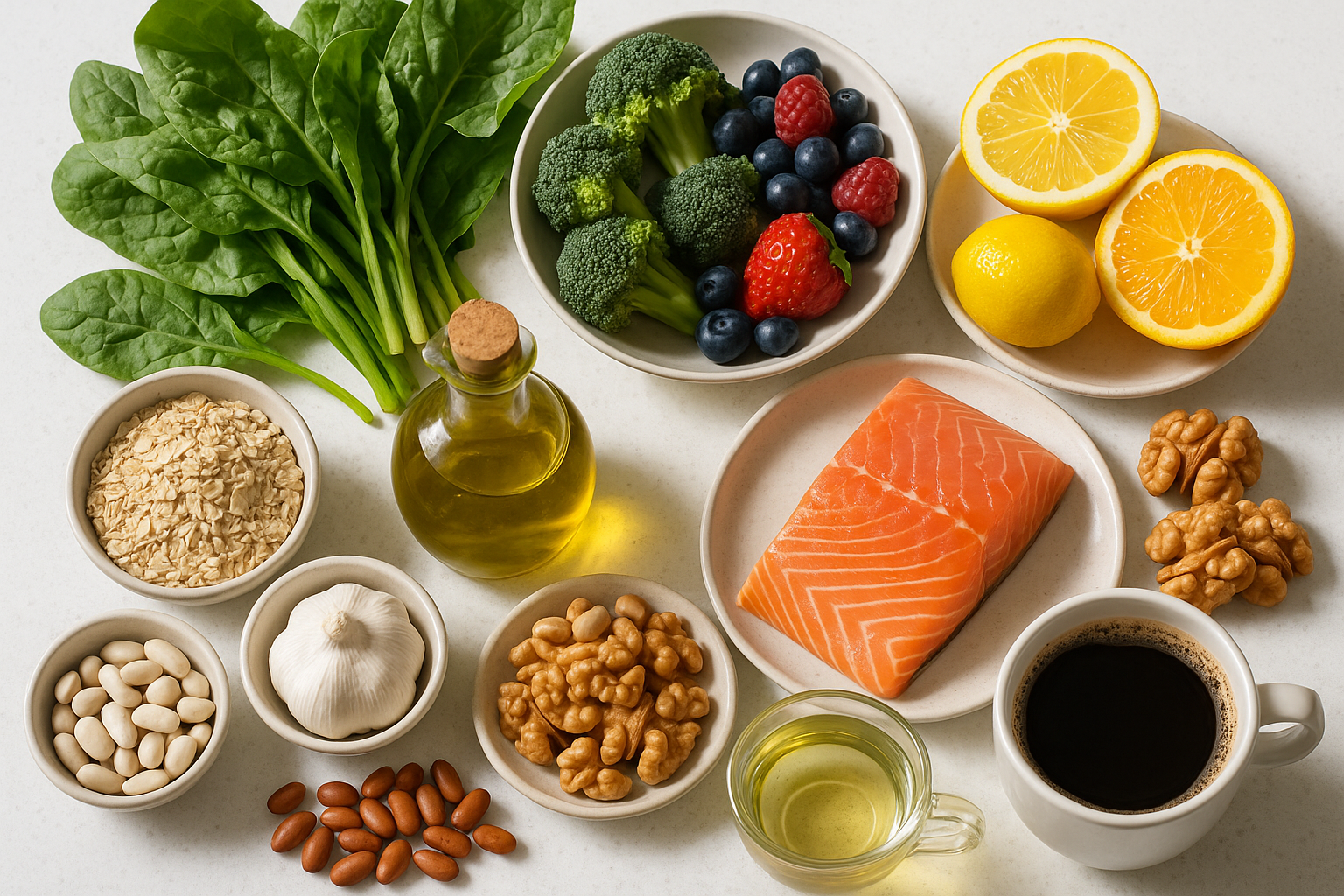
Best liver support foods
1. Cruciferous vegetables
Broccoli, cauliflower, Brussels sprouts, cabbage, bok choy, arugula, and kale are among the most useful liver support foods. They provide fiber, vitamin C, folate, and sulfur-containing compounds that are involved in normal cellular defense systems. Aim for several servings per week, cooked or raw, depending on digestive tolerance.
2. Leafy greens
Spinach, Swiss chard, romaine, collards, watercress, and parsley provide magnesium, folate, potassium, carotenoids, and fiber. These nutrients support metabolic health and help build meals that are lower in excess calories but high in micronutrients. Pair greens with olive oil, avocado, eggs, beans, or fish to make them more satisfying.
3. Berries and deeply colored fruits
Blueberries, blackberries, raspberries, strawberries, pomegranate, cherries, and citrus fruits supply polyphenols and vitamin C. These compounds help protect cells from oxidative stress. Choose whole fruit more often than juice because whole fruit contains fiber and has a gentler effect on blood sugar.
4. Beans, lentils, and other high-fiber foods
Fiber supports healthy digestion, cholesterol metabolism, and blood sugar control, all of which matter for liver health. Beans, lentils, chickpeas, oats, barley, chia seeds, flaxseed, vegetables, and whole grains are practical daily choices. If you are not used to eating much fiber, increase gradually and drink enough water.
5. Coffee
Regular coffee consumption has been associated in research with better liver-related outcomes in some populations. Unsweetened coffee is the best choice. Heavy sugar, flavored syrups, and high-fat add-ins can work against metabolic health. People who are pregnant, sensitive to caffeine, have anxiety, or have certain heart rhythm issues should ask a clinician about safe caffeine intake.
6. Healthy fats
Extra-virgin olive oil, avocado, nuts, seeds, and fatty fish such as salmon, sardines, trout, and mackerel provide unsaturated fats that support heart and metabolic health. Replacing fried foods, processed meats, and excess saturated fat with these options may reduce strain on the liver over time.
7. Protein-rich whole foods
The liver uses amino acids for repair, enzyme production, and normal detoxification processes. Good options include fish, poultry, eggs, Greek yogurt, tofu, tempeh, beans, lentils, and lean meats. People with advanced liver disease may need individualized protein guidance from a clinician or dietitian.
8. Garlic, onions, herbs, and spices
Garlic, onions, leeks, turmeric, ginger, rosemary, cilantro, parsley, and other herbs add flavor while helping reduce reliance on salt, sugar, and heavy sauces. They also contribute plant compounds that support an overall anti-inflammatory eating pattern.
9. Green tea
Green tea provides polyphenols and can be a useful replacement for sugar-sweetened drinks. However, concentrated green tea extract supplements have been linked to liver injury in some cases. Drinking brewed green tea is different from taking high-dose extracts.
Foods and habits that work against liver support
For daily liver support, it is just as important to limit what creates extra metabolic burden. Reduce or avoid alcohol, sugar-sweetened beverages, frequent fried foods, ultra-processed snacks, excess added sugar, and large portions of refined carbohydrates. If you have liver disease, ask your healthcare professional whether complete alcohol avoidance is recommended, as it often is.
A simple liver-support plate
Build meals around half a plate of vegetables, one quarter protein, and one quarter high-fiber carbohydrates such as beans, lentils, oats, sweet potatoes, quinoa, or brown rice. Add a small amount of healthy fat such as olive oil, avocado, nuts, or seeds. This pattern is more sustainable and evidence-aligned than short detox programs.
Practical daily checklist
Eat at least one cruciferous vegetable most days if tolerated. Include a high-fiber food at breakfast, such as oats, berries, chia, or whole-grain toast. Replace sweetened drinks with water, unsweetened coffee, or tea. Use olive oil instead of butter or creamy dressings most of the time. Include protein at each meal. Limit alcohol and avoid unnecessary supplements unless recommended by a clinician.
Bottom line
The best liver support foods are simple whole foods eaten consistently: vegetables, berries, beans, oats, nuts, seeds, olive oil, fish, coffee, tea, and quality protein. These foods do not force a cleanse, but they support the liver’s normal daily detox pathways by improving nutrient intake, fiber intake, antioxidant status, and metabolic health.
References
NIH Office of Dietary Supplements: Choline
Why Zinc Matters for Immune Health and How to Get Enough Naturally
Why Zinc Matters for Immune Health and How to Get Enough Naturally
Zinc is a trace mineral, which means your body needs it in small amounts, but those amounts matter. It plays a key role in immune defense, skin integrity, wound healing, DNA synthesis, and normal growth and development.
For immune health, zinc is especially important because it helps immune cells develop and communicate. It also supports the physical barriers that help keep unwanted microbes out, including the skin and mucous membranes.
How zinc supports the immune system
Zinc contributes to immune health in several ways:
- Helps immune cells function properly, including T cells and other white blood cells
- Supports normal inflammatory responses
- Helps maintain skin and tissue barriers
- Plays a role in wound healing
- Supports antioxidant defenses that help protect cells from oxidative stress
Low zinc intake can weaken immune function and may make it harder for the body to respond normally to infections.
How much zinc do adults need?
Recommended zinc needs vary by age, sex, pregnancy, and breastfeeding status. For many adults, daily needs are about 8 mg for women and 11 mg for men. Pregnancy and breastfeeding increase zinc needs.
Zinc is important, but more is not always better. Regularly taking high-dose zinc can cause side effects and may interfere with copper absorption. The adult tolerable upper intake level is 40 mg per day from food and supplements combined unless a healthcare professional recommends otherwise.
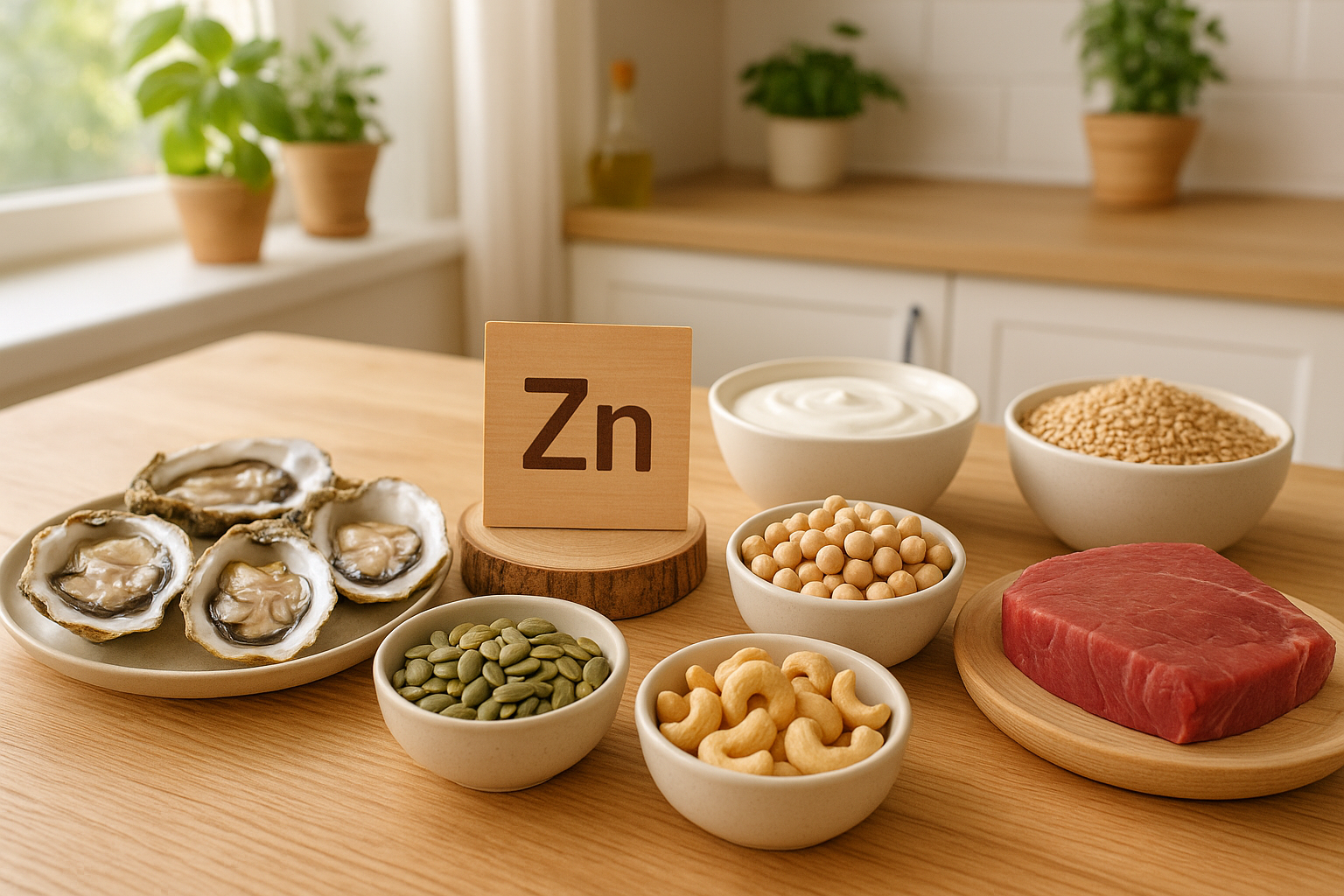
Best natural food sources of zinc
The best way to get zinc is through a balanced diet. Zinc from animal foods is often more easily absorbed, but plant foods can still contribute meaningfully.
Good zinc-rich foods include:
- Oysters and other shellfish
- Beef, pork, and poultry
- Crab and lobster
- Yogurt, milk, and cheese
- Eggs
- Pumpkin seeds, sesame seeds, and hemp seeds
- Cashews, almonds, and peanuts
- Chickpeas, lentils, and beans
- Whole grains and fortified cereals
Tips to improve zinc intake naturally
If you want to support immune health through food, aim for consistency rather than relying on one superfood.
Helpful strategies include:
- Add pumpkin seeds or hemp seeds to oatmeal, yogurt, or salads
- Include beans, lentils, or chickpeas several times per week
- Pair plant proteins with vitamin C rich foods such as citrus, peppers, or berries
- Choose fortified whole grain cereals when appropriate
- Include seafood, poultry, lean meat, dairy, or eggs if they fit your eating pattern
- Soak, sprout, or ferment legumes and grains to help reduce phytates, which can limit zinc absorption
Who may be at higher risk of low zinc?
Some people may have a higher risk of inadequate zinc intake or absorption, including:
- People with limited food variety or very low calorie intake
- Vegetarians and vegans who rely heavily on unprocessed grains and legumes
- Older adults with reduced appetite
- People with certain digestive disorders
- People with alcohol use disorder
- Pregnant or breastfeeding people with low dietary intake
If you suspect a deficiency, it is best to speak with a healthcare professional rather than self-treating with high-dose supplements.
Should you take zinc supplements?
Zinc supplements can be useful when intake is low or deficiency is confirmed, but they are not necessary for everyone. Taking too much zinc may cause nausea, stomach upset, headaches, changes in taste, and copper deficiency over time.
Zinc supplements can also interact with certain medications, including some antibiotics and penicillamine. If you take prescription medications, ask a clinician or pharmacist before using zinc supplements.
Bottom line
Zinc matters for immune health because it supports immune cell function, healthy barriers, wound healing, and balanced inflammatory responses. Most people can get enough naturally by eating a varied diet that includes zinc-rich foods such as seafood, meat, dairy, seeds, nuts, legumes, and whole grains. Supplements may help in specific cases, but they should be used thoughtfully and within safe limits.
References
NIH Office of Dietary Supplements: Zinc Fact Sheet for Consumers
Anti Inflammatory Foods to Add to Your Daily Routine
Anti Inflammatory Foods to Add to Your Daily Routine
Inflammation is part of the body’s natural defense system. Short-term inflammation helps the body respond to injury, infection, or stress. The concern is chronic, low-grade inflammation, which can persist over time and is associated with a higher risk of conditions such as heart disease, type 2 diabetes, certain joint problems, and metabolic disorders.
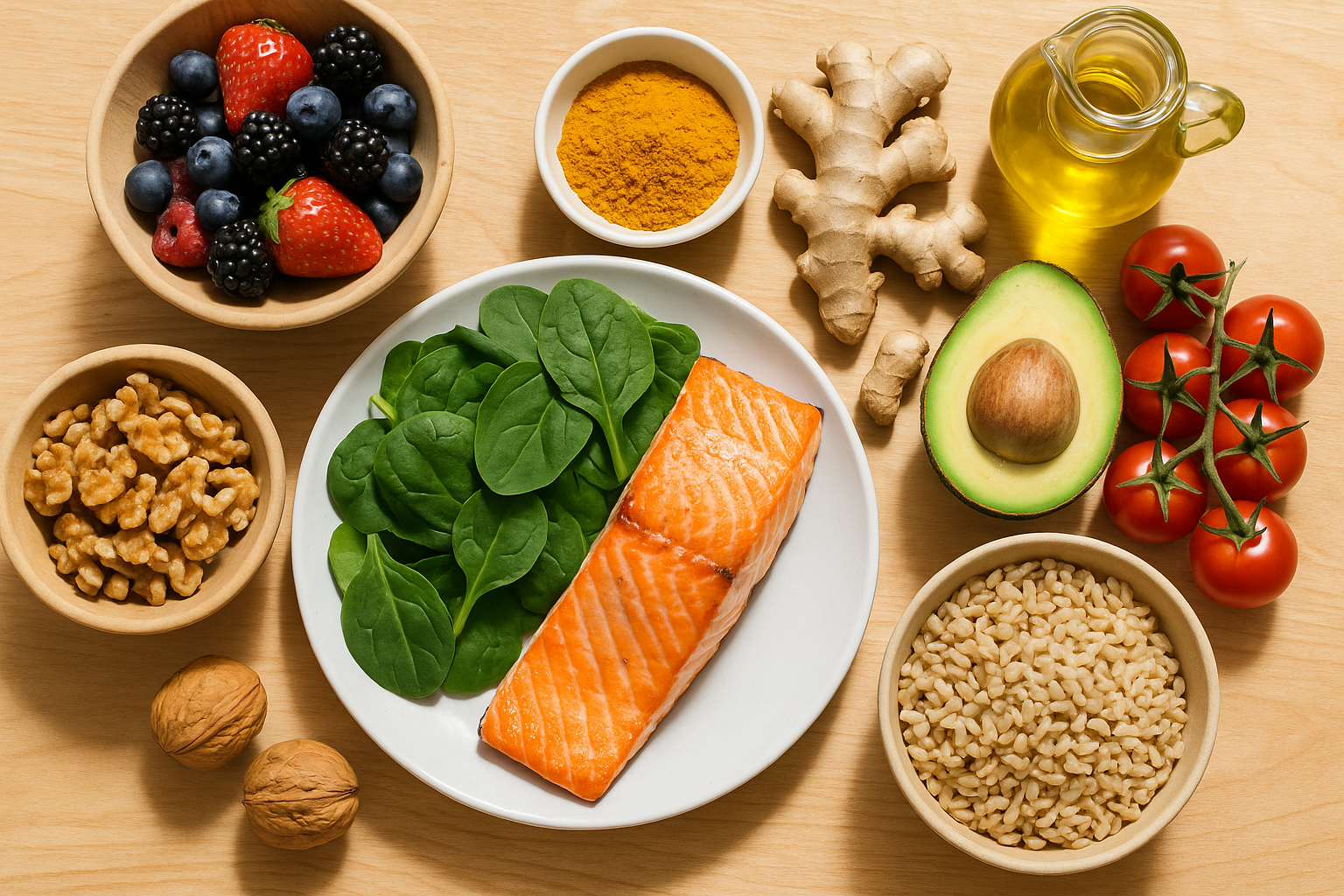
Food is not a cure for inflammation-related disease, but a consistent anti-inflammatory eating pattern can support overall health. The most evidence-aligned approach looks similar to a Mediterranean-style diet: plenty of vegetables, fruits, legumes, whole grains, nuts, seeds, olive oil, fish, and herbs, with fewer ultra-processed foods and added sugars.
What Makes a Food Anti-Inflammatory?
Foods that may help reduce inflammation usually provide one or more of the following:
- Antioxidants that help protect cells from oxidative stress
- Fiber that supports gut health and healthy blood sugar regulation
- Omega-3 fatty acids that play a role in inflammatory pathways
- Polyphenols from plants such as berries, tea, herbs, and extra virgin olive oil
- Minerals and vitamins that support immune function and tissue repair
The goal is not to eat one magic food. The biggest benefit comes from repeating small, nutrient-dense choices every day.
1. Berries
Blueberries, strawberries, raspberries, and blackberries are rich in fiber, vitamin C, and plant compounds called polyphenols. These compounds help support antioxidant activity in the body.
Easy ways to add them:
- Stir berries into oatmeal or Greek yogurt
- Blend frozen berries into a smoothie
- Add berries to a spinach salad
- Keep frozen berries on hand for a quick dessert
2. Leafy Green Vegetables
Spinach, kale, Swiss chard, arugula, collards, and romaine are rich in vitamins, minerals, fiber, and antioxidant compounds. Leafy greens are also low in calories and easy to add to meals.
Daily routine ideas:
- Add a handful of spinach to scrambled eggs
- Use greens as the base for lunch bowls
- Mix arugula into whole-grain pasta
- Blend kale into smoothies with fruit and yogurt
3. Fatty Fish
Salmon, sardines, trout, anchovies, herring, and mackerel provide omega-3 fatty acids, especially EPA and DHA. These fats are often discussed for their role in heart health and inflammatory processes.
Try to include fatty fish regularly if it fits your diet and health needs. If you do not eat fish, consider plant omega-3 sources such as chia seeds, flaxseed, walnuts, and hemp seeds, though these contain ALA, which the body converts less efficiently to EPA and DHA.
Simple options:
- Salmon with roasted vegetables
- Sardines on whole-grain toast
- Trout with quinoa and greens
- Tuna or salmon salad with olive oil and herbs
4. Extra Virgin Olive Oil
Extra virgin olive oil is a cornerstone of Mediterranean-style eating. It contains monounsaturated fat and polyphenols that support heart-healthy and anti-inflammatory dietary patterns.
Use it for:
- Salad dressings
- Roasted vegetables
- Drizzling over beans or lentils
- Low to medium-heat cooking
Choose extra virgin olive oil when possible and store it away from heat and light.
5. Nuts and Seeds
Walnuts, almonds, pistachios, chia seeds, flaxseed, pumpkin seeds, and hemp seeds provide healthy fats, fiber, minerals, and plant compounds. Walnuts and flaxseed are especially notable for plant-based omega-3 ALA.
Daily serving ideas:
- Add ground flaxseed to oatmeal
- Sprinkle chia seeds into yogurt
- Snack on a small handful of nuts
- Use pumpkin seeds as a salad topping
Because nuts and seeds are calorie-dense, a small portion is usually enough.
6. Beans, Lentils, and Chickpeas
Legumes are excellent anti-inflammatory routine foods because they provide fiber, plant protein, magnesium, potassium, and polyphenols. Fiber also supports the gut microbiome, which is closely connected to immune and metabolic health.
Ways to eat more legumes:
- Add lentils to soup
- Use chickpeas in salads
- Make black bean tacos
- Try hummus with vegetables
- Add white beans to grain bowls
If legumes cause digestive discomfort, start with small portions and rinse canned beans well.
7. Whole Grains
Oats, quinoa, brown rice, barley, farro, buckwheat, and whole wheat provide fiber and slow-digesting carbohydrates. Compared with refined grains, whole grains generally have more nutrients and a gentler effect on blood sugar.
Anti-inflammatory swaps:
- Oatmeal instead of sugary cereal
- Brown rice or quinoa instead of white rice
- Whole-grain bread instead of refined white bread
- Barley or farro in soups and salads
8. Colorful Vegetables
The more color on your plate, the wider the range of beneficial plant compounds you are likely to get. Tomatoes, peppers, carrots, beets, broccoli, cauliflower, red cabbage, onions, and sweet potatoes all bring different nutrients.
Focus on variety:
- Red and orange vegetables for carotenoids
- Cruciferous vegetables for sulfur-containing compounds
- Allium vegetables like garlic and onions for flavor and plant compounds
- Purple vegetables for anthocyanins
A practical goal is to fill about half your plate with non-starchy vegetables at many meals.
9. Herbs and Spices
Turmeric, ginger, garlic, cinnamon, rosemary, oregano, thyme, and chili peppers add flavor while contributing plant compounds. Turmeric contains curcumin, and ginger contains gingerols, both of which are commonly studied for inflammation-related pathways.
Use spices as part of a balanced diet, not as a replacement for medical care. If you take blood thinners or other medications, ask your clinician before using high-dose supplements. Culinary amounts are generally a safer place to start.
Easy additions:
- Ginger in tea or stir-fries
- Turmeric in lentil soup
- Cinnamon in oatmeal
- Garlic and herbs in roasted vegetables
10. Green Tea
Green tea provides polyphenols, including catechins. It can be a helpful replacement for sugary drinks and may support an overall anti-inflammatory lifestyle.
Try:
- Hot green tea in the morning
- Iced green tea with lemon
- Unsweetened green tea instead of soda
If you are sensitive to caffeine, choose decaffeinated green tea or limit intake later in the day.
Foods to Limit for an Anti-Inflammatory Pattern
An anti-inflammatory diet is not only about what you add. It also helps to reduce foods that may promote excess calorie intake, blood sugar spikes, or poor cardiometabolic health when eaten often.
Consider limiting:
- Sugary drinks
- Candy, pastries, and high-sugar desserts
- Refined grains and highly processed snack foods
- Deep-fried foods
- Processed meats
- Excess alcohol
- Foods high in trans fats or large amounts of saturated fat
You do not need perfection. A realistic approach is to make your default meals more nutrient-dense while leaving room for occasional treats.
A Simple Anti-Inflammatory Day
Breakfast: Oatmeal with blueberries, ground flaxseed, walnuts, and cinnamon.
Lunch: Lentil and vegetable soup with a side salad dressed with extra virgin olive oil and lemon.
Snack: Greek yogurt with raspberries or hummus with carrots and cucumber.
Dinner: Salmon or chickpeas with quinoa, roasted broccoli, leafy greens, avocado, and herbs.
Drink: Water, unsweetened green tea, or herbal tea.
How to Build the Habit
Start with one or two changes rather than trying to overhaul your diet overnight. For example, add berries to breakfast, switch to olive oil-based dressing, eat fish once a week, or add beans to lunch. Once those feel easy, build from there.
A helpful formula for meals is:
- Half the plate: colorful vegetables or fruit
- One quarter: protein such as fish, beans, lentils, tofu, eggs, poultry, or yogurt
- One quarter: whole grains or starchy vegetables
- Add: healthy fats from olive oil, nuts, seeds, or avocado
Bottom Line
The best foods that reduce inflammation are not exotic or complicated. Berries, leafy greens, fatty fish, olive oil, nuts, seeds, beans, whole grains, colorful vegetables, herbs, spices, and green tea can all fit into a daily anti-inflammatory routine. Consistency matters more than any single ingredient. Build meals around whole, minimally processed foods, and adapt the plan to your culture, preferences, budget, and medical needs.
References

Gentle Natural Remedies for Bloating and Digestive Discomfort
Gentle Natural Remedies for Bloating and Digestive Discomfort
Bloating can feel like fullness, tightness, pressure, or visible swelling in the abdomen. It may happen after eating, during constipation, with excess gas, or when the digestive system is temporarily sensitive. While occasional bloating is usually not dangerous, it can be uncomfortable and frustrating.
The best natural remedies for bloating are gentle, practical, and focused on supporting normal digestion rather than forcing quick results.
Common reasons bloating happens
Bloating may be related to:
- Eating too quickly or swallowing excess air
- Large meals or high-fat meals that slow digestion
- Constipation
- Carbonated drinks
- Food intolerances or sensitivities
- Sudden increases in fiber
- Hormonal changes
- Stress, which can affect gut motility
If bloating is frequent, keeping a simple food and symptom journal can help identify patterns.
1. Sip water and support regular bowel movements
Hydration helps the digestive tract move stool more comfortably. If bloating is related to constipation, drinking enough fluids may help, especially when paired with fiber-rich foods.
Try sipping water throughout the day rather than drinking a large amount all at once. Warm water or herbal tea may feel especially soothing for some people.
2. Take a gentle walk after meals
Light movement can help gas move through the digestive tract. A slow 10 to 20 minute walk after eating may reduce fullness and support digestion without placing stress on the body.
Avoid intense exercise immediately after a large meal if it makes symptoms worse.
3. Try peppermint tea or enteric-coated peppermint oil with caution
Peppermint may help relax intestinal muscles and reduce digestive discomfort in some people. Peppermint tea is a gentle option for occasional bloating.
Enteric-coated peppermint oil has also been studied for symptoms such as abdominal discomfort, especially in irritable bowel syndrome. However, peppermint can worsen heartburn or reflux in some people, so it is not ideal for everyone.
4. Use ginger as a soothing digestive aid
Ginger is commonly used for nausea and digestive comfort. Ginger tea, grated ginger in meals, or a small amount of ginger in warm water may be helpful for some people.
If you take blood thinners, have a bleeding disorder, are pregnant, or use medications regularly, ask a healthcare professional before using concentrated ginger supplements.
5. Increase fiber slowly, not suddenly
Fiber supports gut health and regularity, but a sudden jump in fiber can increase gas and bloating. If you are adding beans, lentils, oats, vegetables, chia seeds, or psyllium, increase gradually over several days or weeks.
Pair fiber with adequate fluids. Too much fiber without enough water may worsen constipation and bloating.
6. Limit carbonated drinks and chewing gum
Carbonated beverages can add gas to the digestive tract. Chewing gum and drinking through a straw may also increase swallowed air.
If you often feel bloated, try reducing sparkling water, soda, beer, gum, and straw use for a week and notice whether symptoms improve.
7. Eat more slowly and choose smaller portions
Eating quickly can lead to swallowing air and overeating before fullness signals catch up. Try smaller meals, slower chewing, and pausing between bites.
For some people, large meals are a major bloating trigger. Smaller, more frequent meals may feel better.
8. Consider whether certain foods are triggers
Some nutritious foods can still cause bloating, especially if they ferment in the gut. Common triggers include beans, onions, garlic, wheat, dairy, apples, and certain sugar alcohols such as sorbitol or xylitol.
This does not mean these foods are bad. It means your tolerance may vary. If symptoms are frequent, a registered dietitian can help you evaluate patterns without unnecessary restriction.
9. Support the gut with probiotic foods if tolerated
Yogurt with live cultures, kefir, sauerkraut, kimchi, and other fermented foods may support the gut microbiome. However, fermented foods can cause gas in some people, especially at first.
Start with small portions and stop if symptoms worsen. Probiotic supplements may help some digestive conditions, but effects vary by strain and person.
10. Use stress reduction to calm the gut-brain connection
The digestive system is closely connected to the nervous system. Stress may contribute to bloating, cramping, and changes in bowel habits.
Gentle options include breathing exercises, yoga, stretching, meditation, journaling, or taking a quiet walk. Even a few minutes before meals may help the body shift into a more relaxed digestive state.
When to seek medical care
Talk to a healthcare provider if bloating is persistent, painful, or new for you. Seek prompt care if bloating occurs with severe abdominal pain, vomiting, fever, blood in the stool, black stools, unexplained weight loss, trouble swallowing, persistent diarrhea, or ongoing constipation.
Key takeaway
Natural remedies for bloating work best when they are simple and consistent. Hydration, gentle movement, slower eating, gradual fiber changes, peppermint or ginger, and attention to trigger foods can all support digestive comfort. If bloating keeps returning or comes with warning signs, medical guidance is important.
References
The Gut Inflammation Connection and How to Support a Balanced Microbiome
The Gut Inflammation Connection and How to Support a Balanced Microbiome
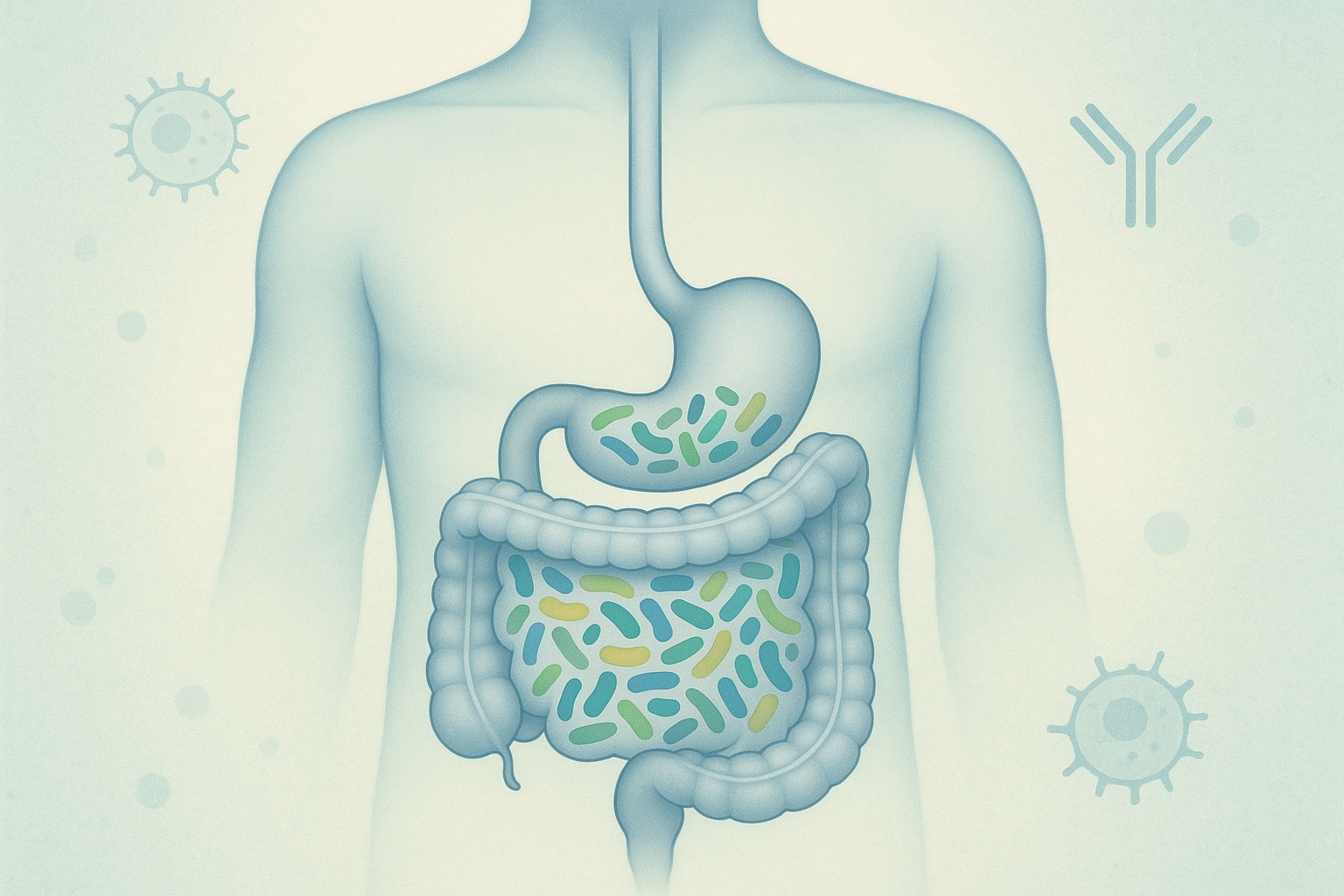
The gut is more than a digestive organ. It is an active immune, metabolic, and microbial ecosystem. Inside the digestive tract, trillions of bacteria, fungi, viruses, and other microorganisms interact with the intestinal lining and immune system. This community is known as the gut microbiome.
When the gut microbiome is diverse and balanced, it can help support digestion, nutrient metabolism, gut barrier integrity, and normal immune function. When that balance is disrupted, the gut environment may become more inflammatory, especially in people who are genetically susceptible or already dealing with digestive or immune-related conditions.
How gut health and inflammation are connected
A large portion of immune activity occurs in and around the gastrointestinal tract. This makes sense: the gut must absorb nutrients while also identifying and responding to potentially harmful microbes, toxins, and irritants.
Several gut-related factors may influence inflammation:
- Microbiome balance: A diverse microbial community can help maintain normal immune signaling, while an imbalanced microbiome may contribute to immune activation.
- Gut barrier function: The intestinal lining acts as a selective barrier. When this barrier is stressed or damaged, immune cells may be exposed to substances that trigger inflammatory responses.
- Short-chain fatty acids: Beneficial gut bacteria ferment certain fibers into compounds such as butyrate, acetate, and propionate, which help nourish colon cells and support immune regulation.
- Diet and lifestyle patterns: Diet quality, sleep, stress, physical activity, alcohol intake, and medication use can all influence the microbiome and inflammatory tone.
What can disrupt the gut microbiome?
The microbiome is resilient, but it can be affected by many factors. Common disruptors include:
- Low-fiber eating patterns
- High intake of ultra-processed foods
- Frequent alcohol intake
- Chronic stress
- Poor sleep
- Sedentary lifestyle
- Certain infections
- Antibiotic use when medically necessary
- Some gastrointestinal diseases
Not every microbiome change causes disease, and microbiome science is still developing. However, many studies suggest that long-term dietary and lifestyle patterns play an important role in shaping gut microbial diversity.
Signs your gut may need support
Digestive symptoms can have many causes, and they should not be automatically blamed on the microbiome. Still, gut imbalance or inflammation may be considered when symptoms are persistent or recurring, such as:
- Bloating or excessive gas
- Irregular bowel habits
- Abdominal discomfort
- Food-related digestive distress
- Ongoing diarrhea or constipation
- Unexplained fatigue with digestive symptoms
Seek medical care promptly for red flags such as blood in stool, unexplained weight loss, persistent vomiting, severe abdominal pain, fever, anemia, or new bowel changes after age 45 to 50.
How to support a balanced microbiome
1. Eat more fiber-rich plant foods
Dietary fiber is one of the most important tools for supporting beneficial gut bacteria. Many gut microbes ferment fiber into short-chain fatty acids that help support colon health and immune balance.
Helpful options include:
- Beans, lentils, and peas
- Oats, barley, and whole grains
- Vegetables such as onions, asparagus, broccoli, and leafy greens
- Fruits such as berries, apples, pears, and bananas
- Nuts and seeds
Increase fiber gradually and drink enough fluids to reduce gas or bloating.
2. Include fermented foods if tolerated
Fermented foods can contribute live microbes or fermentation byproducts that may support gut health. Options include yogurt with live cultures, kefir, sauerkraut, kimchi, miso, and tempeh.
People with histamine intolerance, immune compromise, or certain digestive conditions should ask a clinician before making fermented foods a major part of the diet.
3. Choose anti-inflammatory eating patterns
A Mediterranean-style pattern is often associated with better cardiometabolic and inflammatory markers. It emphasizes vegetables, fruits, legumes, whole grains, nuts, seeds, olive oil, herbs, spices, and fish, while limiting highly processed foods and excess added sugars.
This approach supports the microbiome by providing fiber, polyphenols, and healthy fats.
4. Limit ultra-processed foods and excess added sugar
Highly processed foods may be low in fiber and high in refined carbohydrates, saturated fats, salt, and additives. While no single food determines gut health, a pattern dominated by ultra-processed foods may reduce diet quality and microbial diversity.
A practical goal is to build meals around whole or minimally processed foods most of the time.
5. Use antibiotics appropriately
Antibiotics can be lifesaving and necessary, but they can also temporarily disrupt the gut microbiome. Use antibiotics only when prescribed, take them exactly as directed, and ask your healthcare provider whether probiotic or dietary support is appropriate for your situation.
6. Manage stress and sleep
The gut and brain communicate through immune, hormonal, and nervous system pathways. Chronic stress and poor sleep can affect digestion, motility, appetite, and inflammatory signaling.
Supportive habits include:
- A consistent sleep schedule
- Morning light exposure
- Regular movement
- Breathing exercises or meditation
- Time outdoors
- Reducing late-night alcohol and heavy meals
7. Move regularly
Physical activity is associated with better metabolic health, immune regulation, and microbial diversity. Aim for a sustainable mix of walking, aerobic activity, and strength training, adjusted to your fitness level and medical status.
What about probiotics?
Probiotics may help in specific situations, such as certain types of antibiotic-associated diarrhea or some digestive conditions, but benefits are strain-specific and not guaranteed. A probiotic that helps one condition may not help another.
If you are considering a probiotic, look for products that identify the genus, species, and strain, provide an expiration date, and have evidence for your specific goal. People who are severely immunocompromised or critically ill should avoid probiotics unless supervised by a clinician.
The bottom line
Gut health and inflammation are linked through the microbiome, intestinal barrier, immune system, and everyday lifestyle patterns. The most reliable foundation for supporting a balanced microbiome is not a quick cleanse or extreme diet. It is a consistent pattern of fiber-rich foods, diverse plants, fermented foods when tolerated, adequate sleep, stress management, regular movement, and appropriate medical care when symptoms persist.