
Early Warning Signs of Vitamin B12 Deficiency and Natural Correction Strategies
## Understanding Vitamin B12 and Why It Matters
Vitamin B12, also known as cobalamin, is a water-soluble vitamin that plays a central role in:
– Red blood cell production
– DNA synthesis
– Neurological function
– Energy metabolism
Unlike many other vitamins, B12 is primarily found in animal-based foods. Deficiency can develop slowly, sometimes over years, making early detection especially important.
—

## Early Warning Signs of Vitamin B12 Deficiency
### 1. Persistent Fatigue and Weakness
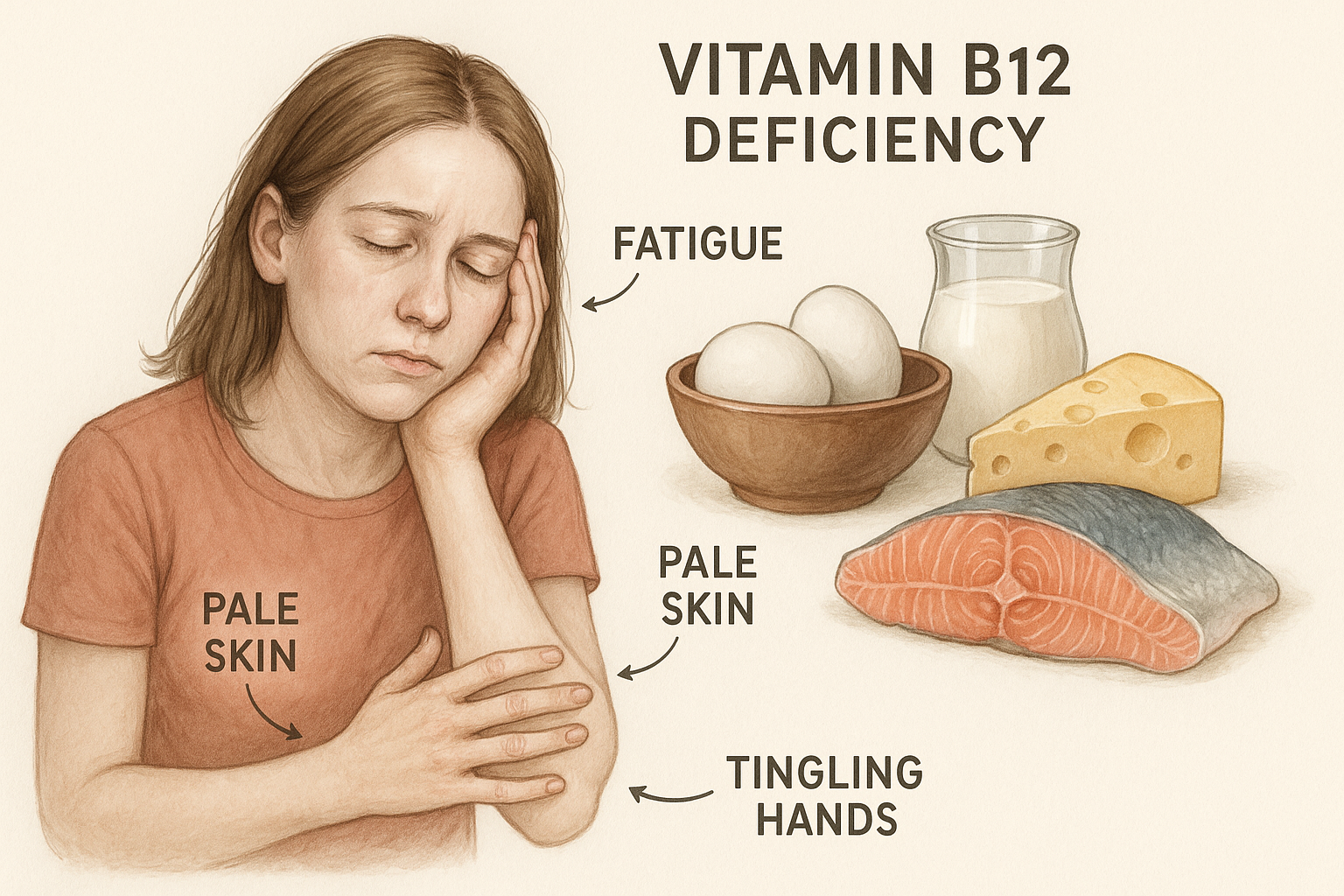
One of the earliest and most common symptoms is ongoing fatigue. Without enough B12, the body cannot produce healthy red blood cells efficiently, reducing oxygen delivery to tissues.
### 2. Pale or Slightly Yellow Skin
B12 deficiency can interfere with red blood cell formation, sometimes causing pale skin or a mild yellow tint due to increased breakdown of fragile red blood cells.
### 3. Tingling or Numbness in Hands and Feet
Vitamin B12 supports nerve health. Low levels may damage the protective myelin sheath around nerves, leading to pins-and-needles sensations, numbness, or burning feelings.
### 4. Brain Fog and Memory Problems
Cognitive symptoms may include difficulty concentrating, forgetfulness, confusion, or slowed thinking. These symptoms can appear even before anemia develops.
### 5. Mood Changes
Low B12 levels have been associated with irritability, depression, and mood instability, potentially due to its role in neurotransmitter production.
### 6. Glossitis and Mouth Changes
A swollen, smooth, or inflamed tongue can be an early sign. Some people also experience mouth ulcers or a burning sensation.
### 7. Shortness of Breath and Dizziness
Reduced oxygen-carrying capacity may cause lightheadedness, especially during physical activity.
—
## Who Is at Higher Risk?
Certain groups are more vulnerable to vitamin B12 deficiency:
– Adults over age 50
– Vegetarians and vegans
– Individuals with digestive disorders such as celiac or Crohn’s disease
– People who have had gastric surgery
– Long-term users of acid-reducing medications
Because absorption requires intrinsic factor and proper stomach acid levels, digestive health plays a major role in B12 status.
—
## Natural Correction Strategies
### 1. Increase B12-Rich Foods
Natural food sources include:
– Beef and liver
– Salmon, tuna, and sardines
– Eggs
– Milk, yogurt, and cheese
For vegetarians, dairy and eggs are key sources. Vegans should rely on fortified foods such as plant milks, breakfast cereals, and nutritional yeast.
### 2. Choose Fortified Foods Wisely
Check labels for cyanocobalamin or methylcobalamin. Regular intake of fortified products can help maintain adequate levels when animal foods are limited.
### 3. Consider Supplementation
Oral B12 supplements can be effective, even in some individuals with absorption challenges. Sublingual forms are commonly used, though standard oral tablets are often sufficient.
Typical supplemental forms include:
– Cyanocobalamin
– Methylcobalamin
Dosage should be guided by a healthcare professional based on blood test results.
### 4. Support Digestive Health
Since stomach acid and intrinsic factor are necessary for B12 absorption, addressing underlying digestive issues may improve status. This may involve medical evaluation for conditions affecting the stomach or small intestine.
### 5. Regular Testing for At-Risk Individuals
Blood testing for serum B12, methylmalonic acid, or homocysteine can help detect deficiency early. Monitoring is especially important for high-risk groups.
—
## When to Seek Medical Attention
Seek professional evaluation if you experience:
– Persistent numbness or tingling
– Severe fatigue
– Memory decline
– Difficulty walking or balance problems
Untreated vitamin B12 deficiency can lead to irreversible nerve damage, making early intervention critical.
—
## Key Takeaways
– Early signs of vitamin B12 deficiency often include fatigue, brain fog, pale skin, and tingling sensations.
– High-risk groups include older adults, vegans, and individuals with digestive disorders.
– Natural correction strategies focus on B12-rich foods, fortified products, and appropriate supplementation.
– Early detection and treatment significantly reduce the risk of long-term complications.
Maintaining optimal vitamin B12 levels supports energy, cognitive clarity, and long-term neurological health.