- Home
- Author's Archive:

Chapter 11: Tesamorelin

The Belly Fat, Visceral Fat & Body Composition Peptide
One of the most emotionally frustrating changes many women experience during midlife is this:
fat starts accumulating differently.
Even women who have maintained relatively stable weight for years often notice:
- increased abdominal fat
- thicker waistlines
- bloating
- body composition changes
- softer muscle tone
- stubborn lower belly fat
And what makes it especially discouraging is that traditional strategies often seem far less effective than they once were.
Many women respond by:
- eating less
- increasing cardio
- becoming more restrictive
But often, the body simply becomes:
- more stressed
- more inflamed
- more metabolically resistant
This is one reason women have become increasingly interested in peptides associated with:
- body composition
- visceral fat
- metabolic health
- healthy aging
And among those conversations, one peptide appears repeatedly:
Tesamorelin.
What Is Tesamorelin?
Tesamorelin is a peptide that stimulates growth hormone releasing hormone pathways, encouraging the body to increase natural growth hormone production.
It is most widely known in medical settings for its relationship to:
visceral fat reduction.
Visceral fat is the deeper fat stored around internal organs within the abdominal cavity.
This type of fat is metabolically active and associated with increased risk for:
- insulin resistance
- inflammation
- cardiovascular disease
- metabolic dysfunction
Importantly:
visceral fat is different from simple cosmetic fat.
And many women become increasingly susceptible to visceral fat accumulation during hormonal transitions.
Why Belly Fat Feels Different After 35
Many women describe feeling shocked by how suddenly abdominal fat seems to appear during perimenopause and menopause.
Even without major changes in habits, women often notice:
- thicker midsections
- increased bloating
- softer abdominal tone
- difficulty leaning out
- increased inflammation around the waistline
This happens for several overlapping reasons:
- hormonal changes
- insulin resistance
- cortisol shifts
- muscle loss
- sleep disruption
- declining metabolic flexibility
And unfortunately, chronic stress often worsens abdominal fat accumulation even further.
This is why modern wellness conversations increasingly focus on:
metabolic health instead of simple calorie restriction.
Why Visceral Fat Matters
One of the biggest misconceptions in wellness culture is assuming all body fat behaves the same way.
It doesn’t.
Visceral fat is associated with increased risk for:
- metabolic syndrome
- inflammation
- insulin resistance
- cardiovascular disease
- blood sugar dysfunction
This is one reason waist circumference is increasingly viewed as an important metabolic health marker—not simply body weight alone.
Women exploring Tesamorelin discussions are often motivated not only by appearance concerns but also by:
- longevity
- metabolic health
- inflammation reduction
- healthier aging
That’s an important distinction.
How Tesamorelin Is Thought To Work
Tesamorelin influences growth hormone releasing hormone pathways, which may affect:
- fat metabolism
- body composition
- visceral fat regulation
- metabolic signaling
Research has explored its relationship to:
- abdominal fat reduction
- metabolic health markers
- body composition changes
Because growth hormone pathways influence metabolism and body composition, Tesamorelin became particularly interesting in longevity and metabolic wellness discussions.
However, as with all peptides:
realistic expectations matter.
Why Women Become Interested In It
Many women exploring Tesamorelin are not trying to become dramatically thin.
They are often trying to:
- reduce abdominal fat
- feel healthier
- regain confidence
- improve metabolic wellness
- feel stronger and leaner
- improve body composition
Especially for women who exercise consistently yet still struggle with:
- central fat accumulation
- insulin resistance
- menopausal body changes
…the conversation around visceral fat can feel highly relevant.
The Cortisol & Stress Connection
One reason abdominal fat becomes such a common issue during midlife is because stress physiology changes significantly.
Chronic stress may contribute to:
- elevated cortisol
- blood sugar instability
- inflammation
- increased fat storage around the abdomen
And unfortunately, many women are navigating:
- work stress
- caregiving responsibilities
- sleep disruption
- hormonal transitions
- emotional burnout
all simultaneously.
This is one reason wellness conversations focused only on:
eating less
often fail to address the bigger physiological picture.
Potential Benefits Women Commonly Discuss
Women exploring Tesamorelin often discuss goals such as:
- visceral fat reduction
- improved waistline appearance
- body composition support
- healthier metabolism
- improved muscle definition
- healthier aging
- metabolic wellness support
Some women also describe:
- feeling leaner
- improved confidence
- greater motivation to exercise
- improved consistency with healthy routines
Again, experiences vary considerably between individuals.
Why Muscle Matters During Fat Loss
One of the most important themes throughout this book is this:
protecting muscle matters enormously.
Women often become so focused on losing fat that they unintentionally:
- under-eat protein
- overexercise
- lose lean mass
- weaken recovery
- slow metabolism further
But muscle is deeply connected to:
- metabolic health
- insulin sensitivity
- longevity
- strength
- resilience
- mobility
Healthy body composition is not simply:
weighing less.
It’s:
maintaining strength while improving metabolic health.
That’s a much healthier long-term framework.
Common Wellness Pairings
In wellness and longevity discussions, Tesamorelin is often talked about alongside:
- resistance training
- high-protein nutrition
- blood sugar management
- walking
- sleep optimization
- stress reduction
- metabolic support strategies
Many women exploring these conversations are increasingly focused on:
sustainable body composition rather than crash dieting.
Common Side Effects
Potential side effects discussed may include:
- water retention
- joint discomfort
- tingling sensations
- headaches
- injection site irritation
- increased hunger
- fatigue
Because Tesamorelin affects growth hormone pathways, individual responses can vary considerably.
Contraindications & Important Considerations
Women with:
- active cancers
- history of hormone-sensitive cancers
- uncontrolled diabetes
- severe metabolic disease
- pregnancy or breastfeeding considerations
should discuss any growth hormone-related peptide carefully with qualified medical professionals.
Thoughtful oversight matters.
Especially with compounds affecting hormonal and metabolic signaling pathways.
The Bigger Emotional Conversation
What I think often gets overlooked in body composition discussions is how emotionally exhausting it can feel when:
- your body changes rapidly
- your old strategies stop working
- you stop recognizing yourself physically
Many women quietly grieve these changes.
Not because they expect perfection.
But because they want to feel:
- healthy
- comfortable
- confident
- strong
- vibrant
There’s nothing superficial about wanting to feel good in your body.
That desire is deeply human.
Aging Gracefully vs Punishing The Body
One thing I love about the modern longevity movement is that it’s slowly shifting away from:
punishment-based wellness.
Women are becoming more interested in:
- preserving muscle
- reducing inflammation
- improving metabolic health
- maintaining energy
- aging with vitality
That mindset creates far healthier relationships with wellness long-term.
Because eventually, the goal becomes:
supporting the body instead of constantly criticizing it.
Ava’s Perspective
One thing I wish more women understood is this:
midlife body changes are not personal failure.
The body changes hormonally.
Metabolism changes.
Stress tolerance changes.
Recovery changes.
And once women understand the biology behind those shifts, many finally stop blaming themselves so harshly.
That emotional shift matters.
Because shame rarely creates sustainable wellness.
Education does.
Support does.
Consistency does.
And ultimately, healthy aging is not about chasing perfection.
It’s about maintaining:
- strength
- vitality
- confidence
- resilience
- quality of life
That’s a much healthier long-term goal.
Key Takeaways
- Tesamorelin is commonly discussed for visceral fat and body composition support.
- Visceral fat affects metabolic health, inflammation, and longevity.
- Midlife abdominal fat gain is influenced by hormones, stress, and metabolic changes.
- Muscle preservation remains critical during fat-loss efforts.
- Wellness should focus on metabolic health—not extreme restriction.
- Growth hormone-related peptides require thoughtful oversight.
Healthy aging is about resilience, vitality, and sustainable wellness—not punishment.

Chapter 10: MOTS-c

The “Exercise Mimetic” Peptide & Cellular Energy Conversation
One of the most frustrating things many women experience after 35 is a gradual decline in:
- energy
- stamina
- resilience
- workout capacity
- recovery
And often, it feels subtle at first.
You still push through your day.
You still show up for responsibilities.
You still try to exercise.
But underneath it all, the body feels different.
More fatigued.
More resistant.
Less adaptable.
Workouts that once energized you now drain you.
Recovery takes longer.
Energy crashes become more common.
And many women begin wondering:
“Why do I suddenly feel older so quickly?”
This growing interest in:
- cellular health
- mitochondrial function
- energy metabolism
- longevity science
is one reason conversations around:
MOTS-c
have expanded rapidly in wellness and biohacking communities.
What Is MOTS-c?
MOTS-c is a mitochondrial-derived peptide involved in cellular energy regulation and metabolic signaling.
That sounds highly technical, so let’s simplify it.
Mitochondria are often referred to as:
the energy factories of the cell.
They help convert nutrients into usable energy that powers nearly every function in the body.
As we age, mitochondrial efficiency may decline.
This can contribute to:
- fatigue
- slower metabolism
- reduced exercise capacity
- poorer recovery
- metabolic dysfunction
- accelerated aging patterns
MOTS-c became interesting to researchers because it appears connected to:
- metabolic adaptation
- insulin sensitivity
- energy regulation
- exercise-related signaling pathways
This is why some wellness circles refer to it as an:
“exercise mimetic” peptide.
Why Women Become Interested In It
Many women reach a point where they feel:
- chronically depleted
- metabolically sluggish
- physically less resilient
And unfortunately, modern life often worsens this through:
- chronic stress
- poor sleep
- inflammation
- sedentary behavior
- blood sugar instability
- overwork
- hormonal disruption
Women are not simply trying to lose weight anymore.
Many are trying to reclaim:
- vitality
- stamina
- physical confidence
- metabolic flexibility
- healthy aging
This is one reason longevity-focused wellness has shifted toward:
cellular health conversations.
Because how the body produces and uses energy affects nearly everything.
The Metabolism Conversation Is Evolving
For years, metabolism was discussed almost entirely through the lens of:
- calories
- dieting
- body weight
But metabolism is far more complex than that.
Metabolic health also involves:
- mitochondrial function
- insulin sensitivity
- muscle mass
- inflammation
- recovery
- stress resilience
- energy production
This broader understanding is changing the way women approach aging and wellness.
The conversation is no longer simply:
“How do I get thinner?”
but increasingly:
“How do I maintain energy, strength, and vitality as I age?”
That’s a much healthier long-term perspective.
How MOTS-c Is Thought To Work
Research surrounding MOTS-c is still emerging, but early studies suggest it may influence:
- glucose metabolism
- insulin sensitivity
- cellular stress responses
- exercise-related metabolic signaling
- energy regulation pathways
Some researchers believe it may help the body adapt more efficiently to metabolic stress.
This has generated interest in areas involving:
- healthy aging
- exercise performance
- metabolic flexibility
- endurance
- body composition support
Again, much of the excitement remains within early-stage research and longevity-focused wellness communities.
Large-scale long-term human data is still limited.
Why Energy Matters More Than Women Realize
One thing I think women underestimate is how deeply energy affects every aspect of life.
When energy declines:
- movement declines
- motivation declines
- consistency declines
- recovery worsens
- metabolic health suffers
- confidence often decreases too
Fatigue affects far more than productivity.
It affects identity.
Many women begin feeling disconnected from the version of themselves that once felt:
- energetic
- strong
- capable
- physically resilient
That emotional aspect matters.
Because wellness is not simply about appearance.
It’s about:
how fully you can participate in your life.
Potential Benefits Women Commonly Discuss
Women exploring MOTS-c often discuss goals such as:
- improved energy
- metabolic support
- exercise resilience
- endurance support
- improved recovery
- healthy aging
- insulin sensitivity support
- improved stamina
- body composition support
Some women also describe feeling:
- more physically capable
- more motivated to move consistently
- less sluggish
- more metabolically responsive
Again, these experiences are highly individualized and research remains ongoing.
Why Exercise Still Matters
One important thing to understand about peptides associated with energy metabolism is this:
nothing fully replaces movement.
Exercise remains one of the most powerful longevity tools available.
Movement supports:
- insulin sensitivity
- muscle maintenance
- mitochondrial health
- circulation
- cognitive function
- emotional wellbeing
- metabolic flexibility
The healthiest approach is not:
replacing healthy behaviors with peptides.
It’s supporting healthy behaviors more effectively.
That distinction matters enormously.
The Longevity & Biohacking Appeal
MOTS-c became especially popular in biohacking and longevity circles because it aligns with a newer wellness philosophy:
optimizing how the body functions as we age.
Not obsessing over youth.
Not punishing the body.
But improving:
- resilience
- adaptability
- energy production
- metabolic efficiency
This shift toward:
performance aging instead of passive aging
is becoming increasingly mainstream.
And honestly, I think that’s a positive evolution in wellness culture.
Common Wellness Pairings
In longevity-focused wellness conversations, MOTS-c is often discussed alongside:
- strength training
- walking
- interval training
- mitochondrial support strategies
- metabolic optimization
- recovery-focused wellness plans
- blood sugar management
Some women become interested in MOTS-c specifically because they want to:
- maintain activity levels
- feel stronger during workouts
- age with more vitality
- improve consistency with movement routines
Side Effects & Considerations
Because MOTS-c research is still evolving, side effects and long-term safety data remain less understood than more established metabolic medications.
Potential concerns discussed anecdotally may include:
- fatigue
- headaches
- nausea
- dizziness
- temporary energy fluctuations
- injection site irritation
Responses appear highly individualized.
Again, quality and professional guidance matter enormously.
Contraindications & Unknowns
Women with:
- significant metabolic disease
- autoimmune disorders
- complex medical histories
- pregnancy or breastfeeding considerations
should discuss any peptide exploration carefully with qualified healthcare professionals.
Because MOTS-c remains an emerging area of longevity science, long-term human evidence is still developing.
The Bigger Wellness Shift
What I find most fascinating about peptides like MOTS-c is what they reveal about where wellness culture is heading.
Women are becoming less interested in:
- punishing their bodies
- extreme dieting
- unsustainable restriction
And more interested in:
- energy
- resilience
- performance
- vitality
- graceful aging
- longevity
That’s an incredibly healthy shift.
Because ultimately, most women don’t simply want to live longer.
They want to:
feel alive while they’re living.
The Truth About Aging Well
Healthy aging is not about pretending we never age.
It’s about preserving:
- movement
- energy
- cognition
- confidence
- strength
- adaptability
For women especially, this often means shifting away from:
aesthetics-only wellness
and toward:
function-focused wellness.
That mindset tends to create far healthier long-term outcomes emotionally and physically.
Ava’s Perspective
One thing I’ve personally realized is that:
energy is freedom.
When you feel energized:
- you move more
- you socialize more
- you exercise more
- you recover better
- you engage with life more fully
And when energy disappears, life can quietly start shrinking.
That’s why I think the conversation around metabolic and mitochondrial health matters so much.
Not because women are trying to become superhuman.
But because they want to:
- feel capable again
- feel motivated again
- feel physically engaged with life again
To me, that’s one of the most meaningful goals in modern wellness.
Key Takeaways
Wellness should focus on preserving energy, movement, and full participation in life.
MOTS-c is a mitochondrial-derived peptide connected to cellular energy regulation.
Interest centers around metabolic flexibility, endurance, and healthy aging.
Mitochondrial health plays a major role in energy and metabolism.
Women increasingly prioritize vitality and resilience over extreme dieting.
Exercise remains foundational for long-term metabolic health.
Long-term human research on MOTS-c remains limited.

Chapter 9: AOD-9604

The “Fat Loss Peptide” Women Keep Hearing About
Once women begin researching peptides for metabolism and body composition, another name tends to appear quickly:
AOD-9604.
Unlike peptides primarily associated with appetite suppression or recovery, AOD-9604 is often discussed specifically in relation to:
- fat metabolism
- stubborn body fat
- body composition support
Naturally, that gets attention.
Especially from women who feel frustrated by:
- abdominal fat gain
- slower metabolism
- hormonal weight changes
- resistance to traditional dieting
Many women are not necessarily looking for dramatic transformation anymore.
They simply want their bodies to feel responsive again.
They want to:
- feel leaner
- move more comfortably
- regain confidence
- reduce inflammation
- feel stronger in their clothes and in their skin
This is one reason AOD-9604 became a growing topic in wellness and longevity circles.
What Is AOD-9604?
AOD-9604 is a modified fragment of human growth hormone designed to focus specifically on pathways associated with fat metabolism.
Importantly, it was developed differently from traditional growth hormone therapies.
The goal was to isolate certain metabolic effects while minimizing some of the broader growth-related effects associated with full growth hormone signaling.
In wellness conversations, AOD-9604 is commonly discussed for:
- body composition support
- fat metabolism
- metabolic wellness
- stubborn fat concerns
Particularly among women interested in:
- non-stimulant wellness approaches
- longevity-focused fat-loss strategies
- metabolic optimization
Why Women Become Interested In It
Many women notice a frustrating shift after 35:
fat distribution changes.
Weight often begins accumulating differently:
- more abdominal fat
- increased waistline changes
- more visceral fat
- greater resistance to calorie restriction
- slower visible progress
And unfortunately, aggressive dieting often worsens the situation by:
- increasing stress hormones
- reducing muscle mass
- slowing metabolism further
- increasing fatigue
This is one reason women increasingly seek:
metabolic support rather than punishment-based dieting.
AOD-9604 became appealing because it was discussed as:
- non-stimulatory
- metabolism-focused
- body-composition-oriented
Rather than another harsh fat-burning approach.
How AOD-9604 Is Thought To Work
Research surrounding AOD-9604 suggests it may influence pathways involved in:
- fat breakdown
- fat metabolism
- energy utilization
Unlike appetite-regulating peptides, AOD-9604 is generally not associated with dramatic appetite suppression.
Instead, interest centers more around:
- body composition
- fat metabolism support
- metabolic signaling
Some early research explored whether it could support fat reduction without strongly affecting blood sugar or broader growth hormone activity.
However, research remains more limited than many mainstream metabolic medications.
That distinction is important.
Why Midlife Fat Gain Feels So Different
One thing many women describe emotionally is that midlife fat gain feels fundamentally different from earlier weight changes.
It often feels:
- more stubborn
- more hormonal
- more inflammatory
- less responsive to effort
This can become incredibly discouraging.
Especially for women who previously maintained their weight relatively easily.
But these changes are influenced by many overlapping factors:
- declining muscle mass
- insulin resistance
- cortisol changes
- hormonal fluctuations
- sleep disruption
- reduced recovery
- inflammation
Which is why modern metabolic wellness conversations have become so much more sophisticated than simple calorie counting.
The Difference Between Weight Loss & Metabolic Health
One thing I believe women desperately need to hear is this:
Smaller does not automatically mean healthier.
True metabolic wellness involves:
- muscle preservation
- blood sugar stability
- energy
- resilience
- inflammation management
- recovery
- hormonal balance
- mobility
This is one reason many women eventually become less interested in:
crash dieting
and more interested in:
sustainable body composition improvement.
That’s a healthier long-term mindset emotionally and physically.
Potential Benefits Women Commonly Discuss
Women exploring AOD-9604 often discuss goals such as:
- body fat reduction
- metabolic support
- waistline improvement
- improved body composition
- non-stimulant fat-loss support
- energy support through improved metabolic function
Some women also appreciate that conversations around AOD-9604 tend to focus less on:
- extreme appetite suppression
or - harsh stimulant effects
…and more on gradual metabolic support.
Why “Non-Stimulant” Matters
Many women over 35 already feel:
- overstressed
- under-recovered
- overstimulated
- sleep deprived
Traditional fat-loss products often rely heavily on:
- caffeine
- stimulants
- appetite suppression
- aggressive restriction
Which may worsen:
- cortisol
- anxiety
- sleep
- inflammation
- nervous system exhaustion
This is one reason non-stimulatory wellness approaches appeal to many women during midlife.
The goal becomes:
supporting the body gently rather than forcing it aggressively.
Realistic Expectations Matter
One of the biggest mistakes in wellness culture is expecting dramatic transformation from single compounds.
AOD-9604 is not:
- magic
- effortless fat loss
- a replacement for lifestyle habits
Women still need:
- resistance training
- adequate protein
- movement
- sleep
- recovery
- blood sugar stability
- stress management
And honestly, those foundations likely matter far more than any individual peptide long-term.
The peptide conversation becomes most useful when viewed as:
supportive rather than miraculous.
Common Wellness Pairings
In wellness conversations, AOD-9604 is often discussed alongside:
- walking programs
- strength training
- protein-focused nutrition
- metabolic health strategies
- longevity-focused fat-loss approaches
Some individuals also discuss pairing it conceptually with:
- appetite-regulating peptides
- recovery-focused peptides
- body-composition optimization plans
Again, thoughtful medical guidance matters.
Side Effects & Considerations
Compared to some metabolic medications, anecdotal discussions often describe AOD-9604 as relatively mild.
However, potential side effects may include:
- headaches
- fatigue
- injection site irritation
- nausea
- dizziness
- water retention
- unpredictable individual responses
Long-term large-scale human research remains limited.
That’s important to acknowledge honestly.
Contraindications & Unknowns
Because research is still evolving, women with:
- hormone-sensitive conditions
- cancer histories
- metabolic disorders
- pregnancy or breastfeeding considerations
should discuss peptide exploration carefully with qualified healthcare professionals.
Again:
cautious optimism is healthier than blind hype.
The Emotional Weight Of Body Composition
One thing I’ve noticed repeatedly is that many women are emotionally exhausted from constantly feeling at war with their bodies.
Not because they want perfection.
But because they want:
- confidence
- comfort
- energy
- ease
- self-recognition again
There’s a difference.
Most women are not trying to become fitness models.
They simply want to:
- feel healthier
- feel lighter
- feel more energized
- feel like themselves again
And I think wellness conversations become much healthier when we acknowledge that honestly.
The Bigger Picture
Ultimately, body composition after 35 is influenced by:
- hormones
- muscle mass
- insulin sensitivity
- stress
- sleep
- inflammation
- recovery
- movement
- nutrition
There is no single shortcut that overrides biology completely.
But there are tools that may support healthier metabolic function within a larger strategy.
That’s the most balanced way to think about peptides like AOD-9604.
Ava’s Perspective
What I appreciate most about the conversations surrounding metabolic peptides is that many women are finally learning that:
their struggles are not purely about willpower.
The body is dynamic.
Hormones matter.
Recovery matters.
Muscle matters.
Inflammation matters.
And once women understand that, they often stop punishing themselves so aggressively.
To me, that’s one of the healthiest shifts happening in modern wellness.
Because sustainable transformation almost always comes from:
support rather than self-criticism.
Key Takeaways
Wellness works best when rooted in support, consistency, and realistic expectations.
AOD-9604 is commonly discussed for body composition and fat metabolism support.
Midlife fat gain is influenced by complex hormonal and metabolic changes.
Sustainable wellness should prioritize metabolic health—not extreme restriction.
Non-stimulant approaches appeal to many women navigating stress and hormonal transitions.
Muscle preservation and recovery remain essential for long-term metabolic health.
Long-term research on AOD-9604 remains limited.

Chapter 8: CJC-1295 & Ipamorelin

The Recovery, Sleep & Healthy Aging Stack
One of the first things many women notice during hormonal transitions is not simply weight gain.
It’s exhaustion.
Not ordinary tiredness.
The deeper kind of fatigue that affects:
- motivation
- recovery
- sleep quality
- exercise performance
- mood
- resilience
- overall vitality
Many women describe feeling as though their bodies stopped recovering properly.
They wake up tired.
Workouts feel harder.
Muscle soreness lingers.
Sleep feels lighter and less restorative.
And despite trying:
- supplements
- healthier eating
- more exercise
- caffeine
- wellness routines
…the body still feels depleted.
This is one reason peptides associated with:
- recovery
- sleep quality
- growth hormone signaling
- healthy aging
have become increasingly popular in longevity-focused wellness circles.
Among the most discussed combinations are:
CJC-1295 and Ipamorelin.
These peptides are often explored together because they work through complementary pathways related to growth hormone signaling and recovery.
What Are CJC-1295 & Ipamorelin?
CJC-1295 and Ipamorelin are commonly discussed together in wellness and longevity communities.
Unlike directly administering growth hormone itself, these peptides are generally explored for their ability to encourage the body’s own natural growth hormone signaling processes.
Simplified:
- CJC-1295 helps stimulate growth hormone release signaling
- Ipamorelin helps trigger pulses of growth hormone while attempting to minimize some unwanted side effects associated with older compounds
Together, they are often discussed as a:
recovery and healthy-aging peptide stack.
Why Growth Hormone Matters
Growth hormone sounds intimidating to many women because it’s often associated with:
- bodybuilding
- athletics
- anti-aging marketing
But growth hormone plays many important roles naturally throughout the body.
It is involved in:
- recovery
- muscle maintenance
- tissue repair
- sleep quality
- metabolism
- body composition
- skin integrity
- overall resilience
Naturally occurring growth hormone levels gradually decline with age.
This decline is associated with changes many women recognize:
- slower recovery
- reduced muscle tone
- lower energy
- increased body fat
- poorer sleep
- reduced exercise capacity
This is one reason peptides affecting growth hormone signaling became so interesting in longevity medicine and wellness optimization.
Why Women Become Interested In This Stack
Many women exploring CJC-1295 and Ipamorelin are not necessarily looking for dramatic transformation.
They are often looking for:
- improved recovery
- deeper sleep
- healthier body composition
- muscle maintenance
- anti-aging support
- exercise resilience
- energy support
- vitality
Especially during perimenopause and menopause, women often feel that:
recovery disappears first.
And once recovery declines, many other wellness goals become harder:
- exercise consistency
- muscle maintenance
- fat loss
- sleep quality
- stress resilience
This is why recovery-focused peptides are often discussed alongside longevity and graceful aging conversations.
The Sleep Connection
One of the most commonly discussed benefits of this peptide stack is improved sleep quality.
And honestly, sleep affects almost everything.
Poor sleep may contribute to:
- increased cravings
- weight gain
- inflammation
- fatigue
- brain fog
- insulin resistance
- poor recovery
- accelerated aging
Many women navigating hormonal transitions describe:
- waking during the night
- light sleep
- reduced deep sleep
- difficulty recovering physically
Growth hormone release naturally occurs most strongly during deep sleep.
This is one reason sleep and recovery are so tightly connected biologically.
Women discussing CJC-1295 and Ipamorelin often report:
- deeper sleep
- more vivid dreaming
- improved recovery sensation
- waking feeling more restored
Again, individual responses vary significantly.
Muscle Preservation & Aging
One of the healthiest shifts happening in women’s wellness is increasing awareness around:
preserving muscle as we age.
For years, women were encouraged primarily to focus on:
- becoming smaller
- losing weight
- excessive cardio
But muscle is one of the strongest predictors of:
- metabolic health
- mobility
- longevity
- insulin sensitivity
- independence later in life
Women naturally lose muscle over time unless they intentionally work to preserve it.
That’s why many longevity-focused strategies now emphasize:
- strength training
- protein intake
- recovery optimization
- sleep
- metabolic support
Peptides related to recovery and growth hormone signaling entered this conversation because they may support some of those processes indirectly.
Potential Benefits Women Commonly Discuss
Women exploring CJC-1295 and Ipamorelin often report interest in:
- improved sleep quality
- better recovery
- reduced soreness
- healthier body composition
- improved skin appearance
- energy support
- workout recovery
- muscle maintenance
- healthy aging support
Some women also report:
- improved exercise motivation
- feeling more resilient physically
- reduced burnout sensation
- improved consistency with wellness routines
Again, these experiences are highly individualized.
The Difference Between Recovery & Stimulation
One thing I find fascinating about recovery peptides is that they represent a different wellness mindset.
For years, many women tried to push harder:
- more caffeine
- more restriction
- more cardio
- more stimulation
But eventually, the body often starts demanding:
restoration instead of stimulation.
That’s a major shift.
Recovery-focused wellness asks:
- How do we support the body?
- How do we improve resilience?
- How do we recover more effectively?
- How do we age without feeling depleted?
That’s a much healthier long-term conversation.
Common Wellness Stack Pairings
In wellness and longevity conversations, CJC-1295 and Ipamorelin are often discussed alongside:
- resistance training
- mobility work
- protein-focused nutrition
- sleep optimization
- recovery-focused routines
- metabolic support strategies
Some individuals also combine recovery-focused peptides with:
- anti-inflammatory protocols
- body composition goals
- longevity-focused wellness plans
Again, these conversations should always remain grounded in realistic expectations and individualized care.
Common Side Effects
Potential side effects may include:
- water retention
- increased hunger
- headaches
- flushing
- fatigue
- tingling sensations
- dizziness
- injection site irritation
Because these peptides influence growth hormone signaling pathways, responses can vary considerably between individuals.
Important Considerations & Contraindications
Women with:
- active cancers
- history of hormone-sensitive cancers
- uncontrolled diabetes
- severe metabolic disease
- pregnancy or breastfeeding considerations
should approach growth hormone-related peptides cautiously and under medical supervision.
Because these compounds influence growth pathways, thoughtful oversight matters.
The Longevity Mindset
One reason this peptide category appeals to many women is because it aligns with a broader longevity mindset.
The goal is often not:
looking artificially younger.
Instead, the goal becomes:
- preserving vitality
- maintaining strength
- improving resilience
- recovering better
- aging with energy and capability
That’s a very different emotional framework from traditional anti-aging culture.
And honestly, I think it’s healthier.
Recovery Is The Foundation Of Longevity
The older I get, the more convinced I become that:
recovery is one of the most underrated pillars of wellness.
Women often spend years trying to overpower their bodies.
But sustainable wellness usually comes from learning how to support the body instead of constantly fighting it.
That includes:
- sleeping deeply
- maintaining muscle
- reducing inflammation
- recovering properly
- respecting stress capacity
- nourishing the body adequately
Recovery is not laziness.
Recovery is biological maintenance.
And many women desperately need more of it—not less.
Ava’s Perspective
One thing I hear repeatedly from women exploring recovery-focused peptides is:
“I finally started feeling restored again.”
Not wired.
Not overstimulated.
Not dependent on caffeine to survive the day.
Just…more resilient.
And honestly, that may be one of the most valuable feelings women can reclaim during midlife.
Because vitality affects everything:
- confidence
- consistency
- motivation
- mood
- movement
- relationships
- overall quality of life
To me, that’s what longevity wellness should really be about:
maintaining the ability to fully participate in your life.
Key Takeaways
Sustainable wellness is built on restoration—not constant exhaustion.
CJC-1295 and Ipamorelin are commonly discussed together for recovery and healthy aging support.
These peptides relate to natural growth hormone signaling pathways.
Recovery, sleep, and muscle preservation become increasingly important after 35.
Many women are more interested in resilience and vitality than extreme transformation.
Growth hormone-related peptides require thoughtful oversight and realistic expectations.
Sleep quality strongly affects metabolism, inflammation, recovery, and aging.

Chapter 7: BPC-157

The Recovery & Inflammation Peptide
While metabolic peptides tend to dominate headlines, many women first become interested in peptides for an entirely different reason:
chronic pain, inflammation, and slow recovery.
For many women over 35, the issue isn’t only weight gain.
It’s also:
- aching joints
- lingering injuries
- stiffness
- chronic inflammation
- slow healing
- workout recovery that suddenly takes days
- feeling physically worn down
And unlike weight struggles, these symptoms can quietly erode quality of life over time.
Simple things begin feeling harder:
- walking long distances
- exercising consistently
- sleeping comfortably
- recovering from workouts
- moving without stiffness
Many women describe feeling like their bodies suddenly became fragile.
That experience can feel emotionally discouraging—especially for women who were once highly active.
This is one reason discussions around:
BPC-157
have become increasingly popular in wellness and recovery communities.
What Is BPC-157?
BPC-157 is a synthetic peptide derived from a protective protein sequence associated with the stomach.
The name stands for:
Body Protection Compound-157.
Unlike appetite-regulating peptides, BPC-157 is most commonly discussed in relation to:
- tissue repair
- recovery
- inflammation
- tendon support
- joint discomfort
- muscle recovery
- gut health
It has become especially popular among:
- athletes
- active adults
- longevity enthusiasts
- individuals dealing with chronic soreness or injuries
Although human research remains limited, animal and preclinical research has generated significant interest around its potential effects on healing and recovery pathways.
Why Women Become Interested In Recovery Peptides
One of the biggest shifts many women notice after 35 is slower recovery.
You may still want to:
- work out
- stay active
- build strength
- hike
- travel
- lift weights
- move confidently
But the body often doesn’t bounce back the way it once did.
Women frequently notice:
- lingering soreness
- inflamed joints
- tendon discomfort
- recurring injuries
- stiffness upon waking
- reduced mobility
- fatigue after workouts
This can create a frustrating cycle:
- movement becomes uncomfortable
- activity decreases
- muscle loss accelerates
- inflammation worsens
- metabolism declines further
Which is one reason recovery-focused wellness has become such a major topic in longevity conversations.
Women increasingly understand that:
recovery is not weakness.
It’s part of aging intelligently.
How BPC-157 Is Thought To Work
Research surrounding BPC-157 is still evolving, but it is believed to influence several biological pathways involved in:
- tissue repair
- blood vessel formation
- inflammation signaling
- recovery processes
Some preclinical studies suggest it may support:
- tendon healing
- muscle recovery
- connective tissue repair
- gastrointestinal protection
- inflammatory regulation
Again, much of the excitement surrounding BPC-157 comes from early research and anecdotal reports rather than large-scale long-term human studies.
That distinction is important.
Why Inflammation Matters So Much
Many women underestimate how deeply inflammation affects daily quality of life.
Chronic low-grade inflammation may contribute to:
- fatigue
- soreness
- poor recovery
- stiffness
- joint pain
- brain fog
- reduced exercise capacity
- metabolic dysfunction
And unfortunately, modern life often compounds inflammation through:
- poor sleep
- stress
- processed foods
- blood sugar instability
- sedentary behavior
- overtraining
- hormonal shifts
This is one reason women increasingly seek wellness strategies focused not only on:
fat loss
but also:
recovery and resilience.
Feeling physically good in your body matters.
The Connection Between Pain & Metabolism
One topic that rarely gets discussed enough is how chronic pain and inflammation affect overall wellness behaviors.
When movement hurts:
- people exercise less
- recovery worsens
- muscle declines
- metabolism suffers
- energy decreases
And over time, this can create a difficult downward spiral.
Many women don’t stop exercising because they’re lazy.
They stop because:
- their knees hurt
- their hips ache
- their recovery disappeared
- inflammation became exhausting
This is why recovery peptides became so interesting to many wellness-focused women.
The goal wasn’t extreme performance.
It was simply:
feeling physically capable again.
Potential Benefits Women Commonly Discuss
Women exploring BPC-157 often report interest in:
- reduced inflammation
- improved workout recovery
- tendon support
- joint comfort
- mobility support
- reduced soreness
- gut-related wellness support
- improved healing after activity
Some women also describe:
- feeling more willing to exercise consistently
- reduced fear around movement
- improved physical confidence
- better ability to maintain strength-training routines
Again, these experiences are highly individualized and research is still ongoing.
Why Gut Health Became Part Of The Conversation
One interesting aspect of BPC-157 discussions is its connection to gut-related wellness.
The digestive system plays an enormous role in:
- inflammation
- immune signaling
- nutrient absorption
- energy
- metabolic health
Many women dealing with chronic inflammation also struggle with:
- bloating
- digestive discomfort
- food sensitivities
- irregular digestion
- stress-related gut issues
Some early research involving BPC-157 has explored gastrointestinal protective mechanisms, which helped fuel interest within broader wellness communities.
However, much more research is still needed.
Common Wellness & Research Contexts
In wellness conversations, BPC-157 is often discussed alongside:
- recovery protocols
- physical therapy support
- mobility-focused wellness
- strength training
- inflammation reduction strategies
- longevity-focused exercise routines
Some individuals explore it while recovering from:
- tendon strain
- overtraining
- chronic soreness
- repetitive stress issues
Others become interested in it simply because they want to maintain:
- mobility
- activity levels
- physical resilience as they age
Side Effects & Safety Considerations
Compared to appetite-regulating peptides, anecdotal reports often describe BPC-157 as relatively well tolerated.
However, that does not mean risk-free.
Potential side effects and concerns may include:
- headaches
- fatigue
- dizziness
- nausea
- changes in appetite
- injection site irritation
- unpredictable responses due to limited long-term data
Importantly, long-term human safety research remains limited.
That’s why balanced caution matters.
Contraindications & Unknowns
Because research is still evolving, women with:
- cancer histories
- autoimmune conditions
- pregnancy or breastfeeding considerations
- complex medical conditions
should discuss any peptide exploration carefully with qualified professionals.
One of the most important things to understand about BPC-157 is that:
enthusiasm currently exceeds long-term human evidence.
That doesn’t mean it lacks potential.
But it does mean realistic expectations and caution are wise.
The Bigger Longevity Conversation
What I find most interesting about the popularity of recovery peptides is what they represent psychologically.
Women are no longer focused only on:
- shrinking their bodies
or - chasing appearance goals.
Many are becoming increasingly focused on:
- mobility
- resilience
- strength
- pain reduction
- staying active long-term
- aging comfortably
That shift feels incredibly healthy to me.
Because true wellness is not simply about looking younger.
It’s about maintaining the ability to:
- move
- recover
- enjoy life
- remain independent
- feel physically capable
For many women, that becomes far more important than chasing perfection.
Recovery Still Requires Foundations
Even when discussing recovery peptides, lifestyle foundations still matter enormously.
Women supporting recovery and inflammation reduction should still prioritize:
- sleep quality
- protein intake
- mobility work
- strength training
- hydration
- stress management
- anti-inflammatory nutrition
- walking
- recovery days
Peptides may support these goals.
But they do not eliminate the need for them.
Ava’s Perspective
One thing I’ve personally noticed in modern wellness culture is that many women are exhausted from constantly fighting their bodies.
They don’t necessarily want extreme transformation anymore.
They want:
- less pain
- more energy
- better mobility
- confidence moving again
- the ability to stay active without feeling broken afterward
That’s why I think recovery conversations matter so much.
Because when your body feels inflamed, stiff, or fragile, it affects every part of life:
- movement
- confidence
- sleep
- motivation
- emotional wellbeing
The women I see thriving long-term are often the ones prioritizing:
resilience over punishment.
And I believe that’s one of the healthiest shifts happening in modern wellness.
Key Takeaways
The goal of wellness should include strength, mobility, and resilience—not just appearance alone.
BPC-157 is commonly discussed for recovery and inflammation support.
Interest centers around tissue repair, mobility, and healing pathways.
Chronic inflammation can strongly affect metabolism, energy, and quality of life.
Recovery becomes increasingly important after 35.
Long-term human research remains limited.
Quality, caution, and realistic expectations matter enormously.

Common Zinc Deficiency Symptoms and Food Sources That Support Immune Health
Common Zinc Deficiency Symptoms and Food Sources That Support Immune Health
Zinc is a trace mineral, meaning the body needs it in small but steady amounts. It supports normal immune function, skin integrity, wound healing, cell growth, protein synthesis, DNA synthesis, and the senses of taste and smell.
Common zinc deficiency symptoms
Possible zinc deficiency symptoms may include:
- Frequent infections or reduced immune resilience
- Slow wound healing
- Loss of appetite
- Changes in taste or smell
- Hair thinning or hair loss
- Skin irritation, rough skin, or dermatitis-like rashes
- Diarrhea
- Fatigue or low energy
- Delayed growth or development in children
- Poor night vision in some cases
These symptoms are not specific to zinc deficiency and may have many causes. A healthcare professional can help determine whether testing, dietary changes, or supplementation is appropriate.
Who may be at higher risk of low zinc?
Some people may be more likely to have inadequate zinc intake or absorption, including:
- People with limited diets or low intake of animal-source foods
- Vegetarians or vegans who rely heavily on high-phytate grains and legumes
- People with digestive disorders that affect absorption
- People with chronic diarrhea
- Pregnant or breastfeeding individuals
- Older adults with reduced intake
- People with alcohol use disorder
Plant foods can provide zinc, but compounds called phytates in whole grains, beans, and legumes can reduce zinc absorption. Soaking, sprouting, fermenting, and leavening can help improve mineral availability.
Zinc-rich foods
Good food sources of zinc include:
- Oysters and other shellfish
- Beef, pork, and poultry
- Crab and lobster
- Pumpkin seeds and sesame seeds
- Cashews and other nuts
- Chickpeas, lentils, and beans
- Yogurt, milk, and cheese
- Eggs
- Fortified breakfast cereals
- Whole grains such as oats and wheat products
Oysters are especially high in zinc, but many people can meet their needs through a varied diet that includes a mix of protein foods, dairy, legumes, nuts, seeds, and fortified foods.
How zinc supports immune health
Zinc helps immune cells develop and function properly. It also plays a role in maintaining the skin and mucous membranes, which act as physical barriers against pathogens. Getting enough zinc supports normal immune function, but taking more than needed does not necessarily provide extra protection and may cause side effects.
Be careful with supplements
Zinc supplements can be useful when deficiency is confirmed or intake is inadequate, but high doses may cause nausea, stomach upset, copper deficiency, and interference with certain medications. Long-term excessive zinc intake can weaken immune function rather than support it.
If you are considering zinc supplements, check with a healthcare professional, especially if you take antibiotics, diuretics, penicillamine, or other medications.
Practical ways to improve zinc intake
- Add pumpkin seeds or sesame seeds to oatmeal, salads, or yogurt.
- Include beans, lentils, chickpeas, or tofu in meals regularly.
- Choose zinc-containing proteins such as seafood, poultry, lean meat, eggs, or dairy.
- Use fortified cereals when appropriate.
- Pair plant-based zinc foods with preparation methods like soaking beans or choosing fermented grain products.
When to seek medical advice
Consider speaking with a healthcare professional if you have persistent symptoms such as frequent infections, unexplained hair loss, chronic diarrhea, delayed wound healing, or significant changes in taste or smell. Proper evaluation can help identify the cause and avoid unnecessary or excessive supplementation.
References
Signs of Poor Gut Health and Natural Ways to Rebalance Your Microbiome
Signs of Poor Gut Health and Natural Ways to Rebalance Your Microbiome
Gut health is not just about avoiding stomach pain. A well-functioning digestive system helps break down food, absorb nutrients, maintain a strong gut barrier, regulate bowel movements, and support immune balance. When the gut microbiome becomes less diverse or disrupted, some people notice digestive symptoms, while others experience more general signals such as low energy or changes in appetite.
Common signs of poor gut health
1. Frequent bloating, gas, or abdominal discomfort
Occasional bloating after a large meal is common. But frequent bloating, pressure, cramping, or excessive gas may suggest that your gut is struggling with digestion, fermentation balance, food triggers, constipation, or an underlying condition such as irritable bowel syndrome.
2. Irregular bowel movements
Healthy bowel patterns vary, but stools should generally be comfortable to pass and relatively consistent for you. Ongoing constipation, diarrhea, urgency, incomplete evacuation, or alternating stool patterns can be signs that your digestive system or microbiome is out of balance.
3. Food sensitivities or new digestive reactions
If certain foods suddenly cause bloating, loose stools, nausea, or discomfort, your gut may be reacting to changes in motility, enzyme function, inflammation, stress, or microbial fermentation. Common triggers include lactose, high-FODMAP foods, alcohol, greasy meals, and highly processed foods.
4. Frequent heartburn or indigestion
Heartburn, reflux, nausea after meals, or a heavy feeling in the stomach can reflect upper digestive irritation, meal timing, food choices, stress, or other medical issues. Reflux is not always a microbiome problem, but it often overlaps with broader digestive imbalance.
5. Fatigue and low energy
The gut helps absorb nutrients such as iron, B vitamins, magnesium, and other compounds involved in energy metabolism. Poor sleep, chronic stress, low dietary quality, inflammation, or digestive disorders can all contribute to feeling run down.
6. Skin flare-ups
Some people notice that acne, eczema-like irritation, or other skin flare-ups occur alongside digestive symptoms. The gut and immune system are closely connected, although skin symptoms can have many causes and should not be assumed to come only from the gut.
7. Sugar cravings and appetite swings
A diet high in added sugars and low in fiber can reduce microbial diversity and encourage patterns that make cravings harder to manage. Blood sugar swings, sleep deprivation, and stress can also intensify cravings.
8. Bad breath or a coated tongue
Persistent bad breath can come from dental issues, dry mouth, reflux, sinus problems, or digestive factors. If oral hygiene is good but symptoms continue, it may be worth discussing with a dentist or clinician.
9. Getting sick often
A large portion of immune activity is linked to the gut. A disrupted microbiome, low nutrient intake, inadequate sleep, and chronic stress may all affect immune resilience.
What disrupts the gut microbiome?
Common microbiome disruptors include low-fiber eating patterns, high intake of ultra-processed foods, frequent alcohol use, chronic stress, poor sleep, inactivity, smoking, infections, and some medications. Antibiotics can be necessary and lifesaving, but they may temporarily reduce microbial diversity. If you need antibiotics, take them exactly as prescribed and ask your clinician whether probiotic or dietary support is appropriate for you.
Natural ways to rebalance your microbiome
Eat more diverse plant foods
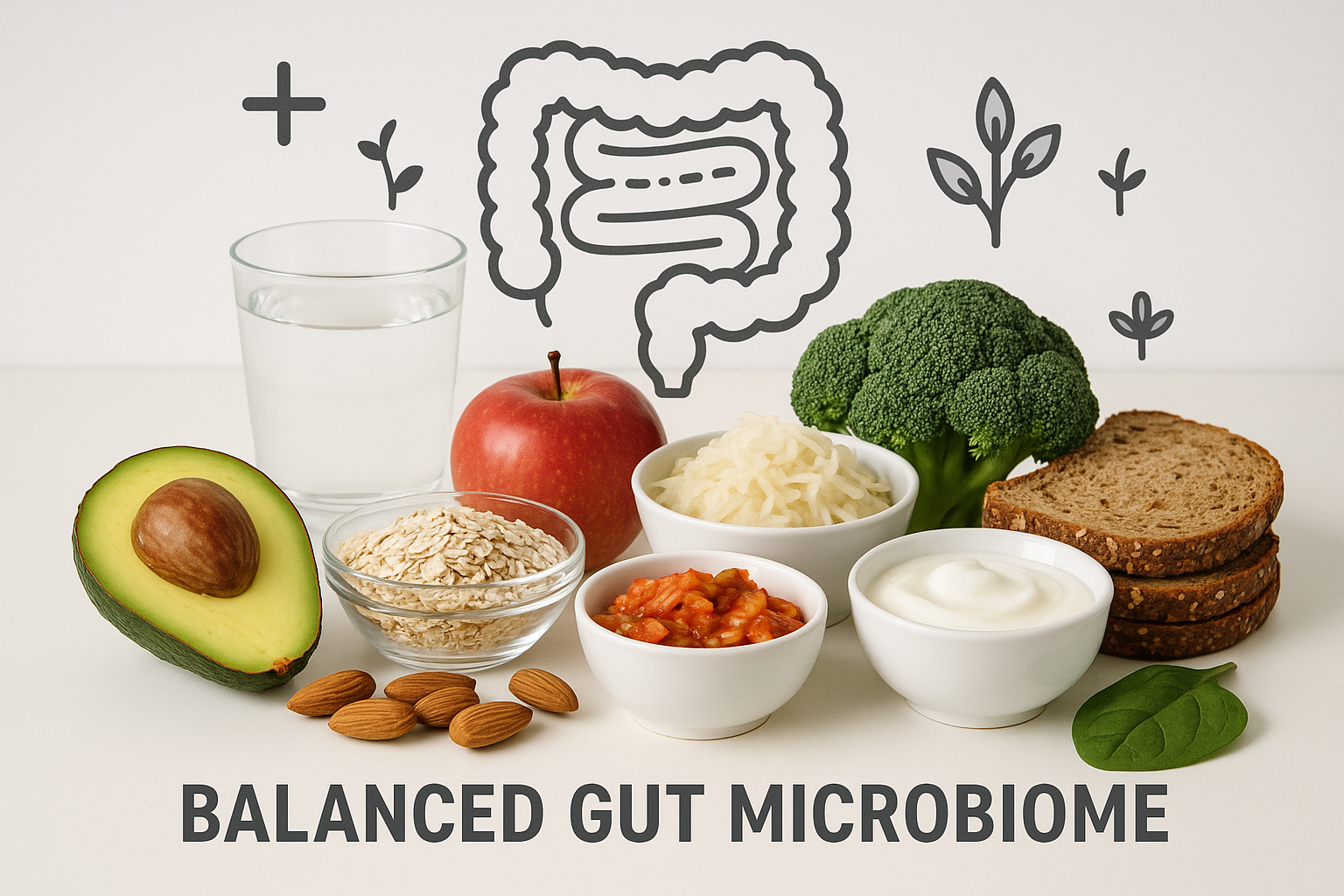
Microbes thrive on different types of fibers and plant compounds. Aim for variety across vegetables, fruits, beans, lentils, oats, nuts, seeds, herbs, and whole grains. A simple goal is to add one new plant food each week.
Increase fiber gradually
Fiber supports regularity and feeds beneficial gut bacteria. Increase slowly to avoid gas and bloating. Good choices include oats, chia seeds, ground flaxseed, beans, lentils, berries, apples, leafy greens, and vegetables. Drink enough water as fiber increases.
Include fermented foods if tolerated
Fermented foods such as yogurt with live cultures, kefir, sauerkraut, kimchi, miso, and tempeh may support microbial diversity for some people. Start small, especially if you are sensitive to histamine, sodium, or high-FODMAP foods.
Limit ultra-processed foods and added sugars
Highly processed foods can crowd out fiber-rich foods and may worsen blood sugar swings, cravings, and inflammation patterns. Focus on meals built from whole foods most of the time rather than trying to eat perfectly.
Prioritize sleep
Poor sleep can affect appetite hormones, immune function, stress response, and digestion. Keep a consistent sleep schedule, reduce late caffeine, limit heavy meals close to bed, and get morning light exposure when possible.
Manage stress daily
Stress can change gut motility, sensitivity, acid production, and immune signaling. Helpful tools include slow breathing, walking, yoga, journaling, therapy, meditation, prayer, time outdoors, and reducing unnecessary stimulation around meals.
Move your body
Regular physical activity supports bowel motility, metabolic health, and microbial diversity. Walking after meals can be especially useful for digestion and blood sugar control.
Hydrate consistently
Water helps soften stool and supports normal digestion. Needs vary by body size, climate, activity level, and diet. If your urine is consistently dark or you are constipated, hydration may be one factor to address.
Use probiotics thoughtfully
Probiotics may help in specific situations, such as antibiotic-associated diarrhea or certain digestive conditions, but benefits depend on the strain, dose, and individual. More is not always better. If you are immunocompromised, seriously ill, pregnant, or managing a medical condition, ask a healthcare professional before using probiotic supplements.
When to seek medical care
Do not ignore red flags. Contact a healthcare professional if you have blood in stool, black stools, unexplained weight loss, persistent diarrhea, severe or worsening abdominal pain, repeated vomiting, fever, difficulty swallowing, anemia, dehydration, or symptoms that wake you at night. You should also seek evaluation if digestive symptoms last more than a few weeks or significantly affect your quality of life.
Bottom line
The most common signs of poor gut health include bloating, gas, irregular bowel movements, food-related discomfort, fatigue, cravings, and symptoms that seem connected to stress or diet. Natural microbiome support starts with the basics: more plant diversity, gradual fiber increases, fermented foods if tolerated, better sleep, regular movement, stress reduction, hydration, and fewer ultra-processed foods. Persistent or severe symptoms deserve medical evaluation so that underlying conditions are not missed.
References
Cleveland Clinic: Gut Microbiome

Chapter 6: Tirzepatide

The Next Generation of Metabolic Peptides
As conversations around metabolic health continued growing, another peptide-based medication quickly began attracting enormous attention:
Tirzepatide.
At first, many women assumed it was simply another version of Semaglutide.
But the conversation around Tirzepatide quickly became different.
Women began reporting:
- stronger appetite control
- greater weight-loss potential
- improved metabolic outcomes
- steadier energy
- reduced cravings
- noticeable changes in food behavior
And suddenly many people started asking:
“What’s the difference between Semaglutide and Tirzepatide?”
For women who had spent years struggling with:
- insulin resistance
- emotional eating
- stubborn abdominal fat
- cravings
- metabolic slowdown
…the growing excitement around Tirzepatide felt impossible to ignore.
But like everything in wellness, it’s important to move beyond hype and understand what’s actually happening biologically.
What Is Tirzepatide?
Tirzepatide is a dual-action peptide medication that targets:
- GLP-1 receptors
and - GIP receptors
This is one reason it generated so much excitement so quickly.
Unlike Semaglutide, which primarily works through GLP-1 pathways, Tirzepatide influences two important metabolic signaling systems simultaneously.
Those systems are involved in:
- appetite regulation
- insulin signaling
- blood sugar control
- satiety
- digestion
- metabolic function
Because of this dual mechanism, many researchers and clinicians began viewing Tirzepatide as a significant evolution in metabolic medicine.
Why Women Became So Interested In It
Many women over 35 feel trapped in a frustrating metabolic pattern:
- increasing hunger
- stronger cravings
- reduced energy
- abdominal fat accumulation
- slower weight loss
- worsening insulin sensitivity
And often this happens despite:
- dieting
- exercising
- calorie tracking
- “healthy eating”
For women navigating hormonal transitions, the body can begin feeling less metabolically flexible and more resistant to traditional approaches.
This is one reason metabolic peptides created such emotional interest.
The conversation shifted from:
“Why can’t I control myself?”
to:
“Maybe my metabolism and signaling pathways need support.”
That’s a profoundly different psychological framework.
And for many women, it feels validating rather than shame-based.
Understanding GIP & GLP-1
Without becoming overly technical, here’s the simplified explanation.
Both GLP-1 and GIP are hormones involved in:
- blood sugar regulation
- insulin response
- appetite signaling
- digestion
- metabolic communication
Tirzepatide interacts with both systems.
Researchers believe this dual-action approach may contribute to:
- stronger appetite regulation
- improved insulin sensitivity
- more significant weight-loss outcomes in some individuals
- improved metabolic control
This is one reason Tirzepatide quickly became a major topic in:
- obesity medicine
- longevity clinics
- wellness optimization
- metabolic health discussions
The Appetite Shift
Like Semaglutide, one of the biggest experiences women report with Tirzepatide is a dramatic reduction in:
- food obsession
- cravings
- overeating tendencies
- emotional urgency around food
Many women describe finally feeling:
- satisfied sooner
- calmer around eating
- less impulsive
- less driven by cravings
Again, this can feel surprisingly emotional.
Because many women have spent years blaming themselves for struggles that may involve complex hormonal and metabolic signaling—not simply lack of discipline.
Why Blood Sugar Stability Matters
One reason Tirzepatide has become so interesting in metabolic medicine is because blood sugar regulation affects far more than diabetes alone.
Blood sugar instability may influence:
- hunger
- cravings
- fatigue
- inflammation
- mood
- energy crashes
- fat storage
- cognitive clarity
When blood sugar becomes more stable, many women report:
- steadier energy
- fewer cravings
- reduced afternoon crashes
- improved mood stability
- better appetite control
This is why metabolic health is increasingly viewed as foundational to overall wellness and longevity—not just weight management alone.
Potential Benefits Women Commonly Discuss
Women exploring Tirzepatide often report:
- significant appetite reduction
- reduced food noise
- body fat reduction
- improved blood sugar awareness
- less emotional eating
- improved metabolic markers
- increased energy after weight loss
- reduced inflammation-related discomfort
Some women also describe:
- improved confidence
- easier movement
- better mobility
- greater motivation to exercise
- feeling more hopeful about their health again
That emotional component should not be underestimated.
When women finally feel progress after years of frustration, it can restore a sense of possibility that had quietly disappeared.
Why Tirzepatide Became So Popular So Quickly
Part of Tirzepatide’s explosive popularity comes from the fact that many women had already become deeply frustrated with traditional dieting culture.
After years of:
- restriction
- shame
- failed diets
- exhausting cardio
- unsustainable plans
…the idea of supporting appetite and metabolic signaling directly felt revolutionary.
Many women weren’t looking for perfection.
They were looking for:
- relief
- consistency
- control
- sustainability
- hope
And for some women, Tirzepatide appeared to provide exactly that.
Important Reality Check
Despite the excitement, it’s important to stay grounded and realistic.
Tirzepatide is not:
- a replacement for healthy habits
- a permanent guarantee against weight regain
- a substitute for muscle maintenance
- a solution for unmanaged stress or poor sleep
And rapid weight loss without proper support can create problems of its own.
Women using appetite-regulating peptides still need to prioritize:
- protein intake
- resistance training
- hydration
- sleep
- recovery
- muscle preservation
- nutrient quality
Long-term health is not simply about losing weight.
It’s about maintaining:
- strength
- resilience
- metabolic flexibility
- energy
- vitality
Common Research & Wellness Approaches
Research and clinical protocols involving Tirzepatide often involve gradual increases over time based on:
- tolerance
- appetite response
- metabolic goals
- side effects
Because gastrointestinal symptoms can occur, many providers prefer slower progression strategies.
Again, this guide is educational only and does not provide individualized dosing recommendations.
Medical supervision is strongly encouraged when exploring metabolic peptide therapies.
Common Side Effects
Commonly discussed side effects may include:
- nausea
- constipation
- digestive discomfort
- bloating
- fatigue
- appetite suppression
- diarrhea
- reflux
- dizziness
Some women adapt quickly.
Others find side effects challenging.
Individual response varies significantly.
Contraindications & Cautions
Women should discuss Tirzepatide carefully with healthcare professionals, especially if they have:
- personal or family history of certain thyroid cancers
- pancreatitis history
- severe digestive conditions
- gallbladder disease
- diabetes medication interactions
- pregnancy or breastfeeding considerations
Because Tirzepatide strongly influences appetite and metabolism, thoughtful monitoring matters.
The Importance of Muscle Preservation
One concern increasingly discussed in longevity and wellness communities is what some experts call:
“skinny but metabolically weak.”
This can happen when rapid weight loss occurs alongside:
- muscle loss
- inadequate protein intake
- poor recovery
- lack of strength training
For women over 35 especially, muscle preservation is critical.
Muscle supports:
- metabolism
- longevity
- insulin sensitivity
- mobility
- bone health
- recovery
- overall aging resilience
This is why many wellness-focused providers emphasize:
body composition over scale weight alone.
That’s a much healthier long-term mindset.
Tirzepatide & Menopause
Many women navigating menopause feel particularly drawn to Tirzepatide discussions because hormonal shifts often coincide with:
- increased abdominal fat
- insulin resistance
- inflammation
- reduced metabolic flexibility
- stronger cravings
- declining energy
For some women, appetite-regulating peptides feel like the first intervention that finally acknowledges the hormonal complexity behind those struggles.
And emotionally, that validation can feel profound.
Ava’s Perspective
One thing I’ve noticed repeatedly while researching Tirzepatide is that many women describe a feeling of:
peace around food.
Not obsession.
Not constant restriction.
Not endless internal negotiation.
Just…calm.
That alone can dramatically change someone’s relationship with eating and wellness.
At the same time, I think it’s important to avoid turning metabolic peptides into another form of extreme wellness culture.
The goal should not be shrinking at all costs.
The goal should be:
- strength
- vitality
- confidence
- metabolic health
- sustainability
- feeling good in your body again
When approached thoughtfully, that’s where these conversations become genuinely interesting.
Key Takeaways
- Tirzepatide influences both GLP-1 and GIP metabolic pathways.
- Many women report powerful appetite and craving reduction.
- Blood sugar stability affects far more than weight alone.
- Hormonal and metabolic signaling play major roles in appetite regulation.
- Muscle preservation and protein intake remain essential.
- Tirzepatide is not a substitute for foundational wellness habits.
- Sustainable metabolic health should prioritize strength and vitality—not just smaller body size.

Chapter 5: Semaglutide

PART 2: Metabolism, Appetite & Fat Loss Peptides
The Peptide That Changed the Weight-Loss Conversation
It’s difficult to overstate how dramatically the conversation around weight loss has changed in recent years.
For decades, women struggling with stubborn weight gain were often told the same things repeatedly:
- eat less
- move more
- try harder
- be more disciplined
And many women did exactly that.
They tracked calories.
They exercised consistently.
They skipped meals.
They tried every diet trend imaginable.
Yet despite enormous effort, many still struggled with:
- constant hunger
- cravings
- food obsession
- fatigue
- slow progress
- weight regain
Then suddenly, conversations about metabolic health and appetite regulation entered mainstream culture in a much bigger way.
And one name quickly became impossible to ignore:
Semaglutide.
For many women, Semaglutide was the first time they heard a very different explanation for weight struggles:
appetite and metabolism are deeply connected to hormonal signaling.
That realization changed everything.
What Is Semaglutide?
Semaglutide is a GLP-1 receptor agonist originally developed for blood sugar regulation and type 2 diabetes management.
GLP-1 stands for:
glucagon-like peptide-1
This is a hormone your body naturally produces that plays a role in:
- appetite regulation
- insulin release
- digestion
- blood sugar control
- satiety signaling
Semaglutide essentially mimics aspects of this naturally occurring hormone.
In wellness and metabolic health conversations, it has become widely known for its ability to help many individuals:
- feel fuller sooner
- reduce food noise
- decrease cravings
- improve portion control
- support significant weight loss in some cases
For many women who have spent years battling constant hunger or obsessive food thoughts, this shift can feel surprisingly emotional.
Because often, for the first time in years, eating begins to feel calmer and more manageable.
What Is “Food Noise”?
One phrase that appears constantly in conversations about Semaglutide is:
food noise.
Women often describe food noise as:
- constantly thinking about food
- intense cravings
- emotional eating impulses
- difficulty feeling satisfied
- persistent hunger even after eating
Many women assume this experience is simply lack of willpower.
But appetite regulation is heavily influenced by hormones and neurological signaling.
That’s one reason Semaglutide has generated such strong emotional reactions among some users.
For many women, reduced food noise feels less like forced restriction and more like:
relief.
That distinction matters enormously.
Why Women Over 35 Became So Interested In It
Semaglutide entered the wellness conversation at a time when many women were already struggling with:
- hormonal weight gain
- insulin resistance
- metabolic slowdown
- fatigue
- inflammation
- emotional frustration around dieting
For women in perimenopause and menopause, weight often begins accumulating differently:
- more abdominal fat
- increased cravings
- unstable energy
- worsening insulin sensitivity
- difficulty recovering from restrictive dieting
Many women felt they were doing everything “right” while still watching their bodies change in ways they couldn’t control.
Semaglutide changed the conversation because it shifted focus toward:
- appetite signaling
- metabolic regulation
- hormonal communication
- blood sugar stability
Instead of simply blaming willpower.
How Semaglutide Works
Semaglutide works through several mechanisms related to appetite and metabolic signaling.
Research suggests it may help:
- slow stomach emptying
- increase satiety
- reduce appetite
- improve blood sugar regulation
- influence reward-related eating behaviors
Many women report:
- eating smaller portions naturally
- feeling satisfied sooner
- fewer cravings
- less emotional attachment to food
- steadier energy
Importantly, many women say the experience feels different from traditional dieting.
Instead of:
constantly fighting hunger
…it may feel more like:
reduced mental and physical intensity around eating.
That psychological shift can feel profound for women who have struggled with dieting cycles for years.
Why Semaglutide Feels So Different Than Traditional Dieting
Traditional dieting often relies heavily on:
- restriction
- willpower
- hunger tolerance
- constant self-control
Which can become exhausting over time.
Many women eventually feel trapped in cycles of:
- restriction
- cravings
- overeating
- guilt
- restarting
Semaglutide changed the experience for many people because it appears to influence the appetite signaling itself.
That distinction is important.
When appetite regulation changes, behavior often becomes easier to sustain.
For some women, this can create:
- reduced binge tendencies
- less emotional eating
- improved consistency
- easier calorie reduction without obsession
Potential Benefits Women Commonly Report
Women exploring Semaglutide often discuss benefits such as:
- reduced appetite
- weight loss support
- less food noise
- improved blood sugar control
- reduced cravings
- better portion awareness
- improved metabolic markers
- increased motivation as progress becomes visible
Some women also report indirect improvements in:
- inflammation
- energy
- confidence
- mobility
- sleep quality
Particularly after weight loss begins improving overall health.
The Emotional Side of Weight Loss
One thing rarely discussed openly is how emotional weight struggles can become for women.
Many women carry years of:
- shame
- frustration
- self-blame
- embarrassment
- exhaustion from failed diets
That emotional burden can become incredibly heavy.
This is one reason the popularity of Semaglutide became about more than weight loss alone.
For many women, it represented:
hope.
Hope that maybe their struggles were not simply personal failure.
Hope that appetite and metabolism were more biologically complex than they had been told.
Hope that support might actually exist.
Common Research & Wellness Ranges
In clinical and wellness settings, Semaglutide protocols are often gradually increased over time rather than started aggressively.
This gradual approach is commonly used to help manage gastrointestinal side effects and improve tolerance.
Research and clinical protocols vary significantly depending on:
- goals
- medical supervision
- metabolic status
- individual response
Because this guide is educational only, specific dosing recommendations are intentionally omitted.
Women considering Semaglutide should always work with qualified medical professionals familiar with metabolic health and GLP-1 therapies.
Common Side Effects
Like any compound affecting appetite and digestion, Semaglutide may produce side effects.
Commonly reported effects may include:
- nausea
- constipation
- diarrhea
- fatigue
- reduced appetite
- bloating
- stomach discomfort
- reflux
- dizziness
Some women tolerate it very well.
Others find gastrointestinal side effects difficult.
This is one reason why gradual adjustment and individualized guidance matter.
Important Considerations & Contraindications
Semaglutide may not be appropriate for everyone.
Women should discuss risks carefully with healthcare professionals, especially if they have:
- personal or family history of certain thyroid cancers
- pancreatitis history
- severe gastrointestinal conditions
- gallbladder issues
- diabetes medication interactions
- pregnancy or breastfeeding considerations
Again, personalized medical guidance matters enormously here.
The Muscle Loss Conversation
One important topic receiving growing attention is muscle preservation during rapid weight loss.
When appetite decreases significantly, some women unintentionally:
- under-eat protein
- lose muscle mass
- reduce strength
- weaken recovery capacity
This is one reason resistance training and adequate protein intake become critically important while using appetite-regulating peptides.
The goal should not simply be:
becoming smaller.
The healthier long-term goal is:
improving body composition while preserving strength and metabolic health.
That distinction matters enormously for aging well.
Common Wellness Pairings
Some women exploring metabolic health strategies pair Semaglutide discussions with focus on:
- resistance training
- protein prioritization
- walking after meals
- blood sugar stability
- sleep optimization
- stress management
In wellness conversations, Semaglutide is also sometimes discussed alongside:
- longevity-focused habits
- muscle preservation strategies
- inflammation support
- recovery protocols
The women who seem to experience the best long-term outcomes are often the ones treating Semaglutide as:
part of a larger lifestyle shift.
Not a standalone miracle solution.
Ava’s Perspective
One thing that surprised me most when researching Semaglutide was how emotional the conversation around it became for women.
Again and again, I heard women say things like:
“I finally stopped thinking about food all day.”
Or:
“For the first time in years, I feel in control around eating.”
That’s powerful.
Not because smaller bodies automatically equal happiness.
But because constant mental exhaustion around food can quietly consume enormous emotional energy.
At the same time, I also think it’s important to approach Semaglutide realistically.
It’s not magic.
And it’s not a substitute for building:
- muscle
- healthy routines
- recovery habits
- metabolic resilience
The women who seem happiest long-term are usually the ones using these tools to support a broader wellness transformation—not punish themselves into smaller bodies.
That distinction matters deeply.
Key Takeaways
Sustainable wellness is about metabolic health and vitality—not just weight loss alone.
Semaglutide works through appetite and metabolic signaling pathways.
Many women report reduced food noise and improved appetite control.
Weight struggles are often more biologically complex than simple willpower.
Semaglutide is not a replacement for healthy lifestyle habits.
Protein intake and muscle preservation remain critically important.
Side effects and contraindications should be taken seriously.

Chapter 4: Are Peptides Safe?

One of the first questions most women ask when they begin learning about peptides is:
“Are these actually safe?”
And honestly, that’s the right question to ask.
In a world filled with wellness trends, exaggerated marketing, and dramatic online claims, skepticism is healthy.
The truth is that peptide safety is not a simple yes-or-no conversation.
Some peptides are already used in clinical settings and have been studied extensively.
Others remain more experimental and are still being researched.
Some have relatively well-understood safety profiles.
Others have limited long-term human data.
And individual responses can vary significantly depending on:
- overall health
- hormone status
- metabolic function
- medical history
- dosage
- quality
- lifestyle
- provider oversight
This is why balanced education matters so much.
My goal in this chapter is not to create fear around peptides.
Nor is it to convince you they are completely risk-free.
Instead, I want to help you think about peptides the same way thoughtful wellness professionals do:
with curiosity, caution, and realism.
The Biggest Misconception About Peptides
One of the biggest misconceptions online is the idea that peptides are either:
- perfectly safe miracle compounds
or - dangerous experimental substances
Reality is usually somewhere in the middle.
Many peptides are being actively explored because they interact with biological pathways already present in the body.
That’s one reason they’ve generated so much interest in:
- metabolic health
- recovery science
- longevity medicine
- wellness optimization
But “naturally occurring” does not automatically mean risk-free.
Even naturally occurring substances can create unwanted effects depending on:
- the individual
- the dose
- underlying health conditions
- medication interactions
- sourcing quality
This is why responsible education and medical guidance are important.
Why Quality Matters So Much
If there is one thing I wish more women understood before exploring peptides, it’s this:
Quality matters enormously.
The growing popularity of peptides has created a rapidly expanding marketplace. Unfortunately, not all sources follow the same manufacturing or quality standards.
Poor-quality products may contain:
- inaccurate dosing
- contamination
- impurities
- inconsistent formulations
- improper storage handling
This is one reason it’s so important to be cautious about where products originate and how they are obtained.
Women exploring peptides should prioritize:
- reputable providers
- transparency
- proper testing standards
- medical oversight when appropriate
- companies with strong reputations and quality controls
This isn’t an area where cutting corners makes sense.
Why Medical Guidance Matters
Many women exploring peptides are also navigating:
- hormone changes
- thyroid issues
- insulin resistance
- autoimmune conditions
- cardiovascular concerns
- chronic inflammation
- medication interactions
That’s why individualized medical guidance matters.
A peptide that may be appropriate for one person may not be appropriate for another.
This is especially important for women with:
- personal or family histories of certain cancers
- diabetes
- severe metabolic disease
- uncontrolled cardiovascular issues
- pregnancy or breastfeeding
- hormone-sensitive conditions
Throughout this guide, you’ll notice that I consistently encourage:
- informed decision-making
- realistic expectations
- professional guidance
- thoughtful exploration
Because wellness should never become recklessness.
Understanding Side Effects
Every compound that affects physiology has the potential for side effects.
That includes:
- medications
- supplements
- hormones
- peptides
The severity and likelihood of side effects vary significantly depending on the peptide and the individual.
Some commonly reported peptide-related side effects may include:
- nausea
- fatigue
- headaches
- water retention
- digestive discomfort
- appetite changes
- injection site irritation
- dizziness
- temporary blood sugar fluctuations
Some peptides may also affect:
- insulin sensitivity
- growth hormone pathways
- appetite signaling
- fluid balance
- cardiovascular markers
Again, context matters enormously.
This is one reason why responsible use, realistic expectations, and quality oversight are so important.
The Emotional Side of Safety Concerns
Many women feel conflicted when first exploring peptides.
On one hand:
they feel frustrated, exhausted, inflamed, or discouraged by the changes happening in their bodies.
On the other hand:
they don’t want to make reckless decisions.
That internal conflict is completely understandable.
One reason peptide conversations can feel confusing is because online wellness culture often swings between extremes:
- fear
or - hype
Neither is particularly helpful.
Most women don’t need panic.
And they also don’t need exaggerated promises.
They need balanced information.
They need realistic expectations.
And they need to feel empowered to make thoughtful decisions about their own health.
The Regulatory Gray Area
Another reason peptides can feel confusing is that the regulatory landscape surrounding them is complex.
Some peptide-related medications are fully approved for specific medical uses.
Others are compounded under medical supervision.
Others are still considered research compounds and are not approved for general medical use.
This distinction matters.
And it’s important to understand that:
- “popular online” does not automatically mean well studied
- “widely discussed” does not automatically mean medically appropriate
- “natural” does not automatically mean harmless
Wellness trends often move faster than long-term research.
That doesn’t necessarily mean peptides are unsafe.
But it does mean informed caution is wise.
The Problem With Online Wellness Culture
One of the most frustrating things about researching peptides online is how difficult it can be to separate:
- education
from - marketing
Many online conversations are driven by:
- dramatic transformations
- unrealistic promises
- affiliate incentives
- social media hype
- extreme before-and-after culture
And unfortunately, that can create distorted expectations.
What’s often missing from those conversations is nuance.
For example:
- some women respond very well to certain peptides
- others notice minimal effects
- some experience side effects
- some discover lifestyle improvements alone were enough to create major changes
Human physiology is incredibly individualized.
That’s why comparison can become dangerous.
Your body is not someone else’s body.
Your metabolism, hormones, inflammation patterns, sleep quality, stress levels, and medical history are unique to you.
Why Lifestyle Still Matters
One of the most important themes throughout this book is that peptides work best when layered onto strong wellness foundations.
Women who tend to experience the best outcomes are often also prioritizing:
- adequate protein
- resistance training
- walking
- blood sugar stability
- stress management
- sleep
- hydration
- recovery
- muscle maintenance
Peptides are not replacements for these things.
They are tools that may support certain biological pathways within a larger wellness strategy.
That perspective keeps expectations realistic and grounded.
Questions Worth Asking Before Exploring Peptides
Before considering peptides, thoughtful questions include:
- What specific goal am I trying to support?
- Have I addressed foundational lifestyle habits first?
- Do I understand the risks and limitations?
- Am I working with a reputable provider?
- Do I have realistic expectations?
- Am I seeking health optimization or chasing unrealistic perfection?
- Am I approaching this thoughtfully rather than impulsively?
These questions matter.
Because wellness decisions should feel informed and intentional—not emotionally reactive.
A More Balanced Way to Think About Peptides
I believe the healthiest mindset is this:
Peptides are neither miracle cures nor inherently dangerous villains.
They are simply one category of emerging wellness tools being explored within:
- metabolic health
- longevity science
- recovery medicine
- hormone optimization
- healthy aging
Some may eventually become mainstream parts of preventative wellness.
Others may prove less effective than early excitement suggested.
Research is still evolving.
And that’s okay.
Science is supposed to evolve.
The goal is not blind enthusiasm.
The goal is informed curiosity.
My Personal Perspective
One thing I’ve learned through my own wellness journey is that fear and hype are equally unhelpful.
Fear keeps many women from exploring potentially valuable tools.
Hype pushes women toward unrealistic expectations and impulsive decisions.
The healthiest approach usually lives somewhere in the middle.
Thoughtful.
Measured.
Educated.
Open-minded without becoming reckless.
That’s the mindset I hope this guide encourages.
What Comes Next
Now that we’ve covered:
- why women’s bodies change after 35
- why traditional wellness advice often stops working
- what peptides are
- how to think about safety realistically
…it’s finally time to begin discussing the individual peptides themselves.
We’ll start with one of the most talked-about categories in modern wellness and metabolic health:
peptides related to appetite regulation, blood sugar support, and fat loss.
Because for many women, this is where the peptide conversation first begins.