
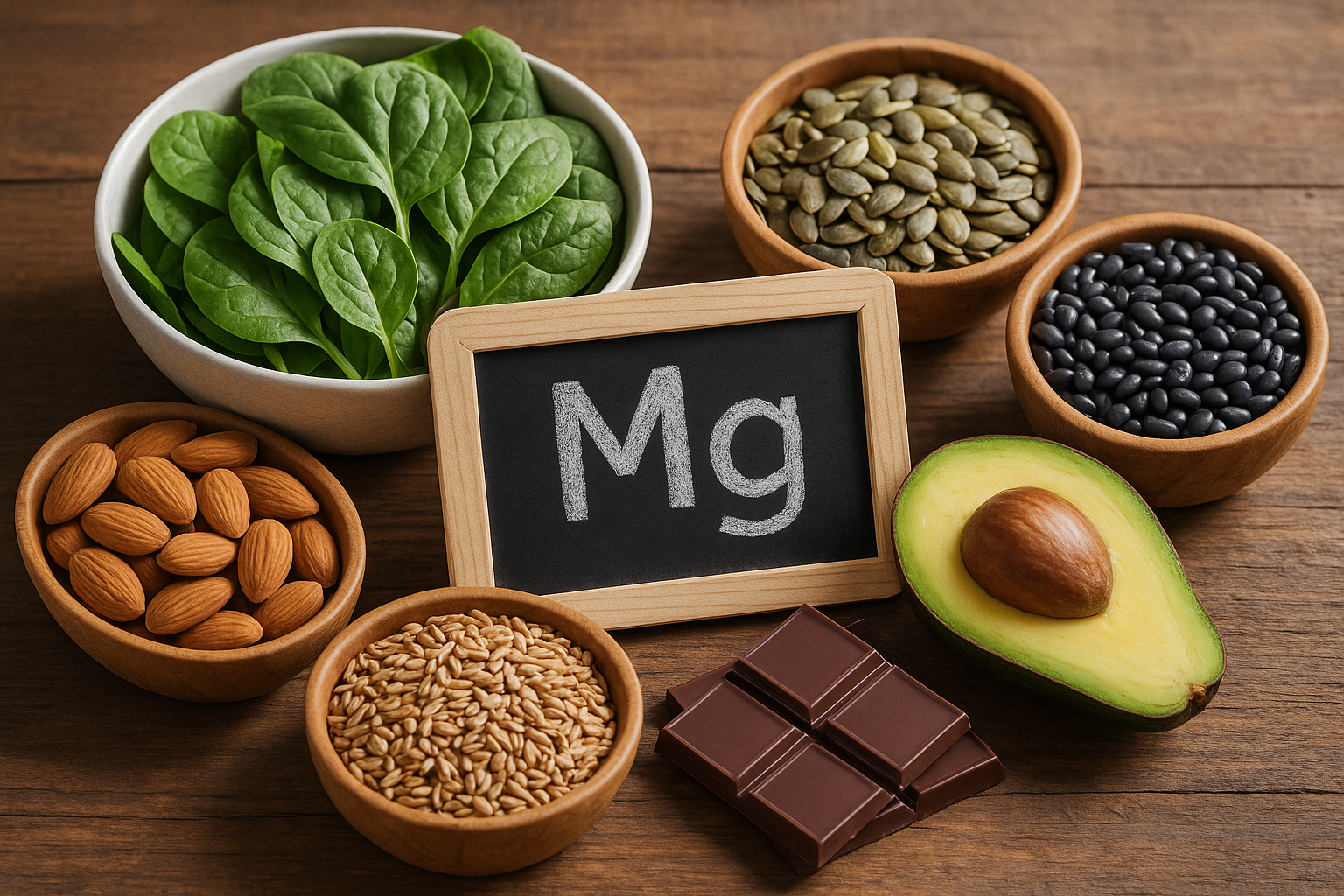
Best Foods for Magnesium Deficiency
## Why Magnesium Is Important
Magnesium supports muscle contraction and relaxation, nerve communication, blood sugar balance, and blood pressure regulation. Low magnesium levels may contribute to muscle cramps, fatigue, weakness, irregular heartbeat, and numbness or tingling.
## Best Foods for Magnesium Deficiency
### 1. Leafy Green Vegetables
Spinach, Swiss chard, and kale are among the richest plant sources of magnesium. One cup of cooked spinach provides a significant portion of daily magnesium needs.
### 2. Pumpkin Seeds
Pumpkin seeds are one of the most magnesium dense foods. A small handful can deliver a substantial boost and also provides healthy fats and zinc.
### 3. Almonds and Cashews
Nuts like almonds and cashews are excellent sources of magnesium. They also provide protein, fiber, and heart healthy fats.
### 4. Black Beans and Lentils
Legumes such as black beans, chickpeas, and lentils offer magnesium along with fiber and plant based protein. They are especially helpful for those following plant focused diets.
### 5. Whole Grains
Brown rice, quinoa, and whole wheat products contain more magnesium than refined grains. Choosing whole grains helps maintain steady energy and mineral intake.
### 6. Avocado
Avocado provides magnesium along with potassium and healthy monounsaturated fats that support heart health.
### 7. Dark Chocolate
Dark chocolate with a high cocoa content contains magnesium and antioxidants. Choose varieties with minimal added sugar.
### 8. Fatty Fish
Salmon and mackerel provide moderate amounts of magnesium and also supply omega 3 fatty acids that support nerve and heart health.
## Tips to Improve Magnesium Intake
Focus on whole, minimally processed foods. Reduce excessive alcohol intake, which can lower magnesium levels. Pair magnesium rich foods with a balanced diet that includes adequate vitamin D, as it supports proper mineral balance.
## When to Consider Medical Guidance
If you experience persistent symptoms such as muscle cramps, fatigue, or irregular heartbeat, consult a healthcare professional. In some cases, testing or supplementation may be necessary to correct deficiency safely.
Including a variety of these magnesium rich foods in your meals can help correct deficiency and support strong muscles, healthy nerves, and overall well being.