
How Zinc Strengthens Immune Health and Prevents Deficiency
Why Zinc Is Important for Immune Health
Zinc is a trace mineral required for the development and function of many immune cells. It supports the normal growth and activity of T lymphocytes, neutrophils, and natural killer cells. These cells help the body identify and respond to harmful bacteria and viruses.
Zinc also plays a role in:
- Supporting the skin and mucosal barriers that act as the first line of defense
- Regulating inflammation
- Assisting in wound healing
- Supporting normal cell growth and communication
Even mild zinc deficiency can impair immune responses and increase susceptibility to infections.
How Zinc Helps Prevent Illness
Research shows that adequate zinc intake helps maintain balanced immune reactions. Zinc supports communication between immune cells and helps control oxidative stress that can damage tissues during infection.
Some evidence suggests that zinc, when taken at the onset of symptoms, may reduce the duration of the common cold. However, appropriate dosing and timing are important, and excessive intake can cause side effects.

Signs of Zinc Deficiency
Zinc deficiency can occur due to inadequate dietary intake, digestive disorders, or increased needs during pregnancy and illness. Symptoms may include:
- Frequent infections
- Slow wound healing
- Hair thinning
- Loss of appetite
- Reduced sense of taste or smell
Children, older adults, vegetarians, and individuals with gastrointestinal conditions may be at higher risk.
Recommended Intake and Food Sources
The recommended dietary allowance varies by age and sex. Adult men generally require about 11 mg per day, while adult women require about 8 mg per day.
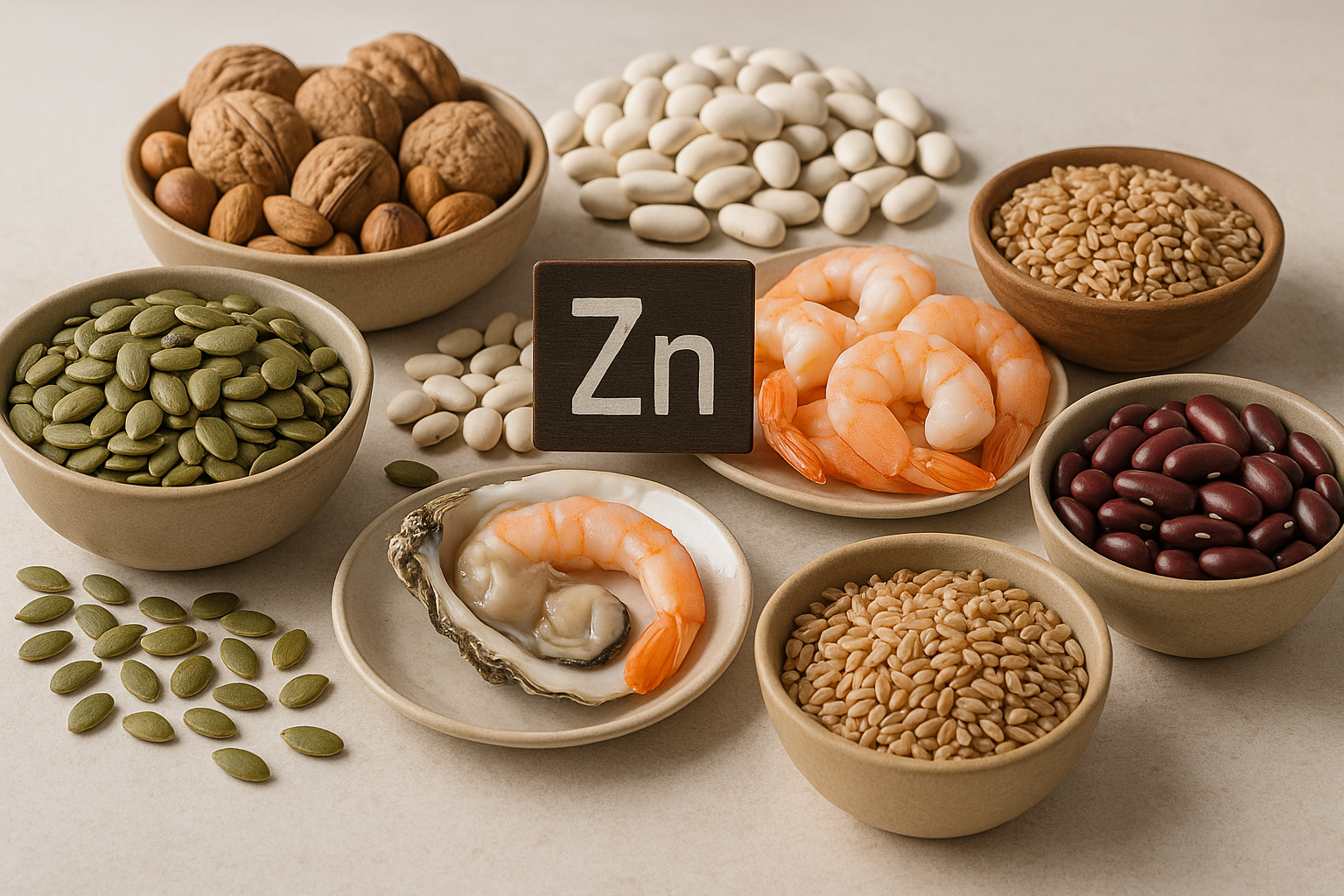
Zinc rich foods include:
- Oysters and other shellfish
- Red meat and poultry
- Beans and lentils
- Nuts and seeds such as pumpkin seeds
- Whole grains and fortified cereals
- Dairy products
Animal based sources tend to be more readily absorbed than plant based sources due to the presence of compounds called phytates in some plant foods.
Can You Take Too Much Zinc?
Yes. Excessive zinc intake, particularly from supplements, can cause nausea, digestive upset, and interfere with copper absorption. Long term high doses may weaken immune function rather than improve it.
The tolerable upper intake level for adults is generally 40 mg per day from all sources unless otherwise directed by a healthcare professional.
Supporting Immune Health Safely
A balanced diet that includes zinc rich foods is the safest and most effective way to maintain adequate levels. Supplements may be helpful for individuals with diagnosed deficiency or increased needs, but they should be used under medical guidance.
Maintaining overall immune health also involves adequate sleep, regular physical activity, stress management, and proper hygiene practices.
References: