
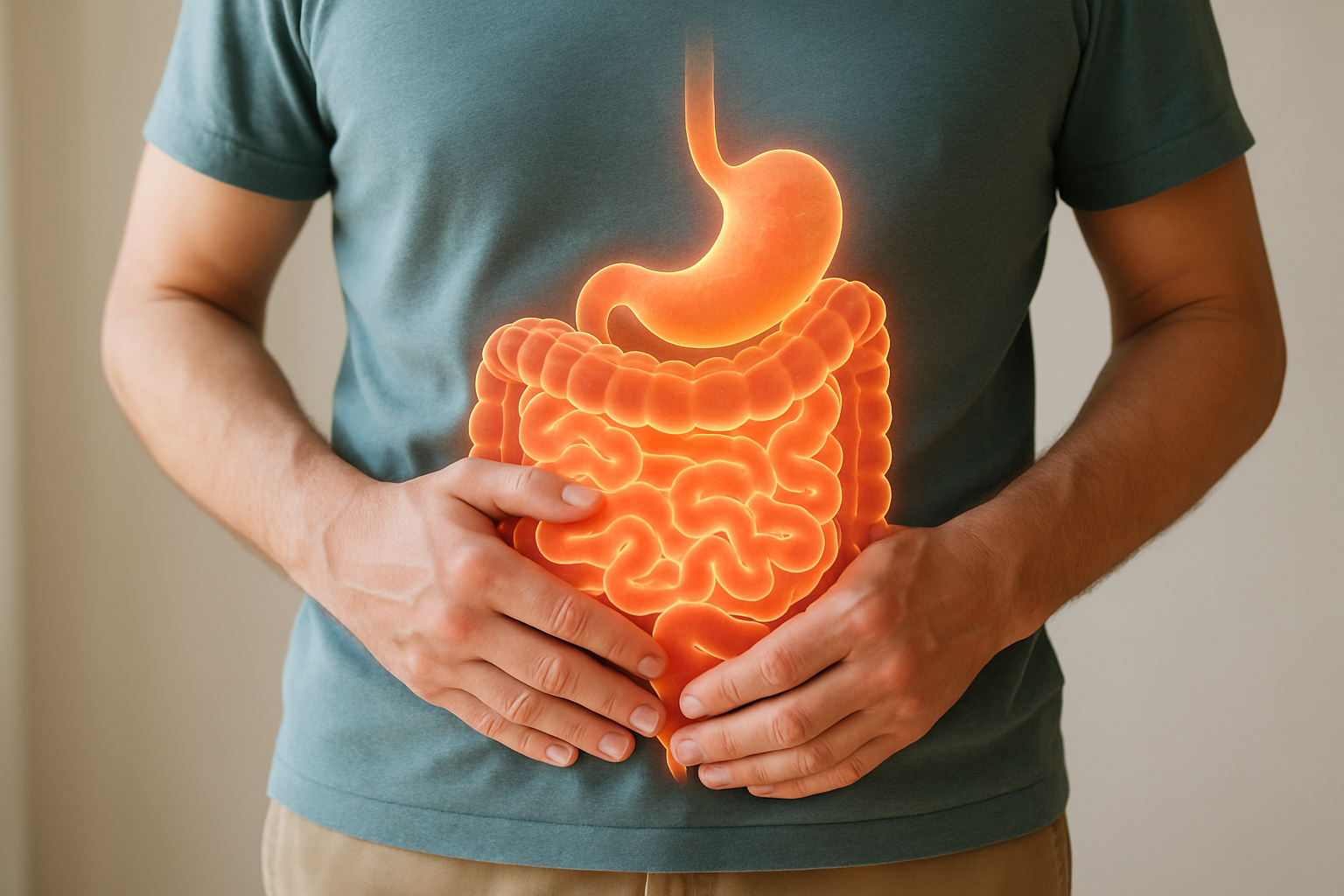
Gut Inflammation Symptoms and Natural Approaches to Calm the Digestive Tract
What Is Gut Inflammation?
Gut inflammation occurs when the lining of the digestive tract becomes irritated or damaged. This can happen due to infections, food intolerances, chronic stress, autoimmune conditions, or disorders such as inflammatory bowel disease (IBD). Short-term inflammation may resolve on its own, while chronic inflammation requires medical evaluation and long-term management.
Common Gut Inflammation Symptoms
Symptoms can vary depending on the cause and severity, but commonly include:
- Abdominal pain or cramping
- Bloating and excess gas
- Diarrhea or constipation
- Nausea
- Fatigue
- Loss of appetite
- Unintended weight loss
- Blood or mucus in the stool in more severe cases
Persistent symptoms, severe pain, dehydration, fever, or blood in the stool require prompt medical attention.
What Can Trigger Digestive Tract Inflammation?
Several factors may contribute to gut inflammation:
- Bacterial, viral, or parasitic infections
- Food intolerances or sensitivities
- Highly processed diets low in fiber
- Chronic stress
- Autoimmune conditions such as Crohn’s disease or ulcerative colitis
- Overuse of certain medications, including NSAIDs
Identifying and addressing underlying triggers is key to calming inflammation.

Natural Approaches to Calm the Digestive Tract
While medical treatment may be necessary in some cases, several natural strategies can support digestive health.
1. Focus on Anti-Inflammatory Foods
A diet rich in whole foods may help reduce inflammation. Consider:
- Fruits and vegetables high in antioxidants
- Whole grains if tolerated
- Lean proteins such as fish and poultry
- Healthy fats from sources like olive oil and nuts
Limiting ultra-processed foods, added sugars, and excessive alcohol may also support gut health.
2. Increase Fiber Gradually
Dietary fiber supports healthy digestion and beneficial gut bacteria. Soluble fiber, found in oats, beans, and certain fruits, may be especially soothing. Increase fiber intake slowly to avoid worsening bloating.
3. Stay Hydrated
Adequate fluid intake supports regular bowel movements and overall digestive function, especially if diarrhea is present.
4. Manage Stress
The gut and brain are closely connected. Chronic stress can worsen gut inflammation symptoms. Techniques such as deep breathing, meditation, regular physical activity, and adequate sleep may help regulate the gut-brain axis.
5. Consider Probiotics Carefully
Some research suggests probiotics may support gut balance, particularly after infections or antibiotic use. However, strains and effectiveness vary, so discussing options with a healthcare professional is recommended.
6. Get Medical Evaluation for Persistent Symptoms
If symptoms last more than a few weeks, worsen, or include red-flag signs such as bleeding or significant weight loss, medical testing may be necessary to rule out inflammatory bowel disease, celiac disease, or other conditions.
When to Seek Immediate Care
Seek urgent medical attention if you experience:
- Severe abdominal pain
- High fever
- Signs of dehydration
- Persistent vomiting
- Blood in the stool
Early evaluation can prevent complications and support faster recovery.
Supporting Long-Term Gut Health
Long-term gut health involves balanced nutrition, regular movement, stress management, and appropriate medical care when needed. By recognizing gut inflammation symptoms early and taking supportive steps, many people can improve digestive comfort and overall well-being.