
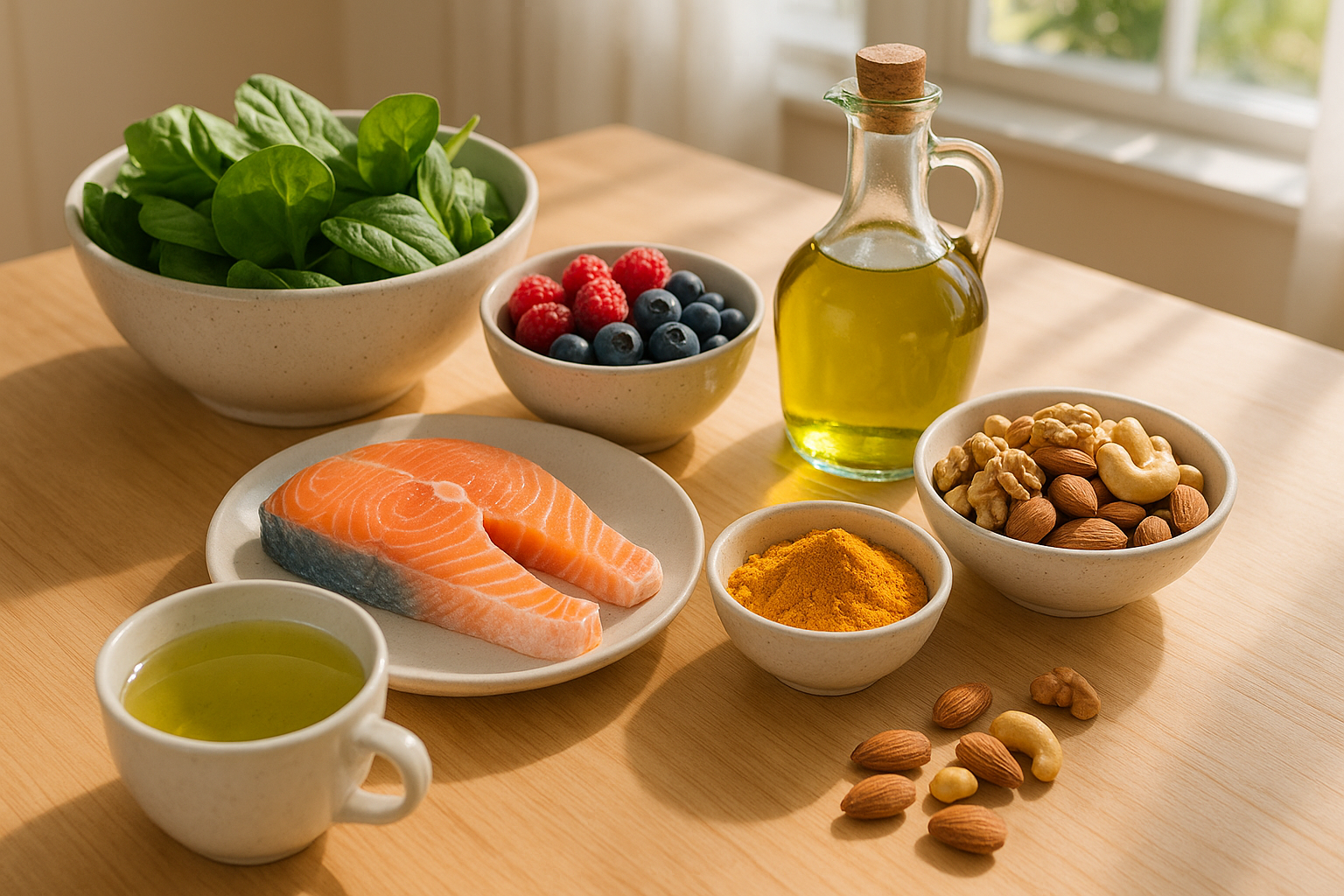
Natural Ways to Reduce Inflammation: A Science-Backed Guide to Diet and Lifestyle
## Understanding Chronic Inflammation
Inflammation is your body’s natural defense mechanism. When you experience injury or infection, your immune system triggers acute inflammation to promote healing. However, when inflammation becomes chronic, it can persist for months or years, often without obvious symptoms.
Chronic inflammation has been associated with:
– Cardiovascular disease
– Type 2 diabetes
– Obesity
– Autoimmune disorders
– Neurodegenerative conditions
– Digestive disorders
Reducing chronic inflammation requires a comprehensive approach that targets diet, physical activity, stress, sleep, and environmental exposures.

—
## Anti-Inflammatory Nutrition Strategies
### 1. Prioritize Whole, Minimally Processed Foods
Highly processed foods are often rich in refined carbohydrates, added sugars, industrial seed oils, and additives that may promote inflammatory pathways. Replacing ultra-processed foods with whole foods is one of the most powerful changes you can make.
Focus on:
– Vegetables of all colors
– Whole fruits
– Legumes
– Nuts and seeds
– Whole grains
– High-quality protein sources
Whole foods provide fiber, antioxidants, vitamins, and phytonutrients that help regulate immune function.
### 2. Increase Omega-3 Fatty Acids
Omega-3 fatty acids have well-documented anti-inflammatory properties. They help balance pro-inflammatory omega-6 fats and support cardiovascular and metabolic health.
Rich sources include:
– Fatty fish such as salmon, sardines, and mackerel
– Chia seeds
– Flaxseeds
– Walnuts
Aim to include fatty fish at least twice per week.
### 3. Emphasize Colorful Fruits and Vegetables
Deeply colored plant foods contain antioxidants and polyphenols that neutralize oxidative stress, a key driver of inflammation.
Top choices include:
– Berries
– Leafy greens
– Cruciferous vegetables
– Beets
– Tomatoes
– Red cabbage
A practical goal is to fill half your plate with vegetables at most meals.
### 4. Use Anti-Inflammatory Herbs and Spices
Certain herbs and spices contain bioactive compounds that help regulate inflammatory pathways.
Examples include:
– Turmeric
– Ginger
– Garlic
– Cinnamon
– Rosemary
Incorporating these into daily cooking can provide cumulative benefits.
### 5. Reduce Added Sugar and Refined Carbohydrates
High intake of added sugars and refined carbohydrates can contribute to insulin resistance and systemic inflammation. Reducing sugary beverages, pastries, and processed snacks can significantly lower inflammatory burden.
### 6. Support Gut Health
The gut microbiome plays a central role in immune regulation. A diverse and balanced microbiome can help control inflammatory responses.
Support gut health by:
– Eating fiber-rich foods
– Including fermented foods such as yogurt, kefir, sauerkraut, and kimchi
– Limiting unnecessary antibiotic use under medical guidance
—
## Lifestyle Strategies to Reduce Inflammation
### 1. Engage in Regular Physical Activity
Moderate, consistent exercise reduces inflammatory markers and improves immune regulation. Both aerobic exercise and resistance training provide benefits.
Aim for:
– At least 150 minutes of moderate aerobic activity per week
– Strength training two or more days per week
Avoid extreme overtraining, which may temporarily increase inflammation.
### 2. Prioritize Restorative Sleep
Poor sleep is strongly linked to elevated inflammatory markers. Chronic sleep deprivation disrupts immune balance and metabolic health.
Support healthy sleep by:
– Maintaining a consistent sleep schedule
– Limiting screen exposure before bed
– Keeping the bedroom cool and dark
– Avoiding large meals late at night
Most adults require 7 to 9 hours of quality sleep per night.
### 3. Manage Chronic Stress
Psychological stress activates inflammatory signaling pathways. Long-term stress can significantly increase systemic inflammation.
Evidence-based stress reduction strategies include:
– Mindfulness meditation
– Deep breathing exercises
– Time in nature
– Journaling
– Counseling or therapy when needed
Even 10 minutes of daily stress-reduction practice can have measurable benefits over time.
### 4. Maintain a Healthy Body Composition
Excess visceral fat is metabolically active and releases pro-inflammatory compounds. Gradual, sustainable fat loss through diet and exercise can significantly reduce inflammatory markers.
Focus on long-term habits rather than rapid weight loss approaches.
### 5. Avoid Smoking and Limit Alcohol
Smoking promotes oxidative stress and systemic inflammation. Excessive alcohol consumption can damage the gut barrier and liver, increasing inflammatory burden.
If you drink alcohol, moderation is key.
—
## Putting It All Together
Reducing chronic inflammation naturally is not about a single superfood or supplement. It is about consistent daily habits that support immune balance and metabolic health.
A practical anti-inflammatory lifestyle includes:
– Eating a plant-forward, minimally processed diet
– Including omega-3 rich foods regularly
– Exercising consistently but moderately
– Sleeping 7 to 9 hours nightly
– Managing stress proactively
– Avoiding tobacco and limiting alcohol
Small, sustainable changes compound over time. By addressing both diet and lifestyle factors, you can significantly lower chronic inflammation and support long-term health and resilience.