
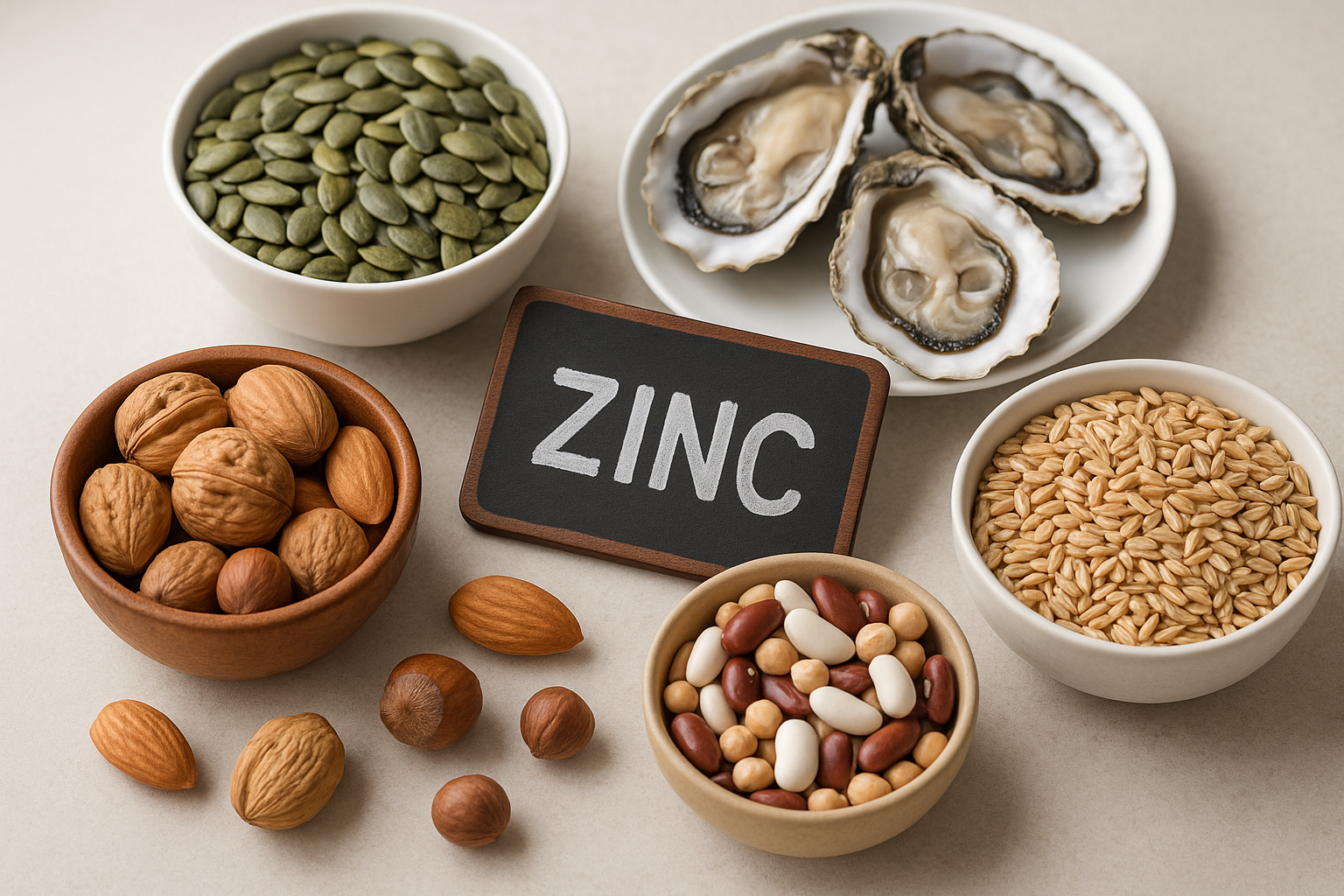
Zinc for Immune Support: How It Strengthens Immune Health and Prevents Deficiencies
## Why Zinc Is Essential for Immune Health
Zinc is a trace mineral required for hundreds of enzymatic reactions in the body. It plays a crucial role in immune cell development, communication, and inflammatory response regulation. Without adequate zinc, the immune system cannot function optimally.
## How Zinc Strengthens the Immune System
Zinc supports immune health in several important ways:
1. Supports white blood cell production. Zinc helps develop and activate T cells, which are essential for identifying and destroying harmful pathogens.
2. Maintains skin and mucosal barriers. Zinc helps preserve the integrity of the skin and lining of the respiratory and digestive tracts, which act as the first line of defense against infection.
3. Regulates inflammation. Zinc contributes to balanced inflammatory responses, preventing excessive immune reactions that can damage healthy tissue.
4. Supports wound healing. Proper zinc levels promote faster recovery from injuries and infections.

## Zinc and the Common Cold
Research suggests that zinc may reduce the duration and severity of cold symptoms when taken at the onset of illness. It is believed to interfere with viral replication and support immune cell activity during early infection stages.
## Signs of Zinc Deficiency
Zinc deficiency can weaken immune defenses and increase susceptibility to infections. Common signs include:
– Frequent colds or infections
– Slow wound healing
– Loss of appetite
– Impaired sense of taste or smell
– Hair thinning
– Skin issues such as rashes or irritation
Certain groups are at higher risk, including older adults, vegetarians and vegans, individuals with digestive disorders, and those with chronic illnesses.
## Dietary Sources of Zinc
Zinc can be obtained from a variety of foods. Good sources include:
– Oysters and shellfish
– Red meat and poultry
– Pumpkin seeds
– Beans and lentils
– Nuts and seeds
– Whole grains
– Dairy products
Animal based sources generally provide more bioavailable zinc, while plant based sources may contain compounds that reduce absorption. Proper food preparation methods such as soaking and sprouting legumes can improve zinc availability.
## Recommended Intake
Daily zinc needs vary by age and sex. Adult men typically require about 11 milligrams per day, while adult women need about 8 milligrams per day. Requirements may increase during pregnancy and breastfeeding.
Supplementation should be approached carefully, as excessive zinc intake can interfere with copper absorption and cause unwanted side effects.
## Supporting Overall Immune Health
While zinc is essential, it works best as part of a comprehensive immune support strategy that includes a balanced diet, adequate sleep, regular physical activity, stress management, and proper hygiene.
Maintaining optimal zinc levels can help strengthen immune defenses, reduce the risk of deficiency, and support your body in fighting everyday infections more effectively.