Zinc Deficiency and Immunity: How Low Zinc Weakens Defenses and How to Rebuild Levels Naturally
Zinc Deficiency and Immunity: How Low Zinc Weakens Defenses and How to Rebuild Levels Naturally
Zinc is required in small amounts, but its impact on immune health is significant. It supports the skin and mucous membranes, helps immune cells communicate, contributes to wound healing, and plays a role in normal growth and repair. Because the body does not store large reserves of zinc, consistent intake from food is important.
Why zinc matters for immune health
Zinc helps the immune system function in several connected ways:
- Barrier protection: Zinc supports the integrity of the skin, gut lining, and respiratory tract, which are the first physical defenses against pathogens.
- Innate immunity: Zinc is involved in the activity of immune cells that respond quickly to potential threats.
- Adaptive immunity: Zinc supports T cell and B cell function, which are needed for more targeted immune responses.
- Inflammation balance: Adequate zinc helps regulate inflammatory signaling so the immune response is effective without becoming excessive.
- Wound healing: Zinc contributes to collagen formation, tissue repair, and cell division.
When zinc intake or absorption is inadequate, these immune processes can become less efficient.
How zinc deficiency can weaken immunity
Low zinc status may make the immune system less resilient. Deficiency has been associated with impaired immune cell function, slower wound healing, and increased vulnerability to infections. In practical terms, low zinc may contribute to:
- Frequent or prolonged infections
- Slow recovery after illness
- Slow wound healing
- Skin irritation or poor skin repair
- Changes in taste or smell
- Reduced appetite
- Hair shedding or thinning in some cases
- Diarrhea, especially when deficiency is more significant
These symptoms are not specific to zinc deficiency. They can also occur with iron deficiency, vitamin D deficiency, thyroid disease, chronic inflammation, infection, medication effects, or other health issues. Testing and professional evaluation are important if symptoms are persistent.
Who is at higher risk of low zinc?
Some groups are more likely to have low zinc intake, reduced absorption, or increased needs. Risk may be higher in people who:
- Eat little or no animal protein
- Follow a vegan or vegetarian diet without careful planning
- Have gastrointestinal conditions such as inflammatory bowel disease, chronic diarrhea, or malabsorption
- Have had bariatric surgery
- Drink alcohol heavily
- Are pregnant or breastfeeding
- Are older adults with low appetite or limited diets
- Have sickle cell disease
- Use restrictive diets for long periods
Plant-based diets can provide zinc, but absorption is often lower because beans, grains, nuts, and seeds contain phytates, compounds that can bind zinc and reduce absorption.
Best natural food sources of zinc
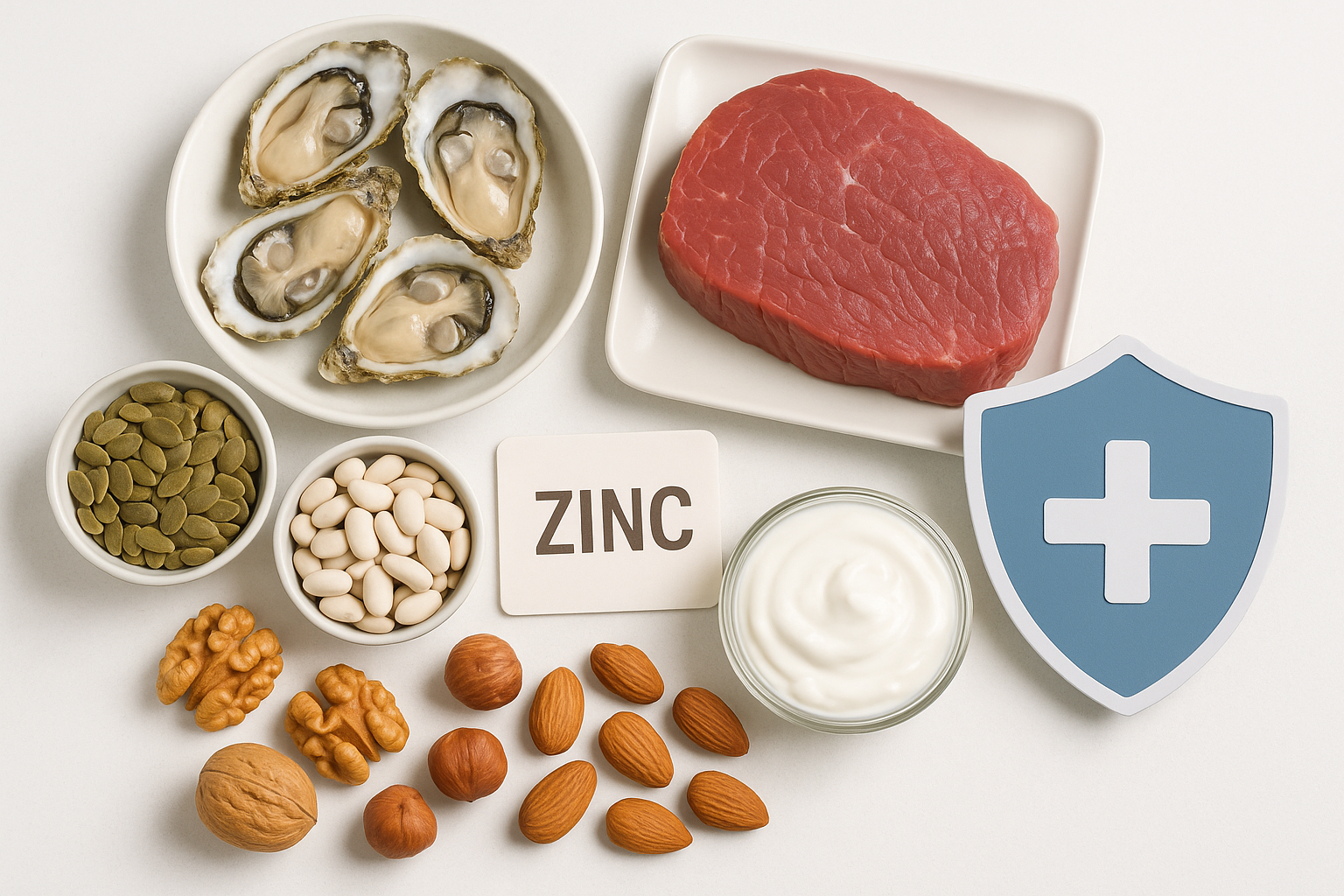
A food-first approach is usually the safest way to rebuild and maintain healthy zinc levels. Strong zinc sources include:
- Oysters and other shellfish
- Beef, lamb, and pork
- Chicken and turkey
- Crab and lobster
- Yogurt, milk, and cheese
- Beans, lentils, and chickpeas
- Pumpkin seeds, sesame seeds, and hemp seeds
- Cashews, almonds, and peanuts
- Oats and whole grains
- Fortified breakfast cereals
Animal foods generally provide zinc in a form that is more easily absorbed. Plant foods still contribute meaningfully, especially when prepared in ways that improve mineral availability.
How to improve zinc absorption naturally
If you rely heavily on plant foods, preparation matters. To improve zinc availability:
- Soak beans and lentils before cooking.
- Sprout legumes or grains when practical.
- Use fermented foods such as sourdough bread, tempeh, or fermented grains.
- Pair zinc-rich plant foods with protein-containing meals.
- Avoid depending on unsoaked high-phytate foods as your only zinc sources.
- Eat a varied diet rather than relying on one or two staple foods.
High supplemental iron or calcium taken at the same time as zinc may interfere with absorption in some situations. If you use multiple supplements, ask a clinician or pharmacist how to time them.
Daily zinc needs
Recommended zinc intake varies by age, sex, and life stage. For many adults, the recommended dietary allowance is 11 mg per day for men and 8 mg per day for women. Needs increase during pregnancy and breastfeeding. The tolerable upper intake level for adults is 40 mg per day from food and supplements combined.
More is not always better. Chronic high-dose zinc can cause nausea, abdominal discomfort, reduced copper absorption, copper deficiency, anemia, neurological symptoms, and weakened immune function over time.
Should you take a zinc supplement?
A supplement may be appropriate when dietary intake is low, deficiency is confirmed or strongly suspected, or a healthcare professional recommends it. Common forms include zinc gluconate, zinc acetate, and zinc sulfate.
Before supplementing, consider these safety points:
- Avoid long-term high-dose zinc unless medically supervised.
- Do not exceed the adult upper limit of 40 mg per day unless directed by a clinician.
- Zinc can interact with certain antibiotics and other medications.
- Zinc supplements may cause nausea, especially on an empty stomach.
- Long-term zinc supplementation may require attention to copper status.
If you have frequent infections, chronic diarrhea, unexplained weight loss, poor wound healing, or major diet restrictions, it is better to seek evaluation than to self-treat indefinitely.
A practical food-first plan to rebuild zinc levels
Use this simple approach for immune-supportive zinc intake:
- Add one zinc-rich protein daily. Examples include beef, poultry, seafood, yogurt, lentils, tofu, or beans.
- Include seeds or nuts most days. Pumpkin seeds, hemp seeds, cashews, and sesame seeds are useful options.
- Improve plant-food preparation. Soak, sprout, ferment, or use sourdough grains when possible.
- Support overall immune nutrition. Zinc works alongside protein, vitamin C, vitamin D, selenium, iron, and adequate calories.
- Review medications and supplements. Ask a healthcare professional if anything you take may affect zinc status or absorption.
- Test when appropriate. Blood zinc testing has limitations, but clinical evaluation can help identify deficiency risk and related nutrient issues.
Bottom line
Zinc deficiency can weaken immune health by disrupting barrier defenses, immune cell function, inflammation balance, and wound repair. The most sustainable way to support healthy zinc levels is a varied diet that includes zinc-rich foods and preparation methods that improve absorption. Supplements can help when needed, but long-term high-dose zinc can be harmful, so use them carefully and with medical guidance when deficiency or ongoing immune concerns are present.