
Best Everyday Foods That Support Natural Liver Detox and Function
Best Everyday Foods That Support Natural Liver Detox and Function
The liver is one of the body’s hardest-working organs. It helps process nutrients, make bile, store energy, filter blood, and break down substances your body does not need. While the phrase natural liver detox is popular, your liver does not need an extreme cleanse to do its job. It needs daily support from balanced meals, adequate hydration, limited alcohol, and healthy lifestyle habits.
Below are practical foods for liver support that can fit into everyday meals.
1. Leafy greens
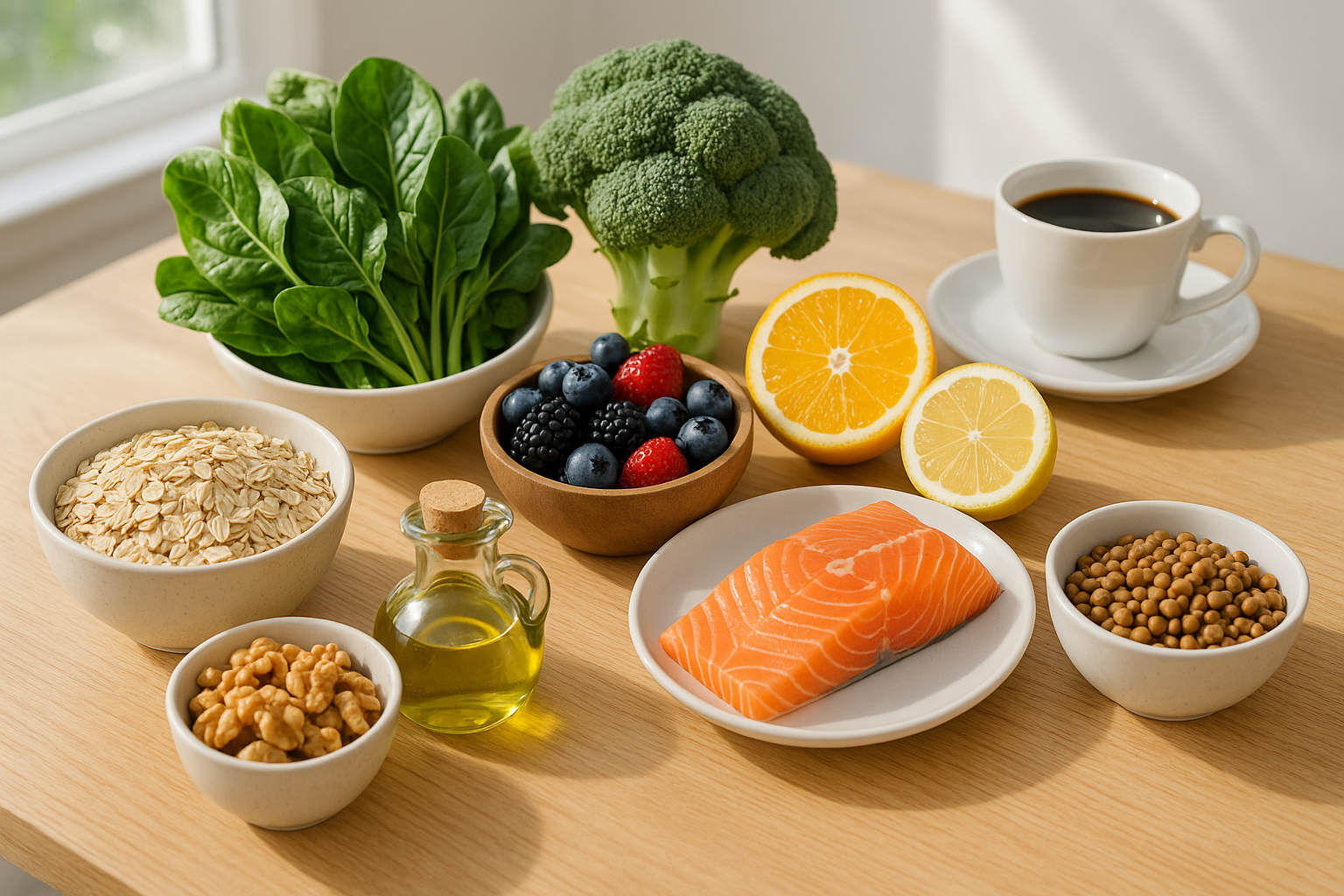
Spinach, kale, arugula, romaine, Swiss chard, and collard greens provide fiber, folate, magnesium, vitamin K, and plant compounds that support overall metabolic health. They are also low in calories and can help replace more processed foods in the diet.
Easy ways to eat more:
- Add spinach to eggs or smoothies
- Use greens as the base for lunch bowls
- Stir kale or chard into soups
- Add arugula to sandwiches or wraps
2. Cruciferous vegetables
Broccoli, cauliflower, Brussels sprouts, cabbage, bok choy, and radishes are rich in fiber and sulfur-containing compounds. These vegetables are often included in liver-friendly eating patterns because they support general antioxidant and cellular defense systems.

Try roasting broccoli with olive oil, adding cabbage to tacos, or mixing cauliflower into grain bowls.
3. Berries and citrus fruits
Blueberries, strawberries, raspberries, oranges, grapefruit, lemons, and limes provide vitamin C, polyphenols, and fiber. These nutrients help support a balanced inflammatory response and overall health.
Choose whole fruit more often than juice. Whole fruit contains fiber, which helps slow sugar absorption and supports gut health.
4. High-fiber whole grains
Oats, barley, brown rice, quinoa, farro, and whole-grain bread can help support healthy blood sugar and cholesterol levels. This matters because metabolic health is closely connected to liver health.
Simple swaps:
- Choose oatmeal instead of sugary breakfast cereal
- Use quinoa or brown rice in bowls
- Try barley in soups
- Pick whole-grain bread with minimal added sugar
5. Beans, lentils, and other legumes
Lentils, chickpeas, black beans, kidney beans, peas, and soy foods provide plant protein, resistant starch, and soluble fiber. They are filling and can help reduce reliance on heavily processed meats and refined carbohydrates.
Meal ideas:
- Lentil soup with greens
- Chickpea salad with lemon and olive oil
- Black bean tacos with cabbage and avocado
- Hummus with vegetables
6. Fatty fish
Salmon, sardines, trout, herring, and mackerel contain omega-3 fatty acids. These fats are associated with heart and metabolic health, both of which are important for overall liver function.
If you do not eat fish, consider plant sources of omega-3 fats such as chia seeds, ground flaxseed, walnuts, and hemp seeds.
7. Nuts, seeds, and extra-virgin olive oil
Walnuts, almonds, pistachios, chia seeds, flaxseed, pumpkin seeds, and extra-virgin olive oil provide unsaturated fats, vitamin E, minerals, and antioxidant compounds. These foods fit well in Mediterranean-style eating patterns, which are commonly recommended for metabolic wellness.
Because nuts and oils are calorie-dense, use reasonable portions. A small handful of nuts or one to two tablespoons of olive oil can be enough for many meals.
8. Coffee and tea
Unsweetened coffee has been studied for its relationship with liver health, and moderate intake may be associated with better liver-related outcomes in some populations. Green tea and black tea also provide polyphenols.
Keep it liver-friendly by limiting added sugar, flavored syrups, and high-fat creamers. If caffeine affects your sleep, blood pressure, anxiety, or digestion, choose decaf or ask your clinician what is appropriate.
9. Garlic, onions, herbs, and spices
Garlic, onions, turmeric, ginger, parsley, cilantro, rosemary, and oregano add flavor while helping reduce reliance on excess salt, sugar, and heavy sauces. They also contribute small amounts of beneficial plant compounds.
Use them to make liver-supportive meals more enjoyable and sustainable.
10. Water-rich foods and plain water
Hydration helps the body maintain normal digestion, circulation, and waste removal. Water, herbal tea, soups, cucumbers, melon, citrus, and leafy vegetables can all contribute to fluid intake.
A simple goal is to drink water regularly and use thirst, urine color, activity level, climate, and medical guidance to adjust your intake.
Foods and habits to limit for liver health
Supporting the liver is also about reducing stressors. Consider limiting:
- Alcohol, especially if you have liver concerns
- Sugary drinks and frequent desserts
- Highly processed snacks
- Large amounts of refined carbohydrates
- Fried foods and trans fats
- Excessive supplement use, especially products marketed as detox cleanses
Some supplements and herbal products can harm the liver or interact with medication, so use caution.
A simple liver-supportive plate
For an everyday meal, aim for:
- Half the plate: non-starchy vegetables, especially leafy greens or cruciferous vegetables
- One quarter: lean protein such as fish, beans, lentils, tofu, poultry, or eggs
- One quarter: high-fiber carbohydrate such as oats, quinoa, brown rice, barley, sweet potato, or beans
- Add: healthy fat from olive oil, nuts, seeds, or avocado
- Drink: water, unsweetened tea, or unsweetened coffee if tolerated
Bottom line
The best foods for liver support are simple, consistent, and nutrient-dense: vegetables, fruits, beans, whole grains, healthy fats, fish, nuts, seeds, coffee, and plenty of water. No single food can detox the liver on its own, but a balanced eating pattern can support the liver’s natural function over time.