
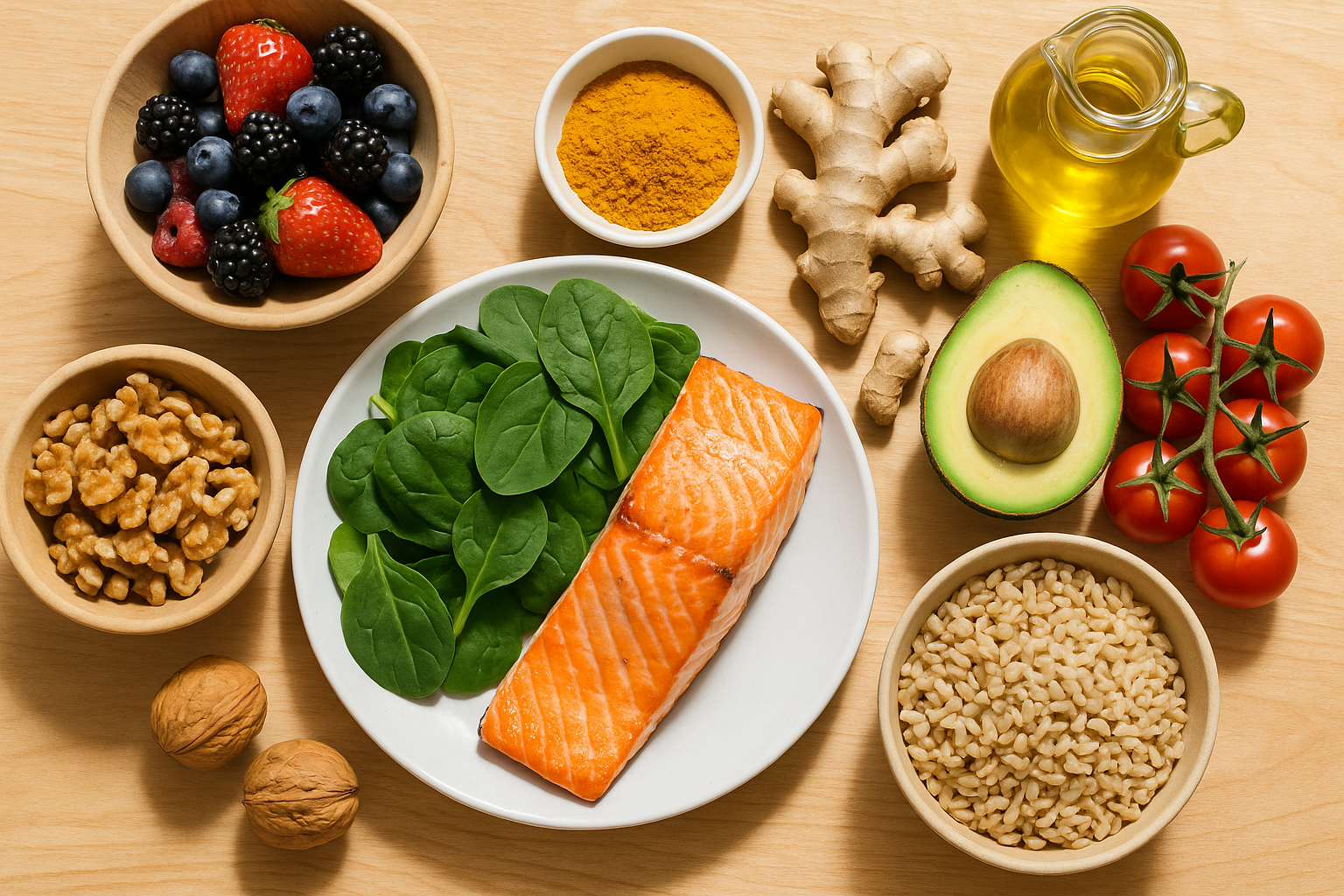
Anti Inflammatory Foods to Add to Your Daily Routine
Anti Inflammatory Foods to Add to Your Daily Routine
Inflammation is part of the body’s natural defense system. Short-term inflammation helps the body respond to injury, infection, or stress. The concern is chronic, low-grade inflammation, which can persist over time and is associated with a higher risk of conditions such as heart disease, type 2 diabetes, certain joint problems, and metabolic disorders.
Food is not a cure for inflammation-related disease, but a consistent anti-inflammatory eating pattern can support overall health. The most evidence-aligned approach looks similar to a Mediterranean-style diet: plenty of vegetables, fruits, legumes, whole grains, nuts, seeds, olive oil, fish, and herbs, with fewer ultra-processed foods and added sugars.
What Makes a Food Anti-Inflammatory?
Foods that may help reduce inflammation usually provide one or more of the following:
- Antioxidants that help protect cells from oxidative stress
- Fiber that supports gut health and healthy blood sugar regulation
- Omega-3 fatty acids that play a role in inflammatory pathways
- Polyphenols from plants such as berries, tea, herbs, and extra virgin olive oil
- Minerals and vitamins that support immune function and tissue repair
The goal is not to eat one magic food. The biggest benefit comes from repeating small, nutrient-dense choices every day.
1. Berries
Blueberries, strawberries, raspberries, and blackberries are rich in fiber, vitamin C, and plant compounds called polyphenols. These compounds help support antioxidant activity in the body.

Easy ways to add them:
- Stir berries into oatmeal or Greek yogurt
- Blend frozen berries into a smoothie
- Add berries to a spinach salad
- Keep frozen berries on hand for a quick dessert
2. Leafy Green Vegetables
Spinach, kale, Swiss chard, arugula, collards, and romaine are rich in vitamins, minerals, fiber, and antioxidant compounds. Leafy greens are also low in calories and easy to add to meals.
Daily routine ideas:
- Add a handful of spinach to scrambled eggs
- Use greens as the base for lunch bowls
- Mix arugula into whole-grain pasta
- Blend kale into smoothies with fruit and yogurt
3. Fatty Fish
Salmon, sardines, trout, anchovies, herring, and mackerel provide omega-3 fatty acids, especially EPA and DHA. These fats are often discussed for their role in heart health and inflammatory processes.
Try to include fatty fish regularly if it fits your diet and health needs. If you do not eat fish, consider plant omega-3 sources such as chia seeds, flaxseed, walnuts, and hemp seeds, though these contain ALA, which the body converts less efficiently to EPA and DHA.
Simple options:
- Salmon with roasted vegetables
- Sardines on whole-grain toast
- Trout with quinoa and greens
- Tuna or salmon salad with olive oil and herbs
4. Extra Virgin Olive Oil
Extra virgin olive oil is a cornerstone of Mediterranean-style eating. It contains monounsaturated fat and polyphenols that support heart-healthy and anti-inflammatory dietary patterns.
Use it for:
- Salad dressings
- Roasted vegetables
- Drizzling over beans or lentils
- Low to medium-heat cooking
Choose extra virgin olive oil when possible and store it away from heat and light.
5. Nuts and Seeds
Walnuts, almonds, pistachios, chia seeds, flaxseed, pumpkin seeds, and hemp seeds provide healthy fats, fiber, minerals, and plant compounds. Walnuts and flaxseed are especially notable for plant-based omega-3 ALA.
Daily serving ideas:
- Add ground flaxseed to oatmeal
- Sprinkle chia seeds into yogurt
- Snack on a small handful of nuts
- Use pumpkin seeds as a salad topping
Because nuts and seeds are calorie-dense, a small portion is usually enough.
6. Beans, Lentils, and Chickpeas
Legumes are excellent anti-inflammatory routine foods because they provide fiber, plant protein, magnesium, potassium, and polyphenols. Fiber also supports the gut microbiome, which is closely connected to immune and metabolic health.
Ways to eat more legumes:
- Add lentils to soup
- Use chickpeas in salads
- Make black bean tacos
- Try hummus with vegetables
- Add white beans to grain bowls
If legumes cause digestive discomfort, start with small portions and rinse canned beans well.
7. Whole Grains
Oats, quinoa, brown rice, barley, farro, buckwheat, and whole wheat provide fiber and slow-digesting carbohydrates. Compared with refined grains, whole grains generally have more nutrients and a gentler effect on blood sugar.
Anti-inflammatory swaps:
- Oatmeal instead of sugary cereal
- Brown rice or quinoa instead of white rice
- Whole-grain bread instead of refined white bread
- Barley or farro in soups and salads
8. Colorful Vegetables
The more color on your plate, the wider the range of beneficial plant compounds you are likely to get. Tomatoes, peppers, carrots, beets, broccoli, cauliflower, red cabbage, onions, and sweet potatoes all bring different nutrients.
Focus on variety:
- Red and orange vegetables for carotenoids
- Cruciferous vegetables for sulfur-containing compounds
- Allium vegetables like garlic and onions for flavor and plant compounds
- Purple vegetables for anthocyanins
A practical goal is to fill about half your plate with non-starchy vegetables at many meals.
9. Herbs and Spices
Turmeric, ginger, garlic, cinnamon, rosemary, oregano, thyme, and chili peppers add flavor while contributing plant compounds. Turmeric contains curcumin, and ginger contains gingerols, both of which are commonly studied for inflammation-related pathways.
Use spices as part of a balanced diet, not as a replacement for medical care. If you take blood thinners or other medications, ask your clinician before using high-dose supplements. Culinary amounts are generally a safer place to start.
Easy additions:
- Ginger in tea or stir-fries
- Turmeric in lentil soup
- Cinnamon in oatmeal
- Garlic and herbs in roasted vegetables
10. Green Tea
Green tea provides polyphenols, including catechins. It can be a helpful replacement for sugary drinks and may support an overall anti-inflammatory lifestyle.
Try:
- Hot green tea in the morning
- Iced green tea with lemon
- Unsweetened green tea instead of soda
If you are sensitive to caffeine, choose decaffeinated green tea or limit intake later in the day.
Foods to Limit for an Anti-Inflammatory Pattern
An anti-inflammatory diet is not only about what you add. It also helps to reduce foods that may promote excess calorie intake, blood sugar spikes, or poor cardiometabolic health when eaten often.
Consider limiting:
- Sugary drinks
- Candy, pastries, and high-sugar desserts
- Refined grains and highly processed snack foods
- Deep-fried foods
- Processed meats
- Excess alcohol
- Foods high in trans fats or large amounts of saturated fat
You do not need perfection. A realistic approach is to make your default meals more nutrient-dense while leaving room for occasional treats.
A Simple Anti-Inflammatory Day
Breakfast: Oatmeal with blueberries, ground flaxseed, walnuts, and cinnamon.
Lunch: Lentil and vegetable soup with a side salad dressed with extra virgin olive oil and lemon.
Snack: Greek yogurt with raspberries or hummus with carrots and cucumber.
Dinner: Salmon or chickpeas with quinoa, roasted broccoli, leafy greens, avocado, and herbs.
Drink: Water, unsweetened green tea, or herbal tea.
How to Build the Habit
Start with one or two changes rather than trying to overhaul your diet overnight. For example, add berries to breakfast, switch to olive oil-based dressing, eat fish once a week, or add beans to lunch. Once those feel easy, build from there.
A helpful formula for meals is:
- Half the plate: colorful vegetables or fruit
- One quarter: protein such as fish, beans, lentils, tofu, eggs, poultry, or yogurt
- One quarter: whole grains or starchy vegetables
- Add: healthy fats from olive oil, nuts, seeds, or avocado
Bottom Line
The best foods that reduce inflammation are not exotic or complicated. Berries, leafy greens, fatty fish, olive oil, nuts, seeds, beans, whole grains, colorful vegetables, herbs, spices, and green tea can all fit into a daily anti-inflammatory routine. Consistency matters more than any single ingredient. Build meals around whole, minimally processed foods, and adapt the plan to your culture, preferences, budget, and medical needs.