Why Zinc Matters for Immune Health and How to Get Enough Naturally
Why Zinc Matters for Immune Health and How to Get Enough Naturally
Zinc is a trace mineral, which means your body needs it in small amounts, but those amounts matter. It plays a key role in immune defense, skin integrity, wound healing, DNA synthesis, and normal growth and development.
For immune health, zinc is especially important because it helps immune cells develop and communicate. It also supports the physical barriers that help keep unwanted microbes out, including the skin and mucous membranes.
How zinc supports the immune system
Zinc contributes to immune health in several ways:
- Helps immune cells function properly, including T cells and other white blood cells
- Supports normal inflammatory responses
- Helps maintain skin and tissue barriers
- Plays a role in wound healing
- Supports antioxidant defenses that help protect cells from oxidative stress
Low zinc intake can weaken immune function and may make it harder for the body to respond normally to infections.
How much zinc do adults need?
Recommended zinc needs vary by age, sex, pregnancy, and breastfeeding status. For many adults, daily needs are about 8 mg for women and 11 mg for men. Pregnancy and breastfeeding increase zinc needs.
Zinc is important, but more is not always better. Regularly taking high-dose zinc can cause side effects and may interfere with copper absorption. The adult tolerable upper intake level is 40 mg per day from food and supplements combined unless a healthcare professional recommends otherwise.
Best natural food sources of zinc
The best way to get zinc is through a balanced diet. Zinc from animal foods is often more easily absorbed, but plant foods can still contribute meaningfully.
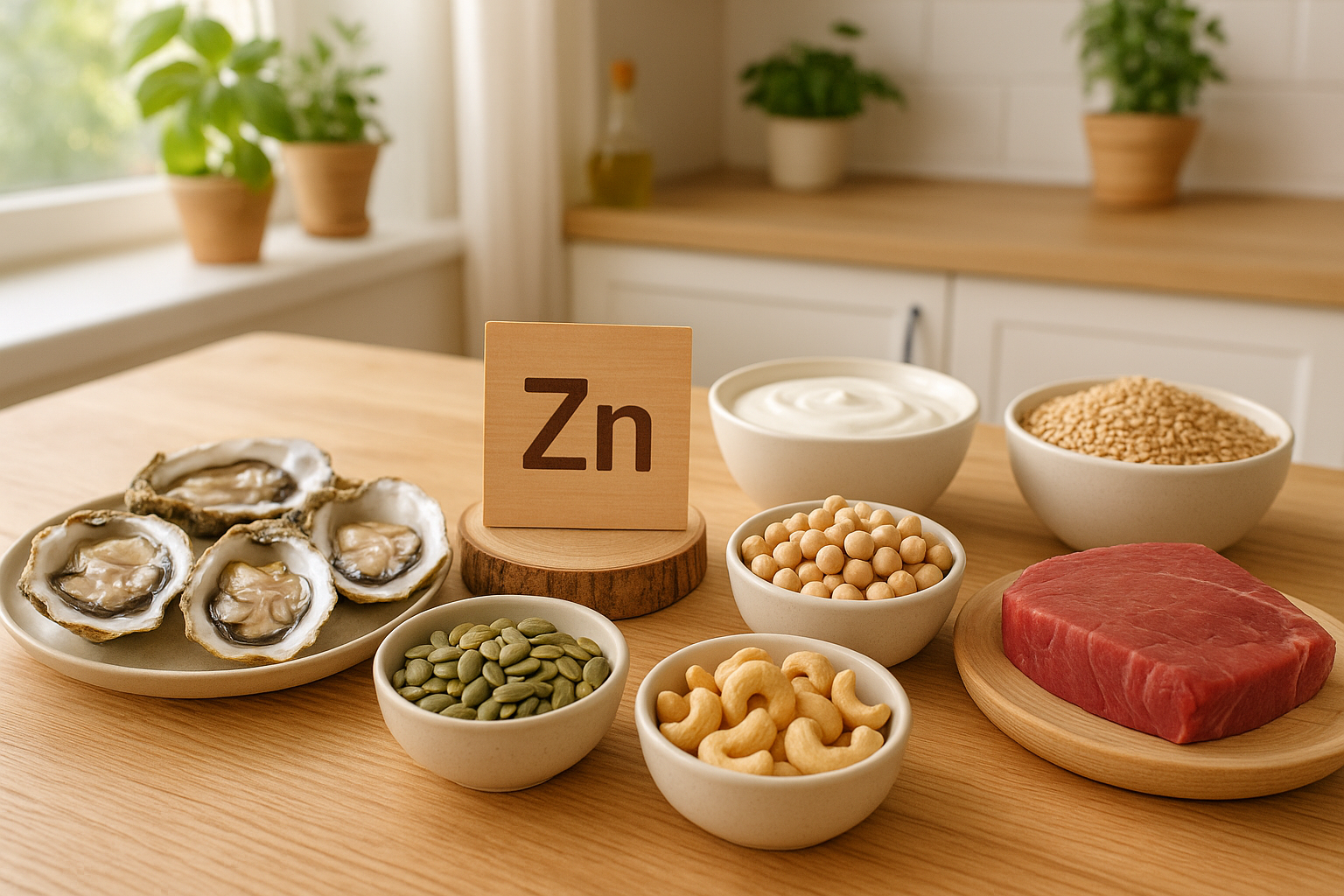
Good zinc-rich foods include:
- Oysters and other shellfish
- Beef, pork, and poultry
- Crab and lobster
- Yogurt, milk, and cheese
- Eggs
- Pumpkin seeds, sesame seeds, and hemp seeds
- Cashews, almonds, and peanuts
- Chickpeas, lentils, and beans
- Whole grains and fortified cereals
Tips to improve zinc intake naturally
If you want to support immune health through food, aim for consistency rather than relying on one superfood.
Helpful strategies include:
- Add pumpkin seeds or hemp seeds to oatmeal, yogurt, or salads
- Include beans, lentils, or chickpeas several times per week
- Pair plant proteins with vitamin C rich foods such as citrus, peppers, or berries
- Choose fortified whole grain cereals when appropriate
- Include seafood, poultry, lean meat, dairy, or eggs if they fit your eating pattern
- Soak, sprout, or ferment legumes and grains to help reduce phytates, which can limit zinc absorption
Who may be at higher risk of low zinc?
Some people may have a higher risk of inadequate zinc intake or absorption, including:
- People with limited food variety or very low calorie intake
- Vegetarians and vegans who rely heavily on unprocessed grains and legumes
- Older adults with reduced appetite
- People with certain digestive disorders
- People with alcohol use disorder
- Pregnant or breastfeeding people with low dietary intake
If you suspect a deficiency, it is best to speak with a healthcare professional rather than self-treating with high-dose supplements.
Should you take zinc supplements?
Zinc supplements can be useful when intake is low or deficiency is confirmed, but they are not necessary for everyone. Taking too much zinc may cause nausea, stomach upset, headaches, changes in taste, and copper deficiency over time.
Zinc supplements can also interact with certain medications, including some antibiotics and penicillamine. If you take prescription medications, ask a clinician or pharmacist before using zinc supplements.
Bottom line
Zinc matters for immune health because it supports immune cell function, healthy barriers, wound healing, and balanced inflammatory responses. Most people can get enough naturally by eating a varied diet that includes zinc-rich foods such as seafood, meat, dairy, seeds, nuts, legumes, and whole grains. Supplements may help in specific cases, but they should be used thoughtfully and within safe limits.
References
NIH Office of Dietary Supplements: Zinc Fact Sheet for Consumers