
Probiotics for Bloating: How Specific Strains Help Reduce Gas and Digestive Discomfort
How Probiotics Help With Bloating
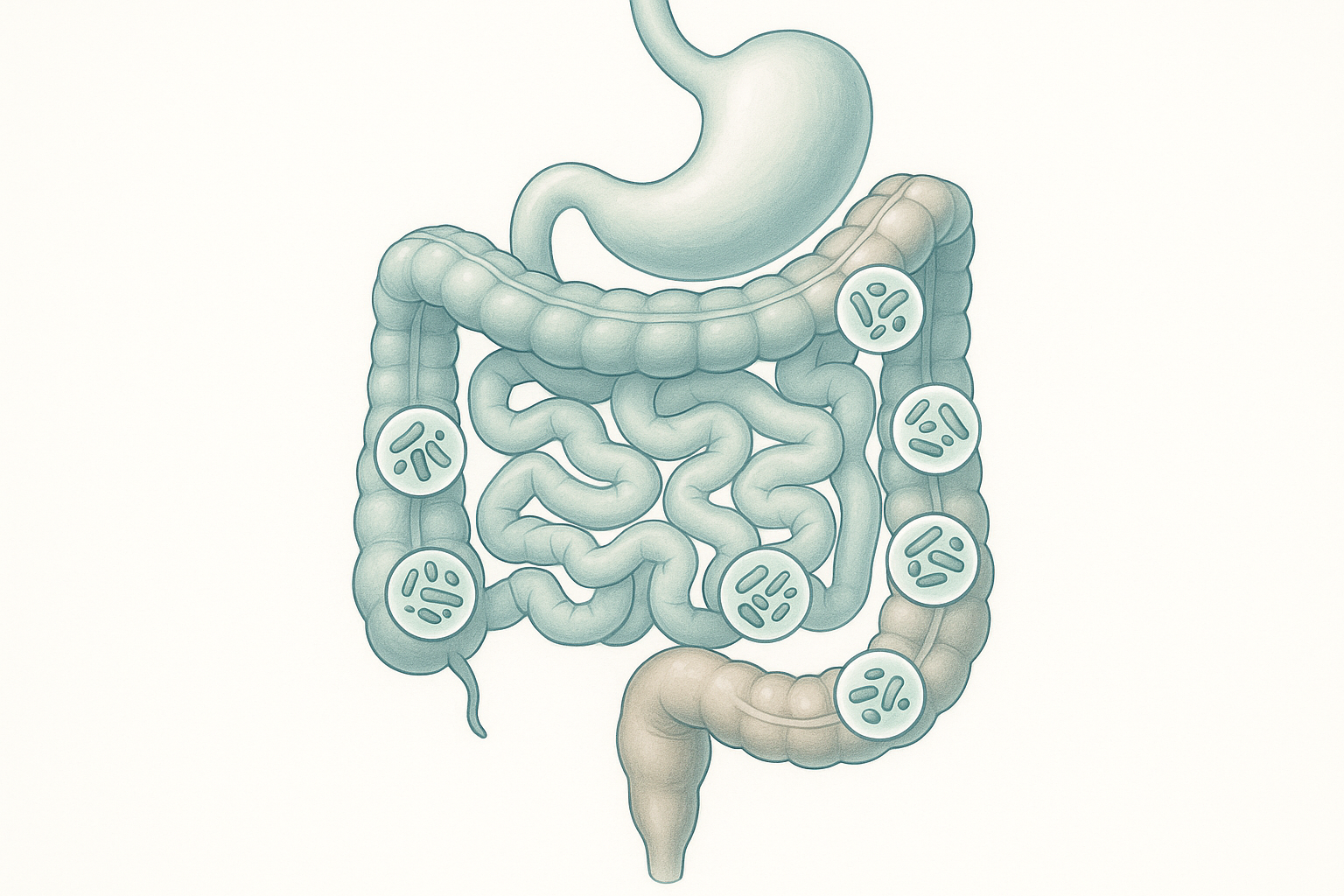
Bloating often occurs when excess gas builds up in the gastrointestinal tract or when digestion slows. An imbalance in gut bacteria can increase fermentation of carbohydrates, producing more gas and discomfort. Probiotics are live microorganisms that may help restore microbial balance and support smoother digestion.
They may reduce bloating by:
- Improving breakdown of certain carbohydrates
- Reducing gas-producing bacteria
- Enhancing gut motility
- Supporting the intestinal barrier
Specific Probiotic Strains for Bloating and Gas
Not all probiotics work the same way. Benefits are strain specific, meaning certain strains are more effective for gas and bloating than others.
Bifidobacterium infantis 35624
This strain has been studied for its role in reducing abdominal discomfort, bloating, and gas, particularly in people with irritable bowel syndrome. It may help regulate immune responses in the gut and reduce inflammation-related symptoms.
Bifidobacterium lactis
Bifidobacterium lactis may support regular bowel movements and improve stool consistency. By enhancing digestion and transit time, it can help decrease gas buildup and abdominal distension.

Lactobacillus acidophilus
Lactobacillus acidophilus helps maintain a healthy balance of gut bacteria and may improve lactose digestion. This can be especially helpful for individuals who experience bloating after consuming dairy.
Lactobacillus plantarum
Lactobacillus plantarum has been researched for reducing gas production and abdominal pain. It may help decrease fermentation of certain carbohydrates that contribute to bloating.
When Probiotics May Be Most Helpful
Probiotics for bloating may be beneficial if symptoms are linked to:
- Antibiotic use
- Mild irritable bowel symptoms
- Lactose intolerance
- Diets high in fermentable carbohydrates
Some people may notice mild temporary gas when first starting probiotics. This often improves as the gut microbiome adjusts.
Supporting Gut Health Beyond Probiotics
For best results, combine probiotics with gut friendly habits:
- Eat fiber gradually and consistently
- Stay hydrated
- Manage stress
- Limit highly processed foods
Prebiotic fibers such as inulin and fructooligosaccharides can also help nourish beneficial bacteria, though they may need to be introduced slowly to avoid worsening bloating.
The Bottom Line
Specific probiotic strains may help reduce bloating and gas by improving microbial balance, digestion, and gut motility. Because effects vary by strain and individual response, choosing evidence supported strains and allowing several weeks for results may provide the greatest benefit.
References: