
Zinc and Immune Function: How Deficiency Impacts Immune Health and Recovery
The Role of Zinc in Immune Function
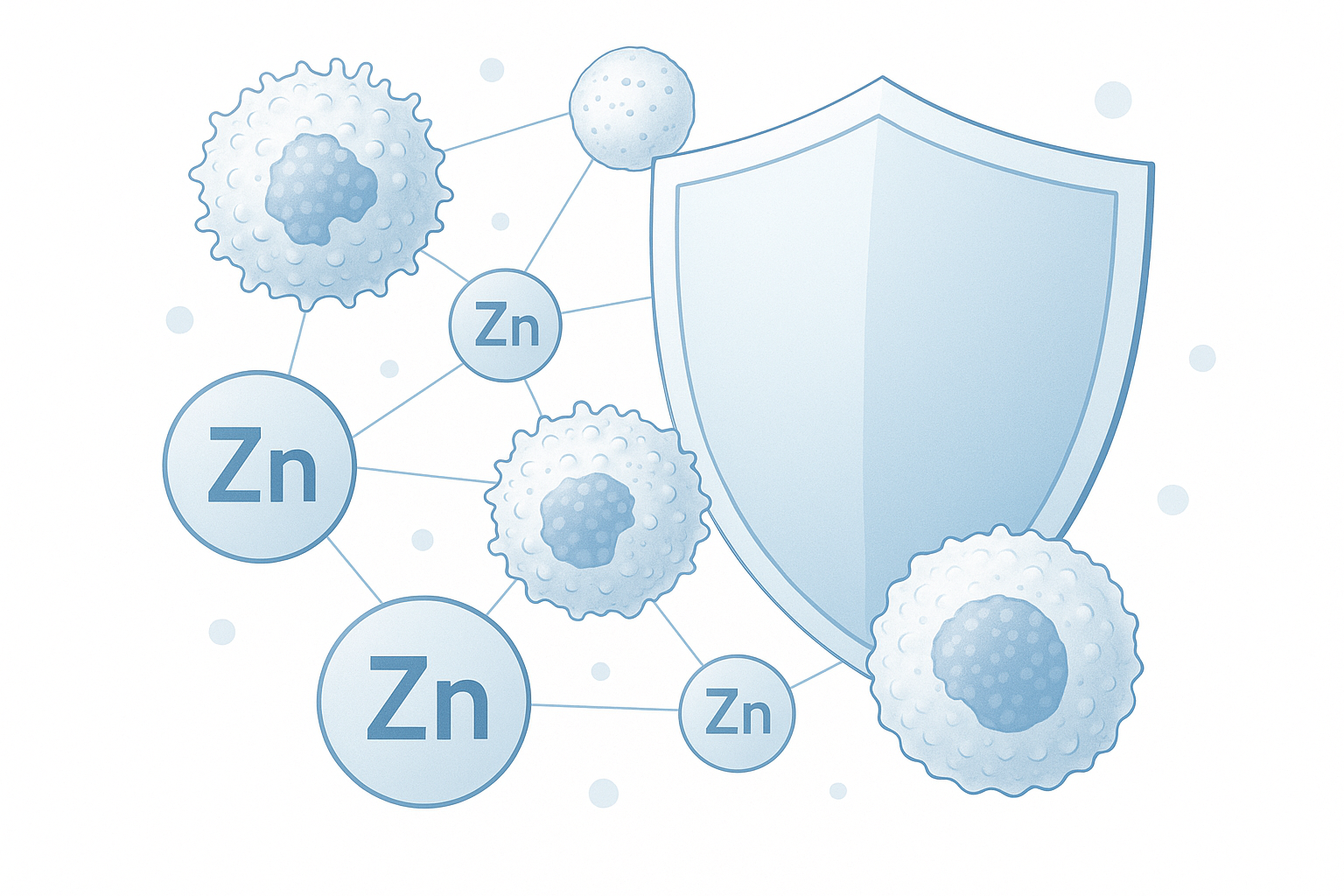
Zinc is required for the development and function of many immune cells, including neutrophils, natural killer cells, T lymphocytes, and B lymphocytes. It also supports the integrity of skin and mucosal membranes, which act as the body’s first line of defense against pathogens.
Zinc contributes to:
- Normal development of immune cells
- Regulation of inflammatory responses
- Antioxidant activity that reduces oxidative stress
- Proper wound healing and tissue repair
Because the body does not store large amounts of zinc, consistent dietary intake is necessary to maintain immune resilience.
How Zinc Deficiency Affects Immune Health
Even mild to moderate zinc deficiency can disrupt immune function. Severe deficiency has more pronounced and clinically significant effects.
1. Impaired Immune Cell Function
Zinc deficiency reduces the production and activity of T cells, which are critical for coordinating immune responses. It can also impair natural killer cell activity and weaken the body’s ability to fight viral and bacterial infections.

2. Increased Susceptibility to Infections
Low zinc levels are associated with a higher risk of respiratory infections, diarrhea, and other infectious illnesses. In children and older adults, zinc deficiency is particularly linked to increased illness frequency and severity.
3. Prolonged Inflammation
Zinc helps regulate inflammatory signaling. When zinc levels are inadequate, the immune system may produce an imbalanced inflammatory response, potentially leading to prolonged or excessive inflammation.
4. Slower Recovery and Wound Healing
Zinc plays a key role in cell growth, DNA synthesis, and tissue repair. Deficiency can delay wound healing and slow recovery from infections or injuries.
Who Is at Higher Risk of Zinc Deficiency?
Certain groups are more vulnerable to inadequate zinc intake or absorption:
- Older adults
- Individuals with gastrointestinal disorders affecting absorption
- People with restrictive diets
- Those with chronic illnesses
- Pregnant and breastfeeding individuals with increased nutrient needs
Because symptoms of mild deficiency can be subtle, such as frequent colds or slow wound healing, it may go unrecognized.
Supporting Immune Health with Adequate Zinc
Good dietary sources of zinc include:
- Oysters and shellfish
- Red meat and poultry
- Beans and legumes
- Nuts and seeds
- Whole grains
- Fortified cereals
In some cases, healthcare providers may recommend supplementation, especially for individuals at risk of deficiency. However, excessive zinc intake can interfere with copper absorption and cause adverse effects, so supplementation should be guided by professional advice.
The Bottom Line
Zinc is essential for maintaining strong immune defenses and promoting timely recovery from illness. Deficiency can weaken immune responses, increase infection risk, and prolong healing. Ensuring adequate intake through diet or appropriate supplementation is a practical strategy to support overall immune health.