
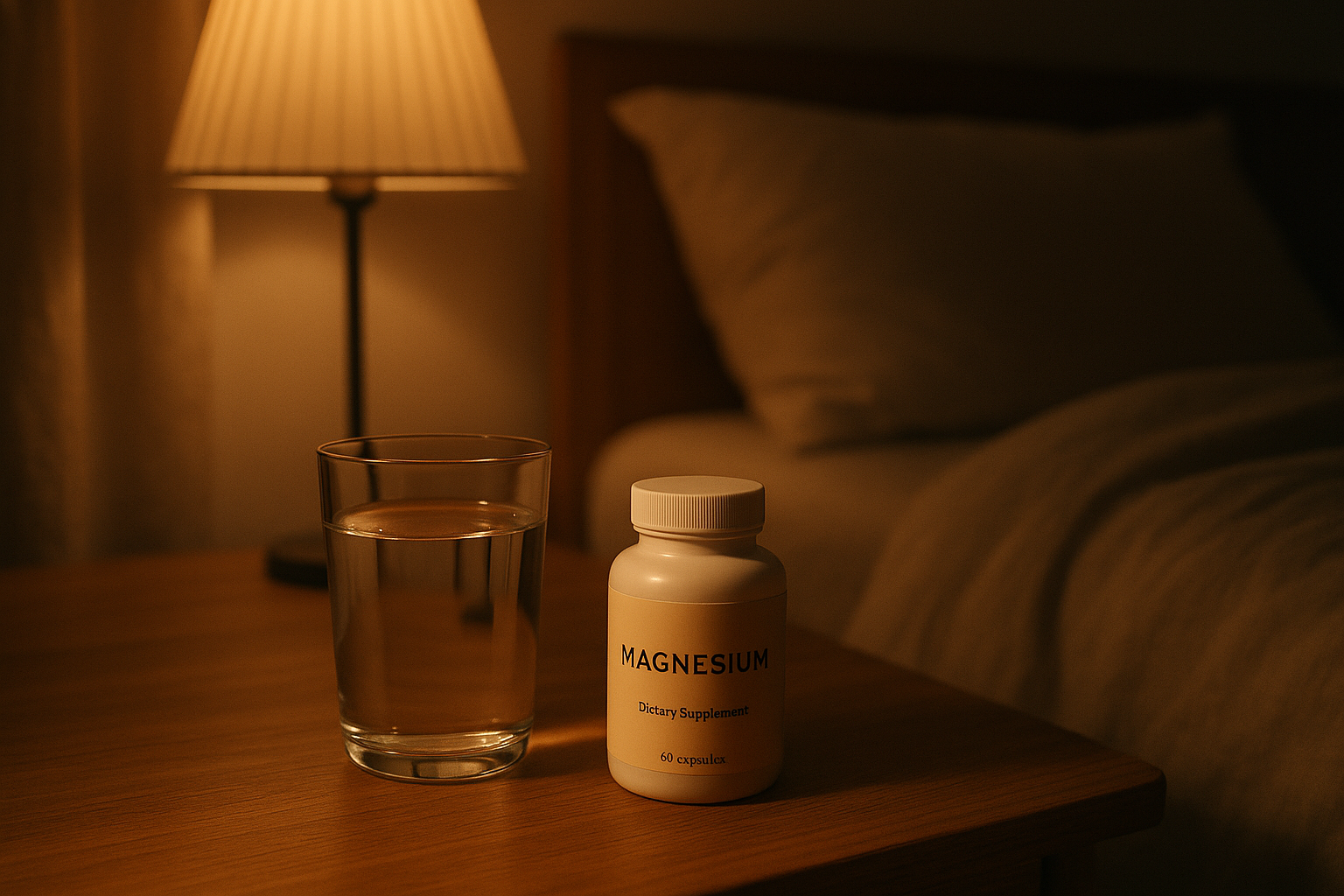
Magnesium for Sleep and Anxiety: A Natural Way to Rest Deeper
## How Magnesium Affects Sleep
Magnesium is an essential mineral involved in more than 300 biochemical reactions in the body. When it comes to sleep, it supports several processes that help you fall asleep faster and stay asleep longer.
Magnesium helps regulate neurotransmitters that calm the nervous system. It also supports the production of melatonin, the hormone that controls your sleep wake cycle. By promoting relaxation at a neurological level, magnesium may make it easier to transition into deeper stages of sleep.
Low magnesium levels have been associated with lighter, more restless sleep. Supporting healthy levels may improve overall sleep quality, especially for people who struggle with frequent waking or difficulty relaxing at night.
## Magnesium and Anxiety Reduction

Anxiety often interferes with sleep by keeping the mind and body in a heightened state of alertness. Magnesium plays a role in regulating the stress response system.
It helps modulate the activity of the hypothalamic pituitary adrenal axis, which controls how your body responds to stress. Magnesium also supports healthy gamma aminobutyric acid activity, a calming neurotransmitter that reduces excessive nerve stimulation.
When magnesium levels are adequate, the body may respond to stress more calmly. This can lead to reduced feelings of tension, fewer racing thoughts at bedtime, and an overall sense of relaxation.
## Why Magnesium May Support Deeper Sleep
Deep sleep is the stage responsible for physical restoration, immune support, and hormone balance. Magnesium contributes to muscle relaxation and nervous system stability, both of which are necessary for sustained deep sleep.
By calming neural activity and supporting steady heart rhythm, magnesium may reduce nighttime disturbances. Some people report fewer leg cramps, less physical tension, and smoother transitions between sleep cycles when magnesium intake is optimized.
## Forms of Magnesium Commonly Used for Sleep
Different forms of magnesium are available as supplements. Magnesium glycinate is often chosen for its calming properties and gentle effect on digestion. Magnesium citrate is commonly used but may have a mild laxative effect in some individuals. Magnesium threonate is sometimes discussed for its potential brain supportive properties.
The best form depends on individual tolerance and health needs. Starting with a moderate dose in the evening is common, but guidance from a healthcare professional is recommended.
## Natural Ways to Enhance the Effects
Magnesium works best as part of a broader sleep hygiene routine. Consider combining supplementation with consistent bedtimes, reduced evening screen exposure, and a calming pre sleep ritual. Practices such as deep breathing, light stretching, or reading can further support the relaxation response.
Magnesium rich foods such as leafy greens, nuts, seeds, and whole grains can also contribute to healthy levels.
## Final Thoughts
Magnesium for sleep and anxiety offers a natural approach to calming the nervous system and supporting deeper rest. By helping regulate stress hormones, neurotransmitters, and muscle relaxation, this essential mineral may improve both sleep quality and emotional balance. When used thoughtfully and alongside healthy sleep habits, magnesium can be a valuable part of a comprehensive sleep support plan.