
- Home
- Author's Archive:
Vitamin D Deficiency Symptoms: Early Signs and Natural Ways to Restore Optimal Levels
What Is Vitamin D and Why It Matters
Vitamin D is a fat-soluble vitamin that helps the body absorb calcium, maintain strong bones, support muscle function, and regulate immune responses. Your body produces vitamin D when your skin is exposed to sunlight, and it can also be obtained through certain foods and supplements.
Low vitamin D levels are common worldwide and may affect people of all ages.
Early Vitamin D Deficiency Symptoms
Early symptoms are often mild and may go unnoticed. Common warning signs include:
1. Persistent Fatigue
Ongoing tiredness or low energy levels may be linked to inadequate vitamin D levels.
2. Frequent Illness or Infections
Vitamin D supports immune health. Deficiency may increase susceptibility to colds, respiratory infections, and slower recovery times.
3. Bone or Lower Back Pain
Vitamin D helps with calcium absorption. Low levels may cause bone discomfort, especially in the lower back, hips, or legs.
4. Muscle Weakness or Cramps
Insufficient vitamin D can contribute to muscle aches, weakness, or cramps, particularly in older adults.
5. Mood Changes
Low vitamin D levels have been associated with mood disturbances, including symptoms of depression.
6. Hair Thinning
Severe or prolonged deficiency may contribute to hair shedding in some individuals.
Who Is at Higher Risk?
Certain groups are more vulnerable to deficiency:
- Individuals with limited sun exposure
- Older adults
- People with darker skin tones
- Those with obesity
- Individuals with malabsorption conditions
- Exclusively breastfed infants without supplementation
How to Confirm a Deficiency
A simple blood test measuring 25-hydroxyvitamin D determines your vitamin D status. Healthcare providers can interpret your levels and recommend appropriate treatment if needed.
How to Restore Optimal Vitamin D Levels Naturally
1. Safe Sun Exposure
Short periods of midday sun exposure on bare skin several times per week may help boost vitamin D production, depending on skin tone, location, and season.
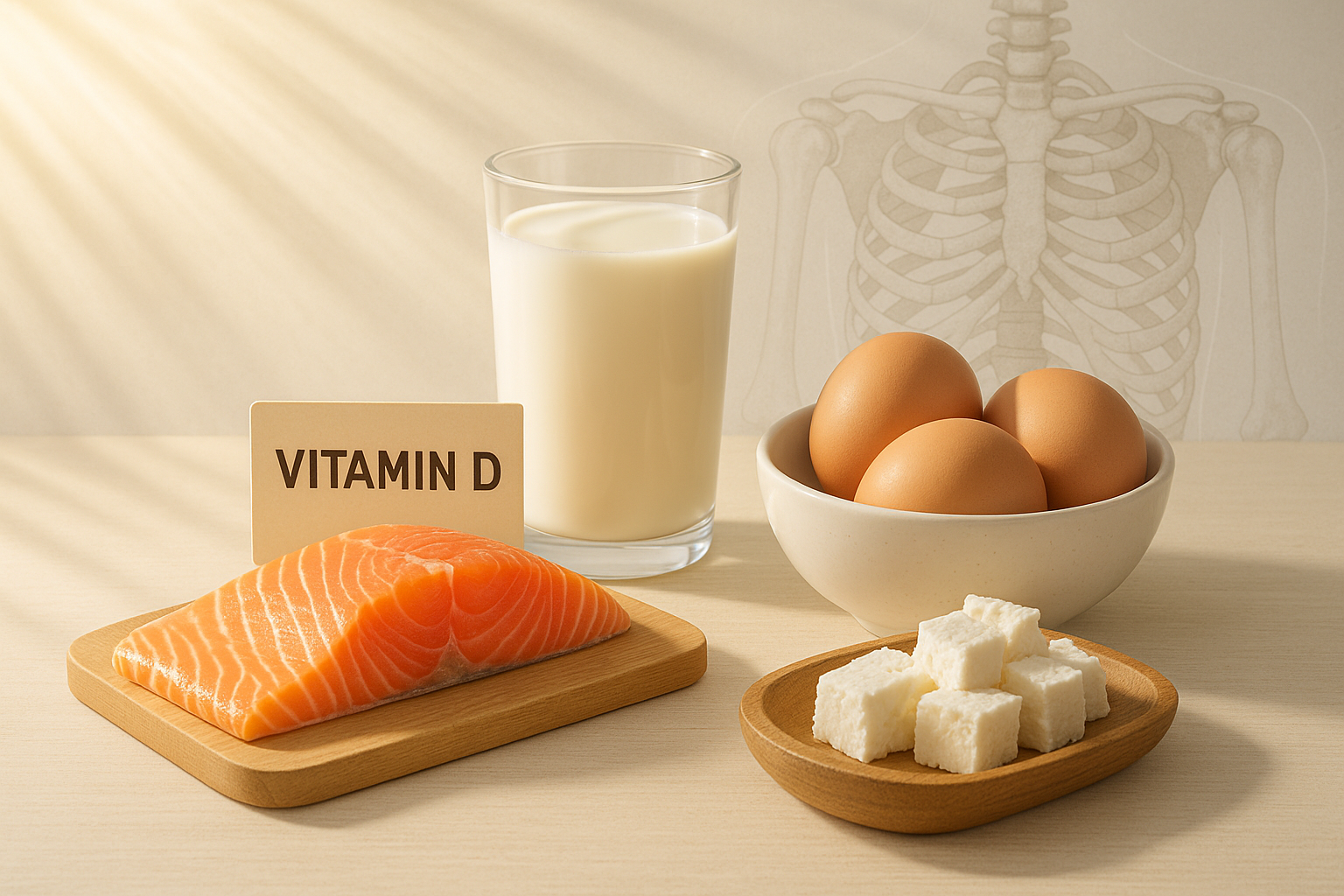
2. Vitamin D–Rich Foods
Incorporate natural and fortified sources such as:
- Fatty fish like salmon, mackerel, and sardines
- Egg yolks
- Fortified milk and plant-based beverages
- Fortified cereals
3. Maintain a Healthy Weight
Excess body fat may reduce vitamin D availability in circulation.
4. Consider Supplementation
If natural intake and sunlight are insufficient, supplements may be recommended. Dosage should be guided by a healthcare professional based on blood test results.
When to Seek Medical Advice
Consult a healthcare provider if you experience persistent fatigue, bone pain, muscle weakness, or frequent infections. Severe deficiency can lead to osteomalacia in adults or rickets in children.
Key Takeaway
Vitamin D deficiency symptoms often begin subtly but can progress if ignored. Early recognition, proper testing, safe sun exposure, dietary improvements, and appropriate supplementation can help restore and maintain optimal vitamin D levels for long-term health.
References
Iron Deficiency Fatigue: Why It Happens and How to Rebuild Iron Safely
Why Iron Deficiency Causes Fatigue
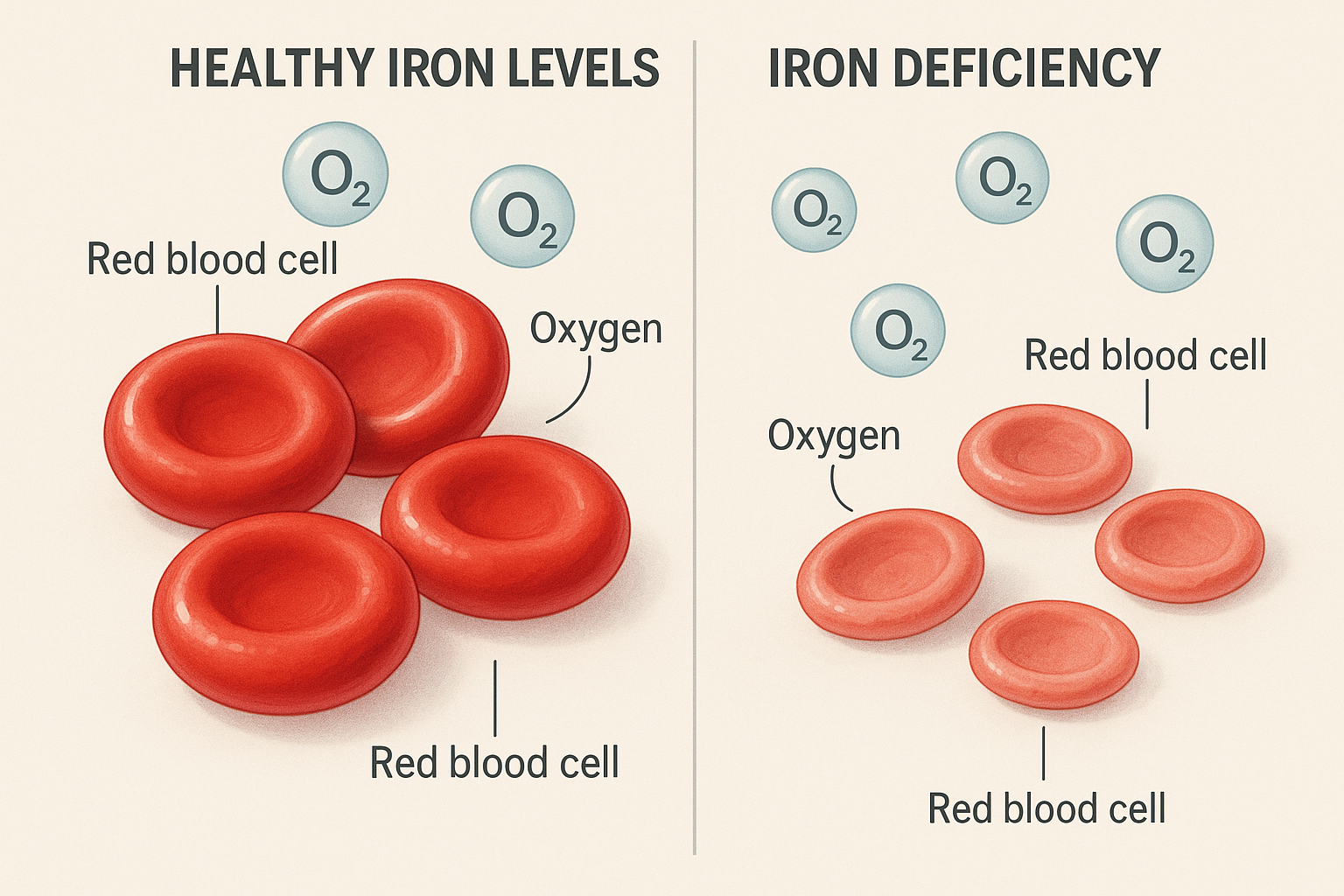
Iron is essential for making hemoglobin, the protein in red blood cells that carries oxygen from your lungs to the rest of your body. Without enough iron:
- Hemoglobin production drops
- Oxygen delivery to muscles and organs decreases
- Cells produce less energy
This leads to physical fatigue, weakness, shortness of breath, and reduced exercise tolerance. Your brain may also receive less oxygen, contributing to poor concentration, irritability, and brain fog.
Common Symptoms of Iron Deficiency
Iron deficiency can develop gradually. Early signs may include:
- Persistent fatigue
- Pale skin
- Cold hands and feet
- Headaches
- Brittle nails
- Hair thinning
- Dizziness
As deficiency progresses to iron deficiency anemia, symptoms may become more severe, including rapid heartbeat and chest discomfort.
Who Is at Higher Risk?
Certain groups are more likely to develop iron deficiency:
- People with heavy menstrual bleeding
- Pregnant individuals
- Vegetarians and vegans without adequate iron planning
- Frequent blood donors
- Individuals with gastrointestinal disorders affecting absorption
How to Rebuild Iron Levels Safely
1. Confirm With Testing
Before supplementing, a healthcare professional should check blood markers such as hemoglobin, ferritin, and transferrin saturation. Fatigue has many causes, and too much iron can be harmful.
2. Increase Iron-Rich Foods
There are two types of dietary iron:
- Heme iron (better absorbed): red meat, poultry, fish
- Non-heme iron: beans, lentils, tofu, spinach, fortified cereals
To improve absorption:
- Pair iron-rich foods with vitamin C sources like citrus or bell peppers
- Avoid drinking tea or coffee with iron-rich meals
3. Use Supplements Carefully
If diet alone is not enough, iron supplements may be recommended. Common forms include ferrous sulfate, ferrous gluconate, and ferrous fumarate.
Safety tips:
- Take only as prescribed
- Follow dosage instructions carefully
- Keep supplements out of reach of children
- Report side effects like severe stomach pain or constipation
Iron levels should be rechecked periodically to avoid excess accumulation.
4. Address the Underlying Cause
Rebuilding iron stores is important, but identifying the reason for deficiency is equally critical. Causes may include blood loss, poor intake, or malabsorption. Treating the root issue helps prevent recurrence.
How Long Does It Take to Feel Better?
Energy often begins improving within a few weeks of proper treatment, but rebuilding iron stores can take several months. Even after hemoglobin normalizes, ferritin levels may still need time to recover fully.
The Bottom Line
Iron deficiency fatigue occurs because your body cannot deliver enough oxygen to tissues. Proper testing, dietary adjustments, and carefully monitored supplementation can safely restore iron levels and improve energy. If you experience persistent fatigue, consider discussing iron testing with a healthcare professional to rule out deficiency and guide appropriate treatment.
References
Zinc and Immune Function: How Deficiency Impacts Immune Health and Recovery
The Role of Zinc in Immune Function
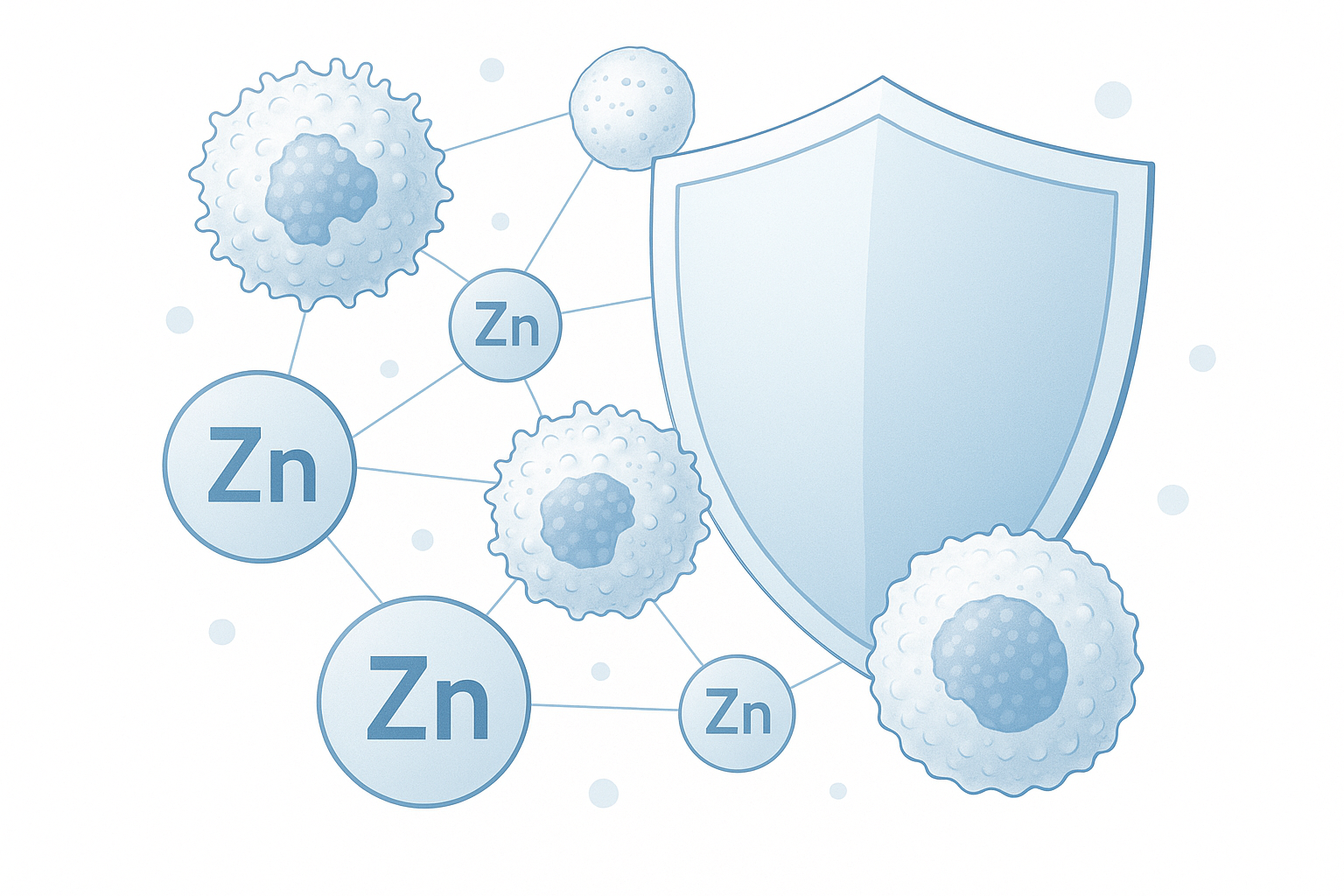
Zinc is required for the development and function of many immune cells, including neutrophils, natural killer cells, T lymphocytes, and B lymphocytes. It also supports the integrity of skin and mucosal membranes, which act as the body’s first line of defense against pathogens.
Zinc contributes to:
- Normal development of immune cells
- Regulation of inflammatory responses
- Antioxidant activity that reduces oxidative stress
- Proper wound healing and tissue repair
Because the body does not store large amounts of zinc, consistent dietary intake is necessary to maintain immune resilience.
How Zinc Deficiency Affects Immune Health
Even mild to moderate zinc deficiency can disrupt immune function. Severe deficiency has more pronounced and clinically significant effects.
1. Impaired Immune Cell Function
Zinc deficiency reduces the production and activity of T cells, which are critical for coordinating immune responses. It can also impair natural killer cell activity and weaken the body’s ability to fight viral and bacterial infections.
2. Increased Susceptibility to Infections
Low zinc levels are associated with a higher risk of respiratory infections, diarrhea, and other infectious illnesses. In children and older adults, zinc deficiency is particularly linked to increased illness frequency and severity.
3. Prolonged Inflammation
Zinc helps regulate inflammatory signaling. When zinc levels are inadequate, the immune system may produce an imbalanced inflammatory response, potentially leading to prolonged or excessive inflammation.
4. Slower Recovery and Wound Healing
Zinc plays a key role in cell growth, DNA synthesis, and tissue repair. Deficiency can delay wound healing and slow recovery from infections or injuries.
Who Is at Higher Risk of Zinc Deficiency?
Certain groups are more vulnerable to inadequate zinc intake or absorption:
- Older adults
- Individuals with gastrointestinal disorders affecting absorption
- People with restrictive diets
- Those with chronic illnesses
- Pregnant and breastfeeding individuals with increased nutrient needs
Because symptoms of mild deficiency can be subtle, such as frequent colds or slow wound healing, it may go unrecognized.
Supporting Immune Health with Adequate Zinc
Good dietary sources of zinc include:
- Oysters and shellfish
- Red meat and poultry
- Beans and legumes
- Nuts and seeds
- Whole grains
- Fortified cereals
In some cases, healthcare providers may recommend supplementation, especially for individuals at risk of deficiency. However, excessive zinc intake can interfere with copper absorption and cause adverse effects, so supplementation should be guided by professional advice.
The Bottom Line
Zinc is essential for maintaining strong immune defenses and promoting timely recovery from illness. Deficiency can weaken immune responses, increase infection risk, and prolong healing. Ensuring adequate intake through diet or appropriate supplementation is a practical strategy to support overall immune health.
References

Best Herbs for Liver Support: Evidence-Based Natural Options
Why Liver Support Matters
The liver filters toxins, metabolizes medications, regulates nutrients, and produces bile for digestion. Supporting liver health involves a balanced diet, limiting alcohol, maintaining a healthy weight, and in some cases, using evidence-based herbal supplements.
1. Milk Thistle
Milk thistle is one of the most researched herbs for liver health. Its active compound, silymarin, has antioxidant and anti-inflammatory properties. Studies suggest it may help protect liver cells from toxins and support liver function in certain conditions. While results vary, it remains one of the most commonly recommended herbs for liver support.
2. Turmeric
Turmeric contains curcumin, a compound known for its anti-inflammatory and antioxidant effects. Early research indicates curcumin may help reduce liver inflammation and oxidative stress. It may be particularly helpful for individuals with metabolic-related liver concerns, though more high-quality clinical trials are needed.
3. Dandelion
Dandelion root has traditionally been used to support digestion and liver function. It may stimulate bile production, which assists in fat digestion. Although human studies are limited, its antioxidant content may contribute to overall liver wellness.
4. Artichoke Leaf Extract
Artichoke leaf extract has been studied for its potential to promote bile flow and support liver enzyme balance. Some evidence suggests it may help improve digestive comfort and support liver function markers.
5. Schisandra
Schisandra is a berry used in traditional medicine for liver protection. Preliminary research suggests it may enhance the liver’s detoxification pathways and provide antioxidant support.
Supporting Your Liver Naturally
Herbs can complement, but not replace, foundational lifestyle strategies. For optimal liver health:
- Limit alcohol intake
- Maintain a healthy body weight
- Eat a fiber-rich diet with plenty of vegetables
- Exercise regularly
- Avoid unnecessary medications and toxins
Final Thoughts
The best herbs for liver support include milk thistle, turmeric, dandelion, artichoke, and schisandra. While research shows promising benefits, herbal supplements should be used thoughtfully and under professional guidance. Sustainable lifestyle habits remain the cornerstone of long-term liver health.
References

Magnesium for Sleep Quality
How Magnesium Supports Sleep
Magnesium is an essential mineral that contributes to muscle relaxation, nerve function, and stress regulation. These functions are closely tied to sleep quality. When magnesium levels are adequate, the body is better able to transition into a calm state that supports falling and staying asleep.
Nervous System Regulation
Magnesium helps regulate neurotransmitters that influence relaxation. It supports gamma aminobutyric acid or GABA activity, a neurotransmitter that promotes calmness and prepares the brain for sleep. By helping control excitatory signals in the nervous system, magnesium may reduce restlessness and nighttime awakenings.
Stress and Cortisol Balance
Chronic stress can elevate cortisol, a hormone that interferes with sleep. Magnesium plays a role in regulating the stress response and supporting balanced cortisol rhythms. This may contribute to improved sleep onset and fewer disruptions during the night.
Muscle Relaxation and Physical Comfort
Magnesium supports normal muscle function. Adequate levels may help reduce muscle tension and nighttime leg discomfort, which can otherwise interfere with restful sleep.
Melatonin and Sleep Cycle Support
Magnesium also contributes indirectly to melatonin regulation, the hormone that controls the sleep wake cycle. Balanced magnesium levels may support a more consistent circadian rhythm and deeper sleep stages.
Dietary Sources of Magnesium
Magnesium is found in foods such as leafy green vegetables, nuts, seeds, whole grains, and legumes. Some individuals may consider supplements if dietary intake is insufficient, but this should be discussed with a healthcare professional.
Who Might Benefit
People experiencing mild sleep disturbances, high stress levels, or inadequate dietary intake of magnesium may benefit from evaluating their magnesium status. However, sleep issues can have many causes, so proper assessment is important.
Key Takeaway
Magnesium for sleep quality works by supporting nervous system balance, muscle relaxation, and healthy stress responses. While not a cure for insomnia, maintaining adequate magnesium intake may contribute to deeper, more restorative sleep as part of a comprehensive sleep hygiene approach.
References:
Natural Ways to Reduce Inflammation: Evidence-Based Remedies That Work
Understanding Chronic Inflammation
Inflammation is the body’s natural defense mechanism against injury and infection. Acute inflammation helps healing. Chronic inflammation, however, can persist for months or years and is associated with cardiovascular disease, type 2 diabetes, certain cancers, arthritis, and neurodegenerative conditions.
Evidence shows that lifestyle and dietary changes can significantly reduce inflammatory markers such as C-reactive protein (CRP) and interleukin-6 (IL-6).
1. Follow an Anti-Inflammatory Diet
Emphasize Whole, Plant-Rich Foods
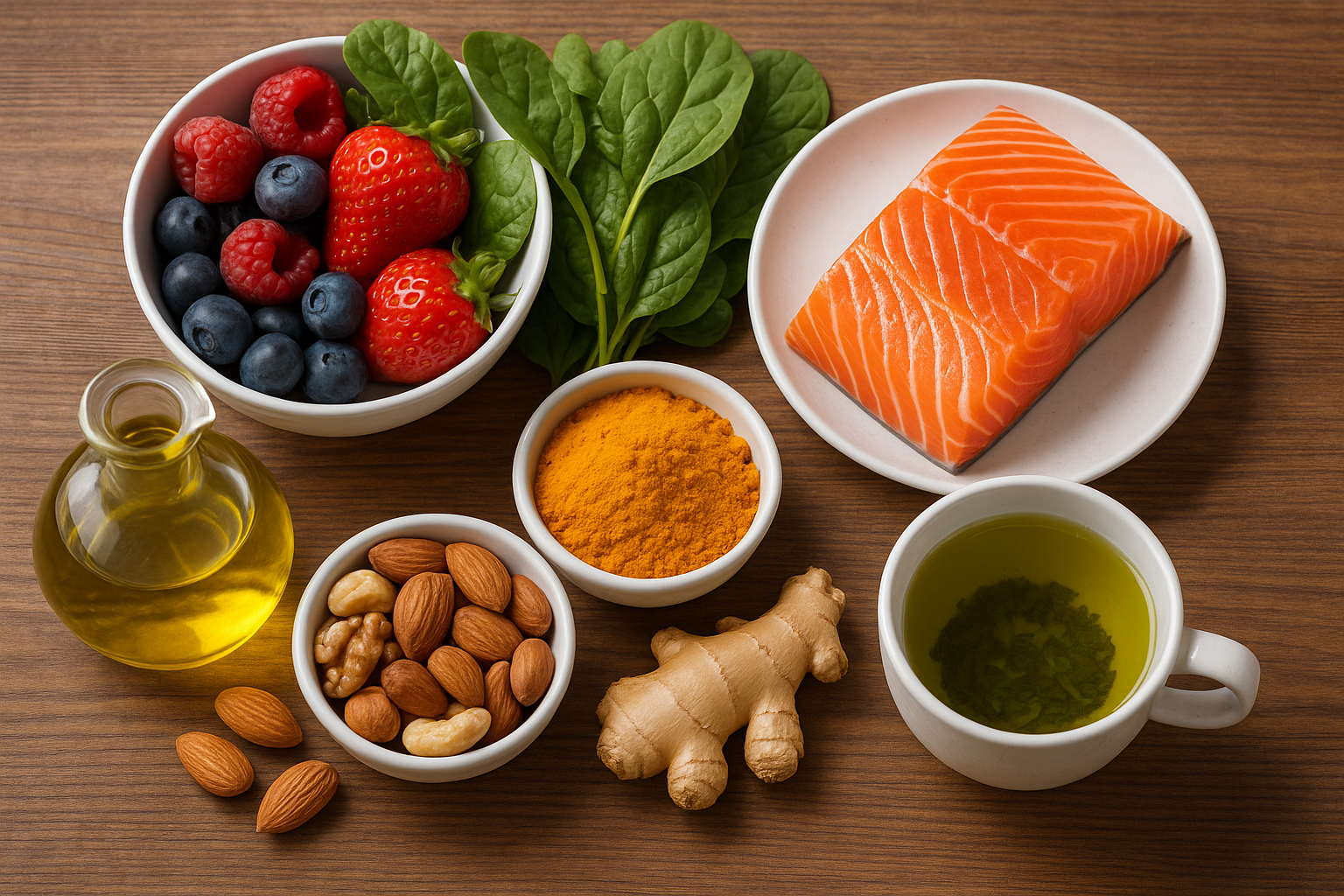
Research consistently supports dietary patterns rich in:
- Vegetables and leafy greens
- Berries and other fruits
- Whole grains
- Legumes
- Nuts and seeds
These foods provide fiber, antioxidants, and polyphenols that help regulate inflammatory pathways.
Increase Omega-3 Fatty Acids
Omega-3s (found in fatty fish like salmon, sardines, and mackerel) are strongly associated with reduced inflammation. Clinical studies show omega-3 fatty acids can lower inflammatory cytokines and may benefit people with rheumatoid arthritis and cardiovascular risk.
Plant sources include flaxseeds, chia seeds, and walnuts.
Use Extra Virgin Olive Oil
Extra virgin olive oil contains oleocanthal, a compound with anti-inflammatory properties similar to mild NSAIDs.
Limit Pro-Inflammatory Foods
Reduce intake of:
- Ultra-processed foods
- Refined carbohydrates
- Sugar-sweetened beverages
- Excessive red and processed meats
- Trans fats
Dietary patterns such as the Mediterranean diet are strongly associated with lower inflammatory markers.
2. Maintain a Healthy Weight
Excess visceral fat actively produces inflammatory chemicals. Weight loss in individuals with overweight or obesity has been shown to significantly reduce CRP and other inflammatory markers. Even modest weight reduction can improve systemic inflammation.
3. Engage in Regular Physical Activity
Moderate, consistent exercise reduces chronic inflammation. Research shows that:
- 150 minutes per week of moderate aerobic activity can lower inflammatory markers.
- Resistance training also contributes to improved immune regulation.
Exercise helps reduce visceral fat, improve insulin sensitivity, and regulate immune responses.
4. Prioritize Quality Sleep
Chronic sleep deprivation increases inflammatory cytokines. Adults should aim for 7 to 9 hours of quality sleep per night. Establishing a regular sleep schedule, limiting screen exposure before bed, and maintaining a dark, cool sleeping environment can support inflammatory balance.
5. Manage Psychological Stress
Chronic stress activates inflammatory pathways through prolonged cortisol and sympathetic nervous system activation.
Evidence-based stress-reduction techniques include:
- Mindfulness meditation
- Deep breathing exercises
- Yoga
- Cognitive behavioral strategies
Regular practice has been associated with reductions in CRP and improved immune regulation.
6. Consider Evidence-Based Supplements
Always consult a healthcare professional before starting supplements.
Turmeric (Curcumin)
Curcumin, the active compound in turmeric, has demonstrated anti-inflammatory effects in clinical trials, particularly in arthritis and metabolic conditions.
Omega-3 Fish Oil
Supplementation may reduce inflammation in individuals who do not consume adequate fatty fish.
Vitamin D
Vitamin D deficiency is associated with increased inflammatory markers. Correcting deficiency may help regulate immune function.
7. Avoid Smoking and Limit Alcohol
Smoking promotes systemic inflammation and oxidative stress. Quitting smoking significantly reduces inflammatory burden.
Moderate alcohol intake may have neutral or mild anti-inflammatory effects in some populations, but excessive alcohol increases inflammation and organ damage.
8. Support Gut Health
Emerging research shows the gut microbiome plays a key role in regulating inflammation. To support gut health:
- Eat high-fiber foods
- Include fermented foods like yogurt or kefir
- Limit highly processed foods
A diverse microbiome is associated with improved immune balance.
Key Takeaways
Evidence-based natural ways to reduce inflammation include:
- Following a Mediterranean-style diet
- Increasing omega-3 intake
- Exercising regularly
- Maintaining healthy weight
- Getting adequate sleep
- Managing stress
- Avoiding smoking
Sustainable lifestyle changes, rather than quick fixes, provide the strongest long-term anti-inflammatory benefits.
References

Best Herbal Teas for Deep Restful Sleep and Relaxation
Why Herbal Tea Can Support Better Sleep
Many herbal teas are naturally caffeine-free and contain plant compounds that may promote relaxation, reduce mild anxiety, and support the body’s natural sleep cycle. Drinking a warm beverage before bed can also become part of a calming nighttime routine that signals your brain it is time to wind down.
1. Chamomile Tea
Chamomile is one of the most popular herbal teas for sleep. It contains apigenin, an antioxidant that binds to certain receptors in the brain that may promote sleepiness and reduce insomnia symptoms.
Potential benefits:
- May improve sleep quality
- May reduce mild anxiety
- Gentle and widely tolerated
Chamomile is often recommended as a first-line herbal tea for people looking for a mild, natural sleep aid.
2. Valerian Root Tea
Valerian root has been studied for its potential sedative effects. It may help increase levels of gamma-aminobutyric acid (GABA), a neurotransmitter that promotes relaxation.
Potential benefits:
- May reduce the time it takes to fall asleep
- May improve overall sleep quality
Valerian has a strong earthy taste and aroma, so it is often blended with other calming herbs.
3. Lavender Tea
Lavender is well known for its calming scent, but it can also be consumed as a tea. Lavender may help reduce anxiety and improve sleep quality, particularly in people with mild stress or restlessness.
Potential benefits:
- Promotes relaxation
- May ease nervous tension
- Supports a calming bedtime routine
4. Lemon Balm Tea
Lemon balm, a member of the mint family, has traditionally been used to reduce stress and promote sleep. Some evidence suggests it may help improve mood and cognitive performance while also supporting relaxation.
Potential benefits:
- May reduce restlessness
- May support deeper sleep
- Mild, pleasant flavor
5. Passionflower Tea
Passionflower is another herb thought to boost GABA activity in the brain. It has been used for anxiety and sleep disturbances.
Potential benefits:
- May improve subjective sleep quality
- May reduce anxious thoughts at bedtime
Tips for Using Herbal Teas for Sleep
- Drink your tea 30 to 60 minutes before bedtime.
- Create a consistent nighttime routine.
- Avoid caffeine at least 6 hours before sleep.
- Speak with a healthcare provider if you take sedatives or other medications.
Are Herbal Teas Safe?
Most herbal teas are safe for healthy adults when consumed in moderate amounts. However, some herbs can interact with medications or may not be appropriate during pregnancy or certain medical conditions. Always check with a healthcare professional if you are unsure.
The Bottom Line
Herbal teas for better sleep can be a gentle, natural way to encourage deep restful sleep and relaxation. Chamomile, valerian root, lavender, lemon balm, and passionflower are among the most commonly used options. While results vary from person to person, incorporating a calming herbal tea into your nightly routine may help signal your body and mind that it is time to rest.
References:
Best Foods for Gut Health: Top Natural Foods That Restore Digestion
Why Gut Health Matters
Your gut contains trillions of microorganisms that help break down food, produce certain vitamins, regulate immune function, and protect against harmful bacteria. According to research published by the National Institutes of Health, diet is one of the most important factors influencing the diversity and balance of the gut microbiome.
Eating a variety of fiber rich and fermented foods can promote beneficial bacteria and improve digestive efficiency.
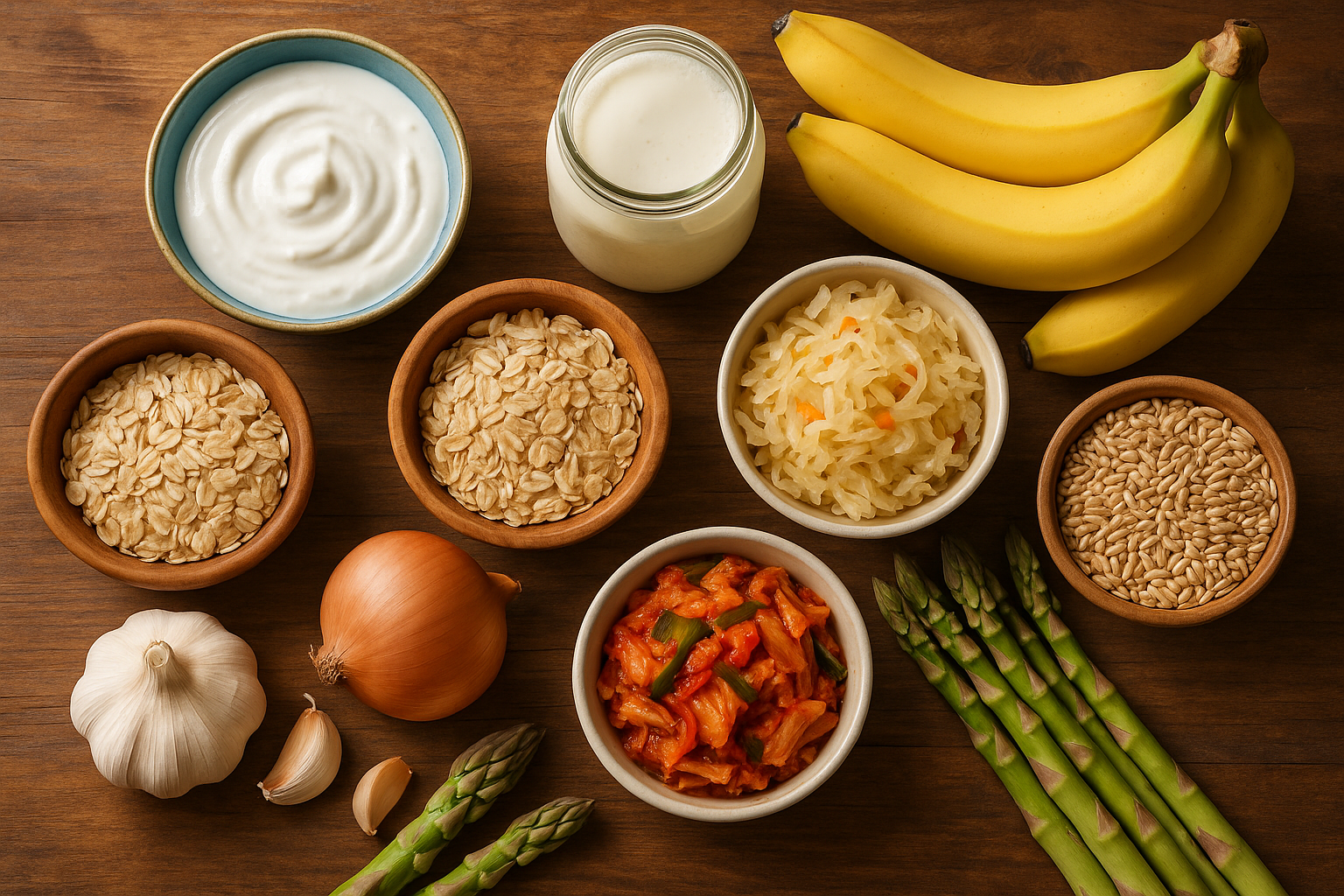
1. Yogurt with Live Cultures
Yogurt is one of the most well known probiotic foods. It contains live bacteria that help replenish beneficial microbes in the digestive tract. Probiotics may help improve symptoms of bloating, diarrhea, and irritable bowel conditions.
Choose plain yogurt with live and active cultures and minimal added sugar for the greatest benefit.
2. Kefir
Kefir is a fermented milk drink rich in diverse probiotic strains. It may be even more potent than yogurt in supporting microbial diversity. Regular consumption may improve lactose digestion and reduce gut inflammation.
3. Sauerkraut and Kimchi
Fermented vegetables like sauerkraut and kimchi provide natural probiotics along with fiber and antioxidants. Fermentation enhances nutrient availability and supports healthy bacterial balance in the gut.
Look for refrigerated, unpasteurized versions to ensure they contain live cultures.
4. High Fiber Fruits
Fruits such as bananas, apples, and berries contain prebiotic fiber. Prebiotics act as fuel for beneficial gut bacteria, helping them grow and thrive. Bananas in particular contain resistant starch, which supports healthy digestion.
5. Garlic and Onions
Garlic and onions are rich in inulin and fructooligosaccharides, types of prebiotic fibers. These compounds stimulate the growth of beneficial bacteria and may enhance immune function.
6. Asparagus and Leeks
These vegetables are excellent sources of prebiotics. Regular intake can support bacterial diversity and promote smoother digestion.
7. Whole Grains
Oats, barley, and whole wheat provide beta glucan and other fibers that nourish beneficial gut microbes. Whole grains are also associated with reduced inflammation and improved bowel regularity.
8. Legumes
Beans, lentils, and chickpeas are rich in fermentable fiber. As gut bacteria digest these fibers, they produce short chain fatty acids that help maintain the integrity of the intestinal lining.
9. Bone Broth
Bone broth contains collagen and amino acids that may help support the intestinal lining. While research is ongoing, it is often included in gut supportive dietary patterns.
Practical Tips to Improve Gut Health
- Eat a variety of plant based foods
- Include both probiotic and prebiotic sources
- Limit highly processed foods and excess sugar
- Stay hydrated
- Introduce high fiber foods gradually to avoid discomfort
Consistency is key. A diverse and balanced diet supports long term microbiome health and improved digestion.
The Bottom Line
The best foods for gut health include fermented foods like yogurt and kefir, fiber rich fruits and vegetables, whole grains, and legumes. These natural options help restore microbial balance, strengthen the intestinal barrier, and improve digestion. Building meals around these foods can create a strong foundation for overall health and wellness.
Probiotics vs Prebiotics: What Is the Difference and Which Do You Need?
Probiotics vs Prebiotics: What Is the Difference?
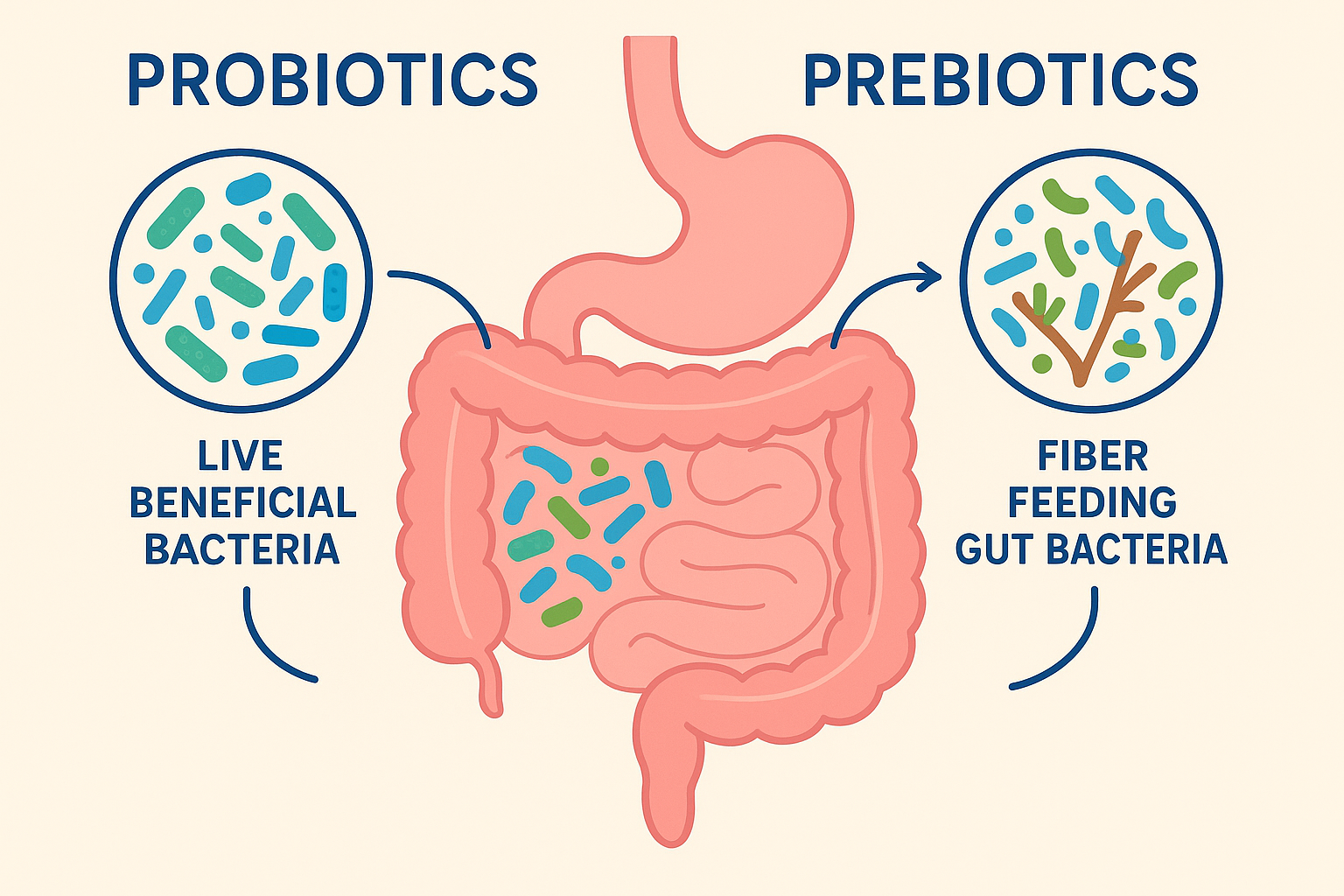
When comparing probiotics vs prebiotics differences, the simplest explanation is this:
- Probiotics are live beneficial bacteria.
- Prebiotics are types of fiber that feed those beneficial bacteria.
Both play important roles in maintaining a healthy gut microbiome, which influences digestion, immune function, and even mood.
What Are Probiotics?
Probiotics are live microorganisms that provide health benefits when consumed in adequate amounts. They are often called “good” or “helpful” bacteria because they help maintain a healthy balance of microbes in your gut.
Common Sources of Probiotics
- Yogurt with live active cultures
- Kefir
- Sauerkraut
- Kimchi
- Dietary supplements
Potential Benefits
According to trusted health authorities, probiotics may help:
- Restore gut balance after antibiotics
- Reduce certain types of diarrhea
- Support immune function
- Improve symptoms of some digestive disorders
Not all probiotics are the same. Different strains have different effects, and benefits depend on the specific strain and dose.
What Are Prebiotics?
Prebiotics are non-digestible fibers that feed beneficial bacteria in your gut. Unlike probiotics, they are not live organisms. Instead, they act as fuel for the good bacteria already living in your digestive tract.
Common Sources of Prebiotics
- Garlic
- Onions
- Leeks
- Asparagus
- Bananas
- Whole grains
- Beans and legumes
Potential Benefits
Prebiotics may help:
- Improve digestion
- Increase absorption of certain minerals
- Support regular bowel movements
- Enhance the growth of beneficial gut bacteria
By feeding good bacteria, prebiotics indirectly support many of the same systems as probiotics.
Key Differences Between Probiotics and Prebiotics
1. What They Are
- Probiotics: Live beneficial bacteria.
- Prebiotics: Fiber that feeds beneficial bacteria.
2. How They Work
- Probiotics add good bacteria to your gut.
- Prebiotics nourish the good bacteria already there.
3. Where They Are Found
- Probiotics: Fermented foods and supplements.
- Prebiotics: High-fiber plant foods.
They often work best together, supporting overall gut health in complementary ways.
Which Do You Need?
The answer depends on your health goals and diet.
You May Benefit from Probiotics If You:
- Recently took antibiotics
- Experience frequent digestive upset
- Have certain diagnosed gut conditions
You May Benefit from Prebiotics If You:
- Eat a low-fiber diet
- Experience mild constipation
- Want to support overall gut balance naturally
For many people, focusing on a fiber-rich diet that includes naturally fermented foods provides both prebiotic and probiotic support.
Can You Take Them Together?
Yes. In fact, some products combine both and are called synbiotics. Pairing probiotics with prebiotics may enhance the survival and effectiveness of beneficial bacteria.
Bottom Line
Understanding probiotics vs prebiotics differences helps you make informed choices about gut health. Probiotics introduce beneficial bacteria, while prebiotics feed and strengthen those bacteria. Together, they support digestion, immunity, and overall wellness.
If you are considering supplements, speak with a healthcare professional to determine what is appropriate for your individual needs.
References
Early Signs of Vitamin D Deficiency and How to Correct It Naturally
What Is Vitamin D and Why It Matters
Vitamin D is a fat soluble vitamin that plays a critical role in calcium absorption, bone strength, immune regulation, and muscle function. Your body produces vitamin D when skin is exposed to sunlight, and it can also be obtained from certain foods and supplements.
According to the National Institutes of Health, vitamin D helps maintain normal blood levels of calcium and phosphorus, supporting healthy bones and teeth.
Early Signs of Vitamin D Deficiency
Vitamin D deficiency symptoms often develop gradually and may be overlooked.
1. Fatigue and Low Energy
Persistent tiredness, even with adequate sleep, can be an early indicator of low vitamin D levels.
2. Bone Pain or Lower Back Pain
Vitamin D deficiency can reduce calcium absorption, leading to bone discomfort or aching, particularly in the lower back, hips, and legs.
3. Muscle Weakness or Cramps
Low vitamin D may contribute to muscle weakness, cramps, or difficulty climbing stairs and standing from a seated position.
4. Frequent Illness or Infections
Vitamin D supports immune function. Deficiency may increase susceptibility to respiratory infections and other illnesses.
5. Mood Changes
Some studies suggest a link between low vitamin D levels and mood disturbances, including symptoms of depression.
6. Hair Thinning
Severe deficiency has been associated with hair loss in some individuals.
Who Is at Higher Risk?
Certain groups are more likely to develop vitamin D deficiency:
- Older adults
- People with limited sun exposure
- Individuals with darker skin
- People with obesity
- Those with malabsorption conditions such as celiac or Crohn disease
- Breastfed infants without supplementation
How to Correct Vitamin D Deficiency Naturally
1. Safe Sun Exposure
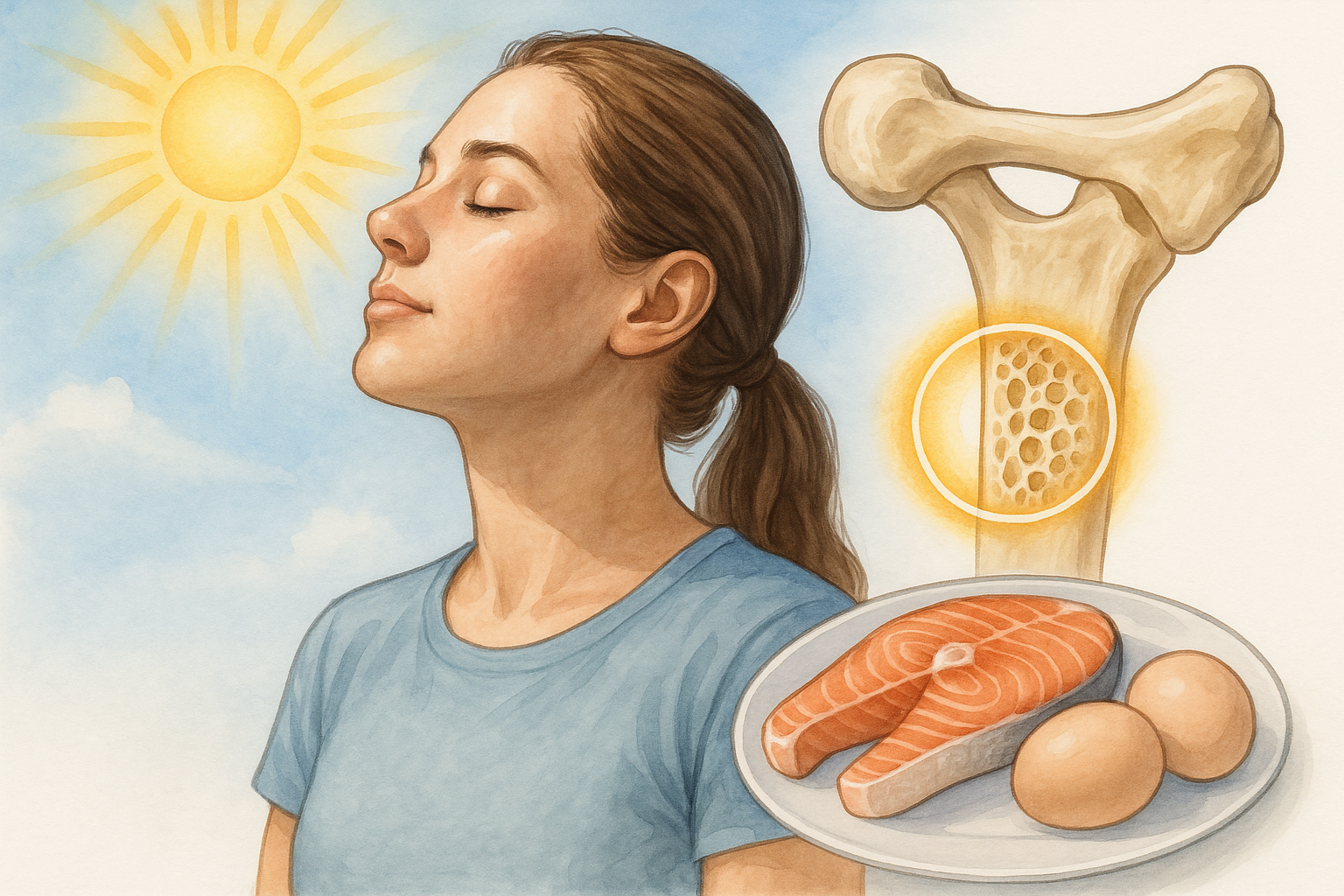
Spending 10 to 30 minutes in midday sunlight several times per week may help maintain healthy vitamin D levels. Factors such as skin tone, season, and geographic location affect how much is produced.
2. Vitamin D Rich Foods
Include foods naturally high in vitamin D:
- Fatty fish such as salmon, mackerel, and sardines
- Cod liver oil
- Egg yolks
- Fortified milk, plant milks, and cereals
3. Maintain a Healthy Weight
Excess body fat can reduce circulating vitamin D levels. Weight management may help improve vitamin D status.
4. Consider Supplementation
If sunlight and diet are insufficient, vitamin D3 supplements may be recommended. The appropriate dosage depends on age, health status, and blood levels. A healthcare provider can order a 25 hydroxyvitamin D blood test to assess status.
When to See a Healthcare Professional
Seek medical advice if you experience persistent bone pain, muscle weakness, frequent infections, or fatigue. Severe deficiency can lead to osteomalacia in adults and rickets in children.
Early detection and correction are important to protect long term bone and immune health.
Key Takeaway
Vitamin D deficiency symptoms often begin subtly but can progress to serious health issues if left untreated. Fatigue, bone pain, muscle weakness, and frequent illness are common early signs. Safe sun exposure, vitamin D rich foods, and appropriate supplementation can help restore healthy levels naturally under medical guidance.
References: