
- Home
- Author's Archive:
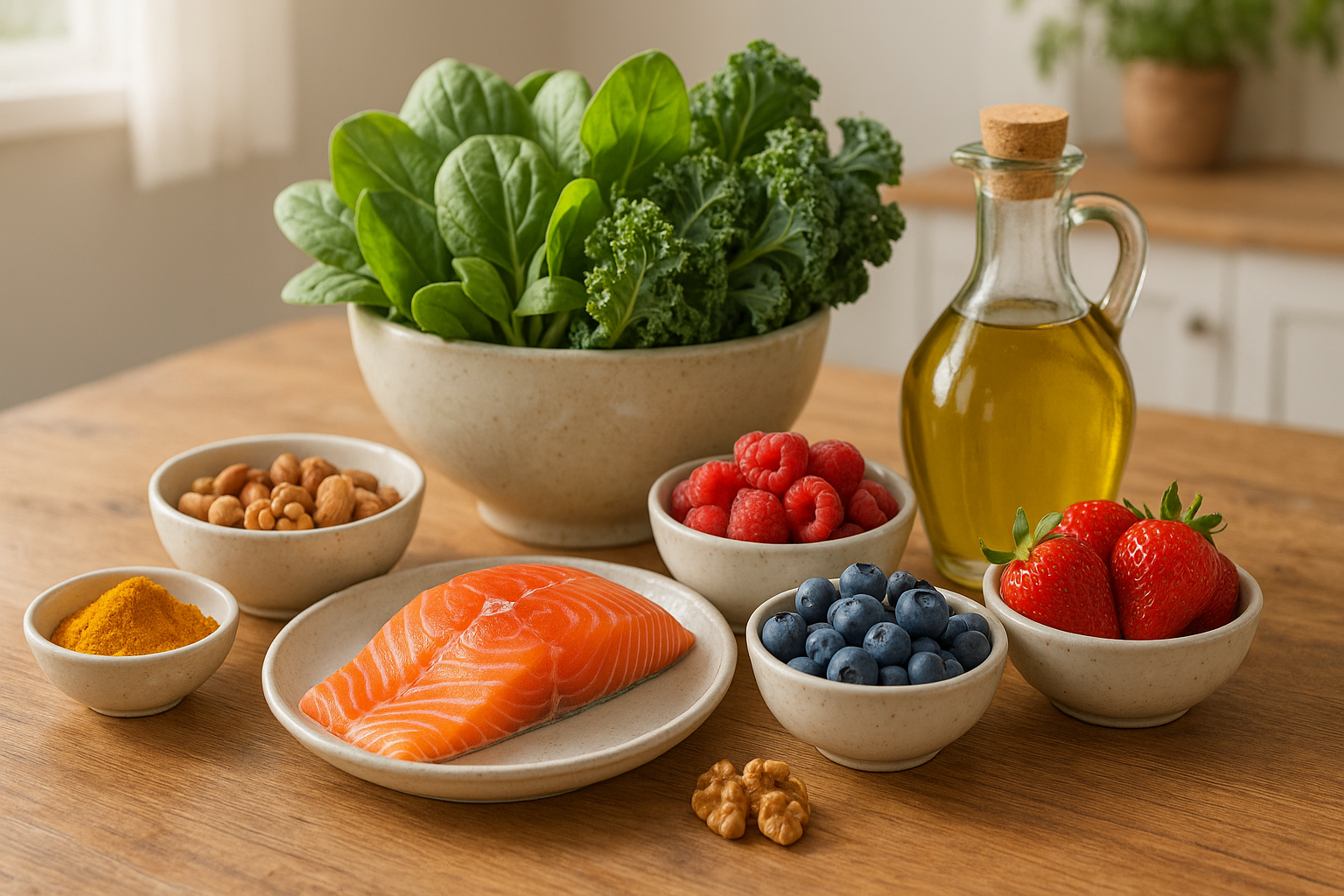
Evidence Based Natural Ways to Reduce Chronic Inflammation
What Is Chronic Inflammation?
Inflammation is the body natural defense against injury and infection. Acute inflammation is short term and protective. Chronic inflammation, however, can persist for months or years and is associated with cardiovascular disease, metabolic syndrome, arthritis, and certain cancers.
Common contributors include poor diet, physical inactivity, chronic stress, inadequate sleep, smoking, excess body fat, and environmental exposures.
1. Follow an Anti Inflammatory Eating Pattern
Research consistently supports dietary patterns rich in whole plant foods and healthy fats.
Focus on:
- Fruits and vegetables rich in antioxidants and polyphenols
- Whole grains instead of refined carbohydrates
- Fatty fish such as salmon and sardines for omega 3 fatty acids
- Nuts, seeds, and legumes
- Olive oil as a primary fat source
Limit:
- Processed meats
- Refined carbohydrates and sugary beverages
- Excess saturated and trans fats
Mediterranean style eating patterns are repeatedly associated with lower inflammatory markers such as C reactive protein.
2. Increase Omega 3 Fatty Acids
Omega 3 fatty acids, particularly EPA and DHA found in fatty fish, help regulate inflammatory pathways. Clinical research shows omega 3 intake may reduce inflammatory markers and support heart and joint health.
Aim for at least two servings of fatty fish per week or discuss supplementation with a healthcare professional.
3. Engage in Regular Physical Activity
Moderate regular exercise reduces inflammatory markers and improves immune regulation. Both aerobic exercise and resistance training provide benefits.
Target at least 150 minutes per week of moderate intensity activity, along with muscle strengthening activities on two or more days weekly.
4. Maintain a Healthy Weight
Excess visceral fat produces pro inflammatory cytokines. Sustainable weight reduction in individuals with overweight or obesity is associated with measurable decreases in inflammatory biomarkers.
Gradual fat loss through nutrition and physical activity is more effective long term than extreme dieting.
5. Prioritize Sleep
Poor sleep quality and short sleep duration are linked to increased inflammation. Most adults need 7 to 9 hours of quality sleep per night.
Support healthy sleep by maintaining a consistent schedule, limiting evening screen exposure, and creating a cool dark sleep environment.
6. Manage Chronic Stress
Psychological stress activates inflammatory signaling pathways. Evidence supports stress reduction techniques such as:
- Mindfulness meditation
- Yoga
- Deep breathing exercises
- Cognitive behavioral strategies
Even brief daily stress reduction practices can positively affect inflammatory markers over time.
7. Consider Evidence Based Supplements
Some supplements show modest anti inflammatory effects, though they should complement not replace lifestyle strategies.
Examples include:
- Omega 3 fatty acids
- Turmeric or curcumin
- Vitamin D in individuals with deficiency
Supplement use should be discussed with a healthcare professional to ensure safety and proper dosing.
8. Avoid Smoking and Limit Alcohol
Smoking promotes systemic inflammation and oxidative stress. Quitting smoking significantly improves inflammatory profiles.
Moderate alcohol intake may have mixed effects, but excessive alcohol clearly increases inflammation and health risks.
The Bottom Line
Reducing chronic inflammation naturally requires a comprehensive approach that includes nutrition, movement, sleep, stress management, and avoidance of harmful exposures. Evidence consistently shows that sustainable lifestyle changes have the strongest impact on long term inflammatory health.
Small consistent improvements across multiple areas are more powerful than extreme short term interventions.
References
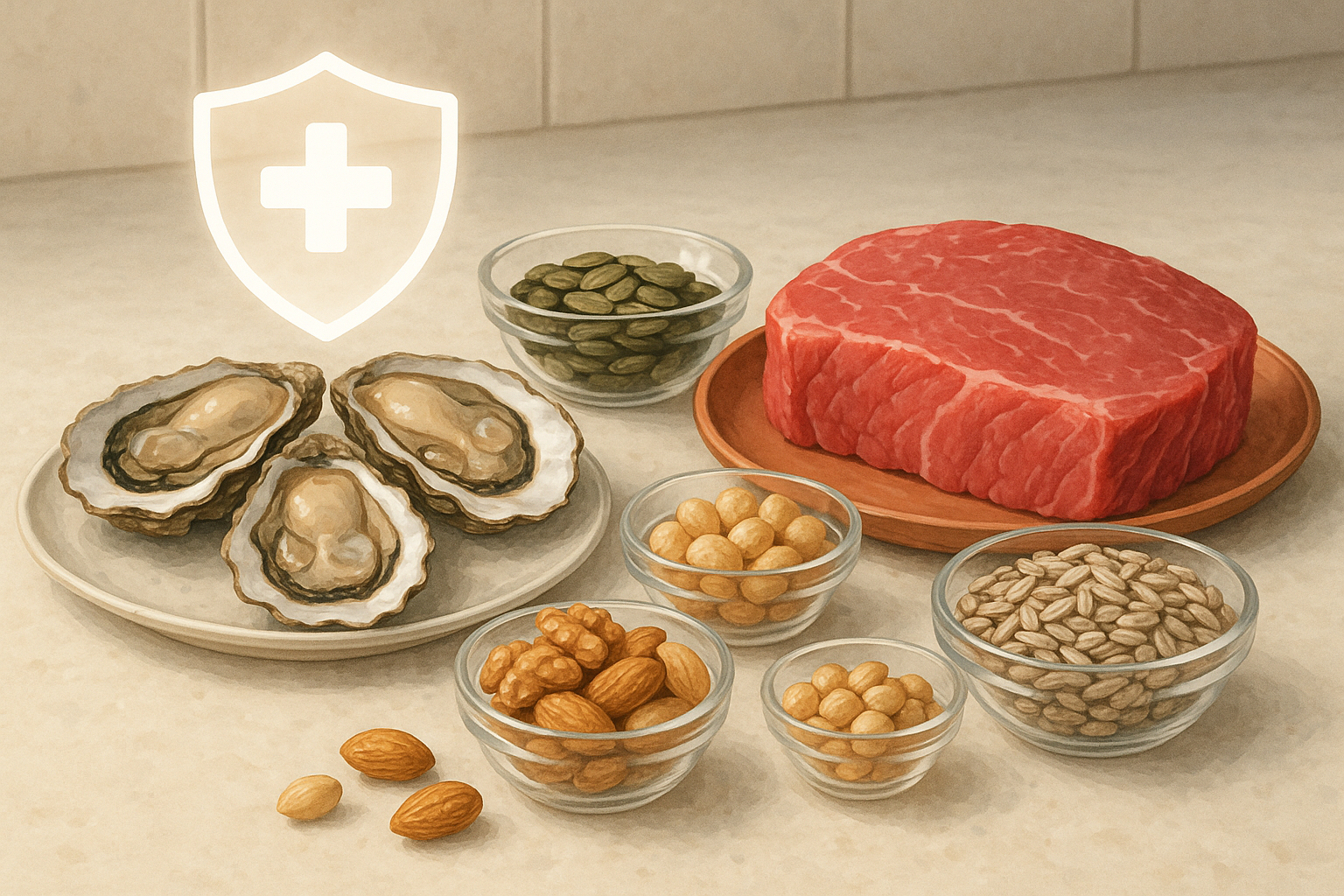
Common Signs of Zinc Deficiency and Its Impact on Immune Health
What Is Zinc and Why It Matters
Zinc is a trace mineral involved in hundreds of enzymatic reactions in the body. It supports immune cell development, helps the body fight infections, assists with wound healing, and contributes to normal growth and development. Zinc also plays a role in taste, smell, and skin health.
Because the body cannot produce zinc on its own, it must be obtained through foods such as meat, shellfish, dairy products, nuts, seeds, whole grains, and legumes.
Common Signs of Zinc Deficiency
Zinc deficiency can range from mild to severe. Symptoms may develop gradually and can sometimes be mistaken for other health issues.
1. Frequent Infections
One of the most significant signs of zinc deficiency is increased susceptibility to infections. Zinc is critical for the development and activation of T lymphocytes, a type of white blood cell that helps the body fight off pathogens. Low zinc levels can weaken immune response, leading to more frequent colds, respiratory infections, or prolonged illness.
2. Slow Wound Healing
Zinc supports skin integrity and tissue repair. People with low zinc levels may notice that cuts, scrapes, or surgical wounds take longer to heal. This is because zinc is necessary for cell growth and inflammatory response during the healing process.
3. Hair Loss
Unexplained hair thinning or hair loss can be associated with inadequate zinc intake. Zinc contributes to healthy hair follicle function, and deficiency may disrupt normal hair growth cycles.
4. Loss of Appetite
Zinc influences taste and smell. A deficiency may reduce the ability to taste or smell properly, which can lead to decreased appetite and unintended weight loss.
5. Skin Changes
Zinc deficiency may cause dry, scaly skin or rashes. In more severe cases, dermatitis-like symptoms can appear, especially around body openings such as the mouth or eyes.
6. Impaired Growth in Children
In children and adolescents, inadequate zinc intake can impair growth and delay sexual maturation. Zinc is essential for cell division and normal development.
How Zinc Deficiency Impacts Immune Health
Zinc is crucial for both innate and adaptive immunity. It helps maintain the integrity of physical barriers such as skin and mucous membranes, which act as the first line of defense against pathogens.
Low zinc levels can:
- Reduce the production and function of immune cells
- Impair communication between immune cells
- Increase inflammation
- Prolong recovery time from infections
Even mild zinc deficiency can negatively affect immune performance, particularly in older adults, individuals with chronic illnesses, and those with limited dietary variety.
Who Is at Risk?
Certain groups are more likely to experience zinc deficiency, including:
- Older adults
- People with gastrointestinal disorders such as inflammatory bowel disease
- Vegetarians and vegans with low intake of zinc rich plant foods
- Individuals with alcohol use disorder
- Pregnant or breastfeeding women with inadequate dietary intake
When to Seek Medical Advice
If you experience persistent symptoms such as frequent infections, slow wound healing, or unexplained hair loss, speak with a healthcare provider. A medical professional can assess dietary intake, evaluate symptoms, and order appropriate testing if needed.
Improving zinc intake through diet is often the first step. In some cases, supplements may be recommended under medical supervision to restore healthy levels and support immune function.
References:
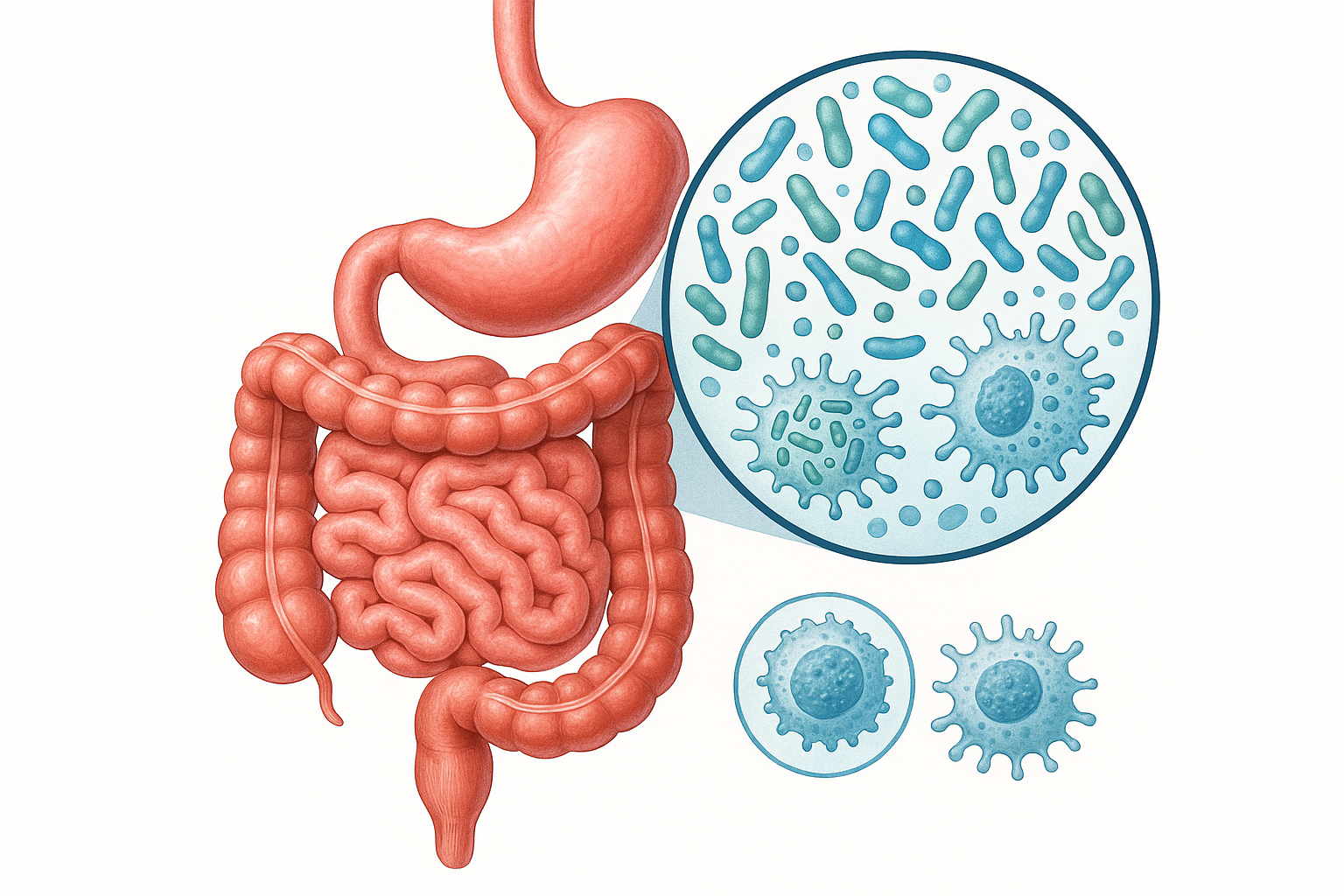
How Probiotics Strengthen Immune Health Through the Gut
The Gut-Immune System Connection
Approximately 70 percent of the immune system is located in the gut-associated lymphoid tissue (GALT). The intestinal lining acts as a protective barrier, while beneficial microbes help regulate immune responses. A balanced gut microbiome supports communication between immune cells and helps the body distinguish between harmful pathogens and harmless substances.
When the gut microbiota is disrupted, a condition known as dysbiosis, immune regulation may be impaired. This imbalance can contribute to increased inflammation and reduced resistance to infections.
What Are Probiotics?
Probiotics are live microorganisms, typically bacteria or yeasts, that provide health benefits when consumed in adequate amounts. Common probiotic strains include Lactobacillus and Bifidobacterium species. They are found in fermented foods such as yogurt, kefir, sauerkraut, and in dietary supplements.
How Probiotics Support Immune Health
1. Strengthening the Gut Barrier
Probiotics help maintain the integrity of the intestinal lining. A strong gut barrier prevents harmful pathogens and toxins from entering the bloodstream, reducing unnecessary immune activation.
2. Enhancing Immune Cell Function
Certain probiotic strains stimulate the production and activity of immune cells, including macrophages, natural killer cells, and T lymphocytes. These cells play essential roles in identifying and eliminating harmful invaders.
3. Modulating Inflammation
Probiotics can help regulate cytokines, which are signaling proteins that control inflammation. By promoting anti-inflammatory pathways and balancing pro-inflammatory responses, probiotics contribute to immune stability.
4. Supporting Antibody Production
Research suggests that probiotics may enhance the production of immunoglobulin A (IgA), an antibody found in mucosal surfaces such as the gut and respiratory tract. IgA plays a critical role in neutralizing pathogens before they cause infection.
5. Competing With Harmful Microbes
Beneficial bacteria compete with pathogens for nutrients and attachment sites along the intestinal wall. This competitive exclusion helps limit the growth of harmful organisms.
Probiotics and Respiratory Health
Some studies indicate that certain probiotic strains may reduce the frequency or duration of upper respiratory infections. While results vary depending on strain and dosage, the gut-lung axis demonstrates how gut health can influence immune responses beyond the digestive system.
Choosing the Right Probiotic
Not all probiotics provide the same effects. Benefits are strain-specific, meaning different strains influence the immune system in different ways. When selecting a probiotic:
- Look for clearly labeled strains (for example, Lactobacillus rhamnosus GG).
- Choose products with clinically studied strains.
- Follow storage instructions to maintain potency.
- Discuss use with a healthcare provider if you are immunocompromised.
Supporting Probiotics With Diet
Probiotics work best when combined with prebiotics, which are fibers that feed beneficial bacteria. Foods rich in prebiotics include garlic, onions, bananas, asparagus, and whole grains. A balanced diet rich in fiber, fermented foods, and plant diversity supports long-term immune resilience.
The Bottom Line
Probiotics strengthen immune health primarily by supporting the gut microbiome, reinforcing the intestinal barrier, regulating inflammation, and enhancing immune cell function. While they are not a cure-all, probiotics can be a valuable part of a comprehensive immune health strategy that includes proper nutrition, sleep, stress management, and regular physical activity.
References
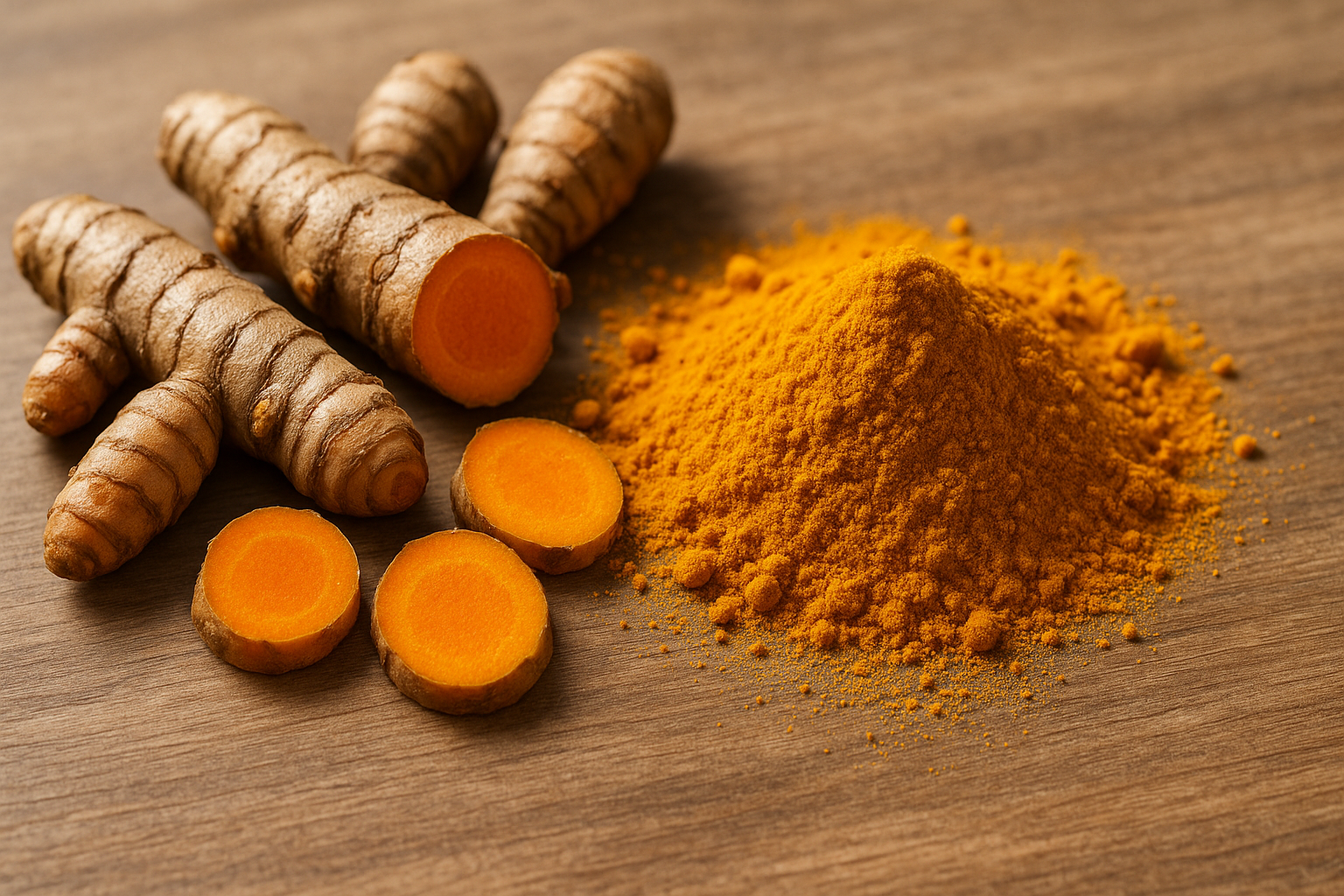
Turmeric for Inflammation Relief and Joint Health
What Causes Inflammation?
Inflammation is a natural immune response that helps the body fight infection and heal injuries. Acute inflammation is short term and beneficial. However, chronic inflammation can persist over time and is linked to conditions such as arthritis, cardiovascular disease, and metabolic disorders.
How Turmeric Works
Turmeric contains curcumin, a bioactive compound responsible for many of its health effects. Curcumin has been shown to influence multiple molecules involved in inflammation. It can help regulate inflammatory pathways and reduce the activity of certain enzymes and cytokines that promote inflammation.
Curcumin also acts as an antioxidant. Oxidative stress can contribute to chronic inflammation, and antioxidants help neutralize free radicals that damage cells and tissues.
Turmeric and Joint Health
Joint discomfort is often associated with inflammatory conditions such as osteoarthritis and rheumatoid arthritis. Some clinical studies suggest that curcumin may help reduce joint pain and improve physical function in people with arthritis. Its anti inflammatory action may support mobility and overall joint comfort.
While turmeric alone is not a cure for joint disease, it may serve as a complementary approach alongside medical treatment, physical activity, and a balanced diet.
Absorption and Bioavailability
One challenge with turmeric is that curcumin is not easily absorbed by the body. Combining turmeric with black pepper, which contains piperine, may enhance absorption. Some supplements are formulated to improve bioavailability, but quality and dosage can vary.
Safety Considerations
Turmeric is generally considered safe when used in food amounts. Higher doses in supplement form may cause digestive upset in some individuals. Turmeric can also interact with blood thinning medications and certain other drugs. Always consult a healthcare provider before using concentrated turmeric or curcumin supplements.
The Bottom Line
Turmeric, particularly its active compound curcumin, shows promise in helping reduce inflammation and support joint health. While research is ongoing, incorporating turmeric into a healthy lifestyle may provide natural support for managing inflammatory symptoms. It should be used as part of a comprehensive health strategy rather than a standalone treatment.
References:
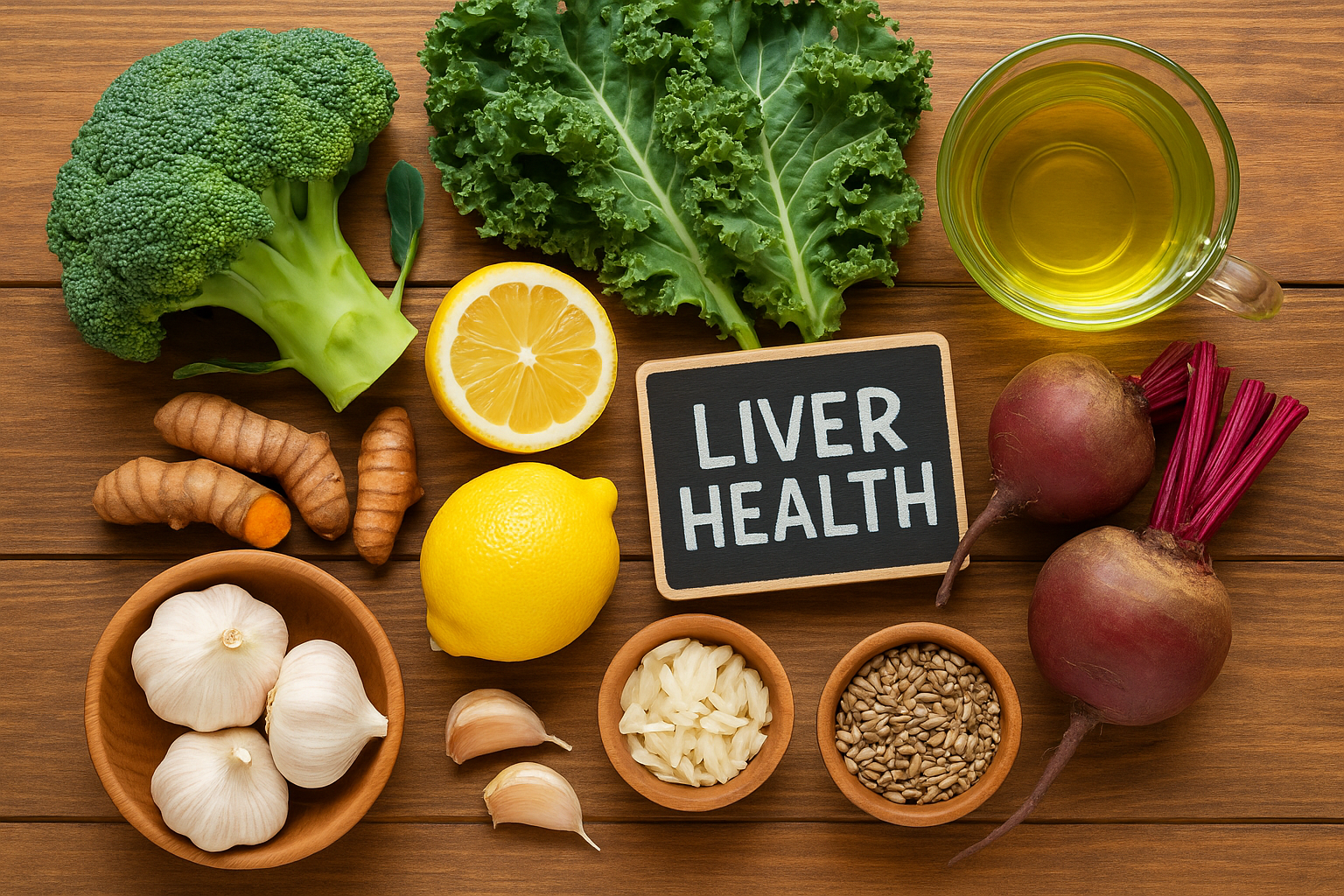
Best Foods and Herbs to Naturally Support Liver Detox Pathways
Understanding Liver Detox Pathways
The liver supports detoxification through two primary phases often referred to as Phase I and Phase II pathways. These processes transform fat-soluble toxins into water-soluble compounds that can be eliminated through bile or urine. Proper nutrition provides the vitamins, minerals, antioxidants, and phytonutrients required for these pathways to function efficiently.
Cruciferous Vegetables
Broccoli, Brussels sprouts, cabbage, and kale contain glucosinolates, which help support detoxification enzymes in the liver. These compounds may enhance the body’s natural ability to process and eliminate toxins. Regular intake of cruciferous vegetables is associated with improved liver enzyme activity.
Leafy Green Vegetables
Spinach, arugula, and other leafy greens are rich in chlorophyll and antioxidants. These nutrients help combat oxidative stress, which can otherwise burden liver cells. Oxidative balance is essential for optimal detoxification function.
Garlic
Garlic contains sulfur compounds that help activate liver detox enzymes. Sulfur is required for Phase II detoxification reactions, particularly those involved in conjugation pathways. Garlic also provides antioxidant benefits that support overall liver health.
Turmeric
Turmeric contains curcumin, a compound studied for its anti-inflammatory and antioxidant effects. Research suggests curcumin may help protect liver cells from oxidative damage and support healthy inflammatory responses.
Beets
Beets are a source of betalains and nitrates, which have antioxidant properties. These compounds may help reduce oxidative stress and support overall liver function.
Green Tea
Green tea is rich in catechins, plant antioxidants associated with improved liver enzyme levels in some studies. Moderate green tea consumption may support liver health as part of a balanced diet.
Citrus Fruits
Lemons and other citrus fruits provide vitamin C, an antioxidant that supports the regeneration of other antioxidants in the body and contributes to normal detoxification processes.
Milk Thistle
Milk thistle is a well-known herbal supplement for liver support. Its active compound, silymarin, has been studied for antioxidant and hepatoprotective properties. While evidence varies, it is commonly used to support liver health.
Dandelion Root
Traditionally used in herbal medicine, dandelion root may support bile flow and digestion. Although more research is needed, it remains a popular botanical in liver support formulations.
Key Nutrients for Liver Detox Support
Important nutrients for liver detox pathways include:
- B vitamins for enzymatic reactions
- Sulfur-containing amino acids for conjugation pathways
- Antioxidants such as vitamins C and E
- Zinc and selenium for cellular protection
Practical Tips
- Focus on whole, minimally processed foods.
- Include a variety of colorful vegetables daily.
- Stay hydrated to support elimination pathways.
- Limit excessive alcohol and ultra-processed foods.
Rather than pursuing restrictive detox programs, consistent dietary habits rich in supportive nutrients provide sustainable liver support.
References
How Much Vitamin D Per Day? Recommended Daily Intake Explained
Recommended Daily Vitamin D Intake
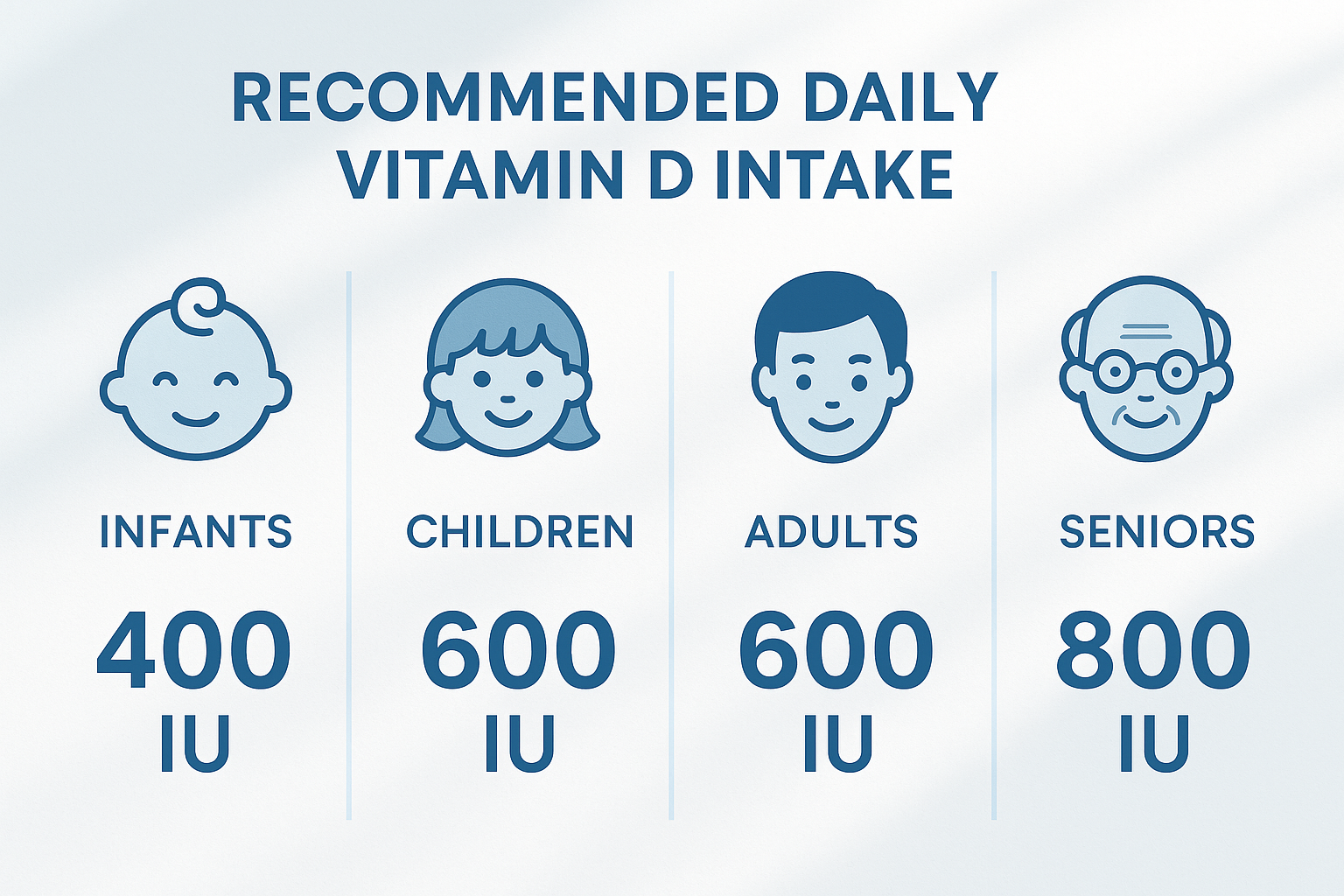
According to the National Institutes of Health Office of Dietary Supplements, the Recommended Dietary Allowance (RDA) for vitamin D is:
- Infants 0–12 months: 400 IU (10 mcg) per day
- Children and adults 1–70 years: 600 IU (15 mcg) per day
- Adults over 70 years: 800 IU (20 mcg) per day
- Pregnant and breastfeeding adults: 600 IU (15 mcg) per day
These recommendations assume minimal sun exposure.
Why Vitamin D Is Important
Vitamin D helps your body:
- Absorb calcium for strong bones and teeth
- Support immune system function
- Maintain muscle function
- Reduce the risk of bone disorders such as rickets and osteomalacia
Low vitamin D levels may increase the risk of bone loss and fractures, particularly in older adults.
Safe Upper Limits
The tolerable upper intake level (UL) for most adults is 4,000 IU (100 mcg) per day. Taking more than this amount regularly may increase the risk of toxicity, which can cause high calcium levels and kidney problems.
Higher doses may be prescribed by a healthcare provider for individuals with diagnosed deficiency, but this should be medically supervised.
Do You Need More Vitamin D?
Some people may require higher intake, including:
- Adults over age 65
- People with limited sun exposure
- Individuals with darker skin
- People with obesity
- Those with certain digestive or absorption disorders
A simple blood test measuring 25-hydroxyvitamin D can determine your vitamin D status.
Getting Vitamin D
You can get vitamin D from:
- Sunlight exposure
- Fatty fish such as salmon and mackerel
- Fortified milk and cereals
- Dietary supplements
Because few foods naturally contain significant amounts, many people rely on fortified foods or supplements to meet daily requirements.
Bottom Line
Most adults need 600 to 800 IU of vitamin D per day, depending on age. If you are unsure about your vitamin D status, speak with a healthcare professional about testing and appropriate supplementation.
References:

Top Natural Remedies to Calm Gut Inflammation and Restore Digestive Balance
Understanding Gut Inflammation
Gut inflammation occurs when the lining of the digestive tract becomes irritated or damaged. Short-term inflammation may result from infections or dietary triggers, while chronic inflammation may be linked to conditions such as inflammatory bowel disease, food sensitivities, or ongoing stress.
Supporting the gut with anti-inflammatory nutrition and lifestyle strategies can help strengthen the intestinal barrier, balance the microbiome, and reduce digestive discomfort.
1. Probiotics and Fermented Foods
Probiotics are beneficial bacteria that support a healthy gut microbiome. Research suggests certain probiotic strains may help reduce intestinal inflammation and improve symptoms of digestive disorders.
Natural sources include:
- Yogurt with live cultures
- Kefir
- Sauerkraut
- Kimchi
Probiotic supplements may also be helpful, but strain selection and dosage matter. Clinical guidance is recommended for chronic conditions.
2. Prebiotic Fiber
Prebiotics are fibers that feed beneficial gut bacteria. When fermented in the colon, they produce short-chain fatty acids that help regulate inflammation and support the intestinal lining.
Foods rich in prebiotic fiber include:
- Garlic
- Onions
- Leeks
- Asparagus
- Bananas
- Oats
Gradually increasing fiber intake can help prevent gas and bloating.
3. Omega-3 Fatty Acids
Omega-3 fatty acids have well-documented anti-inflammatory properties. They may help reduce inflammatory markers and support overall digestive health.
Sources include:
- Fatty fish such as salmon and sardines
- Chia seeds
- Flaxseeds
- Walnuts
For individuals who do not consume fish, algae-based omega-3 supplements may be considered.
4. Turmeric and Curcumin
Curcumin, the active compound in turmeric, has been studied for its anti-inflammatory effects. Some evidence suggests it may help reduce symptoms in individuals with inflammatory bowel conditions.
Turmeric can be added to meals, teas, or taken as a standardized supplement. Formulations combined with black pepper extract may enhance absorption.
5. Ginger
Ginger has natural anti-inflammatory and digestive-supporting properties. It may help reduce nausea, improve gastric emptying, and calm mild gastrointestinal irritation.
Fresh ginger tea or grated ginger in meals can be simple ways to incorporate it into your routine.
6. Bone Broth and Collagen-Rich Foods
Bone broth contains amino acids such as glutamine, which plays a role in maintaining the integrity of the intestinal lining. While more research is needed, some evidence suggests glutamine may support gut barrier function.
Including collagen-rich foods may contribute to overall digestive support.
7. Stress Reduction and Sleep
Chronic stress can increase gut inflammation through the gut-brain axis. Mindfulness practices, moderate exercise, and consistent sleep patterns can positively influence digestive health.
Techniques to consider:
- Deep breathing exercises
- Yoga or gentle stretching
- Regular sleep schedule
- Limiting ultra-processed foods
8. An Anti-Inflammatory Eating Pattern
A whole-food, plant-forward eating pattern rich in vegetables, fruits, whole grains, lean protein, and healthy fats supports microbiome diversity and reduces inflammatory triggers.
Limiting added sugars, refined carbohydrates, excessive alcohol, and highly processed foods may further reduce digestive irritation.
When to Seek Medical Care
Persistent abdominal pain, unexplained weight loss, blood in the stool, chronic diarrhea, or severe symptoms require medical evaluation. Natural remedies can complement care but should not replace appropriate medical treatment for diagnosed gastrointestinal diseases.
By combining evidence-based natural remedies with professional guidance, many individuals can calm gut inflammation and restore digestive balance safely and effectively.
References:
Common Signs of Vitamin B12 Deficiency and Natural Solutions
What Is Vitamin B12?
Vitamin B12 is a water-soluble vitamin essential for:
- Red blood cell formation
- Healthy nerve function
- DNA production
- Energy metabolism
It is naturally found in animal-based foods such as meat, fish, eggs, and dairy. Some fortified plant-based foods also contain added B12.
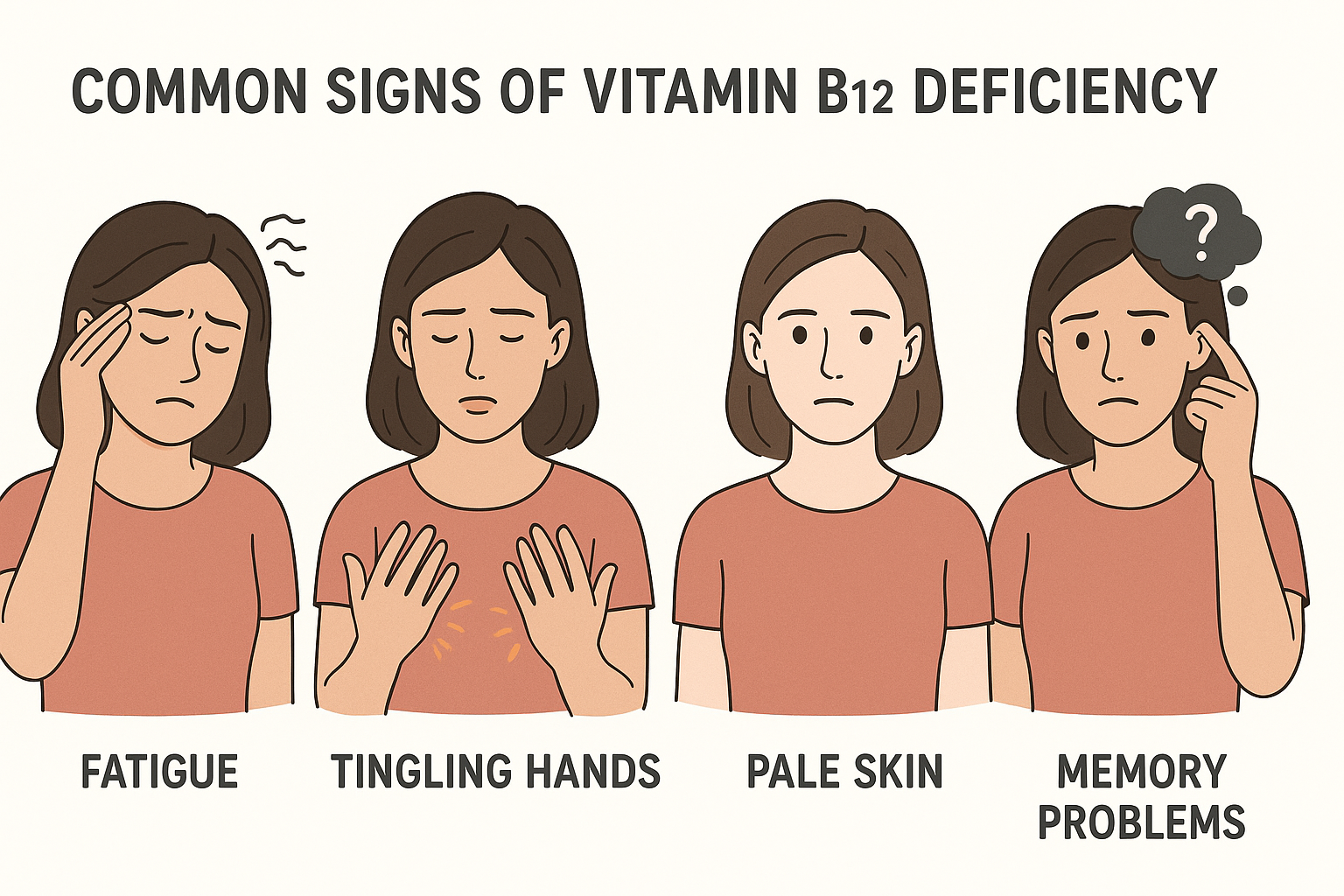
Common Vitamin B12 Deficiency Signs
1. Fatigue and Weakness
One of the earliest and most common symptoms is persistent fatigue. Without enough B12, the body cannot produce adequate healthy red blood cells, leading to reduced oxygen delivery to tissues.
2. Pale or Jaundiced Skin
Low B12 levels can cause megaloblastic anemia, which may result in pale skin. In some cases, mild yellowing of the skin or eyes can occur.
3. Numbness and Tingling
Vitamin B12 is crucial for maintaining the protective covering of nerves. Deficiency can cause nerve damage, leading to tingling, numbness, or a pins-and-needles sensation in the hands and feet.
4. Balance Problems
Nerve involvement may also affect coordination and balance, increasing the risk of falls, particularly in older adults.
5. Memory Issues and Brain Fog
Low B12 levels have been linked to memory difficulties, confusion, and trouble concentrating. Severe, prolonged deficiency may contribute to cognitive decline.
6. Mood Changes
Depression, irritability, and mood disturbances may occur, possibly due to B12’s role in neurotransmitter production.
7. Glossitis and Mouth Ulcers
A swollen, inflamed tongue (glossitis) and mouth sores can be early warning signs.
Who Is at Higher Risk?
- Older adults
- Vegans and vegetarians
- People with digestive disorders such as Crohn’s disease or celiac disease
- Individuals who have had gastrointestinal surgery
- Those taking certain medications that reduce stomach acid
Natural Solutions to Support Healthy B12 Levels
1. Eat B12-Rich Foods
Natural dietary sources include:
- Beef and liver
- Fish such as salmon and tuna
- Eggs
- Milk and dairy products
For plant-based diets, look for fortified foods like nutritional yeast, plant milks, and fortified cereals.
2. Consider B12 Supplements
Oral B12 supplements or sublingual tablets may help maintain adequate levels, especially for those at higher risk. Always confirm deficiency through proper testing before supplementing.
3. Support Digestive Health
Healthy stomach acid and intrinsic factor are necessary for B12 absorption. Managing digestive conditions with professional guidance can improve absorption.
4. Routine Screening
If you have risk factors or symptoms, a simple blood test can measure B12 levels. Early detection helps prevent long-term nerve damage.
When to Seek Medical Care
Seek medical attention if you experience persistent fatigue, numbness, balance problems, or cognitive changes. Untreated vitamin B12 deficiency can lead to irreversible neurological damage.
Early recognition of vitamin B12 deficiency signs and appropriate dietary or medical intervention can restore healthy levels and protect long-term health.
References:

Magnesium for Sleep and Anxiety: How It Supports Deep Rest
Magnesium for Sleep and Anxiety
Magnesium is an essential mineral involved in more than 300 biochemical reactions in the body. It plays a key role in nerve function, muscle relaxation, stress regulation, and sleep quality. Research suggests that adequate magnesium levels may help promote deeper sleep and reduce nighttime anxiety.
How Magnesium Supports Deep Sleep
1. Activates the Relaxation Response
Magnesium helps regulate the parasympathetic nervous system, which is responsible for relaxation and recovery. By supporting this system, magnesium encourages the body to shift out of fight or flight mode and into a state more conducive to sleep.
2. Regulates GABA Activity
Gamma aminobutyric acid, or GABA, is a neurotransmitter that calms brain activity. Magnesium supports healthy GABA function, which may help quiet mental chatter and promote sleep onset.
3. Supports Healthy Melatonin Production
Magnesium is involved in regulating melatonin, the hormone that controls the sleep wake cycle. Balanced melatonin levels help signal the body that it is time to sleep and stay asleep.
4. Relaxes Muscles
Muscle tension can interfere with falling and staying asleep. Magnesium supports normal muscle relaxation, which may reduce physical restlessness during the night.
Magnesium and Nighttime Anxiety
Nighttime anxiety often intensifies when external distractions decrease and stress hormones remain elevated. Magnesium may help by:
- Regulating the stress response system
- Supporting balanced cortisol levels
- Reducing symptoms associated with mild anxiety
- Promoting overall nervous system stability
Low magnesium levels have been associated with increased nervousness and sleep disturbances. While supplementation is not a cure for anxiety disorders, correcting a deficiency may help improve symptoms in some individuals.
Who May Benefit
People who may benefit from evaluating their magnesium intake include:
- Individuals with difficulty falling or staying asleep
- Those experiencing racing thoughts at night
- Adults under chronic stress
- Older adults, who may have lower magnesium intake or absorption
Dietary sources of magnesium include leafy green vegetables, nuts, seeds, whole grains, and legumes. In some cases, supplements such as magnesium glycinate or magnesium citrate are used, though tolerance and absorption can vary.
Safety Considerations
According to the National Institutes of Health, excessive magnesium from supplements can cause side effects such as diarrhea, nausea, and abdominal cramping. Very high doses may lead to more serious complications. Individuals with kidney disease should use caution and consult a healthcare provider before supplementation.
The Bottom Line
Magnesium supports deep sleep by calming the nervous system, promoting muscle relaxation, and regulating sleep related hormones. It may also help reduce nighttime anxiety by supporting stress response balance. While not a standalone treatment for chronic insomnia or anxiety disorders, ensuring adequate magnesium intake can be a valuable part of a comprehensive sleep and wellness strategy.
References:
Probiotics for Immune Support: How Gut Health Strengthens Immunity
The Gut and the Immune System
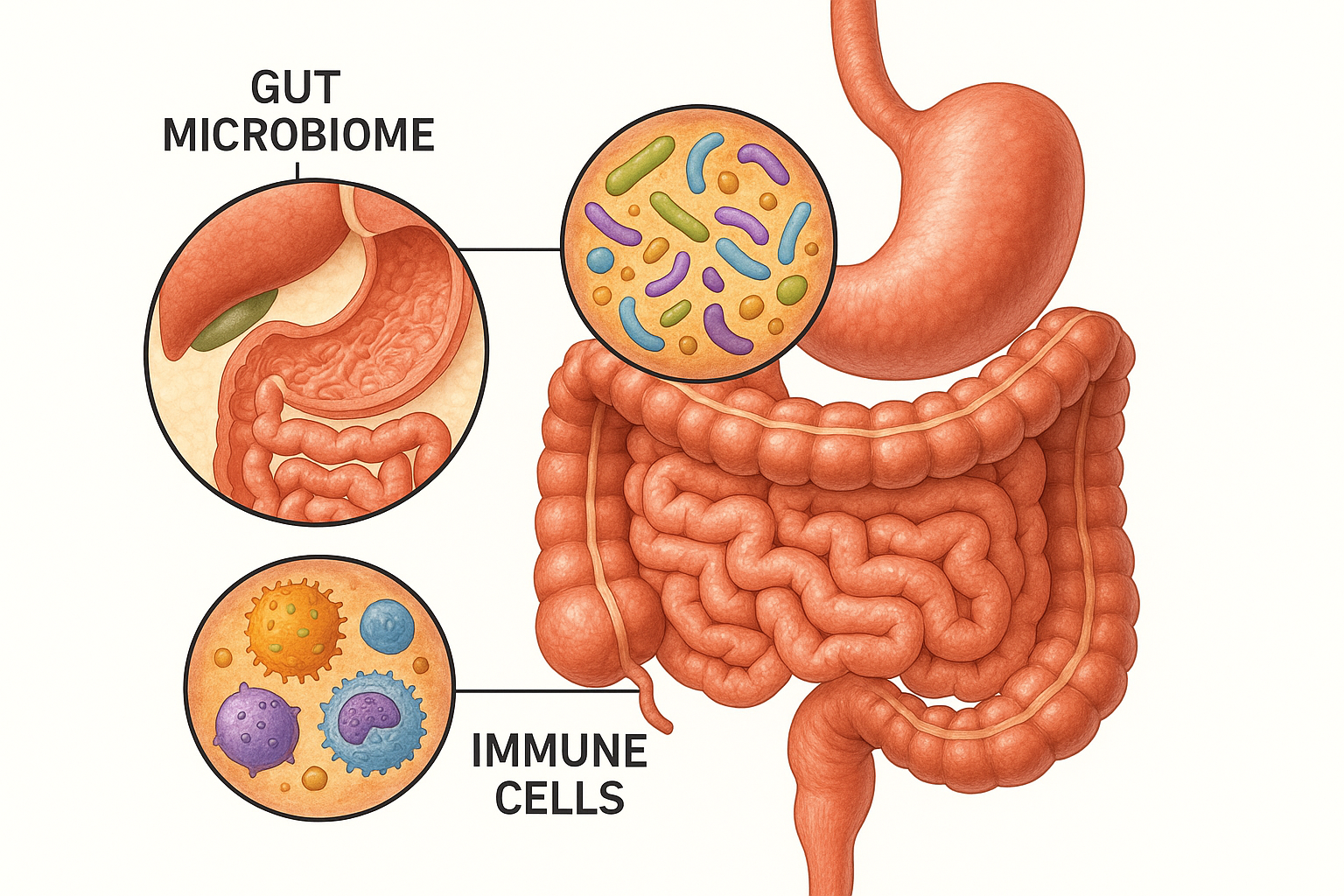
About 70 percent of the immune system resides in the gastrointestinal tract. The gut lining acts as a physical and immunological barrier, protecting the body from harmful pathogens while allowing nutrients to pass through. Trillions of microorganisms, collectively known as the gut microbiome, interact directly with immune cells.
When the gut microbiome is balanced, it helps regulate immune responses and reduce unnecessary inflammation. When disrupted by poor diet, stress, illness, or antibiotics, immune function may become less efficient.
What Are Probiotics
Probiotics are live microorganisms that provide health benefits when consumed in adequate amounts. They are commonly found in fermented foods and dietary supplements. Specific strains such as Lactobacillus and Bifidobacterium have been studied for their role in immune health.
How Probiotics Support Immune Health
1. Strengthening the Gut Barrier
Probiotics help maintain the integrity of the intestinal lining. A strong gut barrier prevents harmful bacteria and toxins from entering the bloodstream, reducing immune system overload.
2. Enhancing Immune Cell Function
Beneficial bacteria interact with immune cells such as macrophages, dendritic cells, and T cells. These interactions help the immune system recognize harmful invaders more effectively and respond appropriately.
3. Supporting Antibody Production
Certain probiotic strains may increase the production of immunoglobulin A, an antibody that plays a critical role in mucosal immunity. This is especially important in defending against respiratory and gastrointestinal infections.
4. Balancing Inflammation
Chronic inflammation can weaken immune defenses. Probiotics help regulate inflammatory signals in the gut, promoting a balanced immune response rather than an overactive one.
Probiotics and Respiratory Health
Research suggests that a healthy gut microbiome may influence respiratory immunity through what is known as the gut lung axis. Some studies indicate that probiotics may reduce the frequency or duration of common respiratory infections, although results vary by strain and individual.
Choosing the Right Probiotic
Not all probiotics provide the same benefits. Effects depend on the specific strain, dosage, and individual health status. Look for products that clearly list the strain name and colony forming units. Discuss options with a healthcare professional, especially if you have underlying conditions.
Supporting Gut Health Naturally
In addition to probiotics, overall gut health can be supported by:
- Eating fiber rich fruits, vegetables, and whole grains
- Including fermented foods in the diet
- Managing stress
- Getting adequate sleep
- Avoiding unnecessary antibiotic use
The Bottom Line
Probiotics for immune support work primarily through their interaction with the gut microbiome. By strengthening the intestinal barrier, enhancing immune cell activity, and balancing inflammation, beneficial bacteria play a key role in maintaining resilient immune health. A comprehensive approach that includes diet and lifestyle habits can further optimize both gut and immune function.
References:
NIH Office of Dietary Supplements – Probiotics Fact Sheet
PubMed Central – Probiotics and Immune Function
Cleveland Clinic – Probiotics Overview