
- Home
- Author's Archive:
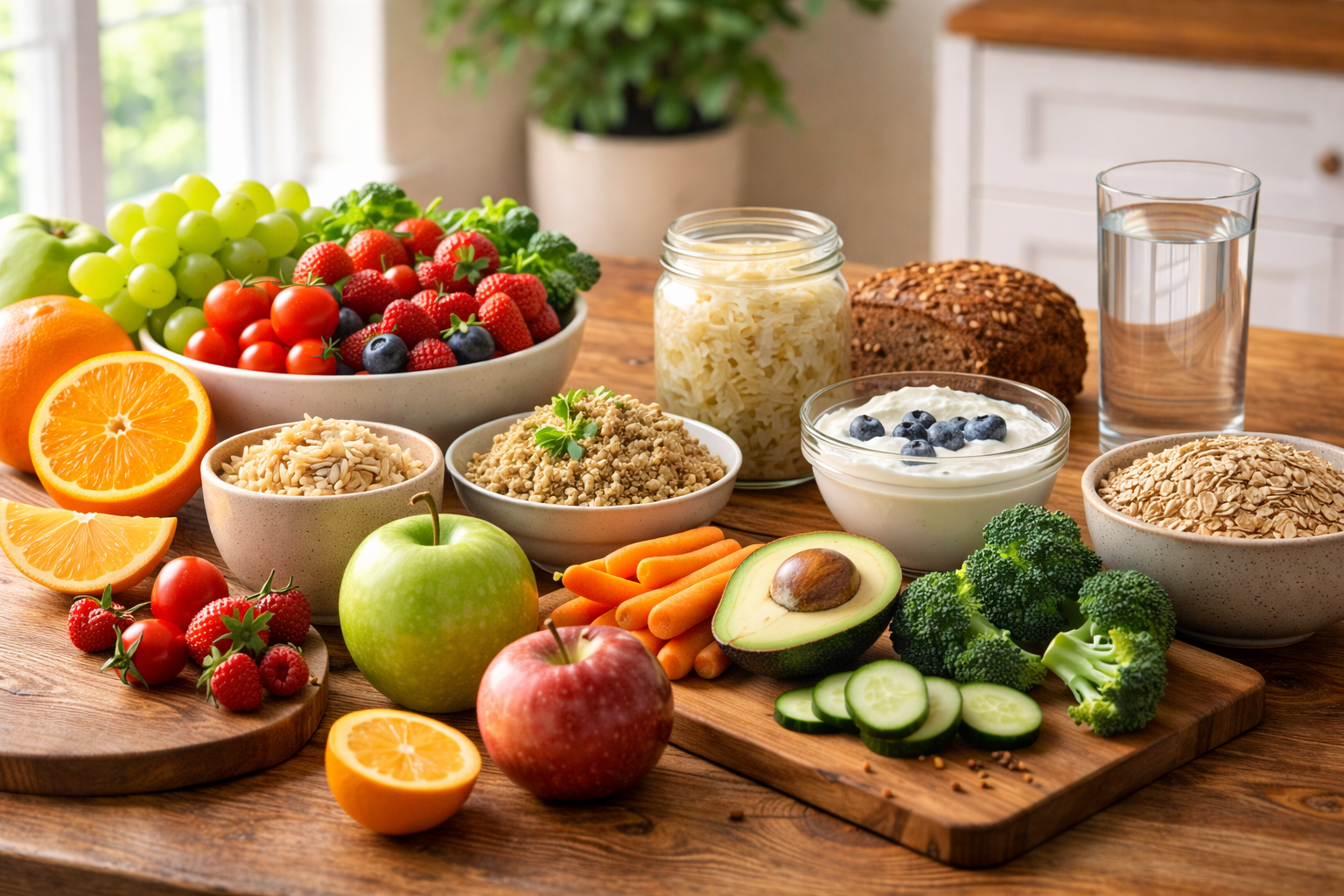
How to Improve Gut Health Naturally with Diet, Probiotics, and Lifestyle Habits
Why Gut Health Matters
Your gut is home to trillions of microorganisms collectively known as the gut microbiome. These bacteria and other microbes help digest food, produce certain vitamins, regulate inflammation, and support immune function. An imbalanced microbiome has been linked to digestive discomfort, weakened immunity, and changes in mood and energy.
Improving gut health naturally focuses on nourishing beneficial bacteria while reducing factors that disrupt microbial balance.
1. Eat More Fiber Rich Foods
Dietary fiber is one of the most important nutrients for a healthy gut. Fiber feeds beneficial gut bacteria, helping them produce short chain fatty acids that support colon health.
Focus on:
– Vegetables such as broccoli, carrots, leafy greens, and Brussels sprouts
– Fruits such as berries, apples, and pears
– Legumes including lentils, chickpeas, and beans
– Whole grains like oats, quinoa, and brown rice
– Nuts and seeds such as flaxseeds and chia seeds
Increase fiber gradually and drink enough water to reduce bloating and discomfort.
2. Include Fermented Foods
Fermented foods naturally contain live microorganisms that can support microbial diversity.
Examples include:
– Yogurt with live active cultures
– Kefir
– Sauerkraut
– Kimchi
– Miso
– Tempeh
Choose minimally processed options with no added sugars when possible.
3. Consider Probiotics and Prebiotics
Probiotics are beneficial bacteria that may help restore balance in the gut, especially after antibiotic use or digestive disturbances. Prebiotics are fibers that feed these beneficial bacteria.
Natural prebiotic foods include garlic, onions, leeks, asparagus, bananas, and oats.
If considering a probiotic supplement, look for clinically studied strains and consult a healthcare professional for personalized guidance.
4. Reduce Highly Processed Foods and Added Sugar
Diets high in added sugars and ultra processed foods may negatively affect gut bacteria and promote inflammation.
To support gut health:
– Limit sugary drinks and snacks
– Reduce refined carbohydrates
– Choose whole food sources whenever possible
Small consistent changes are more sustainable than extreme restrictions.
5. Stay Hydrated
Adequate hydration supports digestion and helps fiber move efficiently through the digestive tract. Water also contributes to maintaining a healthy mucosal lining in the intestines.
Aim to drink water regularly throughout the day, adjusting intake based on activity level and climate.
6. Manage Stress Levels
Chronic stress can disrupt the gut brain axis, the communication pathway between your digestive system and brain. This may affect motility, sensitivity, and microbial balance.
Support stress management through:
– Regular physical activity
– Deep breathing or meditation
– Spending time outdoors
– Consistent sleep routines
7. Prioritize Quality Sleep
Poor sleep can negatively influence gut bacteria and metabolic health. Aim for seven to nine hours of quality sleep per night and maintain a consistent sleep schedule.
8. Move Your Body Regularly
Physical activity has been associated with greater microbial diversity. Even moderate exercise such as brisk walking, cycling, or yoga can support digestive function and overall gut health.
Putting It All Together
If you want to improve gut health naturally, focus on a diverse, fiber rich diet, include fermented foods, consider probiotics when appropriate, and support your body with healthy lifestyle habits. Consistency matters more than perfection. Small daily actions can gradually create a stronger, more resilient gut microbiome and support long term wellness.
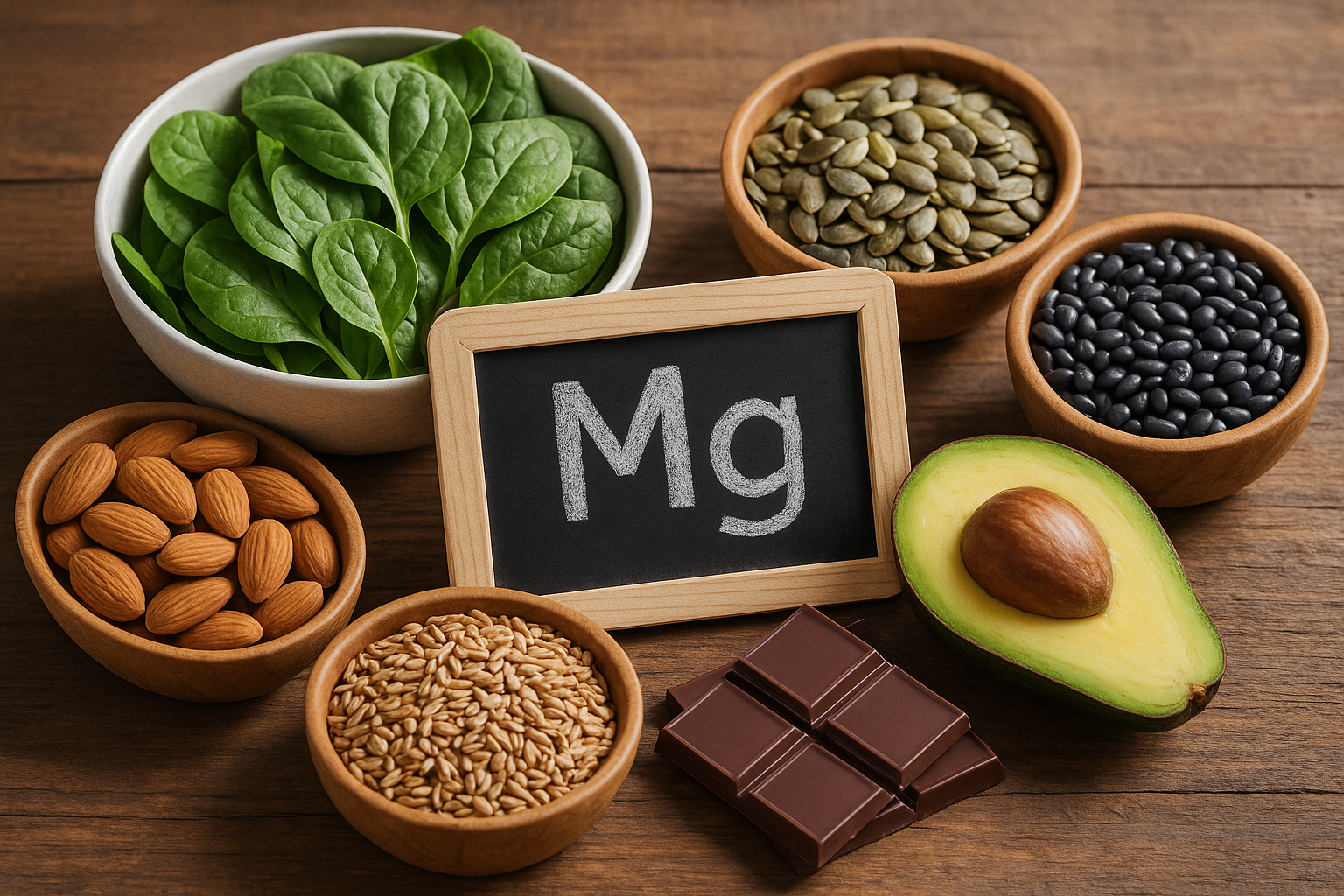
Best Foods for Magnesium Deficiency
## Why Magnesium Is Important
Magnesium supports muscle contraction and relaxation, nerve communication, blood sugar balance, and blood pressure regulation. Low magnesium levels may contribute to muscle cramps, fatigue, weakness, irregular heartbeat, and numbness or tingling.
## Best Foods for Magnesium Deficiency
### 1. Leafy Green Vegetables
Spinach, Swiss chard, and kale are among the richest plant sources of magnesium. One cup of cooked spinach provides a significant portion of daily magnesium needs.
### 2. Pumpkin Seeds
Pumpkin seeds are one of the most magnesium dense foods. A small handful can deliver a substantial boost and also provides healthy fats and zinc.
### 3. Almonds and Cashews
Nuts like almonds and cashews are excellent sources of magnesium. They also provide protein, fiber, and heart healthy fats.
### 4. Black Beans and Lentils
Legumes such as black beans, chickpeas, and lentils offer magnesium along with fiber and plant based protein. They are especially helpful for those following plant focused diets.
### 5. Whole Grains
Brown rice, quinoa, and whole wheat products contain more magnesium than refined grains. Choosing whole grains helps maintain steady energy and mineral intake.
### 6. Avocado
Avocado provides magnesium along with potassium and healthy monounsaturated fats that support heart health.
### 7. Dark Chocolate
Dark chocolate with a high cocoa content contains magnesium and antioxidants. Choose varieties with minimal added sugar.
### 8. Fatty Fish
Salmon and mackerel provide moderate amounts of magnesium and also supply omega 3 fatty acids that support nerve and heart health.
## Tips to Improve Magnesium Intake
Focus on whole, minimally processed foods. Reduce excessive alcohol intake, which can lower magnesium levels. Pair magnesium rich foods with a balanced diet that includes adequate vitamin D, as it supports proper mineral balance.
## When to Consider Medical Guidance
If you experience persistent symptoms such as muscle cramps, fatigue, or irregular heartbeat, consult a healthcare professional. In some cases, testing or supplementation may be necessary to correct deficiency safely.
Including a variety of these magnesium rich foods in your meals can help correct deficiency and support strong muscles, healthy nerves, and overall well being.
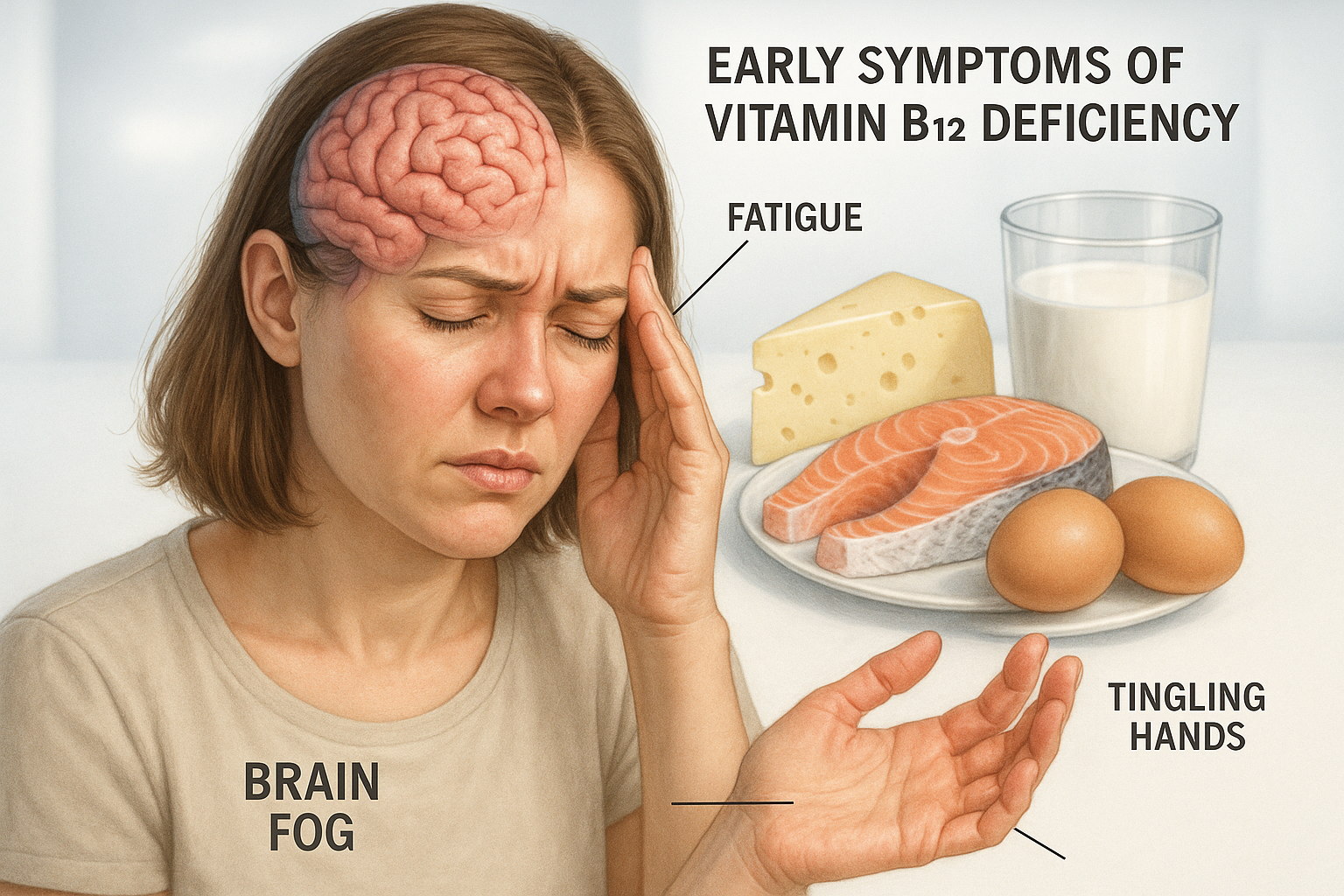
Early Signs of Vitamin B12 Deficiency and How to Restore Healthy Levels Naturally
## What Is Vitamin B12 and Why It Matters
Vitamin B12, also known as cobalamin, is a water soluble vitamin that plays a critical role in red blood cell formation, DNA synthesis, nerve function, and energy metabolism. Because the body does not produce B12 on its own, it must be obtained from food or supplements.
B12 is primarily found in animal based foods such as meat, fish, eggs, and dairy. This makes vegetarians, vegans, and individuals with certain digestive conditions more vulnerable to deficiency.
## Early Signs of Vitamin B12 Deficiency
Early symptoms can be mild and develop gradually. Common warning signs include:
### 1. Persistent Fatigue and Weakness
Low B12 levels can reduce red blood cell production, limiting oxygen delivery to tissues. This often leads to ongoing tiredness, weakness, and low stamina.
### 2. Brain Fog and Memory Problems
Vitamin B12 supports neurological function. Deficiency may cause difficulty concentrating, forgetfulness, mental sluggishness, and mood changes.
### 3. Tingling or Numbness
A prickling sensation in the hands, legs, or feet can occur due to nerve involvement. This symptom should not be ignored, as prolonged deficiency may lead to nerve damage.
### 4. Pale or Slightly Yellow Skin
Reduced red blood cell production can cause pale skin. In some cases, mild jaundice may develop due to increased breakdown of fragile red blood cells.
### 5. Shortness of Breath and Dizziness
When oxygen transport is compromised, you may feel lightheaded or short of breath, especially during physical activity.
### 6. Mood Changes
Low B12 levels have been linked to irritability, depression, and mood instability due to its role in neurotransmitter regulation.
## Who Is at Higher Risk
Certain groups are more likely to develop vitamin B12 deficiency:
– Adults over 50 due to reduced stomach acid
– Vegetarians and vegans
– Individuals with digestive disorders such as celiac or Crohn disease
– People taking medications that reduce stomach acid
– Those who have had gastrointestinal surgery
## How to Restore Healthy B12 Levels Naturally
### 1. Increase B12 Rich Foods
Incorporate foods naturally high in vitamin B12 such as:
– Grass fed beef
– Wild caught fish like salmon and sardines
– Eggs
– Milk, yogurt, and cheese
– Organ meats such as liver
For vegetarians, fortified foods such as plant milks and breakfast cereals can help support intake.
### 2. Improve Gut Health
Since B12 absorption depends on healthy stomach acid and intrinsic factor, supporting digestion is important. Strategies include eating balanced meals, managing stress, and addressing underlying digestive conditions with professional guidance.
### 3. Consider Supplementation
Oral B12 supplements or sublingual forms can help restore levels, especially for those with dietary restrictions. In more severe cases, a healthcare provider may recommend B12 injections.
### 4. Monitor Your Levels
A simple blood test can measure vitamin B12 status. If you experience symptoms, testing can confirm deficiency and guide appropriate treatment.
## When to Seek Medical Advice
If you experience persistent fatigue, numbness, memory problems, or mood changes, consult a healthcare professional. Early detection and treatment are important to prevent long term neurological complications.
## Key Takeaway
The early signs of vitamin B12 deficiency often appear gradually and may be mistaken for everyday stress or aging. Paying attention to fatigue, cognitive changes, and nerve related symptoms can help you identify a potential problem early. With dietary improvements, digestive support, and appropriate supplementation, most people can restore healthy B12 levels and protect their long term health.

Herbal Teas for Sleep That Calm the Nervous System Naturally
## Why Herbal Teas Help with Sleep
Sleep difficulties are often linked to an overactive nervous system. Stress, screen time, and daily pressures can keep the body in a heightened state of alertness. Certain herbs contain natural compounds that support the parasympathetic nervous system, which helps the body relax, unwind, and prepare for sleep.
Drinking herbal tea before bed also creates a calming ritual. The warmth, aroma, and quiet moment signal to your body that it is time to slow down.
## Best Herbal Teas for Calming the Nervous System
### 1. Chamomile
Chamomile is one of the most well known herbal teas for sleep. It contains apigenin, a plant compound that binds to receptors in the brain associated with relaxation.
Benefits:
– Gently reduces anxiety
– Supports mild insomnia relief
– Promotes overall calmness
Best for: Light sleepers and those with stress related sleep issues.
### 2. Valerian Root
Valerian root is often used as a natural sedative. It may help increase levels of gamma aminobutyric acid, a neurotransmitter that promotes relaxation.
Benefits:
– Shortens the time it takes to fall asleep
– May improve sleep quality
– Calms nervous tension
Best for: People who have trouble falling asleep.
### 3. Lemon Balm
Lemon balm is a member of the mint family and has gentle calming properties. It is often used to reduce anxiety and restlessness.
Benefits:
– Eases nervousness
– Supports mood balance
– Helps with mild insomnia
Best for: Those whose sleep problems are linked to stress or digestive discomfort.
### 4. Lavender
Lavender is widely known for its soothing scent, but it can also be enjoyed as a tea. Its calming properties may help regulate the nervous system and improve sleep quality.
Benefits:
– Reduces restlessness
– Promotes relaxation
– Supports deeper sleep
Best for: Individuals who feel tense or overstimulated at night.
### 5. Passionflower
Passionflower is traditionally used to quiet a busy mind. It may increase calming neurotransmitters in the brain.
Benefits:
– Helps reduce nighttime anxiety
– Supports longer sleep duration
– Encourages mental calm
Best for: Racing thoughts and bedtime worry.
## How to Use Herbal Teas for Better Sleep
– Drink one cup 30 to 60 minutes before bed.
– Steep covered for 5 to 10 minutes to preserve active compounds.
– Create a consistent bedtime routine.
– Limit bright screens and stimulating activities while sipping your tea.
Blends that combine chamomile, lemon balm, and lavender can offer synergistic calming effects.
## Safety Considerations
Herbal teas are generally gentle, but they are still biologically active. Start with small amounts to assess tolerance. Some herbs may interact with medications or cause drowsiness during the day.
If insomnia persists for more than a few weeks or significantly affects daily functioning, consult a healthcare professional.
## Final Thoughts
Herbal teas for sleep offer a natural and soothing way to calm the nervous system. Whether you prefer chamomile for gentle relaxation or valerian for deeper support, incorporating a nightly tea ritual can help signal your body that it is time to rest. Over time, this simple habit may lead to more consistent and restorative sleep.
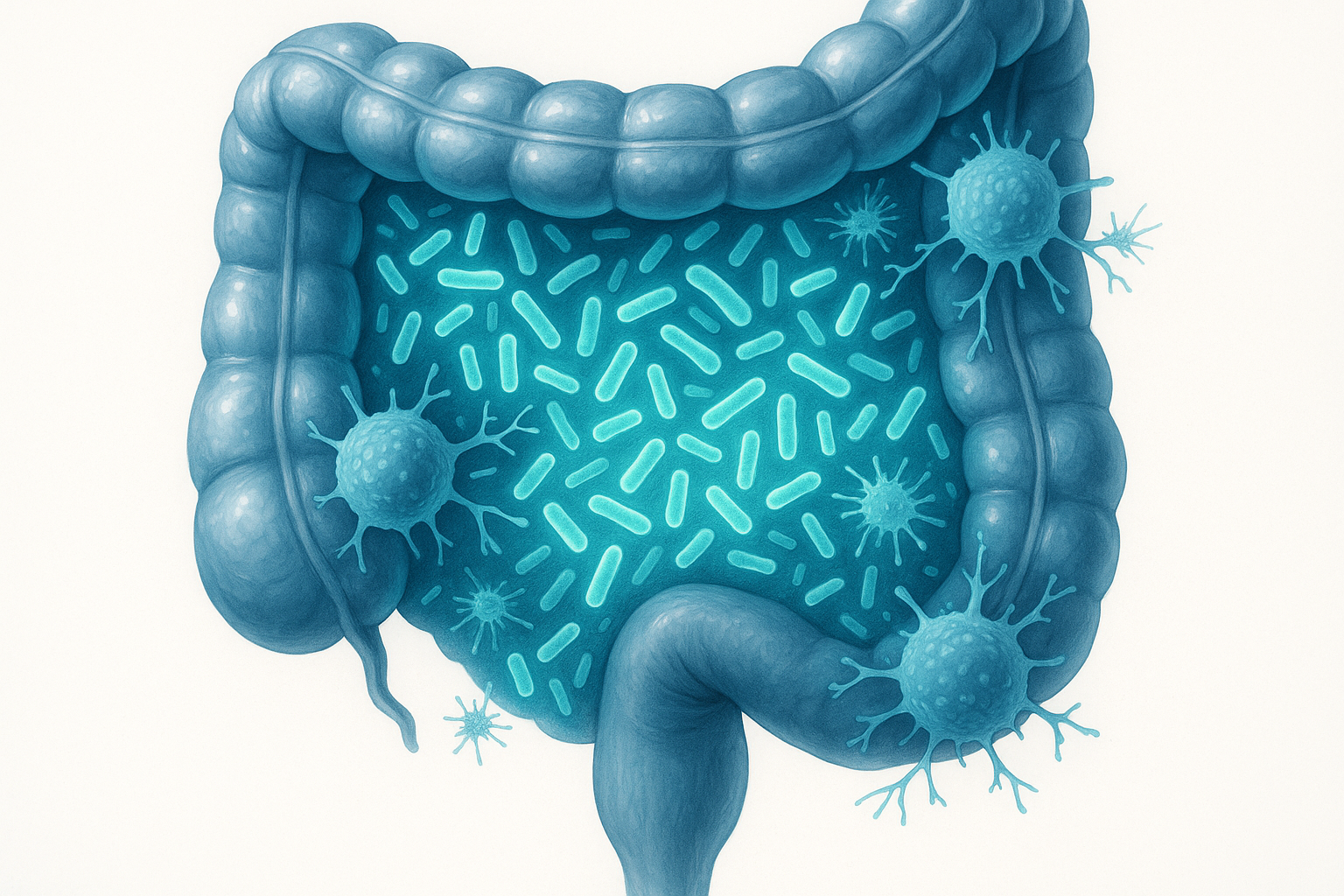
Probiotics for Immune System Support: How Gut Health Shapes Immunity
## Understanding the Gut-Immune Connection
Approximately 70 percent of the immune system resides in the gut-associated lymphoid tissue. The gastrointestinal tract acts as both a digestive organ and a critical immune barrier. It must distinguish between harmful pathogens and harmless substances such as food particles and beneficial bacteria.
A balanced gut microbiome supports this process by communicating with immune cells, regulating inflammation, and reinforcing the intestinal barrier. When the microbiome is disrupted, immune responses can become weakened or overactive.
## What Are Probiotics?
Probiotics are live microorganisms, primarily beneficial bacteria and certain yeasts, that provide health benefits when consumed in adequate amounts. Common probiotic strains include Lactobacillus, Bifidobacterium, and Saccharomyces boulardii.
These beneficial microbes help restore and maintain microbial balance in the gut, especially after disruptions caused by stress, illness, poor diet, or antibiotic use.
## How Probiotics Improve Gut Health
### 1. Strengthening the Gut Barrier
The intestinal lining acts as a protective barrier that prevents harmful microbes and toxins from entering the bloodstream. Probiotics support the integrity of this barrier by promoting tight junction proteins and reducing intestinal permeability.
A stronger gut barrier reduces systemic inflammation and supports immune resilience.
### 2. Balancing the Microbiome
A diverse microbiome is associated with better immune regulation. Probiotics help crowd out harmful bacteria by competing for nutrients and attachment sites along the intestinal wall. They also produce antimicrobial substances that inhibit pathogenic growth.
This balanced environment allows beneficial microbes to thrive and maintain immune equilibrium.
### 3. Modulating Immune Response
Probiotics interact directly with immune cells in the gut. They help regulate cytokine production, enhance antibody responses, and stimulate protective immune cells such as natural killer cells and macrophages.
Rather than simply boosting immunity, probiotics help modulate it, promoting a response that is strong against threats but controlled enough to avoid excessive inflammation.
### 4. Supporting Anti-Inflammatory Activity
Chronic inflammation can impair immune efficiency. Certain probiotic strains produce short-chain fatty acids such as butyrate, which nourish intestinal cells and reduce inflammatory signaling.
Lower inflammation levels create a more stable internal environment for immune function.
## Probiotics and Infection Defense
Research suggests that specific probiotic strains may reduce the duration and severity of some respiratory and gastrointestinal infections. By enhancing mucosal immunity and increasing secretory immunoglobulin A production, probiotics strengthen the body’s first line of defense.
However, effectiveness depends on the strain, dosage, and individual health status.
## Choosing the Right Probiotic
When selecting probiotics for immune system support, consider the following factors:
– Clinically studied strains
– Adequate colony-forming units as supported by research
– Proper storage and expiration information
– Third-party quality testing
Different strains offer different benefits, so targeted supplementation may be more effective than generic formulations.
## Diet, Prebiotics, and Lifestyle Factors
Probiotics work best when combined with supportive habits. Prebiotics, which are nondigestible fibers found in foods like garlic, onions, bananas, and oats, feed beneficial bacteria. A diet rich in fiber, fermented foods, and plant diversity encourages microbial balance.
Adequate sleep, stress management, and regular physical activity also play important roles in maintaining a healthy gut-immune connection.
## The Bottom Line
Probiotics for immune system health operate through a complex and well-established gut-immune axis. By strengthening the intestinal barrier, balancing microbial populations, and regulating inflammation, probiotics help create conditions that allow the immune system to function effectively.
While probiotics are not a cure-all, they can be a valuable component of a comprehensive gut health strategy aimed at supporting long-term immune resilience.
Zinc for Immune Support: How It Strengthens Immune Health and Prevents Deficiencies
## Why Zinc Is Essential for Immune Health
Zinc is a trace mineral required for hundreds of enzymatic reactions in the body. It plays a crucial role in immune cell development, communication, and inflammatory response regulation. Without adequate zinc, the immune system cannot function optimally.
## How Zinc Strengthens the Immune System
Zinc supports immune health in several important ways:
1. Supports white blood cell production. Zinc helps develop and activate T cells, which are essential for identifying and destroying harmful pathogens.
2. Maintains skin and mucosal barriers. Zinc helps preserve the integrity of the skin and lining of the respiratory and digestive tracts, which act as the first line of defense against infection.
3. Regulates inflammation. Zinc contributes to balanced inflammatory responses, preventing excessive immune reactions that can damage healthy tissue.
4. Supports wound healing. Proper zinc levels promote faster recovery from injuries and infections.
## Zinc and the Common Cold
Research suggests that zinc may reduce the duration and severity of cold symptoms when taken at the onset of illness. It is believed to interfere with viral replication and support immune cell activity during early infection stages.
## Signs of Zinc Deficiency
Zinc deficiency can weaken immune defenses and increase susceptibility to infections. Common signs include:
– Frequent colds or infections
– Slow wound healing
– Loss of appetite
– Impaired sense of taste or smell
– Hair thinning
– Skin issues such as rashes or irritation
Certain groups are at higher risk, including older adults, vegetarians and vegans, individuals with digestive disorders, and those with chronic illnesses.
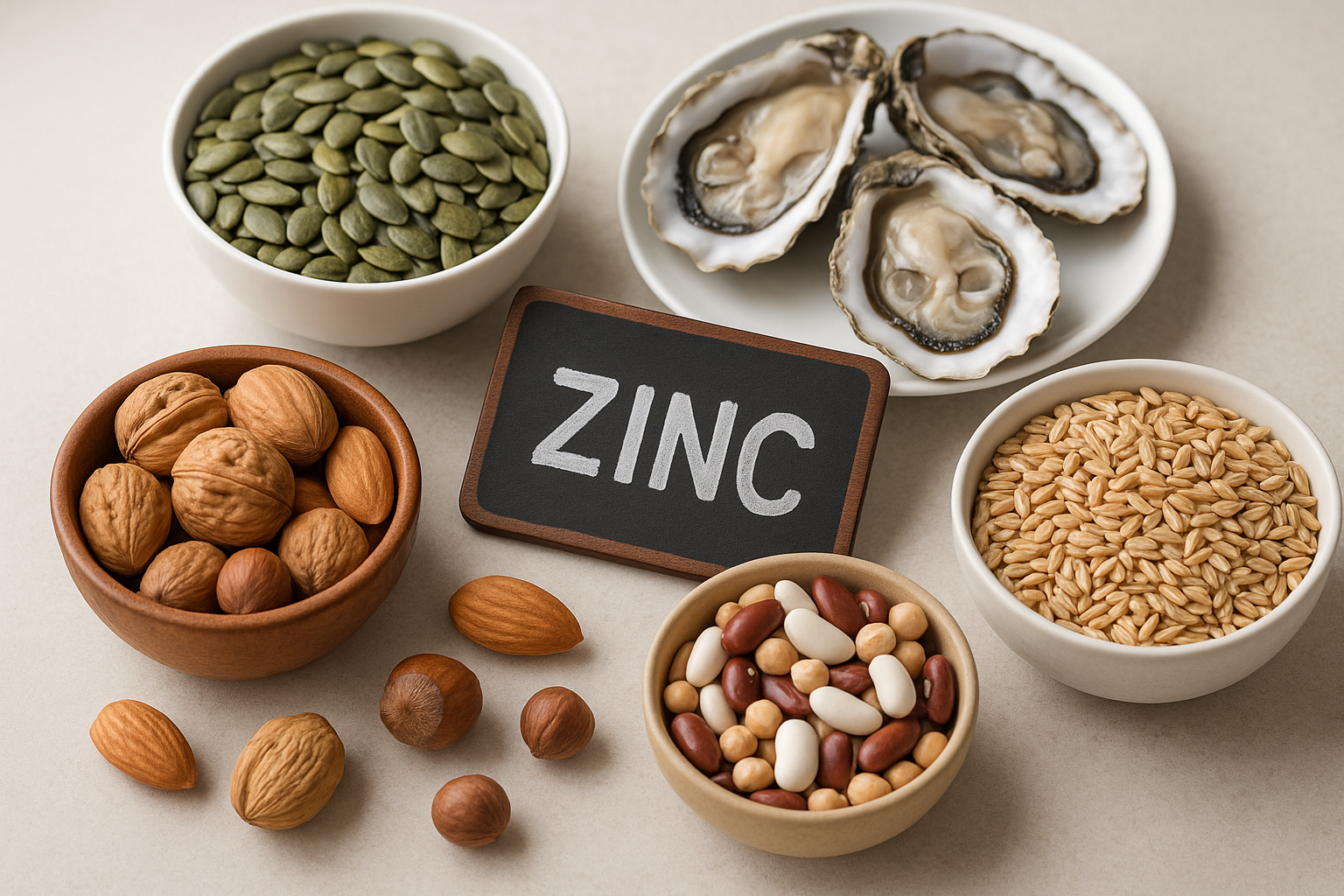
## Dietary Sources of Zinc
Zinc can be obtained from a variety of foods. Good sources include:
– Oysters and shellfish
– Red meat and poultry
– Pumpkin seeds
– Beans and lentils
– Nuts and seeds
– Whole grains
– Dairy products
Animal based sources generally provide more bioavailable zinc, while plant based sources may contain compounds that reduce absorption. Proper food preparation methods such as soaking and sprouting legumes can improve zinc availability.
## Recommended Intake
Daily zinc needs vary by age and sex. Adult men typically require about 11 milligrams per day, while adult women need about 8 milligrams per day. Requirements may increase during pregnancy and breastfeeding.
Supplementation should be approached carefully, as excessive zinc intake can interfere with copper absorption and cause unwanted side effects.
## Supporting Overall Immune Health
While zinc is essential, it works best as part of a comprehensive immune support strategy that includes a balanced diet, adequate sleep, regular physical activity, stress management, and proper hygiene.
Maintaining optimal zinc levels can help strengthen immune defenses, reduce the risk of deficiency, and support your body in fighting everyday infections more effectively.
Iron Deficiency Without Anemia: Symptoms and Natural Replenishment Tips
## Understanding Iron Deficiency Without Anemia
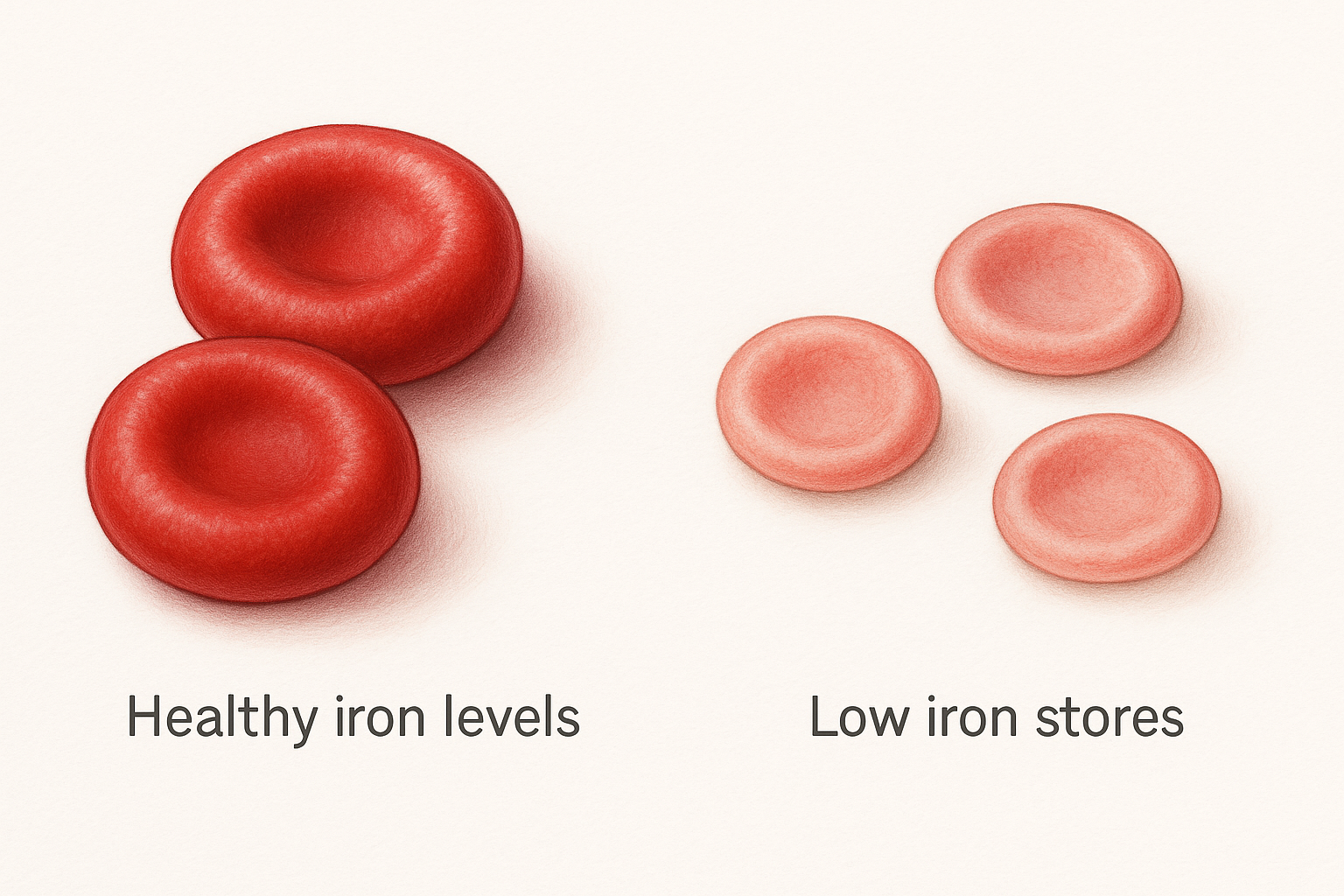
Iron deficiency without anemia occurs when iron stores are depleted but hemoglobin levels remain within the normal laboratory range. Hemoglobin is often the only marker checked in routine blood work, which means early stage iron depletion can go unnoticed.
Ferritin is the key marker used to assess iron storage. Low ferritin with normal hemoglobin typically indicates iron deficiency without anemia.
## Why Iron Matters
Iron plays essential roles in the body beyond preventing anemia. It is required for:
– Oxygen transport and storage
– Energy production within cells
– Thyroid function
– Neurotransmitter synthesis
– Immune health
– Hair and skin health
When iron stores decline, these systems may begin to struggle even before anemia develops.
## Common Symptoms of Iron Deficiency Without Anemia
Symptoms are often subtle at first and may be misattributed to stress or poor sleep. They can include:
– Persistent fatigue or low stamina
– Brain fog or difficulty concentrating
– Hair thinning or increased shedding
– Brittle nails
– Pale skin
– Shortness of breath during exertion
– Cold intolerance
– Restless legs
– Frequent headaches
Because hemoglobin remains normal, symptoms may be dismissed unless ferritin and iron studies are evaluated.
## Common Causes
Several factors can contribute to low iron stores without anemia:
– Heavy menstrual bleeding
– Pregnancy or postpartum recovery
– Endurance training
– Vegetarian or low iron diets
– Digestive disorders affecting absorption
– Low stomach acid
– Frequent blood donation
Identifying the root cause is essential for long term correction.
## Optimal Testing Markers
If iron deficiency is suspected, a comprehensive iron panel may include:
– Ferritin
– Serum iron
– Total iron binding capacity
– Transferrin saturation
– Hemoglobin and hematocrit
Ferritin below optimal ranges, even within laboratory reference intervals, may be associated with symptoms in some individuals.
## Natural Replenishment Strategies
### 1. Increase Iron Rich Foods
Focus on both heme and non heme iron sources.
Heme iron sources include:
– Grass fed red meat
– Liver
– Poultry
– Shellfish
Non heme iron sources include:
– Lentils
– Spinach
– Pumpkin seeds
– Tofu
– Quinoa
Heme iron is generally absorbed more efficiently.
### 2. Pair Iron With Vitamin C
Vitamin C significantly enhances non heme iron absorption. Combine iron rich foods with:
– Citrus fruits
– Bell peppers
– Strawberries
– Kiwi
– Broccoli
Even a small amount of vitamin C at meals can improve uptake.
### 3. Reduce Iron Blockers Around Meals
Certain compounds inhibit iron absorption, including:
– Tannins in tea and coffee
– Calcium supplements
– High dose zinc
– Phytates in some grains and legumes
Avoid consuming tea, coffee, or calcium supplements within one to two hours of iron rich meals.
### 4. Support Digestive Health
Adequate stomach acid is necessary for iron absorption. Chronic stress, aging, and acid suppressing medications may impair absorption. Addressing digestive health can improve iron status over time.
### 5. Consider Targeted Supplementation
When dietary strategies are insufficient, iron supplements may be recommended by a healthcare professional. Forms such as iron bisglycinate are often better tolerated. Supplementation should always be monitored with repeat lab testing to avoid excess iron.
## How Long Does Repletion Take
Rebuilding iron stores can take several weeks to months depending on severity and underlying cause. Ferritin levels should be rechecked periodically to monitor progress.
## When to Seek Medical Care
Consult a healthcare provider if you experience:
– Severe fatigue
– Chest pain or palpitations
– Fainting
– Black or bloody stools
– Rapid hair loss
These may signal more serious conditions requiring prompt evaluation.
## Key Takeaway
Iron deficiency without anemia is a real and often overlooked condition. Even without low hemoglobin, depleted iron stores can significantly affect energy, cognition, and overall wellbeing. Early testing, root cause identification, and strategic dietary changes can help restore optimal iron levels and prevent progression to anemia.
Best Foods for Gut Health and How They Improve Digestion Naturally
## Why Gut Health Matters
Your gut is home to trillions of microorganisms that make up your microbiome. These bacteria help break down food, produce essential nutrients, regulate inflammation, and protect against harmful pathogens. When the balance of good and bad bacteria is disrupted, it can lead to digestive discomfort, bloating, irregular bowel movements, and other health concerns.
Eating the best foods for gut health supports beneficial bacteria and helps improve digestion naturally.
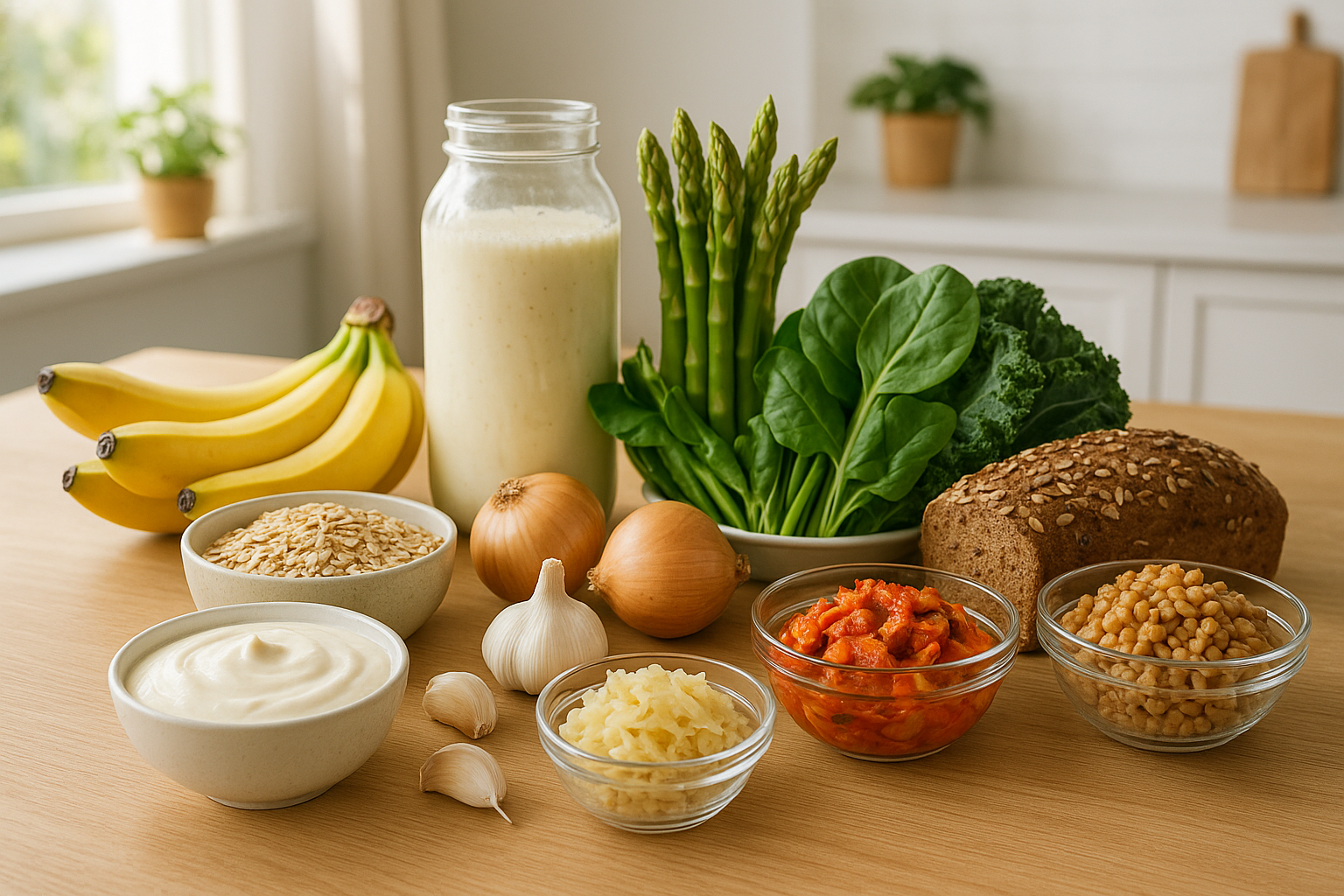
## 1. Yogurt
Yogurt is one of the most well-known probiotic foods. It contains live cultures that add beneficial bacteria to your gut. These probiotics help restore microbial balance, improve lactose digestion, and reduce symptoms like bloating and diarrhea.
Choose plain yogurt with live and active cultures and minimal added sugar for the greatest benefit.
## 2. Kefir
Kefir is a fermented dairy drink rich in diverse probiotic strains. It supports digestion by enhancing the balance of good bacteria and may help reduce inflammation in the digestive tract. Kefir is often easier to digest than milk due to its lower lactose content.
## 3. Sauerkraut and Kimchi
These fermented vegetables are packed with probiotics and fiber. The fermentation process produces beneficial bacteria that support gut balance, while the fiber feeds existing good bacteria. This combination improves digestion and supports regular bowel movements.
## 4. Garlic and Onions
Garlic and onions are prebiotic foods, meaning they feed beneficial gut bacteria. They contain compounds like inulin and fructooligosaccharides that stimulate the growth of healthy microbes. A well-fed microbiome is more effective at breaking down food and absorbing nutrients.
## 5. Bananas
Bananas, especially slightly green ones, contain resistant starch and prebiotic fiber. These compounds nourish beneficial bacteria and support smoother digestion. Bananas are also gentle on the stomach, making them helpful during digestive discomfort.
## 6. Oats
Oats are rich in beta-glucan, a soluble fiber that supports healthy digestion. Soluble fiber absorbs water and forms a gel-like substance in the gut, helping regulate bowel movements and stabilize blood sugar levels. Oats also act as a prebiotic, feeding beneficial bacteria.
## 7. Asparagus
Asparagus is another excellent source of prebiotic fiber. It promotes the growth of beneficial bacteria, supports nutrient absorption, and contributes to overall digestive balance.
## 8. Leafy Greens
Spinach, kale, and other leafy greens contain fiber and plant compounds that support gut bacteria. They also provide magnesium, which helps promote healthy bowel movements.
## 9. Whole Grains
Whole grains like brown rice, quinoa, and whole wheat contain fiber that supports digestive regularity. Unlike refined grains, they retain nutrients that nourish both your body and your microbiome.
## How These Foods Improve Digestion Naturally
The best foods for gut health work in two main ways:
Probiotics introduce beneficial bacteria directly into your digestive system.
Prebiotics provide the fiber and nutrients those bacteria need to thrive.
When combined, probiotic and prebiotic foods help maintain microbial balance, enhance nutrient absorption, reduce bloating, and support regular bowel movements.
## Simple Tips to Support Gut Health
Eat a variety of fiber-rich foods.
Include fermented foods regularly.
Stay hydrated to help fiber move smoothly through the digestive tract.
Limit highly processed foods and excess added sugars.
Improving gut health does not require extreme diets or complicated routines. By consistently including the best foods for gut health in your meals, you can support digestion naturally and promote overall wellness.
Natural Liver Support Remedies That Promote Detox and Metabolic Health
## Why Liver Health Matters
The liver performs more than 500 essential functions. Its primary roles include:
– Filtering toxins from the blood
– Metabolizing fats, proteins, and carbohydrates
– Supporting hormone balance
– Producing bile for digestion
– Storing key vitamins and minerals
When liver function becomes sluggish due to poor diet, excess alcohol, chronic stress, environmental toxins, or metabolic imbalance, symptoms may include fatigue, digestive discomfort, skin issues, and difficulty maintaining a healthy weight.
Supporting the liver naturally focuses on optimizing its existing detox pathways rather than forcing artificial cleansing.
—
## Understanding Natural Detoxification
The liver detoxifies in two main phases:
### Phase I Detoxification
Enzymes transform toxins into intermediate compounds. These compounds can sometimes be more reactive than the original toxin.
### Phase II Detoxification
The liver binds these compounds to molecules such as glutathione, sulfur, or amino acids, making them water soluble for elimination.
Effective natural liver support remedies enhance both phases while ensuring adequate antioxidant protection.
—
## Top Natural Liver Support Remedies
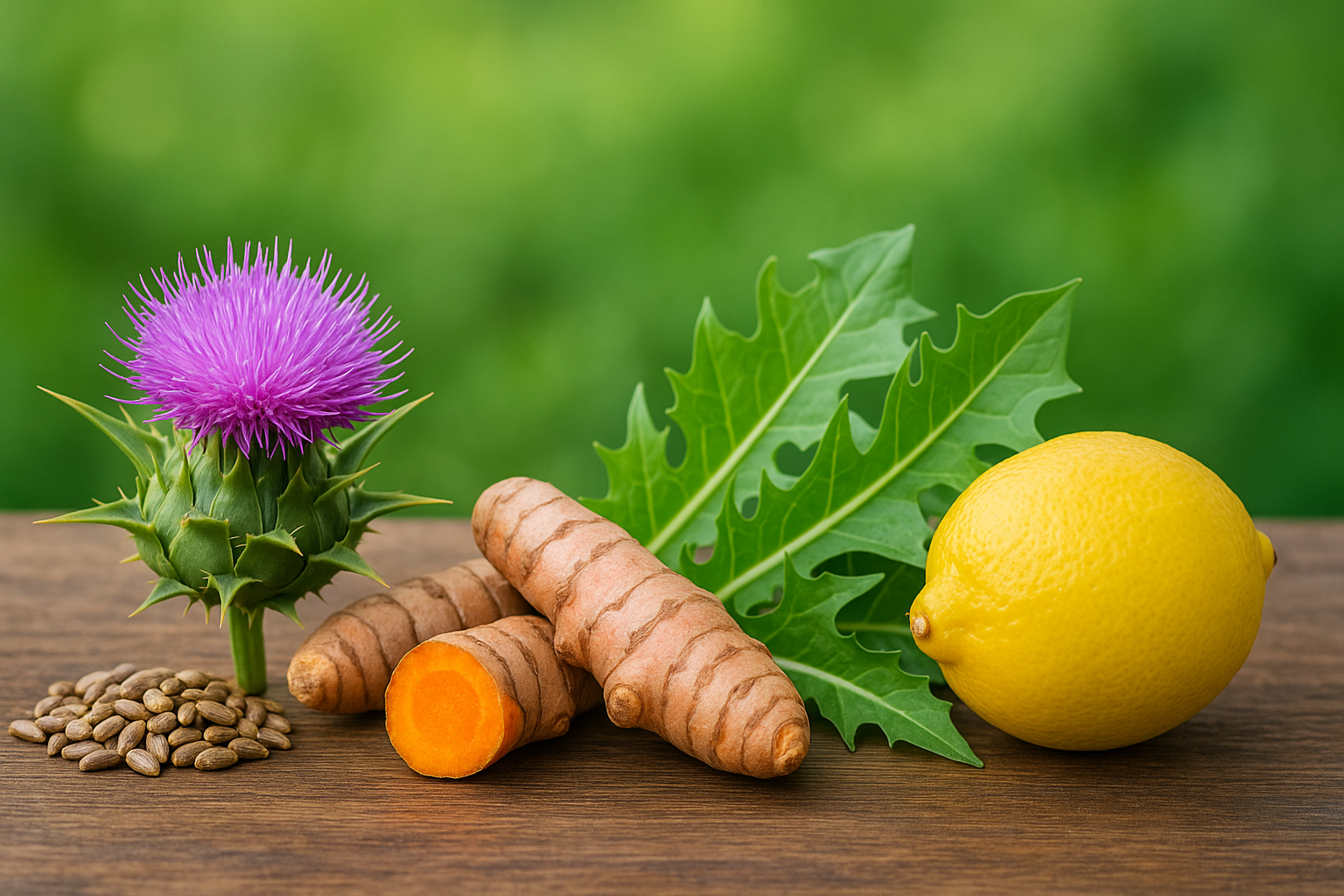
### 1. Milk Thistle
Milk thistle contains silymarin, a compound studied for its antioxidant and liver-protective properties.
Potential benefits:
– Supports liver cell regeneration
– Protects against oxidative stress
– May improve liver enzyme levels
Milk thistle is one of the most researched herbs for liver support and is commonly used in integrative health protocols.
### 2. Turmeric
Turmeric contains curcumin, known for anti-inflammatory and antioxidant effects.
Benefits for liver health:
– Supports bile production
– Reduces inflammatory stress
– Helps protect liver cells from damage
Combining turmeric with black pepper may enhance absorption.
### 3. Dandelion Root
Traditionally used to support digestion and bile flow, dandelion root may:
– Promote healthy bile production
– Support gentle detoxification
– Aid digestive comfort
It is often consumed as a tea or extract.
### 4. Artichoke Leaf Extract
Artichoke supports bile flow and fat metabolism.
Potential benefits include:
– Improved digestion of fats
– Support for healthy cholesterol levels
– Antioxidant protection
### 5. N Acetyl Cysteine
N Acetyl Cysteine or NAC is a precursor to glutathione, one of the body most powerful antioxidants.
It may:
– Support Phase II detox pathways
– Enhance antioxidant capacity
– Promote metabolic resilience
### 6. Beetroot
Beets contain betalains and nitrates that support circulation and antioxidant defenses.
Beetroot may:
– Promote healthy blood flow to the liver
– Support natural detox pathways
– Aid metabolic performance
—
## Nutrition Strategies for Liver Detox and Metabolic Health
Herbs and supplements are most effective when combined with supportive lifestyle habits.
### Eat Cruciferous Vegetables
Broccoli, Brussels sprouts, cabbage, and kale contain compounds that support detox enzymes.
### Increase Fiber Intake
Fiber supports elimination by binding waste products in the digestive tract.
### Prioritize Protein
Adequate protein provides amino acids required for Phase II detoxification.
### Stay Hydrated
Water is essential for eliminating water soluble toxins.
### Reduce Added Sugars and Processed Foods
Excess sugar can contribute to fatty liver and metabolic dysfunction.
—
## Lifestyle Habits That Strengthen Liver Function
### Regular Physical Activity
Exercise improves insulin sensitivity and reduces fat accumulation in the liver.
### Limit Alcohol Intake
Excess alcohol places significant stress on liver detox pathways.
### Maintain a Healthy Weight
Weight management plays a major role in preventing non alcoholic fatty liver concerns.
### Prioritize Sleep
Deep sleep supports metabolic repair and hormonal balance.
—
## Signs Your Liver May Need Support
While many liver conditions require medical testing for diagnosis, general signs of metabolic overload may include:
– Persistent fatigue
– Digestive discomfort after fatty meals
– Brain fog
– Skin breakouts
– Difficulty losing weight
If symptoms persist, laboratory testing and medical evaluation are recommended.
—
## A Balanced Approach to Natural Liver Support
True liver support is not about extreme cleanses or rapid detox programs. The liver is naturally equipped to detoxify efficiently when provided with proper nutrients, antioxidants, hydration, and metabolic balance.
Combining herbal remedies such as milk thistle and turmeric with a nutrient dense diet, regular movement, and stress management provides a sustainable strategy for long term liver and metabolic health.
By focusing on consistent daily habits rather than quick fixes, you can promote resilient detox pathways and overall vitality.
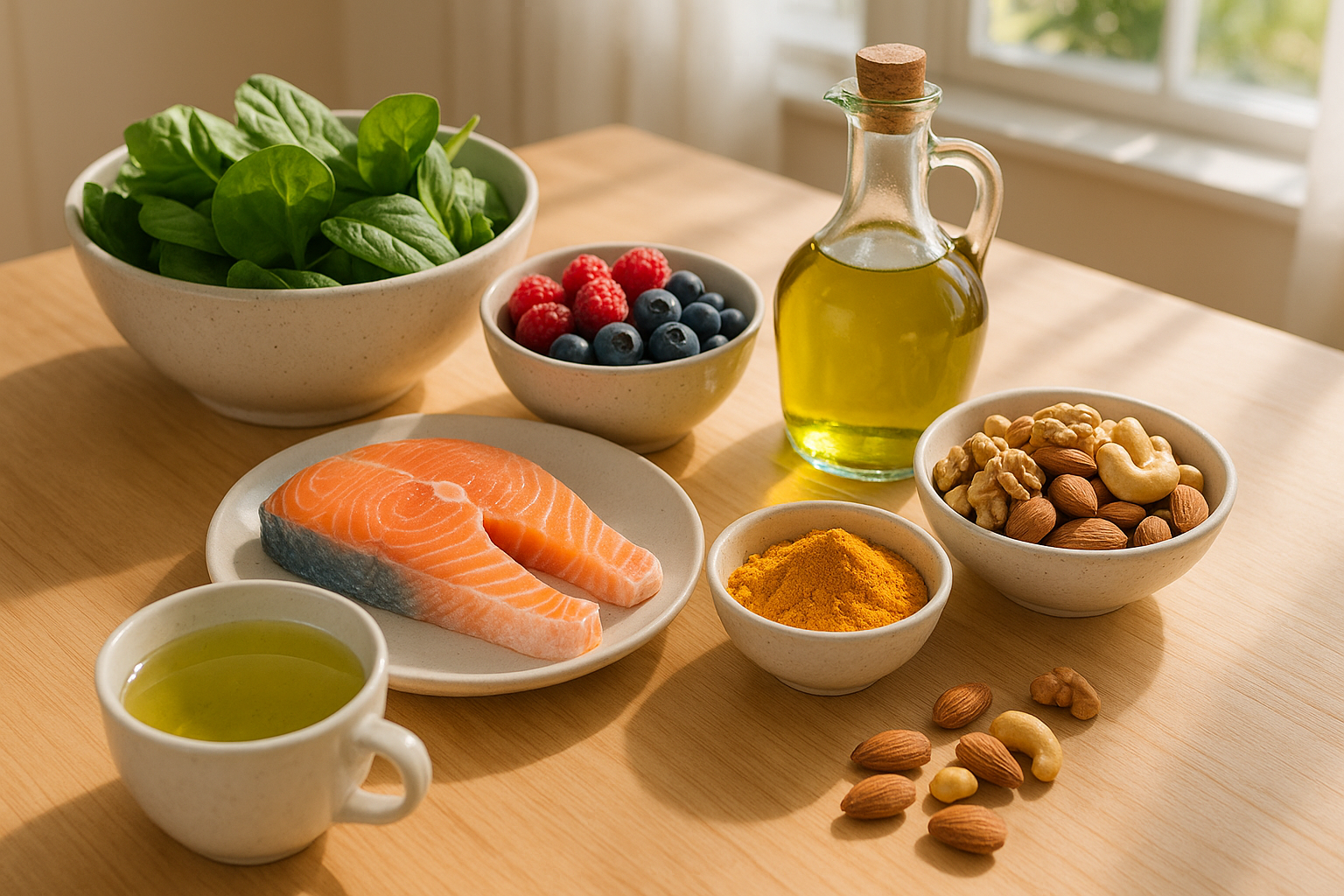
Natural Ways to Reduce Inflammation: A Science-Backed Guide to Diet and Lifestyle
## Understanding Chronic Inflammation
Inflammation is your body’s natural defense mechanism. When you experience injury or infection, your immune system triggers acute inflammation to promote healing. However, when inflammation becomes chronic, it can persist for months or years, often without obvious symptoms.
Chronic inflammation has been associated with:
– Cardiovascular disease
– Type 2 diabetes
– Obesity
– Autoimmune disorders
– Neurodegenerative conditions
– Digestive disorders
Reducing chronic inflammation requires a comprehensive approach that targets diet, physical activity, stress, sleep, and environmental exposures.
—
## Anti-Inflammatory Nutrition Strategies
### 1. Prioritize Whole, Minimally Processed Foods
Highly processed foods are often rich in refined carbohydrates, added sugars, industrial seed oils, and additives that may promote inflammatory pathways. Replacing ultra-processed foods with whole foods is one of the most powerful changes you can make.
Focus on:
– Vegetables of all colors
– Whole fruits
– Legumes
– Nuts and seeds
– Whole grains
– High-quality protein sources
Whole foods provide fiber, antioxidants, vitamins, and phytonutrients that help regulate immune function.
### 2. Increase Omega-3 Fatty Acids
Omega-3 fatty acids have well-documented anti-inflammatory properties. They help balance pro-inflammatory omega-6 fats and support cardiovascular and metabolic health.
Rich sources include:
– Fatty fish such as salmon, sardines, and mackerel
– Chia seeds
– Flaxseeds
– Walnuts
Aim to include fatty fish at least twice per week.
### 3. Emphasize Colorful Fruits and Vegetables
Deeply colored plant foods contain antioxidants and polyphenols that neutralize oxidative stress, a key driver of inflammation.
Top choices include:
– Berries
– Leafy greens
– Cruciferous vegetables
– Beets
– Tomatoes
– Red cabbage
A practical goal is to fill half your plate with vegetables at most meals.
### 4. Use Anti-Inflammatory Herbs and Spices
Certain herbs and spices contain bioactive compounds that help regulate inflammatory pathways.
Examples include:
– Turmeric
– Ginger
– Garlic
– Cinnamon
– Rosemary
Incorporating these into daily cooking can provide cumulative benefits.
### 5. Reduce Added Sugar and Refined Carbohydrates
High intake of added sugars and refined carbohydrates can contribute to insulin resistance and systemic inflammation. Reducing sugary beverages, pastries, and processed snacks can significantly lower inflammatory burden.
### 6. Support Gut Health
The gut microbiome plays a central role in immune regulation. A diverse and balanced microbiome can help control inflammatory responses.
Support gut health by:
– Eating fiber-rich foods
– Including fermented foods such as yogurt, kefir, sauerkraut, and kimchi
– Limiting unnecessary antibiotic use under medical guidance
—
## Lifestyle Strategies to Reduce Inflammation
### 1. Engage in Regular Physical Activity
Moderate, consistent exercise reduces inflammatory markers and improves immune regulation. Both aerobic exercise and resistance training provide benefits.
Aim for:
– At least 150 minutes of moderate aerobic activity per week
– Strength training two or more days per week
Avoid extreme overtraining, which may temporarily increase inflammation.
### 2. Prioritize Restorative Sleep
Poor sleep is strongly linked to elevated inflammatory markers. Chronic sleep deprivation disrupts immune balance and metabolic health.
Support healthy sleep by:
– Maintaining a consistent sleep schedule
– Limiting screen exposure before bed
– Keeping the bedroom cool and dark
– Avoiding large meals late at night
Most adults require 7 to 9 hours of quality sleep per night.
### 3. Manage Chronic Stress
Psychological stress activates inflammatory signaling pathways. Long-term stress can significantly increase systemic inflammation.
Evidence-based stress reduction strategies include:
– Mindfulness meditation
– Deep breathing exercises
– Time in nature
– Journaling
– Counseling or therapy when needed
Even 10 minutes of daily stress-reduction practice can have measurable benefits over time.
### 4. Maintain a Healthy Body Composition
Excess visceral fat is metabolically active and releases pro-inflammatory compounds. Gradual, sustainable fat loss through diet and exercise can significantly reduce inflammatory markers.
Focus on long-term habits rather than rapid weight loss approaches.
### 5. Avoid Smoking and Limit Alcohol
Smoking promotes oxidative stress and systemic inflammation. Excessive alcohol consumption can damage the gut barrier and liver, increasing inflammatory burden.
If you drink alcohol, moderation is key.
—
## Putting It All Together
Reducing chronic inflammation naturally is not about a single superfood or supplement. It is about consistent daily habits that support immune balance and metabolic health.
A practical anti-inflammatory lifestyle includes:
– Eating a plant-forward, minimally processed diet
– Including omega-3 rich foods regularly
– Exercising consistently but moderately
– Sleeping 7 to 9 hours nightly
– Managing stress proactively
– Avoiding tobacco and limiting alcohol
Small, sustainable changes compound over time. By addressing both diet and lifestyle factors, you can significantly lower chronic inflammation and support long-term health and resilience.