
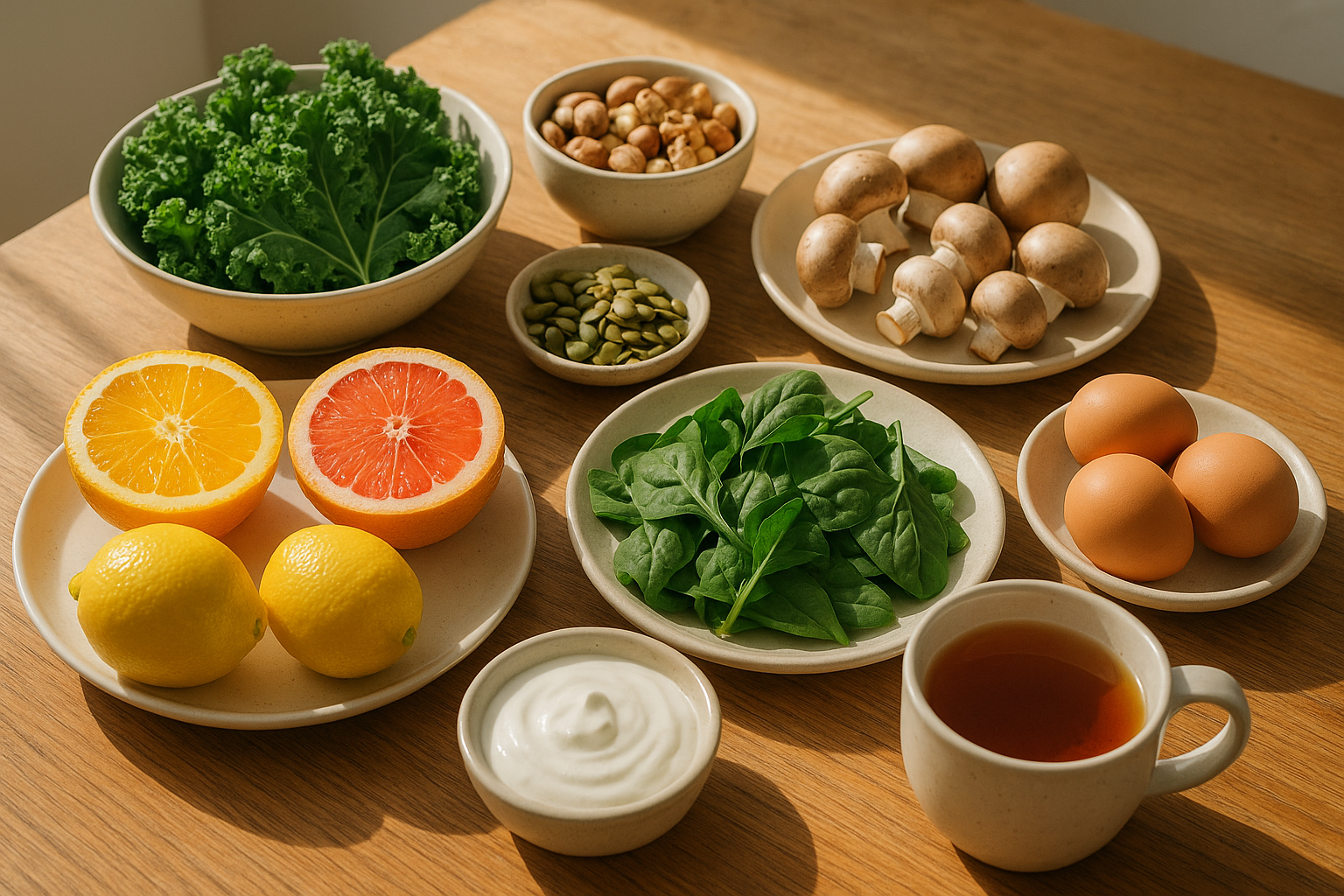
Key Nutrients for Natural Immune Support During Seasonal Changes
Key Nutrients for Natural Immune Support During Seasonal Changes
Seasonal transitions often bring shifts in temperature, daylight, travel, school schedules, and indoor crowding. These changes can influence immune resilience, but immune support is not about quick fixes. It is about consistently giving the body the nutrients it needs to maintain normal immune defenses.
The most effective approach combines nutrient-dense foods with healthy habits. Supplements may be useful for some people, but they are not a substitute for a balanced diet or medical care.
What natural immune support really means
Natural immune support nutrients help the body maintain normal immune function. They do not guarantee protection from infections, and more is not always better. The immune system depends on a coordinated network of cells, proteins, barriers, and signaling molecules. Nutrients support this system by helping with antioxidant defense, tissue repair, immune cell activity, and inflammatory balance.
1. Vitamin C
Vitamin C is one of the best-known nutrients for immune support. It contributes to antioxidant protection and helps support the function of immune cells. It also plays a role in collagen formation, which supports skin and tissue barriers.
Good food sources include citrus fruits, strawberries, kiwi, bell peppers, broccoli, Brussels sprouts, and potatoes. Because vitamin C is water-soluble, it is best consumed regularly through foods rather than relying only on occasional high doses.

2. Vitamin D
Vitamin D supports immune regulation and is especially relevant during seasonal changes when sunlight exposure may decrease. Many people get less sun in fall and winter, which can affect vitamin D status.
Food sources include fatty fish, egg yolks, fortified milk, fortified plant milks, and fortified cereals. A blood test can help determine whether supplementation is appropriate. Taking very high doses without guidance is not recommended.
3. Zinc
Zinc is important for normal immune cell development and function. It also supports skin integrity and wound healing. Low zinc intake may affect immune response, but excessive zinc can interfere with copper status and cause side effects.
Food sources include oysters, beef, poultry, beans, lentils, pumpkin seeds, yogurt, cashews, and fortified cereals. If using zinc supplements, avoid long-term high-dose use unless supervised by a healthcare professional.
4. Protein
Protein is essential for building antibodies, immune cells, enzymes, and tissue-repair molecules. During busy seasonal transitions, protein intake can drop when meals become less structured.
Good sources include fish, poultry, eggs, dairy, tofu, tempeh, beans, lentils, nuts, seeds, and lean meats. Aim to include a protein source at each meal to support steady intake.
5. Selenium
Selenium helps support antioxidant systems and normal immune function. The body needs only small amounts, so balance matters.
Food sources include Brazil nuts, tuna, sardines, eggs, turkey, chicken, and whole grains. Brazil nuts are particularly rich in selenium, so just one or two can provide a meaningful amount.
6. Vitamin A and carotenoids
Vitamin A helps maintain the health of skin and mucosal barriers, including the lining of the respiratory and digestive tracts. These barriers are part of the body’s first line of defense.
Food sources include sweet potatoes, carrots, spinach, kale, pumpkin, eggs, and dairy products. Orange and dark green produce provides carotenoids, which the body can convert to vitamin A as needed.
7. B vitamins
B vitamins help the body convert food into energy and support many cellular processes, including those involved in immune function. Vitamin B6, folate, and vitamin B12 are especially important for normal immune cell activity.
Food sources include whole grains, beans, lentils, leafy greens, poultry, fish, eggs, dairy, and fortified foods. People following a strict vegan diet should pay special attention to vitamin B12 intake.
8. Omega-3 fatty acids
Omega-3 fats help support a balanced inflammatory response. They are not a direct immune shield, but they are part of an overall pattern of eating that supports long-term immune health.
Food sources include salmon, sardines, trout, chia seeds, flaxseed, walnuts, and algae-based omega-3 products. Fatty fish a couple of times per week can be a practical food-based strategy for many people.
9. Probiotics, prebiotics, and fiber
A large portion of immune activity is connected to the gut. Fiber-rich foods and fermented foods may help support a healthy gut environment, which can contribute to immune balance.
Prebiotic fiber sources include oats, beans, lentils, onions, garlic, asparagus, bananas, and apples. Fermented foods include yogurt with live cultures, kefir, sauerkraut, kimchi, miso, and tempeh.
10. Iron
Iron supports oxygen transport and immune cell function. Both low and excessive iron can be problematic, so supplementation should be based on need.
Food sources include lean meats, seafood, beans, lentils, spinach, tofu, pumpkin seeds, and fortified grains. Pairing plant-based iron foods with vitamin C-rich foods can improve absorption.
Food-first immune support plate
A practical immune-supportive meal includes colorful produce, adequate protein, healthy fats, and fiber-rich carbohydrates. For example, a seasonal plate might include roasted sweet potatoes, sautéed greens, salmon or lentils, pumpkin seeds, and citrus fruit.
This type of meal provides vitamin C, vitamin A precursors, zinc, selenium, protein, fiber, and healthy fats in a natural food matrix.
When supplements may help
Supplements may be useful when dietary intake is low, blood levels are insufficient, sunlight exposure is limited, or a healthcare professional identifies a specific need. Common examples include vitamin D, vitamin B12 for some plant-based diets, iron for diagnosed deficiency, or zinc for short-term targeted use.
However, supplements can interact with medications and may cause harm at high doses. Choose third-party tested products when possible and follow professional guidance.
Seasonal habits that work with nutrition
Nutrients work best alongside healthy routines. Prioritize consistent sleep, regular movement, hydration, hand hygiene, stress reduction, and time outdoors when possible. These foundations can make a meaningful difference during seasonal changes.
Key takeaway
The best natural immune support nutrients include vitamin C, vitamin D, zinc, protein, selenium, vitamin A, B vitamins, omega-3 fats, fiber, and iron when needed. A varied, food-first approach is the safest and most sustainable way to support immune health through seasonal changes.