
The Connection Between Gut Health and Chronic Inflammation
The Connection Between Gut Health and Chronic Inflammation
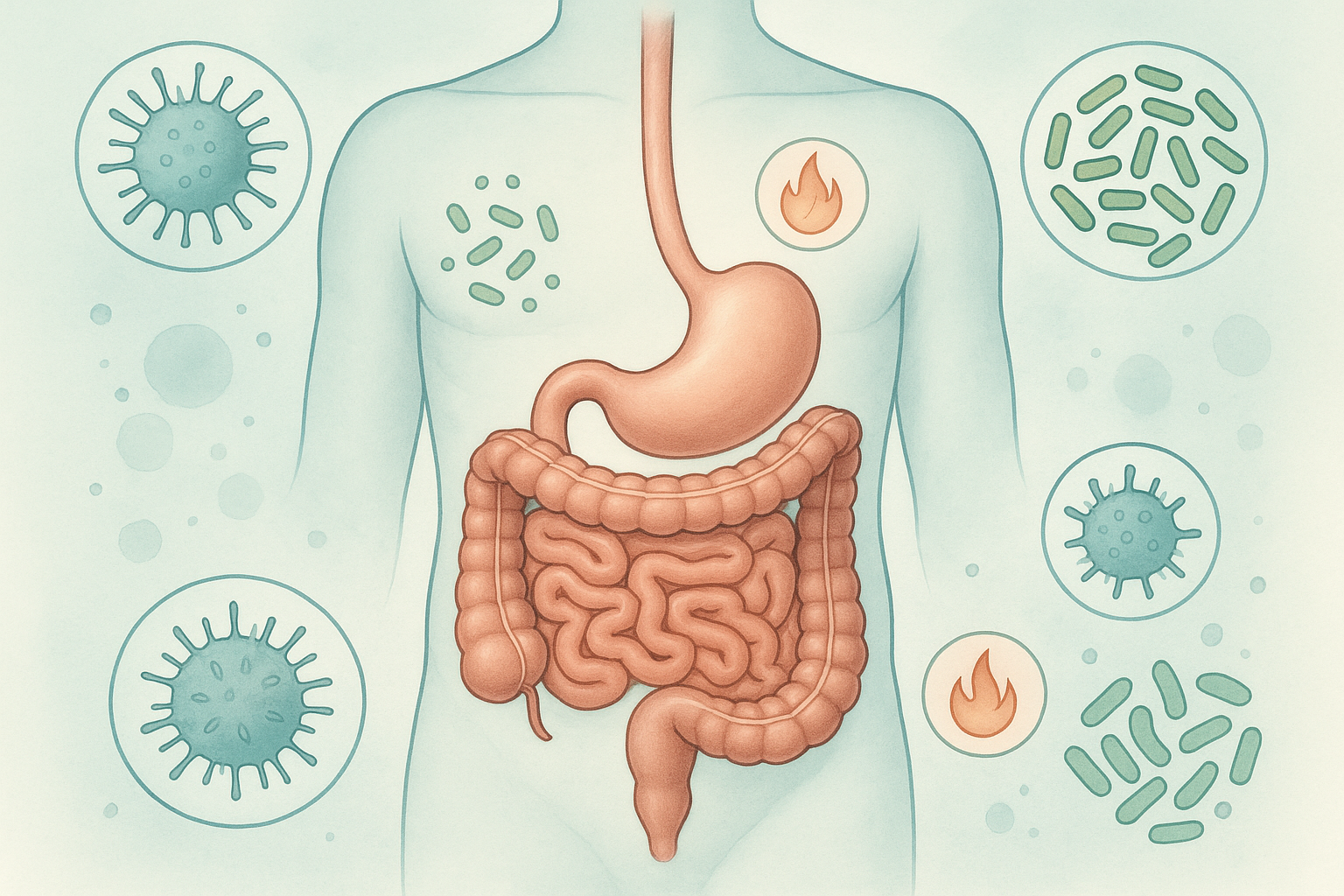
Gut health and inflammation are deeply linked. The gut is home to trillions of microorganisms, collectively known as the gut microbiome, and it also contains a large portion of the body’s immune tissue. Because of this, changes in gut bacteria, digestion, intestinal barrier function, and immune signaling can influence inflammation far beyond the digestive tract.
Chronic inflammation is different from short-term inflammation. Acute inflammation is part of normal healing after an injury or infection. Chronic inflammation is a longer-lasting immune response that may persist at a low level and contribute to health problems over time.
How the Gut Helps Regulate Inflammation
The digestive tract acts as both a nutrient-processing system and an immune checkpoint. A healthy gut helps the body identify useful nutrients and harmless microbes while defending against pathogens. Several gut-related systems influence inflammation:
- The gut microbiome, which helps digest fiber, produce beneficial compounds, and communicate with immune cells.
- The intestinal barrier, which helps keep harmful substances from passing into the bloodstream.
- Gut-associated immune tissue, which helps regulate immune responses.
- Metabolic byproducts such as short-chain fatty acids, which may help support immune balance.
When these systems are functioning well, the gut can help maintain immune tolerance and reduce unnecessary inflammatory activity.
The Gut Microbiome and Immune Signaling
A diverse gut microbiome is generally associated with better resilience. Beneficial gut bacteria help break down dietary fibers into compounds such as short-chain fatty acids. These compounds may help support the intestinal lining and influence immune cells involved in inflammation control.

When the microbiome becomes imbalanced, sometimes called dysbiosis, beneficial bacteria may decrease while less helpful microbes may become more dominant. Dysbiosis has been studied in relation to inflammatory bowel disease, metabolic disorders, allergies, and other inflammatory conditions. However, the relationship is complex: gut imbalance may contribute to inflammation, but inflammation can also alter the microbiome.
Gut Barrier Function and Inflammation
The intestinal lining is designed to allow nutrients to pass through while helping block harmful microbes, toxins, and undigested particles. When gut barrier function is weakened, immune cells may be exposed to substances that trigger inflammatory responses.
Researchers often describe this as increased intestinal permeability. While the popular term “leaky gut” is commonly used online, it is important to understand that intestinal permeability is a real area of scientific study, but it is not a standalone diagnosis for every symptom. If you have persistent digestive symptoms, fatigue, unexplained pain, or inflammatory concerns, medical evaluation is important.
Diet Patterns That Support Gut and Inflammatory Health
Diet is one of the most important modifiable factors affecting gut health and inflammation. A gut-supportive eating pattern usually emphasizes whole, minimally processed foods.
Helpful choices often include:
- Fiber-rich vegetables, fruits, beans, lentils, oats, and whole grains.
- Fermented foods such as yogurt with live cultures, kefir, kimchi, sauerkraut, and miso, if tolerated.
- Healthy fats from foods such as olive oil, nuts, seeds, and fatty fish.
- Polyphenol-rich foods such as berries, cocoa, green tea, herbs, and colorful plants.
- Adequate protein to support tissue repair and immune function.
Foods that may contribute to inflammation in some people include highly processed foods, excess added sugars, heavy alcohol intake, and diets very low in fiber. Individual tolerance matters, especially for people with irritable bowel syndrome, inflammatory bowel disease, celiac disease, or food allergies.
Lifestyle Factors That Affect the Gut-Inflammation Connection
Gut health is not shaped by diet alone. Several lifestyle factors can influence the microbiome and inflammatory balance:
- Sleep: Poor sleep can disrupt immune regulation and may affect gut microbial patterns.
- Stress: Chronic stress can influence digestion, gut motility, gut sensitivity, and immune signaling.
- Physical activity: Regular moderate exercise is associated with healthier inflammatory markers and may support microbiome diversity.
- Antibiotic exposure: Antibiotics are sometimes necessary and lifesaving, but they can temporarily disrupt the microbiome. Use them only as prescribed.
- Smoking and excess alcohol: Both can negatively affect gut and immune health.
Signs Your Gut May Need Medical Attention
Occasional bloating or digestive changes are common, but some symptoms should be discussed with a healthcare professional. Seek medical advice if you experience:
- Persistent diarrhea or constipation.
- Blood in stool.
- Unexplained weight loss.
- Ongoing abdominal pain.
- Chronic nausea or vomiting.
- Symptoms that wake you from sleep.
- Signs of nutrient deficiency, anemia, or severe fatigue.
- A family history of colon cancer, celiac disease, or inflammatory bowel disease.
These symptoms do not always indicate a serious condition, but they deserve proper evaluation.
Practical Ways to Support Gut Health and Lower Inflammatory Load
A practical approach is usually better than extreme protocols. Consider these evidence-informed steps:
- Increase fiber gradually to avoid gas and discomfort.
- Eat a variety of plant foods each week to support microbial diversity.
- Include fermented foods if you tolerate them.
- Limit ultra-processed foods and excess added sugars.
- Prioritize sleep and stress management.
- Move your body regularly with activities you can sustain.
- Avoid unnecessary antibiotic use and follow medical guidance when antibiotics are needed.
- Discuss supplements, probiotics, or elimination diets with a qualified clinician, especially if you have a diagnosed condition.
Bottom Line
The connection between gut health and chronic inflammation is rooted in the relationship between the microbiome, intestinal barrier, immune system, and lifestyle. Supporting gut health through a fiber-rich, nutrient-dense diet, regular movement, adequate sleep, and stress management may help promote a healthier inflammatory response. For persistent or severe symptoms, professional medical evaluation is essential.