
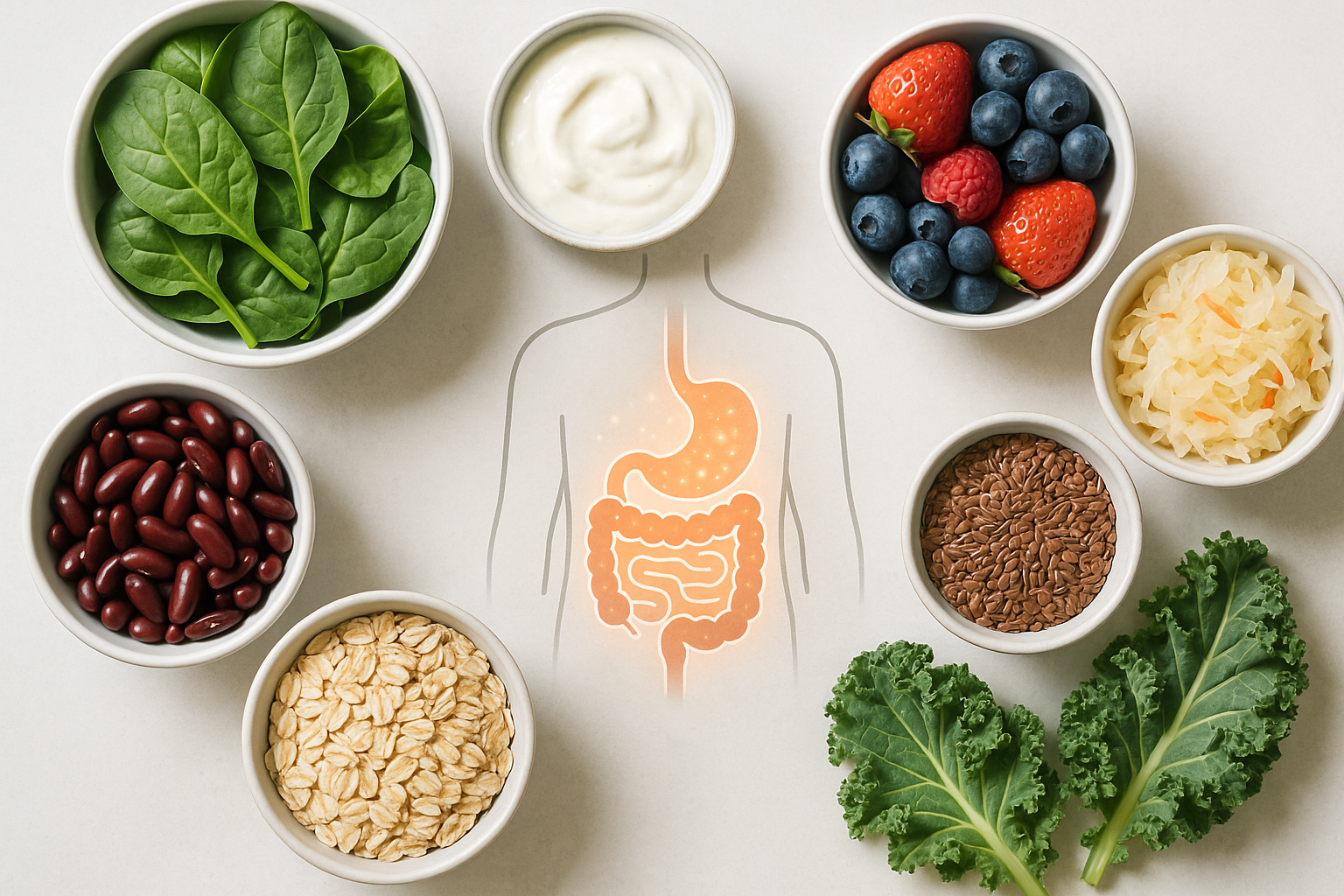
The Gut Inflammation Connection and How to Support a Healthier Microbiome Naturally
The Gut Inflammation Connection and How to Support a Healthier Microbiome Naturally
Gut health and inflammation are deeply linked. Your gastrointestinal tract is not just a place where food is digested. It is also a major immune organ, a protective barrier, and home to trillions of microorganisms known collectively as the gut microbiome. These bacteria, fungi, viruses, and other microbes interact with the immune system every day.
When the gut microbiome is diverse and balanced, it can help support digestion, nutrient metabolism, immune regulation, and the integrity of the gut lining. When that balance is disrupted, the gut may become more vulnerable to irritation, immune activation, and inflammatory signaling.
What Is the Gut Microbiome?
The gut microbiome is the community of microorganisms living primarily in the intestines. These microbes help break down certain fibers, produce beneficial compounds, influence immune activity, and communicate with the gut lining.
A healthy microbiome is usually described as diverse, resilient, and balanced. This does not mean every person has the same ideal microbiome. Microbiome composition varies based on genetics, early life exposures, geography, diet, medications, health status, stress, sleep, and age.
How Gut Health and Inflammation Are Connected
Inflammation is part of the body’s normal defense system. Short-term inflammation helps the body respond to injury or infection. Problems can arise when inflammatory activity becomes excessive, prolonged, or poorly regulated.

The gut is a major site of immune activity. A large share of immune cells are associated with the digestive tract, where they must distinguish between harmful invaders, harmless food particles, and beneficial microbes. The microbiome helps train and regulate this immune response.
Several gut-related factors may influence inflammation:
- Microbiome balance: Beneficial microbes can produce compounds that support immune regulation, while an imbalanced microbiome may contribute to inflammatory signaling.
- Gut barrier function: The intestinal lining helps control what passes from the gut into the bloodstream. When barrier function is impaired, the immune system may be exposed to more irritating substances.
- Short-chain fatty acids: When gut bacteria ferment certain fibers, they produce short-chain fatty acids such as butyrate. These compounds help nourish colon cells and may support healthy immune responses.
- Diet quality: Diets high in fiber and plant diversity are associated with a more diverse microbiome, while patterns high in ultra-processed foods may be less supportive.
- Chronic stress and sleep loss: Stress hormones and poor sleep can affect digestion, gut motility, immune function, and microbial balance.
Signs Your Gut May Need Support
Digestive symptoms do not always mean inflammation is present, and inflammation does not always cause obvious digestive symptoms. However, gut imbalance or irritation may be associated with symptoms such as:
- Bloating or excessive gas
- Irregular bowel habits
- Abdominal discomfort
- Food-related digestive sensitivity
- Heartburn or indigestion
- Fatigue associated with poor nutrition or poor sleep
Seek medical care promptly if you have red-flag symptoms such as blood in the stool, unexplained weight loss, persistent diarrhea, severe abdominal pain, fever, anemia, difficulty swallowing, ongoing vomiting, or symptoms that wake you from sleep.
Foods That Support a Healthier Microbiome
Food is one of the most practical ways to influence gut health. The goal is not a perfect diet but a consistent pattern that supports microbial diversity and lowers unnecessary digestive stress.
1. Eat More Fiber-Rich Plant Foods
Dietary fiber feeds beneficial gut microbes. As microbes ferment fiber, they can produce compounds that help support the gut lining and immune balance.
Helpful options include:
- Beans, lentils, and peas
- Oats, barley, quinoa, and brown rice
- Berries, apples, pears, and citrus fruits
- Leafy greens and cruciferous vegetables
- Sweet potatoes, carrots, and squash
- Nuts and seeds
Increase fiber gradually and drink enough fluids. A sudden jump in fiber can cause gas, bloating, or discomfort, especially in people with irritable bowel syndrome or other digestive conditions.
2. Include Prebiotic Foods
Prebiotics are types of fiber and other compounds that beneficial microbes can use as fuel. Common prebiotic-rich foods include onions, garlic, leeks, asparagus, bananas, oats, legumes, and Jerusalem artichokes.
Some people with sensitive digestion may not tolerate certain prebiotic foods well. If you notice symptoms, reduce portions and consider working with a registered dietitian.
3. Consider Fermented Foods
Fermented foods can add microbial diversity and beneficial compounds to the diet. Examples include yogurt with live and active cultures, kefir, sauerkraut, kimchi, miso, tempeh, and some fermented pickles.
Choose options that fit your health needs. For example, some fermented foods are high in sodium, and some yogurts are high in added sugar. People who are immunocompromised should ask a healthcare professional before using unpasteurized fermented products.
4. Emphasize Polyphenol-Rich Foods
Polyphenols are plant compounds that may interact with the gut microbiome and support antioxidant defenses. Good sources include berries, extra-virgin olive oil, cocoa, green tea, herbs, spices, colorful vegetables, and nuts.
5. Limit Ultra-Processed Foods When Possible
A diet high in ultra-processed foods, added sugars, refined starches, and low-quality fats may be less supportive of microbiome diversity. You do not need to eliminate every convenience food, but try to make whole and minimally processed foods the foundation of most meals.
Lifestyle Habits That Influence Gut Inflammation
Gut health is not only about food. The gut is connected to the nervous system, immune system, sleep-wake cycle, and movement patterns.
Prioritize Sleep
Poor sleep can affect immune regulation and appetite hormones, and it may influence the gut microbiome. Aim for a consistent sleep schedule, a dark and cool bedroom, and a calming pre-bed routine.
Manage Chronic Stress
The gut and brain communicate through the gut-brain axis. Chronic stress can affect gut motility, sensitivity, immune function, and digestive comfort. Helpful tools may include breathing exercises, meditation, walking, journaling, therapy, time outdoors, or gentle yoga.
Move Regularly
Regular physical activity is associated with better metabolic and immune health and may support a more favorable gut environment. A realistic goal is to build a routine that includes walking, strength training, stretching, or other enjoyable movement.
Avoid Unnecessary Antibiotic Use
Antibiotics can be lifesaving when needed, but they can also disrupt the microbiome. Use antibiotics only when prescribed and follow your clinician’s instructions. Never stop prescribed antibiotics early without medical guidance.
Be Thoughtful With Supplements
Probiotic, prebiotic, fiber, vitamin D, omega-3, and other supplements are often marketed for gut health and inflammation. Some may be useful in specific cases, but benefits depend on the person, product, strain, dose, and condition. Supplements can also interact with medications or cause side effects. Ask a healthcare professional before starting a new supplement.
Probiotics: Helpful Tool or Hype?
Probiotics are live microorganisms that may provide a health benefit when taken in adequate amounts. They are not all the same. Different strains can have different effects, and a product that helps one condition may not help another.
Probiotics may be considered for certain situations, such as antibiotic-associated diarrhea or specific digestive concerns, but they are not a universal solution for inflammation. Food quality, fiber intake, sleep, stress, and medical evaluation often matter just as much or more.
When Gut Inflammation May Need Medical Evaluation
Some inflammatory gut conditions require medical care, not just lifestyle changes. Inflammatory bowel disease, including Crohn’s disease and ulcerative colitis, involves chronic inflammation of the digestive tract and should be managed by qualified clinicians.
You should also seek care if symptoms are persistent, worsening, unexplained, or interfering with daily life. A clinician may recommend blood tests, stool tests, imaging, endoscopy, allergy evaluation, celiac disease screening, or other assessments depending on your symptoms.
A Simple Gut-Supportive Daily Plan
A practical daily routine might include:
- A fiber-rich breakfast such as oats with berries, chia seeds, and yogurt
- A lunch built around vegetables, beans or lentils, whole grains, and olive oil
- A fermented food serving if tolerated
- Enough water throughout the day
- A 20 to 30 minute walk
- A stress-reduction practice such as slow breathing or stretching
- A consistent sleep routine
Small changes done consistently are usually more effective than short, extreme gut resets.
Key Takeaway
The connection between gut health and inflammation is shaped by the microbiome, gut barrier, immune system, diet, sleep, stress, movement, medications, and underlying health conditions. A naturally supportive approach focuses on fiber-rich plant foods, fermented foods when appropriate, diverse whole foods, regular movement, quality sleep, and stress management. If symptoms are severe or persistent, professional medical guidance is essential.
References
NIH: The gut microbiota and host health